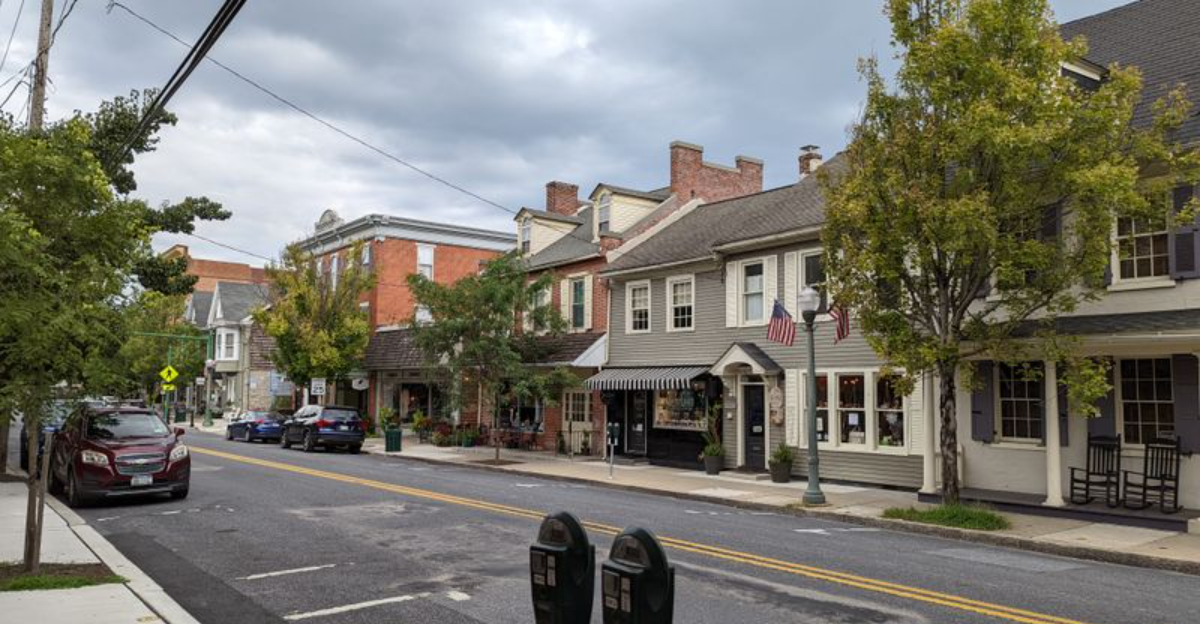
Pennsylvania holds treasures that come alive when winter transforms its historic streets into magical wonderlands.
Cobblestone paths dusted with snow and colonial architecture framed by icicles create scenes straight from a storybook.
Walking through these towns during the colder months offers a peaceful escape from busy modern life while connecting you with America’s rich past.
The crisp winter air makes exploring these charming communities even more refreshing and memorable.
Each town on this list features unique historical significance, beautiful architecture, and welcoming downtown areas perfect for leisurely strolls.
You’ll discover cozy cafes where you can warm up with hot chocolate, fascinating museums that tell Pennsylvania’s story, and shops filled with local crafts and antiques.
Whether you’re a history enthusiast, photography lover, or simply someone who enjoys peaceful winter walks, these seven towns offer something special.
Bundle up in your warmest coat, lace up your boots, and get ready to explore Pennsylvania’s most enchanting historic destinations where every corner reveals another piece of American history.
1. New Hope
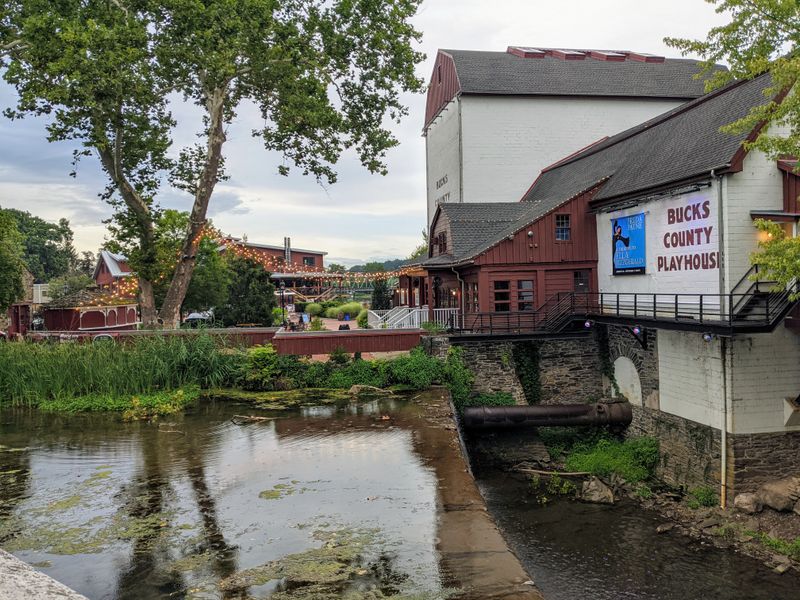
New Hope sits along the Delaware River like a painting waiting to be discovered, especially when winter blankets its streets in pristine white snow.
This artistic community dates back to the 1700s and has maintained its colonial charm while becoming a haven for creative souls and history lovers alike.
The town earned its name after a devastating mill fire in 1790, symbolizing rebirth and new beginnings that still define its spirit today.
Walking down Main Street feels like stepping into a time capsule, with buildings that have stood for centuries now housing galleries, boutiques, and antique shops.
The Bucks County Playhouse at 70 South Main Street has entertained visitors since 1939 and remains a cultural landmark worth admiring from outside during your winter stroll.
You’ll find the New Hope & Ivyland Railroad station nearby, offering scenic winter train rides that showcase the snowy countryside in all its glory.
Winter transforms the riverfront into a serene escape where you can watch ice formations dance along the water’s edge.
The historic Parry Mansion at 45 South Main Street, built in 1784, opens its doors to visitors interested in seeing how families lived through different American eras.
Cozy cafes like Karla’s Restaurant at 5 West Mechanic Street welcome cold wanderers with warm soups and fresh-baked treats.
The town’s compact size makes it perfect for exploring on foot without feeling rushed or exhausted.
Local shops stay festive throughout winter, their windows decorated with twinkling lights that reflect beautifully off snow-covered sidewalks.
Photography enthusiasts particularly love capturing New Hope’s covered bridges and stone buildings against winter’s stark beauty, creating images that look like vintage postcards come to life.
2. Jim Thorpe
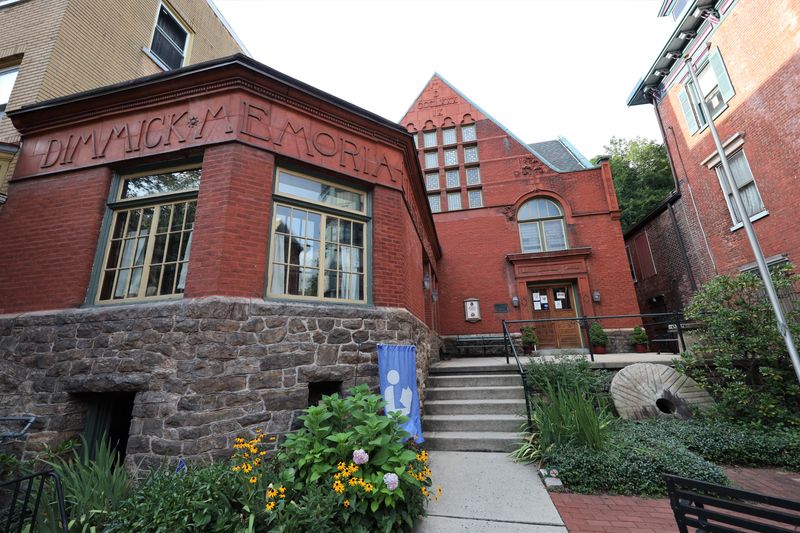
Nicknamed the “Switzerland of America,” Jim Thorpe nestles dramatically in the Lehigh Gorge with Victorian mansions clinging to mountainsides that tower overhead.
Originally called Mauch Chunk, the town renamed itself in 1954 to honor the legendary Olympic athlete, creating one of America’s most unusual naming stories.
Winter amplifies the town’s fairy-tale quality as snow drapes over ornate Victorian architecture and icicles hang from century-old eaves.
Broadway becomes a winter wonderland where every building tells a different architectural story from the town’s coal-mining heyday.
The Asa Packer Mansion at 1 Packer Hill stands as a testament to Gilded Age wealth, its Italianate design even more striking against white snow.
You can warm up at the Molly Maguires Pub & Steakhouse at 5 Hazard Square, located inside a historic jail where accused Irish coal miners once awaited their fate.
The Old Jail Museum at 128 West Broadway offers spine-tingling tours where you’ll hear tales of hauntings and historical justice.
Race Street climbs steeply upward, rewarding hardy winter walkers with breathtaking panoramic views of the snow-covered valley below.
St. Mark’s Episcopal Church at 21 Race Street features stunning Gothic Revival architecture that looks especially majestic framed by winter’s bare trees.
Downtown shops overflow with antiques, handmade crafts, and local artwork perfect for browsing when your fingers need a break from the cold.
The Lehigh Gorge Scenic Railway offers winter excursions departing from the station at 1 Susquehanna Street, providing heated comfort while viewing spectacular frozen landscapes.
Evening walks become magical when historic street lamps cast golden glows across brick sidewalks, making Jim Thorpe feel like a living museum where the past never really left.
3. Doylestown
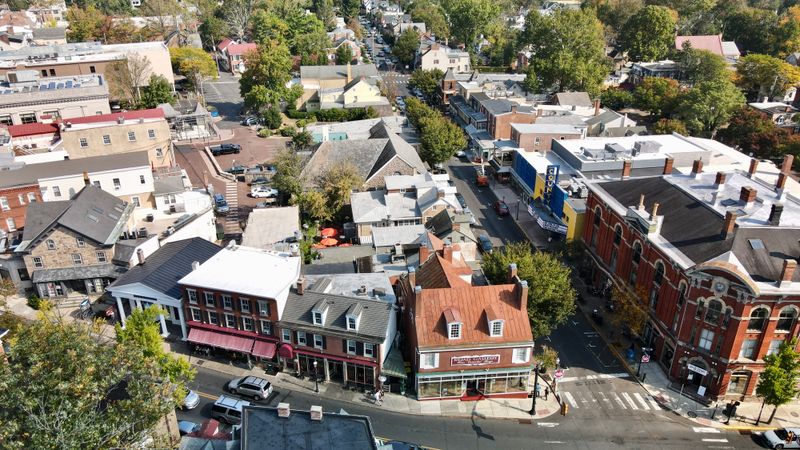
Doylestown serves as Bucks County’s seat, blending government history with small-town warmth that becomes even more inviting when winter arrives.
The town grew around its courthouse, which has anchored the community since 1812, watching generations of residents conduct their daily business.
Winter walks here reveal layers of American history, from Revolutionary War connections to the Arts and Crafts movement that left its permanent mark.
State Street forms the heart of downtown, lined with independently owned shops and restaurants that stay bustling even during the coldest months.
The Mercer Museum at 84 South Pine Street houses an incredible collection of early American tools and artifacts inside a castle-like concrete structure that looks especially dramatic against gray winter skies.
Fonthill Castle at East Court Street, just a short walk away, showcases Henry Mercer’s unique architectural vision with its hand-crafted tiles and medieval-inspired design.
The James A. Michener Art Museum at 138 South Pine Street occupies a beautifully restored 19th-century prison, offering both art and architecture to admire during your visit.
Main Street provides excellent window shopping opportunities, with boutiques displaying winter fashions and home goods behind glass panes that fog up from the warmth inside.
Cafe owners welcome frozen wanderers with specialty coffees and homemade pastries that taste even better after a brisk walk through town.
The Doylestown Historic District preserves buildings spanning three centuries, each telling stories about Pennsylvania’s development from colonial outpost to modern community.
Winter sunlight creates beautiful shadows across Victorian facades and Federal-style townhouses that line residential streets branching off from downtown.
Local bakeries like Jules Thin Crust at 791 North Easton Road serve as perfect pit stops where you can refuel before continuing your historical exploration through streets that feel authentically preserved rather than artificially recreated.
4. Gettysburg
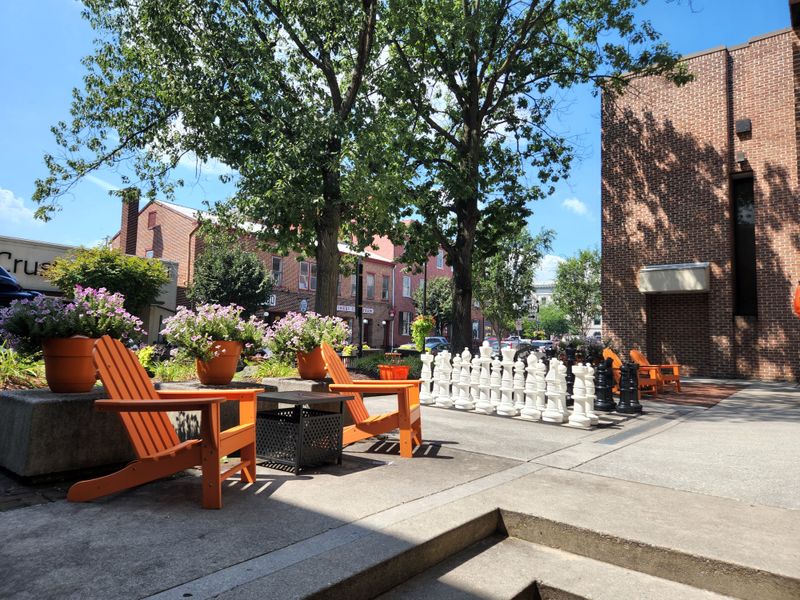
Few American towns carry the historical weight that Gettysburg does, where three days in July 1863 changed the nation’s course forever.
Winter brings a contemplative quiet to the battlefield and downtown streets, allowing visitors to reflect on the enormous sacrifices made here without summer’s crowds.
Snow covering the rolling hills and monuments creates a solemn beauty that somehow feels appropriate for such hallowed ground.
Lincoln Square sits at the heart of downtown, where five historic roads converge just as they did when soldiers marched through these intersections.
The David Wills House at 8 Lincoln Square, where President Lincoln stayed before delivering the Gettysburg Address, offers tours that bring that pivotal moment to vivid life.
Baltimore Street showcases 19th-century architecture that witnessed the battle firsthand, with bullet holes still visible in some brick walls.
The Gettysburg National Military Park Museum and Visitor Center at 1195 Baltimore Pike provides essential context before exploring the battlefield itself.
Walking the downtown area reveals dozens of historic markers explaining how ordinary buildings became field hospitals, headquarters, and shelters during those terrible days.
The Dobbin House Tavern at 89 Steinwehr Avenue, built in 1776, served as a stop on the Underground Railroad and later witnessed the battle’s aftermath.
Cemetery Hill and the Soldiers’ National Cemetery become especially moving in winter when snow blankets thousands of graves marking those who never went home.
Local shops along Chambersburg Street offer Civil War books, replica artifacts, and historical information that deepen your understanding of what happened here.
The Majestic Theater at 25 Carlisle Street, dating to 1925, continues entertaining visitors just blocks from where history’s dramatic events unfolded, reminding us that life goes on even in places forever marked by tragedy.
5. Lititz
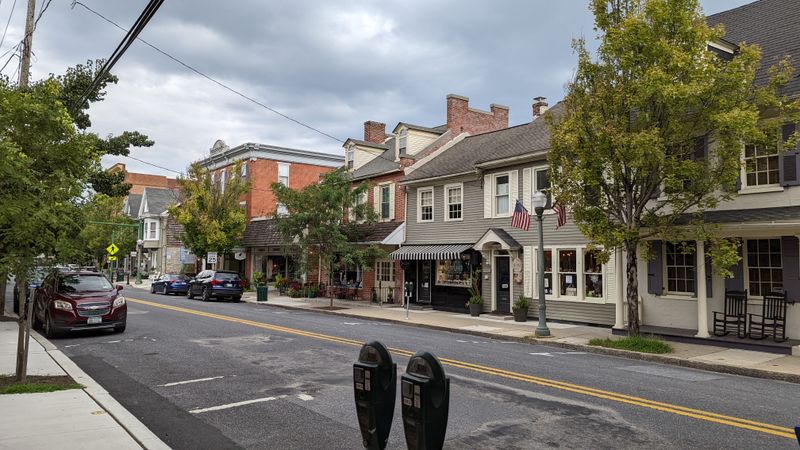
Moravian settlers founded Lititz in 1756, creating a community centered on faith, craftsmanship, and education that still shapes the town’s character today.
This Lancaster County gem regularly appears on lists of America’s coolest small towns, and winter reveals exactly why it deserves such recognition.
The town square arrangement and preserved colonial buildings create an authentic historical atmosphere without feeling like a tourist trap or theme park.
Main Street stretches through downtown with locally owned businesses that have served generations of families in the same historic buildings.
The Sturgis Pretzel House at 219 East Main Street claims to be America’s first commercial pretzel bakery, operating since 1861 and still offering tours and hand-twisting demonstrations.
Wilbur Chocolate Company at 48 North Broad Street has been crafting sweets since 1884, and their retail store provides a warm, fragrant refuge on cold winter afternoons.
The Moravian Church Square forms the town’s spiritual and geographical center, with buildings dating back to the 1700s surrounding a peaceful green space.
Lititz Springs Park at 18 North Broad Street becomes a winter wonderland when snow covers its historic spring house and walking paths that follow Lititz Run.
The Johannes Mueller House at 137-139 East Main Street, built in 1792, represents the town’s architectural heritage with its distinctive Germanic style.
Winter festivals and events keep the community lively even when temperatures drop, with shops decorating their windows and offering seasonal specialties.
The General Sutter Inn at 14 East Main Street has welcomed travelers since 1764, making it one of Pennsylvania’s oldest continuously operating inns.
Photographers love capturing Lititz’s timeless quality, especially when fresh snow softens the edges of stone buildings and bare trees frame historic structures against clear winter skies that seem impossibly blue.
6. Strasburg
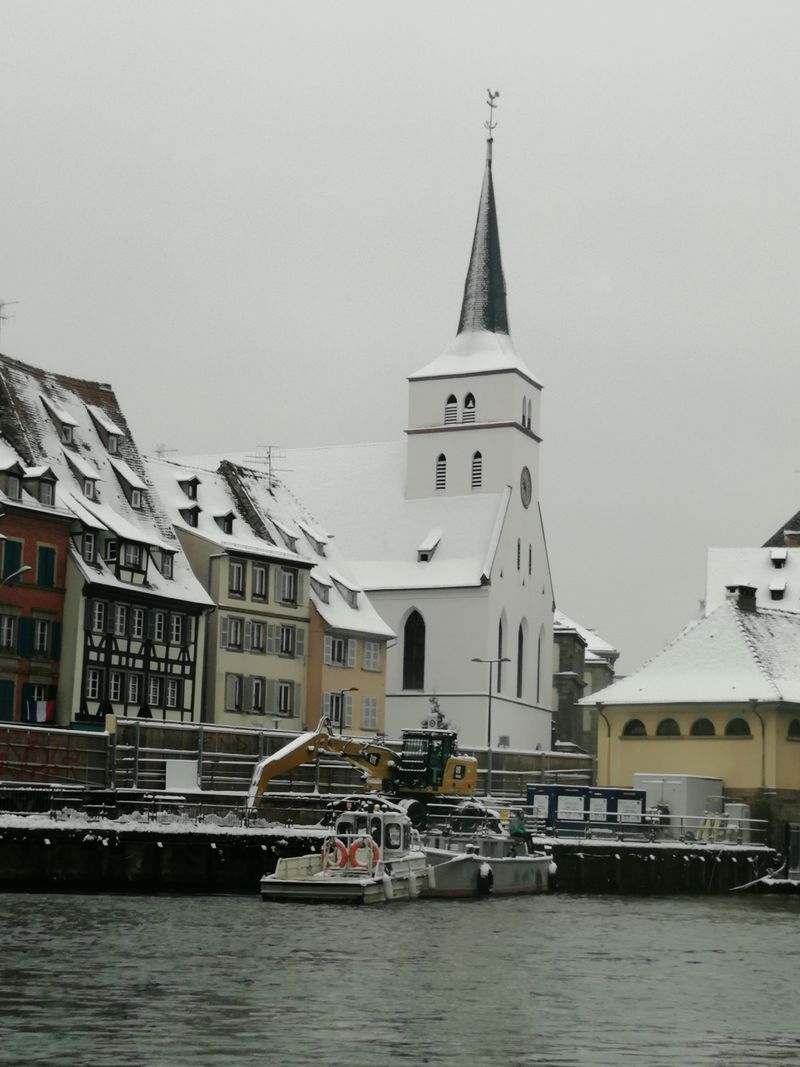
Railroad history runs through Strasburg’s veins, making this Lancaster County town a living museum where steam engines still whistle and chug through snowy countryside.
The town sits in the heart of Amish farmland, creating a unique blend where 19th-century technology meets a community that lives simply by choice.
Winter walks here offer glimpses into multiple historical periods simultaneously, from colonial settlements to the railroad age to present-day plain communities.
The Strasburg Rail Road at 301 Gap Road operates America’s oldest continuously running railroad, offering winter steam train excursions through picture-perfect snow-covered fields.
Main Street preserves its small-town character with antique shops, craft stores, and family restaurants housed in buildings that have served the community for generations.
The Railroad Museum of Pennsylvania at 300 Gap Road displays magnificent locomotives and railcars, many visible through large windows even when the museum closes for the day.
Historic Route 741 runs through town, connecting various attractions while providing scenic views of Amish farms where horses pull buggies along snowy lanes.
The Strasburg Country Store & Creamery at 1 West Main Street has been feeding locals and visitors since 1788, making it one of America’s oldest continuously operating stores.
Ed’s Buggy Rides at 253 Historic Drive offers a unique way to experience the area, though winter rides require extra blankets and a pioneering spirit.
The National Toy Train Museum at 300 Paradise Lane delights visitors of all ages with elaborate layouts that look especially festive during winter months.
Walking the residential streets reveals beautifully maintained Victorian homes that once housed railroad workers and their families during Strasburg’s industrial heyday.
Winter sunsets paint the sky in brilliant colors that reflect off snow-covered fields, creating magical moments that remind you why Pennsylvania’s countryside has inspired artists and photographers for centuries.
7. Bethlehem
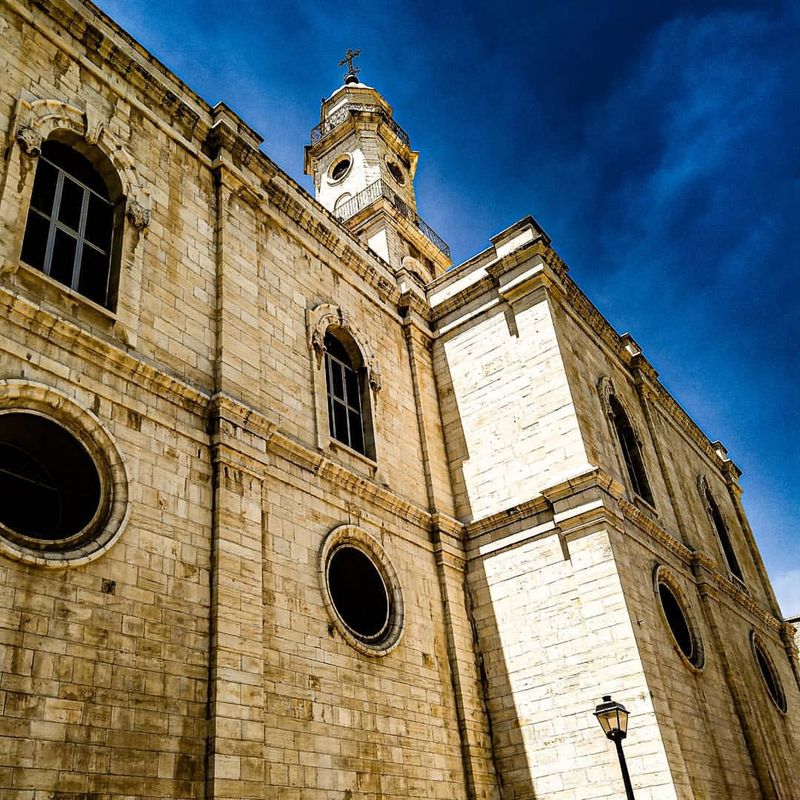
Christmas gets its name, but Bethlehem earned its reputation as America’s Christmas City through centuries of Moravian traditions that make winter visits truly special.
Founded on Christmas Eve 1741 by Moravian settlers, the town has celebrated the season with exceptional dedication ever since that snowy night.
The historic colonial industrial quarter showcases 18th-century stone buildings that represent some of America’s finest preserved examples of early industrial architecture.
Main Street runs through the historic district where buildings constructed in the 1700s and 1800s now house museums, shops, and restaurants that honor their heritage.
The Moravian Museum at 66 West Church Street occupies the 1741 Gemeinhaus, the oldest building in Bethlehem and a National Historic Landmark worth visiting year-round.
The Historic Hotel Bethlehem at 437 Main Street has welcomed guests since 1922, its elegant lobby and public spaces perfect for warming up during winter explorations.
SteelStacks at 645 East First Street transforms the former Bethlehem Steel plant into a cultural campus where massive blast furnaces stand as monuments to industrial history.
The Putz displays scattered throughout downtown during December showcase intricate miniature Nativity scenes, continuing a Moravian tradition hundreds of years old.
Central Moravian Church at 73 West Church Street features beautiful colonial architecture and the famous trombone choir that announces important occasions from the church belfry.
Walking the Monocacy Creek paths provides peaceful nature experiences right in town, with historic bridges and mill buildings adding character to winter landscapes.
Colonial Industrial Quarter guided tours reveal how Moravians created a self-sufficient community with tanneries, mills, and workshops that fueled early American development.
The South Side Arts District offers contemporary galleries and studios housed in repurposed industrial buildings, proving that Bethlehem successfully honors its past while embracing creative futures that keep the community vibrant and relevant.
Dear Reader: This page may contain affiliate links which may earn a commission if you click through and make a purchase. Our independent journalism is not influenced by any advertiser or commercial initiative unless it is clearly marked as sponsored content. As travel products change, please be sure to reconfirm all details and stay up to date with current events to ensure a safe and successful trip.
