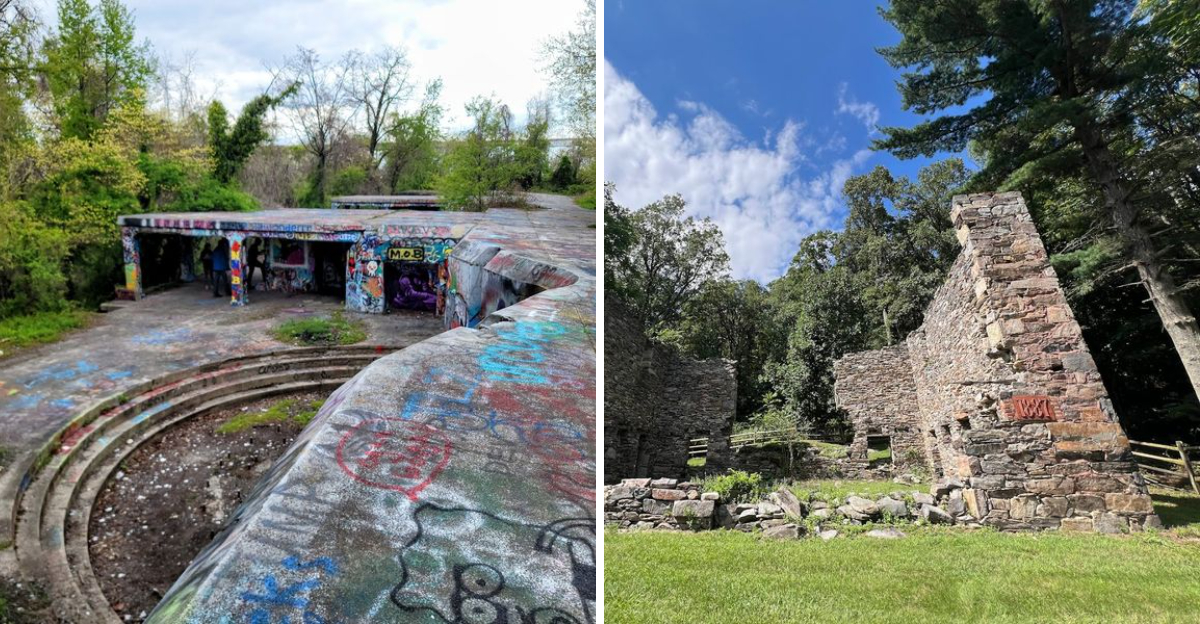
There is something satisfying about standing in front of old broken walls that have been there longer than your grandparents. You do not need a history degree to enjoy it.
Just a pair of sturdy shoes and a little imagination. The stones are mossy, the windows are empty, and the whole place feels like a secret even though it is not.
You can take a photo that makes your friends ask “wait, where is that?” and then smile mysteriously. No admission fee.
No gift shop pushing overpriced keychains. Just you, the quiet, and a few hundred years of stories you will never fully know.
1. Patapsco Female Institute Historic Park
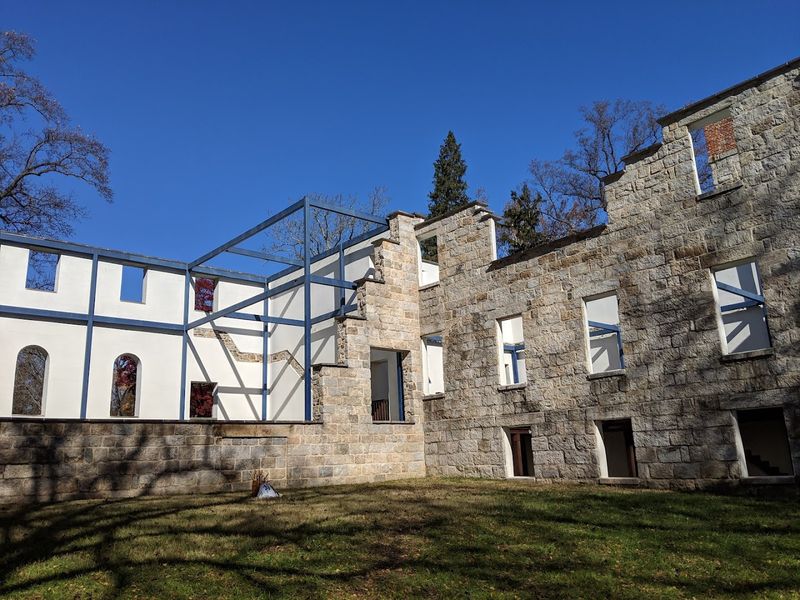
There is a particular kind of stillness at the Patapsco Female Institute that feels almost theatrical, like the building itself is holding its breath. Originally opened in 1837, this school educated young women at a time when female education was still considered a radical idea.
The roofless stone walls rise dramatically against the sky, and the arched windows frame views of the surrounding hillside in a way that feels almost intentional.
The site became a hospital during the Civil War and later served as a summer resort before falling into ruin. That layered history makes every corner feel worth exploring slowly.
I kept finding myself pausing to imagine the different lives that passed through these same walls across different centuries.
Today the park is maintained and accessible, with interpretive signs that help fill in the story without overwhelming the atmosphere. The grounds are peaceful and not usually crowded, which makes the experience feel genuinely personal.
It is the kind of ruin that rewards slow walkers and curious minds equally well.
2. Fort Carroll
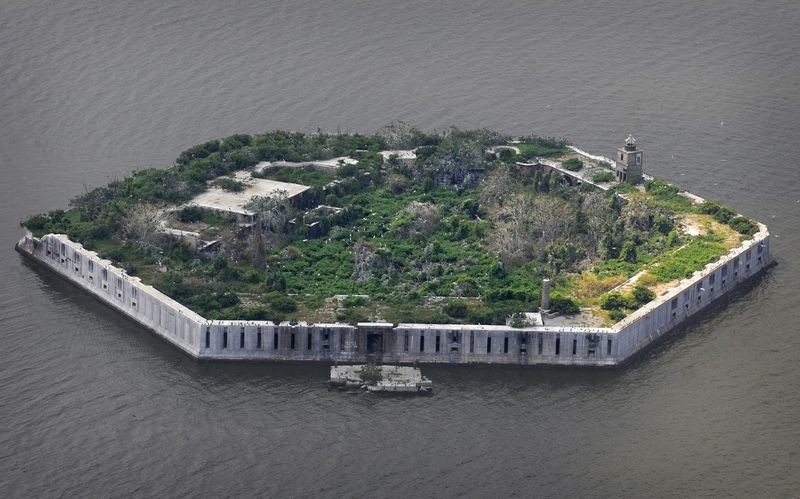
Fort Carroll sits in the middle of the Patapsco River like a forgotten island kingdom, its hexagonal stone walls slowly being reclaimed by vines and time. The fort was designed by Robert E.
Lee before the Civil War, which adds a layer of historical weight that is hard to shake once you know it. It was never fully completed and never saw significant military action, which somehow makes it feel even more mysterious.
Getting out there requires a boat, and that small effort actually makes the visit feel like a real adventure rather than a casual tourist stop. The isolation is part of the appeal.
Once you are close enough to see the deteriorating casemates and the vegetation pushing through the stonework, the scale of the place becomes genuinely impressive.
Over the years there have been various proposals to restore or repurpose the fort, but for now it remains beautifully untouched and wild. Birdwatchers love it for the same reasons history lovers do.
The combination of crumbling military architecture and natural overgrowth creates a visual experience that is difficult to find anywhere else in the Mid-Atlantic region.
3. Fort Armistead Park
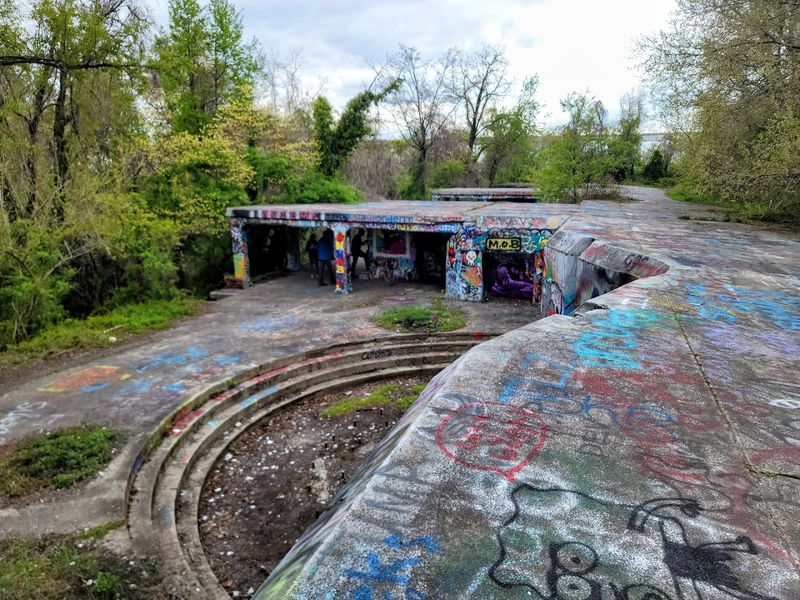
Fort Armistead does not announce itself loudly, and that is honestly a big part of its charm. Hidden along the southern tip of Baltimore near the Patapsco River, this former coastal defense installation feels like a place most people have simply forgotten about.
The concrete gun batteries are still standing in various states of decay, half-swallowed by trees and brush that have grown up around them over the decades.
The park itself is open and free to visit, and the combination of waterfront views and crumbling military infrastructure makes it genuinely photogenic. I found myself wandering through the old battery tunnels where the light filters in through gaps in the concrete, creating an eerie and beautiful atmosphere all at once.
It is the kind of place that rewards curiosity.
The fort was part of a broader harbor defense network built around Baltimore in the late 19th and early 20th centuries. Its guns were meant to protect the city from naval attack, though they were never fired in anger.
Today the ruins coexist with picnic areas and fishing spots, making it a layered destination that works for history enthusiasts and casual visitors alike.
Address: 4000 Hawkins Point Rd, Baltimore, MD
4. Fountain Rock Lime Kilns
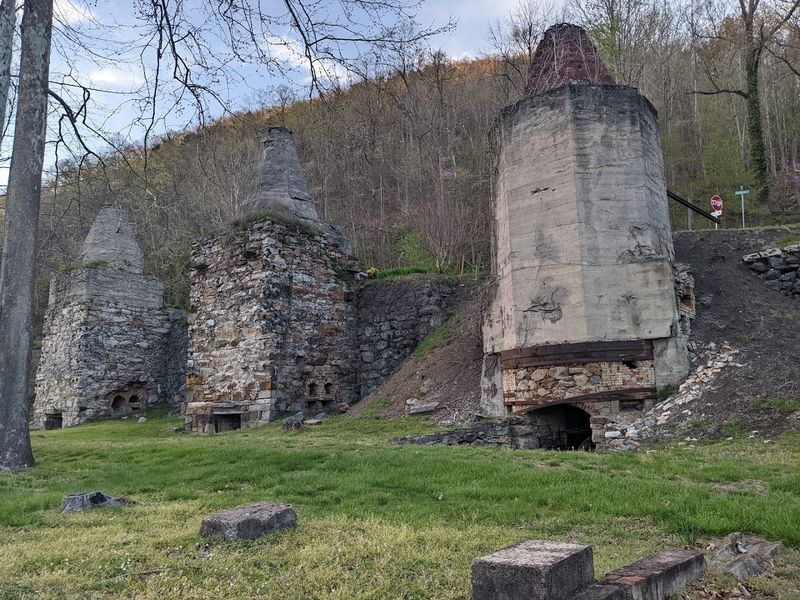
Most people drive past Walkersville without a second thought, but hidden near the nature center there is a set of lime kiln ruins that genuinely stop you in your tracks. The Fountain Rock Lime Kilns are tall, arched stone structures that look almost like ancient cathedral remnants from a distance.
They were used in the 19th century to process limestone into lime, which was a critical agricultural and construction material at the time.
What makes this site special is how quietly impressive it is. There are no big crowds, no entrance fees, and no dramatic signage.
The kilns just stand there in the landscape, solid and commanding, surrounded by the gentle sounds of a nature preserve. I appreciated how the site lets the ruins speak for themselves without over-explaining everything.
The surrounding nature center adds a pleasant dimension to the visit, offering trails and natural scenery that complement the industrial history rather than competing with it. Families with kids will find it easy to combine a short hike with the ruin exploration.
The kilns are well-preserved enough to feel substantial but weathered enough to feel genuinely historic.
Address: 8511 Nature Center Pl, Walkersville, MD
5. Catoctin Iron Furnace Ruins
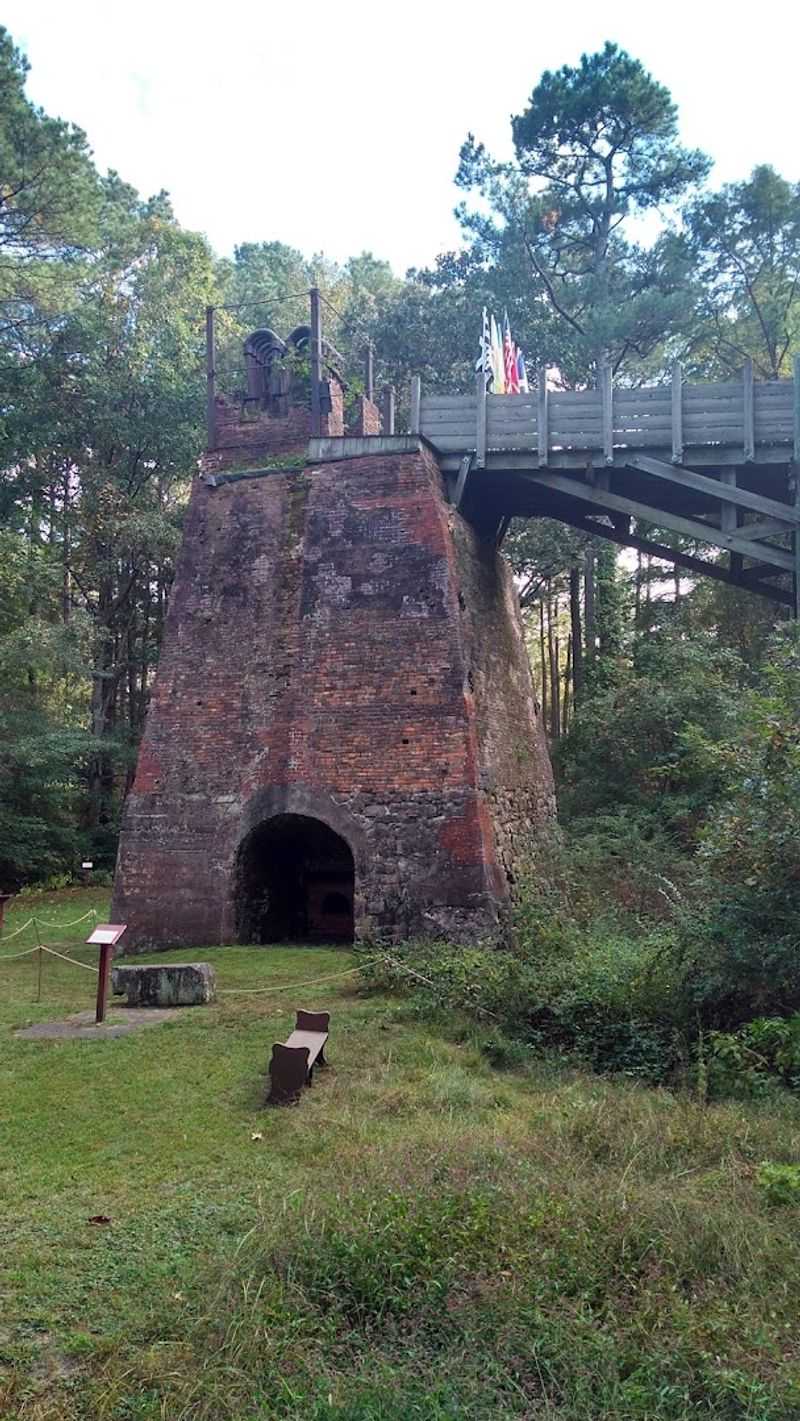
The Catoctin Iron Furnace has been standing in some form since the 1770s, and the weight of that history is something you feel the moment you see it. The massive stone furnace stack rises out of the forest floor like a monument, surrounded by the remains of what was once a thriving iron-making community.
It is one of the oldest surviving iron furnace complexes in Maryland, and the preservation here is genuinely impressive.
During the Revolutionary War, this furnace reportedly produced iron products that supported the Continental Army. That detail alone gives the site a kind of patriotic gravity that most ruins simply cannot claim.
The interpretive signs along the trail do a good job of connecting the physical ruins to the broader historical narrative without feeling like a textbook.
The setting along Catoctin Creek adds a natural beauty to the experience that makes the visit feel refreshing as well as educational. The sound of the water running nearby, the dense forest canopy overhead, and the ancient stone walls create a combination that is hard to replicate.
It is the kind of place that history lovers and nature lovers can both claim as their own.
Address: 12610 Catoctin Furnace Rd, Thurmont, MD
6. Maryland Gold Mine National Historic Landmark
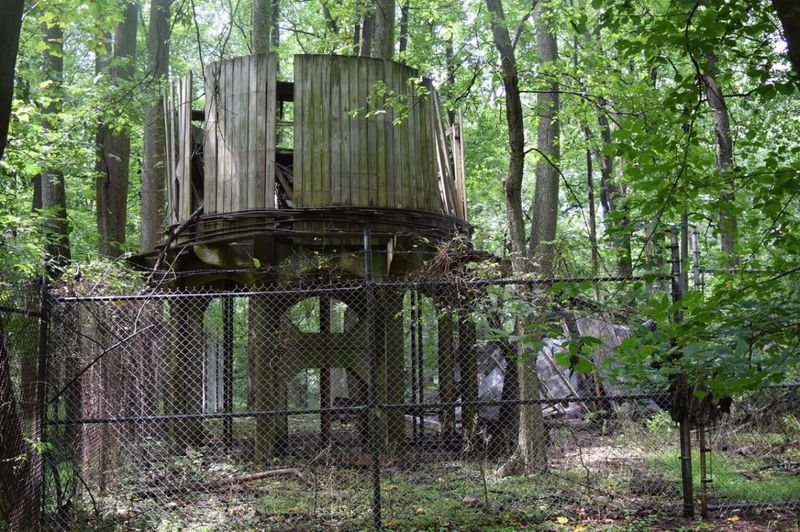
Gold mining in Maryland sounds like the kind of thing that belongs in a trivia question, but the Great Falls area along MacArthur Boulevard holds real evidence that it actually happened here.
The Maryland Gold Mine was one of the most productive gold mines in the eastern United States during the 19th century, which is a fact that tends to surprise nearly everyone who hears it for the first time.
The site sits within the C and O Canal National Historical Park, which means the surrounding landscape is already beautiful and well worth the trip on its own. The remnants of the mining operation blend into the wooded terrain in a way that makes exploration feel like a discovery rather than a guided tour.
I noticed how easy it is to walk right past some of the structural remains if you are not paying close attention.
The National Historic Landmark designation reflects just how significant this place was to American industrial and economic history. The proximity to the Potomac River and the canal towpath means you can pair the historic site with a long, scenic walk.
It is a genuinely satisfying combination of outdoor recreation and tangible history in one accessible location.
Address: 11400 Macarthur Blvd, Potomac, MD
7. Historic St. Mary’s City
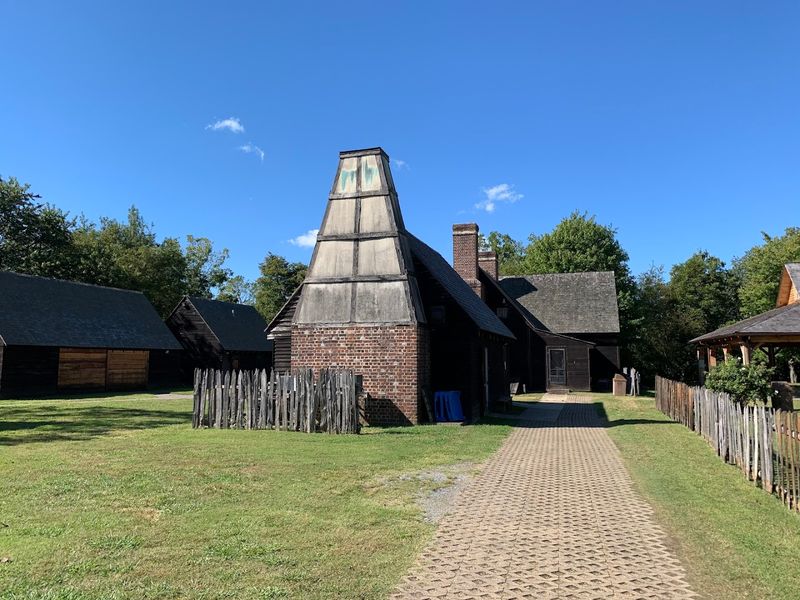
Historic St. Mary’s City is the kind of place that makes you reconsider how you think about American history. Founded in 1634, it was Maryland’s first colonial capital and one of the earliest English settlements in North America.
The site blends active archaeology with outdoor museum experiences, meaning you might watch researchers carefully uncovering artifacts at the same time you are walking through reconstructed colonial buildings.
What sets this place apart from other historic sites is the ongoing nature of the discovery here. The archaeology is still actively happening, which gives the whole experience an energy that static museums often lack.
There is always something being uncovered, reassessed, or reinterpreted, and that sense of living history is genuinely exciting.
The setting along the St. Mary’s River is quietly beautiful, with open fields and water views that help you imagine what this place must have looked like nearly four centuries ago. The reconstructed buildings are thoughtful and detailed without feeling overly polished.
It is a destination that rewards visitors who take their time and ask questions, because the layers of history here run remarkably deep.
Address: 18751 Hogans Ln, St Marys City, MD
8. Chapel Ruins at Gathland State Park
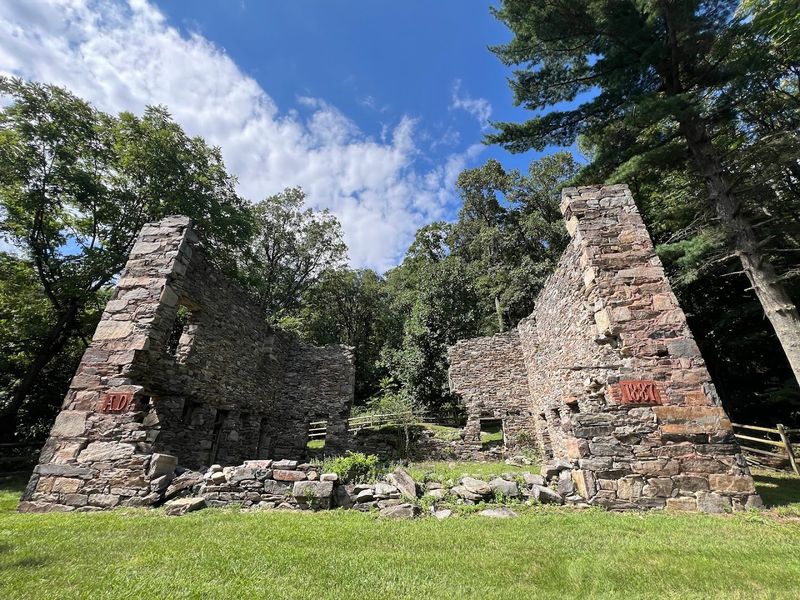
Gathland State Park sits on South Mountain in a way that feels genuinely removed from the modern world, and the chapel ruins hidden within the park add a quietly moving dimension to any visit.
The park itself was the estate of Civil War journalist George Alfred Townsend, who built an eccentric collection of structures here in the late 1800s.
The chapel ruins are among the most photogenic remnants of that original estate.
The stone walls still stand to a reasonable height, giving you a clear sense of the original structure without requiring much imagination to fill in the gaps.
Nearby, the towering War Correspondents Memorial Arch is one of the most unusual monuments in the entire state, honoring the journalists who covered the Civil War.
The combination of the arch and the chapel ruins makes this a visually rich stop.
The park is also part of the Appalachian Trail corridor, which means hikers frequently pass through and discover the ruins as part of a longer journey. That overlap of outdoor adventure and historical exploration gives Gathland a dual identity that feels genuinely special.
The atmosphere is peaceful and a little melancholy in the best possible way.
Address: 900 Arnoldstown Rd, Knoxville, MD
