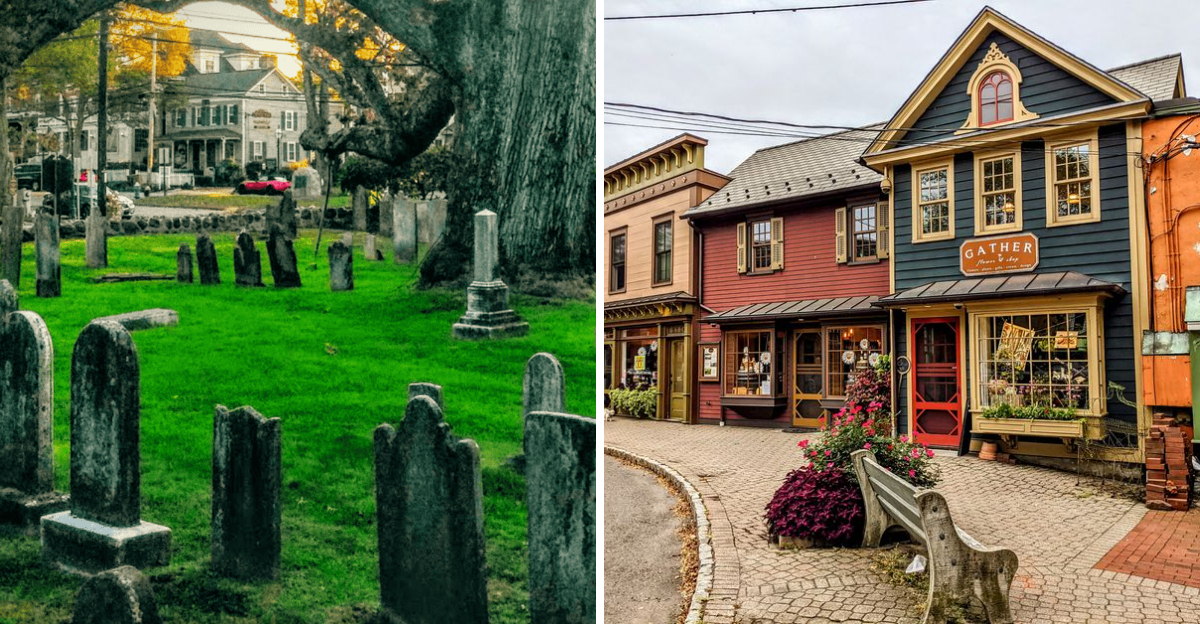
Central New Jersey holds a treasure trove of small towns where history comes alive on every corner.
Cobblestone streets, centuries-old buildings, and stories from the Revolutionary War era make these communities irresistible to anyone who loves a good glimpse into the past.
Walking through these charming villages feels like stepping back in time, where colonial architecture still stands proudly and local traditions run deep.
Many residents from across New Jersey make regular trips to these spots, drawn by the authentic atmosphere and rich heritage that larger cities simply can’t replicate.
The combination of well-preserved landmarks, cozy downtown areas, and fascinating museums creates an experience that appeals to history buffs and casual visitors alike.
Ready to trade your everyday routine for a stroll through America’s earliest days?
Picture yourself sipping coffee in a building that once hosted Revolutionary War soldiers!
Ever wondered what it’s like to shop for antiques in a town older than the United States itself?
Pack your curiosity and comfortable shoes because these ten historic gems are waiting to show you why locals can’t get enough of their colonial magic!
1. Cranbury
Cranbury radiates small-town charm with its perfectly preserved Main Street that looks almost exactly as it did two centuries ago.
White picket fences frame colonial homes, and the entire downtown district earned a spot on the National Register of Historic Places for good reason.
Visitors find themselves enchanted by the Cranbury Museum, housed in a building from the 1830s, where artifacts tell stories of early settlers and their daily lives.
The town’s compact size makes it perfect for a leisurely afternoon stroll, with each block revealing another architectural gem.
Local shops occupy buildings with deep historical roots, offering everything from handmade crafts to vintage finds.
Brainerd Lake sits at the heart of the community, providing a peaceful spot where families gather for picnics and quiet reflection.
The gazebo near the water hosts seasonal concerts that bring neighbors together in true colonial-village fashion.
What makes Cranbury especially appealing is how residents have maintained its historical integrity without turning it into a tourist trap.
Real people live in those colonial homes, children play in yards surrounded by centuries-old trees, and the sense of community feels genuine.
History enthusiasts appreciate the walking tours that highlight significant Revolutionary War connections, including routes used by troops moving between battles.
The town celebrates its heritage through annual events that draw visitors from throughout New Jersey, yet it never loses its intimate, welcoming atmosphere.
Whether you’re photographing pristine colonial architecture or simply enjoying the slower pace of life, Cranbury delivers an authentic experience that keeps locals returning season after season.
2. Princeton
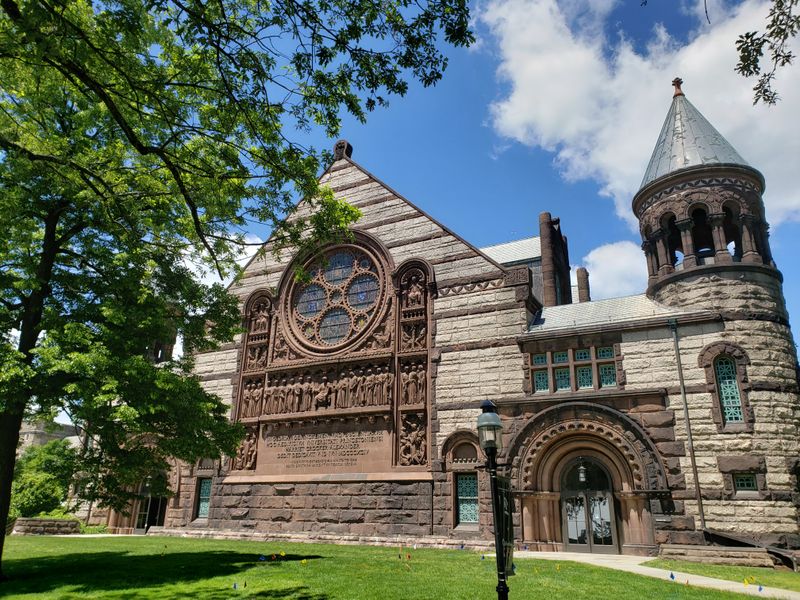
Princeton University’s presence adds an intellectual energy to this town’s already impressive colonial credentials.
Nassau Hall, built in 1756, served as the temporary capitol of the United States in 1783, making it one of the most historically significant buildings in the entire country.
Beyond the university grounds, Princeton’s downtown streets showcase Georgian and Federal-style architecture that transport visitors straight back to the founding era.
The blend of academic prestige and revolutionary history creates a unique atmosphere you won’t find anywhere else.
Morven Museum and Garden, located at 55 Stockton Street, Princeton, NJ 08540, offers tours through a colonial mansion that once housed New Jersey governors.
The carefully maintained gardens provide a serene escape where visitors can imagine life during the 1700s.
Princeton Battlefield State Park marks the site where George Washington secured a crucial victory in 1777, and walking those grounds still gives people goosebumers when they consider what happened there.
The town’s commercial district mixes upscale boutiques with cozy cafes, all housed in buildings that respect the historical character of their surroundings.
Palmer Square, designed in the 1930s to echo colonial architecture, serves as a gathering place where locals meet for coffee and conversation.
Street musicians often perform near the square, adding to the vibrant yet refined atmosphere.
Princeton manages to feel both sophisticated and accessible, attracting visitors who appreciate intellectual pursuits alongside historical exploration.
The combination of world-class university resources, preserved colonial sites, and walkable downtown areas makes it a favorite destination for New Jersey residents seeking cultural enrichment with a side of revolutionary history.
3. Clinton
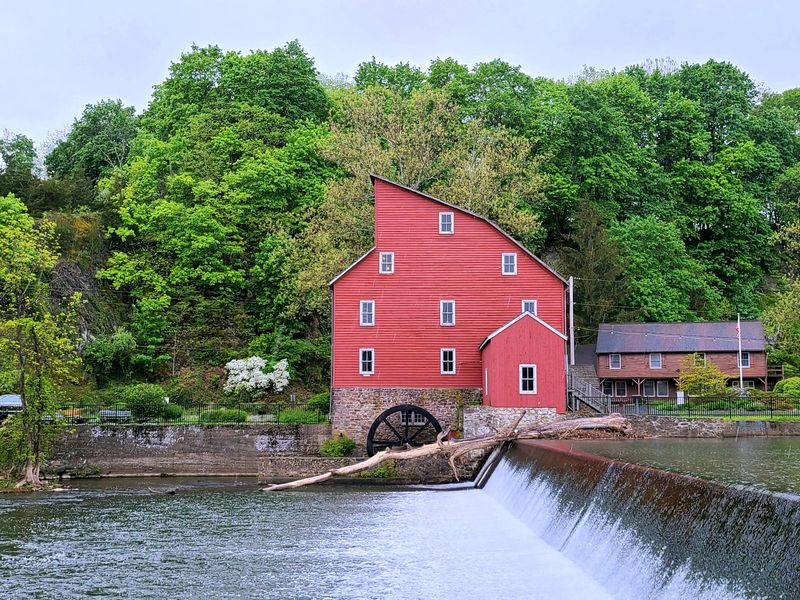
Clinton’s famous red mill stands as one of the most photographed landmarks in all of New Jersey, and for excellent reason.
Built in 1810, this striking structure sits alongside a waterfall on the South Branch of the Raritan River, creating a scene straight out of a postcard from America’s early industrial era.
The mill now operates as a museum where visitors can explore four floors of exhibits showcasing rural life and milling operations from centuries past.
Watching the water cascade beside those weathered red walls never gets old, no matter how many times locals visit.
The town’s historic district extends beyond the mill to include numerous buildings from the 1800s that now house antique shops, galleries, and eateries.
Hunterdon Art Museum, located at 7 Lower Center Street, Clinton, NJ 08809, occupies a former stone mill and displays contemporary art within walls that witnessed industrial history.
The juxtaposition of modern creativity and historical architecture creates fascinating conversations about how communities evolve while honoring their roots.
Clinton’s compact downtown area makes it ideal for leisurely exploration on foot, with the river providing a constant scenic backdrop.
Several bridges offer perfect vantage points for photographers trying to capture that quintessential New Jersey mill-town aesthetic.
Local festivals throughout the year bring crowds who appreciate both the natural beauty and architectural heritage.
What distinguishes Clinton from other historic towns is how the natural landscape and human-made structures work together to create something magical.
The rushing water, stone foundations, and vintage buildings form a cohesive picture of early American ingenuity and determination, reminding visitors why these small towns matter so much to New Jersey’s identity and character.
4. Lambertville
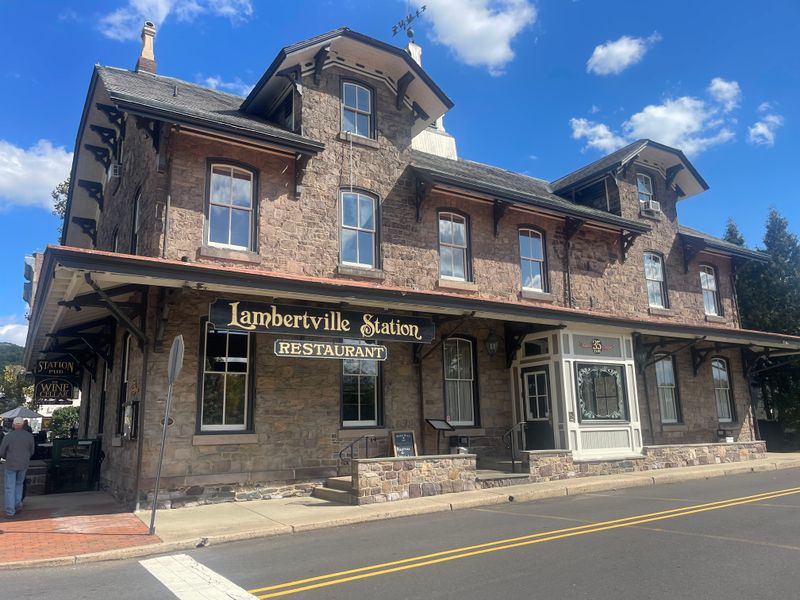
Lambertville earned its reputation as the antiques capital of New Jersey, with dozens of shops filling historic buildings along its charming streets.
The town’s location right on the Delaware River, directly across from New Hope, Pennsylvania, made it a crucial transportation hub during the canal era of the 1800s.
Those same canal towpaths now serve as scenic walking trails where visitors can imagine mule-drawn barges moving goods between cities.
Victorian-era row houses line narrow streets that climb the hillside, each one meticulously maintained by owners who take pride in preserving architectural details.
Bridge Street serves as the main artery through downtown, packed with galleries, restaurants, and specialty shops that attract weekend visitors from throughout the region.
The Delaware and Raritan Canal State Park provides miles of flat trails perfect for biking or peaceful walks alongside still waters that reflect the surrounding trees.
Local artists have made Lambertville their home, giving the town a creative energy that complements its historical character beautifully.
Crossing the bridge to Pennsylvania and back makes for a fun mini-adventure, with each side of the river offering distinct personalities worth exploring.
Lambertville’s restaurant scene has grown impressively sophisticated over the years, with farm-to-table concepts thriving in century-old buildings.
The combination of excellent food, treasure-hunting opportunities, and riverside beauty creates an irresistible draw.
Seasonal changes bring different charms to this New Jersey gem, from spring blooms along the canal to fall colors reflecting in the Delaware River.
Regular visitors develop favorite spots and routines, whether that means starting the day with coffee overlooking the water or ending it by browsing through one more antique shop before heading home with unexpected treasures and satisfied smiles.
5. Allentown
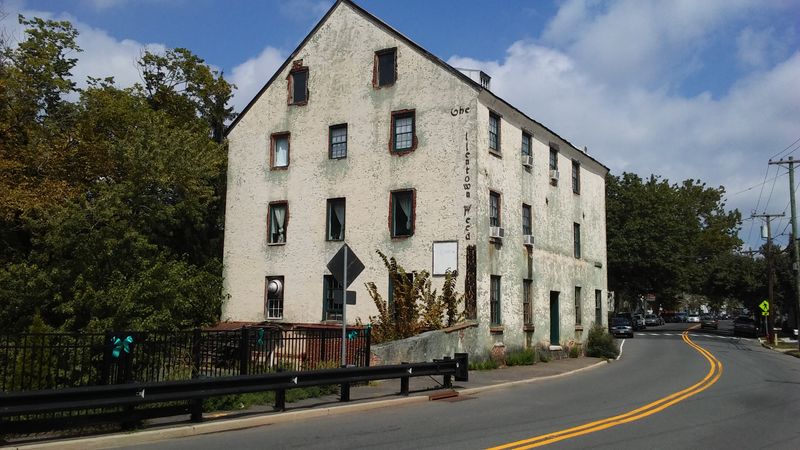
Allentown wraps visitors in an atmosphere of unhurried grace, with tree-canopied streets and colonial homes that seem frozen in a gentler era.
This tiny Monmouth County village maintains such pristine historical character that filmmakers regularly choose it as a backdrop for period pieces.
The Allentown Historic District encompasses the entire downtown area, where buildings from the 1700s and 1800s stand in remarkable condition.
Walking these streets feels like discovering a secret that somehow escaped the rush of modern development sweeping through so many other communities.
The Old Mill, dating back to 1767, anchors the town’s historical significance and serves as a popular gathering spot for community events.
Imlay House and other colonial-era structures open for tours during special occasions, giving visitors rare glimpses into how wealthy families lived during revolutionary times.
The attention to architectural preservation here goes beyond mere maintenance; it reflects a collective commitment to honoring the past in meaningful ways.
Local shops operate with a refreshing lack of commercialization, offering handcrafted goods and local products rather than mass-produced souvenirs.
The village green provides a central meeting place where neighbors chat and children play, recreating scenes that could have happened two hundred years ago.
Several historic churches add to the colonial ambiance, their steeples visible from various points around town.
What makes Allentown particularly special is how few tourists actually know about it compared to more famous destinations in New Jersey.
This relative obscurity helps preserve the authentic small-town feel that residents cherish and regular visitors respect.
Coming here feels like being let in on a wonderful secret, a place where history lives quietly and beautifully without needing to announce itself loudly to the world.
6. Flemington
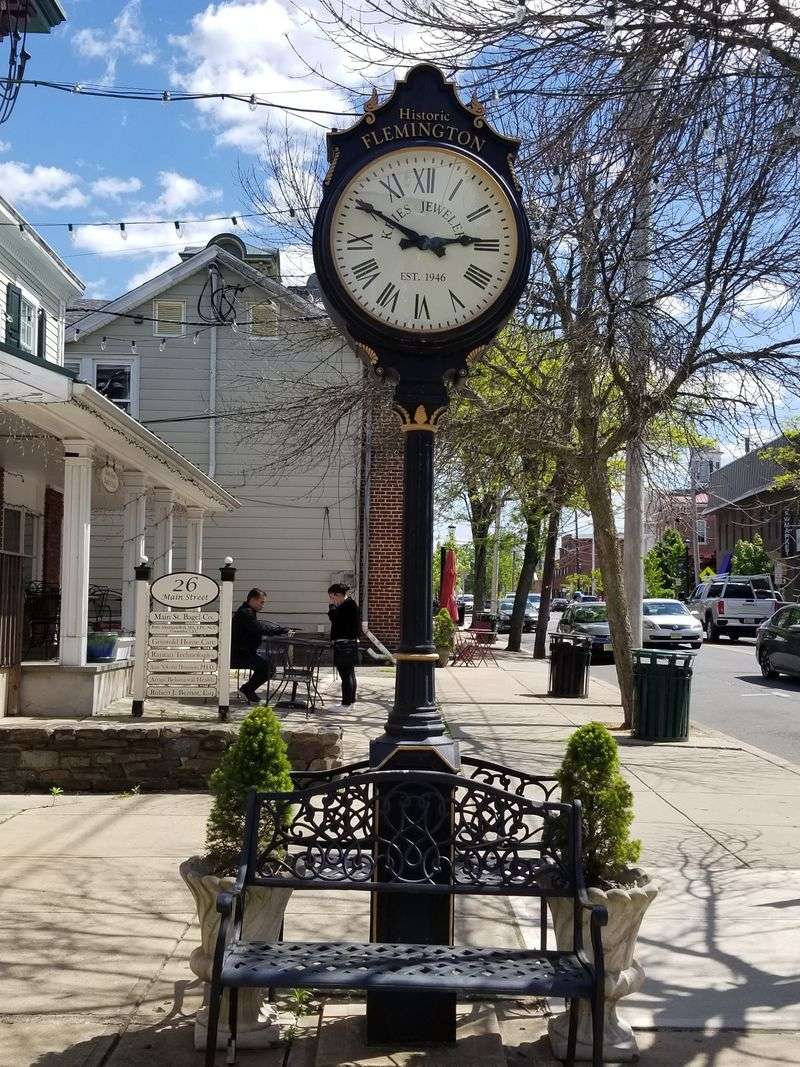
Flemington’s courthouse gained national attention during the famous Lindbergh kidnapping trial in the 1930s, but the town’s history stretches back much further to its colonial roots.
Main Street showcases an impressive collection of Victorian and Federal-style buildings that now house boutiques, restaurants, and professional offices.
The Hunterdon County Courthouse, built in 1828, still dominates the town center with its Greek Revival architecture commanding respect and attention.
Local history enthusiasts love exploring the various architectural styles that represent different periods of American development.
The town evolved from a small colonial settlement into a thriving commercial center, and that progression remains visible in the layers of history embedded in its streetscape.
Turntable Junction, located at 24 Main Street, Flemington, NJ 08822, offers breakfast and lunch in a casual setting where locals gather to discuss everything from local politics to weekend plans.
The Liberty Village Premium Outlets bring shoppers from across the region, though the historic downtown maintains its distinct character separate from the modern retail development.
Flemington’s position as a county seat gives it a certain civic importance that adds substance to its historical appeal.
The Fleming Castle, a Gothic Revival mansion from the 1750s, stands as one of the oldest structures and serves as headquarters for the Hunterdon County Historical Society.
Tours reveal fascinating details about colonial life and the prominent families who shaped the region’s development.
Throughout the year, various events bring crowds to downtown Flemington, from classic car shows to holiday celebrations that transform Main Street into a festive wonderland.
The combination of functioning government buildings, thriving local businesses, and preserved historical sites creates a living community rather than a museum piece, which locals and visitors alike find refreshing and authentic in today’s rapidly changing world.
7. Frenchtown
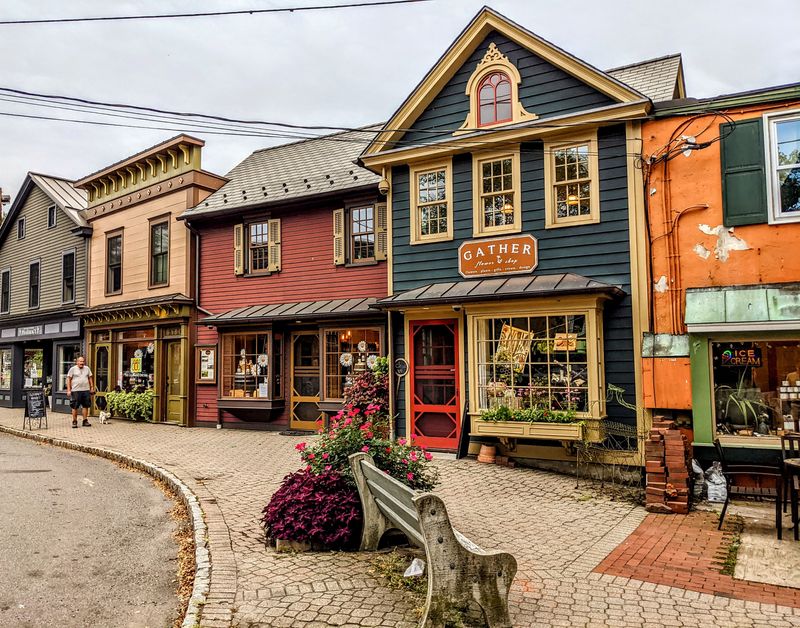
Frenchtown’s artistic spirit flows as freely as the Delaware River that defines its western border.
This riverside community attracted creative types decades ago with its affordable rents and beautiful setting, and that bohemian influence blended perfectly with the town’s colonial bones.
Historic buildings along Bridge and Race Streets now host galleries, studios, and eclectic shops that give Frenchtown a distinctly creative personality.
The combination of natural beauty, artistic energy, and preserved architecture creates an atmosphere that feels both relaxed and culturally vibrant.
The Delaware River provides endless recreational opportunities, from kayaking and tubing to simply sitting on the riverbank watching the water flow past.
Frenchtown’s compact downtown can be explored in an hour, but most visitors linger much longer, drawn by the friendly vibe and interesting discoveries around every corner.
The town’s restaurants have earned reputations far beyond their size, with chefs creating memorable meals in intimate dining rooms housed in buildings that witnessed centuries of history.
Race Street Books & Music offers carefully curated selections in a cozy space that encourages browsing and conversation.
The old stone buildings that line the streets tell stories of mills and industries that once drove the local economy, now repurposed for modern uses while maintaining their historical character.
Several bed-and-breakfasts operate in restored colonial homes, letting visitors experience overnight stays in authentic period settings.
Weekend mornings bring cyclists and motorcyclists who appreciate the scenic river roads leading to Frenchtown, turning the town into a lively gathering spot for outdoor enthusiasts.
The community embraces both its historical heritage and contemporary creative culture without conflict, proving that small New Jersey towns can honor the past while remaining relevant and engaging for current generations seeking authentic experiences beyond suburban uniformity.
8. Hopewell
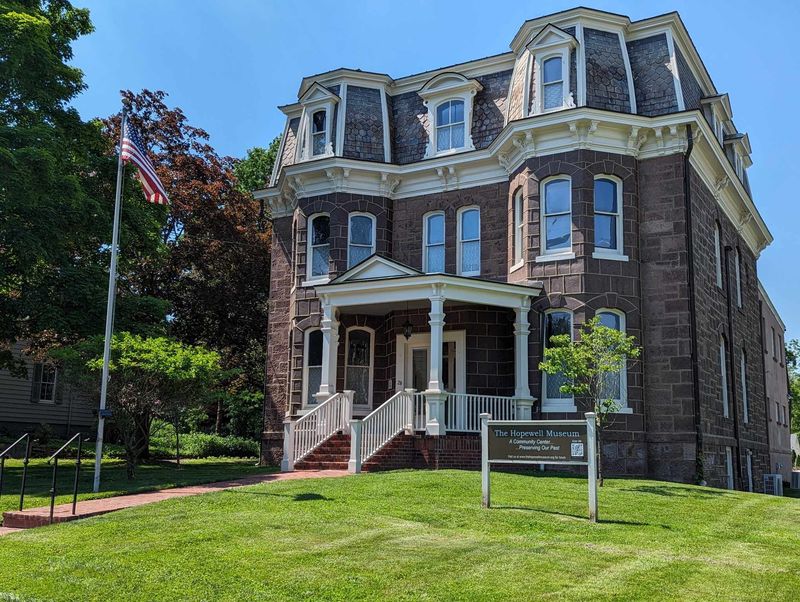
Hopewell’s broad main street and substantial colonial buildings reflect its historical importance as a crossroads community.
The Hopewell Museum, located at 28 East Broad Street, Hopewell, NJ 08525, occupies a colonial-era building and showcases artifacts from the town’s three-century history.
The town’s strategic location made it a natural stopping point for travelers moving between Philadelphia and New York during colonial times, and that accessibility continues to serve it well today.
Wide sidewalks encourage leisurely strolls past antique shops, cafes, and professional offices that maintain the architectural integrity of their historic buildings.
The Hopewell Valley Vineyards sits just outside town, offering wine tasting in a pastoral setting that connects visitors to the agricultural heritage of central New Jersey.
Downtown Hopewell maintains an active business district where locals still handle everyday errands, creating authentic small-town interactions rather than tourist-focused transactions.
Several churches with colonial roots anchor different sections of town, their congregations maintaining traditions that stretch back generations.
The town’s residential neighborhoods feature stunning examples of Federal, Georgian, and Victorian architecture, with many homes carefully preserved by owners who appreciate living within historical structures.
Hopewell’s tree-lined streets create a canopy effect during summer months, providing shade and enhancing the timeless quality that makes the town so appealing.
Local events throughout the year celebrate both historical heritage and contemporary community spirit, from Revolutionary War reenactments to farmers markets featuring regional products.
What distinguishes Hopewell from other historic New Jersey towns is its substantial feel and the quality of its architectural stock.
These aren’t modest colonial cottages but rather impressive structures built by prosperous merchants and professionals who intended their buildings to last for centuries, and their foresight paid off beautifully for modern visitors who benefit from their investment in quality construction and thoughtful design.
9. Basking Ridge
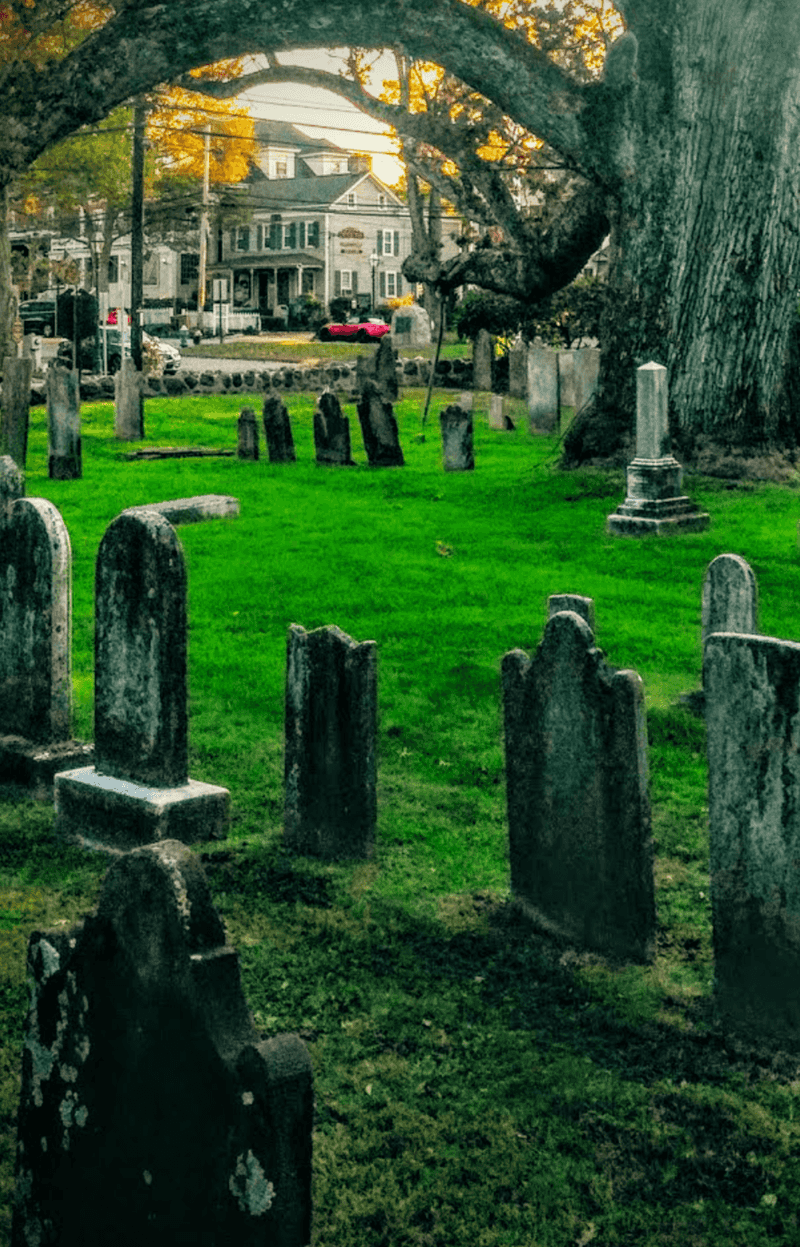
Basking Ridge claims fame for hosting one of the oldest oak trees in the entire United States, a 600-year-old giant that stood until 2017 and remains memorialized in the community’s identity.
The town’s colonial history runs deep, with the Revolutionary War leaving significant marks on local landmarks and stories.
The Presbyterian Church on the hill dates back to 1717, and its cemetery contains graves of soldiers who fought for American independence.
Walking through this historic graveyard provides powerful connections to the sacrifices made during the nation’s founding struggles.
Downtown Basking Ridge maintains a pleasant village atmosphere with local businesses occupying historic storefronts along South Finley Avenue.
The combination of preserved colonial structures and well-maintained Victorian buildings creates visual interest and architectural diversity.
Lord Stirling Stable, located at 256 South Maple Avenue, Basking Ridge, NJ 07920, offers horseback riding and environmental education programs on land that connects visitors to the area’s agricultural and natural heritage.
The Great Oak’s legacy continues through various memorial projects and the planting of successor trees grown from its acorns, ensuring that future generations maintain connections to this remarkable living piece of history.
Local residents take genuine pride in their town’s historical significance and work actively to preserve its character against development pressures common throughout New Jersey.
The Environmental Education Center provides trails and programs that teach about the region’s ecology and history simultaneously.
Basking Ridge successfully balances its role as a desirable residential community with its responsibility to historical preservation, creating a place where families build modern lives while respecting colonial foundations.
The town’s location in Somerset County provides easy access to major highways while maintaining a distinctly separate identity from surrounding suburban sprawl, making it a favorite destination for those seeking historical atmosphere without complete isolation from contemporary conveniences and connections.
10. Piscataway (East Jersey Old Town)
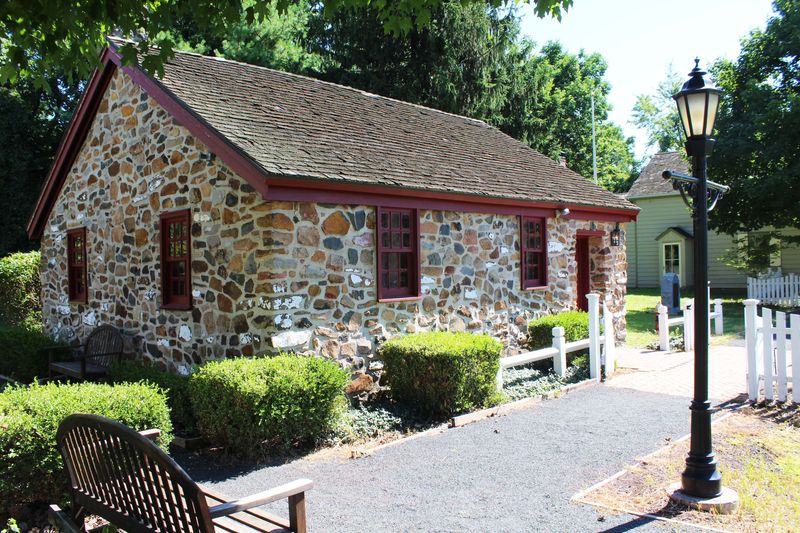
East Jersey Old Town Village represents something truly unique among New Jersey historical sites: an entire colonial village reconstructed and preserved as a living history museum.
Located at 1050 River Road, Piscataway, NJ 08854, this remarkable collection of authentic 18th and 19th-century buildings was relocated from various sites and carefully reassembled to create an immersive historical experience.
Visitors can explore the Indian Queen Tavern, a schoolhouse, several period homes, and other structures that collectively illustrate daily life during colonial times.
Costumed interpreters demonstrate traditional crafts and skills, bringing history to life in ways that textbooks simply cannot match.
The village sits along the Raritan River, and the natural setting enhances the historical atmosphere beautifully.
Special events throughout the year, including colonial fairs and historical reenactments, draw crowds eager to experience hands-on connections with the past.
Children particularly benefit from programs that let them try colonial games, sample period foods, and understand how dramatically different life was before modern conveniences.
Piscataway itself has deep colonial roots extending beyond the reconstructed village, with several other historical sites scattered throughout the township.
The Metlar-Bodine House Museum preserves another excellent example of colonial domestic architecture and lifestyle.
These preserved sites work together to paint a comprehensive picture of early settlement patterns and community development in central New Jersey.
What makes East Jersey Old Town Village especially valuable is its educational mission combined with entertainment value, creating experiences that inform while engaging visitors of all ages.
Families from across New Jersey make regular visits, finding new details and deeper appreciation with each trip as children grow and understand more complex historical concepts embedded in these carefully preserved structures and landscapes.
Dear Reader: This page may contain affiliate links which may earn a commission if you click through and make a purchase. Our independent journalism is not influenced by any advertiser or commercial initiative unless it is clearly marked as sponsored content. As travel products change, please be sure to reconfirm all details and stay up to date with current events to ensure a safe and successful trip.
