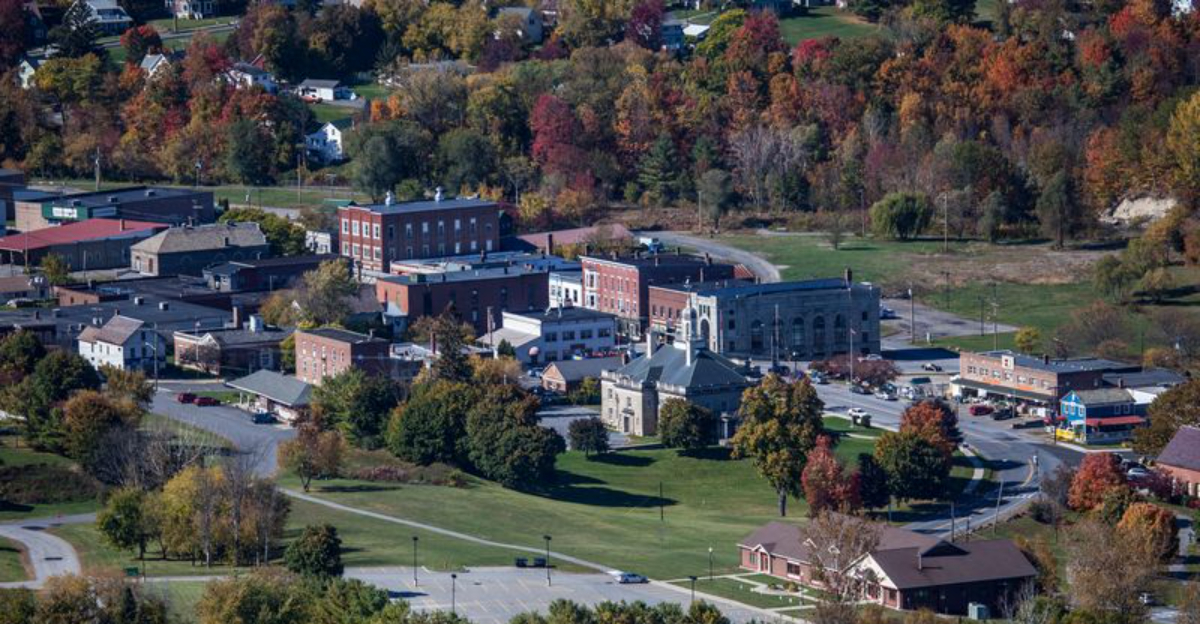
New York State offers more than just the bright lights of the Big Apple.
Tucked away in its rolling hills, scenic valleys, and along its beautiful waterways are charming small towns filled with centuries of American history.
These places invite you to slow down, explore cobblestone streets, admire historic architecture, and discover the stories that shaped our nation.
Whether you crave colonial charm, Revolutionary War sites, or Victorian elegance, these ten historic towns promise an unforgettable weekend escape.
1. Sleepy Hollow
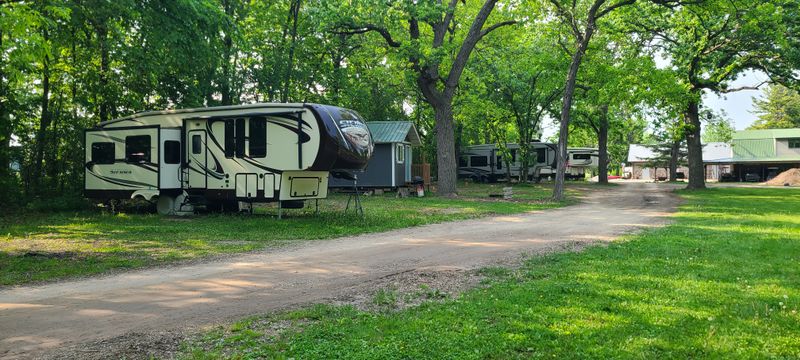
Washington Irving made this riverside village world famous with his spooky tale of the Headless Horseman, but Sleepy Hollow offers much more than Halloween thrills.
Walking through the village feels like stepping back into the early 1800s, with beautifully preserved homes and churches lining quiet streets.
The Old Dutch Church and its adjacent cemetery date back to 1685, making it one of the oldest active churches in America.
Irving himself rests in the Sleepy Hollow Cemetery alongside other notable figures like Andrew Carnegie and Elizabeth Arden.
Philipsburg Manor, a working colonial farm, lets visitors experience 18th-century life through hands-on activities and costumed interpreters.
Kykuit, the Rockefeller estate, showcases breathtaking gardens and an impressive art collection.
The village comes alive each fall with parades, haunted hayrides, and storytelling events that draw thousands of visitors.
Beyond October, spring and summer offer peaceful riverside walks and charming local shops.
Several cozy bed and breakfasts provide authentic historic lodging experiences.
The nearby Hudson River creates stunning sunset views perfect for romantic evening strolls.
Local restaurants serve everything from classic American fare to international cuisine.
The Metro-North train connects Sleepy Hollow directly to New York City, making it easily accessible for a quick weekend trip.
2. Cooperstown
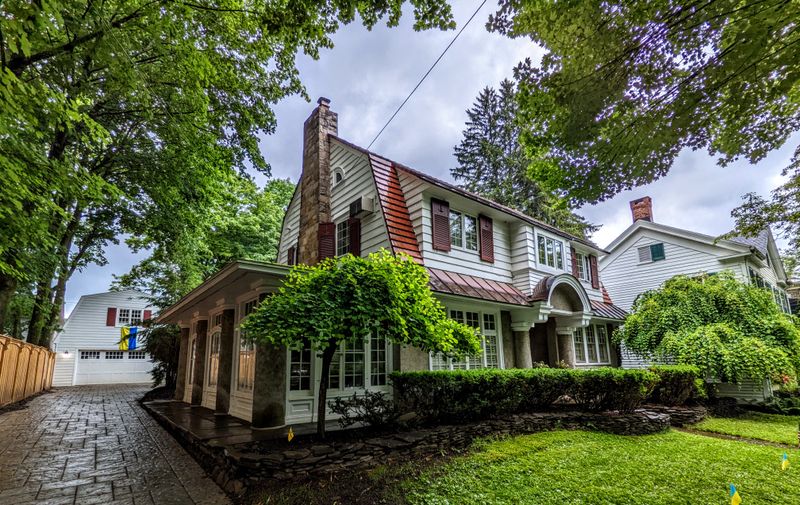
Baseball fans know Cooperstown as the home of the National Baseball Hall of Fame, but this lakeside gem deserves attention for its rich literary and cultural heritage too.
James Fenimore Cooper, author of The Last of the Mohicans, grew up here and drew inspiration from the surrounding landscape.
Otsego Lake, often called Glimmerglass, stretches nine miles and offers boating, fishing, and swimming opportunities.
The Farmers’ Museum recreates 19th-century rural life with historic buildings moved from across the region.
Fenimore Art Museum houses an exceptional collection of American folk art and Native American artifacts.
Downtown Cooperstown maintains its small-town charm with independent bookstores, antique shops, and family-owned restaurants.
The Otesaga Resort Hotel, opened in 1909, provides elegant lakefront accommodations steeped in old-world elegance.
Summer brings outdoor opera performances at the Glimmerglass Festival, combining world-class music with natural beauty.
The village hosts fewer than 2,000 permanent residents, creating an intimate, welcoming atmosphere.
Tree-lined streets showcase Victorian and Federal-style architecture that has been carefully preserved.
Brewery Ommegang offers tours and tastings in a Belgian-style farmstead just outside town.
Whether you love baseball, literature, art, or simply peaceful lakeside relaxation, Cooperstown delivers a perfect weekend retreat.
3. Cold Spring
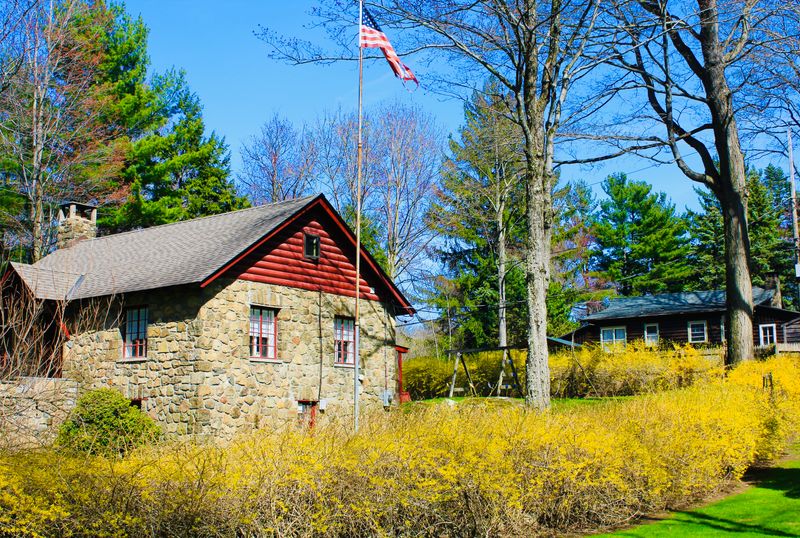
Perched on the eastern bank of the Hudson River directly across from West Point, Cold Spring combines natural beauty with fascinating industrial history.
The West Point Foundry once produced some of America’s most important military equipment, including the Parrott rifle used during the Civil War.
Today, the foundry site has been transformed into a fascinating historic preserve with interpretive trails and preserved ruins.
Main Street runs just two blocks but packs in dozens of antique stores, art galleries, boutiques, and excellent restaurants.
The village earned its name from a natural spring that provided fresh water to Revolutionary War soldiers.
Hudson House River Inn, operating since 1832, offers riverside dining with spectacular views of the Hudson Highlands.
Hiking enthusiasts can tackle the challenging trail up Breakneck Ridge, which rewards climbers with panoramic vistas.
Less strenuous walks along the riverfront provide equally beautiful scenery without the steep climbs.
The Cold Spring Depot serves as a picturesque Metro-North station, making car-free visits simple.
Victorian-era homes with gingerbread trim and wraparound porches line residential streets.
Boscobel House and Gardens, a Federal-style mansion from 1808, sits just north of the village.
Seasonal festivals celebrate everything from maple syrup in spring to pumpkins in fall, bringing the community together in charming small-town traditions.
4. Skaneateles
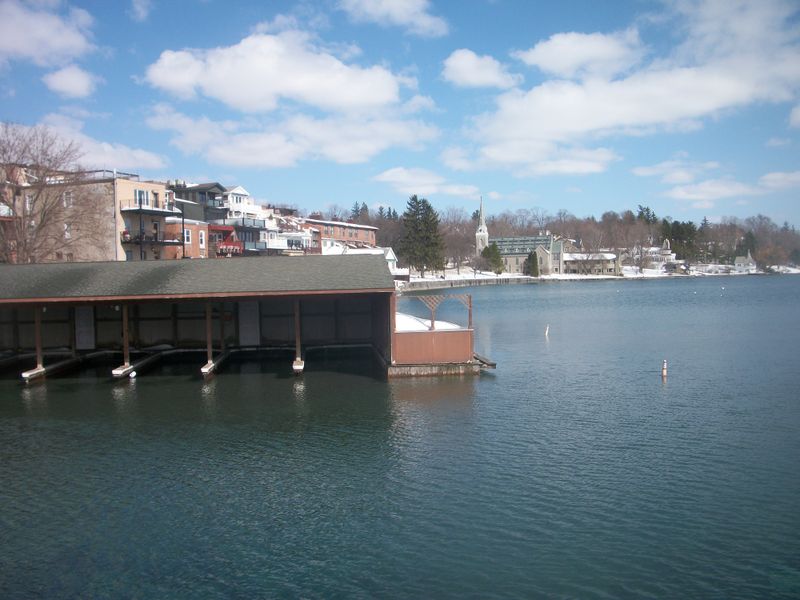
Considered one of the most beautiful villages in America, Skaneateles sits at the northern tip of the pristine lake that shares its name.
Crystal-clear waters and surrounding hills create a postcard-perfect setting that has attracted visitors since the 1800s.
The Sherwood Inn, welcoming guests since 1807, maintains its historic character while providing modern comfort.
Genesee Street, the main thoroughfare, features impeccably maintained buildings housing upscale boutiques and restaurants.
Doug’s Fish Fry has served crispy, delicious seafood to locals and tourists since 1982, embodying casual lakeside dining.
The village strictly enforces preservation guidelines, ensuring new construction blends seamlessly with historic architecture.
Skaneateles Lake, one of the Finger Lakes, provides some of New York’s cleanest drinking water and excellent recreational opportunities.
Boat tours offer narrated cruises highlighting local history and pointing out lakeside mansions.
Thayer Park provides a public beach, playground, and bandstand where summer concerts entertain crowds.
The surrounding area produces excellent wines, with several vineyards offering tastings within a short drive.
Winter transforms the village into a snowy wonderland, with the annual Dickens Christmas festival recreating Victorian holiday traditions.
Antique hunters find treasures in several well-curated shops specializing in everything from furniture to rare books.
5. Hudson
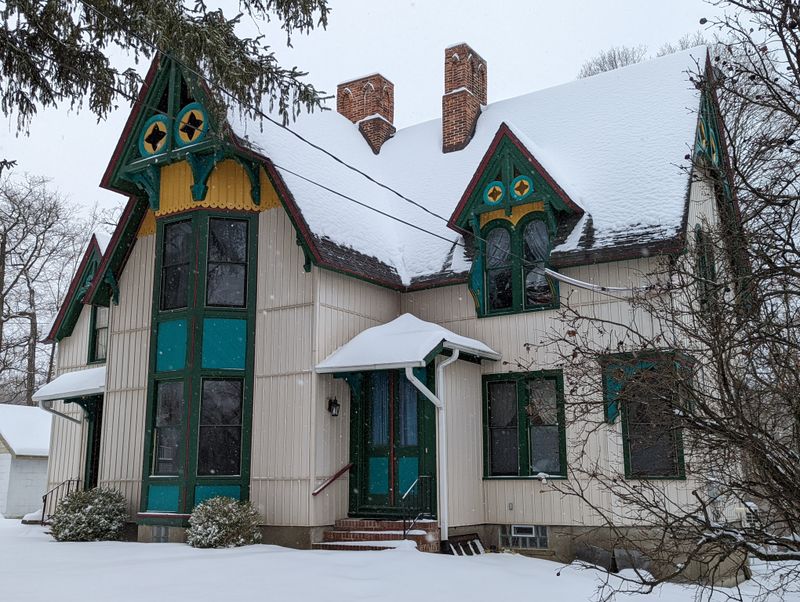
Once a bustling whaling port founded by Nantucket seafarers in 1783, Hudson has reinvented itself as an antiques and arts destination.
Warren Street, the mile-long main drag, showcases one of the finest collections of Federal and Victorian architecture in the Northeast.
More than 60 antique dealers operate here, attracting collectors and designers from around the world.
The transformation from declining industrial city to cultural hotspot happened gradually over the past three decades.
FASNY Museum of Firefighting celebrates the history of firefighting with vintage trucks, equipment, and interactive exhibits.
Olana State Historic Site, painter Frederic Church’s Persian-inspired mansion, overlooks the Hudson River from nearby hills.
The mansion’s eclectic architecture and carefully designed landscape make it one of America’s most significant artist homes.
Hudson Opera House, built in 1855, now hosts contemporary performances, exhibitions, and community events.
Farm-to-table restaurants showcase the bounty of the surrounding Hudson Valley agricultural region.
Basilica Hudson, a former factory turned arts venue, presents cutting-edge music, art installations, and cultural programming.
The city’s compact size makes everything walkable, perfect for a leisurely weekend of browsing and exploring.
Nearby farms offer pick-your-own fruit, artisanal cheeses, and fresh produce that connect visitors to the region’s agricultural heritage.
6. Saratoga Springs
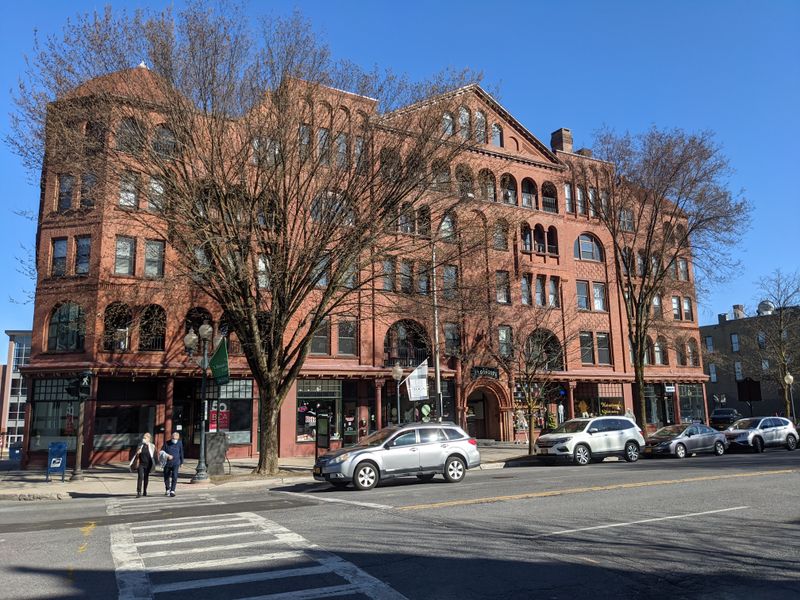
Natural mineral springs transformed this small town into America’s premier 19th-century resort destination, attracting wealthy visitors seeking health and entertainment.
The Saratoga Race Course, opened in 1863, remains the oldest continuously operating thoroughbred racing track in the country.
Racing season in July and August brings an electric atmosphere as spectators dress up for a day at the historic track.
Congress Park preserves several original mineral springs where visitors can still taste the naturally carbonated waters.
The Canfield Casino, a stunning Victorian building in the park, now serves as a museum showcasing the town’s glamorous past.
Broadway, the main street, stretches for miles with an impressive mix of shops, restaurants, and beautifully preserved buildings.
Caffè Lena, opened in 1960, holds the distinction of being the oldest continuously operating folk music venue in America.
Bob Dylan, Arlo Guthrie, and countless other legends performed in its intimate upstairs space.
The Saratoga Performing Arts Center hosts the New York City Ballet and Philadelphia Orchestra each summer.
Yaddo, an artists’ community established in 1900, has nurtured creative talents including Sylvia Plath and James Baldwin.
Saratoga Spa State Park encompasses 2,200 acres with trails, golf courses, and the historic Roosevelt Baths.
Victorian architecture dominates residential neighborhoods, with grand homes displaying elaborate details and wraparound porches.
7. Seneca Falls
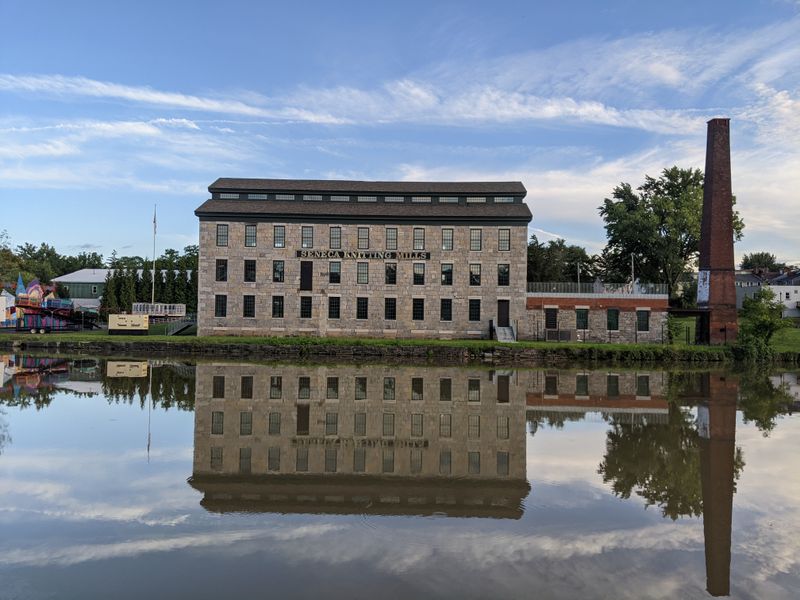
History changed forever in this small town when the first Women’s Rights Convention met here in July 1848.
Elizabeth Cady Stanton, Lucretia Mott, and other pioneering activists gathered at the Wesleyan Chapel to demand equality.
The Women’s Rights National Historical Park preserves the chapel and tells the story of the suffrage movement.
Visitors can see the Declaration of Sentiments, modeled after the Declaration of Independence, which outlined the convention’s revolutionary demands.
The National Women’s Hall of Fame honors accomplished American women across all fields of achievement.
Beyond its significance to women’s history, Seneca Falls offers charming canal-side walks and Victorian architecture.
The town sits along the Cayuga-Seneca Canal, part of the historic Erie Canal system that transformed New York’s economy.
It’s Wonderful Life enthusiasts believe Frank Capra modeled Bedford Falls on Seneca Falls after visiting in the 1940s.
The It’s A Wonderful Life Museum celebrates this connection with movie memorabilia and an annual festival each December.
Fall Street runs through downtown, lined with locally-owned shops and restaurants in historic storefronts.
The Gould Hotel, built in 1920, provides elegant accommodations with period details and modern amenities.
Surrounding Finger Lakes wine country makes Seneca Falls an ideal base for exploring vineyards and tasting rooms.
8. Ticonderoga
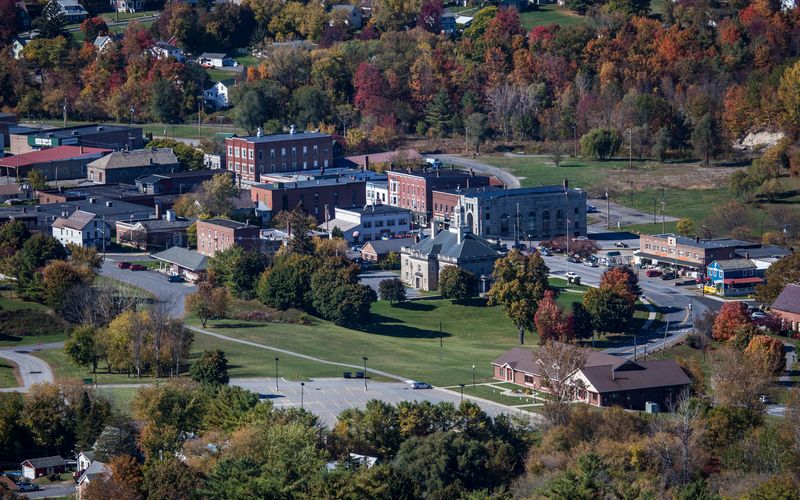
Military history buffs find paradise in this small town dominated by Fort Ticonderoga, one of America’s most significant Revolutionary War sites.
The star-shaped fort witnessed crucial battles and changed hands multiple times between French, British, and American forces.
Ethan Allen and his Green Mountain Boys famously captured the fort in 1775, securing valuable artillery for the Continental Army.
Today, costumed interpreters demonstrate military drills, musket firing, and 18th-century daily life throughout the summer months.
The fort’s museum houses an exceptional collection of weapons, uniforms, and artifacts from the colonial period.
Spectacular views of Lake Champlain and the surrounding mountains reward visitors who climb to the fort’s ramparts.
The King’s Garden, a restored colonial garden, grows heritage vegetables and herbs used during the fort’s active military years.
Downtown Ticonderoga maintains a quiet, small-town atmosphere with a few local restaurants and shops.
The Heritage Museum tells the story of the town’s development beyond its military significance, including its industrial history.
Mount Defiance towers above the fort and offers hiking trails with panoramic views.
Lake Champlain provides excellent fishing, boating, and swimming opportunities throughout the warmer months.
Fall foliage transforms the surrounding Adirondack landscape into a breathtaking display of reds, oranges, and golds that attracts photographers from across the country.
9. Kinderhook
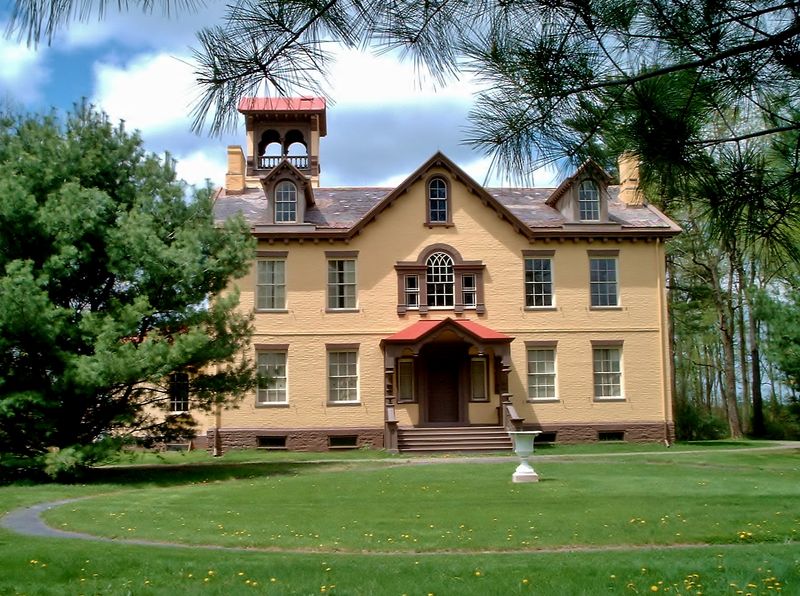
Dutch settlers established Kinderhook in 1609, making it one of New York’s oldest continuously inhabited communities.
The village name comes from the Dutch word for children’s corner, reflecting its origins as a gathering place.
President Martin Van Buren was born here and later retired to Lindenwald, his elegant estate just south of the village.
Lindenwald, now a National Historic Site, showcases the former president’s life and the political landscape of the 1800s.
Van Buren’s retirement home features Italianate architecture added during renovations and beautifully maintained grounds.
The Columbia County Museum occupies the former Columbia Academy building and displays local history collections.
Broad Street, the main thoroughfare, presents a remarkable concentration of 18th and 19th-century architecture.
The Luykas Van Alen House, built in 1737, represents one of the finest examples of Dutch colonial architecture in America.
Walking tours reveal architectural details and historical stories that bring the village’s three centuries of history to life.
Kinderhook’s quiet residential streets invite peaceful strolls past well-preserved historic homes.
Several antique shops offer treasures ranging from colonial-era furniture to vintage collectibles.
The surrounding countryside features working farms, orchards, and the scenic Hudson River just a few miles west, creating a perfect blend of history and natural beauty.
10. Mumford
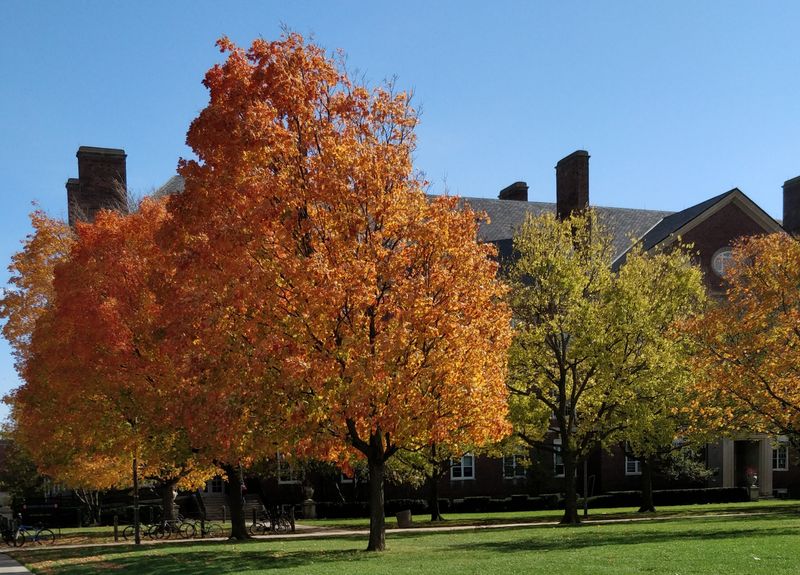
Genesee Country Village and Museum transforms Mumford into a living history experience spanning the 19th century.
This outdoor museum brings together over 68 historic buildings relocated from across the region and carefully restored.
Costumed interpreters demonstrate traditional crafts including blacksmithing, pottery, weaving, and cooking using period-appropriate techniques.
The village recreates a complete 1800s community with homes, shops, a schoolhouse, tavern, and working farm.
Visitors can interact with heritage breed animals, watch craftspeople at work, and participate in hands-on activities.
The John L. Wehle Gallery of Sporting Art, located on the museum grounds, houses an impressive collection of wildlife and hunting art.
Special events throughout the year include Civil War reenactments, harvest festivals, and holiday celebrations that attract thousands of visitors.
The surrounding town of Mumford remains small and rural, preserving the agricultural character that defined this region historically.
Oatka Creek winds through the area, providing scenic beauty and opportunities for fishing.
The museum’s extensive grounds encourage leisurely exploration, with shaded paths connecting different areas of the village.
Gardens planted with heritage varieties showcase the vegetables, herbs, and flowers that 19th-century families relied upon.
Educational programs help visitors of all ages understand daily life before modern conveniences, making history tangible and memorable.
Dear Reader: This page may contain affiliate links which may earn a commission if you click through and make a purchase. Our independent journalism is not influenced by any advertiser or commercial initiative unless it is clearly marked as sponsored content. As travel products change, please be sure to reconfirm all details and stay up to date with current events to ensure a safe and successful trip.
