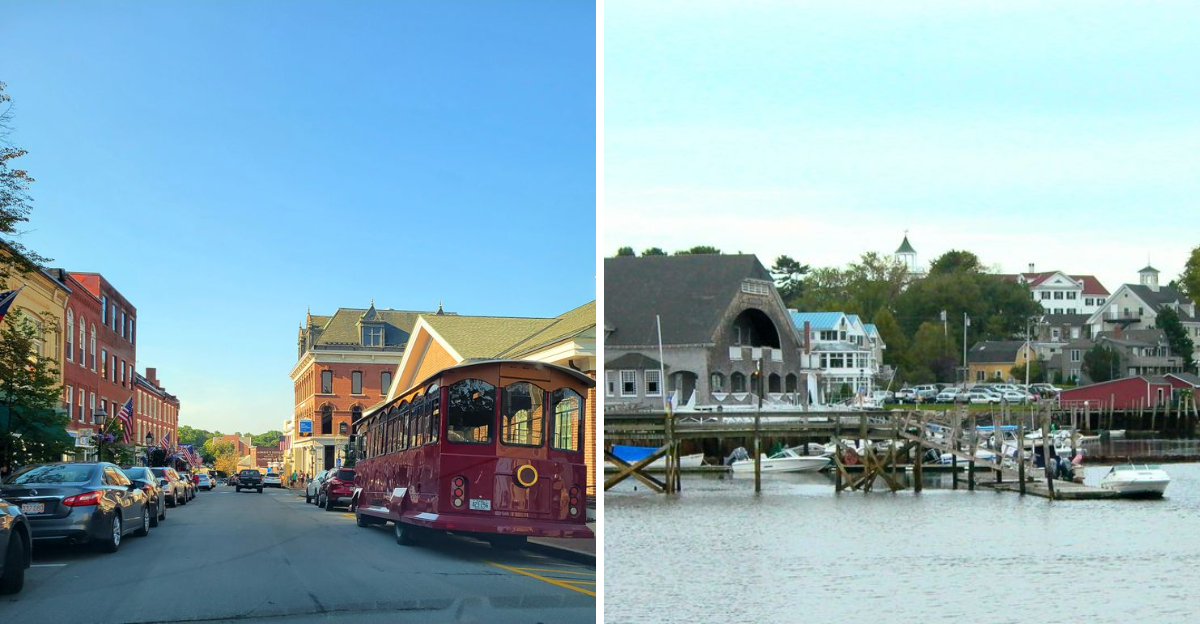
Maine holds some of America’s oldest and most charming small towns, each with stories stretching back centuries.
These communities preserve their colonial architecture, maritime heritage, and New England character in ways that make history feel alive.
Walking their streets feels like stepping into a living museum where the past meets the present in the most delightful ways.
From coastal villages that once bustled with shipbuilders to inland settlements that witnessed Revolutionary War events, these towns offer visitors a genuine taste of American history.
Their main streets feature buildings from the 1700s and 1800s, many still serving their original purposes as shops, homes, and gathering places.
Local museums, historic homes, and preserved landmarks tell tales of sailors, merchants, and pioneers who shaped Maine’s identity.
Whether you’re interested in maritime history, colonial architecture, or simply experiencing authentic New England charm, these seven historic small towns provide unforgettable journeys into the past.
Each destination welcomes visitors with warm hospitality, fascinating stories, and the kind of timeless beauty that makes Maine truly special.
1. Wiscasset: Maine’s Prettiest Village
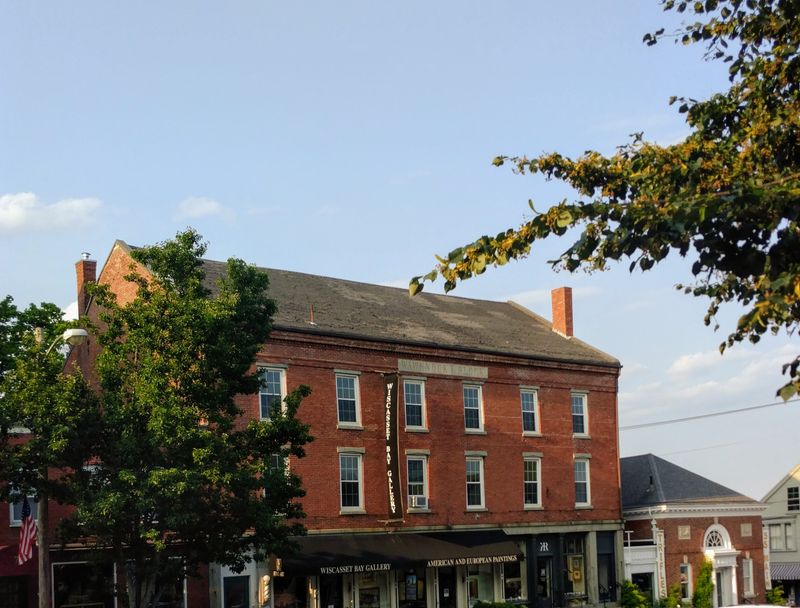
Wiscasset earned its nickname as “the prettiest village in Maine” through centuries of careful preservation and natural beauty.
This riverside community dates back to 1663, making it one of Maine’s oldest settlements.
The town flourished during the shipbuilding era, and that prosperity shows in the magnificent Federal-style mansions lining its streets.
Castle Tucker, located at 2 Lee Street, stands as one of New England’s finest examples of Victorian architecture.
This 1807 mansion overlooks the Sheepscot River and contains original furnishings that belonged to the Tucker family for generations.
Nickels-Sortwell House at 121 Main Street represents another architectural treasure, built in 1807 by a wealthy sea captain.
Both properties offer guided tours that transport visitors back to Maine’s golden age of maritime commerce.
Red’s Eats at 41 Water Street has become legendary for serving what many consider Maine’s best lobster roll since 1938.
The tiny red shack draws crowds willing to wait in long lines for fresh lobster piled high on buttered buns.
After lunch, visitors can explore the charming downtown district filled with antique shops, art galleries, and historic churches.
The Old Lincoln County Jail and Museum at 133 Federal Street provides a fascinating glimpse into 19th-century law enforcement.
Built in 1811, this granite structure housed prisoners until 1953 and now displays artifacts from Wiscasset’s past.
The Wiscasset Waterfront area offers beautiful views where you can watch boats navigate the tidal river.
Spring through fall brings perfect weather for strolling the village sidewalks beneath towering elm trees.
Winter transforms Wiscasset into a quieter, equally enchanting destination where history enthusiasts can explore without summer crowds.
2. Castine: A Revolutionary War Stronghold
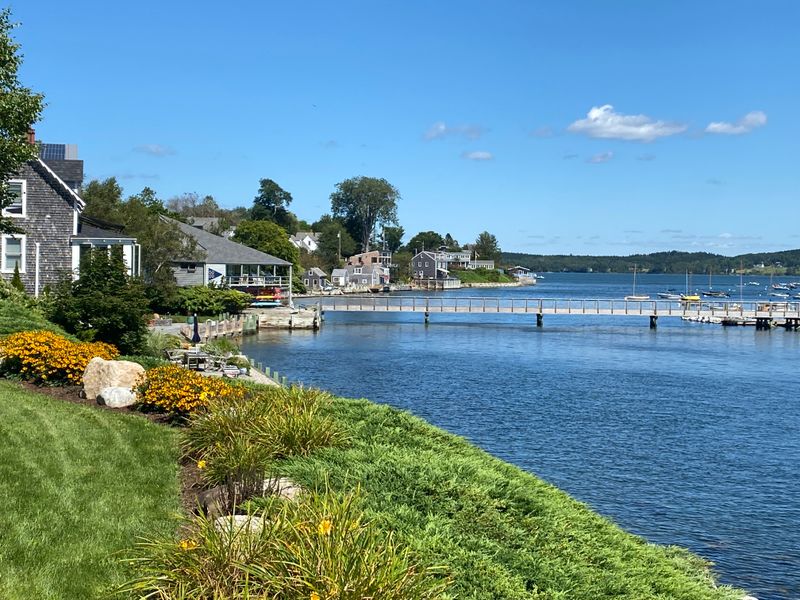
Four different nations have claimed Castine throughout its 400-year history, making it one of America’s most fought-over locations.
French traders established a post here in 1613, followed by Dutch, British, and finally American control.
This strategic peninsula jutting into Penobscot Bay witnessed more battles and occupations than almost any other North American settlement.
Fort George, accessible via Battle Avenue, represents British fortifications built during the Revolutionary War.
Visitors can walk the earthwork walls and imagine the 1779 Penobscot Expedition, America’s worst naval defeat until Pearl Harbor.
The British occupied Castine during the War of 1812, and their presence still echoes through the town’s architecture and street layout.
Castine Historical Society at 17 School Street houses artifacts from all periods of the town’s complex past, including Native American tools, colonial documents, and military equipment.
The Maine Maritime Academy brings youthful energy to this historic community, with its training ship often visible in the harbor.
Dennett’s Wharf at 15 Sea Street serves fresh seafood in a casual waterfront setting where locals and visitors mingle.
The restaurant occupies a building dating to Castine’s shipping heyday, with views across the harbor to the wooded shores beyond.
Perkins Street showcases some of Maine’s finest Federal and Greek Revival homes, built by sea captains and merchants in the early 1800s.
The Castine Town Common serves as the heart of community life, surrounded by the Unitarian Church, Trinitarian Congregational Church, and historic residences.
Walking tours reveal plaques marking significant events at nearly every corner.
Summer brings sailing regattas and cultural events, while autumn offers spectacular foliage reflected in the calm harbor waters.
This compact village packs more history per square foot than almost anywhere in New England.
3. Damariscotta: Ancient Shell Heaps and Colonial Commerce
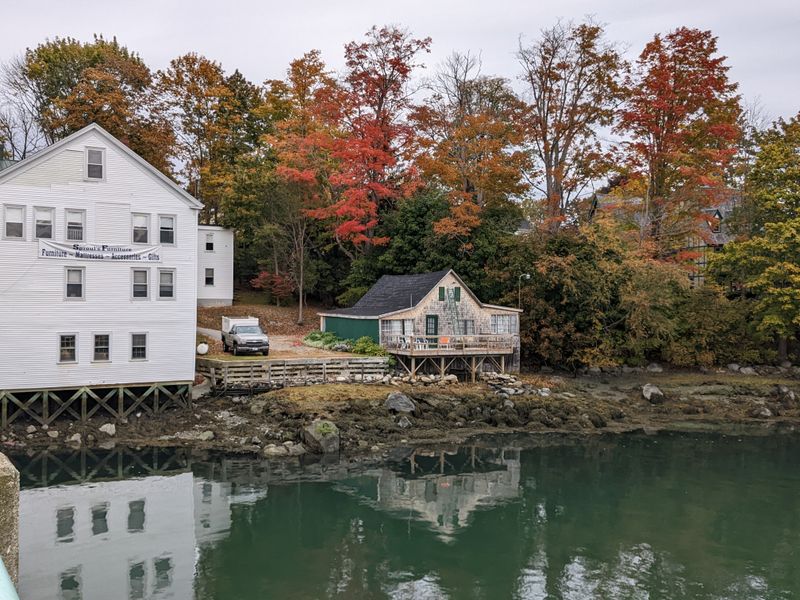
Native Americans gathered oysters along the Damariscotta River for thousands of years, leaving behind massive shell middens that still amaze archaeologists today.
These ancient heaps, some reaching 30 feet high, represent one of North America’s largest concentrations of prehistoric shell deposits.
European settlers arrived in the 1620s, drawn by the same rich waters that sustained indigenous peoples for millennia.
The downtown district along Main Street features beautifully preserved brick buildings from the 1800s when Damariscotta served as a shipbuilding and trading center.
Skidompha Public Library at 184 Main Street occupies a striking Romanesque Revival building from 1895, offering not just books but local history exhibits.
Chapman-Hall House at 270 Main Street, built in 1754, stands as one of the area’s oldest structures and now serves as a museum operated by the Damariscotta Historical Society.
The Damariscotta River’s unique reversing falls create a natural phenomenon where tidal currents rush upstream, then reverse direction.
This spectacle occurs near the bridge connecting Damariscotta to Newcastle, drawing photographers and nature enthusiasts.
King Eider’s Pub at 2 Elm Street occupies a historic building and serves locally sourced food in a cozy atmosphere that locals favor.
Pemaquid Point Lighthouse, just 15 minutes south at 3115 Bristol Road, ranks among Maine’s most photographed landmarks.
Built in 1835, this working lighthouse perches on dramatic rocky cliffs where waves crash with spectacular force.
Colonial Pemaquid State Historic Site nearby features archaeological remains of a 17th-century English settlement and a small museum.
Round Pond, a fishing village within easy reach, maintains its working waterfront character with lobster boats and fish houses.
Summer brings the annual Olde Bristol Days celebration featuring historical reenactments and traditional crafts.
Fall oyster season celebrates the region’s shellfish heritage with festivals and restaurant specials throughout town.
4. Bath: The City of Ships
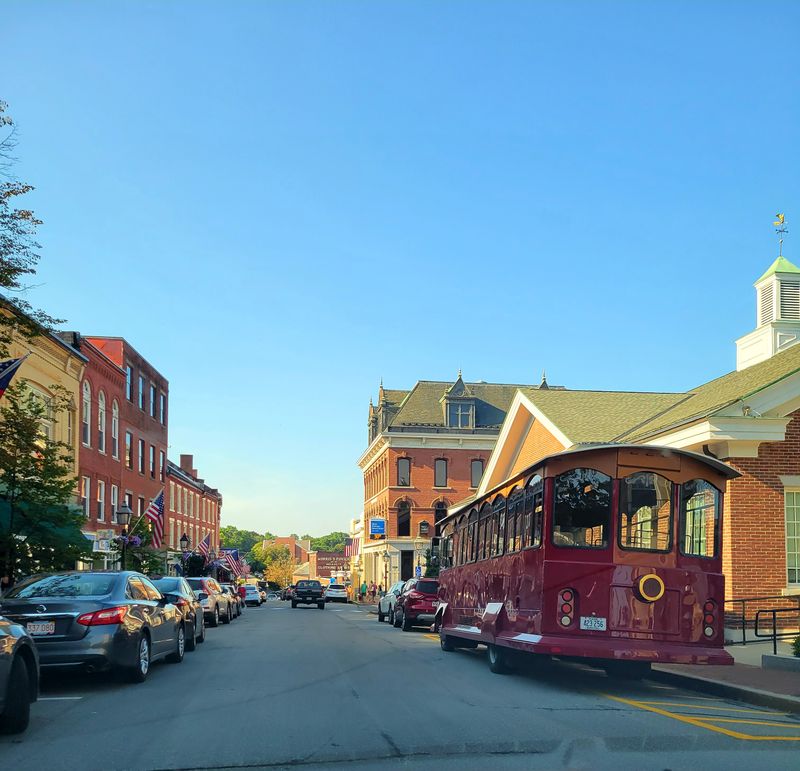
More wooden sailing ships launched from Bath than any other city in America during the 19th century, earning it the title “City of Ships.”
The Kennebec River provided deep water access and the surrounding forests supplied endless timber for constructing vessels that sailed worldwide.
Between 1820 and 1920, Bath shipyards built over 5,000 ships, from small schooners to massive six-masted cargo vessels.
The Maine Maritime Museum at 243 Washington Street occupies the former Percy & Small Shipyard where the largest wooden ships ever built took shape.
Visitors can explore the preserved shipyard, watch boat-building demonstrations, and tour historic vessels.
The museum’s collection includes ship models, maritime paintings, and artifacts that bring Bath’s seafaring heritage to life.
The sculpture “Mariner’s Church” and working boat shop demonstrate traditional shipbuilding techniques passed down through generations.
Downtown Bath’s Front Street district showcases stunning Victorian architecture from the city’s wealthiest period.
The 1858 Custom House at 2 Front Street, built in Italianate style, reflects the importance of Bath’s shipping trade.
Sage Tapas & Wine Bar at 189 Front Street occupies a beautifully restored historic building and serves Mediterranean-inspired cuisine.
Mae’s Cafe at 160 Centre Street offers breakfast and lunch in a charming setting beloved by locals.
Bath Iron Works continues the shipbuilding tradition today, constructing U.S. Navy destroyers using modern technology.
The massive cranes visible from downtown remind visitors that Bath remains a working shipbuilding city, not just a museum piece.
Winter Street Center for the Arts at 17 Winter Street hosts performances and exhibitions in a converted 1904 church.
The Patten Free Library at 33 Summer Street, built in 1889, features Romanesque Revival architecture and serves as a community gathering place.
Walking tours reveal homes of sea captains and shipyard owners, each with unique architectural details.
July’s Bath Heritage Days celebrate the city’s maritime legacy with ship launches, concerts, and historical presentations.
5. York: Maine’s First Chartered City
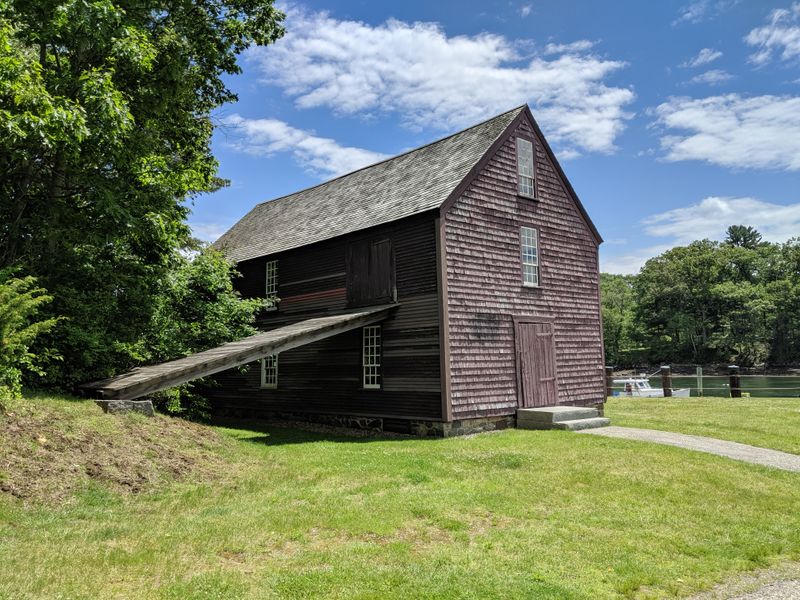
King Charles I granted York its charter in 1641, making it America’s first chartered English city.
This coastal community witnessed some of Maine’s earliest European settlement and endured devastating conflicts during the colonial wars.
The Old York Historical Society preserves nine historic buildings that span three centuries of American history.
Jefferd’s Tavern at 3 Lindsay Road dates to 1750 and served as a gathering place for colonists who discussed revolution over rum and cider.
Today it functions as the visitor center where tours of York’s historic properties begin.
The Old Gaol at 4 Lindsay Road, built in 1719, stands as America’s oldest surviving English public building.
This stone structure housed criminals and debtors in conditions that modern visitors find shocking, with dungeons carved from bedrock.
The Elizabeth Perkins House at 64 Sewall’s Bridge Road represents a Colonial Revival summer cottage overlooking the York River.
The Emerson-Wilcox House at 140 York Street contains period rooms showing how domestic life evolved from 1740 through 1840.
The John Hancock Warehouse at 3 Lindsay Road once stored goods for the famous patriot’s commercial enterprises.
York Harbor and York Beach offer distinct coastal experiences within the same town.
York Harbor maintains a genteel resort atmosphere with grand hotels dating to the Victorian era.
Stage Neck Inn at 8 Stage Neck Road occupies a peninsula with views across the harbor, continuing a hospitality tradition begun in the 1870s.
Nubble Light at 89 Nubble Road sits on a small island connected by a short causeway, creating one of Maine’s most iconic lighthouse scenes.
Built in 1879, this picturesque lighthouse draws photographers year-round, especially during the holiday season when it’s decorated with lights.
Long Sands Beach stretches for miles, backed by historic cottages and inns.
The Goldenrod at 2 Railroad Avenue has been serving saltwater taffy and traditional shore dinners since 1896, maintaining recipes and methods from another era.
6. Camden: Where Mountains Meet the Sea
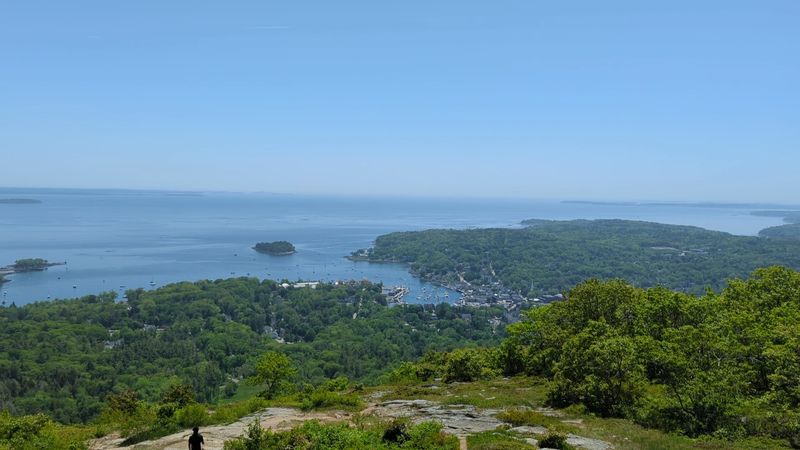
Camden’s unique geography places mountains directly beside a deep harbor, creating scenery that inspired countless artists and poets.
The town developed as a shipbuilding center in the 1700s, then transformed into a fashionable resort destination by the late 1800s.
Edna St. Vincent Millay spent her youth here, and the landscape influenced her Pulitzer Prize-winning poetry.
Camden Harbor remains home to Maine’s windjammer fleet, traditional wooden schooners that offer multi-day sailing adventures.
These magnificent vessels represent living history, some dating to the 1800s, still sailing under canvas as they did generations ago.
Watching them enter the harbor with sails billowing creates magical moments that connect visitors to Maine’s maritime past.
The Camden Public Library at 55 Main Street occupies a stunning building overlooking the harbor and amphitheater.
Its reading rooms offer views that make concentrating on books nearly impossible.
The Camden Opera House at 29 Elm Street, built in 1894, hosts performances and community events in a beautifully restored Victorian theater.
Main Street climbs gently from the harbor, lined with shops, galleries, and restaurants occupying 19th-century buildings.
Francine Bistro at 55 Chestnut Street serves French-inspired cuisine in an intimate historic setting.
Forty Paper at 35 Main Street showcases local artisans’ work in a shop that feels like stepping into a curated collection of Maine creativity.
Camden Hills State Park provides hiking trails leading to Mount Battie’s summit at 780 feet.
The stone tower atop Mount Battie offers panoramic views of Penobscot Bay, its islands, and the town spread below.
This vista has inspired visitors since the park opened in 1931.
Conway Homestead at 5 Conway Road, operated by the Camden-Rockport Historical Society, displays artifacts from the town’s farming and maritime heritage.
The 18th-century farmhouse and barn contain tools, furniture, and documents that tell stories of daily life in early Camden.
Winter brings a quieter beauty when snow covers the mountains and ice forms along the harbor edges.
7. Kennebunkport: Presidential Summers and Maritime Heritage
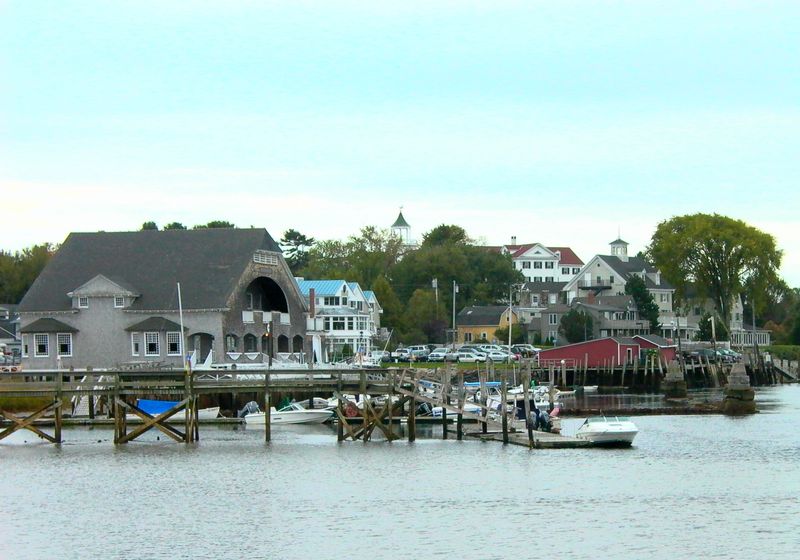
Wealthy Boston families discovered Kennebunkport in the 1870s, transforming this fishing village into an exclusive summer colony.
The Bush family compound at Walker’s Point made the town internationally famous, but its history extends back to the 1600s.
Shipbuilding, fishing, and maritime trade built Kennebunkport’s original prosperity before tourism became its economic foundation.
Dock Square serves as the town’s heart, where shops and restaurants occupy buildings that once housed ship chandlers and fish merchants.
The narrow streets and compact layout reflect the village’s origins as a working waterfront community.
The Kennebunkport Historical Society operates several properties including the Nott House at 8 Maine Street, an 1853 Greek Revival mansion filled with period furnishings.
The Seashore Trolley Museum at 195 Log Cabin Road in nearby Kennebunk preserves over 250 transit vehicles from around the world.
This unexpected treasure allows visitors to ride vintage trolleys and learn about urban transportation history.
Though not directly related to Kennebunkport’s maritime past, the museum represents the kind of quirky preservation efforts that characterize Maine communities.
Ocean Avenue winds along the rocky coast past grand summer cottages built during the Gilded Age.
Spouting Rock and Blowing Cave demonstrate the power of Atlantic waves crashing against Maine granite.
Walker’s Point remains a private residence but can be viewed from the road and water.
The Captain Lord Mansion at 6 Pleasant Street, built in 1812, now operates as an inn but showcases Federal architecture at its finest.
The ship captain who built it spared no expense, installing details that still impress visitors two centuries later.
Alisson’s Restaurant at 11 Dock Square serves New England classics in a historic building with harbor views.
Summer brings crowds drawn by beaches, shopping, and the chance to glimpse presidential visitors.
Fall offers quieter exploration when foliage frames the colonial architecture and coastal scenery.
The Christmas Prelude festival transforms Kennebunkport into a holiday wonderland with caroling, tree lighting, and festive decorations throughout the historic district.
Dear Reader: This page may contain affiliate links which may earn a commission if you click through and make a purchase. Our independent journalism is not influenced by any advertiser or commercial initiative unless it is clearly marked as sponsored content. As travel products change, please be sure to reconfirm all details and stay up to date with current events to ensure a safe and successful trip.
