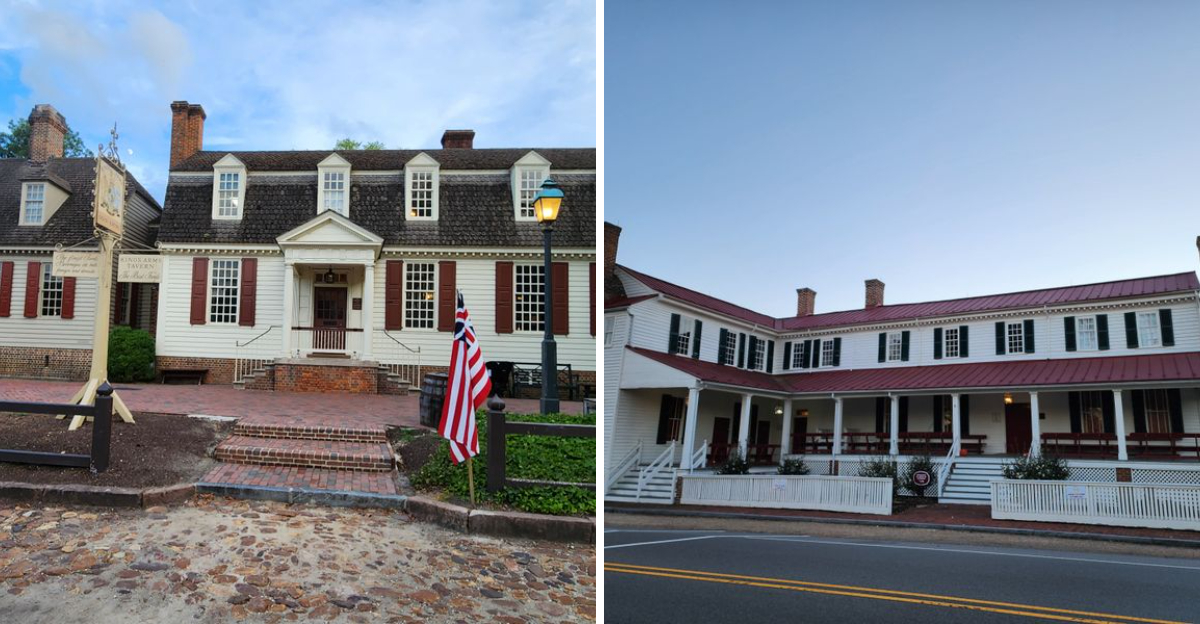
Virginia is a treasure trove of history, and its taverns are no exception.
These establishments offer a glimpse into the past, where you can walk the same floors as George Washington or Thomas Jefferson.
Nestled in scenic landscapes, these taverns have preserved their charm and character, providing an authentic experience for visitors today.
From Northern Virginia to Colonial Williamsburg, explore a selection of taverns where history comes alive.
Each venue tells a unique story, inviting guests to step back in time and enjoy timeless hospitality.
Whether you’re drawn to the architecture, the stories, or the ambiance, these taverns offer a rich tapestry of Virginia’s past.
Discover the allure of these historic gems and indulge in a journey through centuries of tradition, hospitality, and heritage.
1. The Red Fox Inn & Tavern
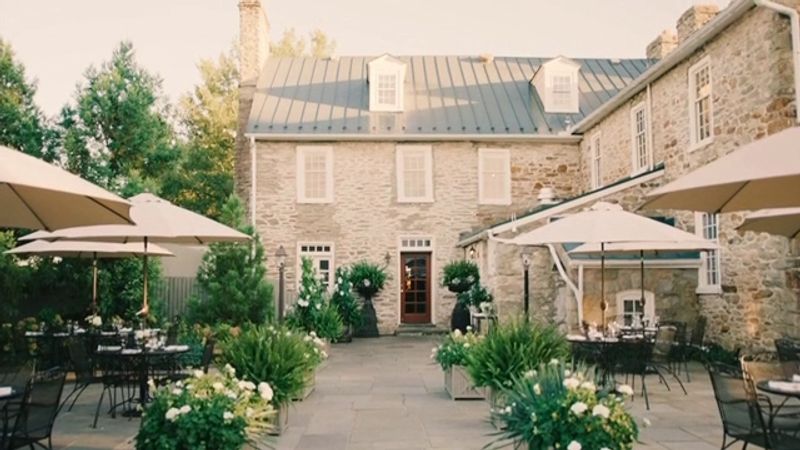
The Red Fox Inn & Tavern, situated in the heart of Middleburg, Virginia, is a captivating retreat that has stood the test of time.
Established in 1728, it is one of the oldest inns in America, renowned for its historic charm and elegant atmosphere.
The inn exudes a sense of timeless elegance with its colonial architecture and cozy interiors.
Throughout its history, The Red Fox Inn & Tavern has hosted numerous notable figures, including President George Washington.
The establishment served as a significant waypoint for travelers and horses, becoming a bustling hub in Virginia’s hunt country.
Its storied past is woven into every corner of the inn, from the antique furnishings to the quaint dining spaces.
Visitors today can revel in the enchanting ambiance, whether enjoying a meal or lodging overnight.
The tavern’s allure lies in its perfect blend of history and hospitality.
Nestled in picturesque surroundings, it invites guests to relax and unwind while soaking in centuries of tradition.
For those seeking a genuine historical experience, The Red Fox Inn & Tavern is a must-visit destination.
Beyond its role as an inn, The Red Fox has long been tied to Middleburg’s equestrian culture, sitting at the heart of Virginia’s famed hunt country.
Its location made it a natural meeting place for landowners, riders, and travelers moving between the Piedmont and the Shenandoah Valley.
The surrounding town retains a historic village layout, making the tavern an ideal stop on a walking exploration of Middleburg.
Preservation efforts have ensured that renovations respect the original structure, allowing guests to experience history without disruption.
This careful balance has helped the inn remain relevant across nearly three centuries.
2. Gadsby’s Tavern
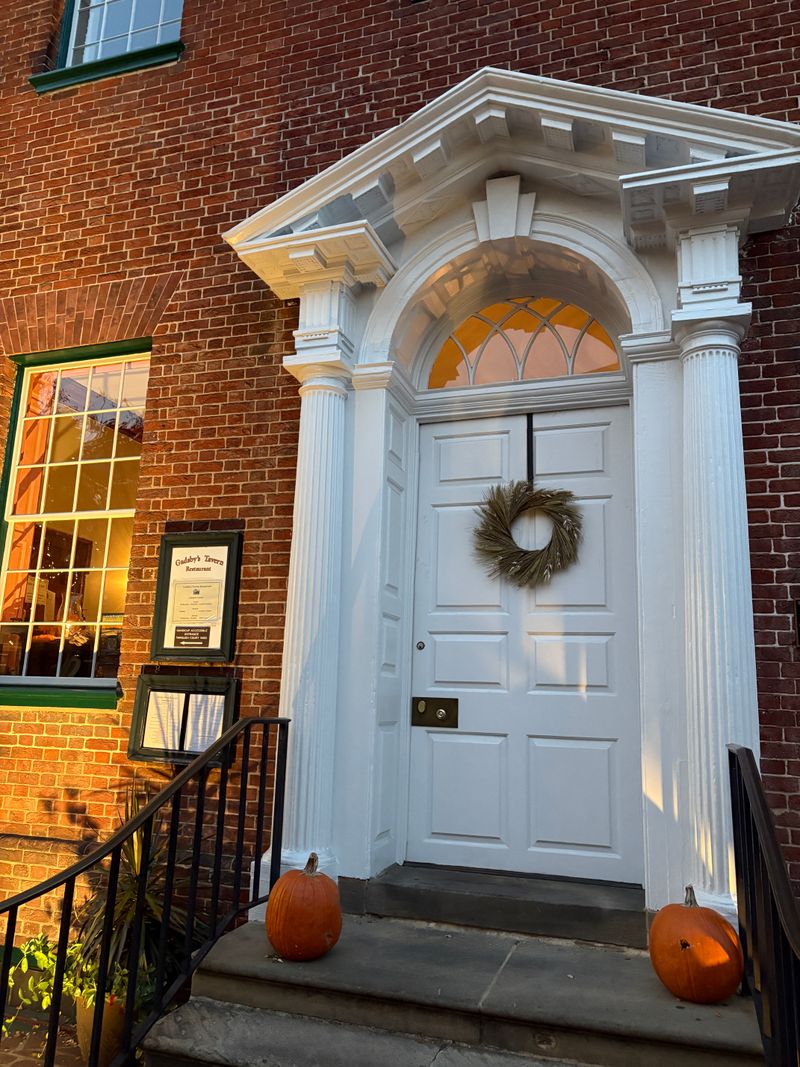
Gadsby’s Tavern in Alexandria, Virginia, is a beacon of American history and hospitality.
In the late 18th century, it became a central gathering place for political and social life.
The tavern comprises two buildings, dating back to 1785 and 1792, and remains a testament to the early days of the nation.
Famed for hosting the first five U.S. presidents, including George Washington and Thomas Jefferson, Gadsby’s Tavern embodies the spirit of a bygone era.
Its rich history is reflected in the period costumes worn by staff and the meticulously preserved architecture.
Guests can explore the tavern’s museum and dining areas, feeling the palpable connection to the past.
A visit to Gadsby’s Tavern offers an immersive experience.
The ambiance captures the essence of the 18th century while providing modern hospitality.
Located at 138 N Royal St, it stands as a symbol of Virginia’s historical significance.
For history enthusiasts and casual visitors alike, Gadsby’s Tavern is an unforgettable destination.
Gadsby’s Tavern also played an important role in early American civic life, hosting formal banquets, balls, and public meetings during the nation’s formative years.
The tavern’s ballroom remains one of its most distinctive features, reflecting the social customs of the late 1700s.
Today, educational programs and guided tours help visitors understand how taverns functioned as political and cultural centers, not just places to dine.
Its location within Old Town Alexandria places it among one of the best-preserved colonial urban settings in the country, enhancing its historical authenticity.
3. Wayside Inn
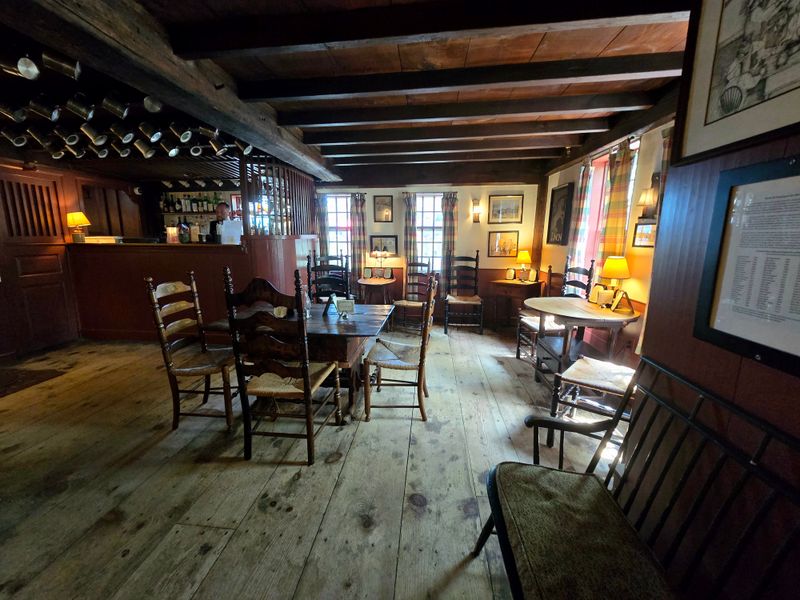
Nestled in the Shenandoah Valley, Wayside Inn in Middletown, Virginia, boasts a legacy of continuous operation since 1797.
This historic inn has welcomed travelers for centuries, offering a warm embrace to those journeying through the region.
Wayside Inn’s charm lies in its rustic elegance and storied past.
The inn features beautifully preserved furnishings and decor that transport visitors to a different era.
Its reputation as a haven for weary travelers remains unchanged, as guests enjoy the serene surroundings and inviting atmosphere.
Today, Wayside Inn continues to serve as a cherished landmark.
Its rich history and picturesque location make it a favorite among those seeking an authentic taste of Virginia’s heritage.
Whether dining in its cozy restaurant or resting in one of its charming rooms, visitors are enveloped in a sense of history that defines the Shenandoah Valley.
Wayside Inn’s significance is closely linked to its position along historic travel routes through the Shenandoah Valley.
Long before modern highways, this corridor was essential for trade and migration, making the inn a reliable refuge for merchants and settlers.
The surrounding countryside remains largely rural, preserving the sense of isolation travelers once experienced.
Seasonal changes dramatically transform the landscape, offering a different atmosphere throughout the year.
This enduring connection between place and purpose has allowed Wayside Inn to retain its identity as a true traveler’s haven rather than a recreated attraction.
4. 1710 Tavern
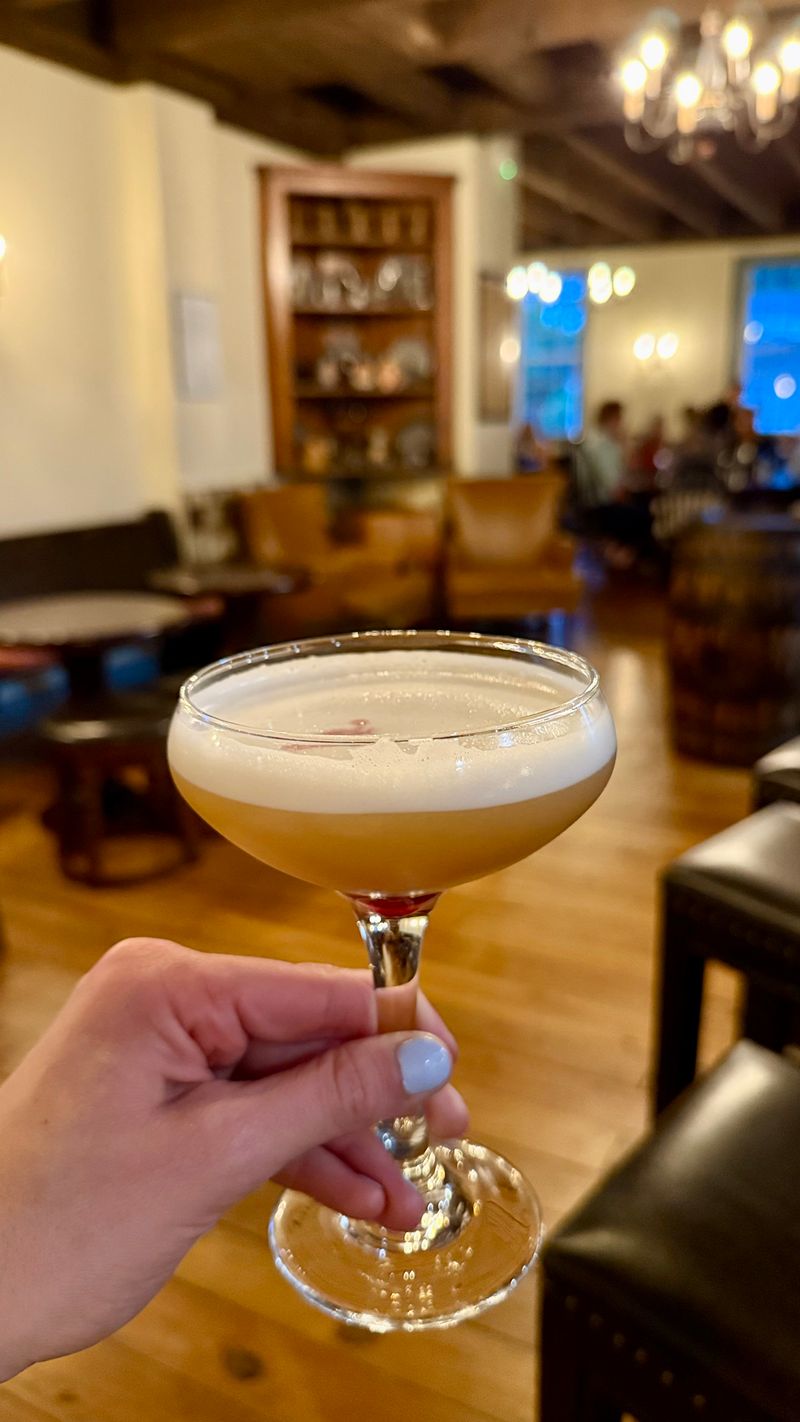
Located in Tappahannock, Virginia, the 1710 Tavern is a remarkable establishment, celebrated for its rich history and architectural beauty.
Housed in a building constructed in 1710, it claims to be one of the oldest restaurants and taverns in the state.
The tavern’s allure is its ability to transport guests back in time.
With original features like exposed beams and antique finishes, it offers an authentic glimpse into the past.
The ambiance is complemented by a menu inspired by local ingredients, featuring seafood and meats that pay homage to Virginia’s culinary roots.
For those visiting Tappahannock, the 1710 Tavern is a must-see destination.
It stands as a testament to the region’s history and dedication to preserving its heritage.
Guests can relax and dine in an environment that honors the traditions of the past while enjoying the comforts of the present.
The 1710 Tavern reflects the architectural simplicity common in early Tidewater Virginia, where durability and practicality were prioritized.
Its survival through centuries of floods, wars, and economic shifts highlights the importance of taverns as community anchors.
The building’s modest scale offers an intimate experience that contrasts with larger colonial-era establishments.
Located near the Rappahannock River, the tavern benefits from the same waterways that once supported trade and travel.
This geographic context deepens its historical significance and explains its longevity as a gathering place.
5. Hanover Tavern
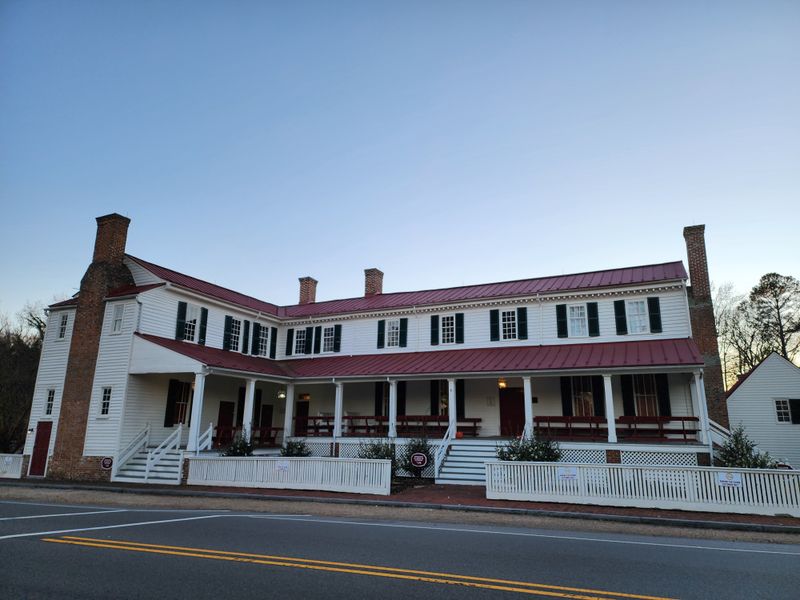
Hanover Tavern, located in Hanover, Virginia, is a unique blend of history and modernity.
Built in 1733, it has served countless travelers and locals over the centuries.
Its storied past is intertwined with Virginia’s rich heritage.
The tavern’s appeal is in its multifaceted offerings.
It houses a restaurant, pub, and theater, creating a vibrant cultural hub.
Visitors can enjoy a meal or a show, all within the historic walls that have witnessed generations of change.
Situated at 13181 Hanover Courthouse Rd, Hanover Tavern continues to be a focal point of the community.
Its dedication to preserving history while providing contemporary entertainment makes it a standout destination.
Whether you’re exploring the grounds or enjoying a performance, Hanover Tavern offers a dynamic experience steeped in tradition.
Hanover Tavern is particularly notable for its association with Patrick Henry, whose family once owned the property.
This connection links the tavern directly to Revolutionary-era political thought and oratory.
The surrounding courthouse area further reinforces the tavern’s historic role as a meeting place for legal, political, and social exchange.
Its continued use as a performance venue reflects the long tradition of taverns serving as centers for storytelling and public discourse.
The integration of history, dining, and theater makes Hanover Tavern uniquely immersive among Virginia’s historic taverns.
6. Half-Way House
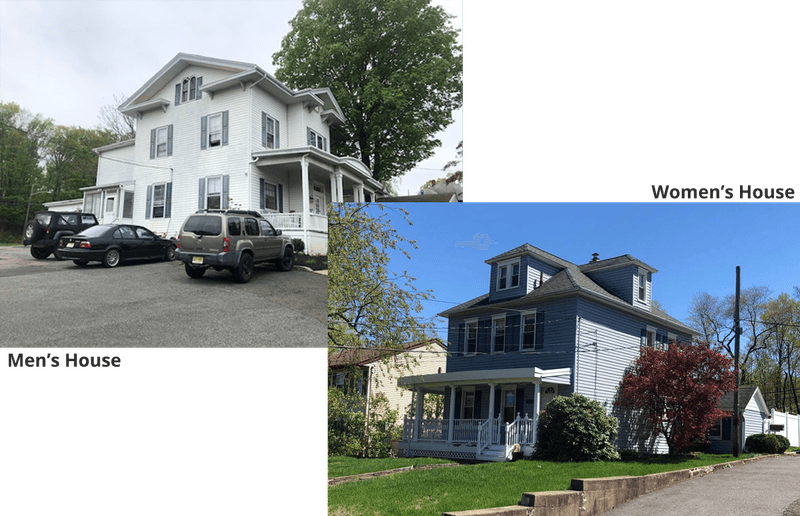
Half-Way House in Chesterfield County, Virginia, is a testament to the state’s rich history.
Established in 1760, it originally served as a stagecoach stop between Richmond and Petersburg.
The building’s enduring presence is a remarkable feature of the area’s historical tapestry.
The atmosphere at Half-Way House is both intimate and inviting.
Guests can enjoy a quiet, candlelit dining experience in a setting that reflects centuries of Virginia’s past.
The historic architecture and decor provide a serene backdrop for those seeking a peaceful retreat.
Located at 10301 Rte 1, Half-Way House continues to welcome visitors eager to experience its unique charm.
Offering a glimpse into a bygone era, it remains a beloved destination for history enthusiasts and those looking to escape the hustle and bustle of modern life.
Half-Way House owes its name and purpose to the era when travel was measured by horse endurance rather than miles.
Its placement halfway between two major cities made it essential for rest and resupply.
The building’s layout reflects this function, with spaces designed for privacy, conversation, and quiet respite.
Unlike more urban taverns, Half-Way House retains a distinctly rural character.
This sense of separation from modern development enhances its authenticity, allowing visitors to experience a slower rhythm that closely mirrors 18th-century travel life.
7. The Tavern
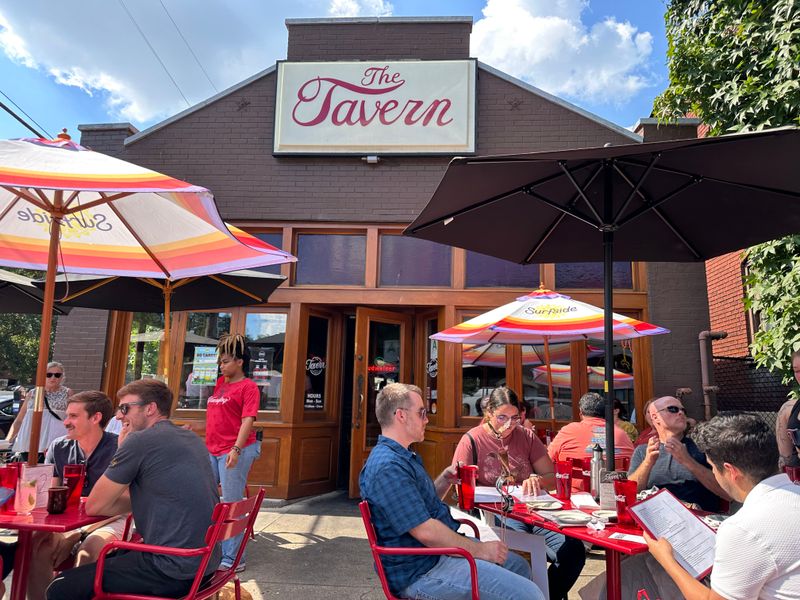
The Tavern in Abingdon, Virginia, is a cherished historical landmark.
Known as the oldest building in Abingdon and one of Virginia’s longest-running pubs, it was constructed in 1779.
Its longevity and charm have made it a staple of the community.
Throughout its history, The Tavern has served various roles, including a stagecoach stop, post office, and Civil War hospital.
Its multifaceted past is reflected in the building’s architecture and atmosphere.
Visitors can explore its unique history while enjoying the welcoming ambiance.
Located at 222 E Main St, The Tavern offers a captivating glimpse into Virginia’s past.
It remains a hub for locals and travelers, providing a connection to the region’s historical roots.
With its rich legacy and inviting charm, The Tavern is a must-visit for those exploring Abingdon.
The Tavern’s long history mirrors Abingdon’s evolution from frontier settlement to established town.
Its role as a post office and hospital illustrates how taverns adapted to community needs during times of crisis.
The building’s survival through multiple conflicts underscores its importance to local infrastructure.
Today, it remains closely tied to Abingdon’s cultural life, located near theaters, galleries, and historic homes.
This continuity of use reinforces the tavern’s identity as a living part of the town rather than a preserved relic.
8. King’s Arms Tavern
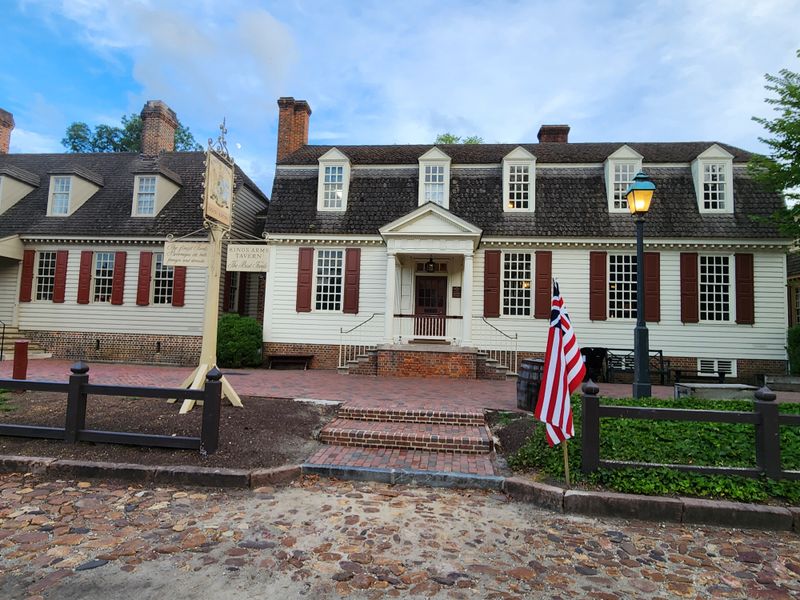
King’s Arms Tavern, located in Colonial Williamsburg, Virginia, provides a captivating dining experience reminiscent of the 18th century.
Opened in 1772 by Jane Vobe, it remains a significant part of Williamsburg’s historical landscape.
The tavern offers an authentic colonial experience.
With period-costumed servers and historically inspired recipes, guests are transported to a time when this tavern was a central part of the community.
The ambiance captures the essence of a bustling colonial establishment.
Situated at 416 E Duke of Gloucester St, King’s Arms Tavern is a key part of the living history museum experience in Williamsburg.
Its dedication to preserving the past while offering exceptional dining makes it a standout destination.
Visitors can enjoy the unique blend of history and hospitality it provides.
King’s Arms Tavern was historically known for attracting an elite clientele, including politicians, merchants, and visiting dignitaries.
Jane Vobe’s management played a crucial role in its success, making her one of the most prominent female tavern keepers of the colonial era.
The tavern’s refined atmosphere reflects this social standing.
Its position along Duke of Gloucester Street places it at the center of Williamsburg’s colonial activity.
Today, its operations are closely guided by historical records, ensuring accuracy in both presentation and experience.
9. Christiana Campbell’s Tavern
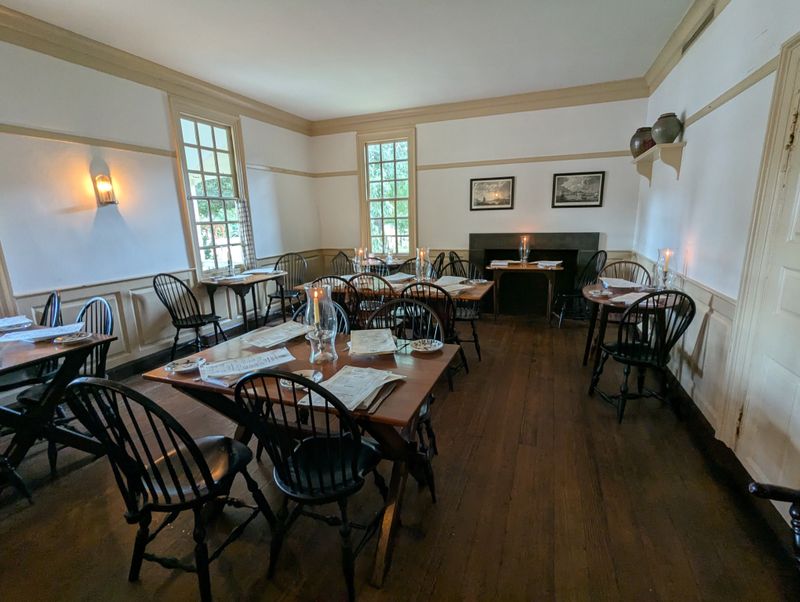
Christiana Campbell’s Tavern in Colonial Williamsburg, Virginia, offers a dining experience steeped in history.
Frequented by George Washington, this tavern is known for its exceptional seafood and historical significance.
The ambiance at Christiana Campbell’s Tavern is authentic and inviting.
With a menu inspired by local ingredients, it provides a genuine taste of Virginia’s culinary heritage.
The setting reflects the 18th-century charm that has attracted visitors for generations.
Located at 101 S Waller St, the tavern stands as a symbol of Williamsburg’s rich history.
Its dedication to preserving the past while offering exceptional dining makes it an essential stop for those exploring Colonial Williamsburg.
Visitors can savor a meal in an atmosphere that captures the essence of a bygone era.
Christiana Campbell’s Tavern stands out for highlighting the role of women in colonial business ownership.
Campbell herself was a successful entrepreneur who maintained high standards that attracted influential patrons.
The tavern’s riverside proximity influenced its seafood-focused reputation, connecting menu traditions directly to local geography.
Its restoration was guided by extensive documentation, including ledgers and correspondence, allowing historians to recreate details with precision.
This level of documentation makes the tavern one of the most thoroughly researched dining establishments in Colonial Williamsburg.
10. Shields Tavern
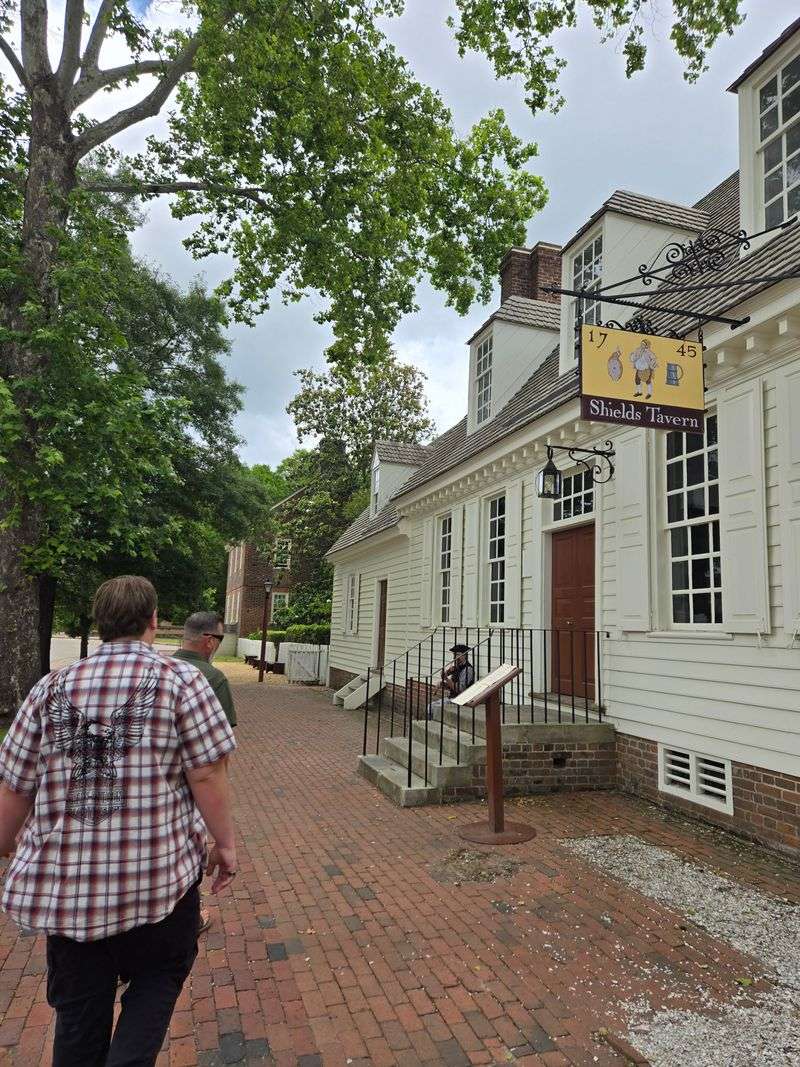
Shields Tavern in Colonial Williamsburg, Virginia, is a cornerstone of the area’s historical attractions.
Operating since 1709, it offers a unique dining experience in one of the oldest buildings in Williamsburg.
The tavern provides lodging and meals in a setting that echoes the colonial past.
Its historical significance is complemented by an inviting atmosphere and a dedication to preserving Virginia’s heritage.
Guests can explore the rich history while enjoying an immersive dining experience.
Situated at 422 E Duke of Gloucester St, Shields Tavern is part of the living history museum in Williamsburg.
It offers a captivating glimpse into the past, making it a popular destination for history enthusiasts and families alike.
Visitors can enjoy a meal in a setting that truly reflects the essence of colonial Virginia.
Shields Tavern illustrates the dual role of colonial taverns as both public and private spaces.
Its lodging accommodations remind visitors that taverns often functioned as early hotels.
The structure’s age makes it a valuable example of early colonial construction methods.
Located near other major Williamsburg landmarks, it helps contextualize daily life beyond politics and ceremony.
Educational interpretation at Shields Tavern emphasizes social customs, etiquette, and class distinctions, offering insight into how different groups experienced tavern life during the colonial period.
Dear Reader: This page may contain affiliate links which may earn a commission if you click through and make a purchase. Our independent journalism is not influenced by any advertiser or commercial initiative unless it is clearly marked as sponsored content. As travel products change, please be sure to reconfirm all details and stay up to date with current events to ensure a safe and successful trip.
