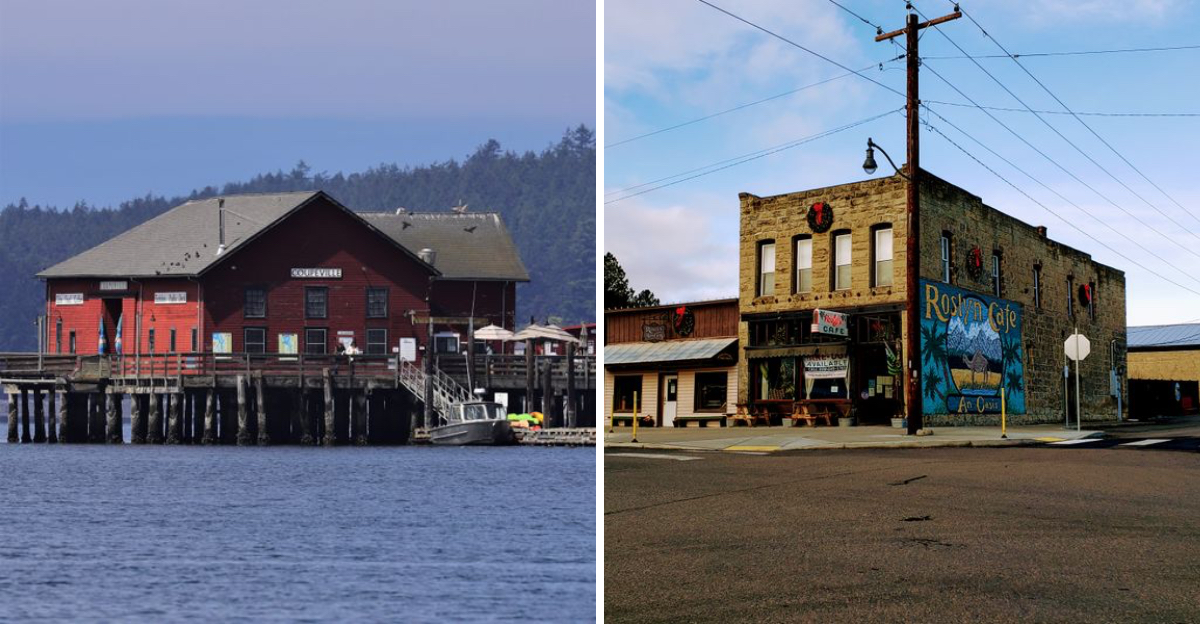
Washington State holds more than just Seattle’s skyline or the peaks of Mount Rainier.
Tucked into valleys, along winding rivers, and beside quiet harbors are towns that carry the weight of history without the crowds of tourists.
These places were shaped by lumber mills, gold rushes, and pioneer families who built communities from scratch.
Today, they remain mostly undiscovered, offering travelers a chance to explore authentic slices of the past.
1. Port Gamble
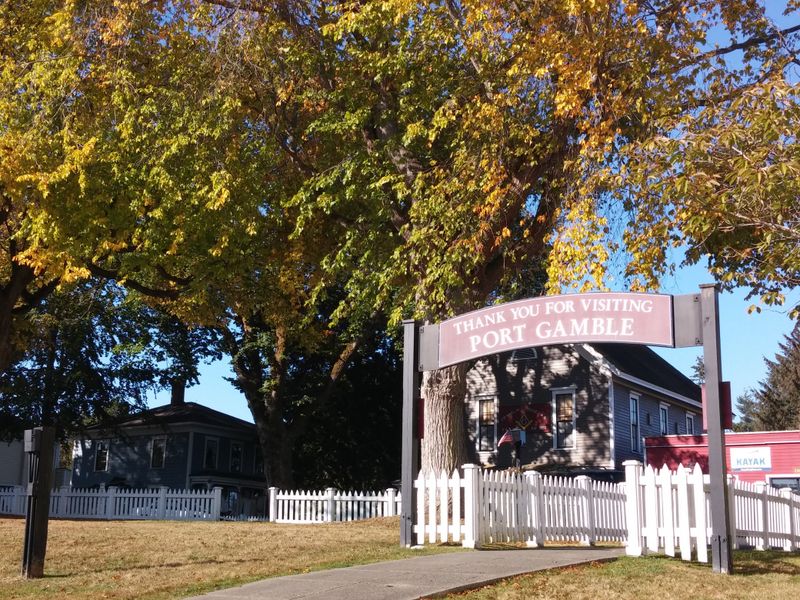
Strolling through Port Gamble feels like opening a storybook set in the 19th century.
Established in the mid-1800s as a company town centered on the lumber industry, it remains one of the best-preserved company towns in the Pacific Northwest.
Victorian-era houses painted in subdued pastels line the streets, while the old general store still sells locally made goods.
The town’s heritage is present in the Port Gamble Historic Museum, filled with artifacts and documents detailing daily life over a century ago.
Visitors are drawn not only to its living history but also to the tranquil views of Hood Canal.
Port Gamble’s status as a National Historic Landmark ensures thoughtful preservation, offering a window into the region’s timber legacy.
Events like the annual Maritime Music Festival bring added vibrancy to this peaceful community.
Walking these streets means stepping into a carefully maintained piece of Washington State’s industrial past.
Old homes have been restored with attention to detail, from original woodwork to period-appropriate gardens.
The town’s small size makes it easy to explore on foot, with interpretive signs providing context at key locations.
Port Gamble offers more than just pretty buildings.
It represents a way of life where work, community, and landscape were tightly woven together.
For history enthusiasts and families looking for a quiet weekend escape, this town delivers a meaningful experience without overwhelming crowds.
The address for the Port Gamble Historic Museum is 32400 Rainier Avenue NE, Port Gamble, WA.
Whether you’re interested in architecture, local lore, or simply enjoying a slower pace, Port Gamble invites you to linger and learn.
2. Roslyn
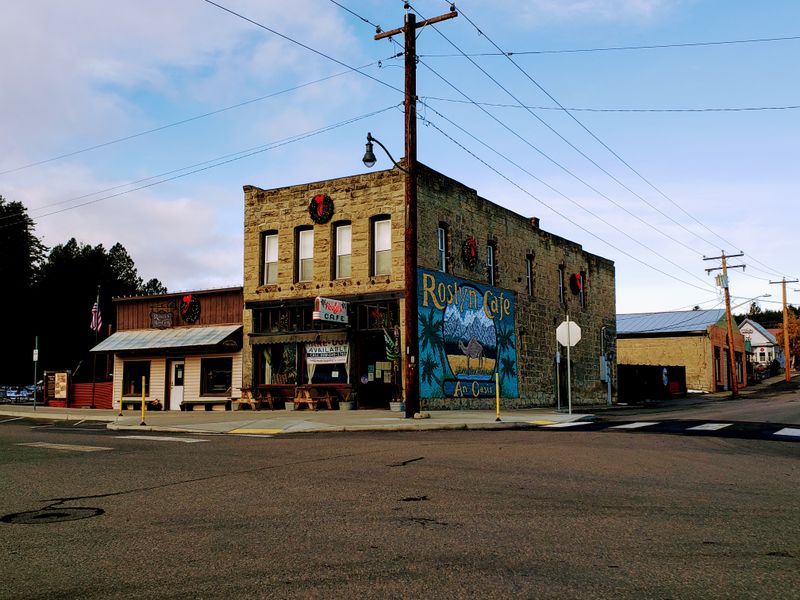
Roslyn’s brick buildings recount stories of coal miners and the multicultural community that once thrived in this Cascade foothill town.
Founded during the late 1800s, Roslyn’s origins are deeply tied to the Northern Pacific Railway and the coal industry, drawing workers from dozens of countries.
The town’s cemetery is a tapestry of heritage, reflecting the various societies and languages of those who settled here.
Preserved downtown structures and The Brick Saloon, operating since the late 19th century, anchor its historic significance.
Fans of television might recognize the town as the setting for Northern Exposure, but Roslyn’s real charisma is in its authentic sense of place.
Local museums and community festivals celebrate a past where cultural diversity was always part of daily life.
History greets you at every corner, from weathered storefronts to interpretive plaques that tell immigrant stories.
Roslyn’s compact downtown makes it easy to wander and absorb the atmosphere.
You can peer into old mining equipment displays and read about labor struggles that shaped the region.
The town’s character is deeply rooted in the hard work and resilience of families who came from Europe, Asia, and beyond.
Their legacy is honored in annual events that bring together descendants and newcomers alike.
Beyond its television fame, Roslyn offers a genuine connection to Washington State’s industrial and immigrant past.
The address for the Roslyn Museum is 203 Pennsylvania Avenue, Roslyn, WA.
For those interested in labor history, cultural heritage, or simply exploring a town that feels untouched by modern commercialism, Roslyn is a rewarding destination.
Its streets tell stories of ambition, hardship, and community spirit that continue to resonate today.
3. Stehekin
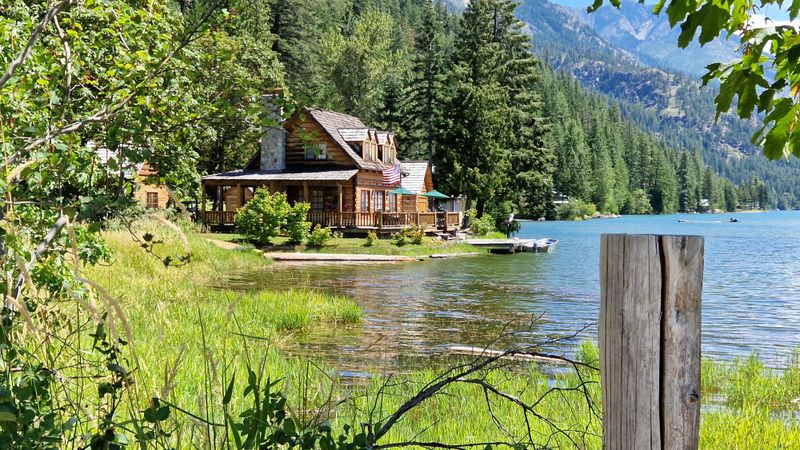
Getting to Stehekin is an adventure in itself.
No roads lead here, making it accessible only by boat, plane, or hiking.
The small community at Lake Chelan’s north end embodies frontier seclusion in ways few places can.
Historic log cabins and the original one-room schoolhouse stand as markers of the valley’s early settlers.
Stehekin’s surroundings are equally notable, with hiking trails and wildflower meadows that once provided passage for indigenous people and explorers.
Modern life feels elsewhere, replaced by a quiet rhythm shaped by nature and tradition.
The Stehekin Heritage Museum preserves objects and stories from the area’s unique past.
Those seeking a rare glimpse of Washington State’s early history, combined with mountain tranquility, find Stehekin compelling.
Visitors often arrive by ferry, watching the landscape shift from lakeside resorts to untouched wilderness.
Once there, the pace slows dramatically.
There are no traffic lights, no chain stores, just a handful of residents who maintain a lifestyle connected to the land.
The schoolhouse still stands as a reminder of when families homesteaded in this remote valley.
Hiking paths lead to waterfalls and alpine meadows, offering both recreation and reflection.
Stehekin’s isolation has preserved its character in ways that more accessible towns cannot match.
The address for the Stehekin Heritage Museum is located in Stehekin Valley, accessible via Lake Chelan.
For adventurers and history lovers alike, Stehekin provides an experience that feels like stepping back in time.
Its remoteness is part of its charm, offering a true escape from the rush of everyday life.
4. Coupeville
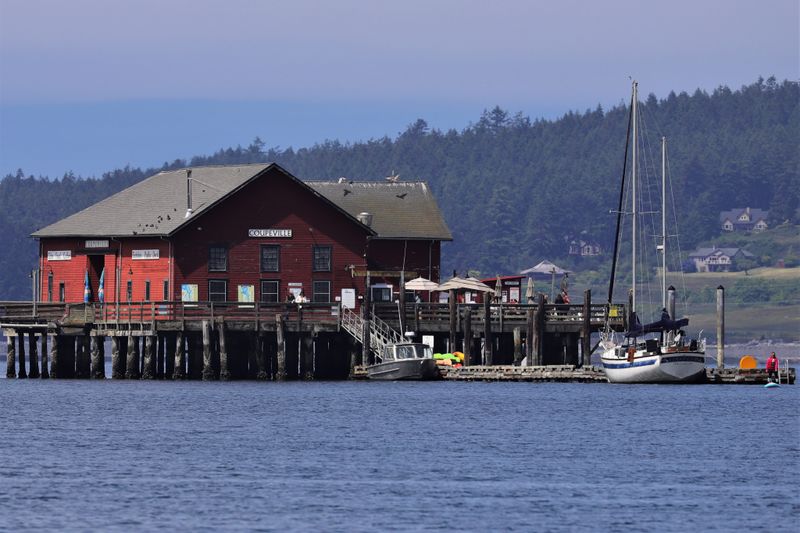
On the shores of Whidbey Island, Coupeville stands as one of Washington’s oldest towns.
It traces its origins to the mid-1800s, when farmers and sea captains shaped its identity.
The town’s historic wharf, painted a bright red, and adjacent 19th-century buildings evoke an era when maritime trade was crucial to the region.
Local museums and heritage walks give context to Coupeville’s role in agriculture and commerce.
While the annual Penn Cove Mussel Festival adds seasonal buzz, Coupeville generally exudes a gentle, lived-in feel.
The preserved architecture, open fields, and access to Ebey’s Landing National Historical Reserve make it a favorite for those curious about Washington’s rural heritage and coastal charm.
Walking along the waterfront, you can almost hear the echoes of ships unloading goods and farmers bringing produce to market.
The town’s layout reflects its maritime roots, with buildings oriented toward the water.
Historic homes have been carefully maintained, their gardens blooming with native plants and heirloom varieties.
Coupeville’s connection to the sea remains strong, with fishing boats still docking at the wharf.
The surrounding farmland, protected within the national reserve, showcases the agricultural traditions that sustained early settlers.
Interpretive trails and museum exhibits provide insight into the lives of pioneers who chose this island for their new beginning.
The address for the Island County Historical Museum is 908 NW Alexander Street, Coupeville, WA.
For visitors interested in maritime history, farming heritage, or simply enjoying a picturesque coastal town, Coupeville delivers on all fronts.
Its blend of natural beauty and historical significance makes it a standout destination on Whidbey Island.
5. Republic
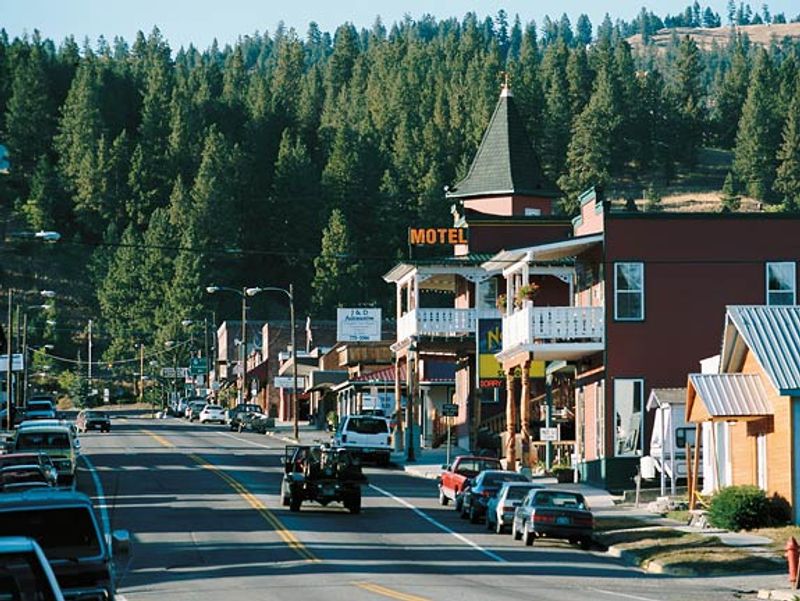
Republic may be small, but its gold rush history packs a punch.
Founded during the late 19th-century mining boom, it remains the only incorporated town in Ferry County.
Downtown Republic preserves the architecture and spirit of frontier days, with wooden facades and signage dating back to its early years.
The Stonerose Fossil Site attracts paleontology enthusiasts, offering the rare chance to collect fossils from millions of years ago.
Locals embrace their heritage with events like Prospector’s Days and by maintaining museums that recount the town’s highs and lows.
Republic’s blend of geology, history, and community pride stands out in the remote northeast Washington landscape.
For those interested in a hands-on encounter with the past, this town delivers.
Walking through Republic feels like stepping onto a Western movie set, except everything is real.
Old storefronts still bear the names of businesses that served miners over a century ago.
The Stonerose Fossil Site is a unique attraction, allowing visitors to dig for ancient plant fossils and keep what they find.
This combination of human and natural history gives Republic a distinctive character.
Local museums display mining equipment, photographs, and personal stories from the boom years.
The annual Prospector’s Days festival brings the community together with parades, historical reenactments, and gold panning demonstrations.
The address for the Stonerose Interpretive Center is 15 N Kean Street, Republic, WA.
Republic’s location in the remote northeast corner of Washington State adds to its appeal for those seeking off-the-beaten-path adventures.
Its commitment to preserving both mining heritage and paleontological treasures makes it a fascinating stop for curious travelers.
6. La Conner

If artistic energy defines La Conner now, its roots go back to the earliest days of Skagit County settlement.
Started as a trading post in the 1860s, it developed a reputation as both a practical hub and a haven for creativity.
The town’s historic district is filled with carefully preserved storefronts, galleries, and small museums, including the Museum of Northwest Art.
Each spring, surrounding tulip fields turn the area into a patchwork of color, drawing visitors for the Tulip Festival.
La Conner’s vibrant past and present combine in ways both subtle and unmistakable.
The blend of maritime history, agriculture, and arts culture gives the town a distinctive, welcoming personality.
Heritage remains part of everyday life here, visible in the architecture and the stories locals share.
Walking down First Street, you pass buildings that once housed general stores and shipping offices.
Today, they hold art galleries, bookshops, and studios where you can watch artists at work.
The Museum of Northwest Art showcases regional talent and historical pieces, connecting past and present through creative expression.
La Conner’s waterfront location on the Swinomish Channel provides scenic views and a reminder of its trading post origins.
The town’s commitment to preserving its historic character while embracing contemporary culture creates a unique atmosphere.
Visitors find a place where history isn’t just displayed in museums but woven into daily life.
The address for the Museum of Northwest Art is 121 S First Street, La Conner, WA.
For those who appreciate both heritage and artistic vitality, La Conner offers an enriching experience.
Its combination of history, natural beauty, and creative spirit makes it a memorable destination in Skagit County.
7. Edison
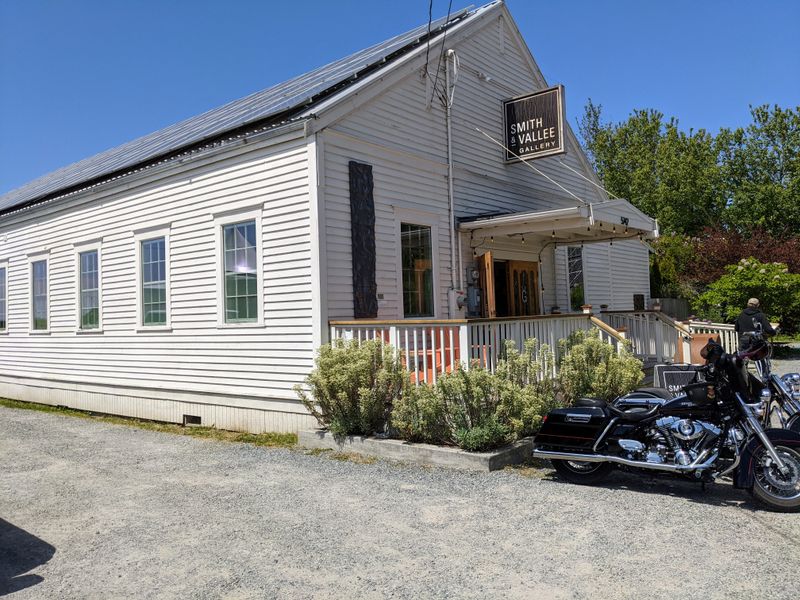
Edison’s blend of rural simplicity and creative flair sets it apart.
Founded in the late 1860s and named after inventor Thomas Edison, the town grew alongside rich Skagit Valley farmland.
Visitors find historic buildings housing vibrant art galleries, eclectic cafes, and independent bookstores.
This unique mix of past and present is celebrated by both locals and newcomers, who come for events like the annual Bird Festival and the thriving local food scene.
Edison’s size makes it easy to explore, but its identity feels larger than its map footprint.
The community continues to support artists and makers, ensuring a dynamic cultural thread.
For those seeking a small town with both heritage and personality, Edison is an inviting stop.
The town’s main street is a study in contrasts, where century-old buildings now host contemporary art installations and craft workshops.
Edison has become a magnet for creative types who appreciate its agricultural roots and open spaces.
Historic structures have been lovingly restored, their original character preserved while adapting to new uses.
The annual Chuckanut Bay Bird Festival celebrates the area’s natural beauty and biodiversity, drawing birdwatchers and nature lovers.
Local eateries emphasize farm-to-table dining, sourcing ingredients from nearby fields and dairies.
Edison’s community spirit is evident in the way residents support local businesses and cultural events.
The address for the Edison Eye is 5766 Cains Court, Bow, WA.
This small town manages to honor its history while embracing innovation and creativity.
For travelers interested in art, agriculture, and authentic community life, Edison offers a refreshing alternative to more commercialized destinations.
Its blend of heritage and contemporary culture makes it a standout among Washington State’s historic towns.
Walking along the main street, you often stumble upon pop-up galleries and artisan markets that feel spontaneous yet well-loved.
Local festivals showcase not only birds but also music, crafts, and regional culinary traditions.
Residents take pride in preserving green spaces, with pocket parks and community gardens adding quiet charm.
Seasonal events transform the town, from spring blooms to autumn harvest celebrations, offering something new at every visit.
Whether stopping for a coffee, browsing handcrafted goods, or enjoying a farm-fresh meal, Edison rewards travelers who slow down and notice the details.
Dear Reader: This page may contain affiliate links which may earn a commission if you click through and make a purchase. Our independent journalism is not influenced by any advertiser or commercial initiative unless it is clearly marked as sponsored content. As travel products change, please be sure to reconfirm all details and stay up to date with current events to ensure a safe and successful trip.
