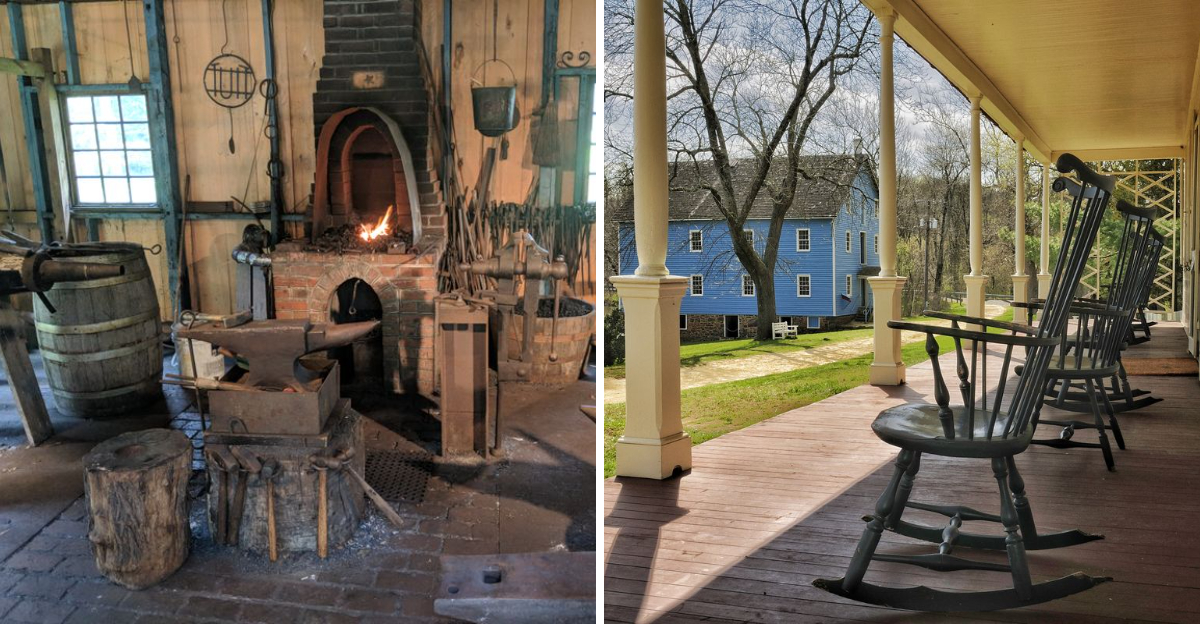
New Jersey might be famous for its boardwalks and beaches, but in the corners across the Garden State are historic villages that feel like stepping into a time machine.
These living museums and restored communities preserve centuries of American history, from Revolutionary War battlegrounds to bustling 19th-century industrial towns.
Walking their dirt paths and peeking inside century-old buildings, you can almost hear the blacksmith’s hammer ringing or smell fresh bread from the general store.
Each village tells a different story about how New Jerseyans lived, worked, and built their communities generations ago. Some were thriving centers of iron production and glassmaking, while others served as vital canal stops or farming settlements.
Today, they offer an escape from modern life and a chance to see authentic craftsmanship, period architecture, and traditions that shaped the state.
Ever wondered what life in New Jersey’s villages looked like two centuries back?
These nine incredible spots will transport you straight back in time, and trust us, the journey is way more fun than any history textbook!
Batsto Village
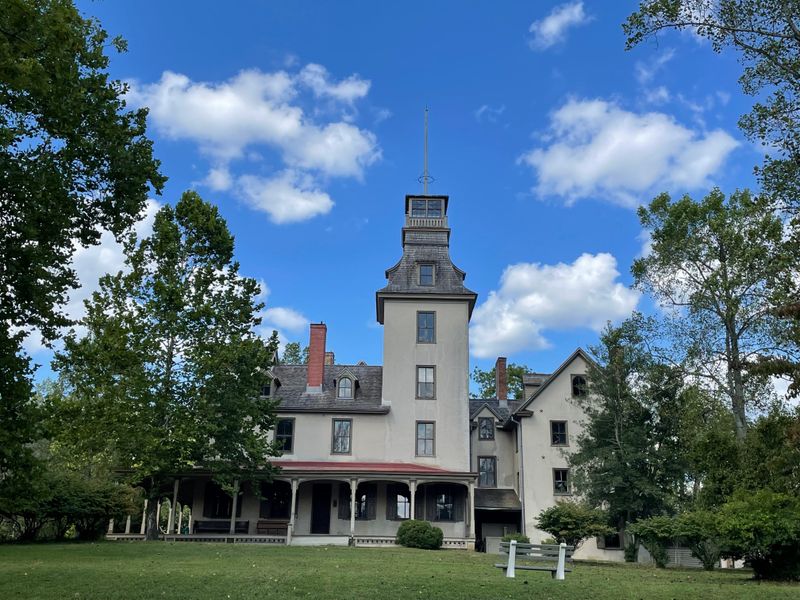
Deep in the mysterious Pine Barrens sits a village frozen in time, where iron forges once roared and glassmakers crafted beautiful pieces under flickering firelight. Batsto Village thrived as an industrial powerhouse during the 18th and 19th centuries, producing everything from cannonballs for the Revolutionary War to window glass for growing American cities.
Over thirty historic structures stand proudly today, each telling stories of the workers, families, and entrepreneurs who called this remote forest home.
The centerpiece is definitely the grand Batsto Mansion, a stunning estate that grew from a modest ironmaster’s house into an elegant Italianate showplace with its distinctive tower and wrap-around porches. You can tour rooms filled with period furniture and imagine the wealthy Richards family hosting dinner parties in the formal dining room.
Outside, the village spreads along sandy paths where you’ll discover a working sawmill, a cozy general store stocked with old-timey goods, a blacksmith shop, and workers’ cottages that show how regular folks lived.
What makes Batsto extra special is how it blends industrial history with natural beauty. The Batsto River flows peacefully through the property, and the surrounding Wharton State Forest offers hiking trails where you can spot wildlife and explore the unique Pine Barrens ecosystem.
Kids love the hands-on demonstrations where costumed interpreters show traditional crafts like candle-making and woodworking. The village hosts seasonal events throughout the year, from colonial-era celebrations to nature programs that connect past and present.
Plan to spend at least half a day wandering the grounds, snapping photos of weathered buildings against towering pines, and soaking up the peaceful atmosphere that feels a million miles from modern life. The visitor center offers helpful maps and historical context that brings everything into focus.
Allaire Village
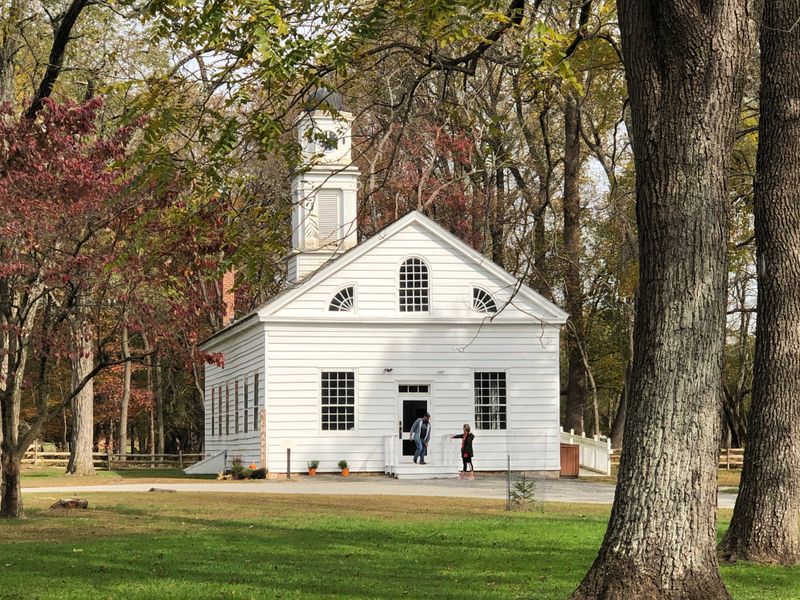
Nestled within the beautiful Allaire State Park, this perfectly preserved bog iron town whispers tales of America’s early Industrial Revolution when furnaces blazed day and night to meet the young nation’s hunger for metal. Founded by James Allaire in the 1820s, the village once housed hundreds of workers and their families who mined iron ore from the boggy soil and transformed it into everything from stoves to steam engine parts.
Walking through today feels like the workers just stepped out for lunch and might return any minute.
The charming white chapel with its simple steeple stands as a testament to the community’s spiritual life, while the general store’s shelves still display goods that workers would have purchased with company scrip. The blacksmith shop is particularly fascinating during live demonstrations when sparks fly and metal bends under skilled hands, just as it did two centuries ago.
You’ll also find the manager’s house, workers’ row houses, a carpenter shop, and even the old bakery where bread fed the entire village.
Allaire Village isn’t just about looking at old buildings through ropes and glass. The Historic Village at Allaire actively brings history to life with costumed interpreters who answer questions, demonstrate period crafts, and share stories about daily life in the 1830s.
Kids can try their hand at old-fashioned games, watch blacksmiths forge iron tools, and learn how families survived without electricity or running water.
The surrounding state park adds bonus adventure with hiking trails, fishing spots, and picnic areas perfect for making a full day of your visit. Special events throughout the year include craft fairs, historical reenactments, and holiday celebrations that showcase 19th-century traditions.
The narrow-gauge Pine Creek Railroad even offers vintage train rides on weekends, chugging through the woods just like the original steam engines did.
Waterloo Village
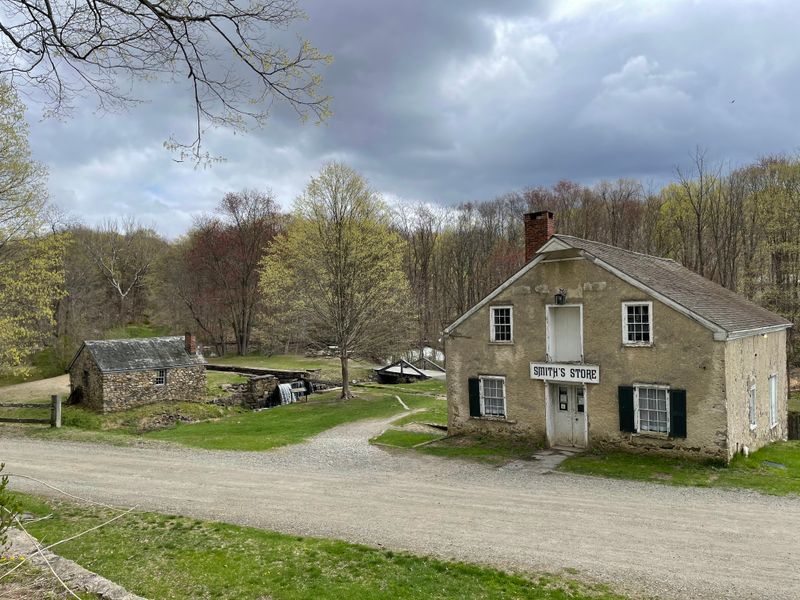
Imagine a bustling transportation hub where canal boats loaded with coal, iron, and grain made their midway stop along the ambitious Morris Canal, and you’ve pictured Waterloo Village in its 19th-century glory. This restored canal town served as a vital link in New Jersey’s transportation network, connecting the Delaware River to New York Harbor and bringing prosperity to this scenic valley.
Today, the village sits peacefully along the Musconetcong River, its historic buildings beautifully preserved and ready to share their fascinating stories.
The working gristmill is absolutely mesmerizing to watch, with its massive wooden gears turning and grinding grain just as they did generations ago when farmers brought their harvest here. The general store looks ready to open for business, its shelves stocked with period goods and the wooden counter worn smooth by countless transactions.
At the blacksmith shop, you can watch iron being shaped into useful tools and decorative items using techniques passed down through centuries.
Waterloo’s collection of buildings spans different eras, from the 1760s Winakung House to structures from the canal’s heyday in the mid-1800s. The village includes homes, churches, taverns, and workshops that paint a complete picture of community life along the canal.
The Methodist Church with its white clapboard siding and the Towpath Tavern where weary travelers once rested are particularly photogenic spots.
What sets Waterloo apart is its stunning natural setting in the hills of Sussex County. The village is surrounded by forests and the gentle river, creating an incredibly peaceful atmosphere perfect for contemplative walks and photography.
Though the village has faced some operational changes in recent years, the historic structures remain beautifully maintained, and the site occasionally hosts special events and programs that bring history alive through music, crafts, and reenactments.
Historic Cold Spring Village
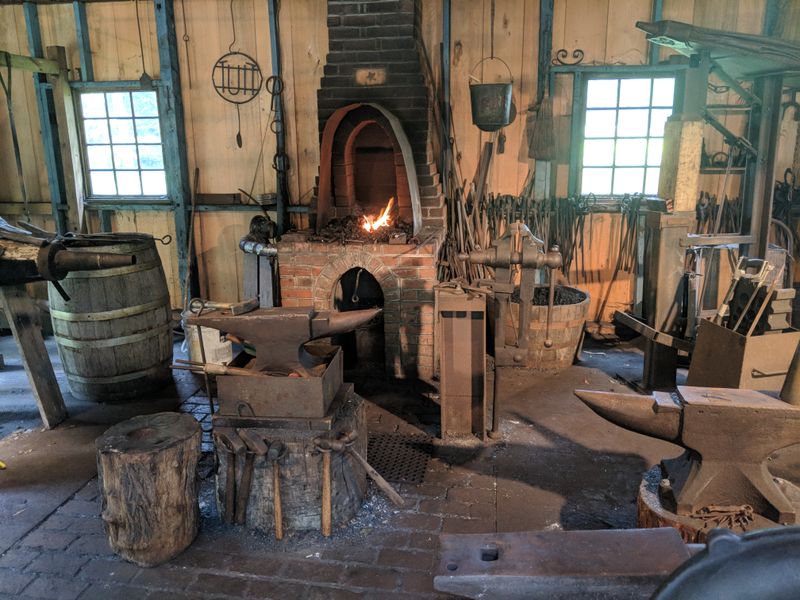
Step back to the early American period when families made nearly everything by hand, grew their own food, and relied on skilled craftspeople for items they couldn’t produce themselves. Historic Cold Spring Village recreates a South Jersey farming community from 1790 to 1840, a time historians call the Age of Homespun because homemade cloth was everywhere.
This open-air living history museum near Cape May brings that self-sufficient era brilliantly to life across 30 acres of authentic and recreated historic buildings.
Unlike some historic sites where you just look through windows, Cold Spring Village invites you to interact with costumed interpreters who actually practice period crafts right before your eyes. Watch the potter shape clay on a foot-powered wheel, see the weaver create fabric on a massive loom, and smell fresh bread baking in the outdoor brick oven.
The blacksmith hammers out nails and hooks while explaining how iron tools were essential to frontier life, and the printer demonstrates how newspapers and books were produced one page at a time.
The village includes more than twenty-five restored buildings moved from locations throughout Cape May County, each carefully arranged to recreate an authentic 19th-century community. You’ll find homes of different social classes showing how wealthy merchants lived versus working families, plus essential community buildings like the schoolhouse, meeting house, and various workshops.
The herb garden, kitchen garden, and farm animals add to the authentic atmosphere and help visitors understand agricultural life.
Kids absolutely love the hands-on activities offered throughout the day, from trying colonial games to participating in craft demonstrations. The village hosts fantastic seasonal events including a huge crafts festival, old-fashioned Independence Day celebration, and holiday programs featuring period decorations and traditions.
Located just minutes from Cape May’s beaches and Victorian downtown, it makes a perfect educational addition to any shore vacation.
Historic Smithville
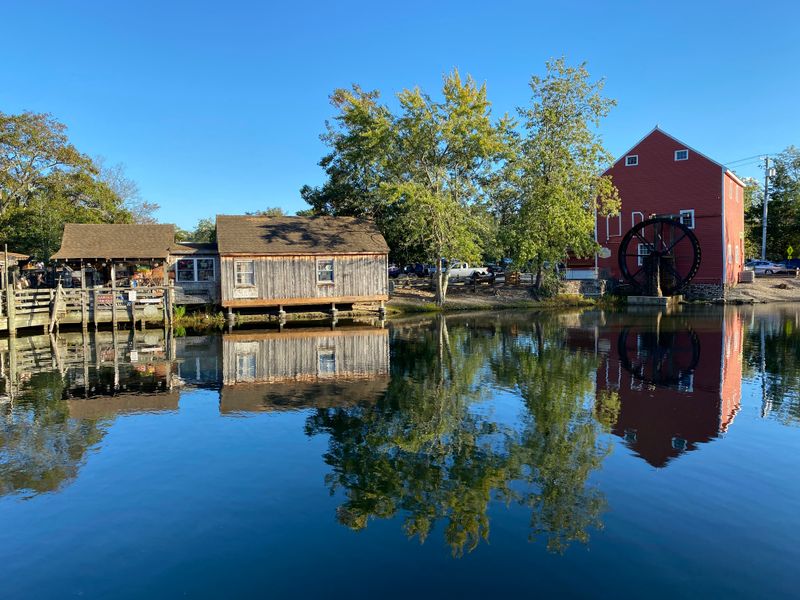
In Burlington County sits a remarkable site where industrial innovation and Victorian elegance intersect, telling the story of Hezekiah Smith’s ambitious manufacturing empire. Historic Smithville showcases both the grand mansion where the Smith family lived and the industrial village where workers produced bicycles, woodworking machinery, and even early automobiles during the late 1800s.
This dual nature makes it uniquely fascinating because you see both sides of the Industrial Revolution story in one location.
The Smithville Mansion itself is an architectural gem, a stunning Italianate villa with elaborate details, graceful proportions, and period furnishings that transport visitors to the height of Victorian prosperity. Tours guide you through elegant parlors, formal dining rooms, and upstairs bedrooms while sharing stories about the Smith family and their influential role in New Jersey industry.
The mansion’s tower offers commanding views over the surrounding grounds, and you can easily imagine the family watching their factory operations from above.
Beyond the mansion, the workers’ village preserves several buildings from the industrial complex including housing where factory employees lived with their families. These simpler structures contrast sharply with the mansion’s luxury, illustrating the vast differences between owner and worker lifestyles during the Victorian era.
Interpretive signs help visitors understand the daily routines, working conditions, and community life that defined the village during its productive years.
The site sits on beautiful grounds perfect for leisurely walks among mature trees and historic landscapes. Smithville hosts regular events including Victorian teas, holiday celebrations, and educational programs that explore 19th-century technology, fashion, and social customs.
It’s important not to confuse this historic site in Eastampton with the Historic Smithville shopping village in Galloway, which offers a different but also charming historic aesthetic focused on retail and dining.
Historic Walnford
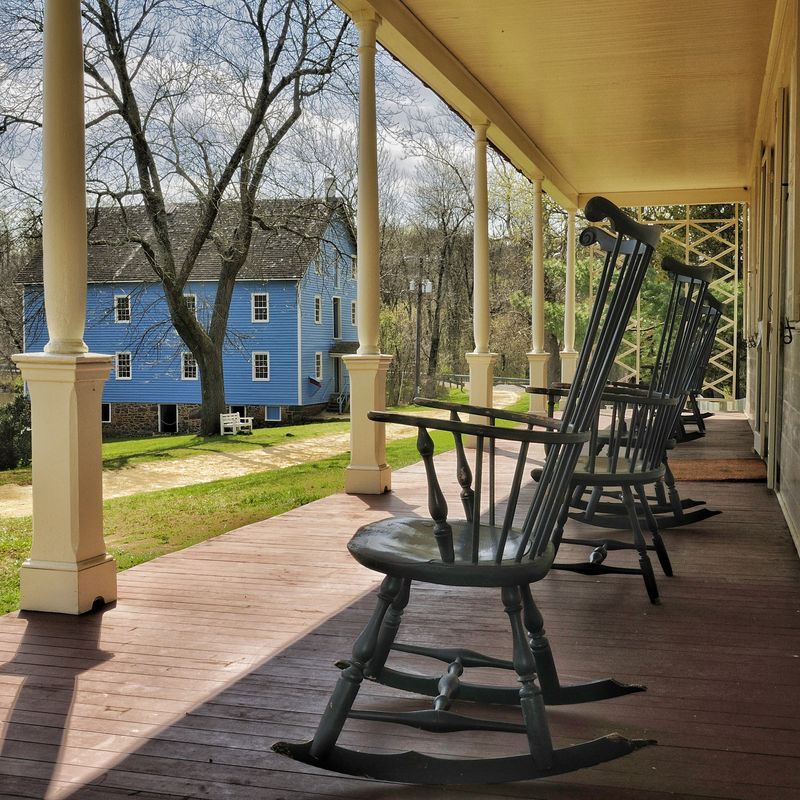
Tucked away in Monmouth County’s rolling farmland lies a 36-acre treasure that chronicles more than two centuries of agricultural and social history in remarkable detail. Historic Walnford centers on a magnificent 1773 manor house built by Richard Waln, a prosperous Philadelphia merchant who established this country estate as both a working farm and elegant retreat.
The property remained in continuous use until 1973, creating an unusually complete historical record spanning Colonial times through the modern era.
The imposing manor house dominates the site with its Georgian architecture, thick stone walls, and rooms filled with period furnishings representing different generations of occupants. Guided tours reveal how the building evolved over time, with additions and modifications reflecting changing tastes and technologies.
You’ll see everything from Colonial-era cooking fireplaces to Victorian parlor furniture, creating a fascinating timeline of American domestic life.
What truly distinguishes Walnford is its working gristmill, one of the best-preserved examples in New Jersey, sitting beside a peaceful millpond where ducks glide and turtles sun themselves on logs. The mill’s wooden mechanisms remain largely intact, and during special demonstrations, you can watch the massive waterwheel turn and see grain being ground using centuries-old technology.
The property also includes a carriage house, corn crib, and other agricultural buildings that paint a complete picture of estate operations.
The grounds offer lovely nature trails winding through woods and along Crosswicks Creek, making Walnford popular with hikers, birdwatchers, and families seeking peaceful outdoor time alongside historical exploration. The site hosts seasonal programs including heritage craft demonstrations, children’s activities, and nature walks that connect environmental and historical education.
Spring visits are particularly beautiful when the property’s gardens bloom and the creek runs high, while autumn brings spectacular foliage that frames the historic buildings perfectly.
WheatonArts
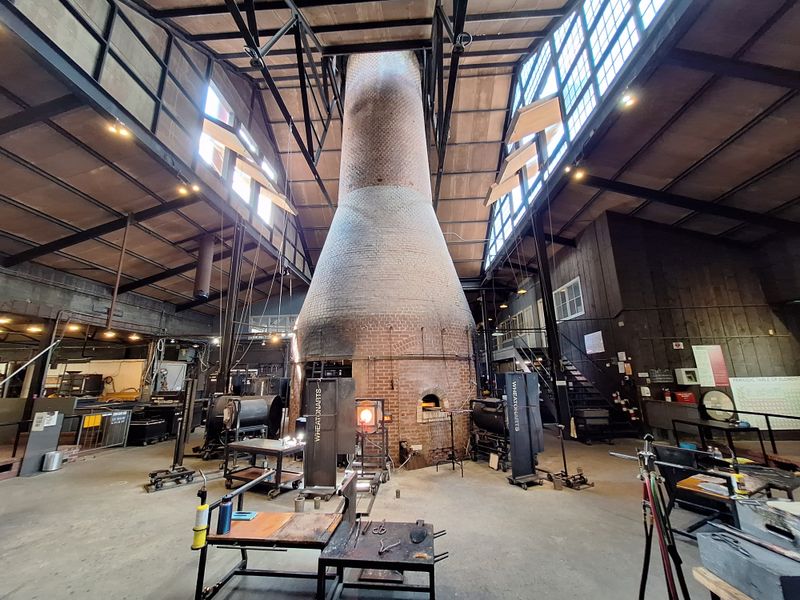
Glass transforms from sand to shimmering art at this unique cultural destination celebrating New Jersey’s rich glassmaking heritage. Formerly known as Wheaton Village, WheatonArts in Millville honors the Wheaton Glass Company’s legacy while showcasing contemporary glass artistry and traditional crafts.
The campus-style layout resembles a historic village with multiple buildings housing galleries, workshops, and demonstration spaces where you can witness the magical transformation of molten glass into beautiful objects.
The Museum of American Glass is absolutely spectacular, displaying thousands of pieces from early American bottles to stunning contemporary sculptures that push artistic boundaries. You’ll trace glassmaking’s evolution from utilitarian production to fine art, learning how South Jersey became a glassmaking powerhouse in the 19th and early 20th centuries.
Antique paperweights, colorful art glass, historical bottles, and innovative modern pieces create a dazzling visual feast.
But the real showstopper is watching live glassblowing demonstrations where skilled artists gather molten glass on long pipes and shape it through breath, gravity, and precise tool work. The heat radiating from the furnaces, the glowing orange glass, and the artists’ choreographed movements create mesmerizing performances that leave audiences amazed.
You can even try your hand at flameworking or fusing glass during workshops and classes offered throughout the year.
Beyond glass, WheatonArts features craft studios where potters, woodworkers, and other artisans practice traditional techniques, plus a general store styled like an old-fashioned shop selling handmade items and local products. The Down Jersey Folklife Center explores regional cultural traditions through exhibits and programs.
Special events fill the calendar including glass festivals, craft shows, and summer concert series that bring the village atmosphere to life with music and celebration. The beautiful grounds include walking paths, gardens, and picnic areas perfect for relaxing between gallery visits.
Red Bank Battlefield
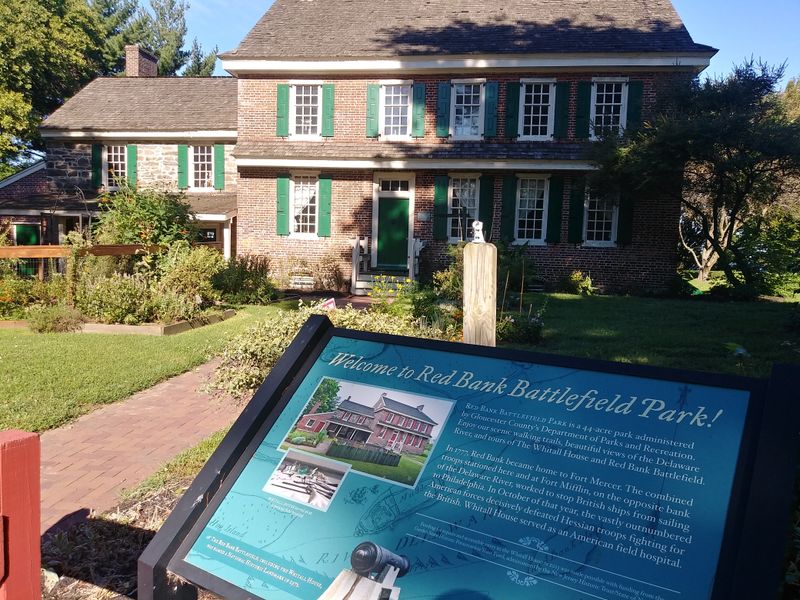
Revolutionary War history comes alive at this scenic Delaware River site where American forces once defended against British naval power in a crucial 1777 battle. While primarily known as a battlefield park, Red Bank Battlefield preserves the remarkable James and Ann Whitall House, built in 1748 and standing as one of New Jersey’s finest examples of Georgian brick architecture.
The house witnessed the Battle of Red Bank firsthand when Ann Whitall reportedly refused to leave during the fighting, continuing to spin wool in her upstairs room while cannons roared outside.
That incredible story of courage defines the site’s appeal, blending military history with intimate personal narratives that make the Revolutionary era feel immediate and real. Tours of the Whitall House guide visitors through rooms furnished in period style, explaining how Quaker families like the Whitalls lived and how the war disrupted their peaceful existence.
The house’s brick walls still bear marks from the battle, creating tangible connections to that violent October day when American troops successfully repelled Hessian forces.
The surrounding battlefield park includes earthwork fortifications you can still see and walk along, interpretive signs explaining battle tactics and movements, and monuments honoring the soldiers who fought here. The park’s elevated position offers beautiful views across the Delaware River, helping visitors understand the strategic importance of controlling this waterway.
Historic gardens recreate 18th-century plantings, showing what crops and flowers families cultivated for food, medicine, and beauty.
Located in the small community of National Park in Gloucester County, the site hosts annual reenactments, educational programs, and commemorative events that bring Revolutionary history to life with costumed interpreters, military demonstrations, and period music. The peaceful riverside setting makes it perfect for reflective walks, picnics, and contemplating the sacrifices made for American independence.
Spring and fall visits offer the most comfortable weather and stunning natural beauty framing the historic structures.
Cranbury Historic District
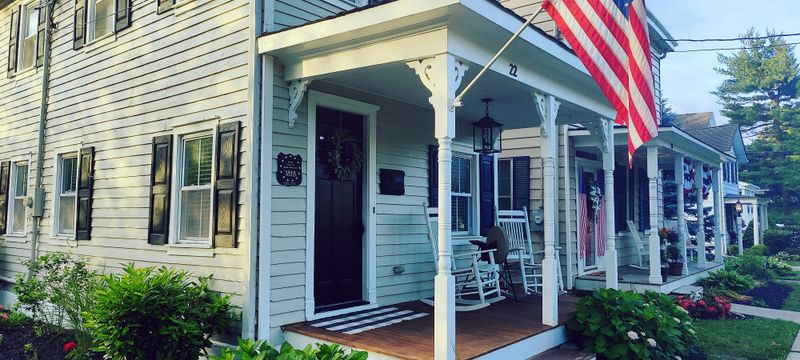
Some historic villages feel like museums, but Cranbury is a living, breathing community where people actually reside in centuries-old homes and shop along streets that have looked essentially the same since the 1800s. The entire downtown area earned placement on the National Register of Historic Places because of its exceptional architectural integrity and authentic period character.
Walking through Cranbury feels like wandering onto a movie set, except everything is genuinely old and lovingly preserved by residents who take enormous pride in their town’s heritage.
Main Street showcases an incredible collection of 18th and 19th-century buildings representing various architectural styles from Colonial to Victorian, many still serving their original commercial purposes. The Cranbury Inn, dating to the 1780s, continues welcoming guests just as it did when stagecoaches stopped here on routes between New York and Philadelphia.
Historic homes with their original details intact line quiet residential streets shaded by massive old trees, creating picture-perfect scenes that photographers adore.
The town’s preservation success stems from community commitment rather than museum management, making it feel authentic and unstaged. You can shop in real stores, eat at actual restaurants, and observe genuine small-town life while surrounded by historic architecture.
The Cranbury Museum, housed in an 1834 building, offers exhibits exploring local history, and the Cranbury Historical and Preservation Society provides walking tour maps highlighting significant structures and their stories.
Special events throughout the year celebrate Cranbury’s heritage including a popular historic house tour, old-fashioned Fourth of July celebration, and holiday festivities that showcase period decorations and traditions. The compact downtown is perfect for leisurely strolls, with interesting shops, cafes, and galleries occupying historic storefronts.
Located in Middlesex County between Princeton and the shore, Cranbury makes an easy day trip offering authentic historic atmosphere without the crowds or admission fees of larger attractions, just a genuine New Jersey community that happens to look exactly like it did two centuries ago.
Dear Reader: This page may contain affiliate links which may earn a commission if you click through and make a purchase. Our independent journalism is not influenced by any advertiser or commercial initiative unless it is clearly marked as sponsored content. As travel products change, please be sure to reconfirm all details and stay up to date with current events to ensure a safe and successful trip.
