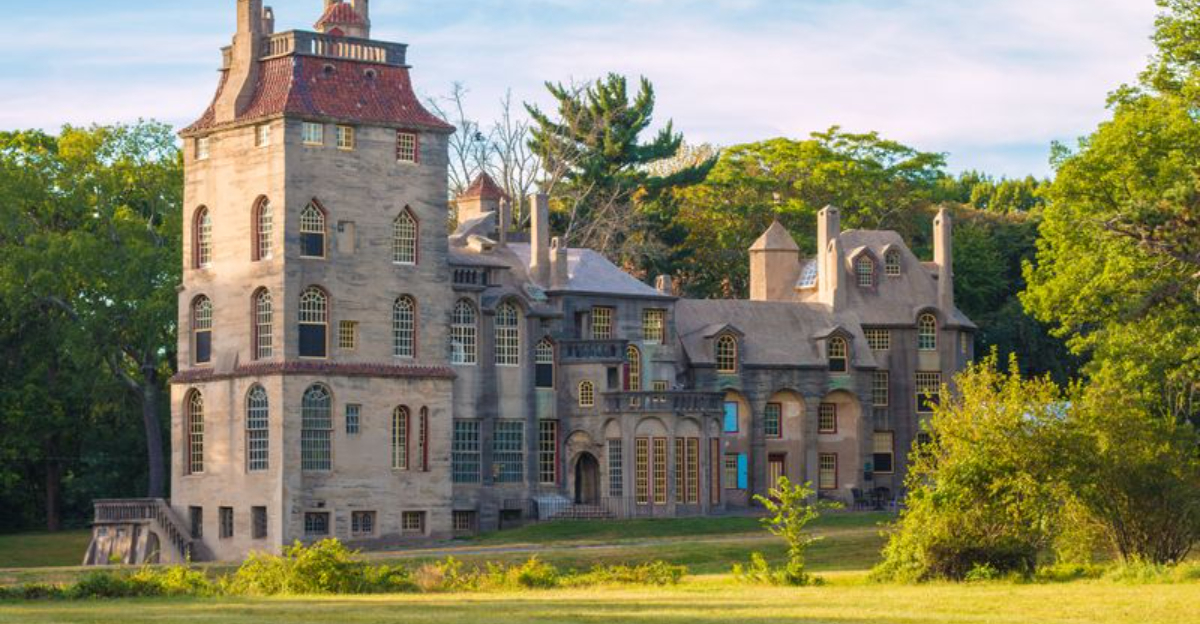
Pennsylvania holds a treasure trove of historic villages where time seems to stand still and every cobblestone street tells a story from centuries past.
From Quaker settlements founded before America became a nation to coal mining towns that powered the Industrial Revolution, these preserved communities offer visitors a chance to step back in time and experience authentic slices of American history.
Whether you are drawn to colonial architecture, fascinated by pioneer life, or simply seeking a peaceful escape from modern life, these ten villages provide immersive experiences that engage all your senses.
Each destination invites you to slow down, explore at your own pace, and discover the rich cultural heritage that shaped the Keystone State into what it is today.
1. Historic Sugartown, Malvern
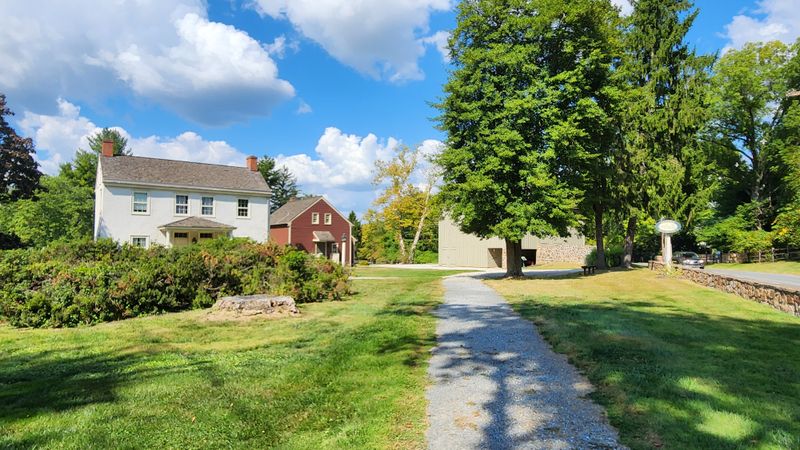
Walking through Historic Sugartown feels like opening a time capsule that has been carefully preserved since the 1800s.
This remarkable village in Malvern captures the essence of everyday Pennsylvania life during a period when communities were self-sufficient and skilled craftspeople were the backbone of society.
Original buildings stand exactly where they were constructed nearly two centuries ago, each one telling its own story about the families and workers who called this place home.
The bookbindery remains one of the most fascinating stops, where artisans still practice traditional binding techniques that have been passed down through generations.
Watching these skilled craftspeople work with leather, paper, and thread offers a mesmerizing glimpse into a world before mass production changed everything.
The village includes homes, shops, and workspaces that demonstrate how interconnected community life once was, with neighbors relying on each other for goods and services.
Educational programs bring history to life for visitors of all ages, making abstract concepts about the past feel tangible and real.
Children especially love seeing how people lived without electricity, running water, or any of the modern conveniences we take for granted today.
The surrounding grounds provide peaceful walking paths where you can reflect on how much daily life has changed while appreciating the craftsmanship and ingenuity of earlier generations.
Special events throughout the year, including seasonal celebrations and craft demonstrations, add extra layers of engagement to your visit.
Historic Sugartown proves that history does not have to be boring when it is presented with authenticity and passion.
2. Eckley Miners’ Village, Foster Township
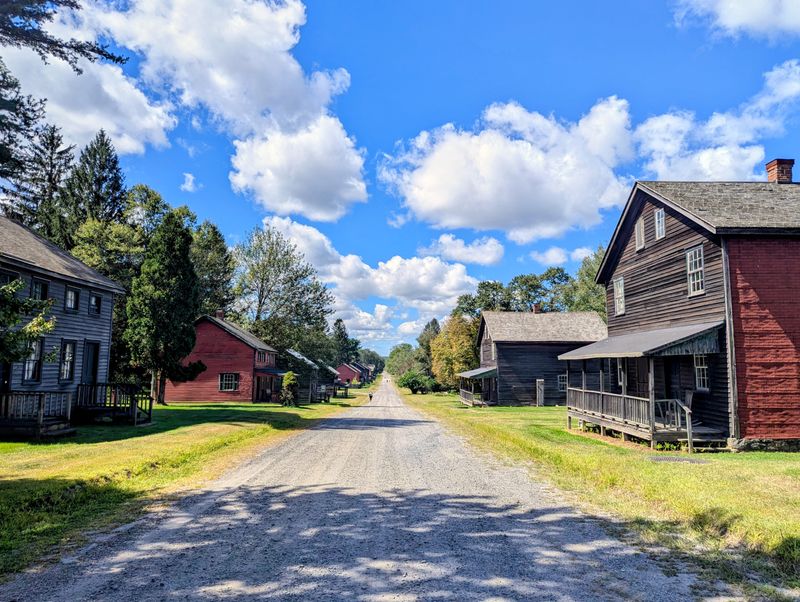
Few places capture the harsh realities and tight-knit spirit of Pennsylvania’s coal mining heritage quite like Eckley Miners’ Village.
This preserved community in Foster Township stands as a powerful testament to the thousands of immigrant families who came to America seeking opportunity and found backbreaking work deep beneath the earth.
The village layout itself tells a story about social hierarchy, with different types of housing designated for miners, foremen, and company officials.
Original buildings still contain period furnishings that show how families made homes in these small company-owned houses, often raising large families in surprisingly cramped quarters.
Walking down the dirt roads between these weathered structures, you can almost hear the whistle that once called men to their shifts and signaled the end of another grueling workday.
The village gained unexpected fame when it served as a filming location for the movie “The Molly Maguires,” bringing Hollywood attention to this authentic slice of industrial history.
Interpretive exhibits explain not just the mining process but also the cultural traditions, languages, and customs that immigrants brought with them from places like Wales, Ireland, and Eastern Europe.
The museum component adds depth to your understanding of how coal powered America’s growth while extracting a tremendous human cost from the workers and their families.
Seasonal programs explore different aspects of mining life, from the role of children in these communities to the constant dangers that miners faced underground.
Eckley provides an unflinching look at a chapter of American history that shaped entire regions and created lasting cultural legacies.
3. Historic Fallsington, Fallsington
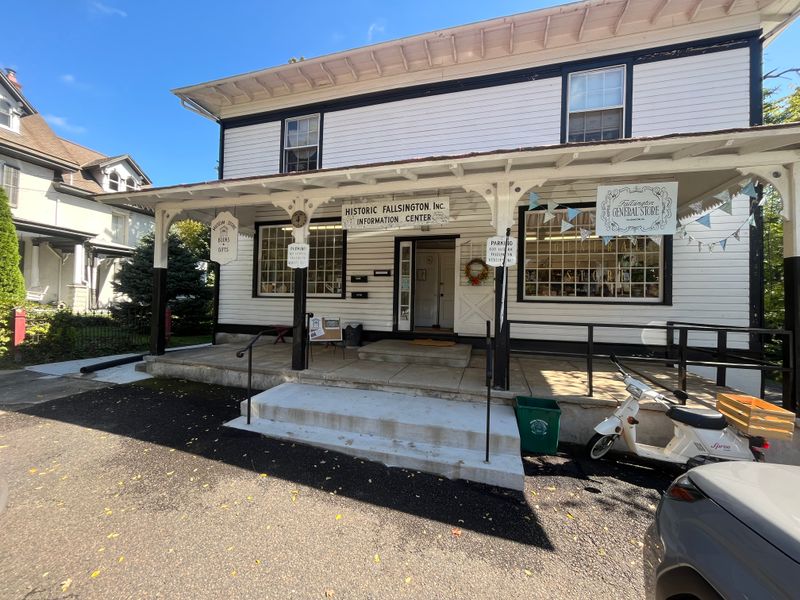
Historic Fallsington offers something truly extraordinary, a continuous architectural timeline spanning three distinct centuries of American building styles.
Founded by Quakers in the 1690s, this village contains over ninety structures that survived wars, economic changes, and the relentless march of progress that erased so many other historic communities.
The Quaker influence permeates everything here, from the simple, unadorned meetinghouse to the practical, sturdy homes built to last generations rather than impress neighbors.
Colonial-era buildings showcase the earliest architectural approaches settlers brought from England and adapted to Pennsylvania’s climate and available materials.
As you move through the village, Federal-period structures reveal how American tastes evolved after independence, incorporating more refined details while maintaining functional sensibility.
Victorian buildings add ornamental flourishes and romantic touches that contrast sharply with the austere Quaker aesthetic, showing how even conservative communities eventually embraced changing fashions.
William Penn himself worshiped in Fallsington, adding a connection to Pennsylvania’s founding that makes history feel personal and immediate rather than distant and abstract.
Guided tours led by knowledgeable volunteers help visitors understand architectural details they might otherwise overlook, from window styles to construction techniques.
The village hosts special events that bring different historical periods to life, including candlelight tours that show how these buildings functioned before electric lighting transformed evening activities.
Gardens maintained using period-appropriate plants and techniques add another dimension to your historical immersion, demonstrating how families fed themselves and used herbs for medicine.
Fallsington rewards slow, thoughtful exploration that lets you notice small details and imagine the countless lives lived within these enduring walls.
4. Meadowcroft Rockshelter & Historic Village, Avella
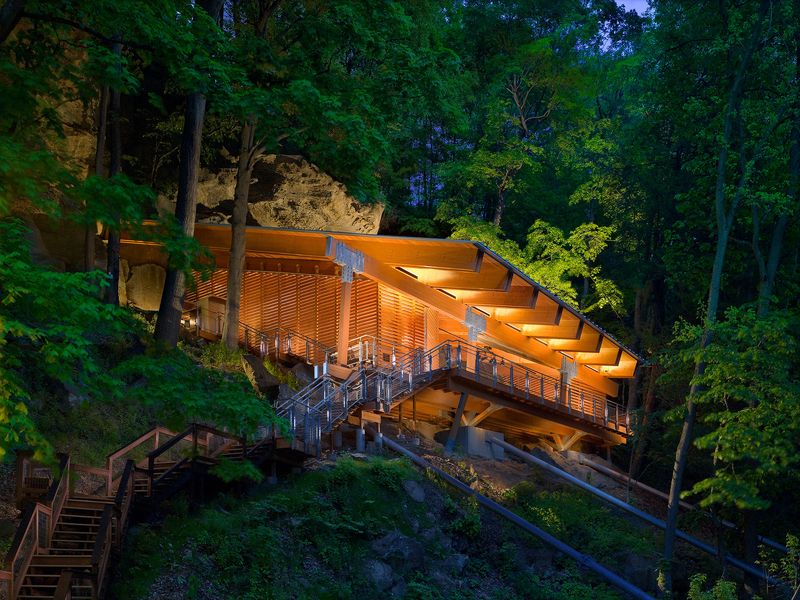
Meadowcroft Rockshelter presents an astonishing sweep of human history that begins with Ice Age hunters and extends all the way to 19th-century pioneers.
This unique site combines serious archaeological significance with accessible public interpretation, making cutting-edge research understandable and exciting for visitors without scientific backgrounds.
The rockshelter itself preserves evidence of human occupation dating back an incredible 19,000 years, making it one of the oldest documented sites of human habitation in North America.
Standing where ancient peoples once sought shelter from harsh weather and dangerous predators creates a profound connection across countless generations.
The historic village component brings the timeline forward, showing how later inhabitants used this fertile valley for farming, trading, and building permanent communities.
Reconstructed buildings demonstrate pioneer life during the 1800s, when families cleared land, built log cabins, and established the foundations of rural Pennsylvania culture.
Interpreters in period clothing perform daily tasks like cooking over open fires, tending gardens, and practicing traditional crafts, bringing abstract history into vivid reality.
The juxtaposition of prehistoric archaeology and pioneer history creates fascinating comparisons about how humans adapted to the same landscape using vastly different technologies.
Educational programs cater to different age groups and interest levels, from hands-on archaeology experiences for children to in-depth lectures for serious history enthusiasts.
Nature trails wind through the property, offering beautiful scenery and opportunities to imagine how this landscape appeared to people living here centuries or even millennia ago.
Meadowcroft challenges you to think about human resilience, adaptation, and the long arc of cultural development in ways few other sites can match.
5. Lititz
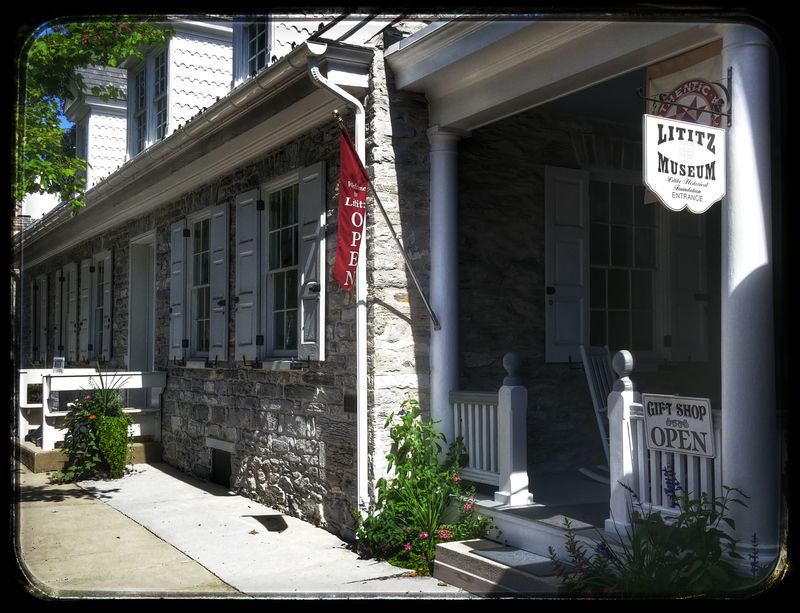
Lititz wraps you in small-town charm the moment you arrive, with its tree-shaded streets and beautifully preserved buildings dating back to its 1756 founding by Moravian settlers.
The Moravians created a planned community here, and that thoughtful organization still shapes the village layout and peaceful atmosphere that modern visitors find so appealing.
Julius Sturgis Pretzel Bakery holds the distinction of being America’s first commercial pretzel bakery, and touring this historic facility lets you twist your own pretzel using techniques perfected over generations.
The bakery’s survival for more than 150 years speaks to Lititz’s ability to honor its past while adapting to changing times and tourist interests.
Linden Hall School for Girls, founded in 1746, operates as the oldest girls’ boarding school in continuous operation anywhere in the United States.
Walking past this institution reminds you that education and community values were central to Moravian culture from the very beginning.
The village square, with its distinctive Moravian church and surrounding historic buildings, serves as a gathering place just as it did when the community was first established.
Specialty shops, cafes, and galleries now occupy many historic buildings, creating a pleasant blend of preservation and contemporary use that keeps the village vibrant rather than frozen in time.
Lititz Springs Park provides a scenic green space where families picnic, children play, and visitors rest between explorations of the village’s many attractions.
Seasonal events like the Fourth of July celebration and Christmas markets draw crowds while maintaining traditions that connect present-day residents to their Moravian heritage.
The village rewards aimless wandering, with interesting architectural details, hidden courtyards, and unexpected historical markers waiting around every corner.
6. New Hope
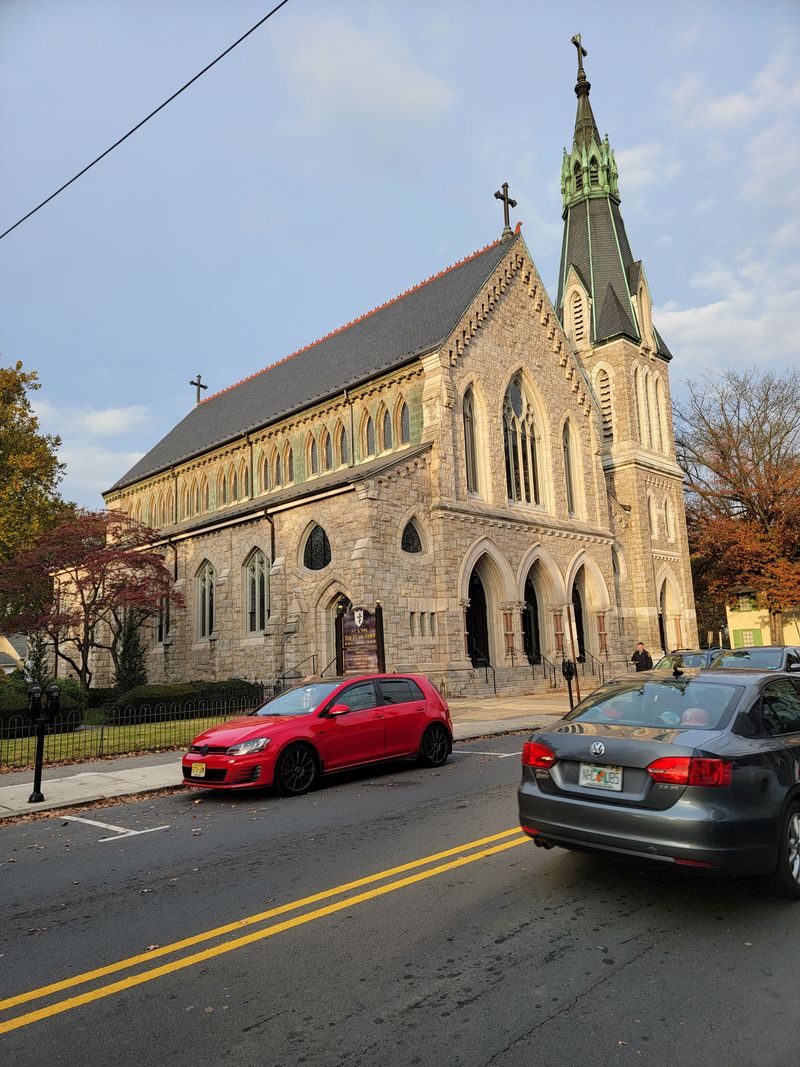
New Hope has reinvented itself several times throughout history, evolving from a colonial river crossing to an industrial mill town to today’s thriving arts community.
The Delaware River provides a stunning backdrop to everything here, with its gentle currents and tree-lined banks creating scenery that has inspired countless artists, writers, and musicians.
Historic homes line the streets, many now converted into galleries, boutiques, and restaurants that give the village its distinctive creative energy.
The Bucks County Playhouse stands as a cultural landmark, staging professional theater productions in a historic building that has hosted legendary performers over its long history.
Attending a show here connects you to a theatrical tradition that has made New Hope a destination for culture seekers from Philadelphia, New York, and beyond.
The village’s artistic reputation grew during the early 20th century when the Pennsylvania Impressionist movement attracted painters who found endless inspiration in the local landscape.
That creative legacy continues today, with working artists maintaining studios where visitors can watch them paint, sculpt, and craft unique pieces.
Walking along Main Street reveals an eclectic mix of architectural styles, from colonial stone buildings to Victorian mansions, each adding character to the streetscape.
The Delaware Canal towpath offers peaceful walking and biking routes where you can escape the village bustle while staying close to all the attractions.
Seasonal changes bring different moods to New Hope, from spring blossoms reflected in the river to autumn foliage that sets the hillsides ablaze with color.
Shops range from antique dealers offering treasures from past centuries to contemporary craft studios selling one-of-a-kind creations you will not find anywhere else.
7. Chester
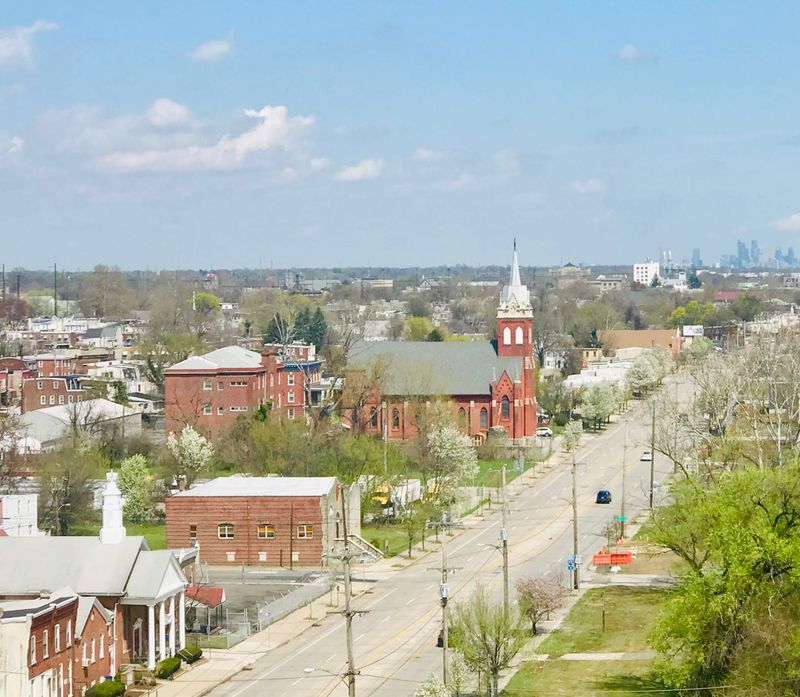
Chester holds the remarkable distinction of being one of Pennsylvania’s oldest continuously inhabited settlements, with roots reaching back to 1644 when Swedish colonists first established a community here.
The William Penn Landing Site marks where Pennsylvania’s founder first stepped onto the land that would become his grand experiment in religious tolerance and democratic governance.
Standing at this historic spot, you can imagine the hopes and uncertainties Penn must have felt as he began transforming his vision into reality.
The town’s waterfront location along the Delaware River made it strategically important throughout colonial times and later during America’s industrial expansion.
Historic buildings scattered throughout downtown bear witness to Chester’s various incarnations, from colonial port to shipbuilding center to manufacturing hub.
Recent revitalization efforts have brought new energy to the downtown area, with arts organizations, galleries, and cultural venues breathing life into structures that might otherwise have been lost.
The arts scene here has a distinctly local flavor, showcasing work by regional artists and celebrating the diverse cultural heritage of Chester’s communities.
Walking tours help visitors decode the layers of history visible in the architecture, from the oldest surviving structures to buildings representing later periods of growth and change.
Chester’s story includes chapters of both prosperity and struggle, making it a more complex and honest representation of American urban history than more polished historic villages.
Community events and festivals bring residents and visitors together, creating opportunities to experience Chester’s living culture rather than just its preserved past.
The town rewards visitors who look beyond surface appearances to discover the resilience and creativity of communities adapting to changing economic realities.
8. Smicksburg
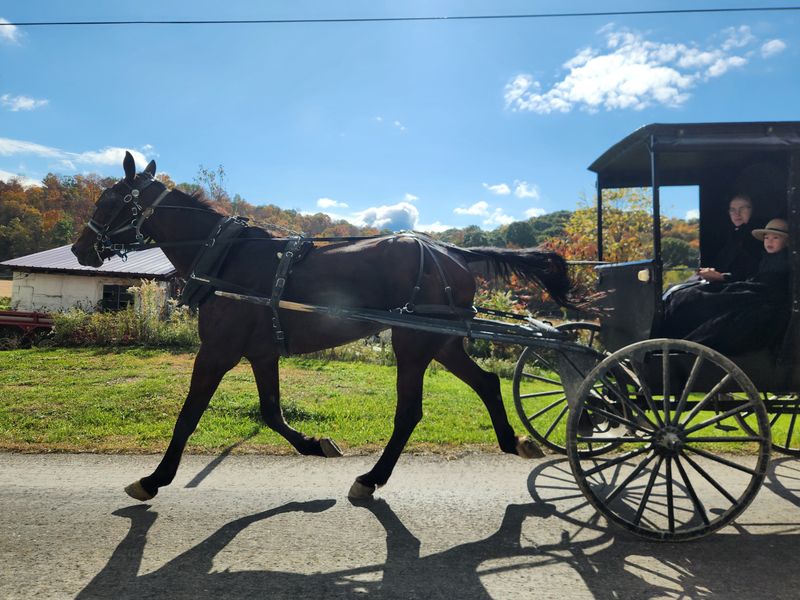
Smicksburg transports you to a simpler time where horse-drawn buggies share roads with automobiles and traditional craftsmanship remains a way of life rather than a quaint novelty.
Established in 1827, this small village has become known for its thriving Amish community, whose presence shapes everything from the pace of life to the goods available in local shops.
More than twenty specialty shops offer authentic Amish-made products, from hand-stitched quilts that represent hundreds of hours of meticulous work to wooden furniture built using time-tested joinery techniques.
The quality of these handcrafted items stands in stark contrast to mass-produced alternatives, reminding visitors why traditional skills remain valuable in our modern world.
Amish bakers produce breads, pies, and pastries using recipes passed down through families, with flavors that reflect both Pennsylvania Dutch heritage and local ingredient availability.
Purchasing directly from the craftspeople who made each item creates personal connections that make your acquisitions more meaningful than typical souvenir shopping.
Special events throughout the year celebrate traditional crafts and customs, offering demonstrations of skills like basket weaving, soap making, and blacksmithing.
The village’s rural setting provides beautiful countryside views, with rolling hills, well-maintained farms, and seasonal changes that highlight the agricultural calendar’s importance to Amish life.
Visitors are asked to respect Amish customs, including photography restrictions that honor the community’s religious beliefs about graven images.
This cultural sensitivity adds depth to your visit, encouraging thoughtful engagement with a way of life that deliberately rejects many aspects of mainstream American culture.
Smicksburg offers a peaceful retreat where slowing down is not just recommended but practically required by the village’s unhurried rhythm.
9. Jim Thorpe
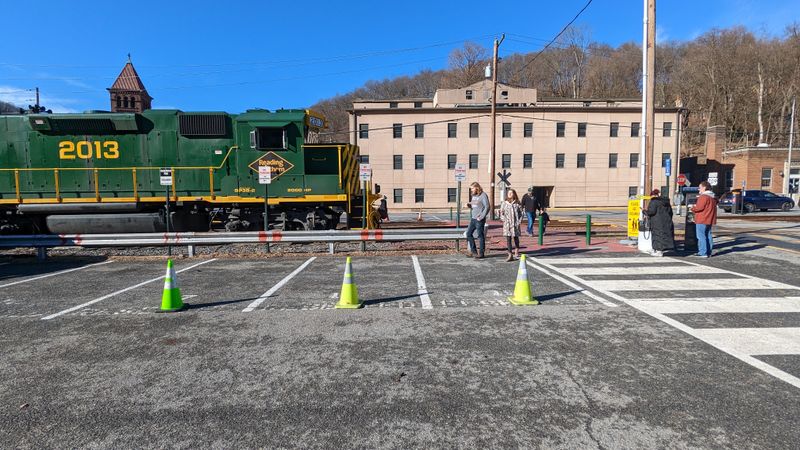
Jim Thorpe earned its nickname as the Switzerland of America thanks to dramatic mountain scenery that surrounds the town like a natural amphitheater.
Victorian-era architecture dominates the downtown, with ornate buildings climbing steep hillsides in layers that create one of Pennsylvania’s most photogenic historic districts.
The town’s original name was Mauch Chunk, and it prospered as a transportation hub for coal mining operations that extracted black diamonds from the surrounding mountains.
When the coal industry declined, the town renamed itself after legendary athlete Jim Thorpe in a controversial deal that brought his remains here and created a new identity focused on tourism.
The Asa Packer Mansion stands as a monument to Gilded Age wealth, with its elaborate interior decorations and furnishings showing how coal and railroad money translated into domestic splendor.
Touring this mansion provides insights into both the era’s aesthetic preferences and the vast economic disparities between industrial magnates and the workers who generated their fortunes.
Beyond its historic buildings, Jim Thorpe has become an outdoor recreation destination, with hiking trails, whitewater rafting, and scenic rail excursions attracting active visitors.
The combination of history and adventure makes the town appealing to diverse groups, from architecture enthusiasts to families seeking both cultural and physical activities.
Art galleries and craft shops occupy many historic storefronts, continuing Jim Thorpe’s evolution as a creative community that values both preservation and contemporary expression.
Seasonal visitors find different appeals, from fall foliage that sets the mountains ablaze with color to winter snow that emphasizes the town’s alpine character.
Jim Thorpe demonstrates how historic communities can successfully reinvent themselves while respecting the architectural heritage that makes them special.
10. Doylestown
Doylestown serves as Bucks County’s cultural and governmental heart, combining administrative functions with an impressive concentration of museums and historic attractions.
The town’s most distinctive landmarks were created by Henry Chapman Mercer, an archaeologist, tile maker, and visionary whose eccentric genius produced buildings unlike anything else in Pennsylvania.
The Mercer Museum houses his vast collection of pre-industrial tools and artifacts, displayed in a castle-like concrete structure that Mercer designed specifically to showcase how Americans lived and worked before factories changed everything.
Walking through this six-story building feels like exploring a three-dimensional encyclopedia of material culture, with tools hanging from walls and ceilings in dramatic arrangements.
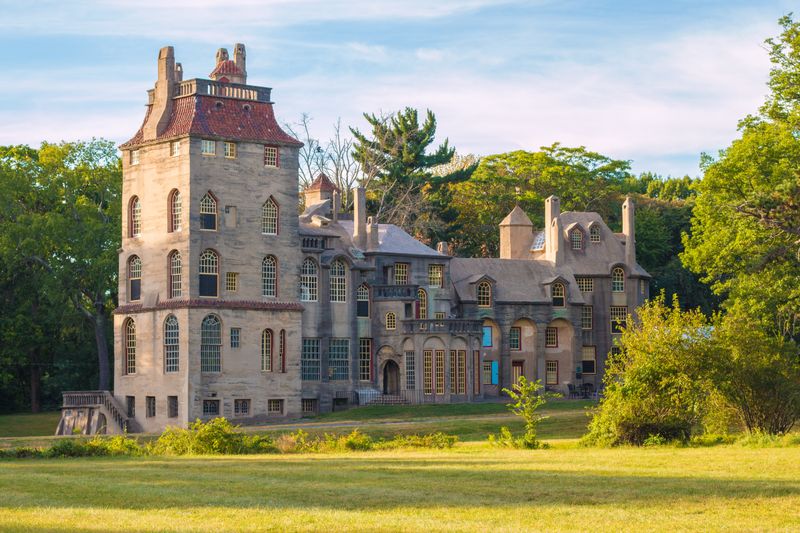
Fonthill Castle, Mercer’s personal residence, demonstrates his tile-making artistry, with decorative tiles covering walls, ceilings, and floors in patterns ranging from medieval-inspired designs to nature motifs.
The castle’s unusual architecture, with its towers, unexpected room shapes, and built-in furniture, reflects Mercer’s creative vision uncompromised by conventional taste or practical concerns.
Beyond Mercer’s legacy, Doylestown offers a walkable downtown with independent shops, restaurants, and cultural venues that give the town contemporary vitality alongside its historic character.
The county courthouse and surrounding government buildings add architectural gravitas, representing civic pride and the importance of public institutions to community identity.
Art galleries and performance spaces maintain Doylestown’s reputation as a cultural center, hosting exhibitions, concerts, and theatrical productions that draw audiences from throughout the region.
The town’s location makes it convenient for visitors exploring Bucks County’s many attractions, serving as an ideal base for day trips to nearby historic sites and natural areas.
Doylestown proves that county seats can be destinations in their own right when they cultivate cultural assets and preserve architectural heritage.
Dear Reader: This page may contain affiliate links which may earn a commission if you click through and make a purchase. Our independent journalism is not influenced by any advertiser or commercial initiative unless it is clearly marked as sponsored content. As travel products change, please be sure to reconfirm all details and stay up to date with current events to ensure a safe and successful trip.
