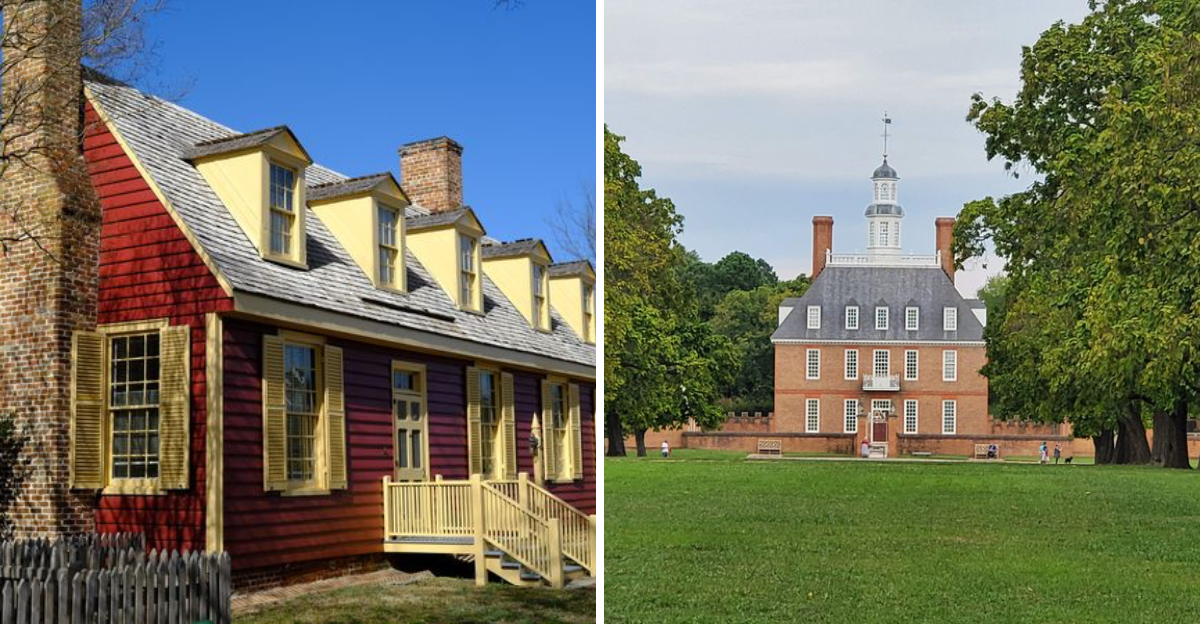
Virginia rewards curious travelers who love small places with big stories.
These villages showcase layered history, walkable streets, and architecture that still carries the marks of earlier hands.
You get quiet corners, welcoming locals, and views that shift from tidal creeks to blue ridgelines.
Plan lightly, linger often, and let each stop reveal why Virginia keeps inspiring day trips that feel unhurried and deeply memorable.
1. Waterford, Loudoun County
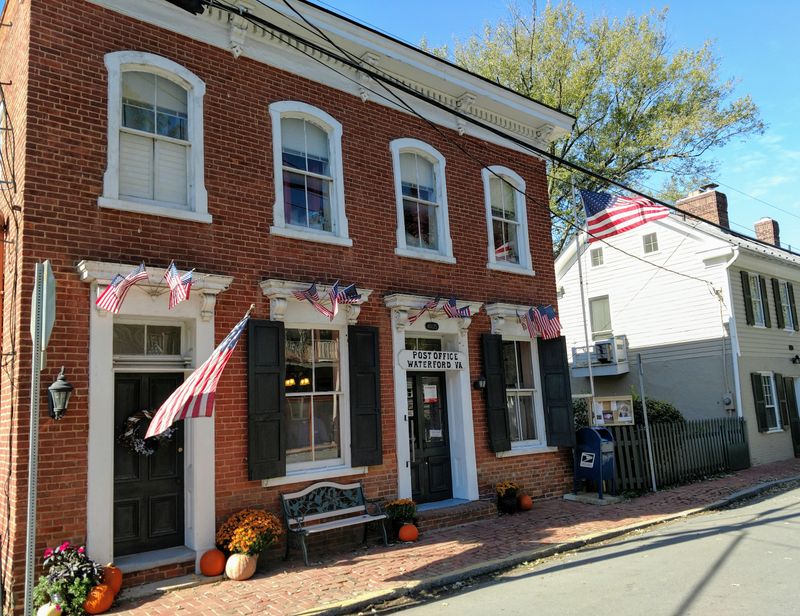
Stepping into Waterford feels like discovering a quiet chapter of Virginia that is very much alive.
Stone farmhouses, a working mill, and narrow lanes come together in a landscape that favors stillness over speed.
Birdsong replaces traffic noise, and the rhythm of the countryside sets the tone for an easy walk.
The historic district rewards slow exploration with markers that name builders, trades, and eras.
Details stand out in the hand-hewn beams, weathered brick, and fieldstone walls that catch the light.
Every corner seems to hold a story that you can read directly from the materials.
Events like the Waterford Fair highlight traditional crafts and community pride without crowding the streets.
Artisans demonstrate skills that connect old techniques to modern life in approachable ways.
You come away with a sense of continuity that feels grounded and sincere.
The village is best seen on foot, and the compact layout makes wandering simple.
Paths roll gently between homes, gardens, and the mill race that still turns with purpose.
Along the way you will notice intimate porches and tidy kitchen plots that signal everyday use.
Bring curiosity and time to peek at plaques and admire small architectural surprises.
Shaded stretches invite pauses where you can listen to the creek and settle into the scene.
Photographers will appreciate morning light along Main Street and Second Street.
Waterford belongs to Virginia’s rare places that blend preservation with daily life gracefully.
It shows how a village can honor the past without feeling staged or distant.
The result is a day trip that feels personal, unhurried, and genuinely connected to place.
Address, 40183 Main Street, Waterford, Virginia 20197.
Allow yourself the flexibility to wander side lanes that reveal the village at its most authentic.
2. Middleburg

Middleburg sits at the heart of Virginia horse country and wears that identity with quiet confidence.
Brick sidewalks, stone walls, and tidy storefronts create a handsome main street that invites a slow stroll.
Green hills frame the village edges and keep the horizon soft and open.
Historic inns and independent shops animate daytime wanderings without tipping into bustle.
Window boxes and iron details add texture that rewards a close look and a patient pace.
You feel the care in every preserved cornice and restored lintel.
The town center feels tailored for walking, pausing, and people watching in shaded nooks.
Benches sit near pocket gardens where you can sit and simply let time pass.
Side streets reveal clapboard cottages and small carriage alleys that hint at older travel habits.
Visit on a clear morning for gentler light and calmer sidewalks.
Late afternoon brings longer shadows that highlight brickwork and stone patterns beautifully.
Historic markers share names and dates that place each facade in context.
Browse antiques, step into galleries, then circle back to the green to reset your pace.
The experience feels less like checking sights and more like settling into a rhythm.
You move from storefront to streetscape with the ease of a neighborhood wander.
Virginia heritage shows up in architecture, equestrian culture, and steady preservation work.
The balance of rural quiet and village amenities holds steady throughout the day.
Return visits uncover new details tucked into courtyards and crosswalks.
Address, 10 West Washington Street, Middleburg, Virginia 20117.
Let the sidewalks lead and you will find the village character revealing itself step by step.
3. Reedville
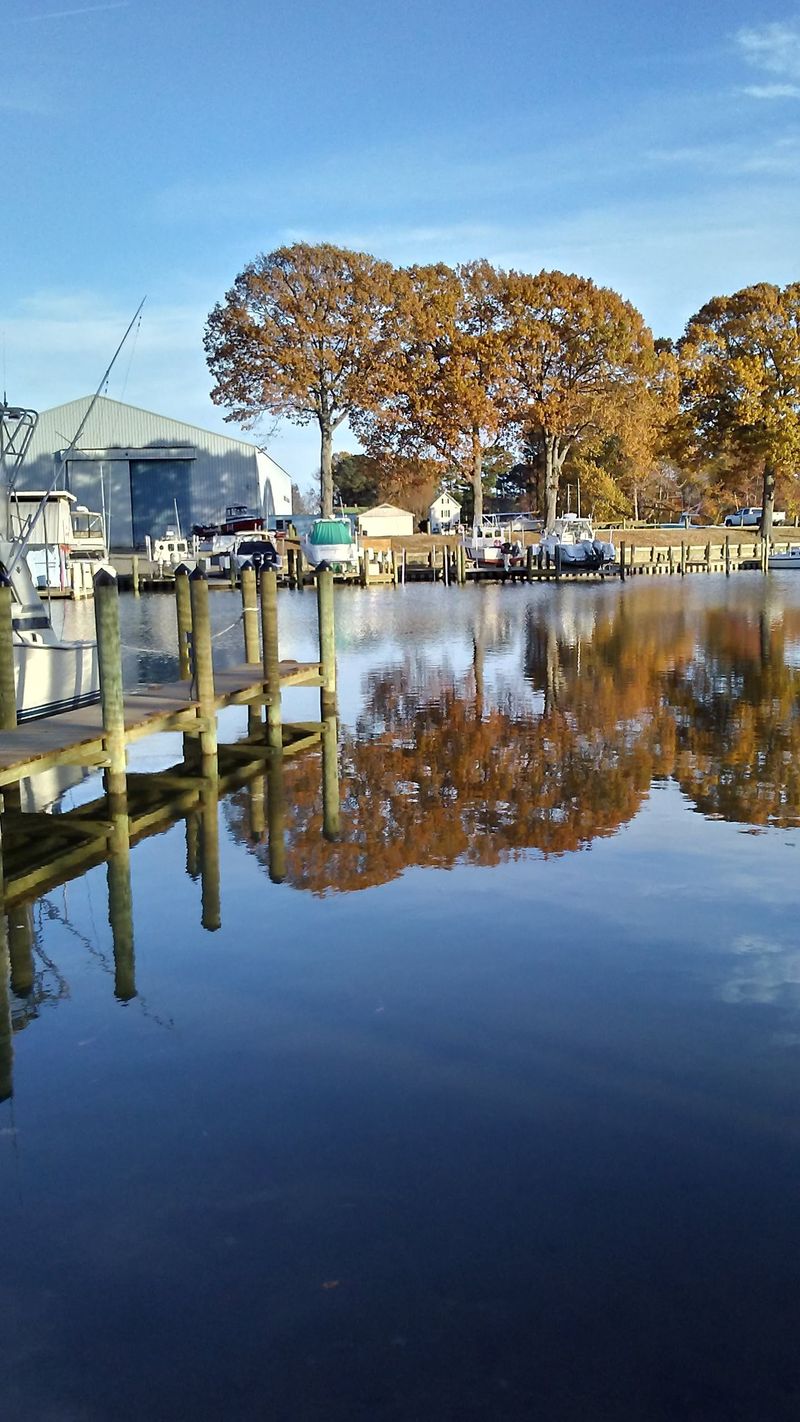
Reedville faces the Chesapeake with a working waterfront that keeps Virginia’s maritime story tangible.
Grand houses line Main Street, and their turrets and porches speak to a legacy shaped by the bay.
Boats move steadily along the channel while gulls trace easy arcs overhead.
Sidewalks connect tidy lawns, a small museum, and a marina padded with weathered pilings.
Salt air mixes with wood and rope, and the result is both bracing and familiar.
The pace favors observation, listening, and unhurried steps along the water.
Historic churches and civic buildings punctuate the residential stretch with striking silhouettes.
Carved details and colored glass catch morning sun in a way that gleams without glare.
Interpretive displays map the village’s industries and the families who shaped its shoreline.
Walking the waterfront becomes a moving timeline that never feels stiff or formal.
Marina life adds present tense energy, from rigging chatter to gentle hull taps.
Everyone shares the same breeze and the same sweeping horizon across the creek.
Photography shines here, with reflections doubling facades in calm water.
Late light turns shingles warm and gives railings a soft burnish you can almost feel.
Small lanes lead back from the water to houses with deep porches and careful trim.
You sense continuity rather than nostalgia, a place still working and still welcoming.
Virginia’s coastal character feels honest here, practical and beautiful in equal measure.
Spare time for the museum to connect architecture with the broader bay story.
Address, 504 Main Street, Reedville, Virginia 22539.
Leave room in your day for a dockside pause where the past and present sit comfortably together.
4. Upperville Historic District
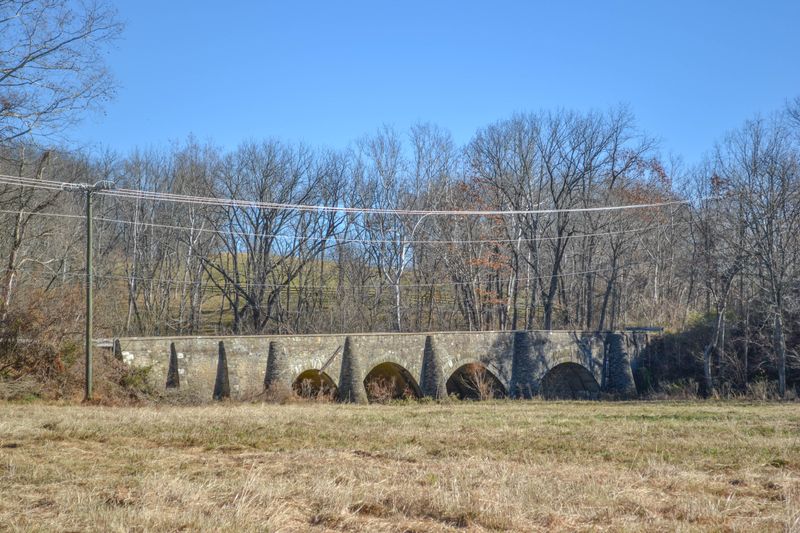
Upperville carries the softness of rural Virginia into a compact historic district with deep roots.
Stone cottages, clapboard homes, and dignified halls sit behind white fences and spreading trees.
Everything feels measured, handsome, and carefully tended without showiness.
Lanes bend gently, revealing porches, gardens, and small outbuildings that expand the scene.
Architectural styles range from restrained Greek Revival to gracefully detailed Italianate.
The mix reads as a timeline that you can walk in a single loop.
Horses remain part of daily life, and paddocks appear just beyond the last houses.
Bridle paths and hedgerows frame views that settle the mind and widen the breath.
Locals greet with a nod, and conversations start easily at fence lines.
The welcome feels genuine because the village moves at a neighborly pace.
Take time to notice stonework seams, quarter round trim, and restored sash windows.
These touches explain how preservation lives in the details more than in headlines.
Leafy shade makes midday walking comfortable and keeps colors rich and balanced.
Dusk draws warm tones from fieldstone that photography lovers will appreciate.
Small markers tell the story of families and events linked to the district’s growth.
You read the past while standing in a place that remains fully used.
Virginia’s countryside character is present in every view across fields to the Blue Ridge.
It is a landscape that prefers quiet impressions to bold statements.
Address, 8300 John S Mosby Highway, Upperville, Virginia 20184.
Bring patience and curiosity, and the district will reveal itself one turn at a time.
5. Colonial Williamsburg
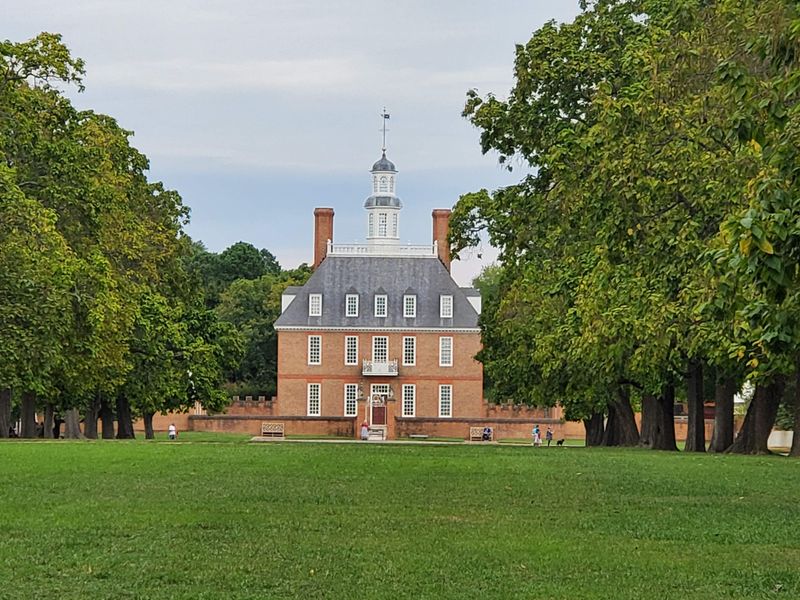
Colonial Williamsburg places you inside a meticulously researched streetscape that reshapes how Virginia history feels.
Board fences line greens, brick paths cross tidy gardens, and period details appear at every turn.
The effect is immersive without losing its human scale or warmth.
Skilled interpreters work at forges, looms, and bakehouses that anchor the story in daily labor.
Conversations unfold easily, and questions unlock deeper layers about craft and community.
Each workshop shows how knowledge travels hand to hand and tool to tool.
Set aside time for the Governor’s Palace grounds and the quiet around Bruton Parish.
Side lanes often feel serene, even when main streets get lively with visitors.
Garden edges and back alleys reward those who pause and listen.
Interpretive signs knit together buildings, people, and decisions that shaped a colony.
The design encourages wandering rather than checking boxes or rushing.
You can follow curiosity from one doorway to the next with ease.
Morning light favors photographs of brick and clapboard in soft tones.
Afternoon brings stronger contrast that highlights rooflines and chimneys dramatically.
Benches near greens make good spots for reflection between stops.
Virginia’s founding narratives come through clearly when you let the setting slow your pace.
Families find plenty to explore without feeling overwhelmed by logistics.
A thoughtful route keeps energy balanced and attention fresh for the full day.
Address, 101 Visitor Center Drive, Williamsburg, Virginia 23185.
Arrive early for calm streets, then circle back later to catch demonstrations that bring the past into focus.
6. Yorktown
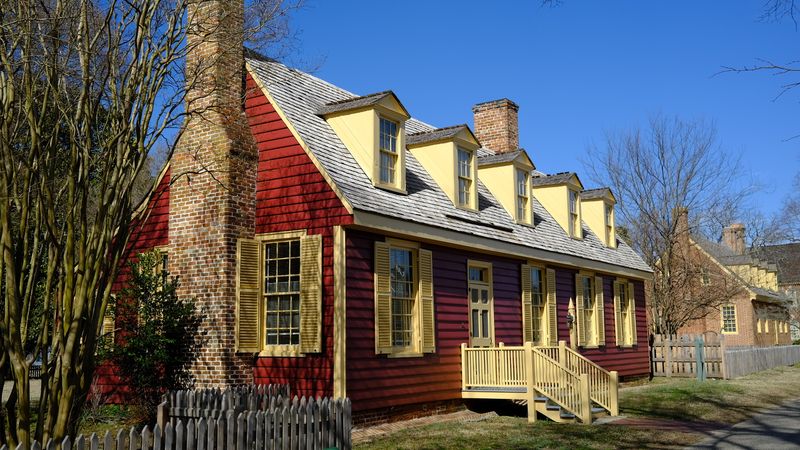
Yorktown pairs sweeping river views with a compact historic village that invites lingering.
The York River sends a steady breeze across the waterfront and into shady lanes.
Benches appear right where you want to pause and take everything in.
The Victory Monument rises cleanly above treetops and orients your walk.
Nearby streets hold preserved houses that feel lived in rather than staged.
Windows, shutters, and brickwork show careful upkeep that respects older lines.
The battlefield landscape stretches calmly with trails that reward unhurried steps.
Interpretive panels explain tactics in plain language that keeps the story clear.
You move through fields and along earthworks with time to think.
Museums tie domestic life to the larger events that unfolded on the bluffs.
Exhibits emphasize people and choices instead of just dates and names.
That approach keeps the history accessible for first time visitors and repeat travelers.
Shops along Water Street feel neighborly and easy to navigate.
Courtyards and porches offer shade without pulling you out of the village mood.
Everything sits close enough to make a car unnecessary once you arrive.
Virginia’s coastal light gives simple scenes a clear and open look.
Morning walks feel crisp, while late day colors soften wood and brick.
You finish with a sense of calm and a head full of well told stories.
Address, 301 Main Street, Yorktown, Virginia 23690.
Plan a loop that connects the monument, the waterfront, and the quieter backstreets for a complete picture.
7. Jamestown and Historic Jamestowne
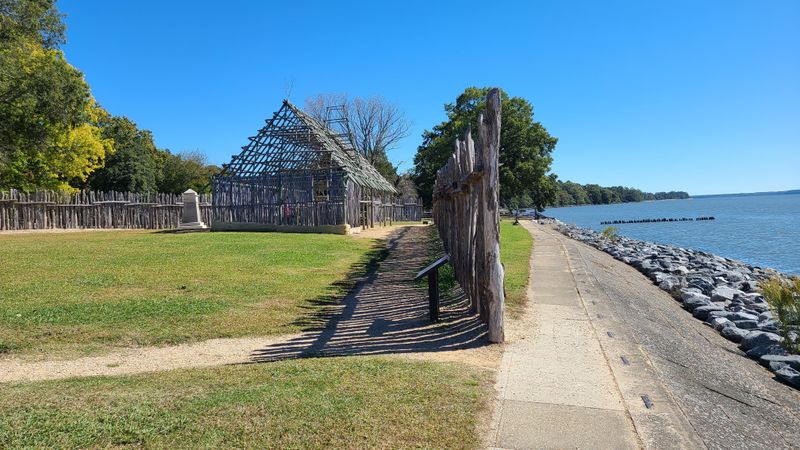
Jamestown carries a rare weight, and Historic Jamestowne lets that weight unfold in present tense.
Wooden boardwalks lead past excavation sites where new finds refine the story you thought you knew.
The river view steadies everything with a horizon that looks much the same as it once did.
Archaeologists work within sight, and interpretive signs keep their discoveries approachable.
Artifacts connect daily life to broader currents that shaped Virginia’s earliest years.
You walk through time without losing the feel of the natural setting.
Nearby, Jamestown Settlement offers re created environments that help you visualize scale and routine.
Ships and palisades present a structured way to grasp the logistics of a frontier community.
Using both sites gives a balanced picture that blends evidence and demonstration.
Paths are level and well marked, which makes taking your time simple.
Quiet corners let you listen to wind through grasses and the faint lap of water.
Those moments deepen the experience in a way that feels honest and grounded.
Photography favors early hours when light touches the river and wooden structures softly.
Later in the day, textures in soil cuts and palisade posts stand out clearly.
Exhibits inside provide context before you circle back to the outdoor work.
Virginia’s origins become tangible when artifacts and landscapes meet under your feet.
The mix of research and interpretation keeps the narrative alive and evolving.
You leave with fresh questions and a clearer sense of place.
Address, 1368 Colonial Parkway, Jamestown, Virginia 23081.
Give yourself space to move slowly, and the site will return your attention with detail after detail.
8. Staunton
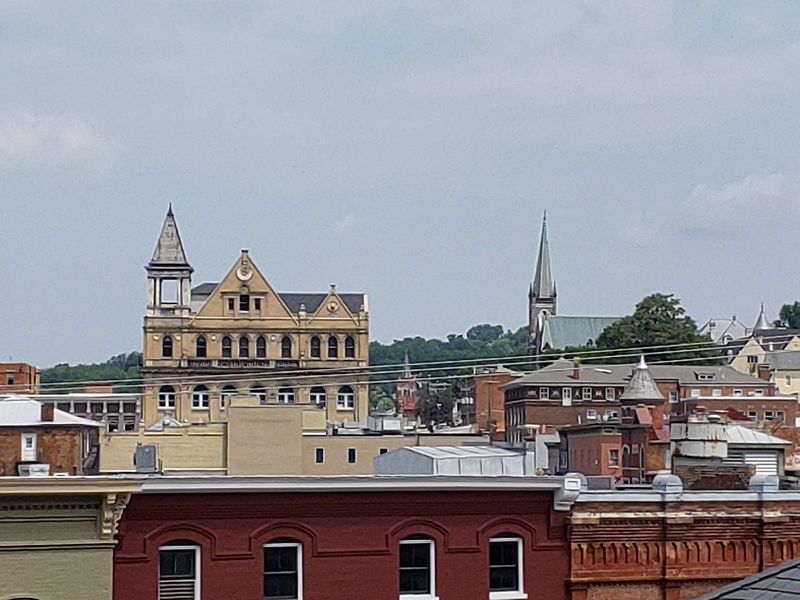
Staunton reads like a compact atlas of Virginia architecture with a creative streak running through it.
Downtown blocks stack brick, stone, and iron in patterns that turn corners into small reveals.
The hills make viewpoints that shift with every crosswalk and stair.
Historic theaters and galleries lend energy that carries into the side streets.
Window details and cornices reward the habit of looking up more than usual.
The scale stays friendly even when the buildings reach higher than neighboring towns.
It feels good to wander with no fixed plan and collect impressions as you go.
Pocket parks and benches reduce the urge to rush between landmarks.
Street musicians sometimes add a light soundtrack that suits the scene.
Shops keep variety without losing the core neighborhood feel.
Local design studios and small venues help fresh ideas circulate daily.
That mix keeps the streets lively without tipping into noise.
Historic districts link easily, so a loop can cover multiple styles quickly.
Photography thrives on textured brick and curved storefront glass.
Late light pulls warm tones from stone lintels and stair rails.
Virginia mountain views slip between buildings and remind you where you are.
They give the city edges a softer boundary that feels natural.
Return visits tend to reveal another facade or alley worth a pause.
Address, 1 East Johnson Street, Staunton, Virginia 24401.
Let the streets decide your route, and the day will take on an easy flow.
9. Smithfield

Smithfield brings a riverside calm to a historic district that feels welcoming from the first block.
Handsome homes line Main Street, and porches lean into the shade with classic Virginia ease.
The Pagan River adds a cool edge that carries through nearby parks and paths.
Interpretive signs share concise histories that help each house and shop settle into context.
Courthouse grounds and greens offer open space to rest between short walks.
You can feel how civic life grew around these shared places.
Windsor Castle Park stretches the visit with boardwalks, overlooks, and mellow river views.
Trails thread through open fields and woods that change character with the light.
The park extends the village story into the landscape cleanly and clearly.
Downtown storefronts feature thoughtful displays that favor craft and local heritage.
Windows frame tidy interiors that make browsing slow and satisfying.
Benches and planters keep the sidewalks comfortable and unhurried.
Architecture ranges from colonial forms to Victorian details with confident transitions.
Paint colors and trim work show careful stewardship by longtime residents.
The result is a main street that looks polished without feeling precious.
Virginia’s tidewater character is present in breezes, water views, and tall trees.
Those elements blend into a day that feels balanced and restorative.
Allow yourself to drift between park overlooks and historic blocks at an easy pace.
Address, 200 Main Street, Smithfield, Virginia 23430.
You will leave with a notebook of small details and a plan to return when the light changes.
Dear Reader: This page may contain affiliate links which may earn a commission if you click through and make a purchase. Our independent journalism is not influenced by any advertiser or commercial initiative unless it is clearly marked as sponsored content. As travel products change, please be sure to reconfirm all details and stay up to date with current events to ensure a safe and successful trip.
