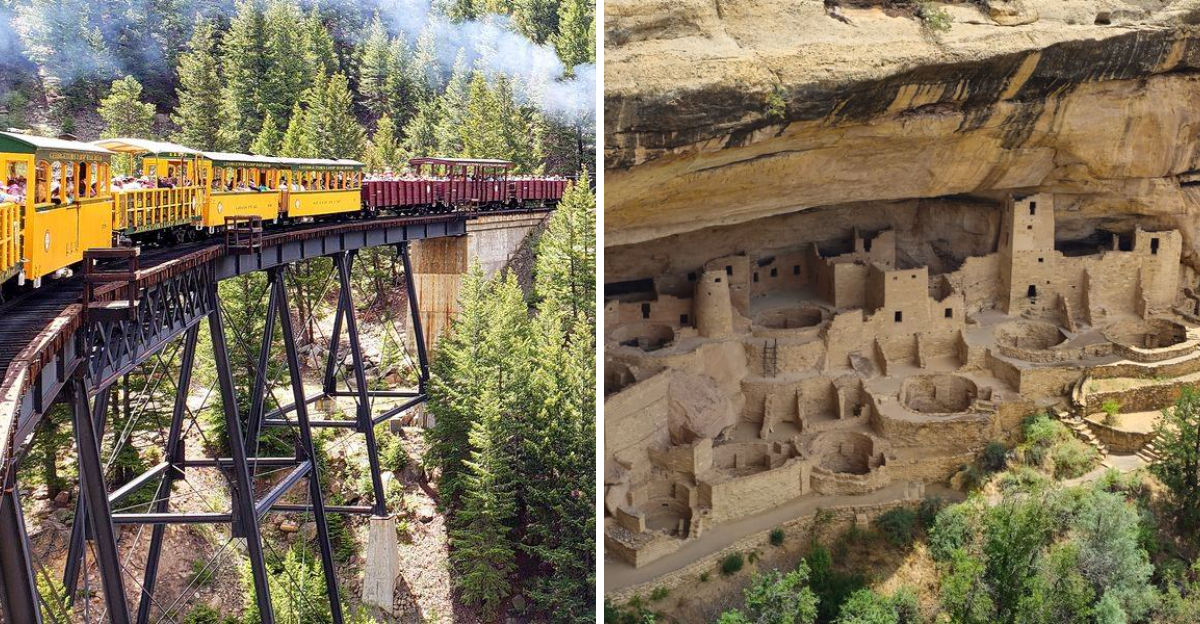
Colorado’s past comes alive through monuments scattered across its stunning landscape.
From ancient cliff dwellings to sobering reminders of injustice, these sites reveal stories that shaped the state and the nation.
Visiting these places lets you walk in the footsteps of explorers, miners, indigenous peoples, and those who endured hardship.
Each monument offers a window into a different chapter of history.
Whether you’re fascinated by archaeology, frontier adventures, or moments that challenged America’s conscience, Colorado preserves these narratives in unforgettable ways.
Exploring these landmarks connects you to the real people and events that built this remarkable state.
Get ready to discover the layers of history waiting at these ten incredible sites.
1. Mesa Verde National Park
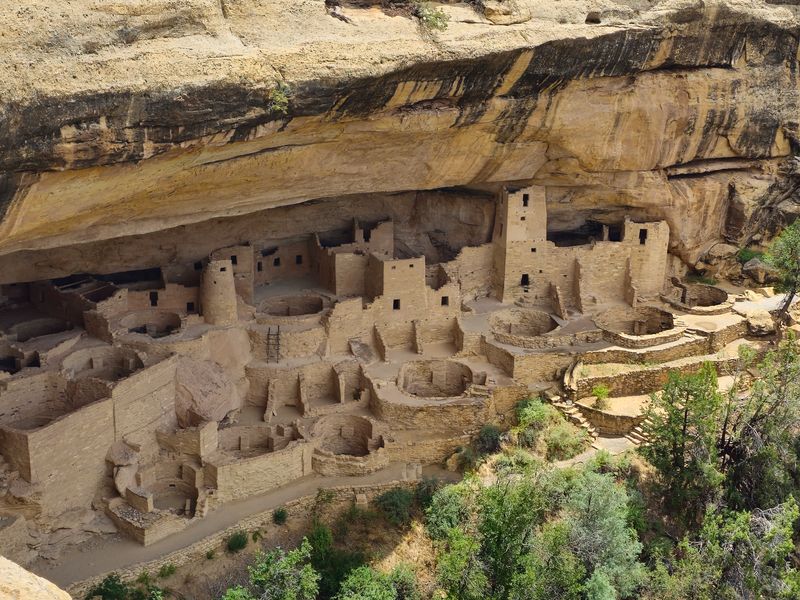
Imagine living inside a cliff face hundreds of feet above the canyon floor.
That’s exactly what the Ancestral Puebloan people did for over seven centuries at Mesa Verde.
This UNESCO World Heritage Site holds more than 5,000 archaeological treasures tucked into the sandstone alcoves.
The Cliff Palace stands as the most famous dwelling, with its intricate rooms and ceremonial kivas that once bustled with daily life.
Rangers lead tours through these ancient homes, explaining how families cooked, worked, and celebrated in spaces carved from stone.
Walking through these structures feels like stepping through a portal to another time.
The ingenuity required to build multi-story homes on vertical rock faces is simply astounding.
You’ll see how the inhabitants used natural alcoves for protection from weather and enemies.
Every handprint left in the mortar reminds visitors that real people built these architectural wonders.
The park’s museum offers context about daily routines, pottery making, and farming techniques.
Mesa Verde preserves not just buildings but the story of a sophisticated culture that thrived in challenging terrain.
Located at Mesa Verde National Park, Colorado, this site remains one of the state’s most visited historical destinations.
Plan extra time to absorb the magnitude of what these ancient builders accomplished.
2. Hovenweep National Monument
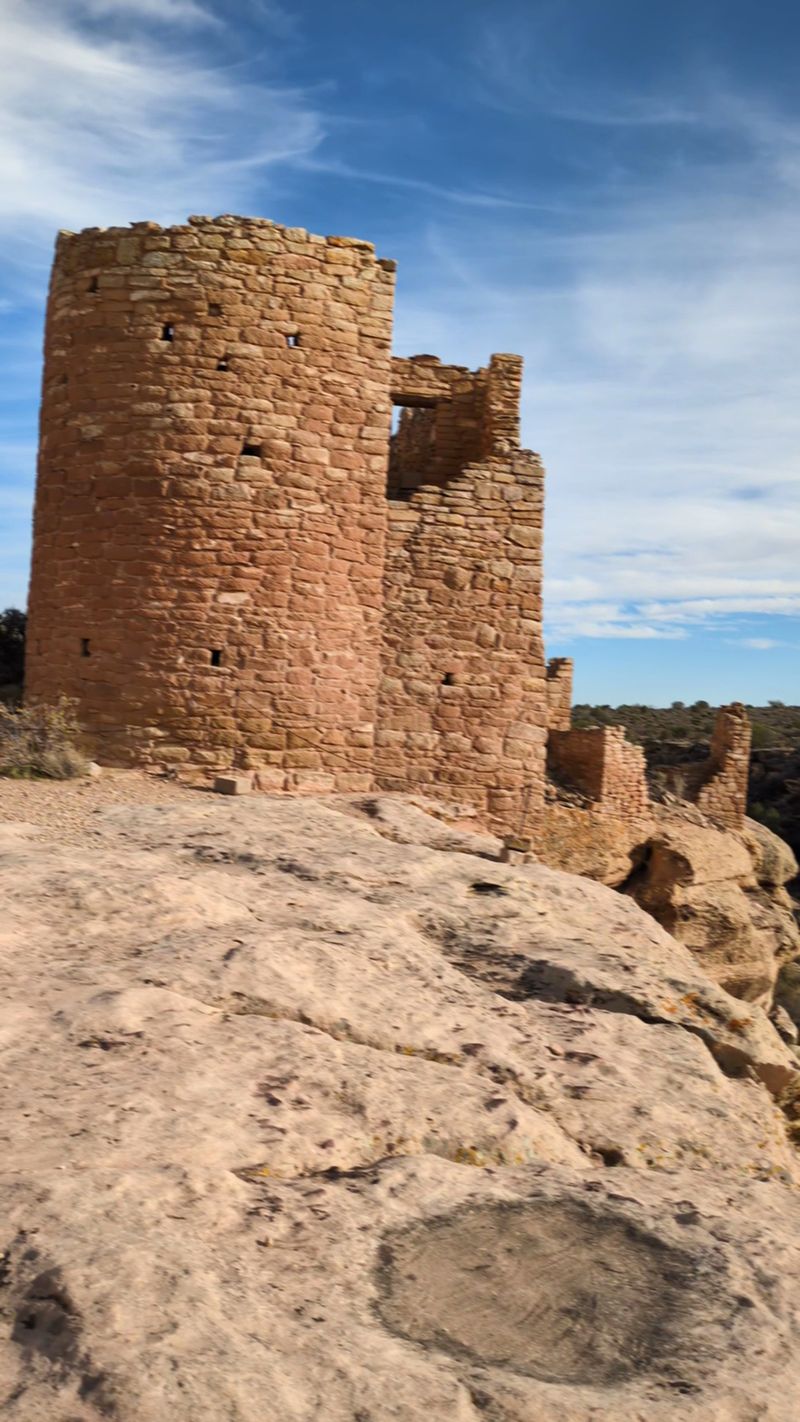
Mysterious towers rise from canyon edges at Hovenweep, puzzling archaeologists and visitors alike.
Nearly 800 years ago, Ancestral Puebloan architects constructed these remarkable structures along the Colorado-Utah border.
Six prehistoric villages dot the landscape, each showcasing different building styles and purposes.
The multistory towers served functions that historians still debate today.
Some believe they were astronomical observatories, while others suggest defensive fortifications or ceremonial centers.
What’s undeniable is the skill required to balance heavy stones on canyon rims without modern tools.
Trails wind through the monument, bringing you face-to-face with square, circular, and D-shaped towers.
The remote location means fewer crowds, giving you space to contemplate these engineering marvels.
Sunset casts dramatic shadows across the stone structures, highlighting their geometric precision.
Rangers offer insights into how communities here managed water in this arid environment.
Evidence of farming terraces and check dams shows sophisticated water management systems.
The monument protects not just buildings but entire village complexes with living quarters and storage areas.
Located near Montezuma Creek, UT 84534, United States, Hovenweep offers a quieter alternative to busier archaeological sites.
Bring binoculars to spot details in the stonework from viewing areas.
3. Bent’s Old Fort National Historic Site
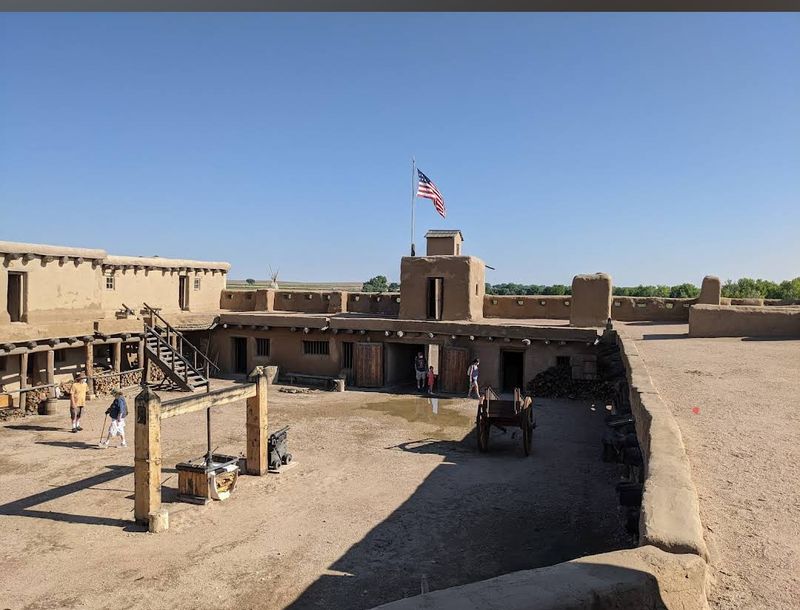
Picture a bustling crossroads where mountain men, traders, and indigenous peoples met to exchange goods and stories.
Bent’s Old Fort served as that vital meeting place along the Santa Fe Trail during the 1840s.
This reconstructed adobe fortress was the only major permanent settlement between Missouri and the Mexican territories.
Fur trappers brought pelts down from the Rockies to trade for supplies and equipment.
Cheyenne and Arapaho communities came to barter buffalo robes and other goods in an atmosphere of mutual respect.
The fort’s thick adobe walls enclosed a courtyard where diverse cultures interacted peacefully.
Today, costumed interpreters recreate daily life, demonstrating blacksmithing, cooking, and trading practices.
You can explore the reconstructed rooms where traders slept, ate, and conducted business.
The kitchen smells of period-appropriate foods prepared using historical methods.
Workshops and storage areas reveal how the fort operated as a self-sufficient community.
This site illustrates Colorado’s role as a meeting point between different worlds and economies.
The peaceful coexistence fostered here stands in contrast to conflicts that arose elsewhere on the frontier.
Located at 35110 CO-194, the fort offers educational programs that bring frontier history to life.
Allow time to watch demonstrations and ask interpreters about specific aspects of fort life.
4. Pike’s Stockade
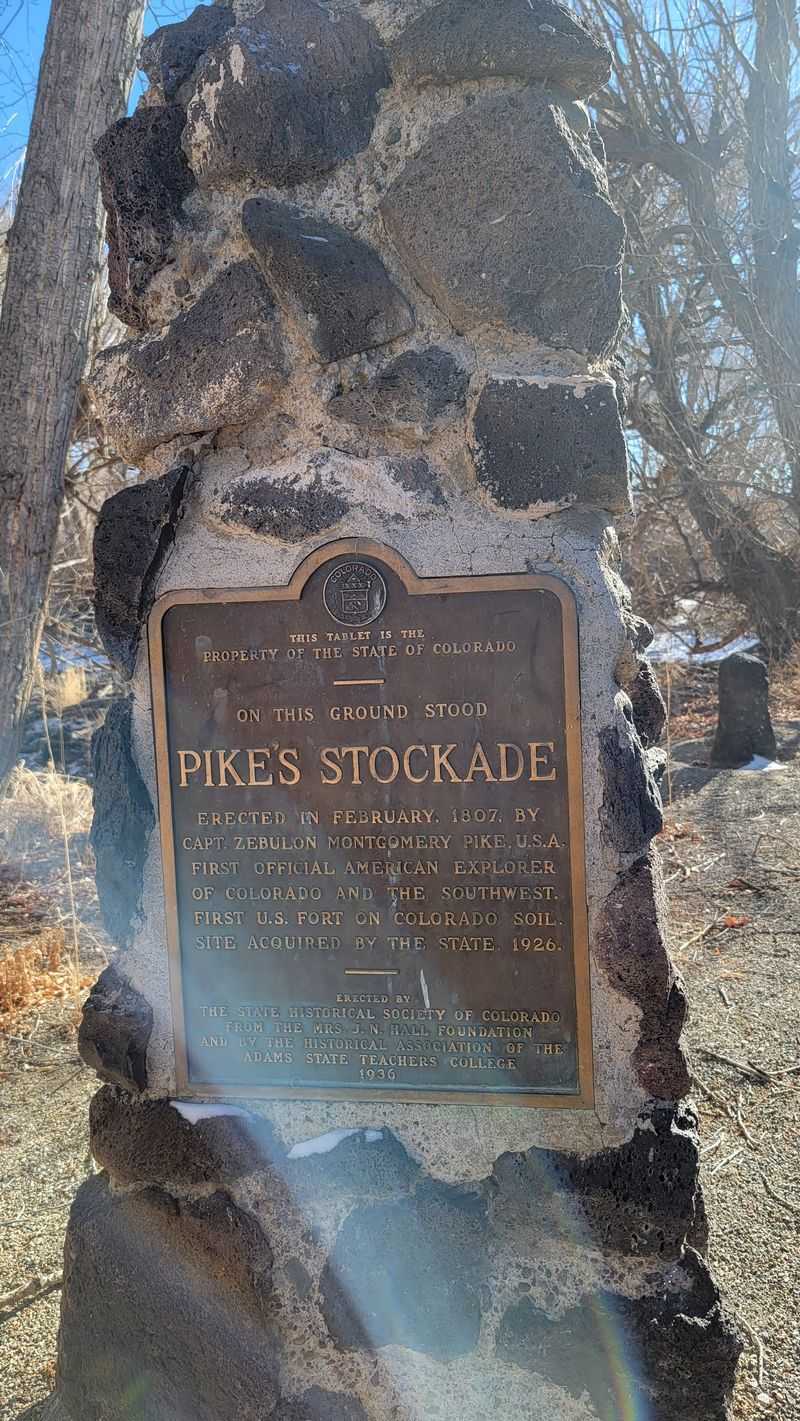
Explorer Zebulon Pike made a bold mistake that became a fascinating historical footnote.
During his expedition to map the Louisiana Territory, Pike built a fort and raised the American flag on what turned out to be Spanish soil.
The year was 1807, and territorial boundaries were still being negotiated and defined.
Spanish authorities soon arrested Pike and his men, escorting them to Santa Fe and eventually back to American territory.
Despite the diplomatic incident, Pike’s journey provided valuable information about the southwestern regions.
The stockade site near Sanford marks this moment of international intrigue and exploration.
A reconstructed fort helps visitors visualize the simple defensive structure Pike’s expedition hastily built.
Interpretive signs explain the political tensions of the era and the confusion over territorial claims.
Pike’s expedition ultimately contributed to American understanding of the vast western lands.
His reports influenced future explorers, traders, and settlers heading into these territories.
The incident also highlighted the complex diplomatic relationships between emerging nations.
This modest site represents the larger story of westward expansion and international boundaries.
Located at 22862 Co Rd 24, the stockade offers a glimpse into early exploration efforts.
It’s a quiet spot perfect for reflecting on how borders and nations took shape.
5. Fort Garland Museum & Cultural Center
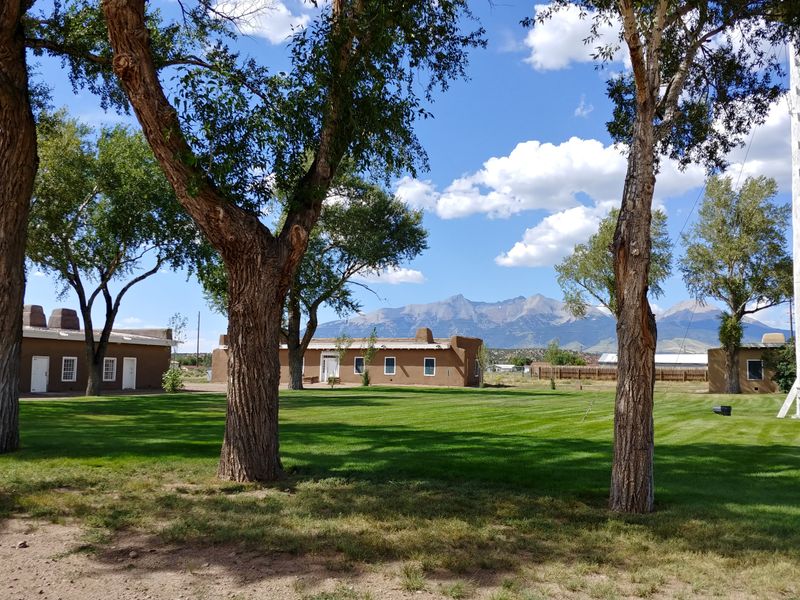
Kit Carson once commanded this remote military outpost in the San Luis Valley.
Fort Garland served as a strategic location where soldiers, settlers, and indigenous peoples navigated complex relationships.
The fort’s preserved adobe buildings transport visitors back to frontier military life.
Officers’ quarters, barracks, and command buildings surround the parade ground just as they did over a century ago.
Exhibits showcase military equipment, uniforms, and personal items belonging to soldiers stationed here.
The museum also highlights the diverse cultures that intersected in this valley.
Hispanic settlers, Ute people, and American military personnel all left their mark on the region.
Displays explain how the fort functioned as both a protective garrison and a point of cultural exchange.
Kit Carson’s tenure as commander adds another layer to the site’s historical significance.
His complicated legacy as both frontier legend and participant in controversial campaigns is explored thoughtfully.
The fort’s location in the beautiful San Luis Valley provides stunning mountain backdrops.
Visitors gain insight into the challenges of military service in isolated frontier posts.
Located at 29477 CO-159, the museum offers educational programs about multicultural frontier history.
The site encourages reflection on how different communities coexisted and conflicted in Colorado’s past.
6. Central City and Black Hawk Historic District
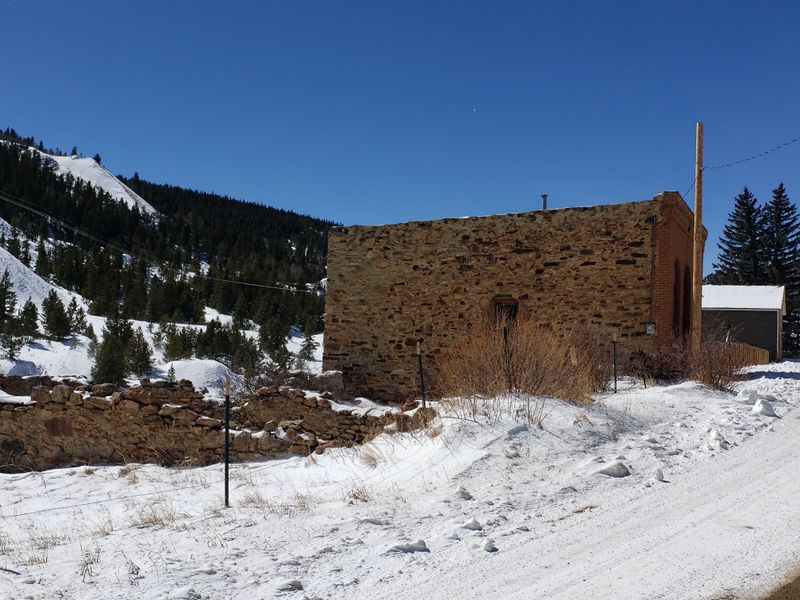
Gold fever transformed a quiet mountain valley into the “Richest Square Mile on Earth.”
When prospector John Gregory struck gold in 1859, thousands rushed to Central City and Black Hawk.
The Pikes Peak gold rush was suddenly more than rumor, it was reality gleaming in mountain streams.
Within months, a tent city evolved into permanent structures built to last.
Today, the historic district preserves dozens of buildings from that frenzied era.
Victorian storefronts, opera houses, and hotels line streets that once teemed with miners and merchants.
Walking these blocks feels like entering a time capsule of Colorado’s mining heritage.
The architecture reflects both the rough-and-tumble origins and the wealth that flowed through these communities.
Ornate facades on brick buildings show how quickly prosperity allowed for refined construction.
Museums and interpretive centers explain mining techniques, daily life, and the boom-and-bust cycles.
The district illustrates how gold discoveries shaped Colorado’s development and statehood.
Fortune seekers from around the world converged here, creating a diverse population.
The preserved buildings stand as monuments to ambition, hard work, and the transformative power of mineral wealth.
Exploring the district reveals stories of success, failure, and the communities built on hope.
7. Leadville Historic District
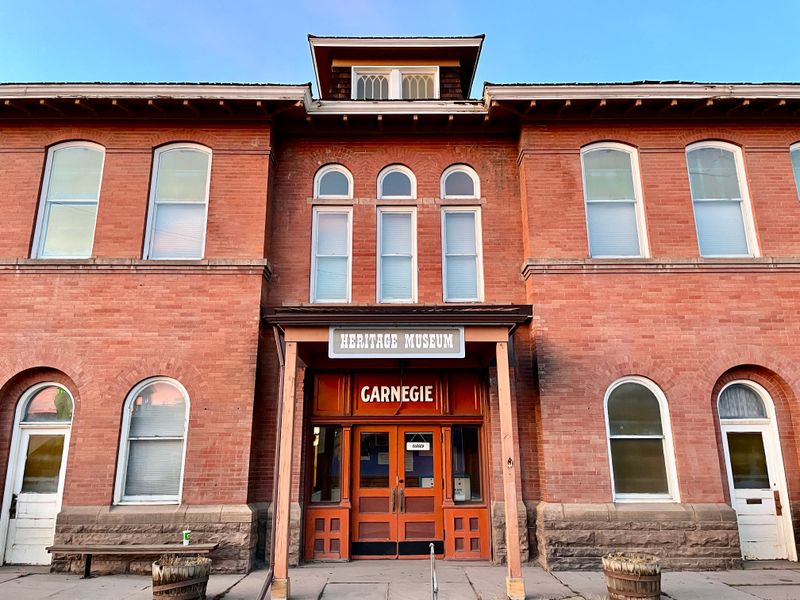
Perched at one of the highest elevations of any incorporated city in America, Leadville boomed with silver fever.
After gold deposits played out, prospectors discovered rich silver veins that created a second wave of prosperity.
The town’s historic district preserves buildings from when fortunes were made and lost overnight.
Grand Victorian homes built by mining magnates stand alongside simpler structures that housed workers.
The Tabor Opera House remains one of the most famous landmarks, hosting legendary performers during Leadville’s heyday.
Stories of rags-to-riches transformations and equally dramatic falls define this community’s history.
Horace Tabor’s rise from storekeeper to silver king epitomizes the era’s possibilities.
Walking through the district, you’ll notice architectural details that reflect sudden wealth and refined tastes.
Museums display mining equipment, personal belongings, and photographs documenting boom times.
The elevation and mountain setting add to the sense of isolation these pioneers experienced.
Winters were harsh, yet the promise of silver kept people coming and staying.
Preserved saloons, hotels, and commercial buildings tell stories of a rough frontier town that aspired to sophistication.
Leadville’s historic district captures the essence of Colorado’s mining legacy in one compact, walkable area.
The thin mountain air and period buildings combine to create an authentic historical experience.
8. Georgetown Loop Railroad
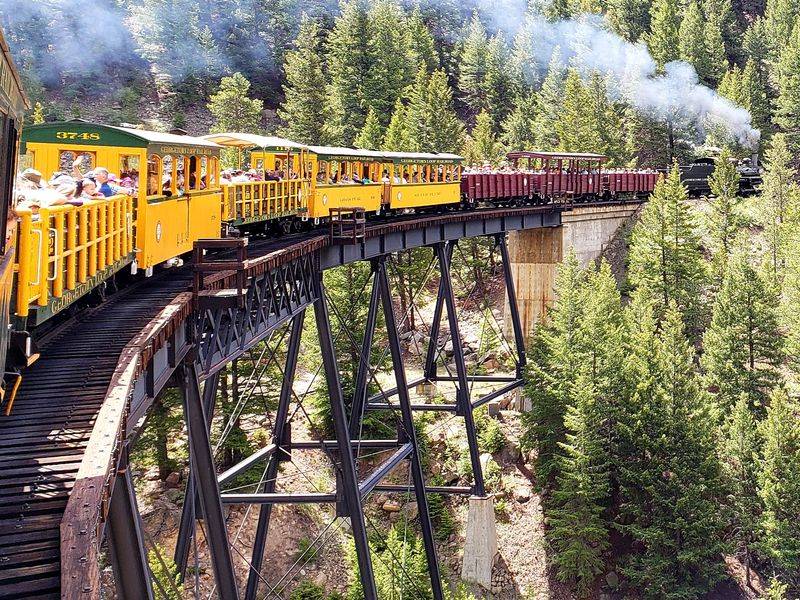
Engineering brilliance solved an impossible problem in the Colorado mountains.
Silver ore needed transport from Georgetown to Silver Plume, but the steep terrain seemed insurmountable.
Builders created a narrow-gauge railroad that looped back on itself, gaining elevation through clever design.
The completed line featured a spectacular bridge that became an engineering marvel of its time.
Trains hauled precious silver ore down from the mines, fueling Colorado’s economy.
Today, visitors can ride restored trains along this historic route, experiencing mountain railroading firsthand.
The journey offers breathtaking views of forests, streams, and the famous Devil’s Gate High Bridge.
Crossing the bridge provides a thrilling sense of the challenges early railroad builders overcame.
The narrow-gauge tracks wind through scenery that has changed little since mining days.
Interpreters aboard the trains share stories about the railroad’s construction and operation.
You’ll learn how engineers calculated grades, curves, and bridge spans without modern technology.
The railroad represents human determination to conquer difficult terrain for economic gain.
Located at 646 Loop Dr, the railroad operates seasonally, offering rides through living history.
Both the journey and destination mining towns provide immersive historical experiences.
9. Sand Creek Massacre National Historic Site
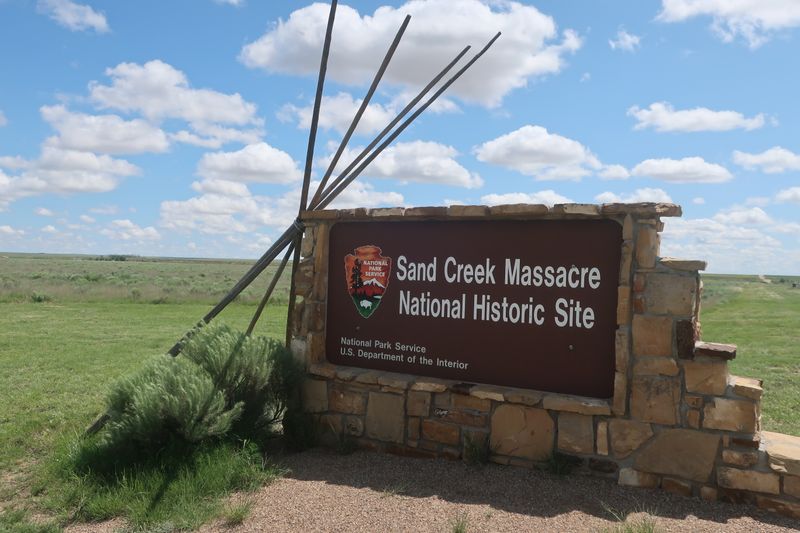
Some historical sites commemorate tragedy to ensure such events are never forgotten.
Sand Creek stands as one of the darkest chapters in American history.
On November 29, 1864, volunteer soldiers attacked a peaceful encampment of Cheyenne and Arapaho people.
Over 500 indigenous people, mostly women, children, and elders, were camped under a flag of truce.
The unprovoked assault resulted in horrific casualties and violated promises of safety.
This site preserves the location where innocent lives were lost and trust was shattered.
Visitors walk a landscape that looks much as it did that terrible day.
Interpretive materials present the perspectives of survivors and explain the historical context.
The National Park Service manages the site with sensitivity and respect for descendant communities.
Memorials honor those who died and acknowledge the lasting trauma inflicted.
The solemnity of the place encourages reflection on injustice and its consequences.
Understanding this massacre is essential to comprehending the full scope of westward expansion.
Located at 55411 County Rd W, the site serves as a place of mourning, learning, and reconciliation.
Visiting here reminds us that historical honesty includes confronting uncomfortable truths.
10. Amache National Historic Site
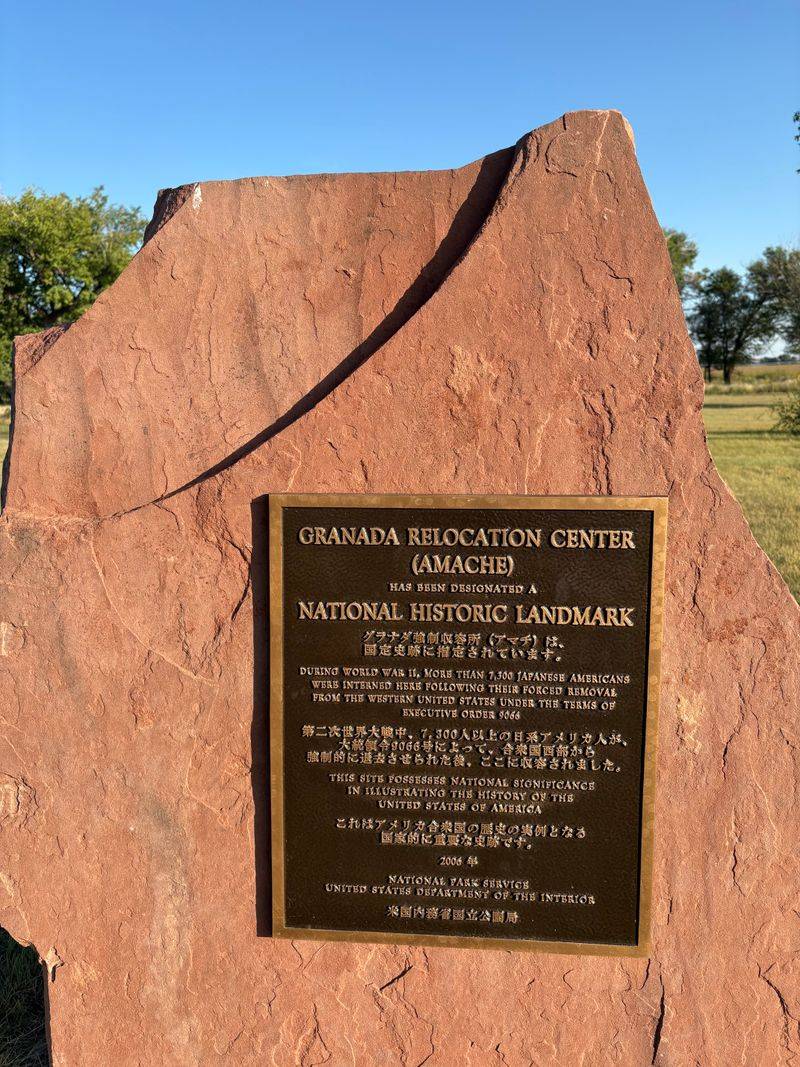
During World War II, fear and prejudice led to one of America’s greatest civil rights violations.
Over 10,000 Japanese Americans were forcibly relocated to Amache, a remote camp in southeastern Colorado.
Families lost homes, businesses, and freedom despite being American citizens.
Behind barbed wire, they built a community complete with schools, gardens, and places of worship.
The camp operated from 1942 to 1945, confining innocent people based solely on ancestry.
Today, preserved foundations, a cemetery, and reconstructed buildings tell this painful story.
Walking the site reveals how internees created normalcy under abnormal circumstances.
Many young men from Amache volunteered for military service, serving with distinction while their families remained imprisoned.
The irony of fighting for freedom while denied it themselves adds poignancy to their sacrifice.
Interpretive programs share personal stories of resilience, loss, and eventual redress.
The site became a National Historic Site to ensure this injustice is remembered and studied.
Descendants and historians work together to preserve memories and educate visitors.
Located at County Rd 23 5/10, Amache stands as a reminder of constitutional rights and their fragility.
The site challenges visitors to consider how fear can undermine democratic principles.
Dear Reader: This page may contain affiliate links which may earn a commission if you click through and make a purchase. Our independent journalism is not influenced by any advertiser or commercial initiative unless it is clearly marked as sponsored content. As travel products change, please be sure to reconfirm all details and stay up to date with current events to ensure a safe and successful trip.
