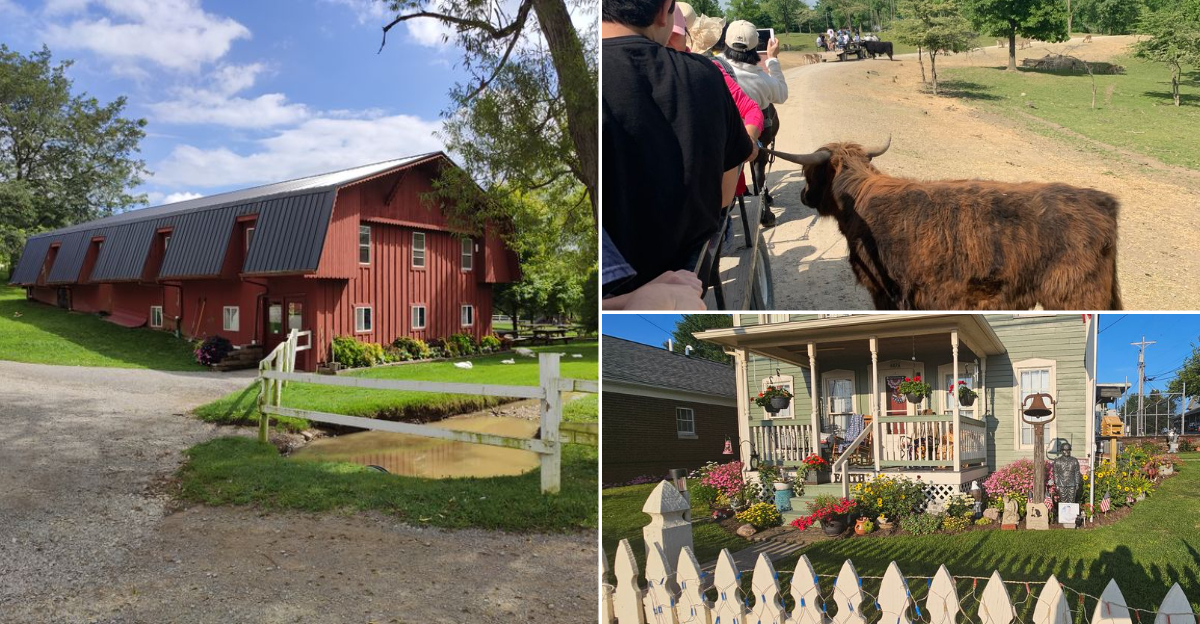
Let’s take that back road through Ohio and actually pay attention to how the Amish make everyday choices feel steady and sane. You’ll see barns and laundry lines, sure, but the real story is how decisions get made as a group, not on impulse.
It’s quieter than what we’re used to, and that’s the point, because the pace tucks values into every chore. If you’re up for it, we’ll stop in Holmes County, slide over to Geauga, and circle Tuscarawas, and you’ll start to notice how tradition and change ride together without turning into noise.
What stands out most is how nothing feels rushed, even when there’s a full day of work ahead. Small choices, like when to modernize or when to hold back, are weighed carefully and shared openly.
By the time the road bends again, you realize this way of life isn’t frozen in time, it’s deliberately moving at its own speed.
A Way Of Life Built On Community, Not Convenience
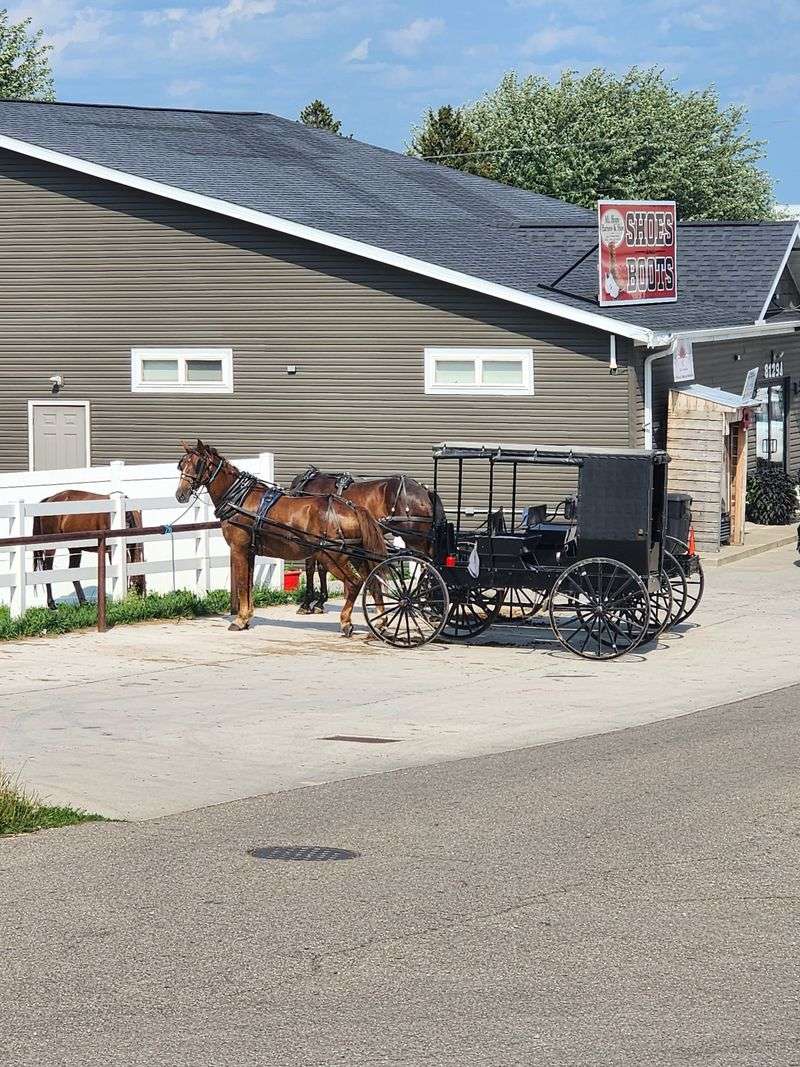
Start with this idea, because it frames everything you’ll see in Holmes County.
Community comes first, and convenience waits its turn. When people decide together, the pace stays human.
Let’s swing by the intersection near Amish Country Theater, 3149 OH-39, Millersburg, and just watch. Neighbors lean on fences and talk like minutes aren’t slipping away.
You notice how shared rhythms keep things from spinning.
Chores happen in clusters, not solo sprints. Someone repairs a wheel while another stacks boards, and a third checks harnesses.
The work circles back to relationships more than results.
You’ll feel it most after a school letting out near County Road 201, Berlin.
Kids stream out in tidy lines, and adults wave from buggies without hurry. It’s a gentle choreography that teaches quietly.
In Geauga County near Middlefield, the pattern holds.
Houses sit close enough for help to arrive without asking. This closeness keeps choices aligned and gossip light.
And in Tuscarawas County around Sugarcreek, it’s the same conversation in a new field.
A community barn raising isn’t a spectacle here. It’s just Tuesday with more hands.
So when you and I pull over by a gravel lane and you ask how they balance tradition and change, here’s the answer. They keep decisions small and shared.
And that slows everything to a livable hum.
The Role Of The Ordnung In Daily Decisions
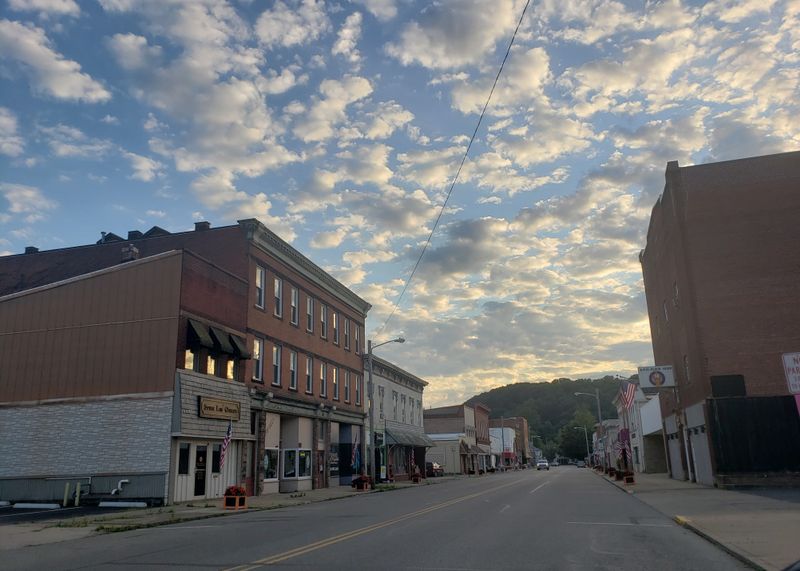
If you’re wondering who’s in charge, the Ordnung quietly is.
It isn’t printed on a signboard or locked in a binder. It’s remembered, taught, and lived.
Drive out toward 5798 County Road 77, Millersburg, and you’ll see how it shows up in the small things.
Clothing on pegs, windows without flash, tools laid out simply. It’s a shared standard, not a rulebook scold.
In Geauga County near 15848 Nauvoo Road, Middlefield, the pattern stays steady.
Questions get answered by, does this keep us close. If not, it waits outside the gate.
The Ordnung guides choices like lighting, transportation, and communication.
It keeps the group recognizable to itself. That familiarity makes trust easier to protect.
In Tuscarawas County by 106 Main Street, Sugarcreek, you can sense it in conversation.
People describe practices with calm certainty. There’s wiggle room across districts, but not drift.
Think of it like a compass everyone checks without staring.
The needle points to humility and belonging. When tension shows up, leaders visit, talk, and listen.
You and I could sit on a bench outside a small shop in Berlin, and hear the same tone.
Not rigid, just careful. The key is keeping hearts together, not enforcing headlines.
So daily life feels orderly rather than strict. That’s the design.
The Ordnung lets change slow down until it fits the clothesline.
Why Technology Is Chosen Carefully, Not Rejected Completely
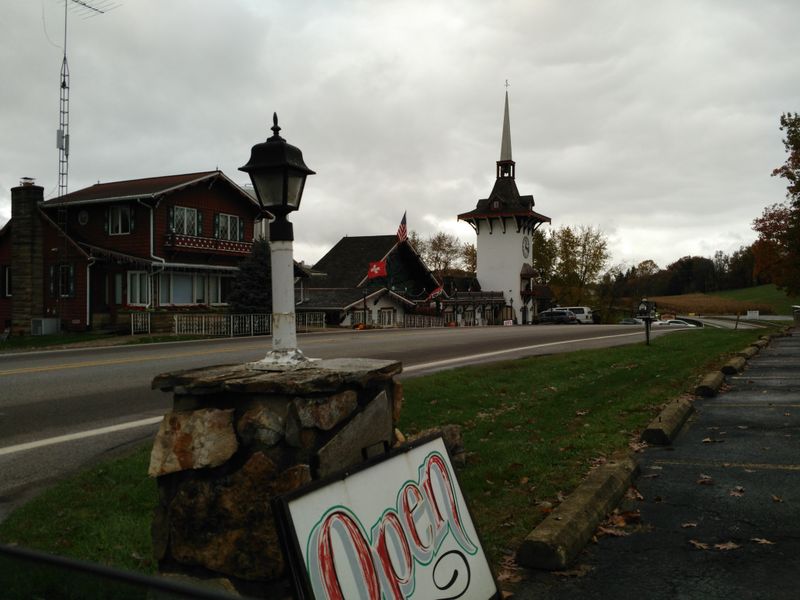
You’ll notice this fast. Technology isn’t banned, it’s filtered.
The question is whether a tool pulls people apart or keeps them close.
Near 4779 Township Road 366, Millersburg, look for a workshop with air power run by engines.
The tools hum, but the grid stays outside. That line matters more than the gadget’s shine.
In Middlefield, around 15510 West High Street, you might spot a solar panel on a fence post.
It supports a small need without remaking the whole day. That’s a careful yes, not a blanket no.
Tuscarawas County near 100 North Broadway, Sugarcreek, shows the same balance.
A phone sits in a shed away from the kitchen. Calls happen when needed, not as a reflex.
The idea behind it is simple.
Tools that speed isolation get trimmed away. Tools that help cooperation get tried slowly.
Church leadership weighs these choices with visits and conversation.
Nothing rides in without reflection. That process feels boring until you see how peaceful the outcome is.
When you ask if they use the internet, the answer is usually layered.
Some businesses interface through intermediaries or limited setups. Daily life still leans on face to face.
Ohio makes room for that kind of selective adoption. Roads thread communities close together.
Technology becomes a neighbor, not a boss.
Farming, Trades, And Self-Sufficiency
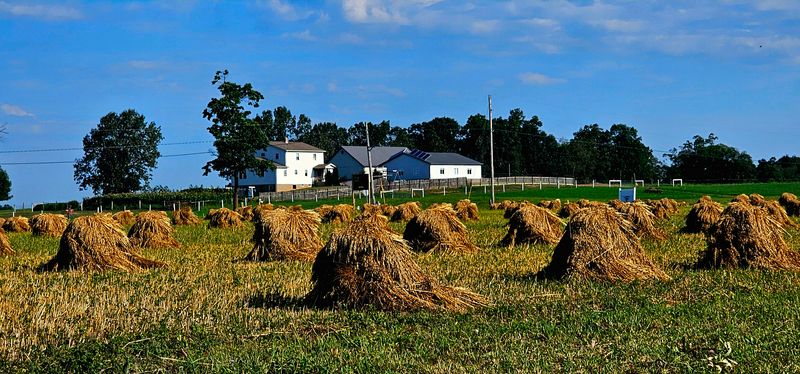
Work here is steady, not flashy. Farming anchors the calendar, and trades fill the gaps.
Everything points back to providing for family and neighbors.
Roll past 4381 County Road 168, Millersburg, Ohio, and you’ll catch the rhythm. Barn doors open, a saw bites into a beam, and someone checks harness leather.
There’s no rush, just continuity.
In Middlefield, Ohio, near 15910 East High Street, small shops turn raw lumber into something useful. You hear measured sounds, not blaring noise.
The tools fit the people, not the other way around.
Over in Sugarcreek, Ohio, near 101 Factory Street, trades cluster around timber and hardware. Folks swap help across family lines.
That web keeps the work local.
Self-sufficiency doesn’t mean isolation. It means knowing how to fix what breaks and who to call.
It also means the calendar follows the soil.
Apprenticeship happens naturally. Kids watch, then try, then own tasks.
Skills travel down the line like a handshake.
When you and I step out by a fence line in Holmes County, the quiet feels full. You can tell the day is spoken for.
Not with hustle, but with intention.
Ohio’s patchwork of fields and woodlots helps this balance. Distances stay manageable, and help arrives quickly.
That’s how tradition stays practical without turning into display.
Why Education Stops After The Eighth Grade
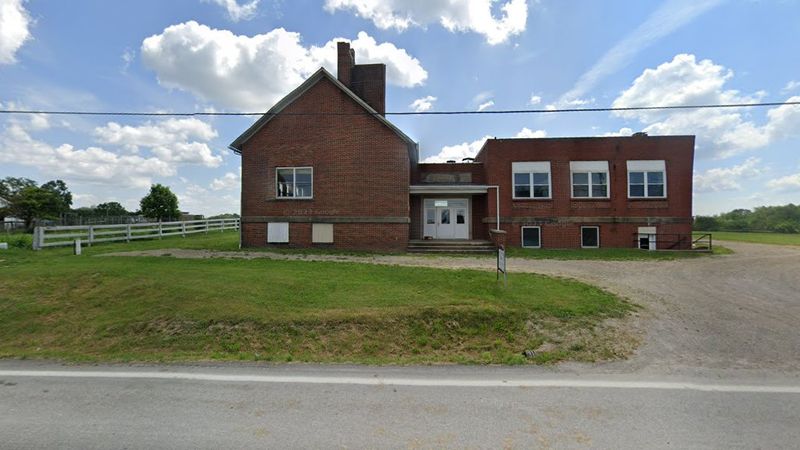
You’ll see the small schoolhouses first. White buildings with a bell and tidy grounds.
Education ends after the eighth grade, and that choice is intentional.
Drive by 4283 Township Road 154, Millersburg, and you might catch recess lines.
Kids laugh, teachers wave, and lessons wait on slates. It’s practical and close to home.
In Geauga County near 17000 Bundysburg Road, Middlefield, the setup looks similar.
One room, multiple ages, quiet focus. The goal is responsibility, not credentials.
They want learning that turns into doing without delay.
Reading, numbers, and useful writing get folded into daily life. After that, work takes the lead.
Tuscarawas County around 145 East Main Street, Sugarcreek, threads the same needle.
Teens move into trades, farming, and household skills. Adults keep teaching in real time.
You and I might debate it while idling on a shoulder. But the results are visible in how confident kids handle tasks.
They know where they belong and who depends on them.
The decision ties back to the Ordnung and community stability.
Fewer outside commitments keep family life predictable. And predictability protects faith practices.
Ohio supports local control, and districts coordinate with care.
It’s not neglect, it’s a different endpoint.
The classroom hands off to the workshop and field.
Church At Home, Not In Buildings
This part surprises people.
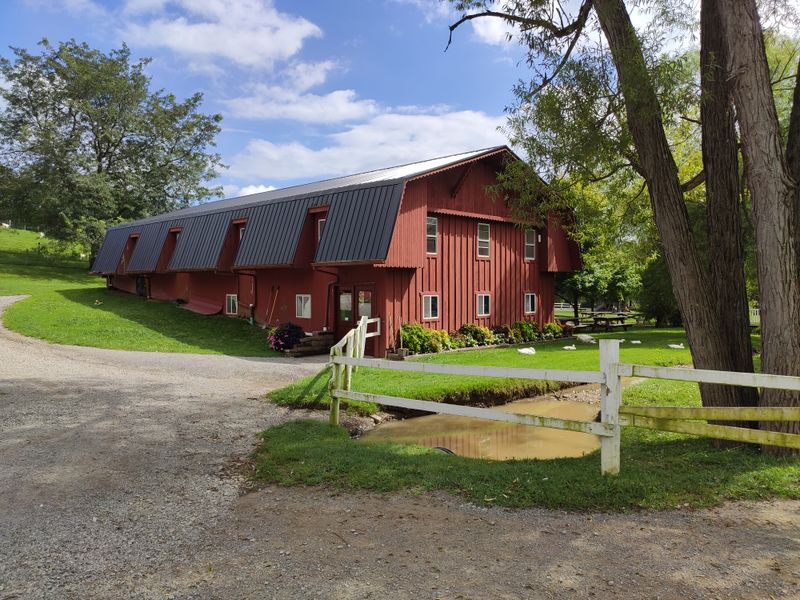
Church services rotate through homes and barns, not a dedicated building. It keeps worship woven into daily space.
Near 5121 County Road 120, Millersburg, you might see rows of benches heading into a barn.
Families arrive by buggy with unhurried greetings. The whole day turns on fellowship.
In Middlefield, around 16750 Nauvoo Road, the benches travel again.
The setup is familiar, so everyone knows their part. Hosting becomes a shared responsibility.
Over in Sugarcreek, near 210 West Main Street, the pattern repeats with small differences.
Hymns carry without instruments. The pace invites reflection, not performance.
Because church meets in homes, neighbors stay connected.
Hospitality isn’t a program, it’s the plan. Needs get noticed before they become heavy.
You and I can park respectfully on a side road and listen to the quiet. It’s not showy, just steady.
The absence of a building shapes the week gently.
Leaders visit, teach, and guide by example.
Decisions travel by conversation, not announcements. That’s how change moves slowly and safely.
Ohio’s countryside makes the travel workable. Distances are small and familiar.
Faith lives right next to the clothesline.
How Family Structure Supports Continuity
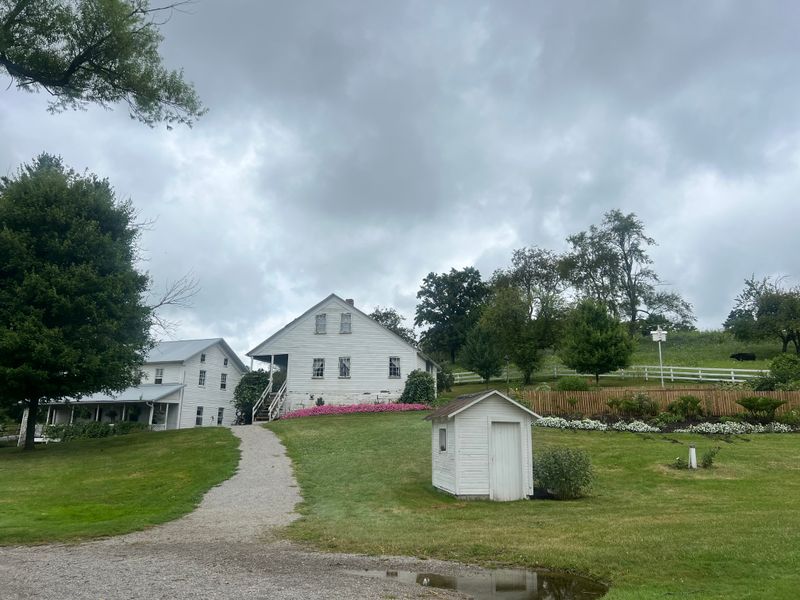
If you look for the secret, it’s family rhythms.
Households braid work, learning, and care. The pattern repeats until it feels like weather.
Roll past 4650 County Road 114, Millersburg, and you’ll notice porches lined with boots. That’s the footprint of shared labor.
Everyone knows the next task without a chart.
In Geauga County by 15420 Old State Road, Middlefield, porches and yards feel busy but calm.
Kids move in and out with purpose. Grandparents are close by with stories and wisdom.
Family structure also buffers change.
When a new tool shows up, elders weigh it with patience. The decision lands in a circle, not a spotlight.
Tuscarawas County near 118 South Broadway, Sugarcreek, shows the same cadence.
Multiple generations sit at the same table. Needs get met in-house before they travel out.
You’ll see small outbuildings that keep work close.
A sewing shed, a workshop, a buggy space. Each one anchors a routine that repeats.
As outsiders, we tend to separate life into boxes.
Here, the boxes nest. That nesting keeps values within reach.
Ohio’s tight town grids and back roads help.
Family visits take minutes, not hours. And that closeness turns into patience when the world speeds up.
Transportation That Reinforces Separation
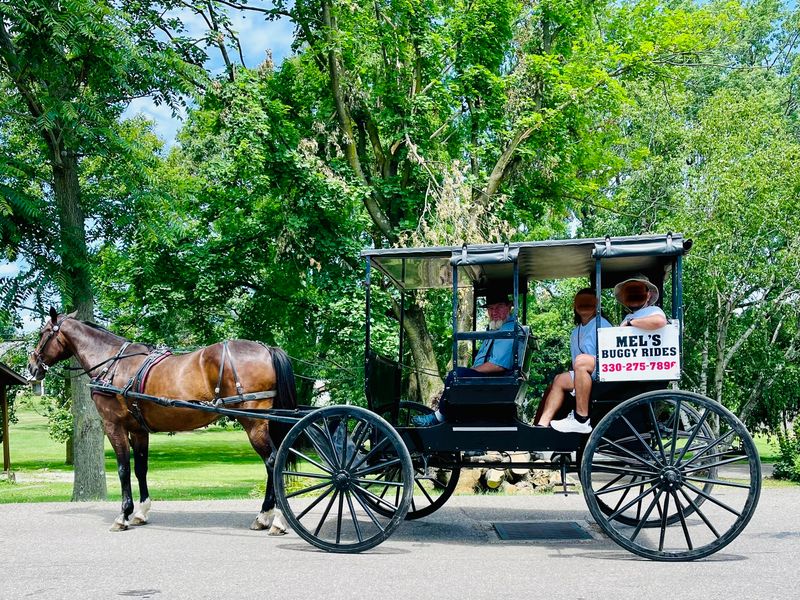
You’ll feel the shift as soon as a buggy passes.
The pace of the road drops to conversation speed. That slowness is a boundary and a teacher.
On County Road 201 near Berlin, Millersburg, the shoulder widens for buggies.
Drivers give respectful space. The rhythm settles into patience.
In Middlefield, along Route 608 near 15900 East High Street, horses trace familiar loops.
Distances stay local by design. Trips become purposeful instead of random.
Tuscarawas County around 110 Factory Street, Sugarcreek, makes room for the same pattern.
Signs remind everyone to share the road. The message is simple and steady.
Buggies, scooters, and walking keep neighborhoods stitched tight.
People wave because they recognize one another. That recognition needs time, which these wheels enforce.
When you ask why not switch to faster options, the answer circles back to community.
Speed stretches the circle until it thins. Slower trips keep faces connected.
We’ll park at a pull-off and watch the passing.
You can hear the clip of hooves like a metronome. Conversations finish instead of fraying.
Ohio supports this with signage and shoulders.
The landscape cooperates with rolling fields and modest traffic. Separation becomes safety, and safety becomes calm.
Why Simplicity Is A Discipline, Not A Trend
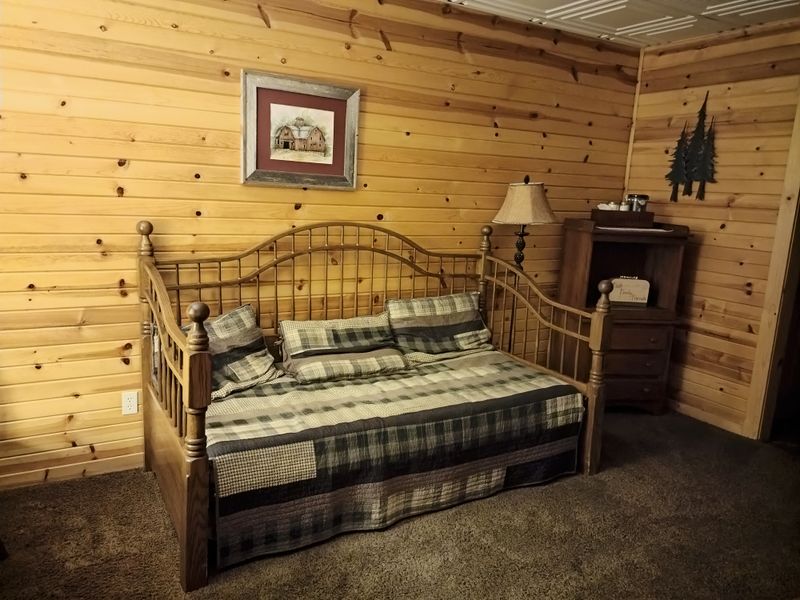
Simplicity isn’t about style out here. It’s a steady choice that trims distraction.
Clothes, rooms, and tools line up with that purpose.
Stop by a dry goods shop near 4914 West Main Street, Berlin, and you’ll see the palette.
Dark cloth, sturdy fabric, and no flash. The result is peace, not emptiness.
In Middlefield, around 16020 Nauvoo Road, houses look unalarmed by trends.
Peg rails carry the day’s plan in garments. A hat on a hook means the next task awaits.
Tuscarawas County close to 120 West Main Street, Sugarcreek, reflects the same restraint.
Furniture sits solid and quiet. A room does one job well and then rests.
This discipline teaches more than a thousand reminders. Fewer choices free attention.
Modesty turns into energy you can spend on people.
You and I can feel how restful it is just standing still.
Nothing flashes for attention. The mind settles without trying.
Simplicity also shields from quick swings.
When fashions whirl, nothing important moves. That steadiness keeps the group recognizable to itself.
Ohio’s seasons bring variety without clutter.
Light shifts, fields change, and houses breathe with weather. That’s enough color for a full life.
How Communities Handle Change Internally
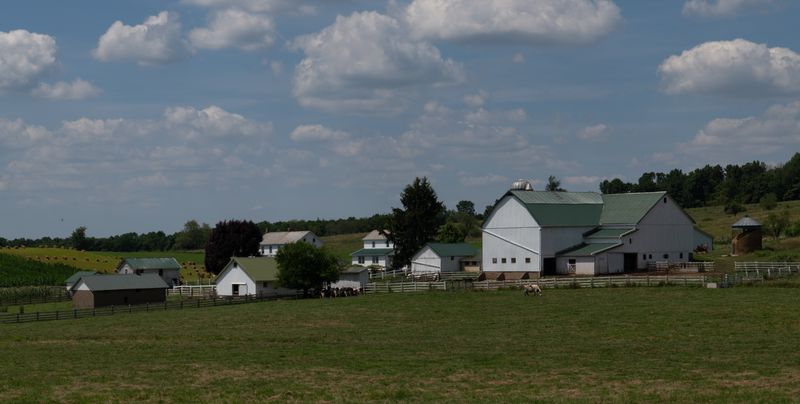
Change shows up like a neighbor here, not a headline.
People talk, visit, and test ideas slowly. Consensus takes time on purpose.
In Holmes County near 6005 County Road 77, Millersburg, leaders go house to house.
They listen before they advise. The pace lowers the temperature.
Geauga County around 15690 West High Street, Middlefield, follows a similar path.
District differences are acknowledged without drama. Each church weighs both tradition and need.
In Tuscarawas County near 130 South Broadway, Sugarcreek, conversations gather on porches.
You can see respect in how people pause. That pause makes space for better outcomes.
Sometimes the answer is a cautious trial. Sometimes it’s a clear not yet.
Either way, the group owns the conclusion.
When you and I think about how fast our choices move, this feels almost refreshing.
Slowness protects relationships. Decisions land gently instead of cracking things.
The Ordnung helps, but so does trust earned over time.
Families have long memories of cooperation. That history shapes today’s votes.
Ohio’s geography keeps districts connected but distinct.
Close, but not crowded. That gives room for careful change without losing the thread.
The Importance Of Land And Proximity
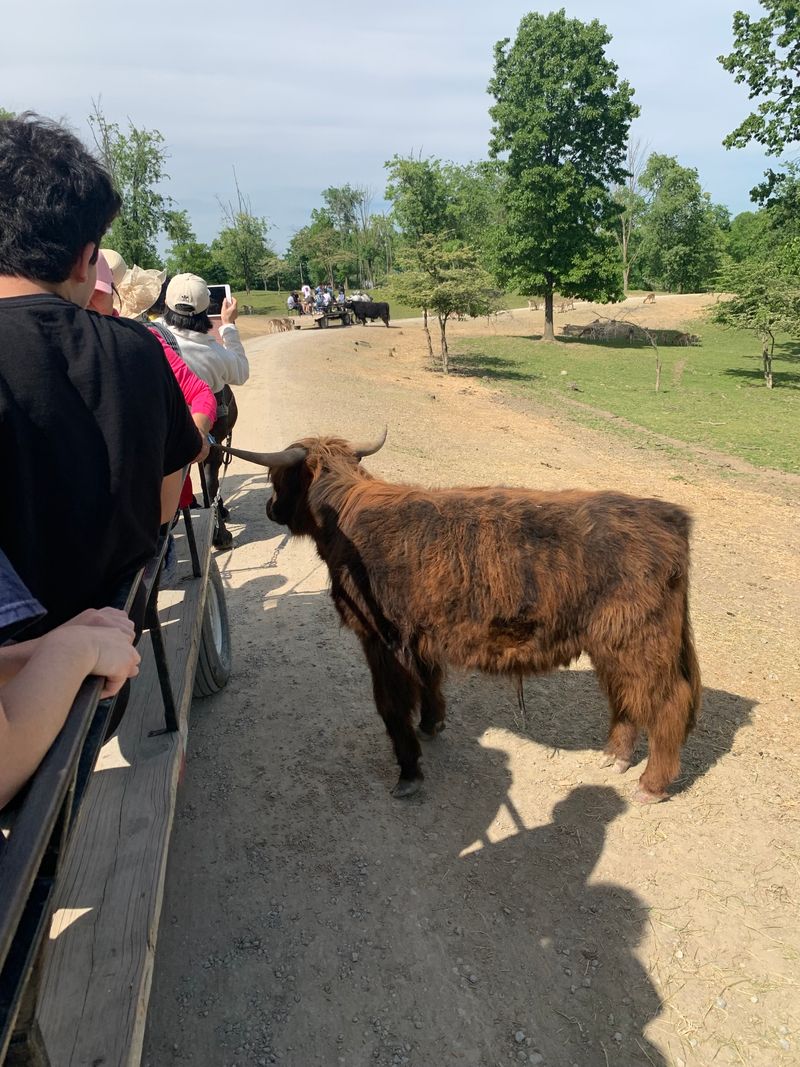
Look at a map of Holmes County and you can almost see the conversations.
Houses group near fields, and lanes connect like stitched seams. Proximity isn’t random, it’s strategic.
Drive by 4458 Township Road 356, Millersburg, and note the spacing.
Close enough for help, far enough for quiet. That balance keeps days manageable.
In Geauga County near 15300 Old State Road, Middlefield, the pattern repeats.
Farm clusters feel like cousins, not islands. Visits happen without scheduling apps.
Tuscarawas County close to 140 Factory Street, Sugarcreek, shows the same map logic.
Businesses and homes sit within easy buggy reach. That keeps spending, labor, and favors inside the circle.
Land matters because it holds memory.
Fences, trees, and lanes become shorthand for relationships. Losing that web would fray the whole fabric.
When a family shifts to a new farm, the move still respects these distances.
The web stretches, it doesn’t snap. Neighbors remain neighbors.
You and I feel it when we drive the ridge roads.
Every turn reveals another set of barns within calling distance. It feels intentional because it is.
Ohio’s rolling ground helps these pockets stay defined. Not remote, just settled.
And that nearness becomes the quiet engine of stability.
Transportation Aside: Safety And Courtesy On The Road
Before we go farther, a quick note about sharing these roads.
Safety here is mostly about courtesy and patience. Buggies make the rules feel visible.
On County Road 168 near Millersburg, you’ll see caution signs and wide shoulders.
Drivers lift off the gas and wait for the pass. Everybody gets home calm.
In Middlefield, along East High Street near 15950, traffic slows where horses cross.
The rhythm favors predictability. Honking doesn’t help, steady space does.
Tuscarawas County near 200 West Main Street, Sugarcreek, adds reflective placards and clear pull-offs.
It’s teamwork with strangers. The system works because people cooperate.
We’ll keep our stops respectful and our lenses pointed at scenery.
Privacy matters like oxygen. The best view is the one that doesn’t intrude.
It all loops back to community.
Road behavior turns into culture. Visitors can fit smoothly by moving gently.
Ohio’s small towns make this easier with signs and simple reminders.
Roads are shared rooms. Treat them like someone’s living space.
If you’re wondering whether patience is worth it, watch a family roll by safely.
That feeling is the answer. It’s the quiet win you take home.
Why Outsiders Often Misread Amish Life
From the car window, it can look like a throwback.
Spend an afternoon, and it reads like strategy. The difference is whether you measure speed or cohesion.
Walk Main Street in Berlin, and notice the calm pace.
Buggies roll, tourists stroll, and locals keep routines intact. The show isn’t the point.
In Middlefield, around 15960 West High Street, it’s the same pattern.
Simple choices pay long dividends.
Outsiders sometimes expect spectacle and miss the steady work.
Over in Sugarcreek, near 205 North Broadway, watch how people greet without fuss. It’s a culture built for reliability.
Visibility stays low so relationships can stay high.
If someone says the Amish reject everything modern, you’ve got new eyes now.
The truth is selective, careful, and communal. Tools serve people, not the other way around.
You and I talk about balance all the time.
Here, balance is measurable in footsteps and fence lines. It’s a map you can drive.
Ohio gives context with towns that hold onto their scale.
Roads stay reasonable and fields stay close. That helps the system keep breathing.
So when we head home, we don’t chase big conclusions. We carry the small ones.
Slow decisions can make a life feel larger, not smaller.
Dear Reader: This page may contain affiliate links which may earn a commission if you click through and make a purchase. Our independent journalism is not influenced by any advertiser or commercial initiative unless it is clearly marked as sponsored content. As travel products change, please be sure to reconfirm all details and stay up to date with current events to ensure a safe and successful trip.
