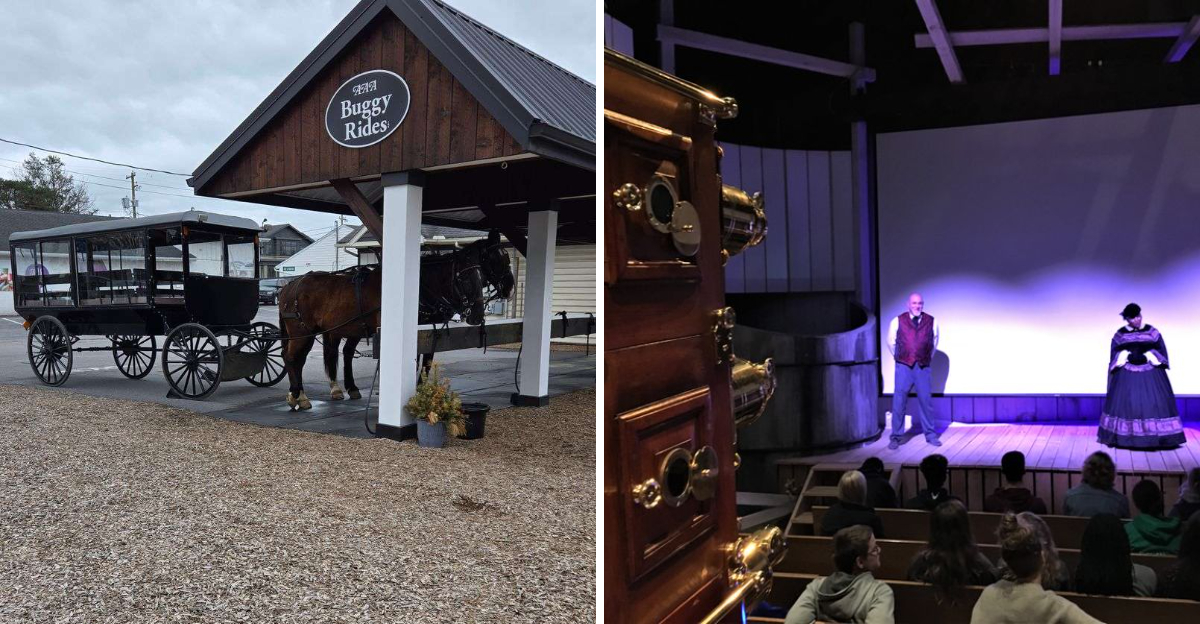
Curious how families in Pennsylvania keep daily life flowing without the usual screens and switches.
Step into a world where choices are guided by community, faith, and purpose, not apps or outlets.
Travel through Lancaster County and beyond with me as we visit real places where tradition is visible in every lane and workshop.
You will leave with practical insight and a new respect for how simplicity can feel grounded and whole.
1. Horse and Buggy Routines at Kitchen Kettle Village
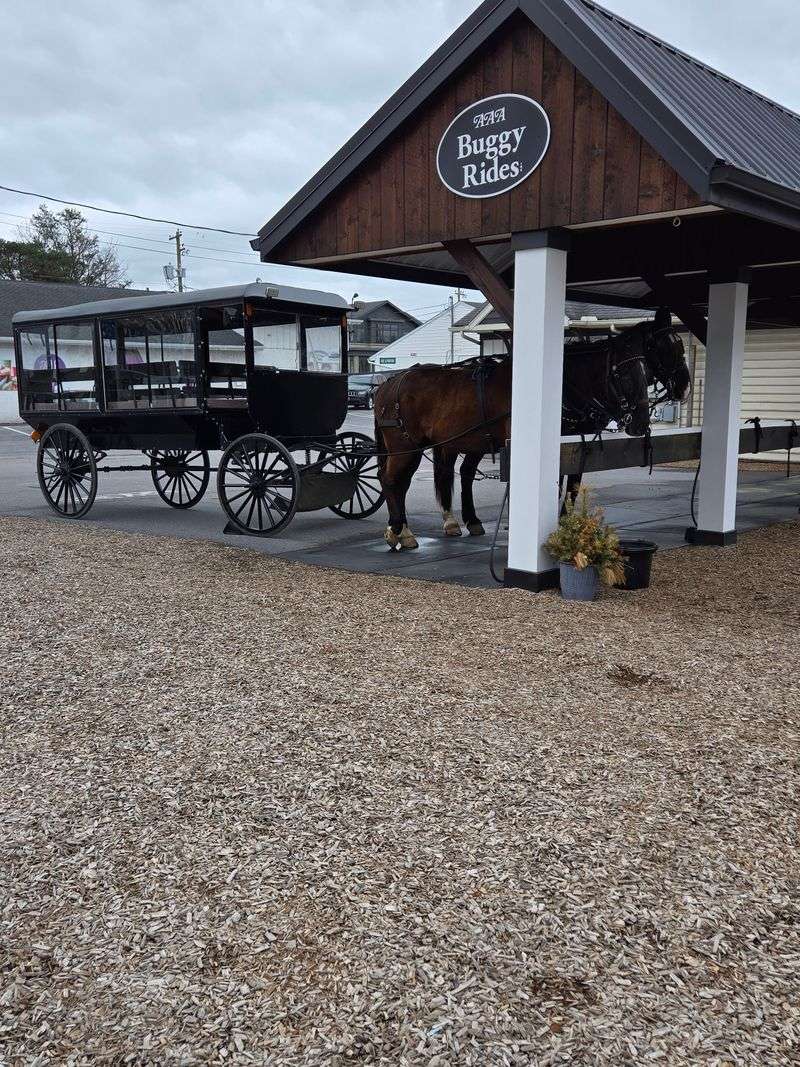
Amish families choose horse and buggy travel to keep life centered on community and proximity, not speed.
At Kitchen Kettle Village, the lanes and hitching posts reveal how a town reshapes around slower movement and face to face errands.
You notice how conversations stretch, neighbors wave, and the day feels measured by hooves rather than traffic lights.
Using horses keeps people within a reachable radius, which naturally strengthens ties in Lancaster County, Pennsylvania.
Trips are purposeful, planning matters, and detours become calm moments across rolling fields and tidy farms.
The carriage itself functions like a small room, with seats facing forward, blankets in winter, and lanterns at dusk.
On market days, buggies cluster near shops, and the rhythm of arrival sets a tempo that never rushes.
Visitors can observe respectfully from the walkways, noticing routes that follow familiar backroads and bridges.
Local roads post buggy signs, and drivers learn to share space with patience and care.
It all underlines how transportation shapes culture, creating a neighborhood feel that modern highways can dissolve.
The Ordnung encourages this approach because it keeps families connected and visible to one another.
Children grow up reading seasons and weather, not fuel gauges, and they remember the sound of their own valley.
Horses anchor the day to real conditions, which builds resilience and steady habits.
That grounded pace influences everything, from chores to visits, making distance a thoughtful choice rather than a blur.
In Pennsylvania, the buggy is not a relic, it is a living boundary that protects time, attention, and shared life.
2. Off the Grid Power at The Amish Village
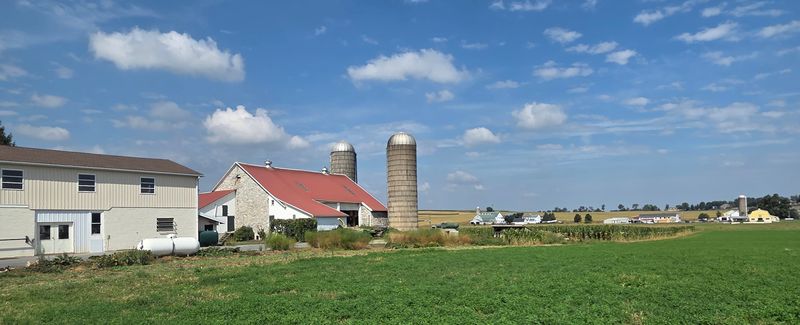
Most Amish homes avoid public grid electricity to prevent dependence on distant systems and constant novelty.
Independent power sources, like small solar panels, windmills, and diesel engines, are tailored to specific tools rather than whole house convenience.
At The Amish Village in Ronks, Pennsylvania, you can see examples that show how careful boundaries work in daily routines.
Solar might run a refrigerator or charge a fence energizer, while a diesel motor drives a workshop compressor nearby.
By separating power from entertainment, the household keeps focus on work, family, and worship.
Lights are limited, cords are absent, and rooms feel calm without humming electronics and glowing screens.
Decisions pass through church leadership and community consensus, not individual impulse or advertising cycles.
That process keeps rapid tech churn from unsettling shared values or overloading budgets.
It also means repairs stay local, parts are simple, and skills remain inside the community.
Energy use becomes visible, which encourages conservation more effectively than abstract reminders do.
On a sunny day you might spot a small panel angled on a shed roof, modest and purposeful.
Nearby, a windmill lifts water or supports farm tasks without tying the family to monthly utility bills.
Diesel engines sit in outbuildings, where belts and shafts transmit power to tools only when needed.
Because the grid stays out, the home stays quieter, cooler, and less cluttered with wires.
In Pennsylvania, this approach translates into resilient households that can farm, build, and host neighbors when outages roll through town.
3. Phone Shanties at Riehl’s Quilts and Crafts
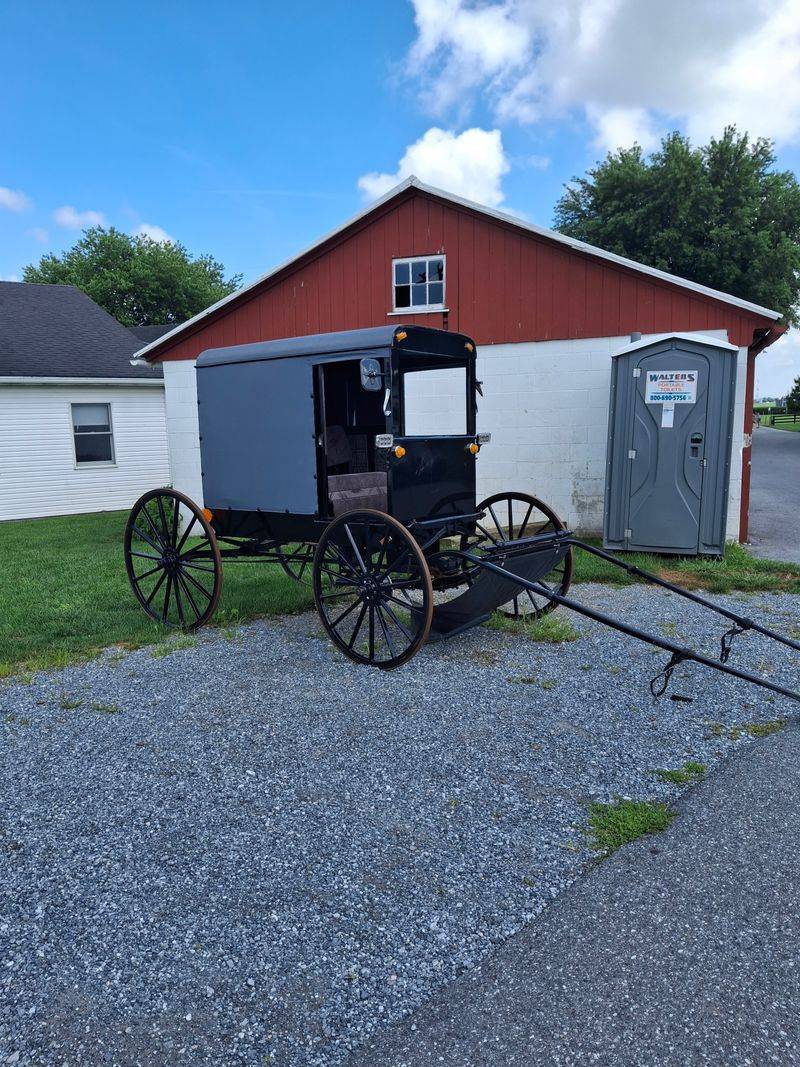
Many districts restrict phones in the house, so communities place a shared telephone in a small shed called a phone shanty.
At Riehl’s Quilts and Crafts in Leola, Pennsylvania, you may notice a modest outbuilding that explains this practice with clarity.
The shanty stands away from the kitchen table, which prevents constant interruptions and online drift.
Calls become intentional, often brief, and oriented toward work, emergencies, or necessary coordination.
This boundary protects mealtime conversation and evening reading, where attention stays with the people in the room.
It also lowers the pull of social media, which can fracture focus and stretch evenings too thin.
Businesses might arrange pickups, order supplies, or check weather, then return to tasks without lingering.
Because the phone sits outside, children observe adults modeling restraint as a normal habit.
That learned discipline is as important as any tool the phone helps schedule.
Shanties vary, some are simple boxes with a light, others include a bench and a small notepad.
They are practical architecture, built for privacy and usefulness, not entertainment.
Shared access also encourages neighbors to help one another with messages and rides.
When storms roll across Pennsylvania, a community phone becomes a trusted lifeline that still respects household quiet.
Visitors should observe with discretion and avoid photographing private calls, since the space is purposeful.
What looks quaint is actually a modern boundary, allowing connection without letting convenience take over family life.
4. Air and Water Power at Ebersol’s Woodworking
Instead of plugging in every tool, many Amish shops run machinery with compressed air or hydraulic power.
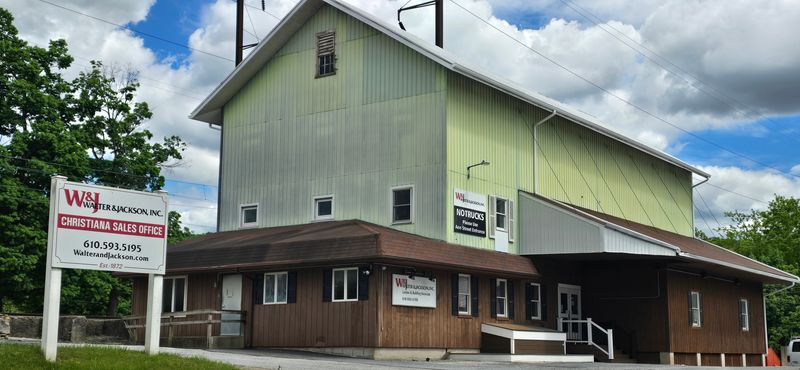
Ebersol’s Woodworking in Christiana, Pennsylvania, demonstrates how a central engine and air lines can drive saws and sanders efficiently.
Belts, shafts, and valves replace cords, which makes the workspace look clean and surprisingly quiet between cycles.
An engine might sit in a side room, sending power through pipes that snap on with a lever pull.
This setup reduces sparks, lowers electrical risk, and keeps maintenance straightforward with local parts.
Craftspeople work by task rhythm rather than constant machine hum, which improves focus.
Tools are adapted with clever fittings so air turns blades, lifts tables, or clamps boards precisely.
Hydraulics provide steady force for planers and presses, and the systems can run without grid lines.
Skylights and big windows fill the shop with natural light that makes wood grain easier to read.
Cut lists live on clipboards, not screens, and the floor stays free of dangling wires.
The Ordnung permits power that serves work, not entertainment, so the boundary remains clear.
Visitors who book tours learn how safety guards and jigs evolve within these constraints.
Each jig reflects problem solving that values simplicity and repeatable accuracy.
Finishing rooms use air driven sprayers with careful ventilation that respects neighbors and workers.
Across Pennsylvania, workshops like this show how tradition can absorb technology selectively, keeping skill at the center.
5. Gaslight Evenings at The Amish Farm and House
Homes often rely on pressurized gas lanterns and broad windows for light, which shapes evening routines in gentle ways.
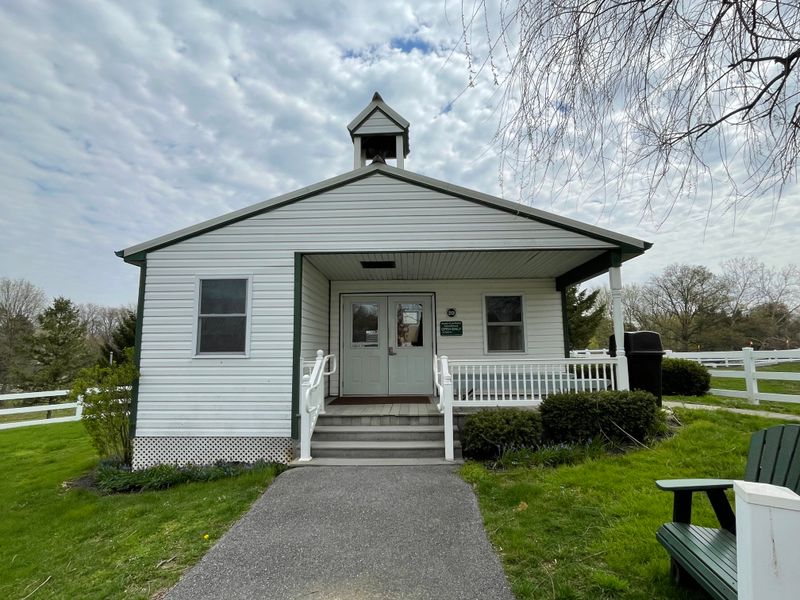
At The Amish Farm and House in Lancaster, Pennsylvania, tours show fixtures that glow without wires or switches.
Lanterns cast focused pools, so families gather close for reading, mending, and conversation.
Rooms feel calmer, since brightness is chosen carefully instead of flooding every corner.
Daylight leads the schedule, and skylights carry chores until the sun slips behind barns and hedgerows.
The resulting cadence encourages earlier bedtimes and earlier mornings, with rested voices around the table.
Gaslight also trims distractions, because it is difficult to multitask in dim halos.
Instead, people finish tasks, put tools away, and talk while the mantle whispers softly overhead.
Visitors learn how ventilation and safe mounting keep fixtures reliable through long winters.
Shades and reflectors are adjusted by hand, turning illumination into a deliberate choice.
On quiet nights, the glow reaches porches where neighbors sit and wave at passing buggies.
That visible warmth supports community in a way blue screens rarely do.
The Ordnung allows practical lighting while limiting gadgets that might crowd family life.
Because fuel is stored and carried, people track use carefully and prevent waste.
Across Pennsylvania, these small flames make evenings slower, steadier, and full of unhurried talk.
6. Cold Keeping at Fisher’s Houseware and Fabrics
Refrigeration without the grid looks different, yet it still protects harvests, dairy, and leftovers responsibly.
Propane powered refrigerators and sturdy ice chests carry the load, often paired with a community freezer locker.
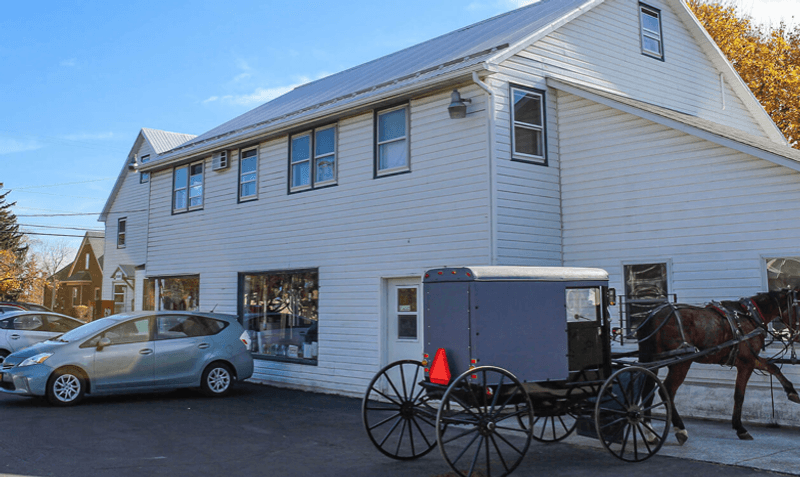
At Fisher’s Houseware and Fabrics in Bird in Hand, Pennsylvania, you can see equipment that supports this quiet system.
Propane units hum softly, with controls that emphasize reliability over flashy features or networked screens.
Ice chests stand ready for bulk produce, with blocks traded or cut in season.
Community freezers, where permitted, help families store meat and shared garden yield for months.
This cooperative approach limits waste and encourages planned cooking that respects effort and time.
It also reduces constant shopping trips and vehicle miles, which fits a slower travel pattern.
Labels and simple logs replace apps, and everyone knows what belongs where.
Households adjust recipes to seasonal availability instead of forcing year round sameness.
Cool cellars and shaded porches add natural buffers that stretch perishables a bit longer.
Generators may backstop freezers during outages without bringing screens into the kitchen.
Guests notice how quiet the kitchen feels, with fewer lights and beeps claiming attention.
When hosts pull jars from shelves, each one tells a story of gardens, neighbors, and careful hands.
In Pennsylvania, this blend of propane, ice, and community makes cold storage practical without the distractions of modern smart appliances.
7. Washday Traditions at Mascot Roller Mills
Laundry days often feature wringer washers powered by small gas or diesel motors that churn steadily.
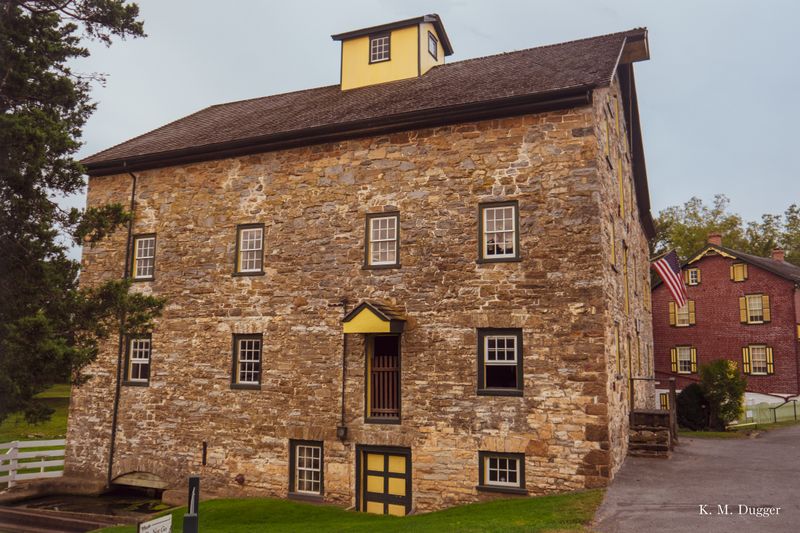
At Mascot Roller Mills in Ronks, Pennsylvania, the grounds and exhibits contextualize how water, fuel, and rhythm come together.
Basins fill, soap bites, and sleeves roll up as baskets move from wash to rinse to wring.
Clotheslines stretch across yards, turning breeze and sunlight into the final drying stage.
This system is physical, paced by buckets and clothespins, not timers or chimes.
Small engines sit on a porch or in a shed, kept clean for dependable starts.
The Ordnung supports practical machines that do not invite entertainment into the home.
Children help with pins and sorting, which builds habits and shared responsibility.
Neighbors sometimes align schedules, chatting over fences while linens flap like white flags.
Stains become teachable moments about patience, persistence, and the value of good water.
In winter, racks shift indoors near stoves where warmth lifts damp air in slow waves.
Tools are maintained with oil and basic parts, not service contracts or software updates.
Visitors see how a simple workflow can smooth a long chore into a community beat.
The results feel crisp, sun scented, and free of machine heat that can wear fabric.
Across Pennsylvania, washday is less a task to eliminate and more a weekly ritual that keeps families close.
8. Work Tech Boundaries at Lancaster Central Market
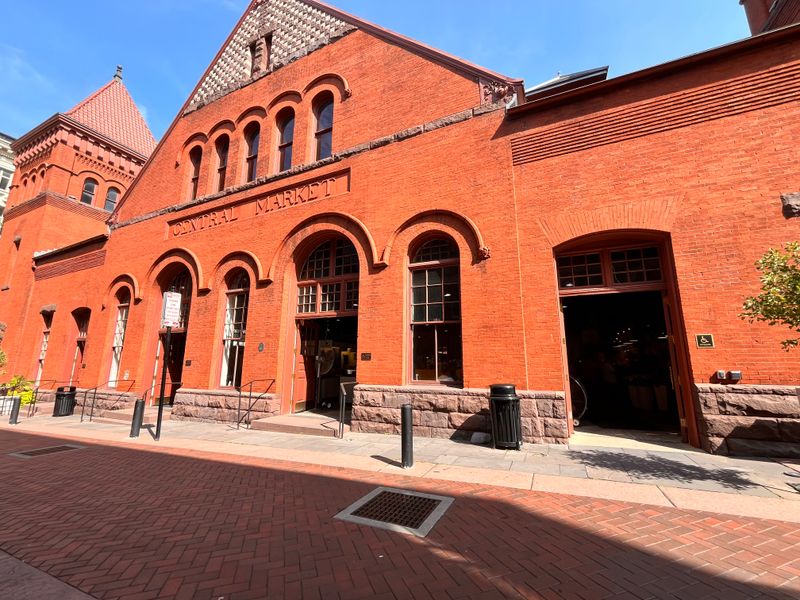
Some districts allow limited technology for business, separating tools used for work from the home environment.
At Lancaster Central Market in Pennsylvania, vendors and nearby shops often balance tradition with practical needs.
A phone might handle orders, or a computer prints invoices, then both stay at the stand or office.
This boundary prevents devices from reshaping evenings and family rhythms.
It also helps small businesses compete with larger suppliers while honoring shared values.
Customers benefit from timely pickups and clear schedules without expecting constant digital presence.
Policies vary by church district, so decisions move carefully through leadership and neighbor input.
That shared process keeps harmony when exceptions are needed for livelihoods.
You can sense the balance in how tools appear only where they directly serve work.
There is no stream of notifications following people home after closing time.
Paper records, ledgers, and clipboards remain common, steady, and easy to audit.
Printers or chargers might connect to a generator or solar setup away from the house.
The principle is simple, work tools for work, home spaces for worship, meals, and rest.
By guarding the threshold, families keep screens from crowding out hymns and conversation.
In Pennsylvania, this business boundary supports craftsmanship, markets, and farms without unraveling home life.
9. Hiring Drivers at Bird in Hand Farmers Market
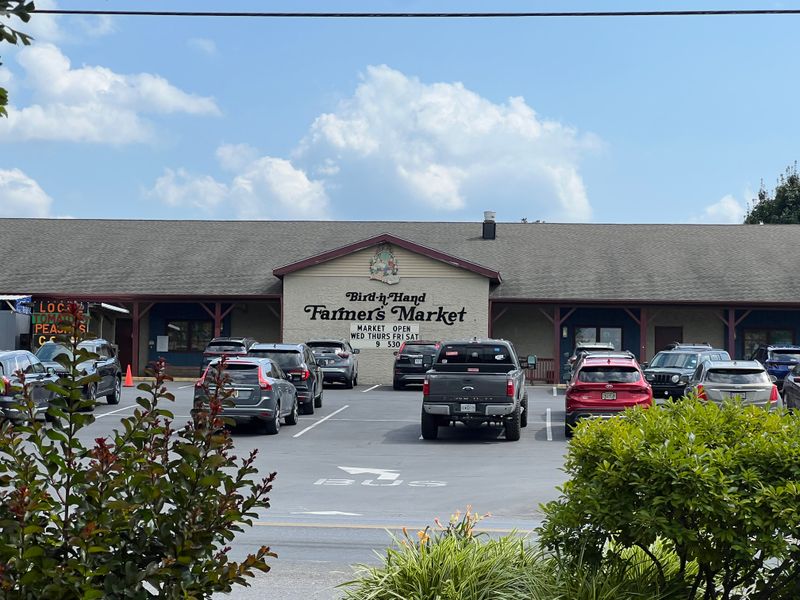
For trips beyond buggy range, many Amish hire drivers from outside the community to reach appointments or distant suppliers.
Bird in Hand Farmers Market in Pennsylvania sits near roads where this coordination is commonly arranged.
Hiring a driver solves distance without the ownership and independence that private cars bring.
The arrangement keeps the technology at arm’s length while still meeting practical needs.
Families plan routes efficiently, bundling errands to respect time and fuel.
Neighbors sometimes share rides, which turns logistics into conversation and shared care.
Phone shanties or market phones help schedule pickups, especially for medical visits.
Clear expectations and regular contacts build trust and reliability over seasons.
When weather turns, backup plans kick in, and rides shift a day without drama.
Because the boundary remains, no one brings car culture back to the lane.
The Ordnung frames this practice as using a tool without accepting its temptations.
That distinction preserves local identity while engaging the larger region thoughtfully.
Visitors may notice discreet signs for drivers, but arrangements remain private and respectful.
What matters most is access to care, supplies, and family far away when needed.
Across Pennsylvania, hired rides keep communities connected without eroding the slow, relational core of daily life.
10. Evenings Together at The Amish Experience Theater
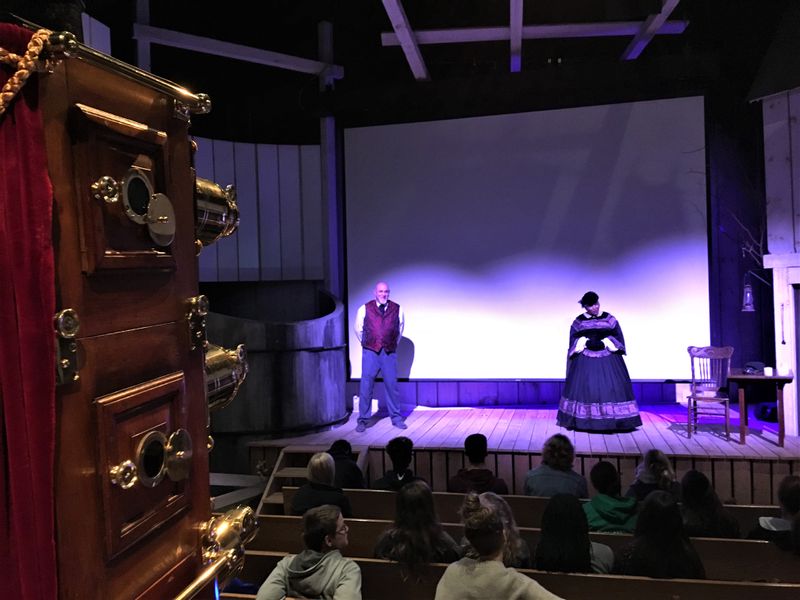
Without television, radio, or home internet, evenings turn toward reading, hymn singing, games, and visiting.
The Amish Experience in Bird in Hand, Pennsylvania, offers context that helps visitors understand why this matters.
When screens stay out, attention gathers around people in the room, not distant feeds.
Stories are read aloud, and laughter comes from the same table, not a headset.
Hymns lift in unison, slow and unaccompanied, filling rooms with layered harmony.
Children learn patience by listening, and adults find rest from a day spent outdoors.
Neighbors drop by, bringing news that travels by voice instead of posts.
Conversations move at a human pace, with pauses that feel comfortable, never empty.
Board games and puzzles encourage cooperation rather than solo scrolling.
On summer nights, porches become living rooms where buggies tap past like metronomes.
Winters invite quilting circles and shared projects that keep hands busy and minds present.
The Ordnung aims to protect this atmosphere from fragmentation that constant media can cause.
Visitors often describe the silence as full, not empty, because people fill it together.
That fullness builds memory, which becomes a family archive stronger than any timeline.
Across Pennsylvania, you can feel this in village lanes, where windows glow and voices carry gently.
11. The Ordnung Explained at Mennonite Life Visitors Center
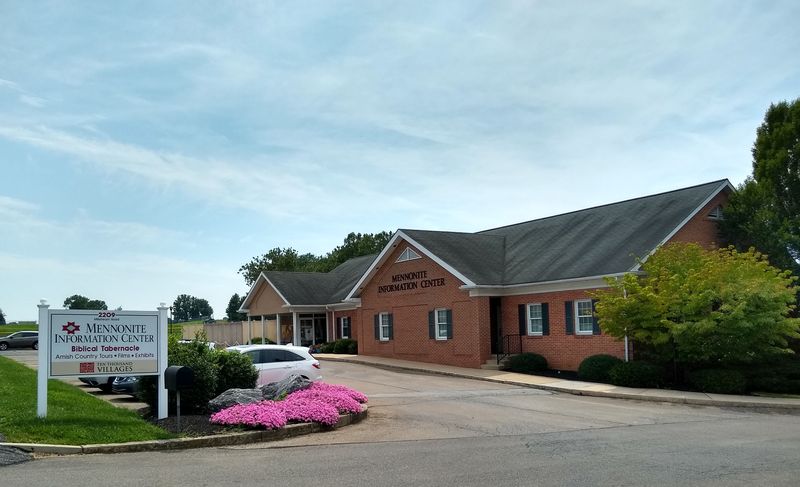
The Ordnung is an unwritten church framework that guides technology, dress, and daily conduct with community at its core.
Mennonite Life Visitors Center in Lancaster, Pennsylvania, provides exhibits that clarify how these decisions unfold.
Leaders and members discuss changes carefully, seeking unity rather than personal preference.
Outcomes vary by district, which explains why one township permits a tool another declines.
The aim is humility, service, and family focus, not nostalgia or spectacle.
By approaching modern tools selectively, communities preserve space for faith practices and mutual aid.
Rules are taught at home and in church, through example more than lecture.
When guidelines shift, they do so slowly, with deep listening and neighbor input.
Visitors often assume uniformity, yet real practice adapts to local concerns and occupations.
Farming, carpentry, and markets all shape how a community interprets boundaries.
The Ordnung is not a gadget list, it is a posture toward belonging and responsibility.
It asks whether a tool serves relationships or replaces them with distant attention.
Because choices are communal, pressure to chase every update quiets down.
That quiet enables stable schools, dependable work crews, and resilient households.
In Pennsylvania, understanding the Ordnung helps travelers read what they see with patience and respect.
Dear Reader: This page may contain affiliate links which may earn a commission if you click through and make a purchase. Our independent journalism is not influenced by any advertiser or commercial initiative unless it is clearly marked as sponsored content. As travel products change, please be sure to reconfirm all details and stay up to date with current events to ensure a safe and successful trip.
