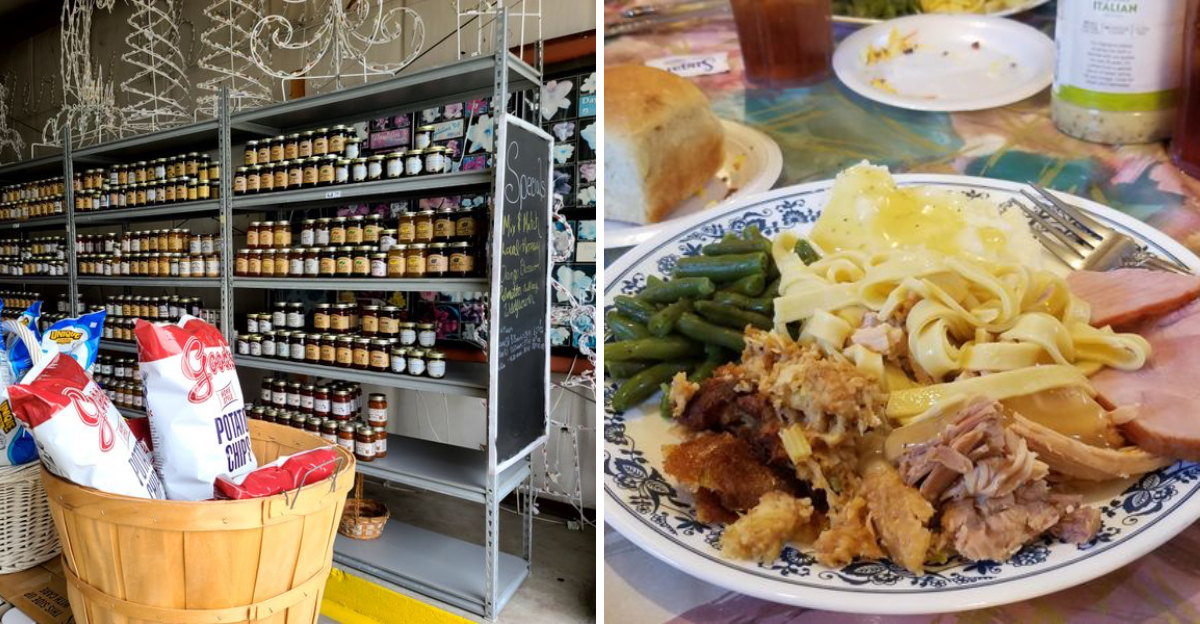
Locals in Oklahoma know something most outsiders don’t: tucked into the quiet corners of the western part of the state, there’s an Amish food tradition so untouched by time that it practically defies the modern world around it.
While food trends explode across social media and kitchens everywhere chase the next big flavor, Amish communities near places like Hydro and Corn are still preparing meals the way their great-grandparents did, not because they’re stuck in the past, but because what they do simply works.
Their food culture isn’t about Instagram-worthy plates or fusion experiments. It’s about rhythm, routine, and respect for ingredients that have proven their worth over generations.
Every loaf of bread, every jar of preserves, and every family meal tells a story of continuity in a world that rarely slows down. So what keeps this culinary tradition so remarkably stable?
The answers are rooted in practicality, community, and a way of life that prioritizes consistency over novelty. If you’ve ever wondered how a food culture can stay so unchanged while everything else races forward, you’re about to find out.
1. Food Built Around Routine, Not Demand
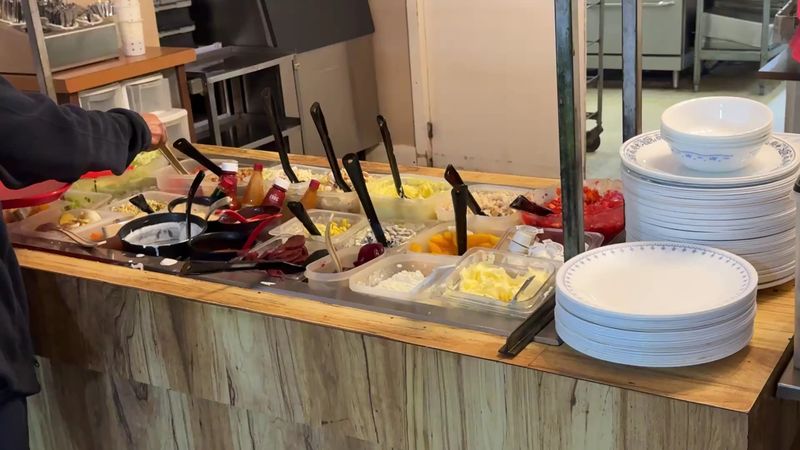
Amish kitchens in Oklahoma don’t operate on whims or cravings. Meals follow a predictable calendar shaped by the seasons and the week’s rhythm, where baking happens on certain days and butchering is scheduled months ahead.
There’s no scrambling to accommodate last-minute requests or chasing after trending ingredients because the system itself doesn’t allow for improvisation.
Everything revolves around what the land provides and what the schedule permits. Spring might bring fresh greens and early vegetables, while autumn ushers in canning season and root cellar preparations.
Winter means hearty, stored foods, and summer focuses on preservation for the colder months ahead. This cyclical approach removes the temptation to experiment with unfamiliar recipes or ingredients.
Families eat what’s ready, not what’s fashionable. Breakfast, lunch, and dinner maintain a steady cadence, with dishes repeated weekly in a rotation that everyone knows by heart.
Chicken and noodles might appear every Wednesday, while Sunday dinners always feature roast beef and mashed potatoes. Predictability isn’t boring here; it’s comforting and efficient.
Planning meals around availability rather than preference reinforces consistency across generations. Grandmothers, mothers, and daughters all learned the same rhythms, so recipes don’t drift or morph over time.
The structure itself acts as a guardrail, keeping food culture stable even as the outside world shifts rapidly.
Outsiders might see this as rigid, but within the community, it’s liberating. There’s no pressure to reinvent dinner every night or hunt down exotic ingredients.
The routine provides clarity, reduces waste, and ensures that everyone eats well without unnecessary complexity. That’s how tradition stays alive, one predictable, satisfying meal at a time.
2. Recipes Passed Hand to Hand

Walk into an Amish kitchen in Oklahoma and you won’t find glossy cookbooks stacked on shelves or recipe cards tucked into drawers. Knowledge here moves quietly, from one generation to the next, through observation and repetition rather than written instructions.
Young girls learn by standing beside their mothers and grandmothers, watching dough get kneaded, broth get seasoned, and pie crusts get crimped.
Measurements are rarely precise. A handful of flour, a pinch of salt, a dollop of lard, these vague terms make perfect sense to someone who’s done it a hundred times.
Recipes aren’t memorized from text; they’re absorbed through muscle memory and sensory cues. You know the dough is ready when it feels right, not because a timer says so.
This method of transmission preserves flavor profiles in ways that formal documentation can’t. Because each cook learns by doing, subtle techniques get passed along intact.
The way butter is worked into dough, the exact moment to pull bread from the oven, the rhythm of stirring gravy, all these details survive because they’re taught through experience, not explanation.
Without written recipes, there’s also less room for deviation. If you can’t read a variation or see a new technique online, you’re more likely to stick with what you were shown.
This natural limitation keeps dishes consistent across households and across decades.
Outsiders might worry that unwritten recipes could be lost, but the opposite is true. Because these methods are woven into daily life and community practice, they’re reinforced constantly.
Every meal becomes a lesson, every gathering a refresher course. That’s how recipes survive unchanged, not despite the lack of documentation, but because of it.
3. Ingredients Over Innovation
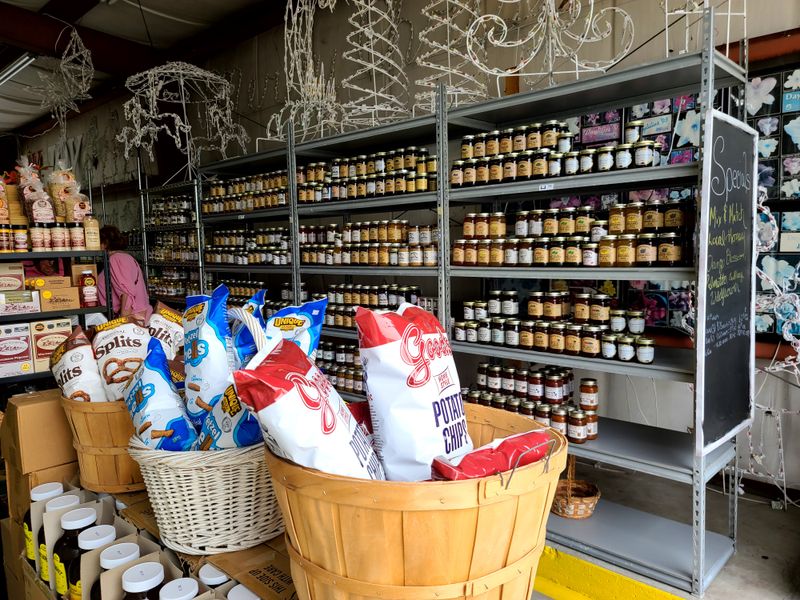
Amish menus in Oklahoma don’t expand to chase variety or novelty. Core staples remain central year after year: chicken and noodles, roast beef, mashed potatoes, homemade bread, and fruit pies.
These dishes aren’t chosen for excitement; they’re chosen for reliability, yield, and the ability to feed large families efficiently.
Ingredients are selected based on what grows well locally and what stores easily. Potatoes, onions, carrots, cabbage, apples, these are the workhorses of Amish cooking because they’re abundant, affordable, and versatile.
Meat comes from animals raised on the farm, so there’s no need to shop for specialty cuts or explore exotic proteins.
This focus on a narrow range of ingredients naturally limits experimentation. When your pantry contains the same items week after week, your cooking stays consistent.
There’s no temptation to try a new spice blend or fusion recipe because those ingredients simply aren’t available. The system self-regulates through scarcity of options.
Simplicity also means efficiency. When everyone knows how to prepare the same dozen dishes, meal preparation becomes faster and more collaborative.
Multiple family members can pitch in without needing instructions, because the process is second nature. This collective knowledge reinforces the status quo.
Outsiders might view this as monotonous, but within the community, it’s deeply satisfying. Familiar flavors bring comfort, and well-executed basics never disappoint.
There’s pride in making a perfect loaf of bread or a flaky pie crust, not in inventing something new. Excellence through repetition, not innovation, is the goal.
That’s why these dishes endure, generation after generation, without alteration or apology.
4. Preservation as a Foundation
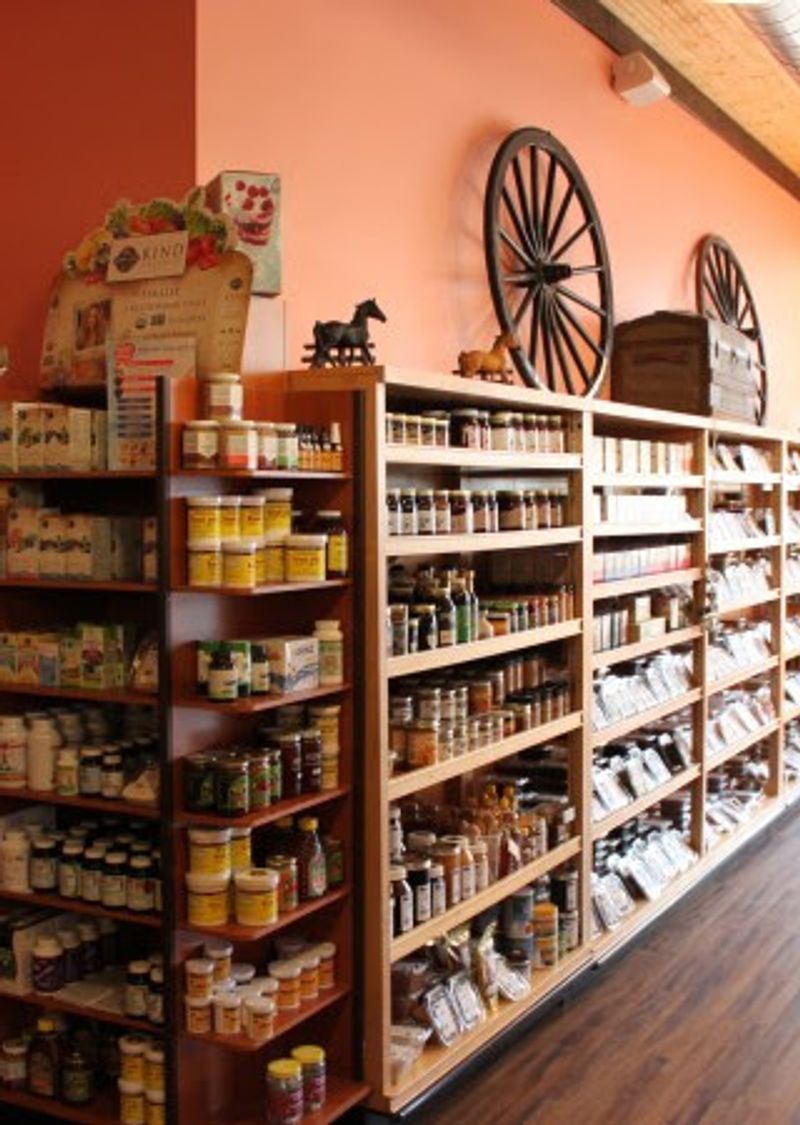
Canning, drying, and cellar storage aren’t quaint hobbies in Amish Oklahoma, they’re essential survival strategies. Food culture here evolved around long-term planning because refrigeration and grocery stores aren’t part of the equation.
Every summer harvest must stretch through winter, which means preservation techniques are practiced with precision and care.
Rows of glass jars line cellar shelves, filled with tomatoes, green beans, peaches, pickles, and jellies. Root vegetables nestle in bins of sand, apples rest in cool, dark corners, and dried herbs hang from rafters.
This stored bounty dictates what gets cooked and when, creating a natural calendar of meals based on what’s available.
Because preservation is labor-intensive and time-consuming, there’s little appetite for experimentation that could risk spoilage or waste. Proven methods are repeated because they work, and deviating from them could mean losing precious food.
This practical concern reinforces adherence to traditional recipes and techniques.
Preservation also connects generations. Grandmothers teach granddaughters how to pack jars correctly, process them safely, and store them properly.
These skills are passed down with the same care as the recipes themselves, creating a continuous thread of knowledge that spans decades.
The rhythm of preservation shapes the entire year. Spring means planting, summer means harvesting and canning, fall means butchering and drying, and winter means eating from stores.
This cycle repeats endlessly, with each generation following the same patterns their ancestors did. It’s not nostalgia driving this practice; it’s necessity.
And that necessity keeps food culture stable, unchanged, and deeply rooted in practical wisdom that has proven its worth time and time again.
5. Limited Outside Influence

Amish communities in Oklahoma don’t watch cooking shows, scroll through food blogs, or follow celebrity chefs on social media. Media exposure is intentionally limited, which means food trends that dominate mainstream culture never reach these kitchens.
Avocado toast, kale smoothies, and artisan ramen remain completely foreign concepts.
Without constant outside input, internal standards remain dominant. What’s considered good food is defined by the community itself, not by external influencers or marketing campaigns.
Taste preferences stay consistent because they’re not being challenged or reshaped by new ideas flooding in from elsewhere.
Dining out is rare, so there’s no exposure to regional cuisines or international flavors that might inspire experimentation. Meals are eaten at home, with family, prepared by family members who learned from other family members.
This closed loop of culinary knowledge keeps change at bay.
When change does happen, it moves slowly and collectively. A new recipe might be introduced by a visiting relative or discovered through a community connection, but it’s evaluated carefully before being adopted.
If it doesn’t fit within existing values or ingredient availability, it’s quietly set aside.
This isolation isn’t accidental; it’s intentional. The Amish lifestyle prioritizes separation from mainstream culture to preserve religious and social values.
Food is just one aspect of that separation, but it’s a powerful one. By controlling what influences enter the community, they control how food culture evolves, or doesn’t.
Outsiders might see this as closed-mindedness, but within the community, it’s protection. It shields families from the constant pressure to change, upgrade, and chase trends.
It allows them to maintain a food culture that serves their needs perfectly, without interference from a world that doesn’t share their values or priorities.
6. Community Meals Reinforce Consistency
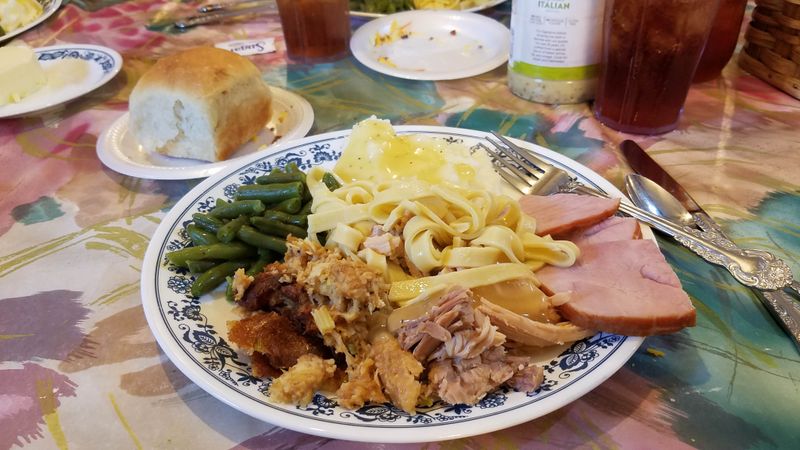
Church gatherings, barn raisings, and shared workdays are central to Amish life in Oklahoma, and food is a major part of these events. When dozens or even hundreds of people gather, meals must be efficient, familiar, and satisfying.
Deviation from expected dishes becomes impractical because coordination depends on everyone knowing the plan.
Cooks bring dishes they’ve made countless times, ensuring quality and consistency. No one shows up with an experimental casserole or a trendy appetizer.
Instead, tables fill with chicken and noodles, ham and beans, mashed potatoes, coleslaw, dinner rolls, and pies, the same reliable favorites that everyone expects and enjoys.
These communal meals reinforce culinary standards across households. When families eat together regularly, they notice what works and what doesn’t.
Recipes that stand out as particularly good get shared and replicated, while variations that fall flat are quietly abandoned. The collective palate acts as a quality control mechanism.
Preparation for these events also involves multiple generations working side by side. Young women help older women cook, learning techniques and expectations in real time.
The scale of cooking for large groups teaches efficiency and reinforces the importance of sticking to proven methods.
Shared meals also create accountability. If your dish doesn’t meet community standards, it’s noticed.
This social pressure encourages cooks to maintain quality and consistency rather than experimenting with risky changes. Excellence is measured by how well you execute traditional dishes, not by how creative you are.
Outsiders might see this as conformity, but within the community, it’s cohesion. These meals strengthen bonds, affirm shared values, and create a sense of belonging.
And they ensure that food culture stays stable, because everyone is literally eating the same thing, prepared the same way, year after year.
7. Why It Endures
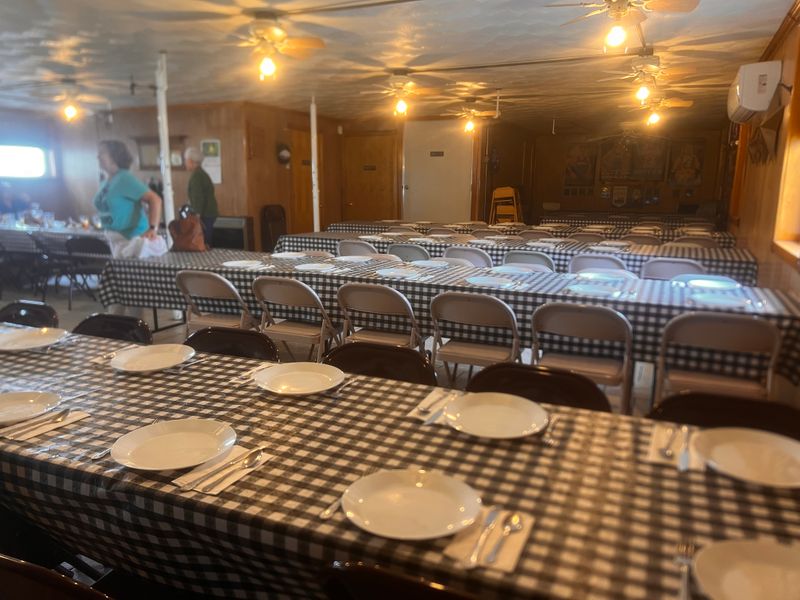
Amish food culture in Oklahoma stays unchanged because it works. It feeds large families efficiently, respects time and resources, minimizes waste, and aligns perfectly with broader values of humility, simplicity, and community.
There’s no reason to fix what isn’t broken, and within these communities, the food system functions beautifully.
Outsiders often interpret the lack of evolution as resistance to progress, but that misses the point entirely. Progress, in the Amish view, isn’t measured by novelty or complexity.
It’s measured by sustainability, reliability, and alignment with values. By those standards, their food culture is already as advanced as it needs to be.
The system is self-reinforcing. Farming practices dictate ingredients, religious values shape preparation, community expectations guide presentation, and daily practice ensures continuity.
Each element supports the others, creating a stable structure that resists external pressure to change.
There’s also no commercial incentive to innovate. Amish families aren’t trying to attract customers, win awards, or go viral on social media.
They’re simply feeding themselves and their neighbors, which removes the competitive pressure that drives culinary evolution in mainstream culture.
Preservation isn’t an act of defiance or nostalgia, it’s an act of usefulness. These recipes have proven their worth over decades, feeding generations without fail.
They’re efficient, delicious, and deeply satisfying. Why would anyone abandon something that serves them so well?
What outsiders see as stagnation, the Amish see as stability. What looks like limitation is actually freedom from the exhausting cycle of trends and constant reinvention.
Their food culture endures because it serves its purpose perfectly. And in a world obsessed with the next big thing, there’s something quietly powerful about a community that says, with confidence, that what they have is already enough.
That’s the real story of Amish food in Oklahoma, unchanged and unapologetic.
Dear Reader: This page may contain affiliate links which may earn a commission if you click through and make a purchase. Our independent journalism is not influenced by any advertiser or commercial initiative unless it is clearly marked as sponsored content. As travel products change, please be sure to reconfirm all details and stay up to date with current events to ensure a safe and successful trip.
