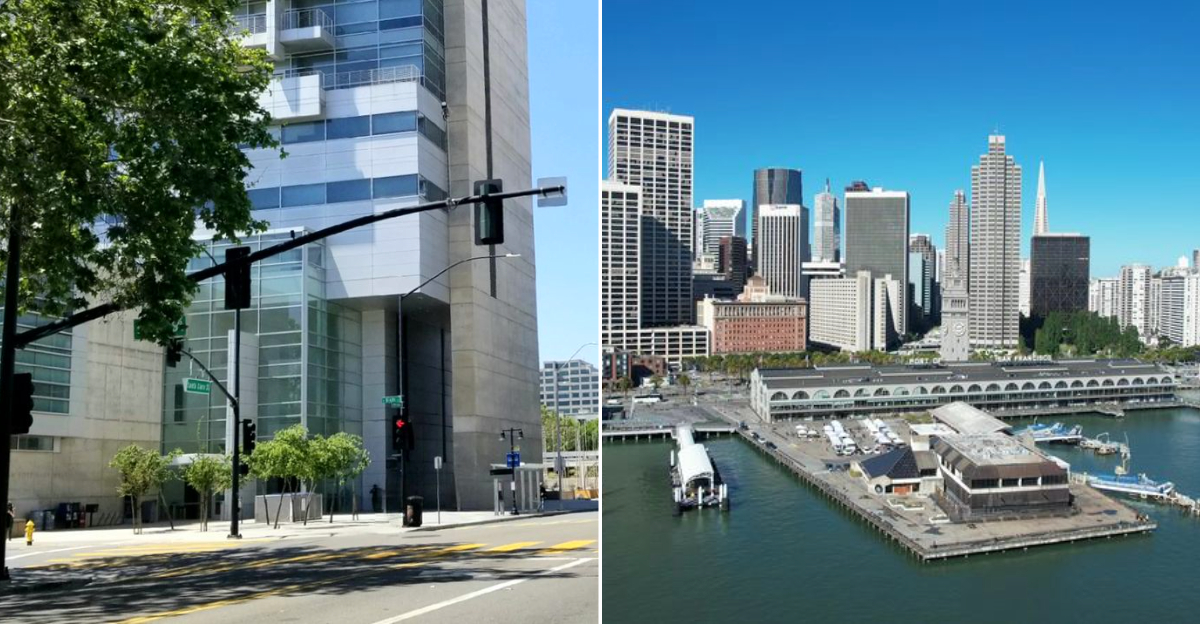
You wonder why California feels like a dream and a headache at the same time? That is what it feels like right now, and you notice it in the most ordinary moments.
You notice it hunting for a studio near work, juggling roommates, or doing mental math on gas before you even leave the driveway. Stories keep popping up about people bouncing between sublets, crashing on couches, or stretching commutes longer than they ever planned.
It feels less like a lifestyle choice and more like constant improvisation. The state still pulls people in with its promise, but the day-to-day reality can quietly drain the excitement out of it.
If you have ever wondered why California feels both magnetic and exhausting at the same time, this is where those threads start to knot together.
Tourism Increased Demand In Desirable Neighborhoods
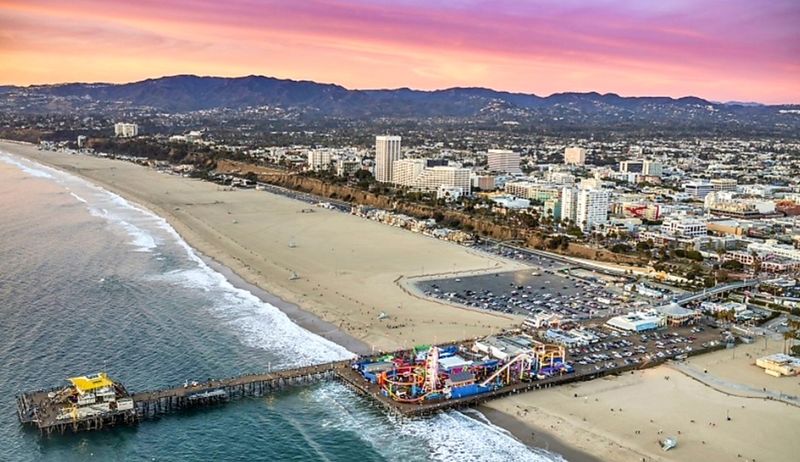
You have seen it happen in Santa Monica, right as the ocean air hits you and every block feels like a postcard. Popularity does not just bring visitors, it brings pressure on every bedroom within walking distance of the sand.
Check out Santa Monica Pier. The boardwalk energy spills into the streets where apartments used to feel reachable for people working nearby.
When more folks want to be there, even for a short stay, landlords notice and recalibrate expectations.
Suddenly a one bedroom is competing with a constant line of people who only need it for a handful of nights.
The vibe looks lovely from the outside. From the inside, you feel the churn as leases get shorter and turnover speeds up.
I have watched friends accept longer commutes just to keep a sliver of that beach life. It is a trade that seems small at first and grows bigger with every hour on the freeway.
Tourism is not the villain, but it nudges the floor up.
Then that higher floor becomes the new normal, stretching across nearby blocks and into the next city.
Walk around at sunset and you can sense the tension hiding behind those pastel facades. Beautiful place, tight squeeze.
Short Term Rentals Reduced Long Term Housing Supply
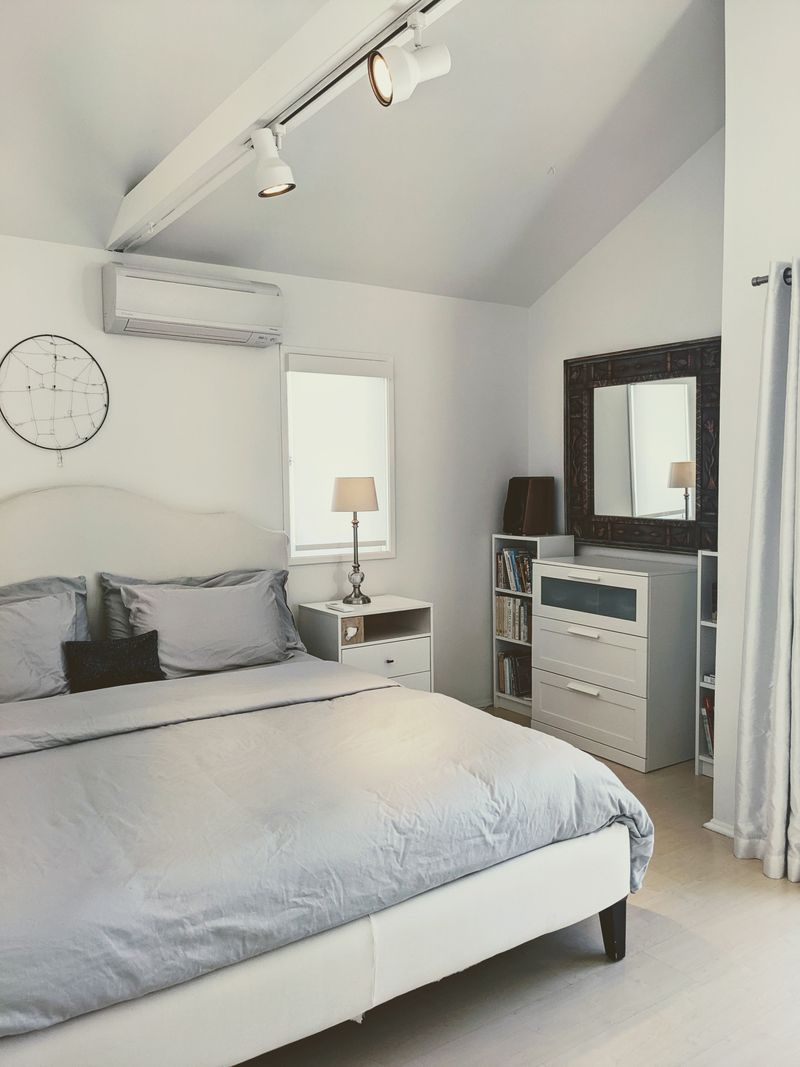
Let me point you to Venice, where the canals are quiet but the streets behind them turn over like a deck of cards.
The address you will probably plug in is Venice Canals.
When homes cycle through short stays, a handful of long leases quietly vanish. That is not theoretical, it shows up as fewer available listings when you actually start searching.
Hosts see quick demand and go that route. Tenants see shrinking options and brace for competition they cannot even meet.
I have walked past cute bungalows that feel more like rotating stage sets than places neighbors grow into. It is charming until you need a mailbox with your name on it.
Short stays change how buildings operate day to day. They change who walks your hallway, and how attached anyone feels to the block.
City rules try to steer the balance, but the market pushes hard.
When nights pay more than months, the math is loud.
If you want to live nearby and not just visit, you end up hunting further east. That is how ripple effects become road maps for daily life.
Investor Purchases Shifted Local Housing Markets
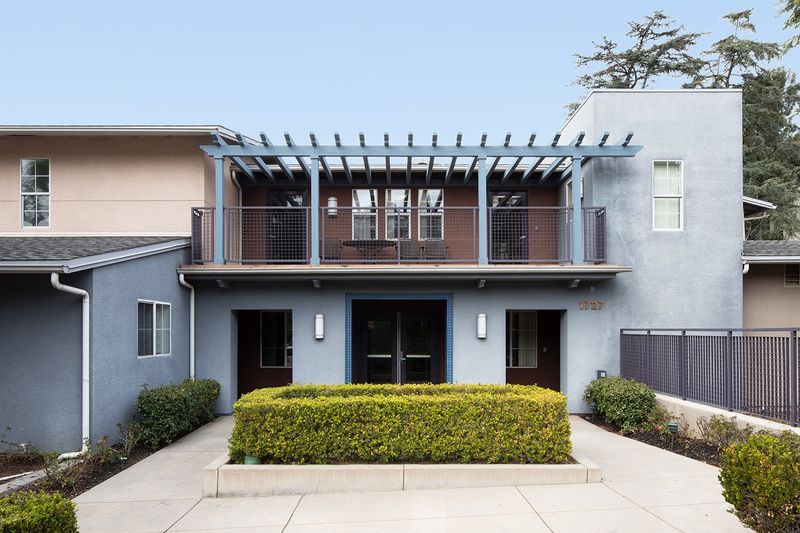
You can feel this most clearly walking through Echo Park, climbing the hill toward the lake. For sale signs pop up, and before you blink the place is flipped, cleaned, and priced like a different season.
Investor money moves fast, which means the timing rarely favors a regular renter.
Listings get bundled, refreshed, and reintroduced at numbers that set a new ceiling.
I have watched buildings switch hands with tenants still hauling laundry upstairs. The deal changes, and then everything around it does too.
Street by street, the comps climb. Even people who planned to stay long term start to wonder if the ground beneath them is shifting.
Investors are not a monolith, but the strategy often relies on turning potential into premium.
Neighborhood character becomes part of the product, and the price takes the lead.
When enough properties get repositioned, the market stops looking backward. It looks only at the top of the last sale and pushes a little higher.
If you are trying to hold onto your place, the headwind is real. That is the part you feel on a Tuesday, not just in headlines.
Wages Failed To Keep Pace With Rising Rents
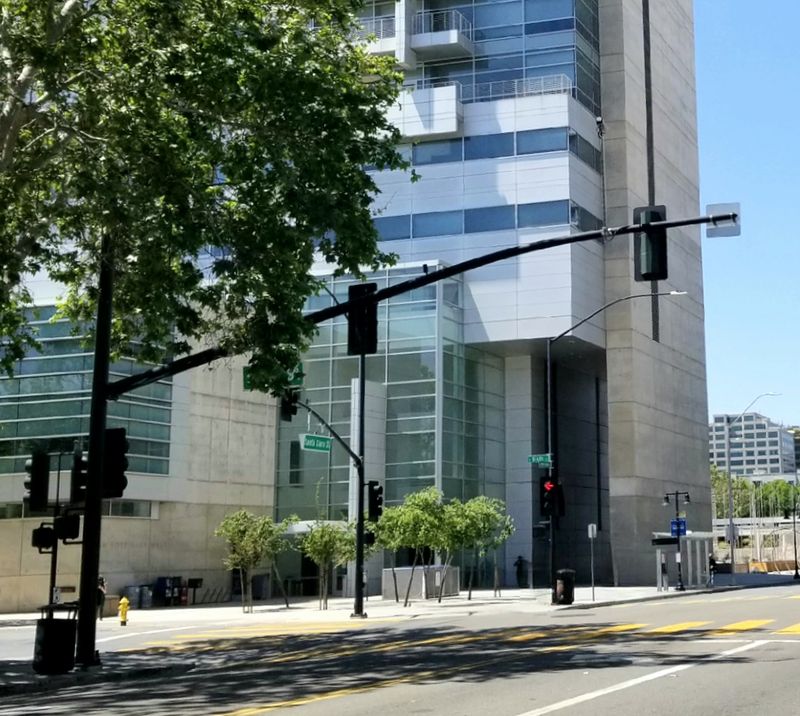
This one lands hardest in San Jose, and puts you near the core. Offices glow, buses hum, and yet the spreadsheet at home refuses to line up with reality.
Rents moved like a bullet train while paychecks took the local line.
That mismatch strips away choices you used to take for granted.
Friends stack roommates like puzzle pieces to keep their commute within reason. Others push farther out along the light rail and learn to live by timetables.
California has a way of stretching your ambition and your budget at the same time. When your rent grows faster than your raise, that stretch becomes a strain.
Walking past midrise buildings, you see plenty of lights on at night.
You also hear quiet conversations about moving, saving, and whether to hang on another year.
It is not dramatic, it is daily life math. That math shapes where you sleep, and how long you stay in a job you might otherwise leave.
If wages catch up, the pressure loosens. Until then, people get very good at juggling.
Seasonal Demand Turned Into Year Round Pressure
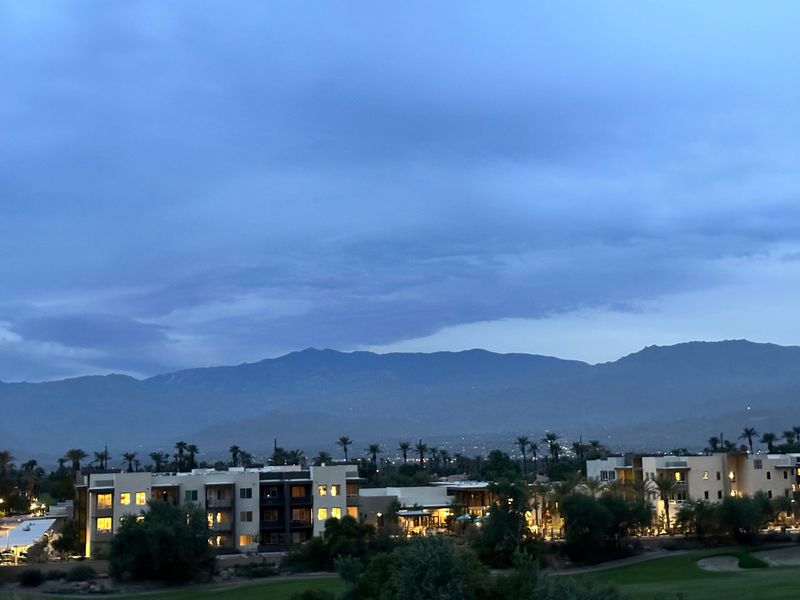
In Palm Springs, the calendar used to predict the crowd. Lately, the on season stretches until it barely has edges.
Seasonal surges that once felt temporary now feel like the baseline.
Landlords plan for it, and long term renters pay for it.
Short stays blur into conferences and events. What felt like a pulse becomes a constant heartbeat.
Neighbors who loved the quiet shoulder months are adjusting to a new rhythm. It is not unfriendly, just relentless.
I have stayed in places that looked calm from the curb and buzzed inside with rolling suitcases. That churn makes it tough to settle in.
Year round attention keeps the streets tidy and lit.
It also keeps vacancy slim, which nudges rents up when renewals roll around.
If you are aiming to plant roots, you might start scouting further down the valley. The map of possibilities shifts with the tempo.
Service Workers Were Hit First And Hardest
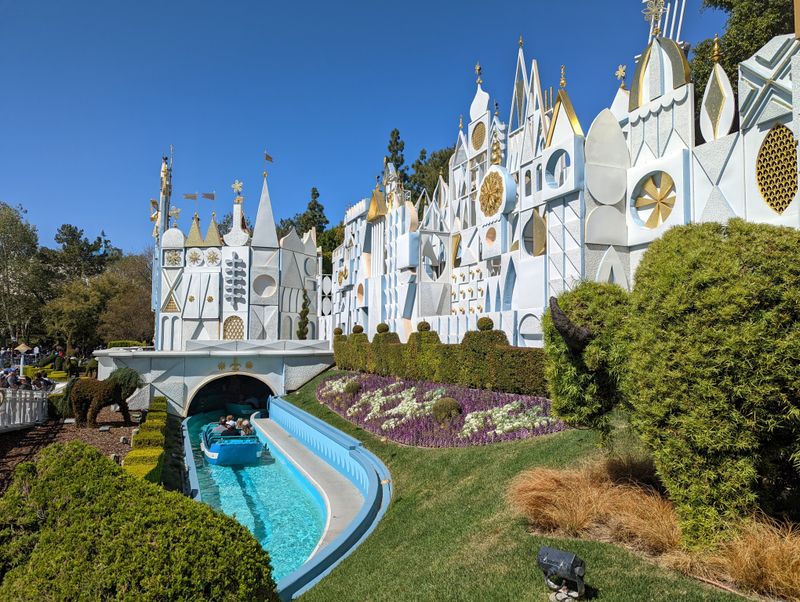
Walk near Anaheim Resort, and think about who keeps it all running. Those workers often commute from farther than you would guess.
When demand climbs near attractions, nearby rents rise ahead of pay.
The people opening gates and sweeping sidewalks feel that first.
I have chatted with folks timing buses down to the minute. They calculate transfers the way others calculate square footage.
The housing search becomes a daily route, not a one time project. Over time, that route stretches through more zip codes.
California hospitality thrives on steady hands. Those hands need steady housing to keep showing up with energy.
Some cities try to add workforce units, and that helps in pockets.
The gap still shows up every morning when the first shift begins.
If the people who serve the crowds cannot live nearby, the whole system strains. You can feel it in the waits and the weariness on faces heading home.
Coastal And Gateway Cities Felt The Effects Early
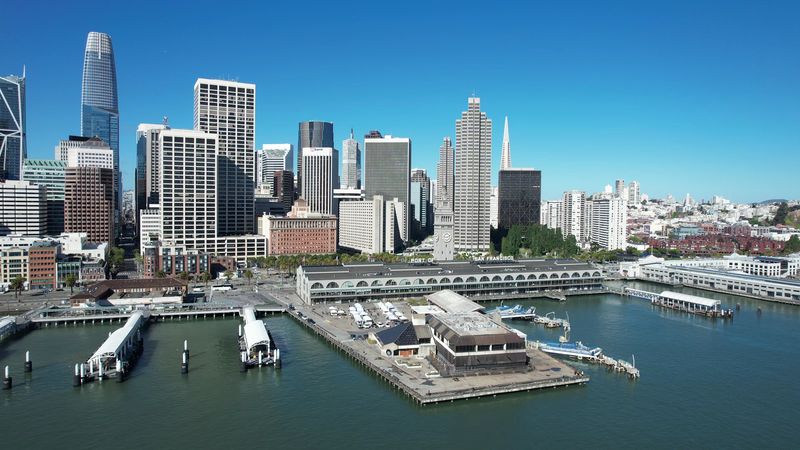
San Francisco gives you the headline version, and you can stand at Ferry Building to feel the pull. Water glitters, ferries come and go, and everyone wants a slice of that life.
Gateway cities collect arrivals and ambition.
They also collect high asking rents that ripple inland.
I remember couch hopping near Market Street and thinking it would be quick. It was not, because every listing had a line and a story.
The coastal draw is real for work and weather. The stretch comes later, when renewal time turns wishful.
Across the bay in Oakland, the shift shows up in converted lofts and live work halls.
In Los Angeles, it shows up in old warehouses with new paint and new rules.
California built its legend on open doors. Those doors are still open, but the doormat costs more than it used to.
If you start on the coast and slide inland, you can map the gradient in rent by the mile. The view changes, the math follows.
Communities Struggled To Balance Growth And Stability
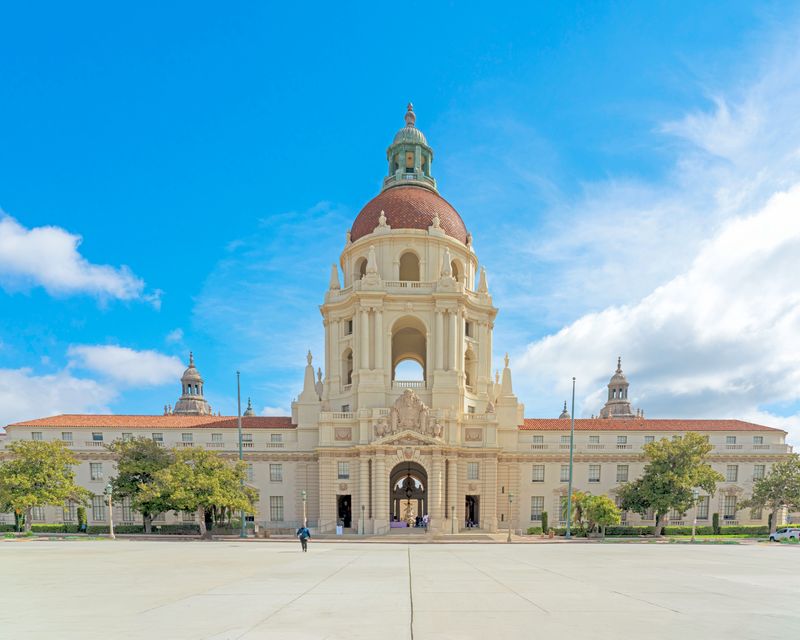
Head to Pasadena City Hall to see where the big balancing act gets debated. Growth feels necessary, and stability feels sacred.
New buildings promise more homes, but neighbors worry about shade, traffic, and identity.
You can understand both sides while still wanting keys for people priced out.
I have sat through meetings where plans shift a block at a time. The compromises look tiny on paper and huge on your street.
California towns try design standards and height steps. They try incentives for affordability that depend on careful timing.
It is hard to talk about density without talking about memory.
People remember why they moved there, and they want those reasons to stick.
Still, the math wins if there are not enough doors for the people who need them. That is the quiet truth in every testimony.
If a city lands the balance, you feel it in the calmer pulse of leasing season. It is rare, but it is possible.
Displacement Altered Neighborhood Identity
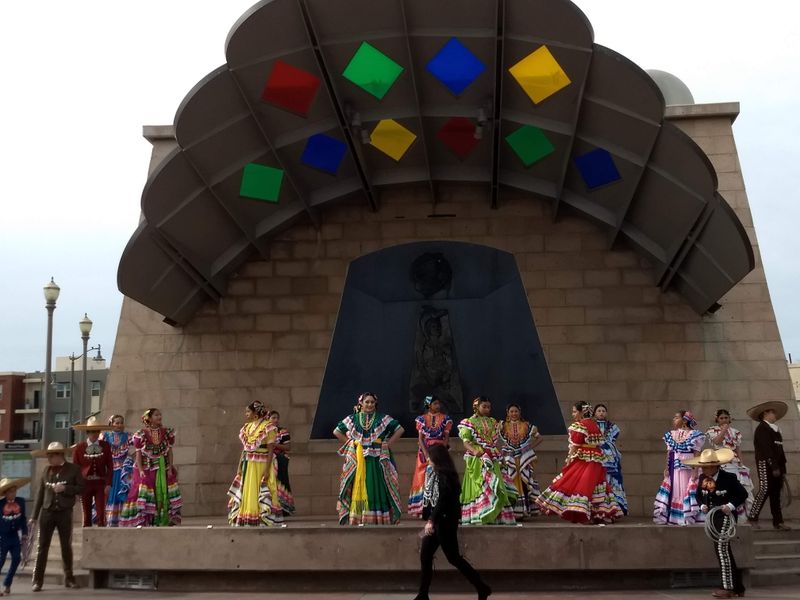
In Boyle Heights, stand near Mariachi Plaza at 1831 E 1st St, Los Angeles, CA and listen to the music hanging in the air. Then imagine the rent sheet changing faster than the set list.
When longtime tenants move, the sound of a block shifts. It is not just language, it is rituals, murals, and how late porches stay lit.
I have watched moving trucks pull up before dawn. Folks leave carefully, like they are trying not to wake the memories.
New arrivals are not the problem by themselves. The pace is the problem, because culture needs time to breathe.
California neighborhoods carry history inside their walls. When leases break in clusters, the stories scatter before someone can gather them.
Community groups try to stabilize with legal help and local plans. Sometimes it works, sometimes the clock runs faster.
If people can return after construction, the thread reconnects. If not, the song changes key and never quite lands back where it was.
Housing Became The Hidden Cost Of Popularity
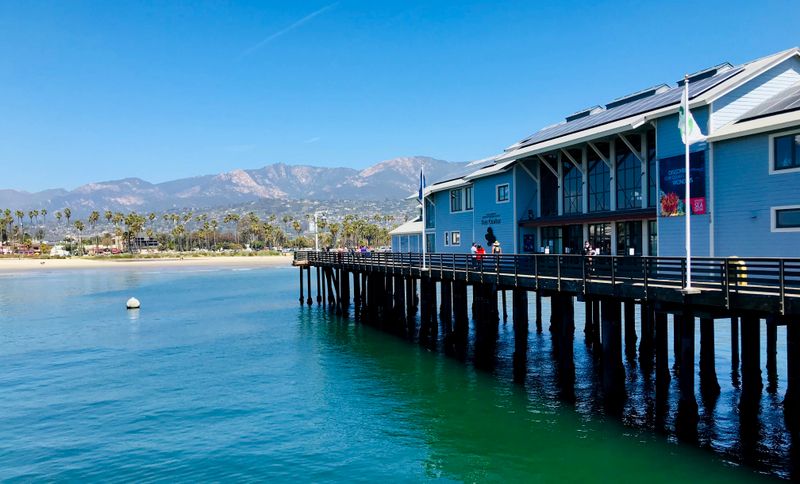
By the time you reach Santa Barbara, stop at Stearns Wharf and take in the coastline. It is gorgeous, and the price of that beauty shows up in lease terms and waiting lists.
The hidden cost is not the one on the postcard.
It is the one built into every extra mile you drive and every backup plan you keep.
I have felt it as a quiet tax on time. You pay in scheduling, in second choices, in the constant scan for an opening.
California can still feel worth it on a blue sky morning. The trick is finding a home that lets you enjoy that morning without counting the hours.
Popular places accumulate a backlog of demand and hope. That backlog spills into side streets and neighboring towns until the map looks rearranged.
When people talk about quality of life, they mean a front door that fits.
They mean a commute that does not swallow the evening.
If you name the cost clearly, you can plan around it with less guesswork. That is where relief starts, even before the leases do.
