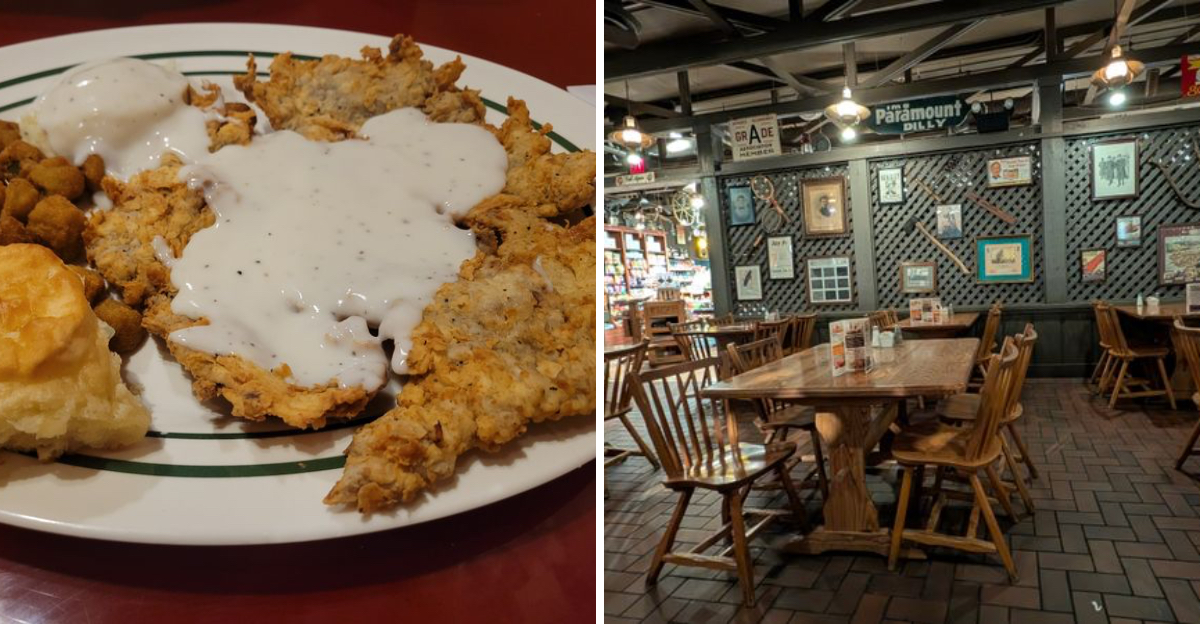
Locals in Oklahoma will tell you chicken-fried steak isn’t just dinner, it’s a way of life, but can one dish really define an entire state’s identity? Some say it’s the ultimate comfort food, while others argue it’s overrated tourist bait that gets too much hype.
What started as a simple working-class meal has somehow transformed into a cultural icon that shows up at diners, fancy restaurants, state fairs, and even backyard cookouts across the Sooner State.
Whether you think it’s the best thing to ever hit a plate or just another fried food fad, there’s no denying that chicken-fried steak has carved out a legendary spot in Oklahoma’s heart and stomach.
1. German and Austrian Roots Planted the Seed
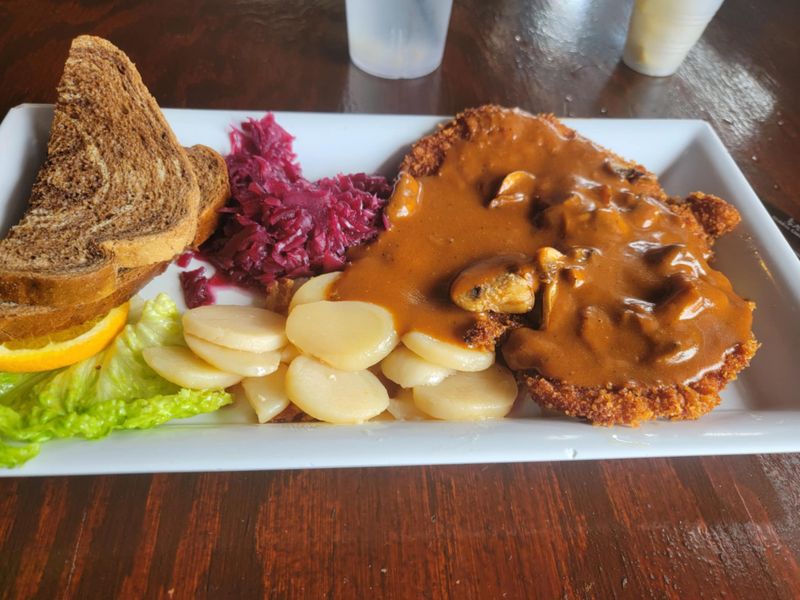
Immigrants from Central Europe brought their schnitzel traditions to the American heartland during the late 1800s, and those crispy, breaded cutlets found fertile ground in Oklahoma Territory.
German and Austrian settlers adapted their beloved wiener schnitzel recipe to use the cheaper, tougher cuts of beef readily available on the frontier.
Instead of the tender veal they once knew back home, these pioneers pounded out round steak until it was thin and manageable. They dredged it in seasoned flour, fried it in hot lard, and served it with gravy made from the pan drippings.
This wasn’t fancy cuisine; it was survival cooking that turned humble ingredients into something hearty and filling.
Oklahoma’s early ranching economy meant beef was plentiful, even if prime cuts weren’t always affordable for working families. The technique of tenderizing through pounding and frying made even the chewiest steak edible and delicious.
Over time, these European cooking methods merged with Southern frying traditions already present in the region.
By the early 20th century, this fusion dish had taken on a life of its own, distinct from its schnitzel origins. It became a staple in boarding houses, cafes, and home kitchens across Oklahoma, setting the stage for a culinary phenomenon that would eventually define the state’s food identity for generations to come.
2. Working-Class Meal That Stretched Every Dollar
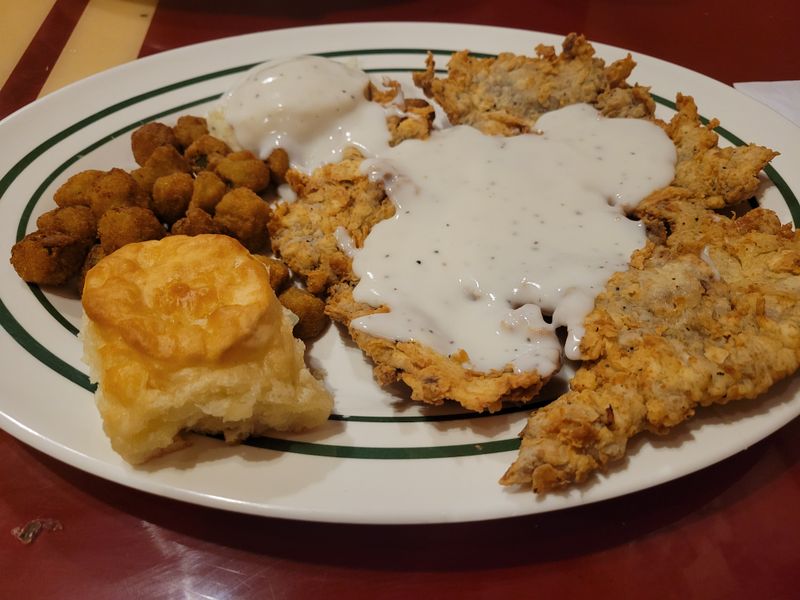
Ranch hands, oil field workers, and farm laborers needed fuel to power through grueling 12-hour days under the Oklahoma sun, and chicken-fried steak delivered maximum calories without breaking the bank.
Cheap cuts of beef cost pennies per pound, and a little flour, salt, and pepper could transform them into a satisfying meal that stuck to your ribs.
Cafe owners and boarding house cooks discovered they could feed hungry workers generously while keeping food costs low. One steak, pounded thin and fried golden, covered an entire plate and looked like abundance even when budgets were tight.
The accompanying cream gravy, made from leftover frying oil, flour, and milk, added richness without requiring expensive ingredients.
During the Dust Bowl and Great Depression years, this dish became even more important as families struggled to put food on the table. Oklahoma cooks became experts at making a little meat go a long way, and chicken-fried steak embodied that resourceful spirit perfectly.
It wasn’t about gourmet dining; it was about surviving tough times with dignity and flavor.
Blue-collar workers came to associate the dish with honest labor and community, sharing meals at local diners where everyone knew your name.
That working-class pride remains woven into the chicken-fried steak tradition today, reminding Oklahomans of their resilient roots and the value of simple, satisfying food done right.
3. Diners and Truck Stops Spread the Gospel
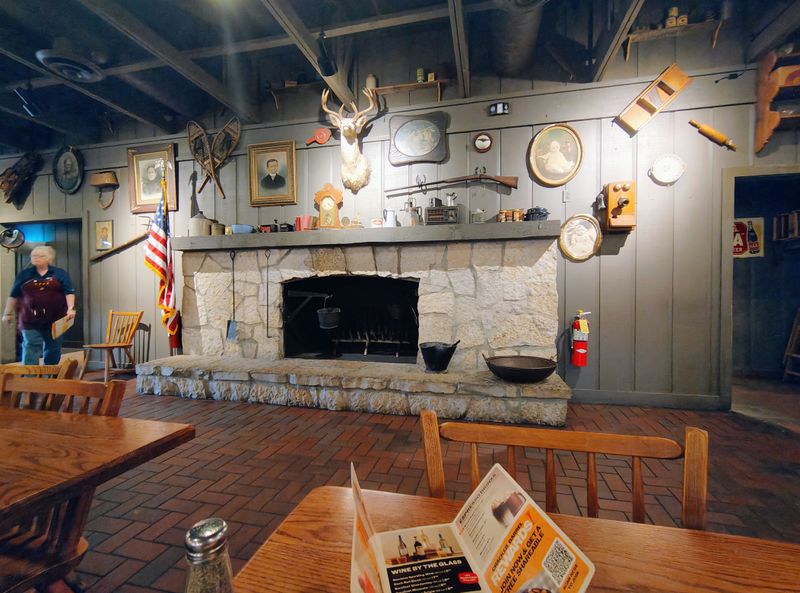
Route 66 cut straight through Oklahoma, bringing travelers from across America who stopped at roadside diners and discovered this regional specialty that quickly became legendary.
Mom-and-pop restaurants along the highway served chicken-fried steak as their signature dish, and word spread fast among truckers, tourists, and road-trippers.
These establishments weren’t trying to be fancy; they offered honest food, generous portions, and prices that anyone could afford. The open kitchens let customers watch cooks pound out steaks, dip them in batter, and drop them into sizzling fryers.
That transparency built trust and turned first-time visitors into lifelong fans who returned year after year.
Truck stops became unofficial chicken-fried steak headquarters, where drivers compared notes on which joints served the best version between Tulsa and Oklahoma City. Some places earned reputations that spread across state lines, with people driving hours out of their way just to taste a particular cook’s recipe.
The dish became a point of regional pride, with each diner claiming their version was the authentic original.
As highways expanded and more travelers passed through Oklahoma, these diners became ambassadors for the state’s food culture.
Visitors left with full bellies and stories about the massive, crispy steaks they’d encountered, spreading chicken-fried steak’s reputation far beyond Oklahoma’s borders and cementing its status as a must-try regional treasure.
4. Every Grandmother Had Her Secret Recipe
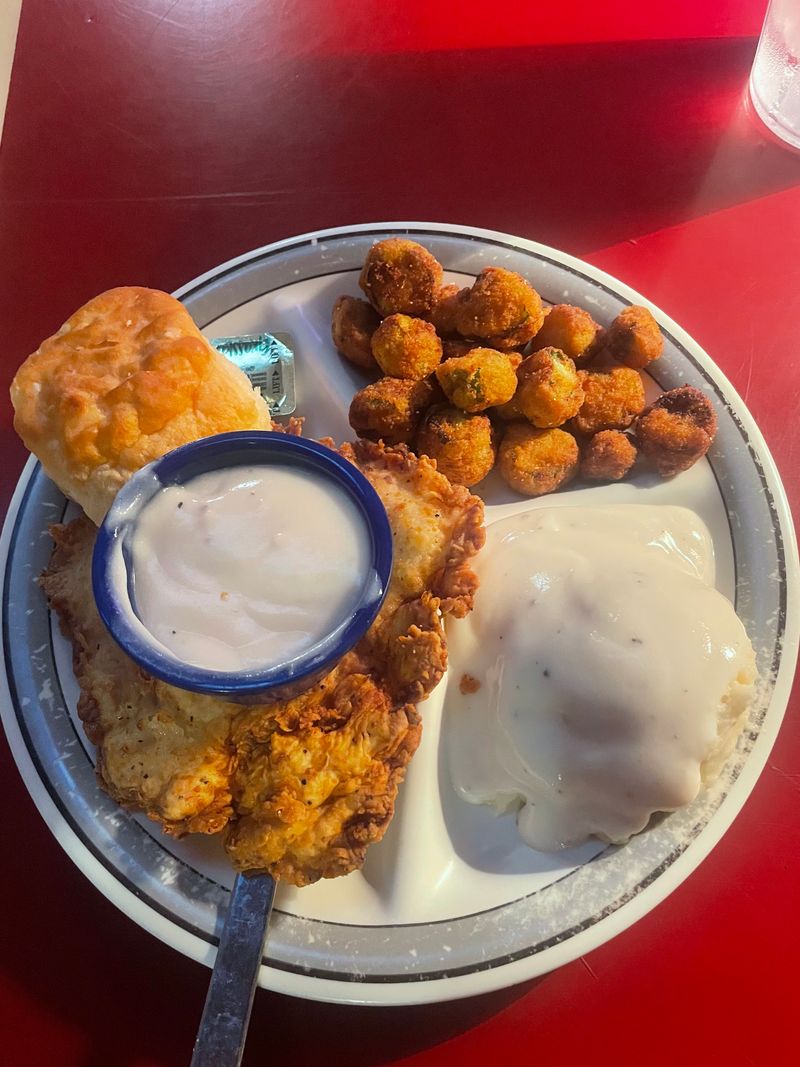
Walk into any Oklahoma home on Sunday afternoon and you’d likely smell the unmistakable aroma of steak frying in cast iron, each family guarding their particular method like a precious heirloom.
Some grandmothers swore by buttermilk in the batter, while others insisted on plain flour with a secret blend of spices passed down through generations.
The pounding technique varied from kitchen to kitchen: some used meat mallets, others favored the edge of a heavy plate, and a few claimed a rolling pin worked best. Frying temperatures, oil choices, and gravy recipes all differed, creating thousands of unique variations across the state.
Family reunions often featured friendly debates about whose version was truly superior.
These recipes rarely got written down; instead, they lived in muscle memory and oral tradition, taught to daughters and granddaughters through hands-on practice. Young cooks learned by watching, absorbing the subtle techniques that made each family’s chicken-fried steak distinctive.
The dish became a way to connect with ancestors and maintain cultural continuity across generations.
Even as restaurants popularized chicken-fried steak, home cooks maintained that nothing could match a grandmother’s version made with love in her own kitchen.
That emotional connection transformed the dish from mere sustenance into a symbol of family bonds, childhood memories, and the comfort of home cooking that no commercial establishment could fully replicate.
5. State Fair Competitions Made It Official

Oklahoma’s state fair transformed chicken-fried steak from beloved regional dish into official cultural icon by hosting cooking competitions that drew contestants from every corner of the state.
Cooks brought their best recipes, competing for bragging rights and trophies that would cement their place in Oklahoma culinary history.
Judges evaluated entries on crust crispiness, meat tenderness, gravy consistency, and overall flavor, creating standards that helped define what made chicken-fried steak truly exceptional. These competitions generated intense local interest, with crowds gathering to watch the judging and sample the entries.
Winners became celebrities in their communities, their recipes sought after and their techniques studied by aspiring cooks.
The fair competitions also sparked good-natured rivalries between different regions of Oklahoma, each claiming their area produced the superior version. Eastern Oklahoma cooks might favor one style, while those from the Panhandle swore by another approach.
These friendly feuds only increased public fascination with the dish and encouraged innovation within traditional boundaries.
Media coverage of the competitions spread chicken-fried steak’s fame even further, with newspapers and television stations treating the contests as serious cultural events worthy of extensive reporting.
The state fair essentially crowned chicken-fried steak as Oklahoma’s unofficial official dish years before any legislative action, giving it a legitimacy that transcended mere popularity and elevated it to cultural treasure status.
6. Restaurants Built Entire Reputations on One Dish
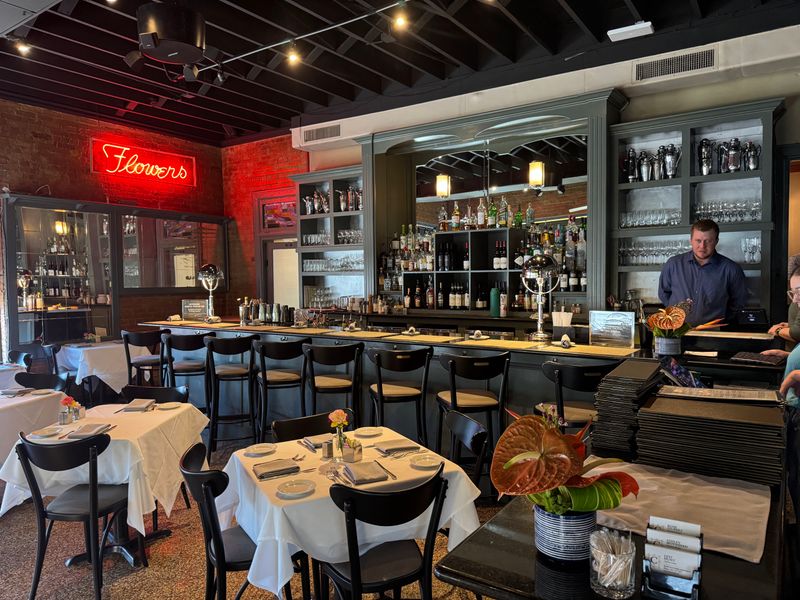
Certain Oklahoma restaurants staked their entire business model on serving the best chicken-fried steak in town, and customers responded by packing their dining rooms day after day. These establishments didn’t need diverse menus or trendy concepts; they perfected one dish and let their reputation do the marketing.
Lines stretched out the door at lunch and dinner, with locals willing to wait an hour for a table because they knew the experience would be worth it. Some places served hundreds of chicken-fried steaks daily, their kitchens operating like well-oiled machines dedicated to this single culinary mission.
The consistency and quality built loyal followings that spanned decades.
Owners became local celebrities, their names synonymous with chicken-fried steak excellence in their communities. People gave directions using these restaurants as landmarks, and visiting them became a rite of passage for newcomers to the area.
The success of these single-dish specialists proved that Oklahomans valued mastery over variety.
Many of these restaurants passed from generation to generation, with children learning the family business by starting as dishwashers and eventually working their way up to the fryer station.
The continuity ensured recipes and techniques remained consistent over time, creating institutions that felt timeless and unchanging in a rapidly modernizing world.
These establishments became more than restaurants; they were community gathering places where chicken-fried steak served as the delicious excuse for connection.
7. High School Cafeterias Introduced New Generations
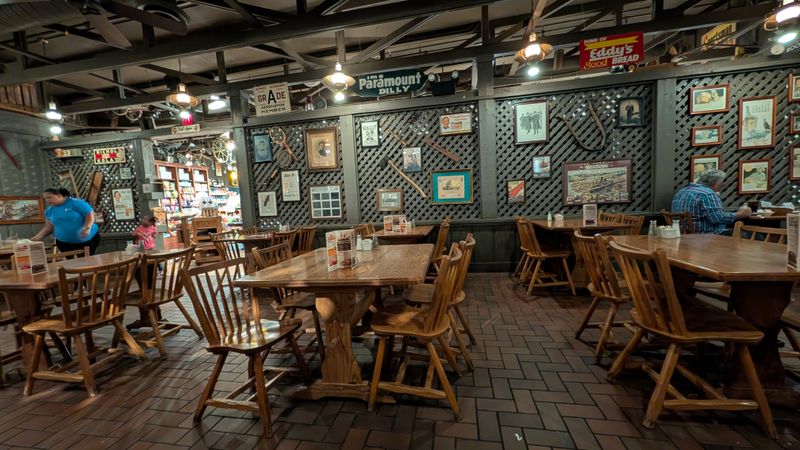
School cafeteria workers across Oklahoma served chicken-fried steak on Fridays, introducing thousands of students to the dish and ensuring its cultural transmission continued unbroken. Those institutional versions might not have matched restaurant quality, but they planted seeds that would grow into lifelong appreciation.
Kids who grew up eating cafeteria chicken-fried steak developed comfort food associations that lasted into adulthood, making them seek out better versions at local diners and eventually learn to cook it themselves. The dish became part of growing up in Oklahoma, as familiar as football games and tornado drills.
Even students who complained about school food often made exceptions for chicken-fried steak day.
Cafeteria ladies perfected techniques for cooking hundreds of portions simultaneously, developing institutional knowledge about scaling recipes while maintaining quality. Some schools gained reputations for having particularly good chicken-fried steak, with students from other districts expressing jealousy during athletic competitions.
The friendly rivalry extended beyond sports into the cafeteria.
Teachers and administrators ate the same meals, creating shared experiences across generations within school communities. Decades later, alumni returning for reunions often mentioned the cafeteria chicken-fried steak with nostalgic fondness, remembering it as better than it probably was.
That emotional connection ensured each new generation of Oklahomans inherited the chicken-fried steak tradition, keeping it alive and relevant in changing times.
8. Tourism Campaigns Made It a Destination Draw

Oklahoma tourism boards recognized chicken-fried steak’s potential as a cultural hook and began featuring it prominently in campaigns designed to attract visitors from neighboring states and beyond.
Billboards along interstate highways teased travelers with images of golden, crispy steaks and challenged them to try the real thing.
Travel guides and food magazines picked up the story, writing features about Oklahoma’s chicken-fried steak culture and recommending specific restaurants worth visiting. Food Network personalities made pilgrimages to the state, filming segments that introduced national audiences to this regional specialty.
The media attention transformed chicken-fried steak from local favorite into bucket-list food experience.
Tourism officials created chicken-fried steak trails and maps, encouraging visitors to sample versions from different restaurants and compare styles.
Some travelers planned entire trips around eating their way through Oklahoma’s best chicken-fried steak establishments, turning the dish into a legitimate reason to visit the state.
Hotels and visitor centers stocked brochures highlighting nearby restaurants famous for their versions.
The economic impact proved significant, with out-of-state visitors spending money on meals, lodging, and other attractions during their chicken-fried steak adventures. Local communities benefited from the increased attention, and restaurant owners found themselves serving customers from across the country.
Oklahoma successfully branded itself as chicken-fried steak headquarters, giving the state a unique culinary identity that set it apart from competitors.
9. Social Media Turned It Into Shareable Content
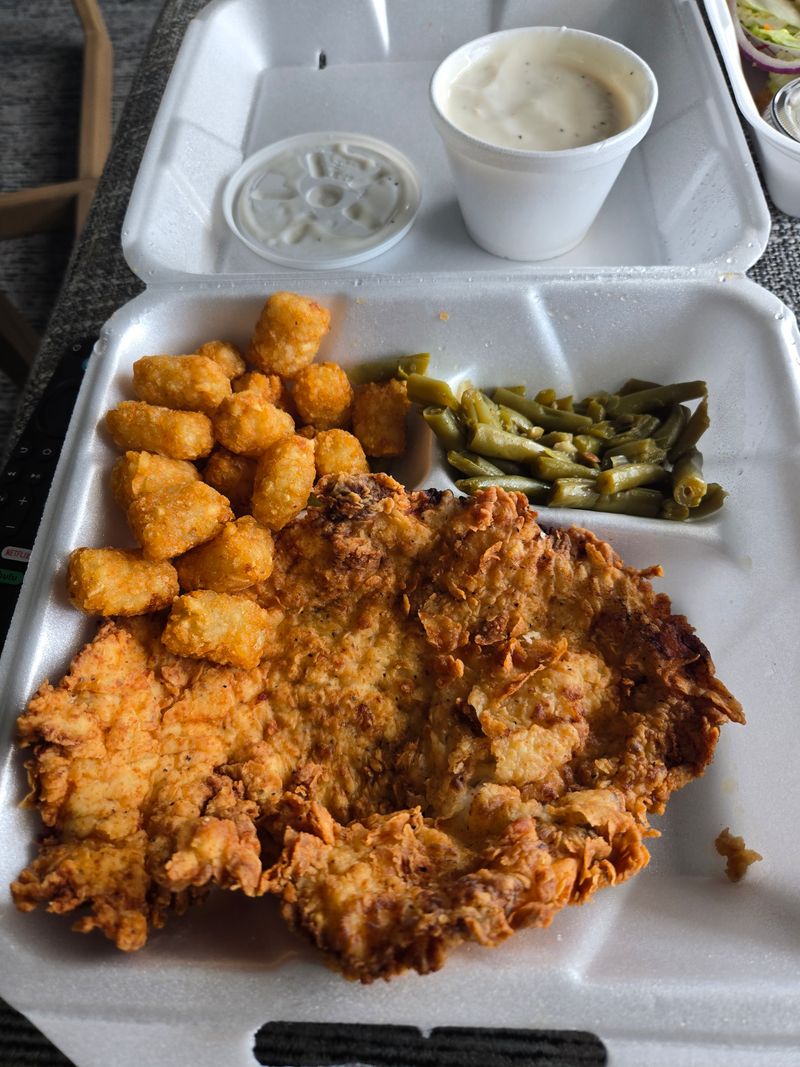
Instagram and Facebook transformed chicken-fried steak from regional dish into viral sensation as Oklahomans proudly photographed their plates and shared them with followers nationwide.
The dish’s photogenic qualities worked perfectly for social media: golden breading, white gravy cascading over the edges, and massive portions that filled the frame.
Food bloggers and influencers made pilgrimages to Oklahoma specifically to document chicken-fried steak experiences, their posts reaching audiences that traditional tourism campaigns could never access.
Hashtags like #ChickenFriedSteak and #OklahomaFood generated thousands of posts, creating free marketing that amplified the dish’s fame exponentially.
People tagged friends, challenging them to visit Oklahoma and try it themselves.
Restaurants with photogenic presentations and Instagram-worthy atmospheres saw business boom as customers arrived with phones ready, eager to capture their own shareable moments. Some establishments created special oversized versions specifically designed to generate social media buzz, knowing that viral posts would bring in more customers than any paid advertising.
The strategy worked brilliantly.
Younger generations who might have dismissed chicken-fried steak as old-fashioned discovered it through social media and embraced it enthusiastically. The dish bridged generational divides, appealing to both grandparents who’d eaten it for decades and teenagers scrolling through food content.
Oklahoma’s chicken-fried steak culture found new life in the digital age, proving that authentic regional traditions could thrive in modern contexts when presented compellingly.
10. Official State Meal Designation Sealed the Legacy
Oklahoma legislators officially designated chicken-fried steak as the state meal in 1988, giving legal recognition to what everyone already knew in their hearts.
The proclamation acknowledged the dish’s cultural significance and its role in defining Oklahoma’s identity, cementing its place in the state’s official history alongside the state bird and flower.
The designation sparked celebrations across Oklahoma, with restaurants offering specials and communities hosting chicken-fried steak festivals to mark the occasion. News outlets covered the story extensively, and Oklahomans expressed pride that their beloved dish had received proper recognition.
The official status elevated chicken-fried steak from popular food to cultural symbol worthy of preservation and promotion.
Schools incorporated chicken-fried steak history into Oklahoma studies curricula, teaching students about the dish’s immigrant origins and its evolution into state icon.
Museums created exhibits exploring the cultural impact of this humble meal, displaying vintage menus, cooking implements, and photographs documenting its journey through Oklahoma history.
The dish became part of the state’s educational and cultural infrastructure.
The official designation also protected chicken-fried steak’s legacy for future generations, ensuring it wouldn’t be forgotten as food trends changed and new cuisines arrived.
Oklahoma had staked its culinary reputation on this crispy, gravy-covered steak, and the state meal status guaranteed that commitment would endure.
Chicken-fried steak had completed its transformation from immigrant adaptation to working-class staple to official cultural treasure, a journey that perfectly reflected Oklahoma’s own story.
Dear Reader: This page may contain affiliate links which may earn a commission if you click through and make a purchase. Our independent journalism is not influenced by any advertiser or commercial initiative unless it is clearly marked as sponsored content. As travel products change, please be sure to reconfirm all details and stay up to date with current events to ensure a safe and successful trip.
