Small Oklahoma towns have always been known for their peaceful streets and close-knit communities where everyone knows their neighbors.
But when December rolls around, something remarkable happens that transforms these quiet places into bustling hubs of activity.
Christmas travel brings waves of visitors returning home for the holidays, and longtime residents have noticed significant changes over the years.
From traffic patterns to local business booms, the holiday season now looks quite different than it did a generation ago.
Main Street storefronts that once stayed dark through winter now glow with festive lights and welcome signs for travelers.
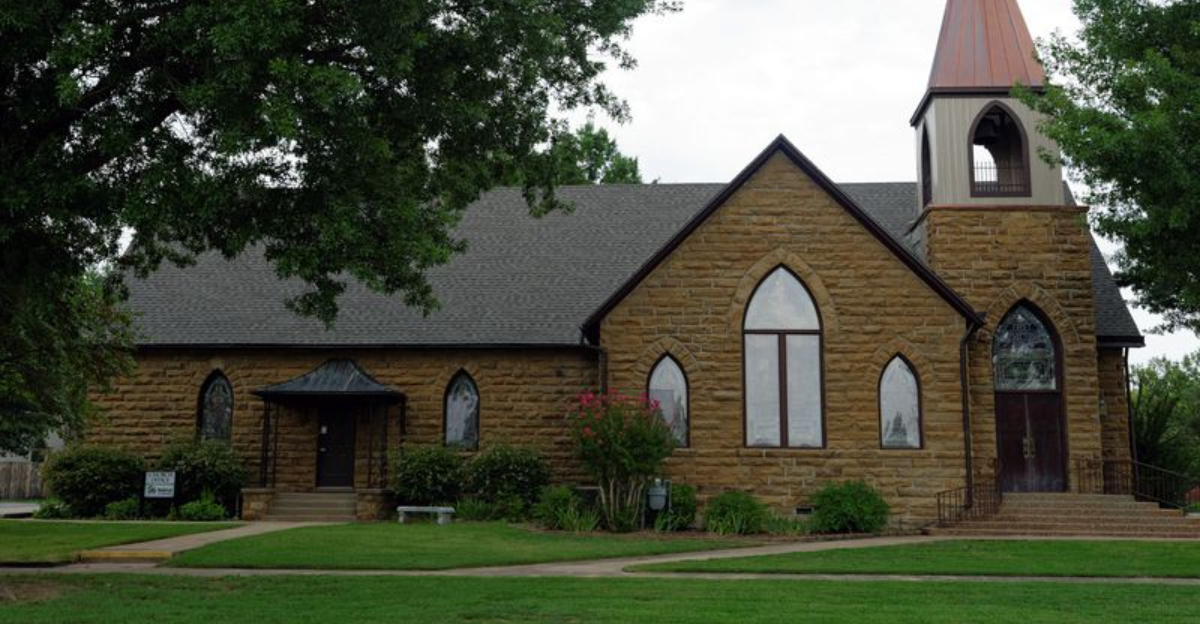
Churches fill beyond capacity with families reuniting after months or years apart.
Restaurants that barely scraped by during slow months suddenly need extra staff to handle the December rush.
Even the local gas stations see lines stretching around the block as travelers fuel up for their journeys.
These transformations bring both joy and challenges to communities that value their small-town character.
Residents have watched their towns evolve, adapting to accommodate the annual influx while trying to maintain what makes their communities special.
Their stories reveal how Christmas travel has reshaped life in rural Oklahoma in ways both expected and surprising.
Main Street Businesses Now Stay Open Through Winter
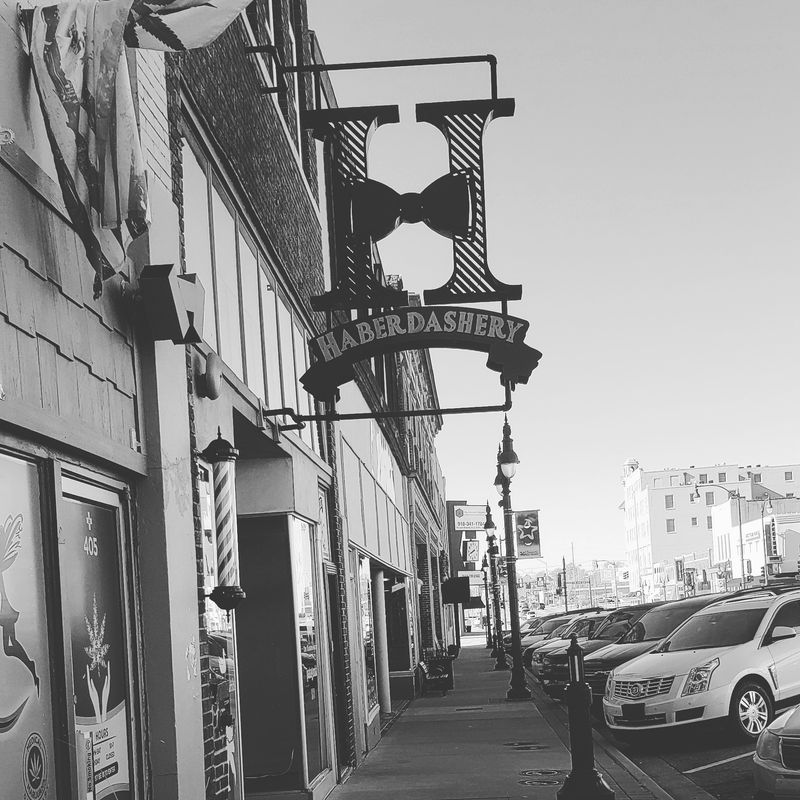
Martha Henderson remembers when most shops on Main Street would close by Thanksgiving, their owners taking a long winter break until spring brought tourists back.
Now the 67-year-old café owner in Pawhuska keeps her doors open every day through December, serving travelers and returning families who crave her famous pecan pie.
The economic shift has been remarkable for small business owners across rural Oklahoma communities.
What started as a trickle of holiday visitors twenty years ago has become a reliable revenue stream that helps many businesses survive the typically slow winter months.
Local boutiques stock special holiday inventory knowing that daughters and sons returning home will shop for gifts they cannot find in big cities.
Hardware stores keep extended hours because visiting grandchildren always seem to break something that needs immediate fixing.
Even the old movie theater in Guthrie now shows Christmas classics throughout December, drawing crowds that would have been unimaginable in the 1990s.
Restaurant owners hire seasonal staff, often college students home for break, creating a festive atmosphere that benefits everyone.
The Chamber of Commerce in several towns now coordinates special holiday shopping events, complete with carolers and hot chocolate stations.
This economic transformation has allowed some businesses to expand, adding jobs and services that support the community year-round.
Residents appreciate having more options during the holidays, though some miss the quieter pace they once knew.
The change has proven that small-town businesses can thrive when they adapt to seasonal patterns and embrace the opportunities that Christmas travel brings to their communities.
Traffic Jams Appear on Previously Empty Roads
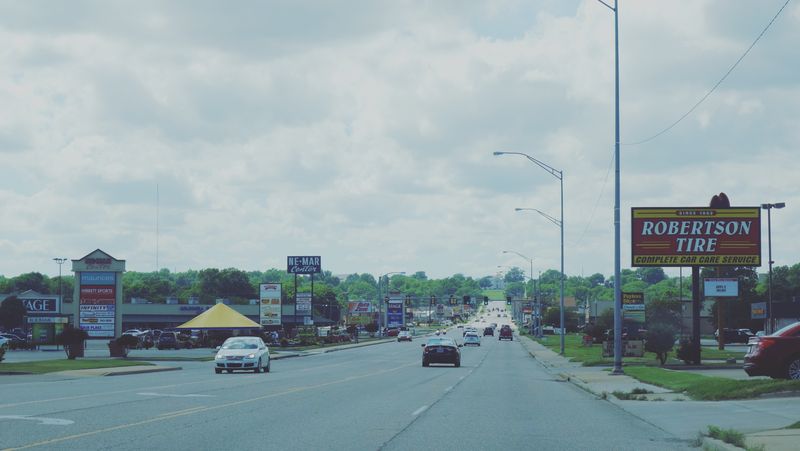
Bobby Williamson used to drive his pickup truck from one end of Watonga to the other without seeing more than three or four vehicles on the road.
The 58-year-old rancher now plans his errands carefully during December, avoiding peak hours when out-of-state license plates crowd the two-lane highways leading into town.
Traffic patterns have changed dramatically as adult children who moved away for careers return home with their own families in tow.
What locals call rush hour now actually exists in towns where such a concept seemed absurd just fifteen years ago.
The intersection near the high school, once requiring only a stop sign, now has a temporary traffic light installed each December to manage the increased flow.
Parking has become a genuine challenge in downtown areas that were designed when most residents walked to the general store.
Churches have converted adjacent lots into overflow parking to accommodate Christmas Eve services that now draw hundreds instead of dozens.
Some towns have designated certain streets as one-way during peak holiday weekends to improve traffic flow and reduce confusion for unfamiliar drivers.
Local police departments, typically staffed by just a handful of officers, bring in part-time help to direct traffic and respond to the inevitable fender-benders.
Long-time residents express mixed feelings about these changes, appreciating the economic benefits while mourning the loss of easy mobility they once enjoyed.
Gas stations that once had a single pump now feature multiple fueling stations to handle the demand.
The congestion typically lasts only a few weeks, but it represents a fundamental shift in how these small communities function during the holiday season.
Local Grocery Stores Face Unprecedented Demand
When Susan Martinez took over her family’s grocery store in Checotah, she never imagined she would need to order triple inventory for December.
The 44-year-old manager now coordinates with suppliers months in advance to ensure shelves stay stocked when travelers descend on the town.
Her experience reflects a pattern repeated in small Oklahoma communities where population temporarily doubles or triples during Christmas week.
Families returning home expect to cook traditional holiday meals, sending parents and grandparents scrambling to small local markets that were never designed for such volume.
The cranberry sauce aisle that once held a dozen cans now requires an entire endcap display to meet demand.
Fresh turkeys sell out within hours of delivery, forcing store owners to implement pre-order systems that were unnecessary in previous decades.
Baking supplies like flour, sugar, and chocolate chips disappear from shelves as multiple generations gather to make family recipes passed down through the years.
Some stores have started hiring temporary workers just to keep shelves stocked and checkout lines moving during the peak shopping days before Christmas.
The pressure extends beyond food items to include paper products, cleaning supplies, and other household essentials needed when homes suddenly accommodate extra guests.
Store owners have learned to anticipate specific requests, knowing that city dwellers often seek organic or specialty items not typically carried in rural markets.
This increased demand has allowed some grocery stores to expand their offerings year-round, benefiting local residents who now enjoy greater variety.
The challenge remains balancing adequate stock levels with the reality that excess inventory becomes a problem once travelers depart and towns return to normal.
Housing Rentals Transform the Local Economy
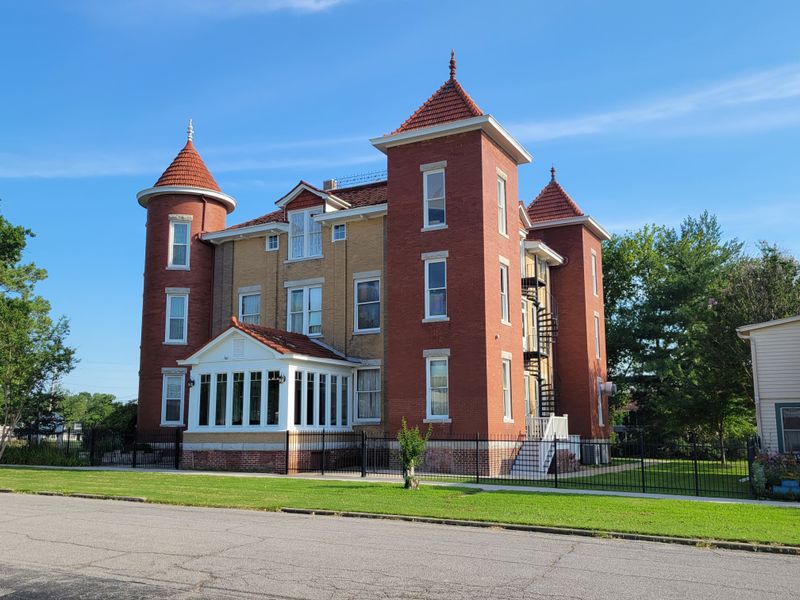
Dorothy Jenkins never considered renting out her late mother’s farmhouse until a neighbor mentioned the growing demand for holiday accommodations.
Now the 71-year-old retiree in Prague earns enough each December to cover her property taxes for the entire year.
Short-term rental platforms have revolutionized how small Oklahoma towns accommodate the Christmas travel surge, creating opportunities that did not exist a decade ago.
Families prefer staying in homes rather than driving forty miles to the nearest hotel, and they willingly pay premium rates for the authentic small-town experience.
This trend has encouraged homeowners to renovate properties that might otherwise have fallen into disrepair, improving the overall appearance of neighborhoods.
Some residents have purchased additional properties specifically to operate as seasonal rentals, creating a new income stream that supports their families.
The economic impact extends beyond rental income, as visiting families shop locally, eat at restaurants, and hire residents for services like cleaning and maintenance.
However, the rental boom has created tensions in some communities where longtime neighbors suddenly find their quiet streets hosting unfamiliar guests.
Town councils have debated regulations to balance economic benefits with quality of life concerns, particularly regarding noise and parking.
Real estate values have increased in certain neighborhoods popular with renters, making homeownership more challenging for young local families.
Despite these concerns, many residents appreciate how rental income has allowed elderly homeowners to age in place rather than selling properties to outside investors.
The transformation demonstrates how Christmas travel has created economic opportunities while simultaneously challenging traditional notions of community and neighborhood stability in rural Oklahoma towns.
Community Events Grow Beyond Local Capacity

The annual Christmas parade in Shawnee used to feature a dozen floats and maybe two hundred spectators lining the three-block route.
Last year, event coordinator James Patterson counted over two thousand people attending, with participants coming from surrounding counties to join the celebration.
This explosion in attendance reflects how Christmas events in small Oklahoma towns have evolved from intimate community gatherings into regional attractions.
Churches that once held single Christmas Eve services now schedule three or four to accommodate returning members and their extended families.
School gymnasiums hosting holiday concerts require tickets for the first time because seating cannot accommodate everyone who wants to attend.
The local production of A Christmas Carol in Guthrie, performed by a volunteer cast for decades, now sells out weeks in advance and has added matinee performances.
Community centers organize cookie exchanges, craft fairs, and holiday markets that draw vendors and shoppers from across the region.
Fire departments that once held modest Christmas light displays now compete to create elaborate shows that attract visitors from neighboring towns.
These expanded events require significant volunteer coordination, stretching the capacity of small communities where the same people typically organize everything.
Some longtime residents feel overwhelmed by the crowds, missing when holiday events felt like family gatherings where everyone knew each other.
Others embrace the energy and excitement, proud that their towns attract positive attention and economic activity during the holiday season.
The growth has prompted discussions about infrastructure improvements, including better parking facilities and public restrooms to accommodate larger crowds.
These changes illustrate how Christmas travel has transformed small-town traditions into events that must balance maintaining intimate community character with accommodating enthusiastic regional participation.
Infrastructure Struggles to Keep Pace with Seasonal Demands

City manager Tom Bradley in Pawnee started receiving complaints about water pressure dropping during Christmas week, a problem that never existed before 2015.
His investigation revealed that the town’s water system, designed for 2,200 permanent residents, was struggling to serve nearly 4,000 people during peak holiday periods.
Infrastructure challenges have become an unexpected consequence of increased Christmas travel to rural Oklahoma communities.
Sewage treatment plants operate at capacity when every household suddenly hosts multiple guests, raising concerns about system failures during the coldest months.
Electricity demand spikes as homes light up with decorations and run extra appliances to accommodate holiday cooking and additional occupants.
Small-town power grids, adequate for normal usage, sometimes struggle during severe winter weather combined with increased seasonal demand.
Internet service, already limited in rural areas, becomes frustratingly slow when dozens of visitors simultaneously stream movies and video chat with distant relatives.
Waste management services face mountains of additional trash and recycling, requiring extra pickups that strain municipal budgets and equipment.
Roads designed for minimal traffic develop potholes and damage more quickly under the increased load of holiday vehicles.
Emergency services worry about response times when unfamiliar drivers clog roads and increased occupancy raises fire risks in older homes.
Town councils must decide whether to invest in infrastructure upgrades that will only be fully utilized a few weeks each year.
Some communities have applied for state grants to improve systems, arguing that reliable infrastructure attracts the economic activity their towns need to survive.
These challenges highlight how Christmas travel has exposed the limitations of infrastructure built for smaller, more stable populations in rural Oklahoma communities.
Generational Divides Emerge Over Tourism Embrace
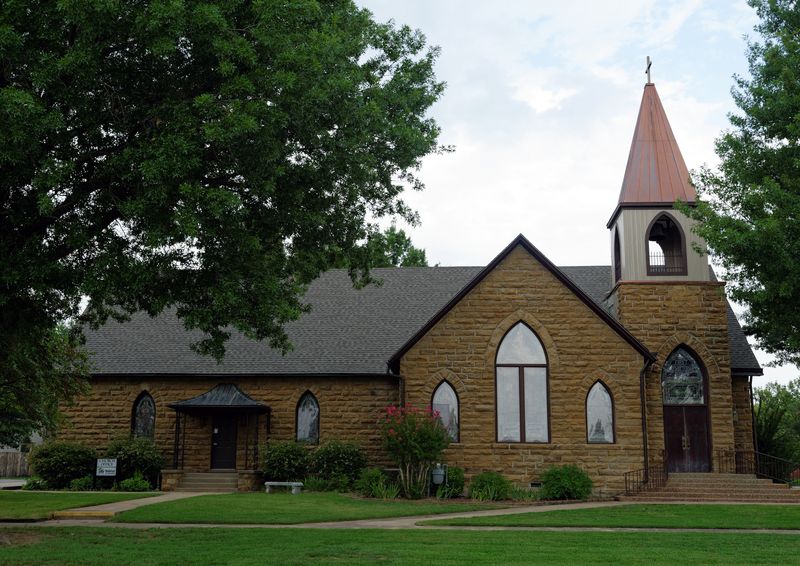
At the monthly town hall meeting in Stillwater, 82-year-old Helen Crawford stood to express frustration about losing the peaceful December she remembered from childhood.
Her granddaughter Sarah, age 34, countered that Christmas tourism revenue allowed her to open a successful bakery that employs six people year-round.
This exchange captures a generational divide emerging in many small Oklahoma towns as Christmas travel reshapes community identity and priorities.
Older residents often feel that the influx of visitors disrupts the tranquil character that originally made their towns special places to live.
They remember when everyone attended the same church, shopped at the same store, and knew every person they encountered on the street.
The crowds, traffic, and commercialization of Christmas feel like unwelcome intrusions that prioritize profit over tradition and community connection.
Younger residents and business owners tend to view Christmas travel as an economic lifeline that provides opportunities unavailable in previous generations.
They argue that without seasonal tourism revenue, more young people would be forced to leave for cities, accelerating the population decline threatening many rural communities.
The debate extends to questions about town identity, with some residents wanting to actively market their communities as Christmas destinations while others resist such promotion.
Town councils find themselves mediating between these perspectives, trying to accommodate growth while preserving the qualities that make small-town life appealing.
Some communities have found compromise by designating certain areas for tourist activities while keeping other neighborhoods quieter and more residential.
These generational tensions reflect broader questions about rural America’s future and whether small towns can maintain their character while adapting to economic realities.
The conversation continues in coffee shops, church basements, and community meetings throughout Oklahoma each January as residents reflect on another transformed holiday season.
Dear Reader: This page may contain affiliate links which may earn a commission if you click through and make a purchase. Our independent journalism is not influenced by any advertiser or commercial initiative unless it is clearly marked as sponsored content. As travel products change, please be sure to reconfirm all details and stay up to date with current events to ensure a safe and successful trip.
