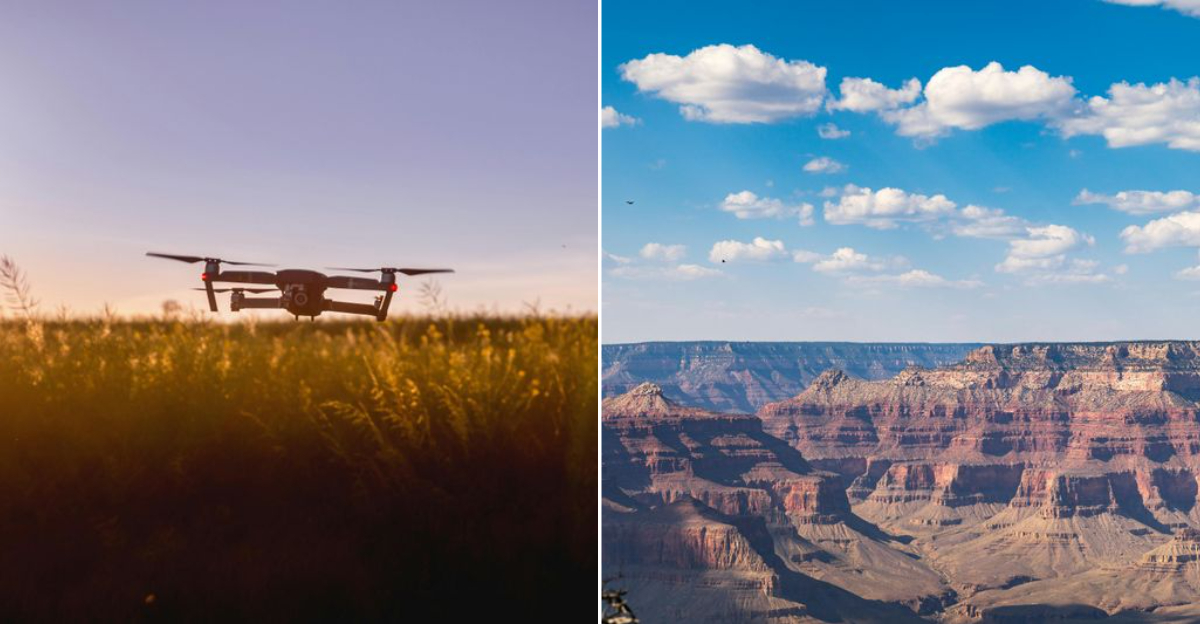
Ever thought flying a drone in the desert would be harmless fun? Turns out, it’s not that simple. Arizona’s wide-open landscapes might look like the perfect playground for tourists with drones, but more and more visitors are finding themselves in sticky situations. From accidentally crossing into restricted airspace to disturbing wildlife, these gadgets can cause bigger headaches than people expect.
I’ve seen travelers who just wanted to capture a cool shot of the red rocks end up facing fines or having their drones confiscated. The desert feels endless, but rules are everywhere, national parks, military zones, even areas protected for endangered species. And when you’re focused on getting that perfect aerial video, it’s easy to miss the signs.
The trouble isn’t always intentional. Most people just don’t realize how strict the regulations are.
Before you pack your drone for that Arizona trip, maybe ask yourself: is the shot worth the risk? Sometimes, leaving the drone at home saves you a lot of trouble.
1. National Park Surprise
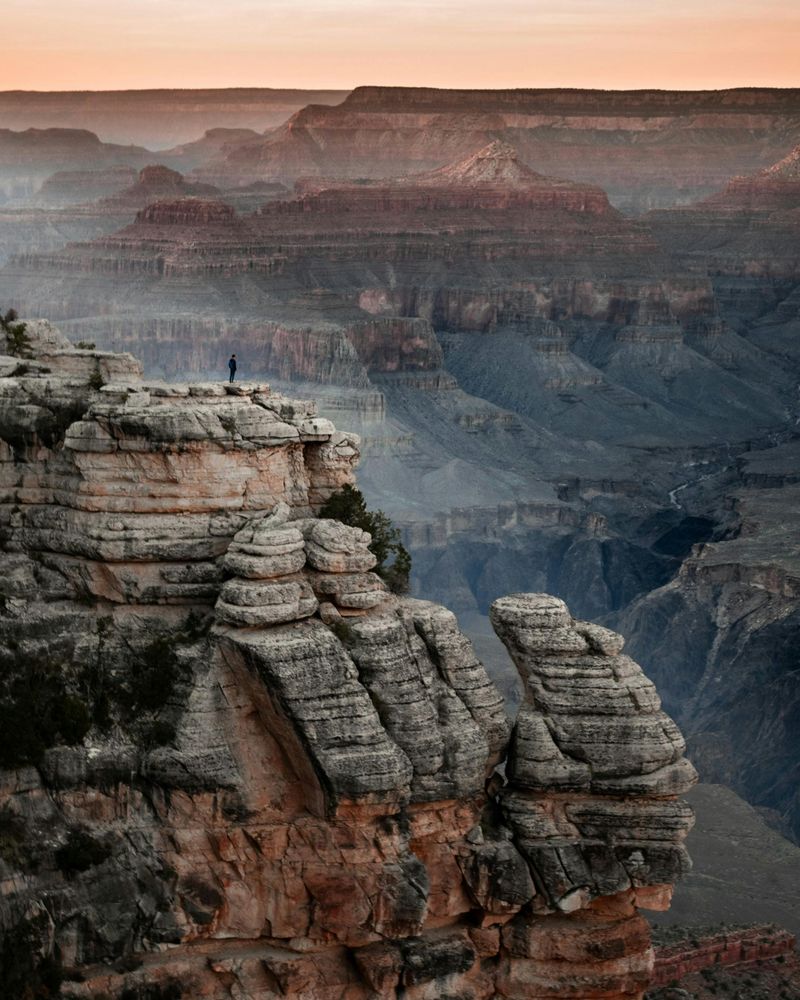
Here is the gotcha that trips people first. A lot of Arizona’s most iconic desert wow spots are National Park Service sites, and drones are banned there.
That ban covers launching, landing, and operating uncrewed aircraft inside park boundaries.
Tourists get in trouble because they assume it is just open sky, then a ranger clocks it fast.
Think about Grand Canyon National Park and Saguaro National Park. You can hike, you can watch the light shift, but flying a drone there is not allowed at all.
The rule is not a suggestion, and the signage makes it clear once you notice it.
Even if the parking lot feels like free space, the boundary line still applies and the rule still sticks. If you need aerials, look for legal areas outside the park and keep the device cased while inside.
Honestly, your best move is planning ahead before the park gate even comes into view.
Check the park website the night before, and set a reminder in your phone so you do not forget. It keeps the day relaxed and your memory card clean of mistakes.
Arizona has no shortage of scenic land outside the parks, and that is where a legal flight can actually happen. You will still need to follow the FAA basics and any local rules for the spot.
The parks themselves are a full stop for drones, no matter how quiet or empty it looks.
2. State Park No-Go
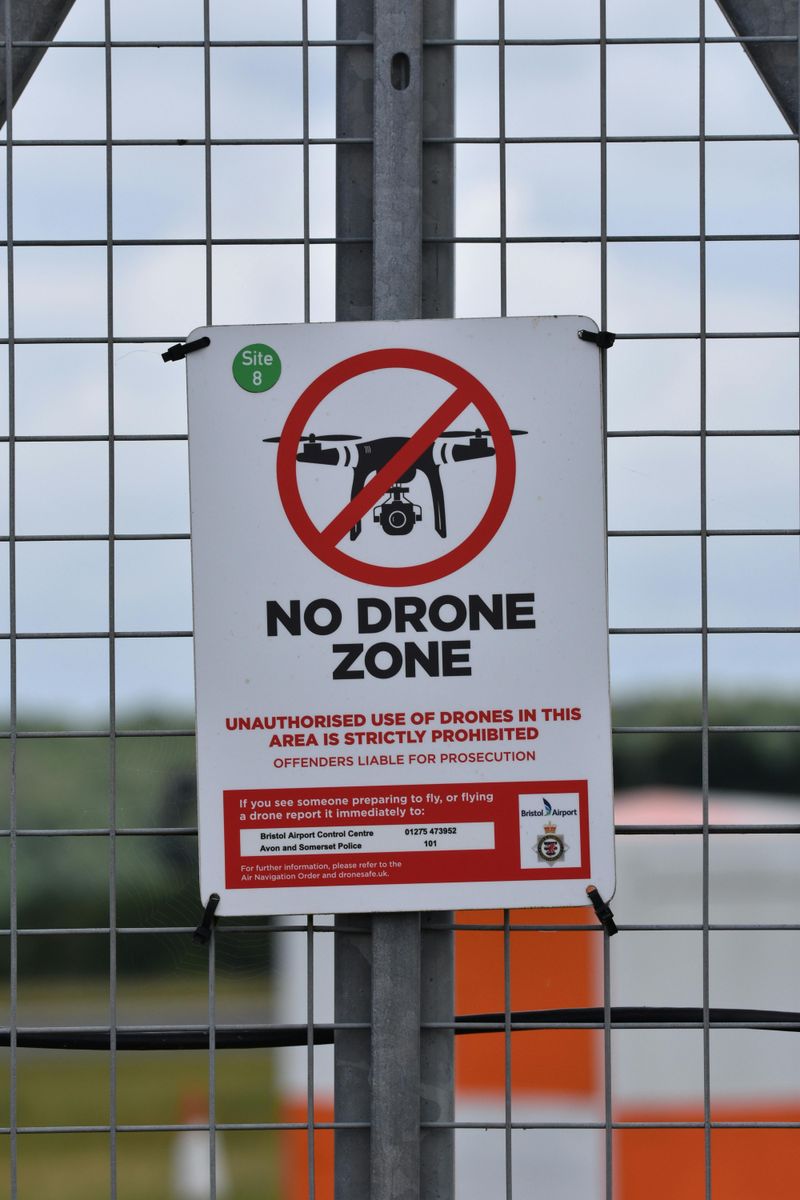
Here is another curveball that throws people off. State parks here flat out prohibit recreational drone use across their managed lands.
So even if it feels like the middle of nowhere, flying there can still get you stopped.
If you are road tripping for scenery, this rule surprises folks more than anything else. You park, the air feels open, and it seems harmless to launch for a minute.
Then you realize the state park boundary is not drone friendly and that short flight was never allowed.
The trick is noticing the sign at the entrance before excitement takes over. The logo is clean, the list of rules looks routine, and then the drone icon has that slash.
When you catch it early, you avoid a chat that eats up your hiking time.
Arizona has many state parks that draw big weekend crowds, which is part of why they hold the line.
It keeps the air quiet and stops buzzing over trails and viewpoints. If you want aerials, plan a stop on nearby public land where drones are legal.
I think a quick map check helps you find that transition zone outside the park. Zoom out, confirm the boundary, and make sure no other restrictions stack up.
You still have to follow FAA rules, but at least you are not breaking the state park ban.
3. Tribal Land Rules
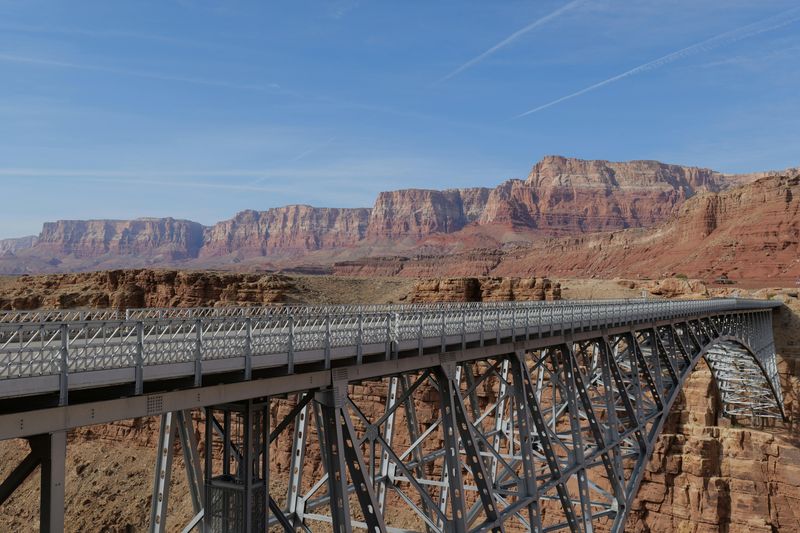
This one needs extra respect. Parts of northern Arizona are tribal land, and the rules can be much stricter than people expect.
For example, Navajo Nation Parks clearly states drones are prohibited on the Navajo Nation.
Tourists get nailed because they treat it like a normal public viewpoint, but it is a different jurisdiction.
You are a guest, and the cultural and legal framework is not the same as state or federal land. Signs may be simple, yet enforcement can be serious and swift.
Always check the specific tribal authority before you even think about a launch. Call a visitor center or read the official site for the place you plan to visit.
If it is a no, that is the whole story, even if the sky looks wide open.
Navajo Nation lands include stunning viewpoints and sacred spaces that deserve quiet. The rule is designed to protect privacy, ceremony, and wildlife, not to hassle visitors.
A respectful choice keeps the trip peaceful and the memory good.
Road trips here tend to flow across different jurisdictions in one afternoon. You might leave a national forest, enter tribal land, then roll into a town.
Keep a mental checklist, and treat every boundary as a fresh set of drone rules to confirm.
4. “It’s Just A Hobby” Trap
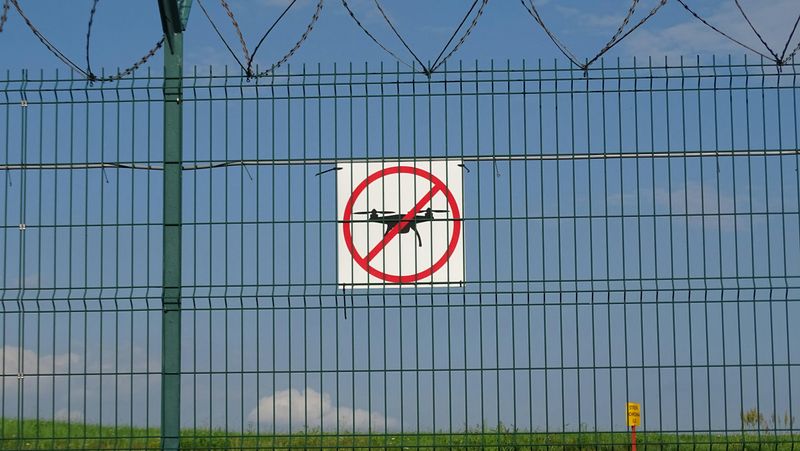
This is the mindset that backfires fast. The FAA still expects recreational drone pilots to follow real rules, not vibes.
You are required to take TRUST and carry proof while flying recreationally.
A lot of tourists skip it, then panic when someone asks for it. It takes a short bit of prep and removes a ton of stress on the day.
Think of it like a seatbelt for your flight plan that you do before leaving home.
TRUST gives you the baseline knowledge so your decisions are solid. Even simple things like where to launch and how high to climb make more sense.
You are not guessing, you are following a system that keeps the sky safe.
The state has plenty of open views that tempt you to wing it. But when a ranger or officer asks questions, having that proof turns the moment calm.
No proof means an awkward conversation that lingers in your head all afternoon.
Pack your TRUST certificate with your batteries and prop guards so it is always there. Keep a digital copy on your phone in case a printed one stays in the car.
I feel like that small step makes the hobby feel legit and keeps the road trip relaxed.
5. Registration Isn’t Optional

Here is the part folks gloss over. In the U.S., most drones must be registered, except lightweight ones at zero point five five pounds or two hundred fifty grams or less flown recreationally.
Tourists mess this up when they add accessories and do not realize their takeoff weight changes things.
No registration usually means no sympathy if you get checked. It is simple to handle at home, and it clears a big worry from your brain.
Once the label is on the airframe, you can focus on your actual flight plan.
Arizona has so many wind heavy viewpoints that the temptation to add bigger batteries or guards is strong. That extra kit can nudge your drone into the must register category.
Weigh it with everything you intend to fly and play it straight.
When someone official asks, you can show your number and move on, no scrambling, no guilty shuffle, just a quick confirmation.
It turns a tense moment into a friendly nod and a reminder to fly safe.
Registration is about accountability in busy skies. Do the paperwork once, keep your info handy, and update it when needed.
Your road trip stays fun because you planned like a pro.
6. Airport Airspace Sneaks Up
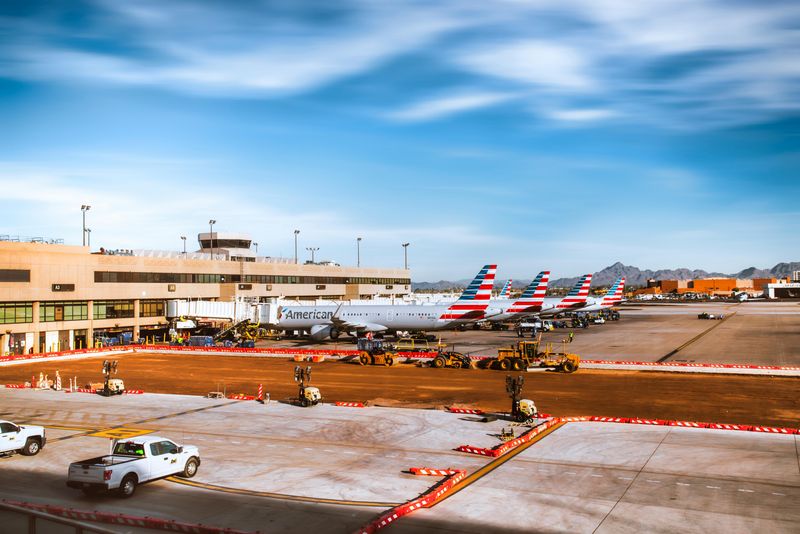
You know that feeling when a runway pops up on the map out of nowhere? The state has controlled airspace all over, especially near cities and smaller regional airports.
Recreational flyers need FAA authorization to fly in controlled airspace, often through LAANC.
People get busted because they never looked at the map and just launched from a parking lot. The desert can hide airspace complexity under that calm blue sky.
Pull out the app, check the grid, and get the yes or choose a new spot.
Authorization sounds intimidating, but it is mostly a quick request if it is available. You see the altitudes, tap the approval, and stay within the allowance.
If the area is a no, do not try to skirt it by moving a few steps.
Airports in this state create wide influence zones that sneak over suburbs and trailheads. Your map view is your best friend when scenery distracts you.
Set the habit of checking before you power the drone on.
It saves you from a chat with security or a ranger who already knows the map by heart. Instead, you keep the day moving and the flight fully legal.
That small pause to check airspace feels like magic when it prevents headaches.
7. The 400-Foot Mistake
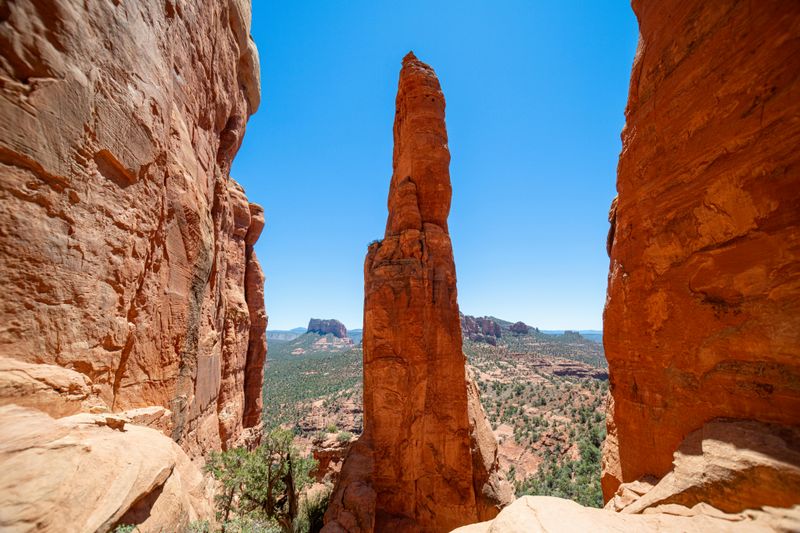
This limit sneaks up when the view gets dramatic. Yes, there is a height limit, and yes, it matters even in wide open landscapes.
Recreational flyers must stay at or below four hundred feet in Class G airspace. People break this trying to get above the ridge, and it can turn into a serious violation fast.
The desert messes with scale so the climb feels smaller than it is. When in doubt, level off and slide sideways for the shot you want.
Your controller might show altitude, but do not rely on guesswork or vibes. Know the airspace class and where you launched from.
If terrain rises, the relative height can jump without you noticing.
This state has mesas and canyons that change vertical reference quickly. Keeping it under the cap makes your flying look smooth and intentional.
You will still get drama without flirting with a rule that gets checked a lot, trust me.
Short controlled moves beat long climbs every time. Review your logs later and see how the craft behaves near cliffs.
You will trust your instincts more when you keep discipline on the stick.
8. Wildfire Sky Lockdown
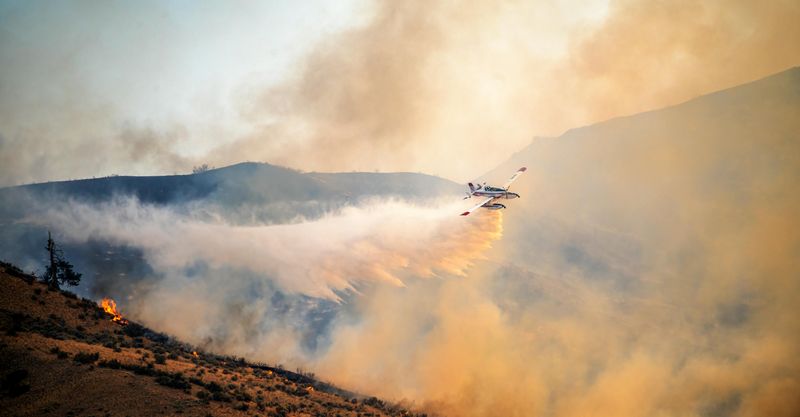
This one is zero debate. Arizona fire season is the worst time to freestyle drone flights.
Officials warn that drones near wildfires can shut down aircraft operations and create major safety risks.
Even when you think you are helping, you can end up being the reason crews pause flights. That pause can ripple across the whole response.
If you see smoke or hear aircraft, keep the drone grounded and move on.
TFRs can pop up over large areas quickly, and the apps will flag them. Check before you launch, and respect every notice without trying to thread the edge.
The idea is to give crews clear air so they can do the job.
Landscapes here get dry and windy, which makes everything more sensitive. Flying anywhere near a response zone is not worth the risk.
You will feel better choosing a completely different area that day. Think of it as a hard line that keeps everyone safe, including you.
I like to save the battery for calmer conditions and clean airspace. Your footage will be better when you are not worried about interfering with real work.
9. The App Ignored
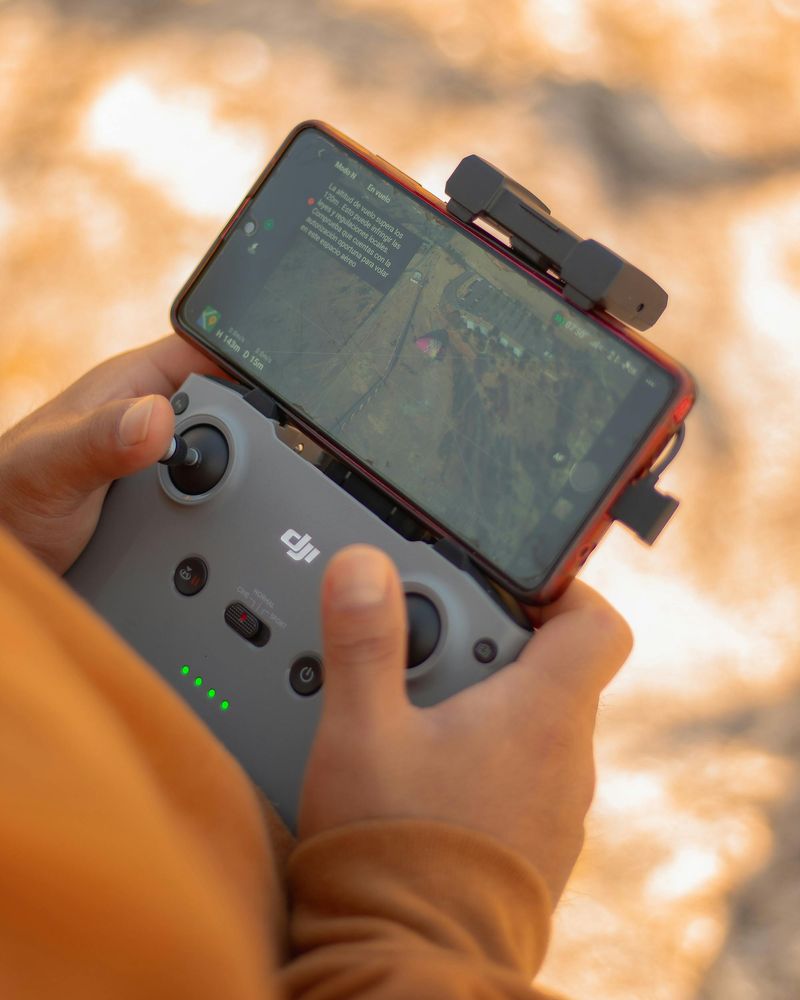
This is the simplest fix of all. A huge amount of drama would be avoided if people checked airspace before launching.
The FAA’s B4UFLY service is literally built to show where recreational flyers can and cannot fly. Tourists skip it, fly anyway, then act shocked when it is a restricted area.
The app will flag parks, controlled airspace, TFRs, and other gotchas. A quick glance turns surprises into easy choices before the props even spin.
Make it muscle memory on Arizona mornings while you sip coffee by the car. Open the map, scan the color blocks, and read the notes.
If you see a warning, pick a new spot and keep the day mellow.
Most of the stress on trips comes from rushing the first flight. Slow down for one minute and let the app do the heavy lifting.
Your future self will thank you when the route stays smooth and simple.
It is not about being perfect, just consistent. You will still get your shots, just without the awkward interruptions.
The desert is patient, and the views are going nowhere.
10. The “One Cool Clip” Problem
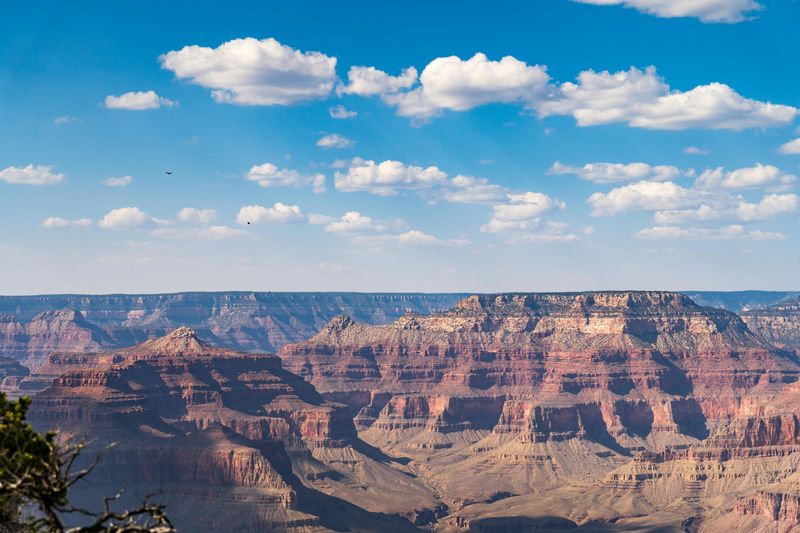
This is the classic road trip mistake. The desert makes it tempting to grab a quick video and bounce, but that is exactly how tourists get caught.
Many protected places have rangers, signage, and tight enforcement because drones can disturb wildlife and visitors.
If you want the shot, the smartest move is picking a legal area first, not asking forgiveness later. I like to think of it as moving the camera instead of moving the rules.
You can still tell the story, just from a place that actually allows you to fly.
The state gives you plenty of legal views if you plan a little. Line up a pullout on public land that allows drones and keep the sensitive areas for ground footage.
Your edit will look better when the transitions feel intentional. It is also kinder to everyone around you who came for quiet.
So, yeah, one cool clip can wait for the legal window. You will enjoy the drive more when you are not glancing over your shoulder.
That is the difference between a tense memory and a relaxed Arizona day.
Dear Reader: This page may contain affiliate links which may earn a commission if you click through and make a purchase. Our independent journalism is not influenced by any advertiser or commercial initiative unless it is clearly marked as sponsored content. As travel products change, please be sure to reconfirm all details and stay up to date with current events to ensure a safe and successful trip.
