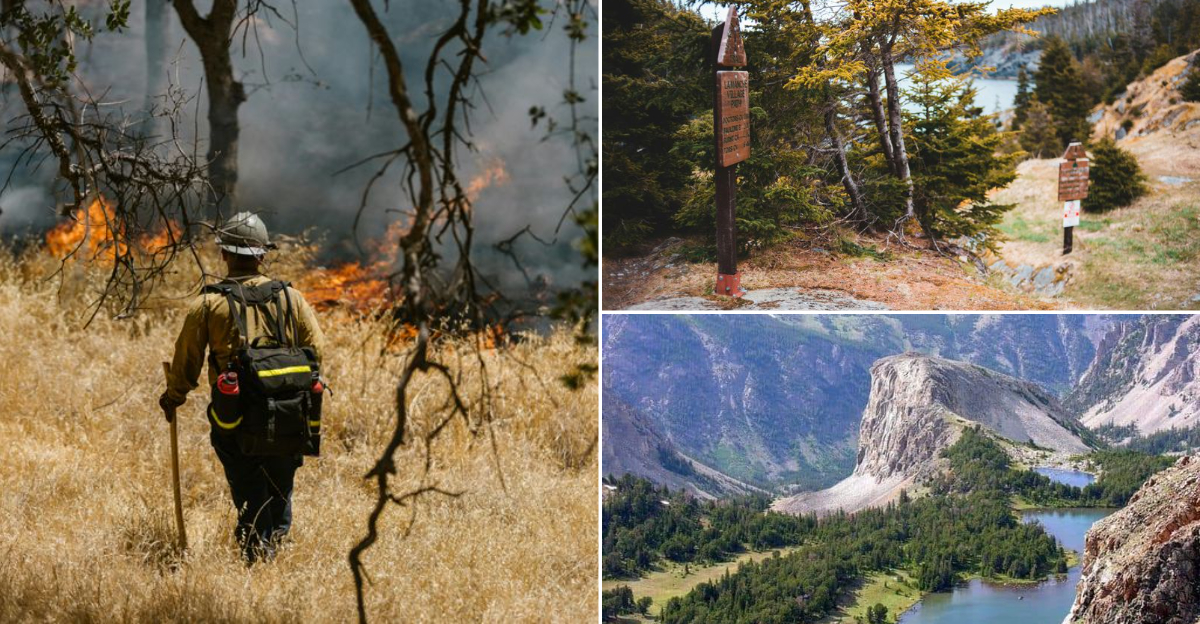
Planning that Montana road trip and picturing big sky and easy trail days. Cool, but fire season plays by its own rules, and it can flip your plans while you’re tying your boots.
Closures, stage restrictions, and surprise patrols might pop up even when the horizon looks calm and blue. Stick with me, and you’ll see how to read the signs before the signs read you.
That starts with checking local alerts more than once a day, not just at breakfast. Conditions shift fast out here, sometimes within hours.
Knowing when to pivot keeps the trip smooth and everyone safer.
The Seasonal Rules That Surprise First-Time Hikers
You roll up to a trailhead, the sky looks fine, and then bam, there’s a red sign that changes everything.
Fire season in Montana sneaks up like that because conditions swing fast, and rules follow the swings.
The trick is that risk, not visible flames, sets the tone.
Fuel dryness, wind, and recent lightning can turn a mellow day into a no go, even if you never see smoke.
Land managers tighten access when the index bumps, and those adjustments can be temporary, targeted, and easy to miss if you only glance at a map.
So you need a pre hike ritual.
Check the local national forest page, the county emergency updates, and the ranger district feed before you drive.
Grab a minute at the trailhead kiosk, too, because closures and stage restrictions usually get posted with fresh paper and a fat black marker you can’t miss when you actually look.
Here’s where folks get surprised.
They think fires are far away and policies won’t reach their little day hike. But Montana is big, and agencies manage risk across zones, so rules might cover a region while a single drainage looks calm.
Bottom line, you plan for the weather, you plan for mileage, and in Montana, you plan for fire status. It’s not dramatic, just part of the rhythm.
When it’s flexible, you still hike. When it’s strict, you pivot to places that are open and thank yourself later.
This Is What Fire Season Actually Means In Montana
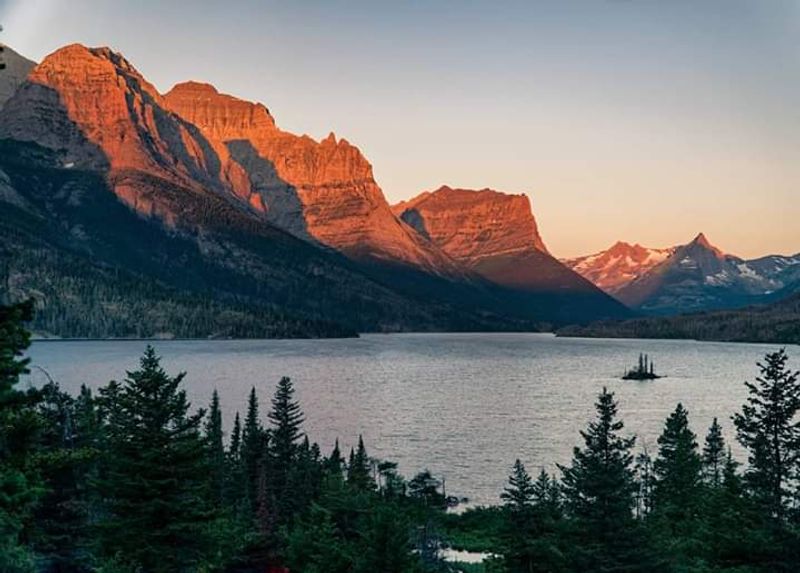
Fire season here is not a single date on a calendar. It’s a stretch when heat, wind, and low moisture line up and make tiny sparks a big deal.
You might not see flames at all.
What you will see are stage restrictions that limit campfires, certain tools, and sometimes where you can even park or travel.
Agencies watch fuel moisture and forecasted wind to decide when to tighten or loosen rules, and that can shift more quickly than your plans.
Think of it like avalanche danger, but for dry country.
Risk lives in conditions and behavior, not in what your eyes catch at first glance. When the index jumps, crews need freedom to move, and that means fewer people creating ignition risks on busy trails or pullouts.
You still get outside, just smarter.
Pick routes with less brush and more rock, start early, and keep an ear on radio updates or posted alerts.
You’ll feel the rhythm after a day or two, and suddenly the rules make sense, like speed limits that flex with the road.
The key word is respect. Respect for wind, for grass that crunches under your shoes, and for the people watching lightning maps all afternoon.
Keep your footprint small and your awareness big.
That’s fire season in Montana, and it’s not scary once you know how to read it.
Trail Closures Are Decided And Enforced
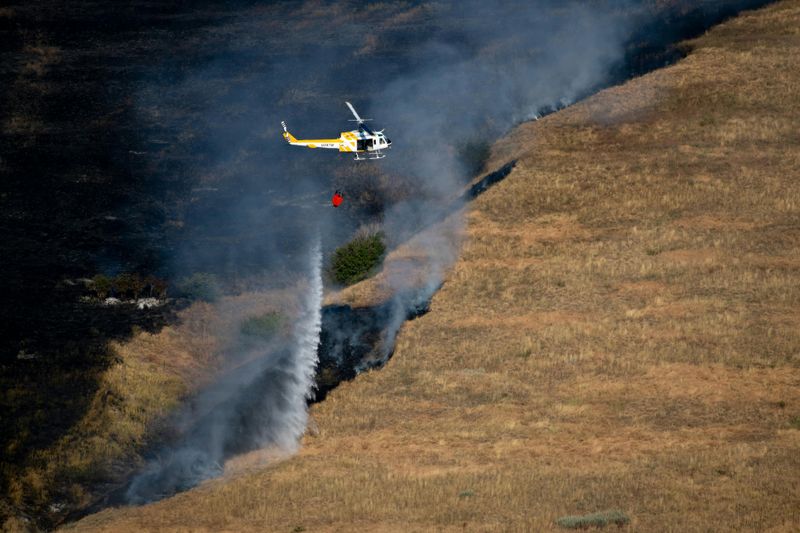
Here’s how the sausage gets made, in the best way. Local ranger districts, county emergency managers, and incident teams compare fuel data, weather, and fire activity, then decide which areas need a pause.
They do not guess.
They look at wind direction, slopes, access roads, and how fast crews could evacuate hikers if things turn.
If the math doesn’t pencil, they issue an order that temporarily closes a trail, a road, or a chunk of public land.
Enforcement is practical, not theatrical.
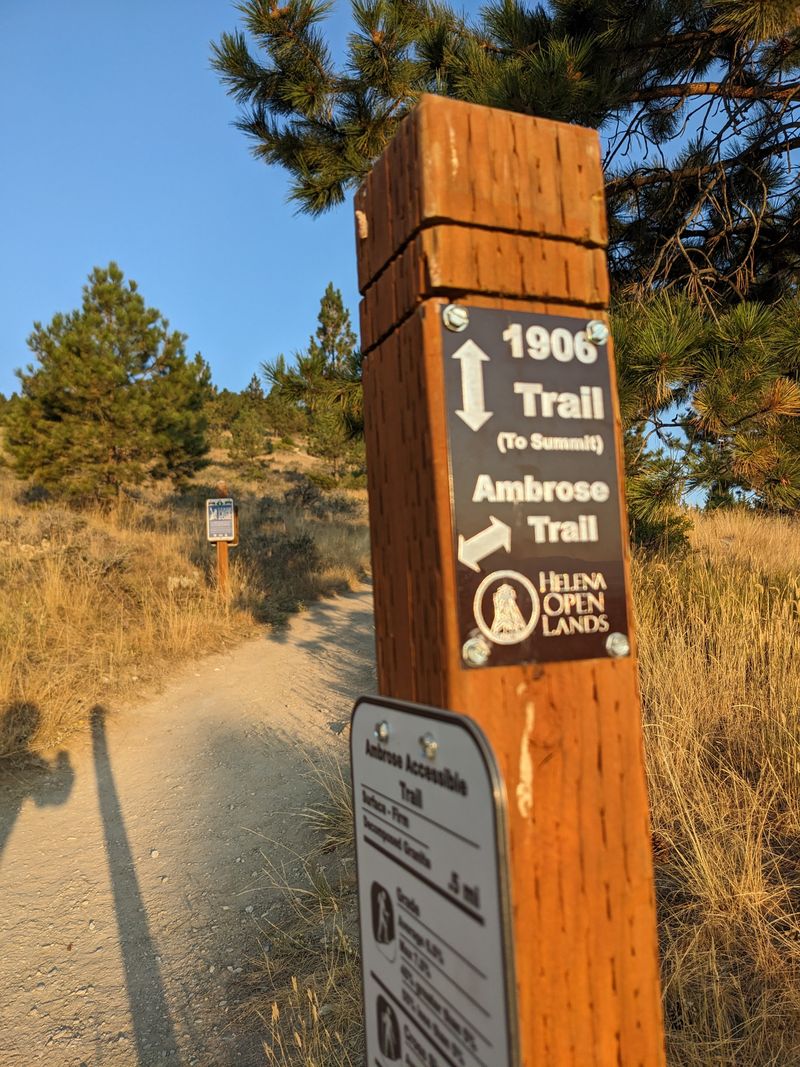
You’ll see signs at junctions, chains across roads, and sometimes a ranger posted at a busy trailhead to explain the change.
When it’s really active, there can be checkpoints to keep folks from wandering into a response zone.
Most people comply when they hear the why.
Sometimes a fine shows up for people who blow past obvious notices, mostly because crews cannot gamble with evacuations.
Think of it more like traffic control around a work site than a scolding.
When a closure lifts, agencies update boards and websites fast. It can reopen before lunch, and that’s your cue to pivot back in.
So plan with a backup in your pocket. Closures are a tool to buy time and space for firefighters, and your flexibility keeps everyone safe.
The Common Assumption That Leads To Fines
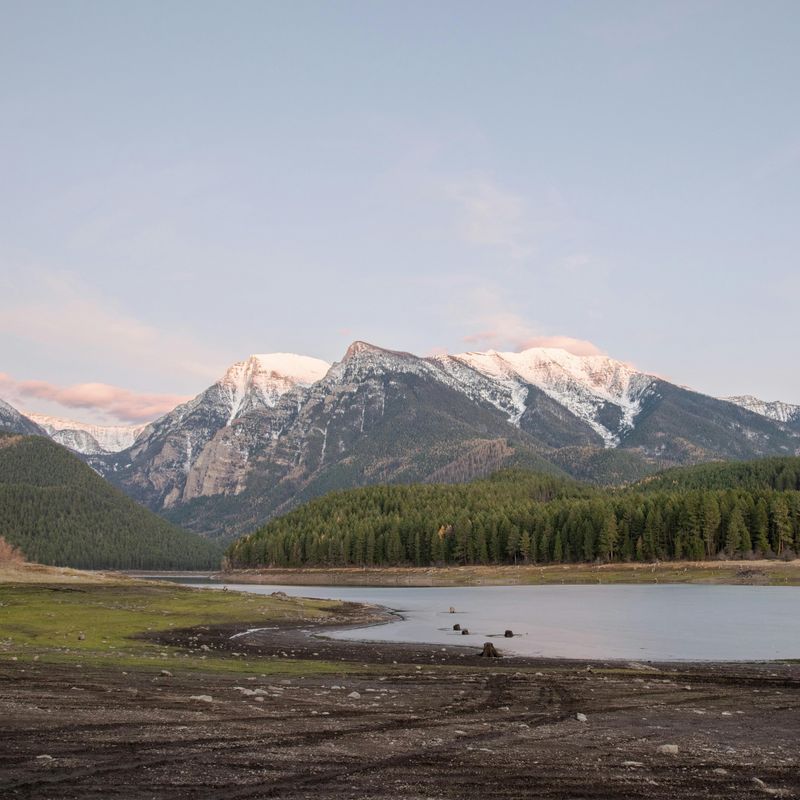
Know the myth that trips people up. An open parking lot does not mean the trail beyond it is open.
Happens all the time.
Folks see cars, hear chatter, and assume it’s business as usual, then walk past a stage restriction or a temporarily closed spur.
Rangers are patient, but ignoring a posted order is still ignoring a posted order, even if the gate was up.
The fix is simple and boring.
Walk to the board, read the page that looks freshly taped, and check for highlighted lines about the specific trail name.
If you’re unsure, ask anyone in uniform or call the district office listed at the bottom of the sheet.
Sometimes the closure is partial.
Maybe the lake trail is open to the overlook but closed past a certain junction because crews are staging. You can still have a great morning and stay clear of the work zone.
Montana rewards the minute you spend verifying.
You’ll keep your wallet happy and your day intact.
Assume nothing and confirm everything. That small habit separates relaxed hikers from folks telling stories about unexpected tickets.
Restrictions Can Change Overnight
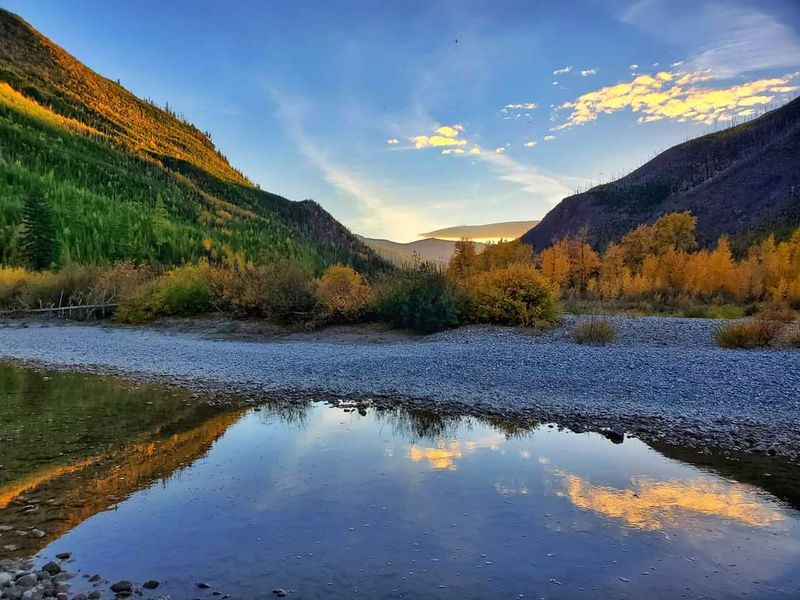
You go to sleep with a plan and wake up to a new reality. That’s Montana when wind and lightning start talking to each other.
A forecast shift is enough to trigger new limits.
Dry thunderstorms can pepper ridgelines with holdover strikes that pop days later, so managers tighten use to reduce sparks while crews scout.
Overnight humidity swings also push fine fuels from edgy to touchy, and nobody wants a mower blade or brake rotor to be the start.
It’s not drama, it’s timing.
Teams look at morning briefings and make quick calls so firefighters get a cleaner lane. That speed can feel abrupt, but it keeps a small problem from becoming a long season headache.
Roll with it like locals do.
Keep two trail ideas and a road walk in your back pocket.
If plan A closes, plan B might be a mellow ridge with granite underfoot that carries less risk anyway.
Check again at lunch when the wind picks up. An afternoon update can reopen something you wrote off at breakfast.
Montana’s pace is outdoorsy but alert. You move with the conditions, and that’s part of the fun when you lean into it.
The Difference Between Federal, State, And Local Land Rules
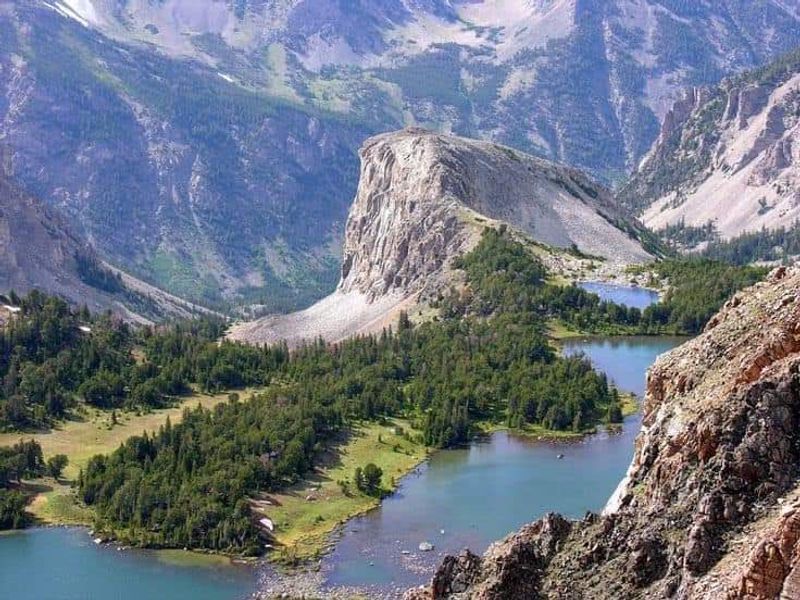
Here’s a quiet gotcha. One trail can cross federal, state, and county land within a few miles, and each slice might run different fire rules.
That’s why signs feel inconsistent.
In a national forest, stage restrictions are set by the forest supervisor and enforced by ranger districts.
On state trust lands or a state park, the Department of Natural Resources and Conservation or parks staff may post separate limits.
Counties also have burn bans and travel rules.
They can restrict certain roads or backcountry vehicle use when grass cures and wind lines up. The overlap makes sense locally, but to a visitor it looks like mixed messages unless you know the boundaries.
Carry a good map or download an offline layer.
Many apps show land ownership so you can spot the change when you cross a fence or drainage.
When in doubt, follow the strictest rule you see. That keeps you safe and out of the grey areas that lead to awkward trailhead chats.
Montana is friendly about questions. Stop at a ranger station and say where you’re headed.
They’ll point to the right sheet and circle the line you actually need.
Two minutes of clarity beats a mile of backtracking every time.
Rangers Monitoring Popular Hiking Areas
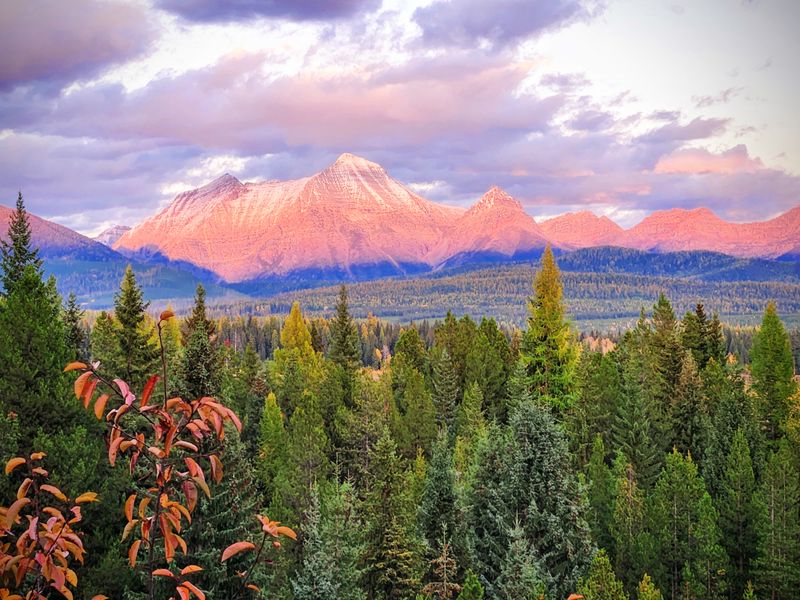
You’ll notice a rhythm at busy spots. Rangers swing through in trucks, update notices, and chat with anyone lacing boots.
They’re watching patterns, not just people.
Wind picks up, they check ridge trails.
A lightning cell drifts across, they look at drainages with deadfall and tough evacuation routes.
Sometimes they set soft checkpoints on weekends. It’s more about education than tickets, especially when a rule changed that morning and the ink is barely dry.
They also listen for rumors at the lot. If folks are saying the lake loop is open, but the order says otherwise, a ranger will walk through the story and point out the line that matters.
Don’t be shy about asking. These are the folks who know which valleys stayed damp and which ridges cooked early.
They’ll steer you toward a safer trail that still scratches the itch.
You get a good day, and they keep traffic away from hot zones.
Montana runs on those small conversations. A quick check at the board and a wave to the patrol can save you a long drive to a closed gate.
Keep it simple and kind. That’s the whole playbook when the air smells like pine and a little smoke.
Ignoring Posted Notices Carries Real Penalties
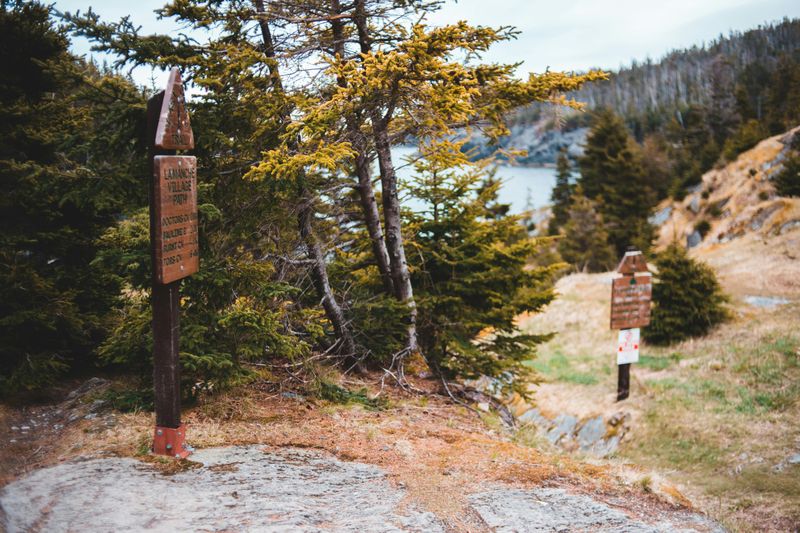
Those laminated sheets are not suggestions. They’re legal orders tied to safety and resource protection.
The logic is straightforward.
If crews have to chase hikers out of a closure, that pulls people away from initial attack and scouting.
Every minute counts when wind perks up, and confusion on the trail can snowball into bigger risk.
Penalties are there to create a pause. They remind people that convenience is not the priority when conditions are touchy.
Most rangers start with conversation.
If someone clearly missed a brand new posting, there might be a warning and a redirect.
Cross a chain or blow past a barricade, and it changes the math. Now you’re in a zone where responders need clean access and zero surprises.
Montana is not trying to ruin your day. It’s trying to keep a small fire from turning into a landscape problem.
So treat signs like a locked door you don’t own. If it says no, find the nearby yes.
You’ll still find a view, and you’ll help the folks whose radios never stop buzzing all afternoon.
The Types Of Fines Tourists Don’t Expect
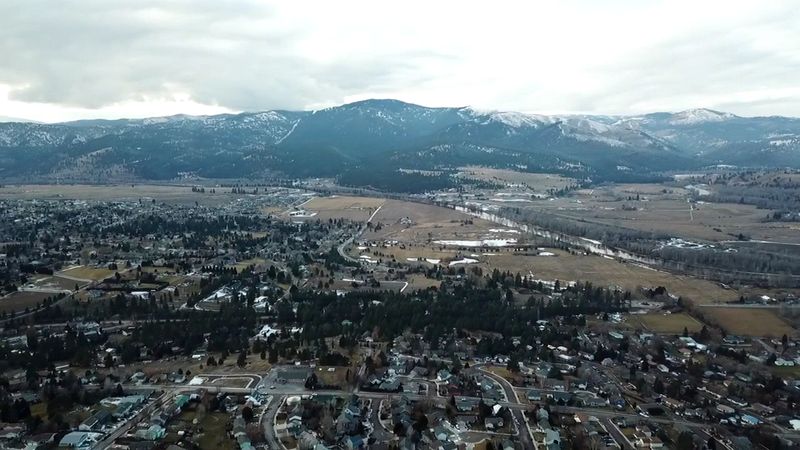
No scare tactics here, just real talk. Fines can come from federal officers, state staff, or county deputies depending on where you stand when you ignore a rule.
The mix surprises people.
There are citations for entering closed areas, using fire during restrictions, or parking where access must stay clear for engines.
Warnings happen, but repeat issues or obvious disregard can escalate quickly, especially on high risk days.
Think layered consequences. A ticket is one layer, but forced evacuations or towing from a blocked turnout stack stress on crews who need space.
The best move is the cheapest. Read, ask, and pick a different trail when something feels off or oddly quiet for a sunny day.
One more practical tip. Take photos of the kiosk and your map when you arrive.
If you’re confused later, you have the language and the order number to reference. It also helps you navigate mid hike if cell service fades and the wind changes the plan.
Montana is chill about honest mistakes.
It’s firm about behavior that puts engines and crews behind a step.
Lean toward caution and you’ll never meet the paperwork. You’ll just collect good miles and a clean dashboard.
Locals Plan Hiking Around Fire Season
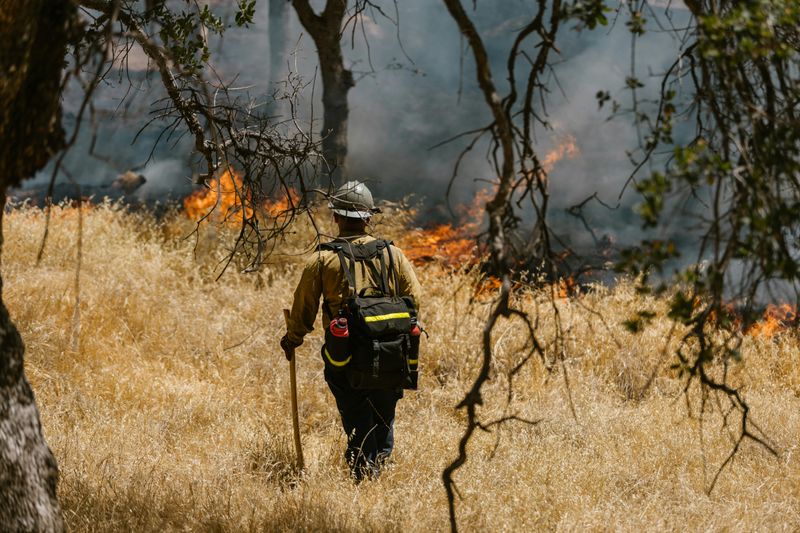
Locals play a flexible game. They keep a short list of rockier routes, riverside paths, and high basins that stay cooler when the valleys crisp up.
Mornings are the move.
Air is calmer, temps are friendlier, and rangers post updates early. That makes it easier to hit a greenlit trail and be back before the afternoon breeze kicks up.
They also watch county pages like a habit.
žA quick scroll while coffee brews tells you whether a favorite ridge is quiet or under new limits.
Backup plans are normal here. If a canyon closes, there’s always a rail trail, a lookout road walk, or a lakeshore path that keeps you outside without testing luck.
Ask at shops and stations. People will steer you toward places that stayed open last week when the index jumped.
You start to feel the rhythm after a couple of days.
The rules stop feeling random and start feeling like tide charts for dry country.
Montana rewards that mindset. You chase air quality and shade the same way you chase views.
Stay nimble and polite. You’ll see more and stress less.
Do This To Avoid Trouble While Still Exploring
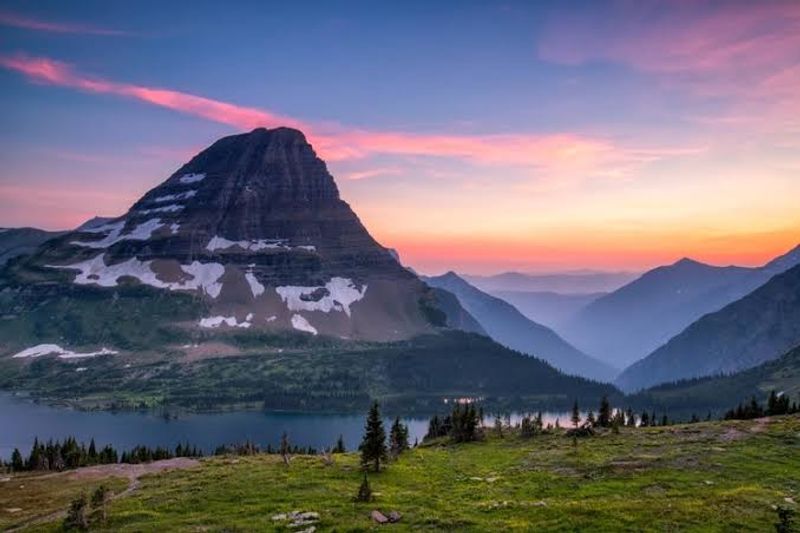
Let’s keep it simple and workable. Start early, check updates twice, and carry a backup plan that you actually like.
Use official sources every time.
Look at the national forest page, the state fire map, and the county emergency feed.
At the trailhead, scan the kiosk and snap a photo so you have the exact wording if things change mid day.
Pick routes with less flashy fuel. Rock, alpine, and lakeside paths usually handle hot spells better, and they keep you near water or open terrain if wind grows teeth.
Mind parking like it’s part of the hike. Leave access lanes clear so engines can move without a puzzle of bumpers.
Talk to people wearing name tags. They know which drainages slept well last night and which ones crackled.
If you see a closure, shift gears with zero drama.
There’s always another ridge, another viewpoint, another quiet stretch of shoreline that gets you outside without crossing lines.
You came for Montana, not friction. The big sky is still big when you swap routes.
Stay curious, stay kind, and keep your plans loose. That’s the whole trick to exploring during fire season without stepping on rakes.
Dear Reader: This page may contain affiliate links which may earn a commission if you click through and make a purchase. Our independent journalism is not influenced by any advertiser or commercial initiative unless it is clearly marked as sponsored content. As travel products change, please be sure to reconfirm all details and stay up to date with current events to ensure a safe and successful trip.
