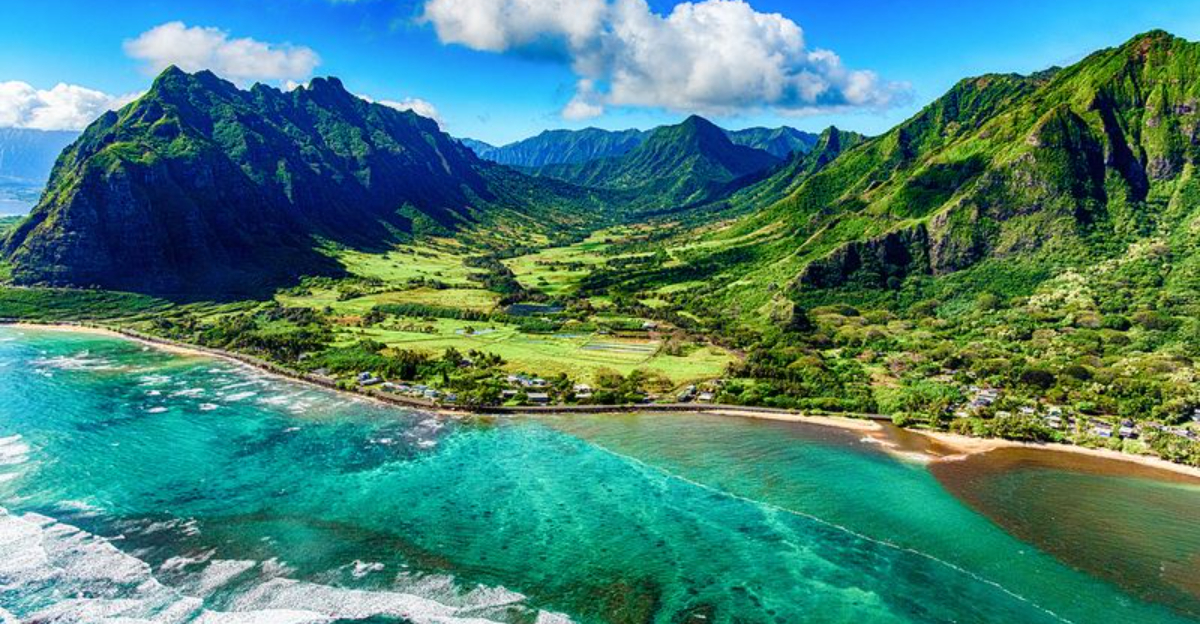
Hawaii stands out as the only U.S. state to have outlawed billboards, preserving its natural beauty and cultural heritage.
This unique decision reflects a deep respect for the environment and the desire to maintain the scenic vistas that draw millions of visitors each year.
From community activism to legislative action, the story of Hawaii’s billboard ban is a tale of passionate preservation.
The Islands That Refused to Be Covered in Ads
Imagine driving along the picturesque roads of Hawaii, where lush greenery and ocean views dominate the horizon. It wasn’t always destined to be this way. Once, the islands faced the possibility of being marred by towering billboards and commercial advertisements.
The decision to ban billboards came from a collective desire to protect the islands’ breathtaking vistas. Residents and lawmakers came together to ensure that the natural beauty of Hawaii remained unspoiled by commercial intrusion.
This move wasn’t just about aesthetics; it was a declaration of values. By refusing to allow billboards, Hawaii set a precedent in valuing nature over capitalism, reinforcing the islands’ commitment to preserving their unique landscape.
A Law Born From Love of the Land
Hawaii’s billboard ban is rooted in a profound love for the land. The legislative process was driven by a shared recognition of the need to protect the environment. Lawmakers understood that maintaining Hawaii’s untouched beauty was crucial for both ecological balance and cultural identity.
Support for the ban was widespread, with residents eager to preserve the landscapes that define their home. The law reflects a unique environmental consciousness, emphasizing sustainability and respect for natural resources.
This commitment to conservation is evident in the pristine state of Hawaii’s vistas today. The decision to prioritize the environment over commercial interests speaks volumes about the islanders’ connection to their surroundings.
How Residents Fought to Keep Hawaii Scenic
The movement to ban billboards in Hawaii was as much a community effort as a legislative one. Locals rallied together, participating in discussions and voicing their concerns over the potential cluttering of their beloved landscapes.
These passionate residents formed groups, attended meetings, and lobbied for the protection of their scenic views. Their dedication highlights how grassroots activism can lead to significant environmental victories.
This collective action helped shape a law that is celebrated today. Hawaii’s citizens proved that community-driven initiatives could bring about lasting change, safeguarding the islands’ natural beauty for future generations.
The Cultural Meaning Behind the Ban
In Hawaii, the billboard ban holds deeper cultural significance, connecting to the islands’ rich traditions and respect for the environment. The decision reflects the Hawaiian value of m?lama ‘?ina—caring for the land, which is deeply embedded in local culture.
Preserving the natural landscape is seen as honoring ancestors and maintaining a spiritual connection to the earth. The cultural heritage of Hawaii is intertwined with its physical beauty, making the absence of billboards a point of cultural expression.
This decision resonates with both locals and visitors, who experience the islands as a place where culture and nature are inseparable. The ban is a testament to Hawaii’s commitment to its cultural roots and natural treasures.
Why Visitors Notice the Difference Immediately
First-time visitors to Hawaii often remark on the unspoiled beauty of its landscapes. Unlike other tourist destinations, the absence of billboards allows travelers to fully immerse themselves in the stunning natural environment.
The clear skies and uninterrupted views are a refreshing change, offering an escape from the constant barrage of advertisements that dominate many urban landscapes. This unique experience leaves a lasting impression, drawing visitors back to the islands.
The unadulterated vistas enhance the quality of tourism, highlighting Hawaii’s commitment to offering an authentic experience. The lack of billboards is not just a legal decision but a welcome invitation to appreciate the islands’ true splendor.
What Hawaii’s Roads Look Like Without Clutter
Driving through Hawaii feels like gliding through a living postcard. The roads, free from billboard clutter, offer unobstructed views of the islands’ lush terrain and pristine beaches.
This focus on natural beauty rather than commercial interests allows both residents and visitors to enjoy a more serene travel experience. The lack of visual pollution provides a sense of calm and relaxation as one navigates the scenic routes.
Hawaii’s roads are a testament to the islands’ dedication to preserving their environmental integrity. By choosing nature over advertisements, Hawaii offers a road trip experience that’s as peaceful as it is picturesque.
The State That Put Nature Before Marketing
Hawaii’s decision to ban billboards represents a commitment to placing nature above commercial interests. This approach is a defining characteristic of the state’s environmental policy.
By prioritizing the environment, Hawaii has set itself apart from other states that have allowed landscapes to be dominated by marketing messages. This choice underscores a broader recognition of the value of preserving natural beauty.
The absence of billboards is a clear statement of Hawaii’s priorities, offering a model for other regions considering similar measures. The state’s focus on environmental preservation serves as an inspiration to those seeking to balance development with nature.
How the Billboard Ban Became a Point of Pride
For Hawaiians, the absence of billboards is a source of pride. It symbolizes a successful preservation effort and highlights the community’s commitment to maintaining the islands’ natural allure.
This pride is evident in how locals share their landscapes with visitors, showcasing the beauty that remains untouched by commercial exploitation. The ban is not just a legal achievement but a cultural celebration.
The pride in maintaining billboard-free vistas strengthens community bonds and reinforces a shared identity. Hawaii’s unique approach has become a defining feature, celebrated both locally and globally as an example of environmental stewardship.
The Scenic Beauty Act: A Legislative Masterpiece
In 1927, Hawaii laid the groundwork for preserving the islands’ pristine views. This legislation emerged as a response to growing concerns about visual clutter. Back then, the natural beauty was seen as a communal resource worth protecting.
The act’s passage marked a pivotal moment, setting a national precedent for environmental protection through legal means. It reflected the community’s profound connection to their surroundings.
Over time, this legislation has become a part of Hawaii’s identity. The absence of billboards allows both residents and visitors to fully embrace the stunning vistas and cultural heritage.
Dear Reader: This page may contain affiliate links which may earn a commission if you click through and make a purchase. Our independent journalism is not influenced by any advertiser or commercial initiative unless it is clearly marked as sponsored content. As travel products change, please be sure to reconfirm all details and stay up to date with current events to ensure a safe and successful trip.
