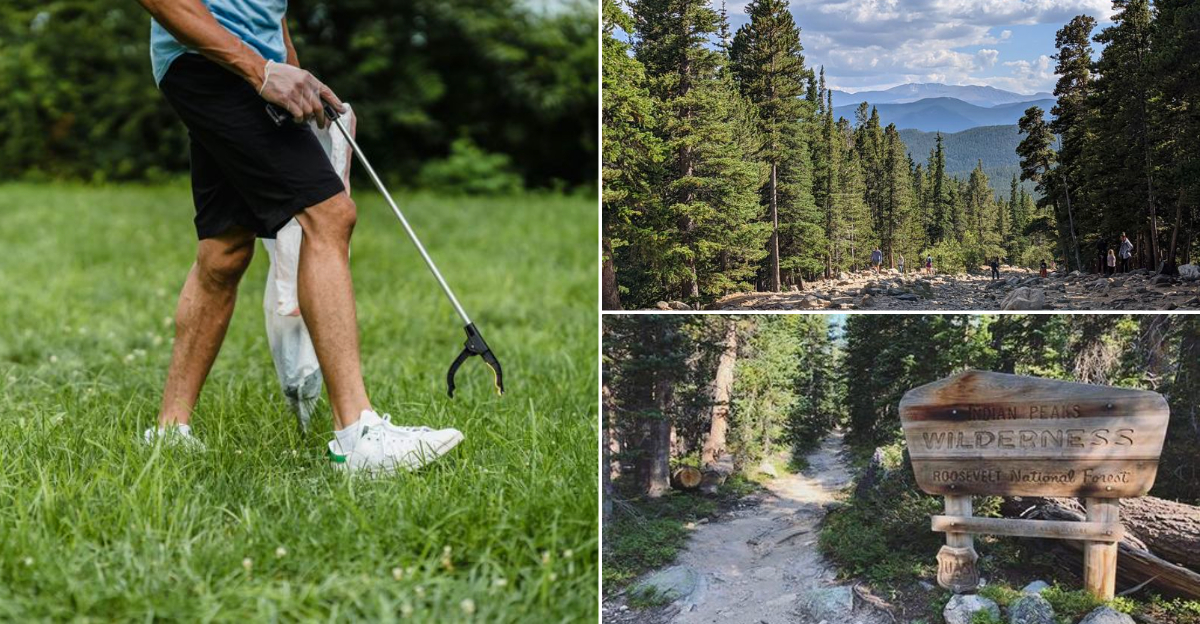
So, picture us tossing a duffel in the trunk and chasing blue sky over the Front Range, and then realizing the mountains are a little more tired than last time.
You feel it on the trail when a side path looks “easier” and suddenly the hillside is frayed like a loose sweater.
Colorado deserves better, and honestly, the rules are not about guilt, they are about keeping the road trip magic from fading. Stick with me, and let’s talk about what really changes out there when people skip the simple stuff.
Those small choices stack up faster than anyone expects, especially in places that see constant love. Once damage starts, it spreads quietly, trail by trail.
Paying attention now is how we make sure the views still feel earned next time we roll through.
This Rule Sounds Simpler Than It Is
You know how the phrase sounds like common sense you already follow? Then you get to a crowded trailhead and it turns into a game of decisions you did not plan.
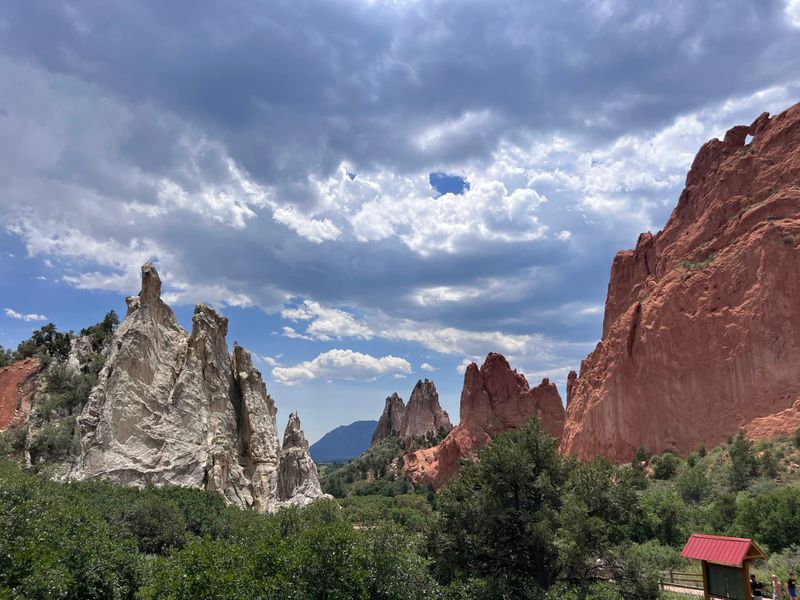
Take Garden of the Gods at 1805 N 30th St, Colorado Springs. The paved paths look obvious until everyone tries to get a better angle on those sandstone fins.
Leave No Trace sounds like pick up trash and call it a day.
In practice, it is about where you step, where you sit, and what you carry out even when bins are overflowing.
I have watched folks slide a foot off trail for a photo and start a new thread that others follow. That thread becomes a line, then a lane, and the land pays for our tiny shortcut.
Colorado is resilient in spirit but not in recovery time.
One bootprint in damp soil lasts longer than the moment felt.
So the idea stays simple, but the execution happens in the seconds between impulse and choice. That is the part we can actually practice.
Visitors Think Everything Counts As Minimal Impact
Ever hear someone say, I’m just stepping over here for a second. That second is exactly where the grass keeps trying to live.
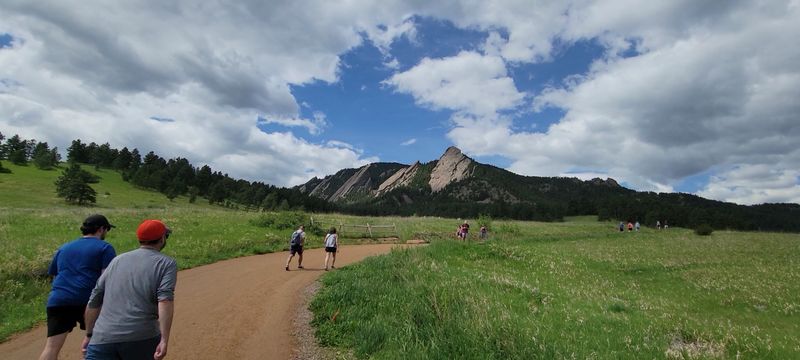
At Chautauqua Park, 900 Baseline Rd, Boulder, little side moves stack up like dominos.
A quick detour becomes the new normal because the view to the Flatirons is right there.
Minimal impact is not a vibe or a guess. It is a checklist you run in your head while your legs are already moving.
Things that feel small are not small to soil, cryptobiotic crust, or the plants hanging on by a thread.
Tossed orange peels look natural and still do not belong.
Bagging dog waste but leaving it on the side does not count. It becomes someone else’s problem and often the creek’s.
Colorado trails get loved hard, and love without care is still pressure.
Minimal impact means the land cannot tell you were there at all.
Colorado’s Landscapes Respond Differently To Use
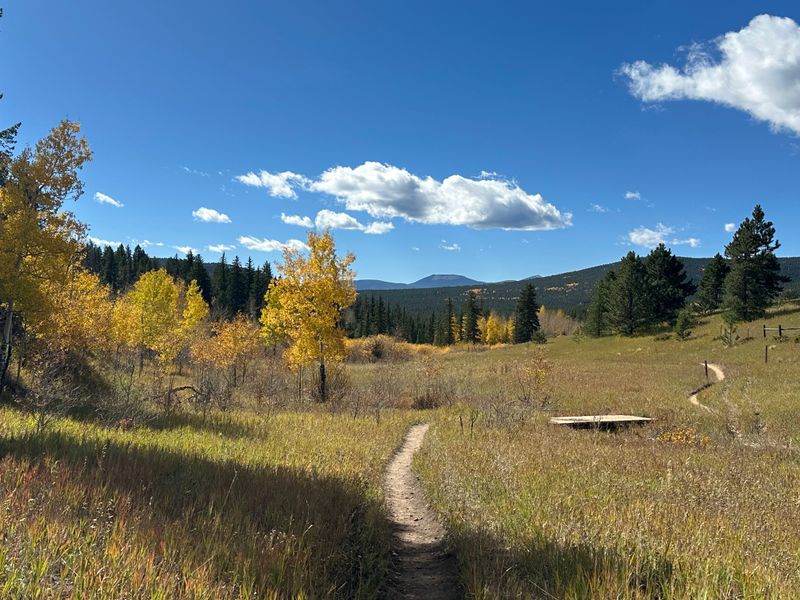
Not all ground heals the same, which feels obvious until you see it up close. Alpine tundra and desert crust keep receipts.
Look at Rocky Mountain National Park near 1000 US Hwy 36, Estes Park, where tundra near Trail Ridge Road sits thin as paper. Step wrong and the repair takes longer than any trip.
Head southwest to Colorado National Monument, 1750 Rim Rock Dr, Fruita.
The desert soil is stitched with living crust that unravels under one boot.
Forests around Golden Gate Canyon State Park, 92 Crawford Gulch Rd, Golden seem tougher.
Needles hide scars until rain shows the routes water now prefers.
Grasslands by Pawnee National Grassland, near 115 N 2nd Ave, Ault look open and forgiving. They are not, especially when mud invites ruts that turn into gullies.
Colorado is a patchwork quilt where each square has different rules.
You do not need to know every rule, just assume fragility first.
The Damage That Doesn’t Show Up Right Away
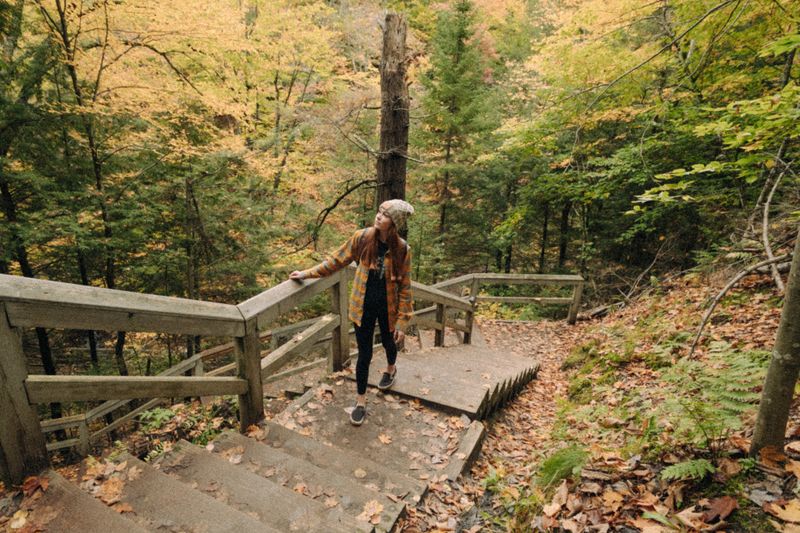
Some impacts hide like a slow leak in a tire. You only notice when the ride feels off.
On the South Platte River corridor near 3000 W Florida Ave, Denver, compacted soil looks fine until a storm.
Water runs faster, carries sediment, and chews at the edges.
In Maroon Bells Scenic Area, Maroon Creek Rd, Aspen, vegetation loss can look like a light fade. It is more like missing threads that unravel the whole fabric over time.
Recovery in Colorado is patient but not quick.
Short growing seasons make every misstep linger.
Trash breaks down into smaller and smaller pieces that do not just disappear. They slip into waterways and hang around as a reminder we left early.
Leave No Trace is a longer timeline decision.
Think about the after, not just the moment you are in.
High-Elevation Areas Suffer The Most
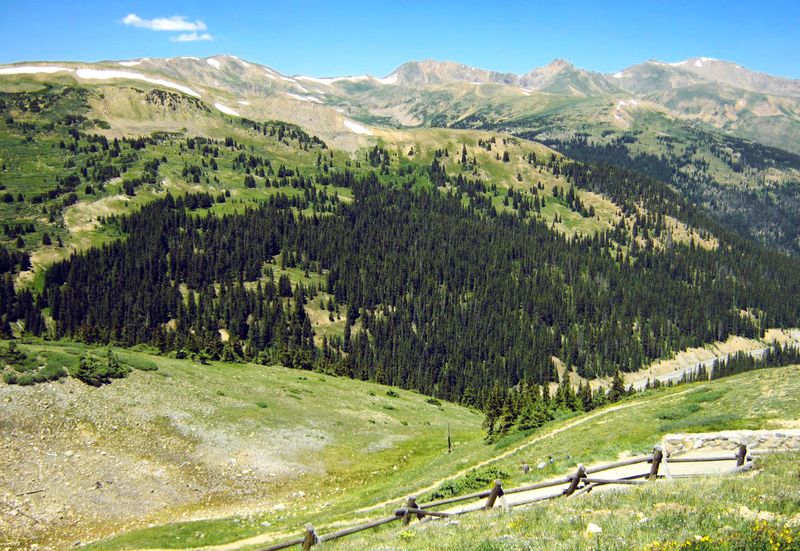
Thin air is tough on lungs and tougher on plants. Up high, the margin for error is tiny.
Above treeline near Loveland Pass, Hwy 6, Dillon, tundra mats sit like fragile felt.
One heel twist and the roots are exposed to wind that never rests.
Mount Evans Scenic Byway, starting near 2060 Jackson St, Golden, Colorado, pulls people to viewpoints. The pull is strong enough that folks drift beyond the rocks meant to corral steps.
Colorado’s alpine world grows slow and repairs slower.
What looks like a harmless seat on a cushion plant is not harmless.
Snow melts late and returns early, which shortens the window for healing. That window is the whole problem when trampling multiplies.
Staying on stone and durable surfaces is the kindest move.
Your view does not shrink when your footprint does.
When One Shortcut Becomes A Permanent Scar
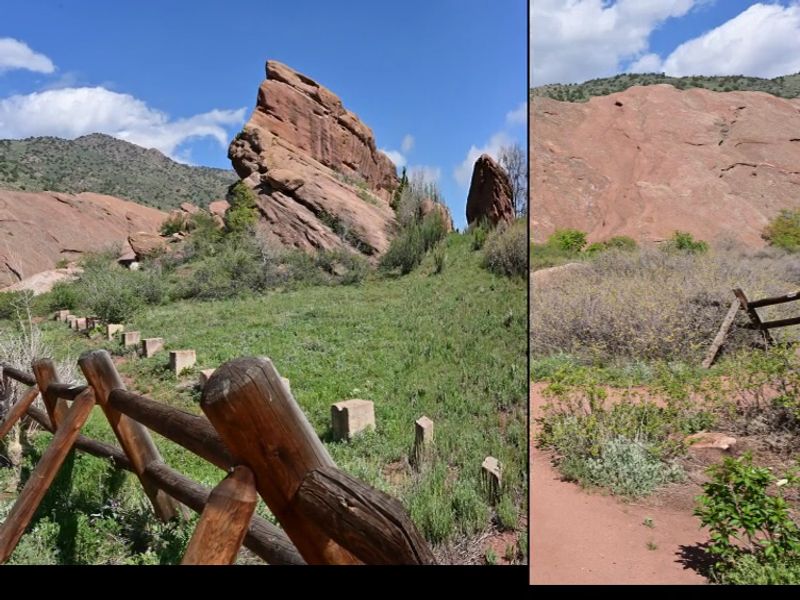
We have all stared at a muddy switchback and thought, there has to be a quicker way. That thought sticks around longer than our boots do.
At Red Rocks Park and Amphitheatre, 18300 W Alameda Pkwy, Morrison, you can see where side paths bite into slopes. The hillside does not forget that line.
Trail widening happens when people step aside to pass on soft edges.
The edges stop being edges and turn into the trail itself.
In Colorado, steep grades and loose soil invite shortcuts. Those cuts carve channels that water happily adopts.
Eventually crews come in to harden tread or close spurs with posts and brush.
It costs time that could go to new trails we have been dreaming about.
Choose the switchback even when it is sloppy or slow. That is the choice that keeps the hillside stitched together.
The Cost Of Cleanup And Restoration

Ever wonder who hauls out the piles after a busy weekend. Spoiler, it is people who could be doing restoration instead.
Look at Cherry Creek State Park, 4201 S Parker Rd, Aurora, Colorado, where crews rotate between maintenance and repair.
Each bag of trash represents hours not spent on habitat.
At Great Sand Dunes National Park and Preserve, 11999 CO-150, Mosca, sensitive dune edges need careful closing. Rope lines pop up because footsteps keep wandering.
Colorado agencies and volunteers stretch to cover big ground with small teams. That stretch has a limit, and it shows.
When budgets tilt toward cleanup, long term projects slow down.
Trails that could be rerouted to protect wetlands wait their turn.
Packing out and sticking to durable surfaces is quiet help that adds up.
You will not see the thanks, but the land will show it later.
Wildlife Is Affected By “Minor” Disturbances
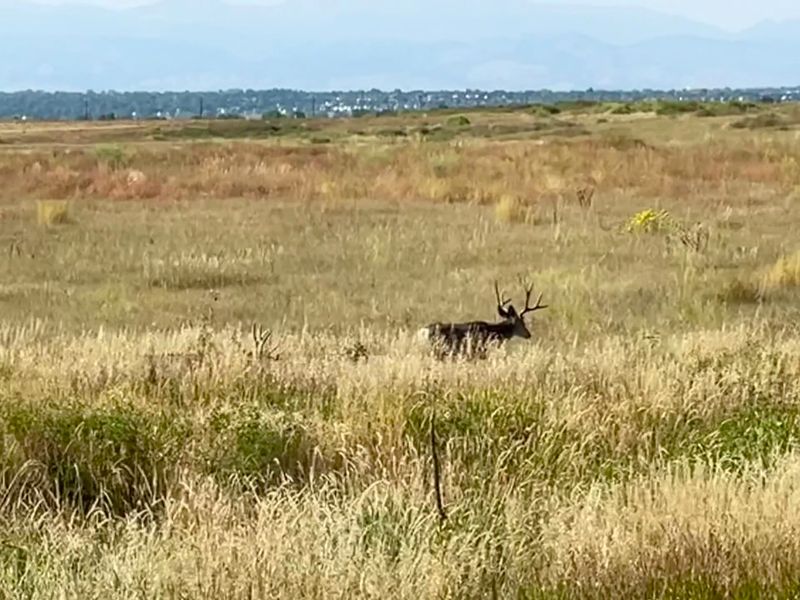
You cannot see stress on a bird the way you see a footprint. It still shapes where that bird decides to feed.
At Rocky Mountain Arsenal National Wildlife Refuge, 6550 Gateway Rd, Commerce City, even a slow approach can push animals off a spot they need.
Distance is kindness you can measure with your feet.
Nesting season around Barr Lake State Park, 13401 Picadilly Rd, Brighton, Colorado, turns quiet into currency. A calm path keeps eggs warm and parents focused.
People think tossing snacks is friendly. It teaches animals to rewrite their natural routes around us.
Colorado’s wildlife lives on a tight energy budget.
Every detour we cause spends it down.
Give space, use zoom, and keep voices soft around habitat. Those choices feel small and save real effort for the animals that live there.
Popular Places Feel The Impact First
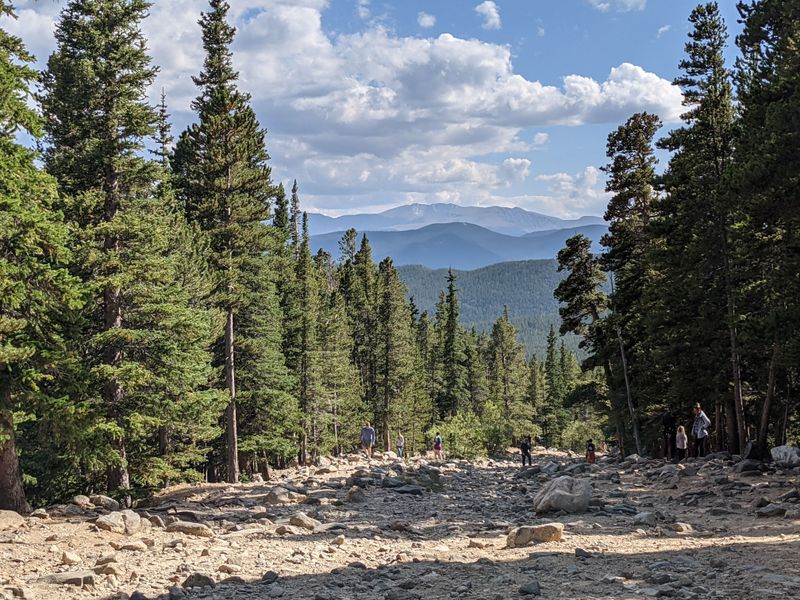
Crowds are not the villain, repetition is. The same move repeated all day turns into a groove in the landscape.
Hanging Lake, Glenwood Canyon, sees this play out in every season.
Even on the boardwalk, the urge to lean over barriers keeps showing up.
At St Mary’s Glacier trailhead near 7599 Fall River Rd, Idaho Springs, overflow parking pushes people onto roadside vegetation.
The shoulder stops being a shoulder and starts being a footpath.
Colorado hot spots collect habits like a chalkboard that never gets wiped. Good and bad, they both spread fast.
Once behavior normalizes, new visitors copy it. That is how a suggestion becomes a rule people think exists.
We can flip the script by modeling the boring stuff.
Pack out, stay on, give space, and say thanks to the place under your boots.
Rules Become Stricter After Damage Occurs
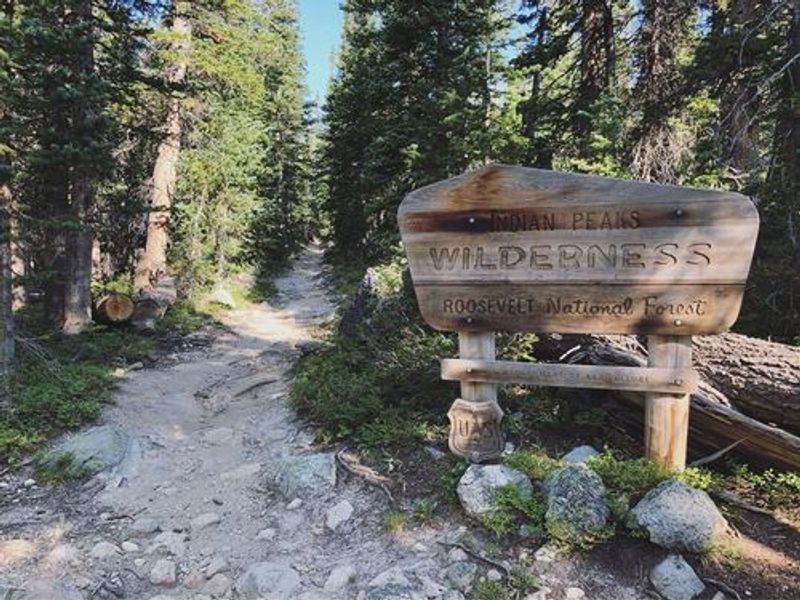
No one loves more rules on vacation. They usually show up because the land tapped the brakes first.
At Conundrum Hot Springs, Maroon Bells-Snowmass Wilderness, access from Maroon Creek Rd, Aspen, permits arrived after impacts stacked up.
The goal is to slow the wear so the valley can breathe.
Brainard Lake Recreation Area, Highway 72 near Ward, runs timed entry to keep parking sane and trails safer. Fewer cars means fewer last minute detours onto meadows.
Colorado managers try education before restrictions.
When that misses, closures help places reset.
It is not punishment, it is triage. Keep the patient stable, then reopen the trail when it can handle it.
Following Leave No Trace now is the easiest way to avoid stricter rules later.
Future you will thank present you at the gate.
Locals And Land Managers Notice First

You and I see views, they see patterns. Small changes add up like tally marks.
Chat with a ranger at Mueller State Park, 21045 CO-67, Divide and they will point to subtle trail braids. They read the hillside like a notepad left out in the rain.
In Fort Collins Natural Areas offices, 1745 Hoffman Mill Rd, Fort Collins, Colorado, staff track crushed plants near river bends. They notice where picnic spots creep outward.
Colorado locals clock the shift in bird calls near busy paths.
People talking louder becomes the drumbeat wildlife moves away from.
Tourists chase highlights, which is fair.
Locals watch how the highlights are holding up week by week.
If you want to help, ask what they are seeing and match your behavior to it. That kind of listening travels well.
Following The Rules Protects Future Access
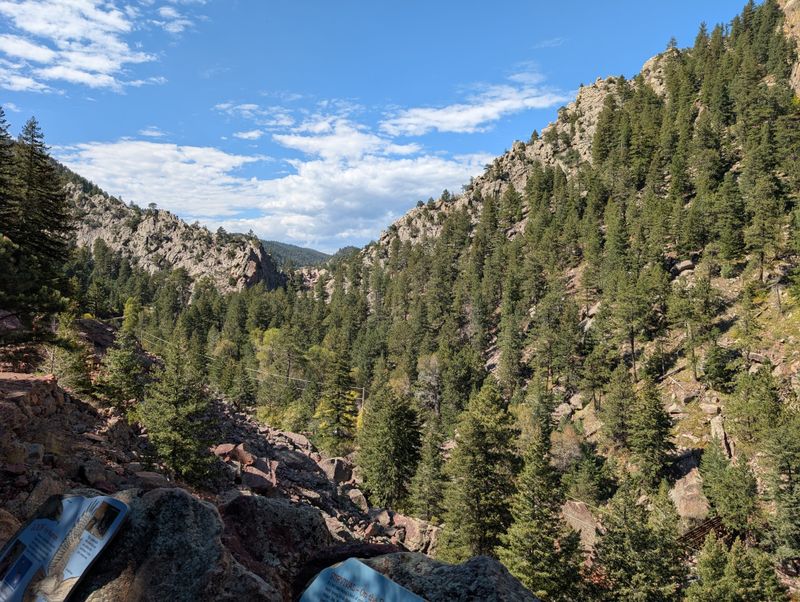
Here is the selfish case for doing it right. Following the rules now means the places you love stay open later.
Take Mount Sanitas Trailhead, 0 Sunshine Canyon Dr, Boulder, where simple trail discipline keeps switchbacks intact. It is the difference between closures and casual evening hikes.
Over at Eldorado Canyon State Park, 9 Kneale Rd, Eldorado Springs, Colorado, staying on established routes reduces rescues.
Fewer incidents mean more energy for stewardship projects.
Colorado keeps earning its road trip reputation every time we treat it gently.
Access is built on trust that we will not unravel the place.
Future trail reroutes, new overlooks, and better signage depend on today’s impact.
Less repair means more creation.
So yeah, Leave No Trace is not a buzzword, it is a pact. Keep it, and the gate swings open the next time you roll up.
Dear Reader: This page may contain affiliate links which may earn a commission if you click through and make a purchase. Our independent journalism is not influenced by any advertiser or commercial initiative unless it is clearly marked as sponsored content. As travel products change, please be sure to reconfirm all details and stay up to date with current events to ensure a safe and successful trip.
