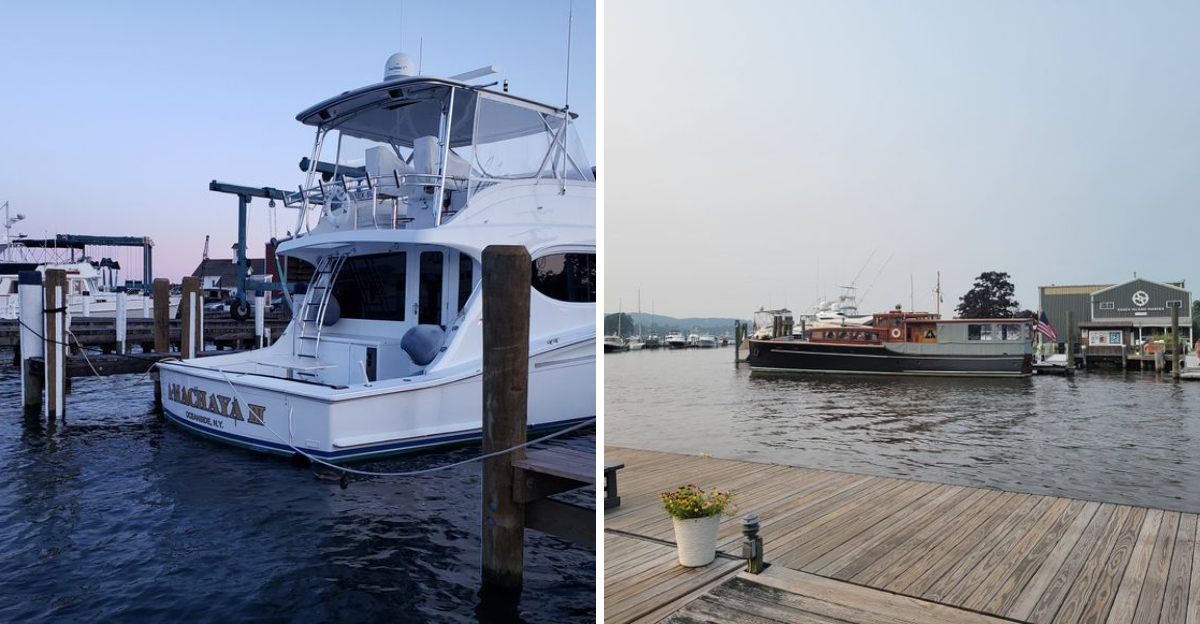
Essex, Connecticut has always been a charming harbor town, but rising tourism numbers have transformed this historic community in surprising ways.
Visitors now flock to the waterfront year-round, drawn by sailboats, museums, and New England charm that once belonged mainly to locals.
While tourism brings economic benefits and new opportunities, it also reshapes daily life for residents who call this place home.
From bustling streets to changing business landscapes, the impact of increased visitor traffic touches nearly every corner of town.
Understanding these changes helps both newcomers and long-time residents appreciate how Essex balances preservation with growth.
Tourism has become a double-edged sword, offering prosperity while challenging the community’s traditional character.
This article explores some significant ways that increased tourism has reshaped life along Essex’s picturesque harbor.
Rising Real Estate Prices Push Out Long-Time Residents
Property values in Essex have skyrocketed as tourism popularity has grown, making it increasingly difficult for families who have lived here for generations to afford staying in their hometown.
Waterfront properties that once housed fishing families now sell for millions, often purchased as second homes or vacation rentals by wealthy out-of-state buyers.
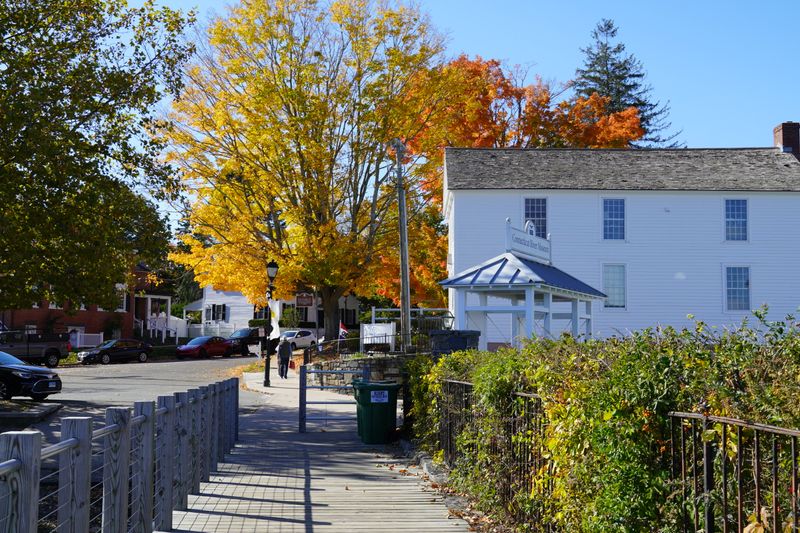
The Connecticut River Museum at 67 Main Street stands as a reminder of Essex’s maritime heritage, but nearby homes tell a different story of economic displacement.
Young adults who grew up in Essex find themselves priced out of the community where they attended school and built childhood memories.
Rental prices have climbed steadily as property owners realize they can charge premium rates to tourists seeking short-term accommodations near the harbor.
Local teachers, shop workers, and service employees struggle to find affordable housing within reasonable commuting distance of their workplaces.
This economic shift has altered the demographic makeup of Essex, with fewer year-round residents and more seasonal occupants who arrive during peak tourism months.
Community organizations report declining membership as families relocate to more affordable neighboring towns like Deep River or Chester.
The Essex Town Hall at 29 West Avenue processes fewer year-round resident registrations while vacation property permits increase annually.
School enrollment numbers reflect this population shift, with Essex Elementary School seeing gradual declines in local student attendance.
The housing crisis has sparked community debates about implementing regulations on short-term rentals and vacation properties.
Some residents advocate for affordable housing initiatives, while others argue that property rights should remain unrestricted regardless of tourism’s impact on local families.
Balancing economic growth with community preservation has become Essex’s most pressing challenge as tourism continues reshaping who can afford to live in this historic harbor town.
Main Street Businesses Shift from Local Services to Tourist Shops
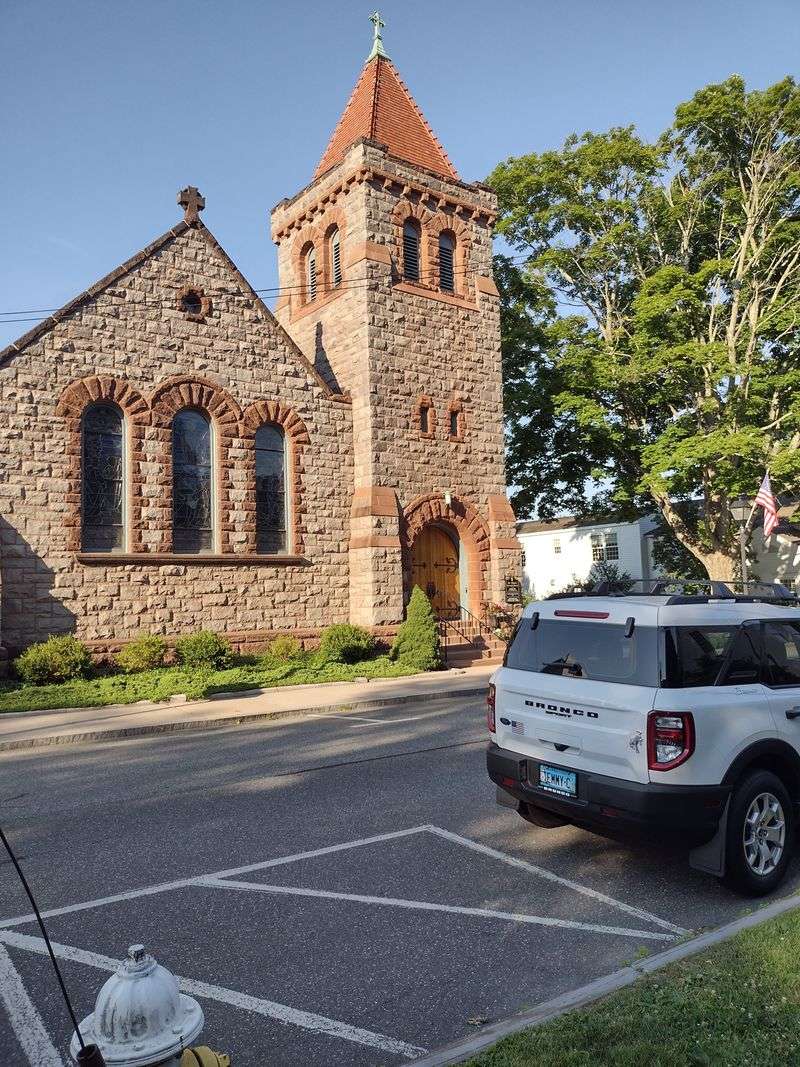
Walking down Main Street in Essex today reveals a retail landscape that carefully balances its historic roots with the demands of a modern tourist economy.
While many coastal towns have lost their essential services, long-standing institutions like the Essex Hardware store at 3 Main Street continue to serve the community as they have for decades.
Residents can still find everyday necessities at the Essex Village Market located at 7 Main Street, which provides local grocery services in the heart of the village.
The Griswold Inn at 36 Main Street remains a legendary landmark, anchoring a commercial district that now sees a vibrant mix of boutique galleries and specialty shops.
Tourism demand has encouraged entrepreneurs to open high-end boutiques and art galleries that draw visitors with disposable income from across New England.
This influx of shops like J. Alden and various antique dealers offers a sophisticated shopping experience that appeals to weekend visitors and locals alike.
The Essex Steam Train & Riverboat at 1 Railroad Avenue brings thousands of tourists who browse these shops, creating a sustainable customer base for niche retail.
Local business owners face the ongoing challenge of maintaining traditional community services while adapting to the seasonal surges of the tourism calendar.
While some specialty shops may adjust their hours during the winter, the core businesses of Main Street remain open to support the year-round resident population.
This commercial mix creates a “living village” atmosphere where authentic community life and tourist experiences coexist along the historic sidewalks.
The Essex Business Association works to ensure that growth remains respectful of the town’s character while supporting the economic vitality brought by visitors.
By preserving essential local shops alongside new boutiques, Essex demonstrates how a harbor community can thrive without losing its functional identity.
Harbor Congestion Creates Safety and Access Issues
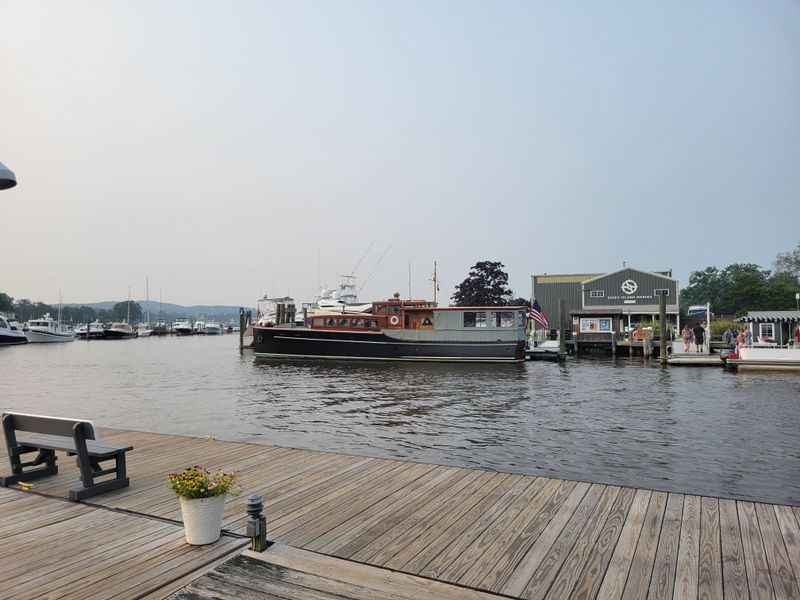
Essex Harbor once served primarily as a working waterfront where local boaters launched vessels and fishermen maintained their equipment without much interference or crowding.
Today’s harbor resembles a bustling tourist attraction during peak season, with recreational boats, tour vessels, and sightseers creating congestion that poses genuine safety concerns for experienced mariners.
The town dock area near the Connecticut River Museum becomes nearly impassable on summer weekends when tourists park illegally and crowd walkways to photograph boats and sunset views.
Local boat owners report difficulty accessing their own vessels during high tourism periods when transient boaters fill available slips and mooring spaces become scarce.
The Essex Yacht Club has implemented waiting lists for memberships as demand from newcomers and seasonal residents far exceeds available capacity.
Launching a kayak or small fishing boat at public access points now requires arriving at dawn to avoid crowds and ensure parking availability.
Water traffic has increased dramatically, raising collision risks as inexperienced recreational boaters navigate channels alongside longtime residents who rely on the river for transportation and livelihood.
The harbor master’s office receives frequent complaints about noise, wake damage, and navigation violations from tourists unfamiliar with local waterway etiquette and regulations.
Commercial tour boats like the Becky Thatcher riverboat add to congestion, though they operate on predictable schedules that allow experienced boaters to plan accordingly.
Parking near the waterfront has become extremely limited, with residents sometimes unable to access the harbor they’ve used for decades because tourist vehicles occupy every available space.
The town has discussed implementing resident-only parking permits and restricting public access during peak hours, but such measures remain controversial among business owners who depend on tourist spending.
Safety incidents have increased, including near-collisions on the water and pedestrian accidents on crowded docks, prompting calls for better traffic management and enforcement of existing regulations in Essex’s overwhelmed harbor area.
Seasonal Employment Replaces Year-Round Jobs
The employment landscape in Essex has shifted dramatically as tourism-dependent businesses offer primarily seasonal positions rather than the stable year-round jobs that once sustained local families.
Restaurants, shops, and marine services now hire temporary workers for summer months, then reduce staff or close entirely during the off-season when tourist traffic disappears.
This employment pattern creates financial instability for workers who must either find winter employment elsewhere or apply for unemployment benefits during the lean months.
The Griswold Inn and other hospitality establishments employ dozens during peak season but retain only skeleton crews during winter, leaving experienced servers and kitchen staff scrambling for income.
Local residents who depend on consistent paychecks for mortgage payments and family expenses find themselves competing for limited year-round positions in a tourism-dominated economy.
Many talented workers have left Essex entirely, relocating to areas with more stable employment opportunities and taking their skills and community connections with them.
Businesses justify seasonal employment by citing the dramatic revenue fluctuations between summer and winter months when tourist spending drops precipitously.
The Essex Steam Train & Riverboat operates reduced schedules in winter, employing far fewer conductors, ticket agents, and maintenance workers than during peak tourist season.
This employment instability affects not just individual workers but entire families who struggle with inconsistent income and lack of benefits like health insurance and retirement contributions.
Young people growing up in Essex see few career paths that allow them to build professional lives in their hometown, contributing to the community’s demographic shift.
Seasonality also affects businesses that serve the tourism industry, including suppliers, maintenance companies, and professional services that experience their own revenue fluctuations.
The town government recognizes this challenge but has limited tools to encourage year-round employment in an economy increasingly structured around seasonal visitor patterns rather than stable community needs.
Traffic and Parking Problems Disrupt Daily Life
Residents of Essex once enjoyed quiet streets where children played safely and neighbors chatted during evening walks, but increased tourism has brought persistent traffic congestion that disrupts daily routines.
Main Street and waterfront areas become gridlocked on summer weekends and during special events when thousands of visitors converge on the small town simultaneously.
Locals report needing extra travel time for simple errands as tourist traffic clogs intersections and parking lots overflow onto residential streets.
The area around the Essex Steam Train depot at 1 Railroad Avenue becomes particularly congested when trains arrive and depart, with tour buses and visitor vehicles creating backups that extend blocks.
Residents living near popular attractions find their driveways blocked by illegally parked tourist vehicles, sometimes preventing them from leaving their own properties for work or appointments.
The town has added parking restrictions and enforcement, but limited police resources mean violations often go uncited until residents lodge specific complaints.
Pedestrian safety has become a genuine concern as distracted drivers navigate unfamiliar streets while searching for parking or consulting GPS devices instead of watching for crossing families.
School bus routes experience delays during tourist season, and emergency vehicle access can be compromised when narrow streets become clogged with parked cars.
The Essex Fire Department at 16 Bokum Road has reported instances where response times increased due to traffic congestion blocking their route to emergencies.
Some residents avoid leaving home during peak tourist hours, effectively becoming prisoners in their own neighborhood to escape the stress of navigating crowded streets.
The town has explored solutions including shuttle services, remote parking with trolley transport, and time-restricted access to certain areas, but implementation remains challenging.
Public meetings about traffic management often become contentious as residents demand relief while business owners fear that access restrictions will reduce tourist spending and harm the local economy that now depends heavily on visitor dollars.
Community Events Transform into Tourist Attractions

Essex’s traditional community gatherings once brought neighbors together for authentic local celebrations, but many events have evolved into tourist attractions that prioritize visitor appeal over community connection.
The annual Essex Shad Bake, historically a neighborhood gathering where families shared food and stories, now draws thousands of outsiders who attend for the novelty rather than community tradition.
Long-time residents find themselves feeling like spectators at their own celebrations, outnumbered by tourists who view events as entertainment rather than meaningful cultural experiences.
Parking becomes nearly impossible for locals during popular events, and admission prices have increased to levels that strain family budgets already stretched by rising living costs.
The Essex Boat Parade and other waterfront festivities now require advance planning and early arrival for residents who once casually attended these gatherings as natural parts of community life.
Event organizers face pressure to accommodate growing crowds while maintaining the authentic character that made these celebrations special in the first place.
Some traditional events have been discontinued entirely because organizers couldn’t manage the logistics of massive tourist attendance or because the community spirit was lost amid commercialization.
The Essex Garden Club’s plant sale, once a friendly neighborhood exchange, now attracts professional resellers and tourists seeking souvenirs, fundamentally changing the event’s character.
Children’s activities and family traditions get squeezed out as events expand to accommodate tourist expectations for entertainment, food vendors, and photo opportunities.
Long-time residents express nostalgia for simpler celebrations when everyone knew each other and events reinforced community bonds rather than serving as tourist marketing opportunities.
Some locals have stopped attending altogether, creating separate private gatherings that recapture the intimate community feeling lost when events became tourist spectacles.
The Essex Parks and Recreation Department struggles to balance community needs with tourism promotion, recognizing that events generate revenue but questioning whether financial gain justifies losing authentic neighborhood traditions that once defined this harbor town’s social fabric.
Environmental Strain on Harbor Ecosystem
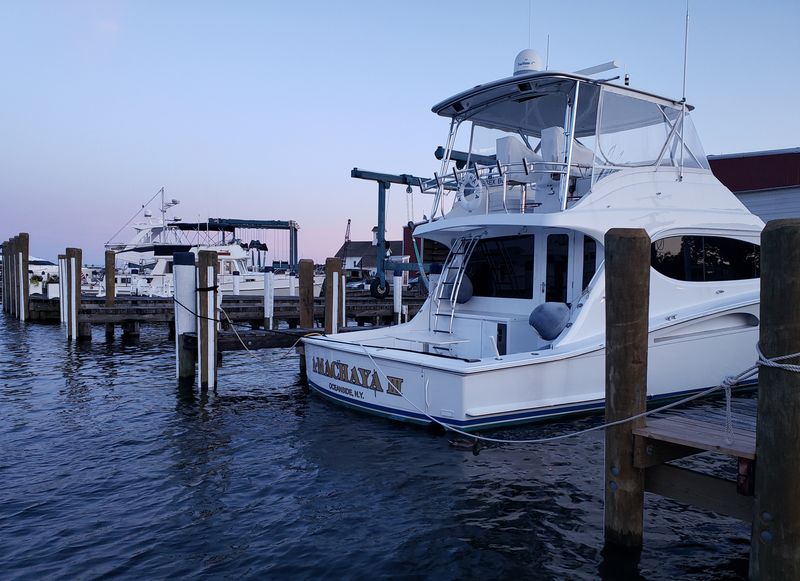
Increased tourism has placed unprecedented environmental pressure on Essex Harbor’s delicate ecosystem, with consequences that concern scientists and long-time residents who remember cleaner, healthier waters.
The Connecticut River estuary near Essex supports diverse wildlife including migratory birds, fish species, and aquatic plants, but heavy boat traffic and shoreline development threaten these natural communities.
Wake from recreational boats erodes shorelines and disturbs nesting areas for waterfowl that have used these protected coves for generations before tourism intensified.
Water quality testing by the Connecticut River Conservancy reveals elevated pollution levels during peak tourist season when boat traffic, restaurant waste, and stormwater runoff increase dramatically.
Marinas and fueling stations serve hundreds more vessels than in previous decades, raising risks of fuel spills and contamination that could devastate the harbor’s ecological balance.
Litter has become a persistent problem along waterfront areas where tourists picnic and gather, with plastic waste, food containers, and fishing line threatening wildlife and degrading natural beauty.
The Essex Land Trust works to protect remaining natural areas, but development pressure from tourism-related construction continues threatening wetlands and wildlife corridors.
Noise pollution from boat engines and waterfront activities disrupts natural habitats, potentially affecting fish spawning patterns and bird nesting success in areas adjacent to busy tourist zones.
Local environmental groups have documented declining populations of certain native species that cannot adapt to the increased human activity and habitat disturbance caused by tourism growth.
Residents who fish and crab in the harbor report noticeably reduced catches compared to decades past, suggesting ecosystem stress from cumulative tourism impacts.
The town has implemented some protective measures including no-wake zones and restrictions on waterfront development, but enforcement remains inconsistent and insufficient to reverse environmental degradation.
Balancing tourism revenue with environmental stewardship represents a critical challenge for Essex as community members debate whether short-term economic gains justify long-term ecological costs to the harbor ecosystem that defines this historic Connecticut River town.
Dear Reader: This page may contain affiliate links which may earn a commission if you click through and make a purchase. Our independent journalism is not influenced by any advertiser or commercial initiative unless it is clearly marked as sponsored content. As travel products change, please be sure to reconfirm all details and stay up to date with current events to ensure a safe and successful trip.
