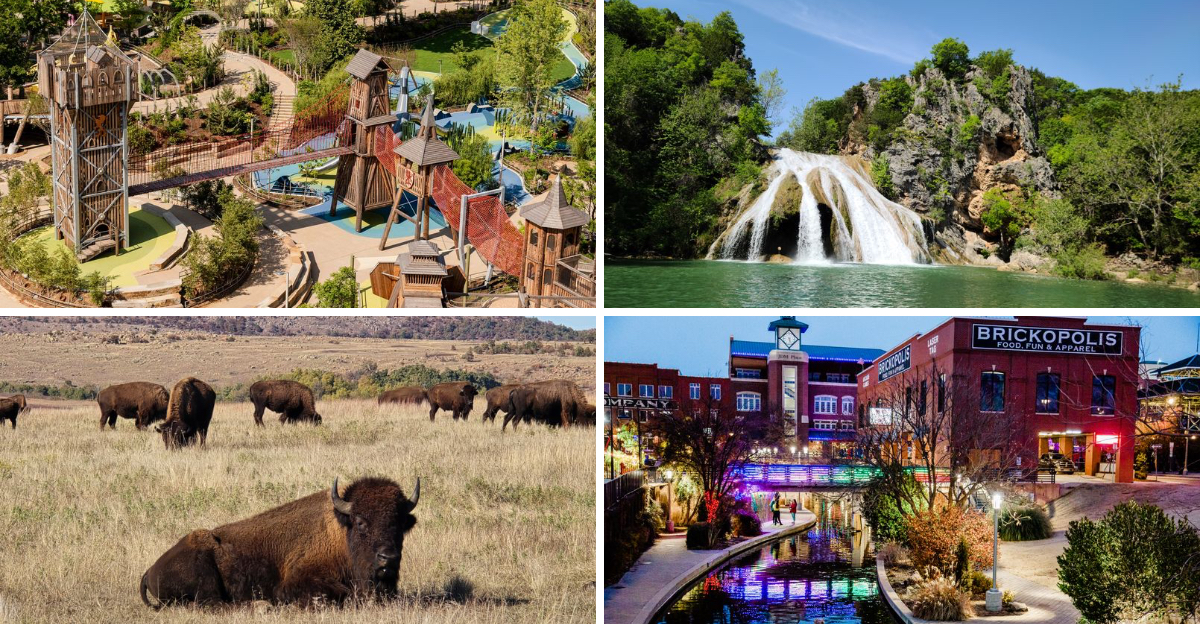
Oklahoma has quietly transformed into one of the most exciting travel destinations in the heartland.
More visitors are discovering that this state offers far more than wide open plains and cowboy history.
With growing tourism comes fresh energy, innovative attractions, and a travel scene that feels vibrant and welcoming.
1. Tulsa Arts District Comes Alive with Cultural Expansion

Tulsa has become a cultural powerhouse that surprises first-time visitors with its thriving arts scene.
The Arts District pulses with creative energy as new galleries, performance spaces, and public art installations pop up regularly.
Visitors wander tree-lined streets discovering hidden studios where local artists work on everything from sculpture to digital media.
Murals cover entire building facades, transforming ordinary walls into outdoor galleries that tell stories of Oklahoma heritage and modern innovation.
Music spills from intimate venues most evenings, offering everything from jazz to indie rock performances.
The district has grown so much that tourism boards now promote Tulsa as a must-see arts destination in the region.
Local restaurants and coffee shops have embraced the creative vibe, with interiors designed by area artists and menus that celebrate regional ingredients.
Walking tours led by passionate guides reveal layers of history woven into the architecture and streetscape.
Families find the district welcoming, with interactive exhibits and workshops designed specifically for younger visitors.
The energy here feels genuine rather than manufactured, as artists actually live and work in the neighborhood.
Evening strolls reveal a different side of the district, as neon signs glow and gallery openings create a festive atmosphere.
This transformation shows how tourism investment can revitalize urban spaces while maintaining authentic character.
Visitors leave impressed by how seamlessly Tulsa blends its oil-rich past with a forward-thinking creative economy.
2. Chickasaw National Recreation Area Draws Nature Seekers
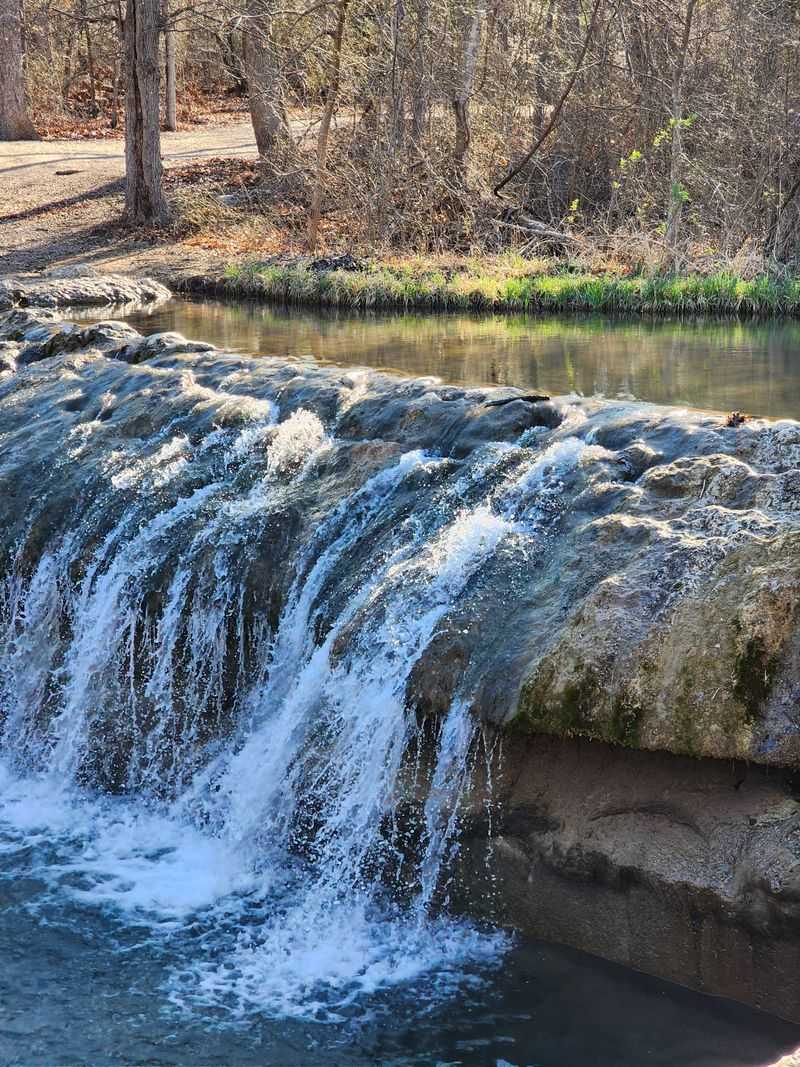
Chickasaw National Recreation Area near Sulphur offers an oasis that feels almost tropical in the middle of Oklahoma.
Crystal-clear springs bubble up from underground, creating swimming holes that stay refreshingly cool even during summer heat waves.
Families spread blankets near Little Niagara, a charming waterfall that cascades over limestone ledges into pools perfect for wading.
Hiking trails wind through forests where deer browse peacefully and songbirds fill the air with music.
The park has seen visitor numbers climb steadily as word spreads about this hidden gem tucked into the Arbuckle Mountains.
Campgrounds fill up on weekends with travelers who return year after year, drawn by the peaceful atmosphere and natural beauty.
Buffalo roam a dedicated preserve within the recreation area, offering visitors a glimpse of the animals that once dominated the plains.
Picnic areas sit beneath towering oak trees, providing shade and scenic spots for outdoor meals.
The Travertine Nature Center educates visitors about the unique geology that creates the springs and shapes the landscape.
Photographers arrive at sunrise to capture mist rising from the water and golden light filtering through the forest canopy.
Increased tourism has brought better facilities and programs while park staff work hard to protect the delicate ecosystems.
Local communities benefit from the visitor influx, with shops and restaurants in nearby towns thriving thanks to park traffic.
This recreation area proves that Oklahoma holds natural wonders worth traveling to experience firsthand.
3. Oklahoma City Bricktown Entertainment District Expands
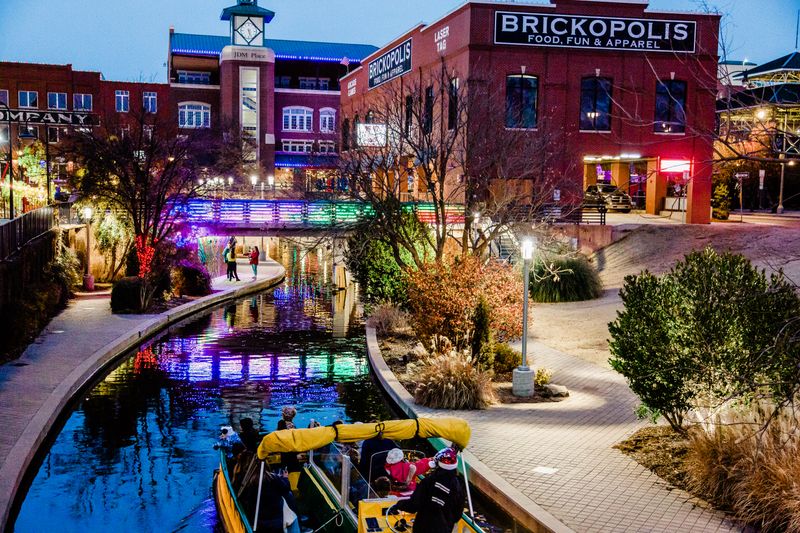
Bricktown has evolved from a forgotten warehouse district into the beating heart of Oklahoma City nightlife and entertainment.
The canal that runs through the neighborhood carries colorful water taxis past restaurants, shops, and entertainment venues that seem to multiply each year.
Visitors stroll along brick-paved walkways that wind between historic buildings now housing everything from comedy clubs to upscale dining establishments.
Seasonal events fill the district calendar, from outdoor concerts to food festivals that draw crowds from across the state and beyond.
Sports fans flock to the nearby arena for basketball games, then spill into Bricktown afterward to celebrate or commiserate over dinner.
The district manages to feel both polished and approachable, with options ranging from casual eateries to white-tablecloth restaurants.
Public art installations add visual interest at every turn, including sculptures and murals that reflect Oklahoma heritage.
Families appreciate the pedestrian-friendly layout and variety of activities suitable for all ages.
Evening brings a magical transformation as lights reflect off the canal water and the energy level rises noticeably.
Hotels have sprouted around the district, making it easy for tourists to stay within walking distance of the action.
The success of Bricktown has inspired similar redevelopment projects in other Oklahoma cities.
Locals and tourists mingle easily here, creating an atmosphere that feels welcoming rather than exclusively tourist-focused.
This entertainment hub demonstrates how thoughtful urban planning can breathe new life into historic spaces while honoring their industrial past.
4. Route 66 Heritage Sites See Revival Along Historic Highway

Oklahoma claims more drivable miles of original Route 66 than any other state, and that heritage has become a major tourism draw.
Small towns along the Mother Road have embraced their history, restoring vintage motels, diners, and gas stations to their mid-century glory.
Travelers seeking authentic Americana pull off the interstate to cruise through places like Arcadia, where the Round Barn stands as an architectural oddball that has become a beloved landmark.
Neon signs glow again above establishments that nearly faded into obscurity before tourism investment brought them back to life.
Museums dedicated to Route 66 history dot the highway, offering collections of memorabilia that transport visitors to the golden age of American road trips.
Local businesses have learned to cater to heritage tourists, offering souvenirs and experiences that celebrate the highway without feeling overly commercialized.
Photographers chase the perfect shot of vintage signs against big Oklahoma skies, sharing images that inspire others to make the journey.
The route passes through diverse landscapes, from rolling prairies to small downtown districts that time seems to have partially forgotten.
Communities host Route 66 festivals that bring together car enthusiasts, history buffs, and families looking for unique weekend adventures.
Restored roadside attractions like the Blue Whale in Catoosa have become social media sensations, drawing visitors who might never have considered Oklahoma as a destination.
This revival shows how tourism can preserve history while providing economic benefits to rural communities.
Driving Route 66 through Oklahoma feels like stepping into a living museum where the past and present coexist comfortably.
5. Wichita Mountains Wildlife Refuge Attracts Adventure Travelers
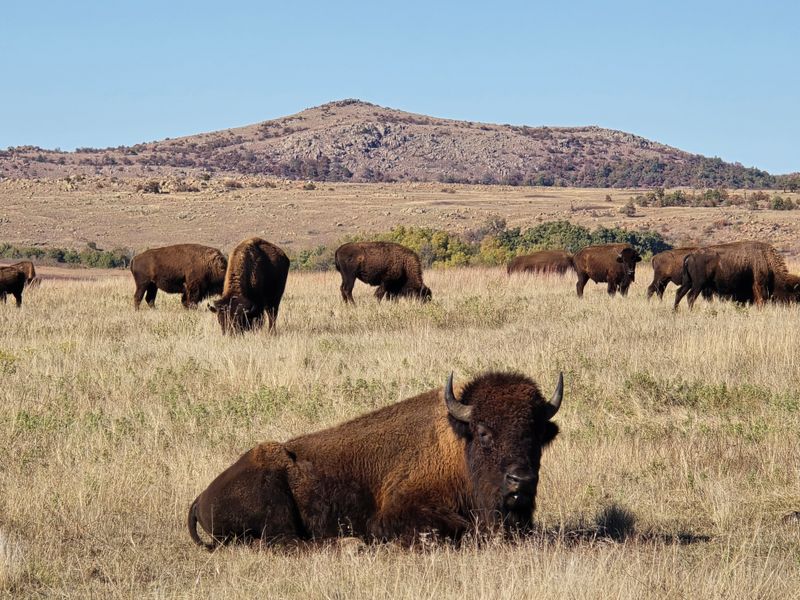
The Wichita Mountains rise dramatically from the surrounding plains in southwestern Oklahoma, creating a landscape that surprises visitors expecting only flat farmland.
Ancient granite peaks glow pink and orange at sunrise, offering photographers and nature lovers spectacular views that rival more famous western ranges.
Bison, longhorn cattle, and elk roam freely across the refuge, providing wildlife viewing opportunities that feel genuinely wild rather than zoo-like.
Hiking trails range from easy nature walks to challenging scrambles up rocky summits that reward effort with panoramic vistas.
Mount Scott Road winds to the top of the refuge’s highest accessible peak, where visitors can drive to views that stretch for miles in every direction.
Rock climbers have discovered the refuge in recent years, tackling granite faces that offer routes for various skill levels.
Lakes scattered throughout the refuge provide fishing and peaceful spots for picnicking or simply watching the water reflect the surrounding peaks.
The refuge has managed increased visitor numbers carefully, maintaining the wild character that makes the area special.
Prairie dog towns entertain families with their social behavior and constant activity above their underground colonies.
Seasonal changes bring different experiences, from wildflower blooms in spring to golden grasses waving in autumn winds.
Camping facilities allow visitors to wake up surrounded by nature and start exploring trails before the day heats up.
The refuge demonstrates that Oklahoma holds genuine wilderness areas worth protecting and experiencing.
Visitors often express surprise at finding such dramatic scenery in a state they previously associated only with tornadoes and wheat fields.
6. Turner Falls Park Becomes Summer Destination Hotspot
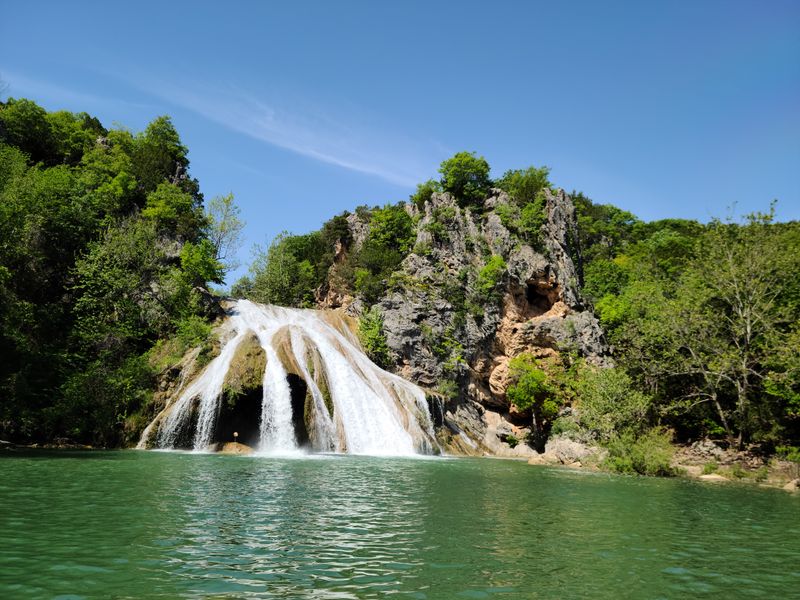
Turner Falls tumbles seventy-seven feet over limestone cliffs in the Arbuckle Mountains, creating Oklahoma’s tallest waterfall and a summer gathering place that has grown tremendously popular.
Natural pools at the base of the falls stay cool and inviting even during the hottest months, drawing swimmers who splash and play in the clear water.
Rock formations surrounding the falls provide spots for sunbathing and watching the constant flow of water over ancient stone.
Caves tucked into the hillsides invite exploration, though visitors need to watch their footing on smooth limestone surfaces.
The park has expanded facilities to handle growing crowds while trying to preserve the natural beauty that attracts people in the first place.
Families claim picnic tables early in the day, setting up base camps for hours of swimming and relaxing.
Hiking trails lead to overlooks where the full scope of the falls and surrounding canyon becomes visible.
The nearby town of Davis has benefited from the park’s popularity, with restaurants and shops catering to hungry, sunburned visitors.
Weekends during summer see the park fill to capacity, a sign of how tourism has discovered this natural attraction.
Spring brings different beauty as wildflowers bloom along the trails and water flow increases with seasonal rains.
The park represents a shift in how Oklahomans and tourists alike spend leisure time, choosing natural attractions over manufactured entertainment.
Increased tourism revenue has allowed for improvements that make visits safer and more comfortable without destroying the rustic appeal.
Turner Falls shows that sometimes the best destinations are those that nature created long before humans arrived.
7. Gathering Place in Tulsa Sets New Standard for Urban Parks
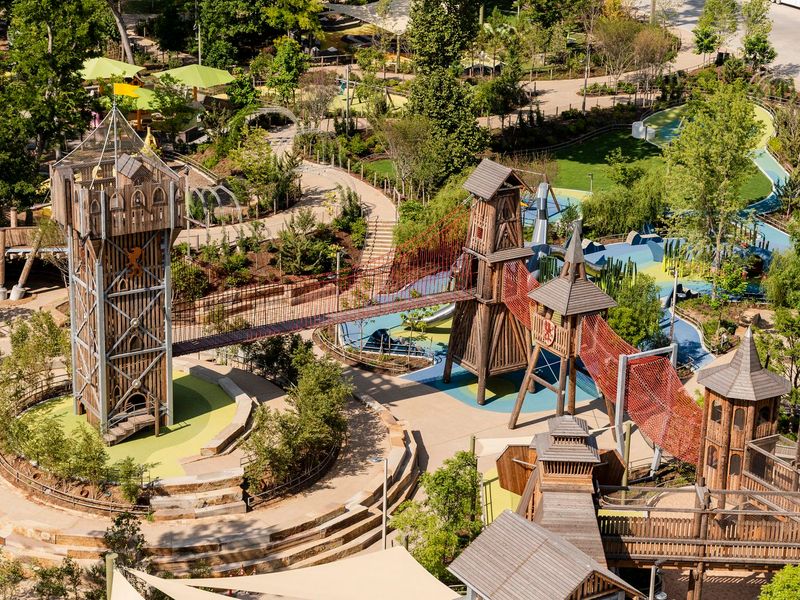
Gathering Place opened in Tulsa and immediately changed expectations for what a public park could be.
Sprawling along the Arkansas River, this park combines natural beauty with innovative design in ways that attract visitors from well beyond Oklahoma.
Children race between imaginative play structures that challenge bodies and minds without looking like typical playground equipment.
Gardens showcase native plants and create peaceful spaces where adults can relax while kids explore nearby attractions.
A boathouse offers kayak and paddleboard rentals, giving visitors a chance to experience the river from water level.
Seasonal events fill the calendar, from outdoor movie nights to concerts that draw thousands to the great lawn.
The park has become a destination in itself, with some families planning entire vacations around visiting this remarkable public space.
Food trucks and a casual restaurant ensure that visitors can spend entire days without leaving the grounds.
Art installations scattered throughout the park provide visual interest and photo opportunities that fill social media feeds.
The park remains completely free, a gift to the community that has also become a powerful tourism draw.
Walking and biking paths connect different areas of the park and link to a broader trail system along the river.
Gathering Place demonstrates how investment in public spaces can transform a city’s image and attract new visitors.
Locals take pride in showing off the park to out-of-town guests, and tourists often extend their stays to spend more time enjoying the facilities.
This park has put Tulsa on the map as a family-friendly destination with world-class amenities.
8. Tallgrass Prairie Preserve Offers Untouched Wilderness Experience
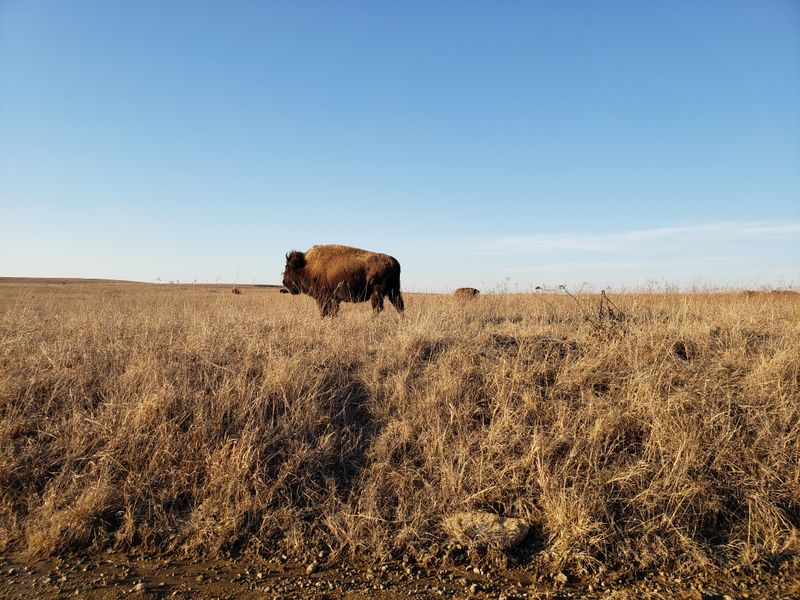
The Tallgrass Prairie Preserve protects one of the last remaining stretches of tallgrass prairie ecosystem in North America.
Grasses grow as tall as a person in some areas, waving in constant wind and creating an ocean-like effect across thousands of acres.
Bison herds maintained by the Nature Conservancy roam freely, offering visitors a glimpse of what the Great Plains looked like centuries ago.
The preserve near Pawhuska has seen tourism grow as people seek authentic natural experiences away from crowded national parks.
Hiking trails disappear into the grasslands, giving adventurous visitors a sense of solitude rare in modern America.
Wildflowers paint the prairie in changing colors throughout the growing season, from spring blooms to autumn golds.
Birders arrive with binoculars and field guides, searching for species that depend on prairie habitat.
The preserve offers no fancy facilities or visitor centers, just raw nature and the chance to experience a vanishing ecosystem.
Sunrise and sunset transform the landscape as light plays across the undulating terrain and illuminates the grasses.
Photography workshops bring participants hoping to capture the essence of the prairie and its wildlife.
The preserve demonstrates that Oklahoma holds treasures beyond what most people imagine when they think of the state.
Growing tourism here has raised awareness about prairie conservation and the importance of protecting remaining grasslands.
Visitors often describe feeling humbled by the vastness and beauty of a landscape that once covered much of the continent.
This preserve offers something increasingly rare: a chance to see North America as it existed before widespread settlement.
9. Oklahoma City National Memorial Draws Reflective Visitors
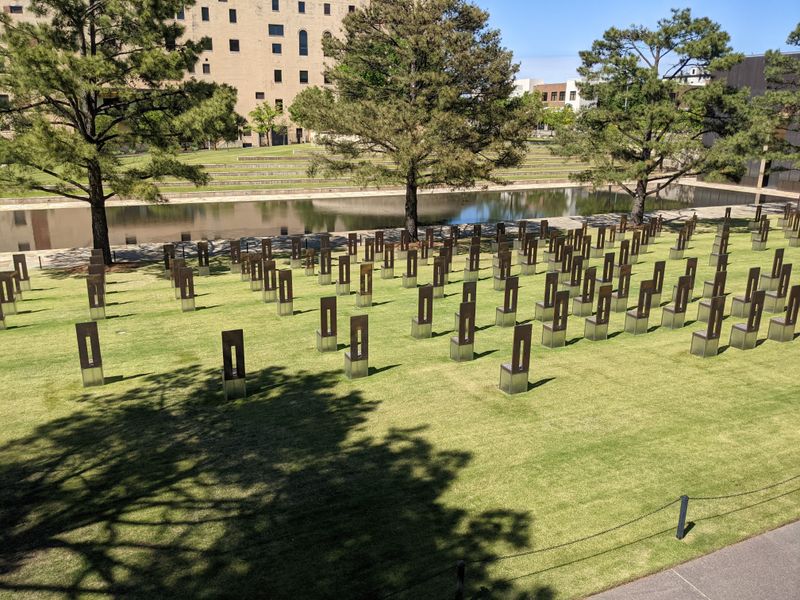
The Oklahoma City National Memorial stands as a powerful tribute to those affected by the 1995 bombing that shook the nation.
Empty chairs arranged in rows represent each person who died, creating a visual impact that brings many visitors to tears.
The Survivor Tree, an American elm that withstood the blast, symbolizes resilience and has become an icon of hope.
A reflecting pool stretches between gates marked with times just before and after the explosion, creating a timeline of that tragic day.
The adjacent museum tells stories of victims, survivors, and rescuers through artifacts, recordings, and interactive displays.
Tourism to the memorial has remained steady as people seek to understand this chapter of American history and pay respects.
School groups visit regularly, learning lessons about violence, healing, and community response to tragedy.
The memorial manages to be both somber and uplifting, acknowledging pain while celebrating the strength that emerged afterward.
Landscaping incorporates native plants and creates spaces for quiet reflection away from the busy downtown that surrounds the site.
Annual remembrance ceremonies draw survivors, family members, and visitors who want to honor those lost.
The memorial has become an essential stop for anyone visiting Oklahoma City, offering perspective on the community’s character.
International visitors come to see how Americans memorialize tragedy and work toward healing.
The site demonstrates how tourism can serve educational and emotional purposes beyond simple entertainment.
Leaving the memorial, many visitors feel a deeper connection to Oklahoma and appreciation for human resilience in the face of darkness.
10. Woolaroc Museum and Wildlife Preserve Combines Art and Nature
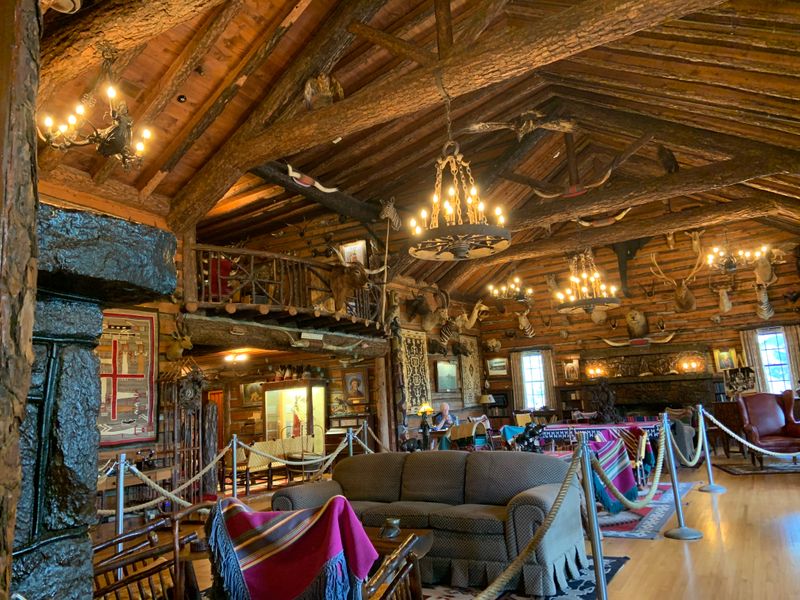
Woolaroc sits on thousands of acres near Bartlesville, blending a world-class museum with a wildlife preserve that roams free across rolling hills.
The museum houses an impressive collection of Western art, Native American artifacts, and historical objects that tell stories of frontier life.
Oil baron Frank Phillips created this retreat in the 1920s, and his vision has evolved into a destination that attracts art lovers and nature enthusiasts alike.
Bison, elk, and longhorn cattle graze the preserve, visible from driving loops that wind through the property.
The main lodge showcases rustic architecture filled with Phillips’ eclectic collections, from Colt firearms to Southwestern pottery.
Gardens surrounding the buildings bloom with seasonal color, providing peaceful spots for contemplation between museum galleries.
Increasing tourism has brought more attention to this gem that combines multiple interests in one location.
Families appreciate that kids can enjoy watching wildlife while adults explore the extensive art collections.
The preserve hosts special events throughout the year, from art shows to living history demonstrations.
Walking trails allow visitors to stretch their legs and experience the landscape that inspired Phillips to create his retreat.
The museum continually adds to its collections, ensuring that repeat visitors always find something new to discover.
Woolaroc demonstrates how private passion can become a public treasure that enriches tourism offerings.
Visitors often spend entire days here, surprised by how much there is to see and do on the sprawling property.
This unique combination of art, history, and wildlife makes Woolaroc unlike any other destination in Oklahoma.
11. Myriad Botanical Gardens Transform Downtown Oklahoma City
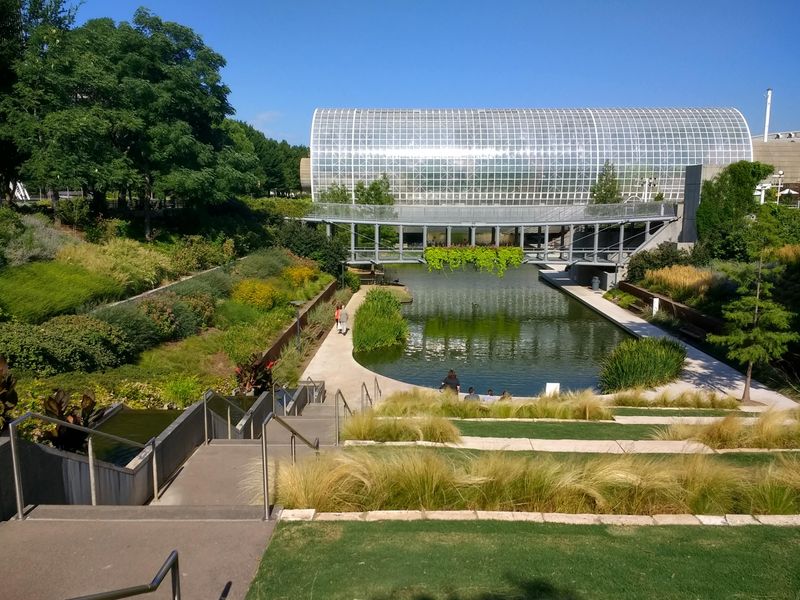
Myriad Botanical Gardens anchor downtown Oklahoma City with seventeen acres of green space that feel worlds away from surrounding urban streets.
The Crystal Bridge Conservatory rises like a glass cylinder, housing tropical and desert plants in climate-controlled environments that amaze visitors.
Children splash in interactive fountains during summer while parents relax on nearby lawns or explore walking paths.
The gardens have undergone major renovations that transformed them into a premiere attraction drawing tourists and locals throughout the year.
Seasonal plantings ensure that gardens look different with each visit, from spring tulips to winter holiday lights.
A restaurant overlooks the gardens, offering meals with views that make diners forget they are in the heart of a busy city.
Yoga classes, concerts, and educational programs fill the event calendar, creating reasons to visit beyond simply strolling the grounds.
The conservatory allows visitors to experience tropical environments and desert landscapes without leaving Oklahoma.
Pathways wind through different garden areas, each with distinct character and plant collections.
The gardens connect to broader downtown revitalization efforts that have made Oklahoma City increasingly attractive to tourists.
Wedding parties frequently use the gardens as backdrops for photos, taking advantage of the beautiful and varied settings.
Increased tourism has justified continued investment in the gardens, ensuring they remain well-maintained and constantly improving.
Office workers escape to the gardens during lunch breaks, creating a mix of tourists and locals that adds to the welcoming atmosphere.
These gardens prove that green spaces can thrive in urban centers and become significant tourism draws that benefit entire communities.
Dear Reader: This page may contain affiliate links which may earn a commission if you click through and make a purchase. Our independent journalism is not influenced by any advertiser or commercial initiative unless it is clearly marked as sponsored content. As travel products change, please be sure to reconfirm all details and stay up to date with current events to ensure a safe and successful trip.
