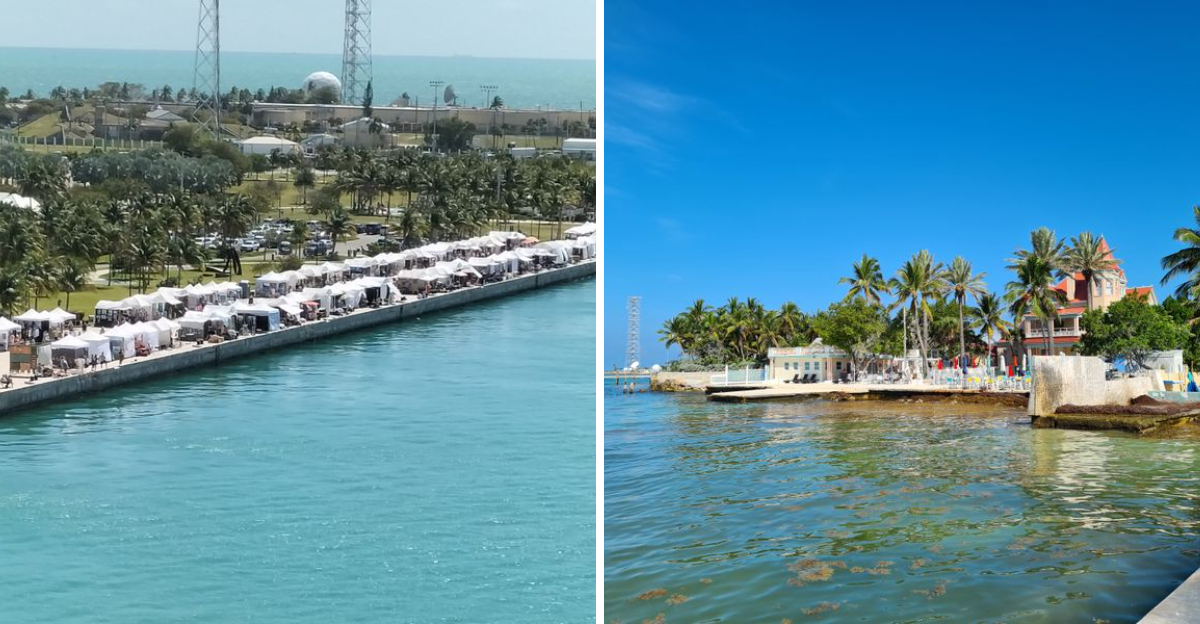
Key West has always felt like a place where time moves a little slower, where neighbors know each other by name, and where the rhythm of island life keeps everyone grounded.
But as tourism has exploded over the past few decades, this tiny island at the tip of Florida has transformed in ways both visible and invisible.
What was once a laid-back fishing village and artist haven has become one of the most visited destinations in the state, drawing millions of people every year.
The influx of visitors has brought economic growth and global recognition, but it has also reshaped the very fabric of the community.
From rising costs of living to crowded streets and changing local traditions, the impact of mass tourism is undeniable.
Understanding these changes helps us appreciate what Key West once was and what it is becoming.
Here are seven ways increasing visitors have changed the small-town charm of Key West, Florida.
1. Rising Housing Costs Push Out Long-Time Residents
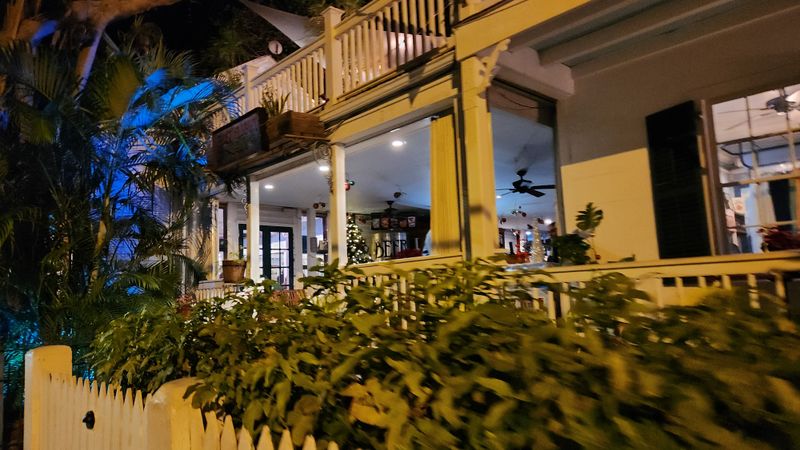
Affordable housing has become almost impossible to find in Key West, forcing many families who have lived here for generations to move away.
Investors and developers have swooped in to buy up properties, converting them into vacation rentals and short-term lodging options that cater exclusively to tourists.
These conversions have drastically reduced the number of homes available for year-round residents, driving up rent and property values to levels that local workers simply cannot afford.
Teachers, firefighters, nurses, and service industry employees now face commutes of an hour or more from the mainland because they can no longer afford to live on the island.
This exodus has weakened the sense of community that once defined Key West.
Neighbors who used to gather for block parties or help each other during hurricane season are now scattered across Monroe County.
The island feels less like a hometown and more like a revolving door of strangers.
Local businesses struggle to retain employees because housing instability makes it nearly impossible to build a life here.
Even longtime homeowners feel the pressure, as property taxes rise in step with skyrocketing home values.
Some have been forced to sell their family homes just to stay financially afloat.
The character of neighborhoods has shifted too, with fewer children playing in the streets and more lockboxes on front doors.
What was once a vibrant residential community now feels hollow in many areas, with homes sitting empty most of the year, waiting for the next wave of tourists.
The charm of knowing your neighbors and building lasting relationships has faded, replaced by transient guests who come and go without ever really connecting to the island.
This loss of community cohesion is one of the most painful consequences of unchecked tourism growth.
2. Local Businesses Replaced by Tourist-Focused Chains
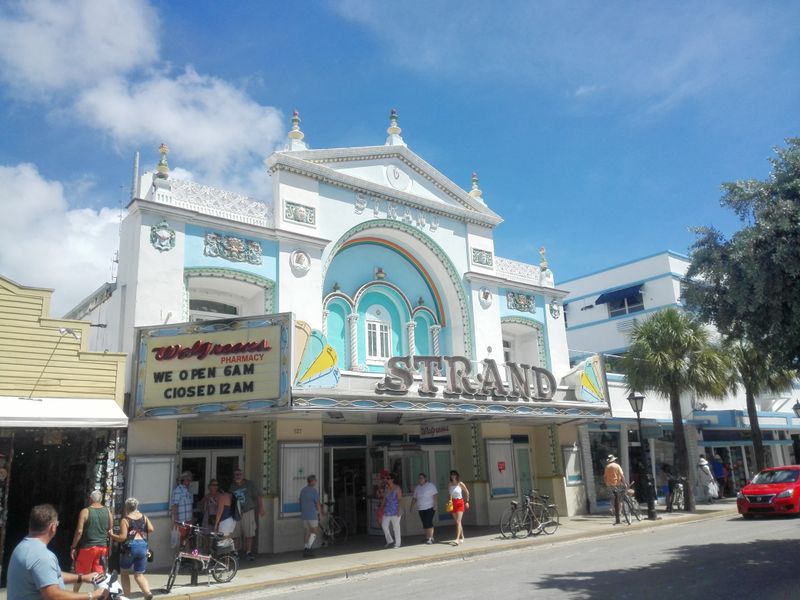
Walking down Duval Street today feels very different than it did twenty years ago.
Where local bookstores, hardware shops, and family-owned cafes once stood, you now find national chain restaurants, souvenir shops, and corporate brands.
These businesses cater almost entirely to visitors, offering little to the residents who actually live on the island.
The shift happened gradually, as property owners realized they could charge much higher rents to businesses that appeal to tourists.
Small, independently owned shops could not compete with the deep pockets of franchises and chains, and one by one, they closed their doors.
This transformation has stripped away much of the local flavor that made Key West special.
Residents used to be able to walk to a neighborhood grocery store or grab a cup of coffee at a cafe where the owner knew their name.
Now, they often have to drive off the island or settle for overpriced tourist traps that do not serve their everyday needs.
The loss of these businesses has also meant the loss of jobs for locals who once worked in family-run establishments.
Chain stores and restaurants tend to hire seasonally and offer fewer opportunities for long-term employment or advancement.
The sense of pride that came from supporting homegrown businesses has diminished, replaced by a landscape that feels generic and impersonal.
Even iconic spots that managed to survive have had to adapt, shifting their focus to tourists rather than locals just to stay afloat.
The result is a downtown that feels more like a theme park than a living, breathing community.
Visitors may not notice the difference, but for those who remember the old Key West, the change is heartbreaking.
3. Traffic Congestion Disrupts Daily Island Life
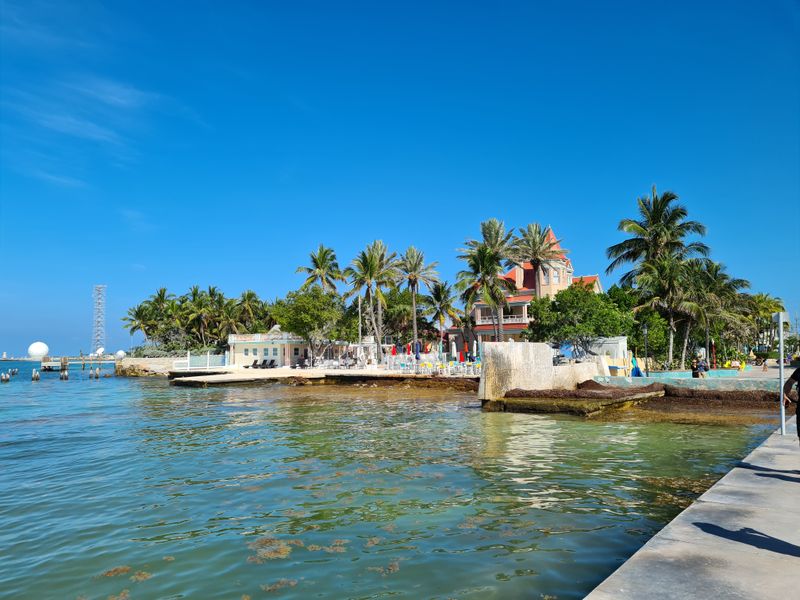
Getting anywhere in Key West used to be a breeze, with quiet streets and minimal traffic even during peak hours.
Today, the roads are clogged with rental cars, tour buses, and scooters, making even short trips frustratingly slow.
The island was never designed to handle the volume of vehicles that now flood in daily, and the infrastructure simply cannot keep up.
Locals who need to get to work, pick up their kids from school, or run errands often find themselves stuck in gridlock alongside confused tourists navigating unfamiliar roads.
The constant traffic has also made walking and biking more dangerous, as distracted drivers and overcrowded streets create hazardous conditions.
Parking has become another nightmare, with spots reserved for residents often taken by visitors who ignore the signs.
What used to be a leisurely island lifestyle now feels rushed and stressful, as residents have to plan extra time for every outing just to account for traffic delays.
The noise and exhaust fumes from idling vehicles have also diminished the quality of life in residential areas that were once peaceful and serene.
Emergency services face challenges too, as fire trucks and ambulances struggle to navigate congested streets during critical situations.
Public transportation options remain limited, and the few buses that do run are often packed with tourists, leaving little room for locals.
The sense of freedom that came with living on a small island has been replaced by the frustration of urban-style traffic problems.
Even simple pleasures like riding a bike to the beach or taking a sunset stroll have become less enjoyable because of the crowds and chaos.
The charm of island living has been overshadowed by the reality of constant congestion and the loss of tranquility that once defined Key West.
4. Environmental Damage Threatens Natural Beauty

Key West is surrounded by some of the most stunning coral reefs and marine ecosystems in the world, but the surge in tourism has taken a heavy toll on these fragile environments.
Thousands of snorkelers and divers visit the reefs every day, and many unknowingly damage the coral by standing on it, touching it, or stirring up sediment.
Tour boats drop anchor directly on reefs, causing irreversible harm to structures that took centuries to form.
The increased boat traffic has also led to more pollution, with fuel spills and waste contaminating the crystal-clear waters that once defined the area.
On land, the story is much the same.
Popular beaches like Smathers Beach and Fort Zachary Taylor are often littered with trash left behind by visitors who do not take the time to clean up after themselves.
Native vegetation has been trampled, and wildlife habitats have been disturbed by the constant flow of people.
The island’s delicate mangrove ecosystems, which serve as nurseries for fish and protect the shoreline from erosion, have been destroyed to make way for hotels and marinas.
Climate change has made these problems worse, but the sheer volume of human activity accelerates the damage.
Local conservation groups work tirelessly to educate visitors and restore damaged areas, but they are fighting an uphill battle against the relentless pace of tourism.
Residents who have spent their lives swimming, fishing, and diving in these waters have watched the decline firsthand, mourning the loss of vibrant reefs that are now bleached and lifeless.
The natural beauty that draws millions of visitors to Key West each year is slowly being destroyed by the very people who come to enjoy it.
Without significant changes in how tourism is managed, the environmental damage may become irreversible, leaving future generations with nothing but memories of what once was.
5. Cultural Traditions Fade as Tourism Takes Priority
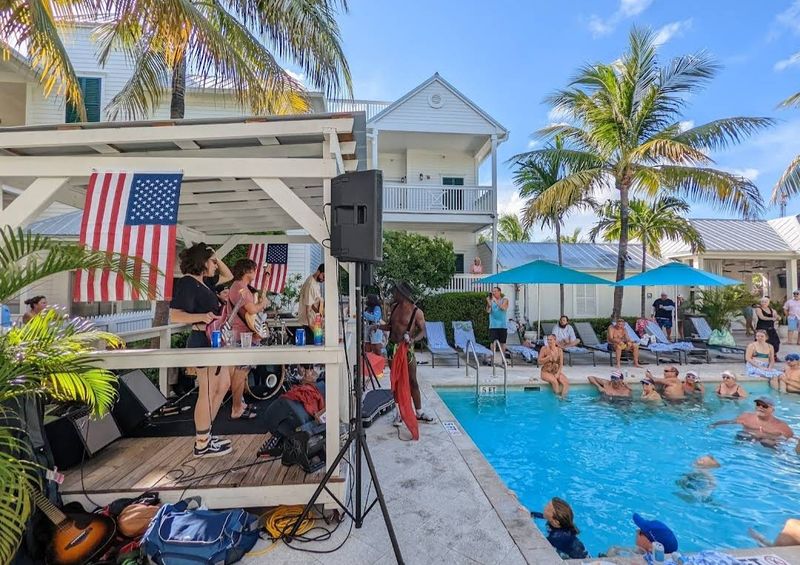
Key West has a rich cultural history shaped by Cuban immigrants, Bahamian settlers, shipwreck salvagers, and artists who found inspiration in the island’s unique atmosphere.
Festivals, art shows, and community gatherings once celebrated this heritage, bringing residents together to honor their shared past.
But as tourism has grown, many of these traditions have been commercialized or abandoned altogether.
Events that were once intimate and meaningful have been rebranded as tourist attractions, losing their authenticity in the process.
The annual Fantasy Fest, for example, started as a quirky local celebration but has morphed into a massive party that caters primarily to out-of-town visitors.
Many longtime residents now avoid the event entirely because it no longer reflects the spirit of the community.
The island’s connection to famous writers like Ernest Hemingway and Tennessee Williams is now packaged and sold as part of the tourist experience, with little attention paid to the actual literary and artistic contributions they made.
Historic sites have been turned into selfie spots, and the stories behind them are often reduced to soundbites on guided tours.
Local artists and musicians struggle to find venues that will book them, as bars and restaurants prefer to hire performers who play generic covers that appeal to tourists.
The Conch Republic spirit, which once symbolized the island’s independent and rebellious nature, has been diluted into a marketing gimmick.
Residents feel disconnected from their own culture, as the island’s identity is increasingly shaped by what sells rather than what matters to the people who live here.
Younger generations grow up without a strong sense of their heritage because the traditions that once passed from parent to child have been overshadowed by the demands of the tourism industry.
The loss of cultural authenticity is one of the most subtle but profound ways that tourism has changed Key West, eroding the very soul of the island.
6. Overcrowded Public Spaces Reduce Quality of Life

Mallory Square used to be a place where locals gathered to watch the sunset, chat with friends, and enjoy street performers in a relaxed, unhurried atmosphere.
Now, it is packed shoulder to shoulder with tourists every evening, making it nearly impossible for residents to enjoy the space.
The same is true for beaches, parks, and other public areas that were once peaceful retreats.
Visitors arrive by the thousands, filling every available inch of sand and grass, leaving little room for the people who actually live on the island.
The noise levels have skyrocketed, with music blaring from bars, tour guides shouting into microphones, and crowds talking over each other.
What was once a tranquil escape has become a chaotic scene that feels more like Times Square than a tropical island.
Public restrooms are often filthy and overused, and trash cans overflow because the city cannot keep up with the volume of waste generated by so many people.
Residents who want to enjoy a quiet moment by the water or a peaceful walk through a park now have to seek out hidden spots that tourists have not yet discovered.
Even then, there is no guarantee that these places will remain undisturbed for long.
The sense of ownership and pride that locals once felt in their public spaces has been replaced by frustration and resignation.
Many residents avoid going out during peak tourist season altogether, essentially becoming prisoners in their own homes.
The overcrowding has also led to safety concerns, as emergency services struggle to respond quickly in areas jammed with people.
The quality of life that once made Key West such a desirable place to live has been eroded by the sheer volume of visitors who descend on the island daily.
For those who remember what it was like before tourism exploded, the loss of these public spaces feels like losing a piece of home.
7. Economic Dependence on Tourism Creates Instability

Key West’s economy is now almost entirely dependent on tourism, which means that any disruption to the flow of visitors can have devastating consequences for the entire community.
During the COVID-19 pandemic, the island saw firsthand how fragile this economic model truly is.
When travel restrictions were put in place and tourists stopped coming, businesses shut down overnight, and thousands of workers lost their jobs.
The lack of economic diversity left the island with few options for recovery, and many people were forced to leave in search of work elsewhere.
Even in normal times, the reliance on tourism creates instability, as the industry is highly seasonal and vulnerable to factors beyond local control, such as hurricanes, economic downturns, and changing travel trends.
Workers in the hospitality sector often face inconsistent hours, low wages, and few benefits, making it difficult to build a stable life.
The focus on tourism has also discouraged investment in other industries that could provide more sustainable and resilient employment opportunities.
Residents who do not work in tourism-related fields find it hard to thrive because the entire local economy is geared toward serving visitors.
Small businesses that cater to locals struggle to survive because they cannot compete with the high rents and consumer spending power that tourism generates.
The island’s leadership has prioritized attracting more tourists over addressing the needs of residents, creating a system that benefits a few while leaving many behind.
The wealth generated by tourism does not trickle down evenly, and the gap between rich and poor has widened significantly.
Property owners and developers profit handsomely, while service workers barely scrape by despite working multiple jobs.
This economic imbalance has fueled resentment and division within the community, as residents feel that their needs are being ignored in favor of catering to tourists.
The long-term sustainability of this model is questionable, and many worry about what will happen if tourism ever declines permanently.
Dear Reader: This page may contain affiliate links which may earn a commission if you click through and make a purchase. Our independent journalism is not influenced by any advertiser or commercial initiative unless it is clearly marked as sponsored content. As travel products change, please be sure to reconfirm all details and stay up to date with current events to ensure a safe and successful trip.
