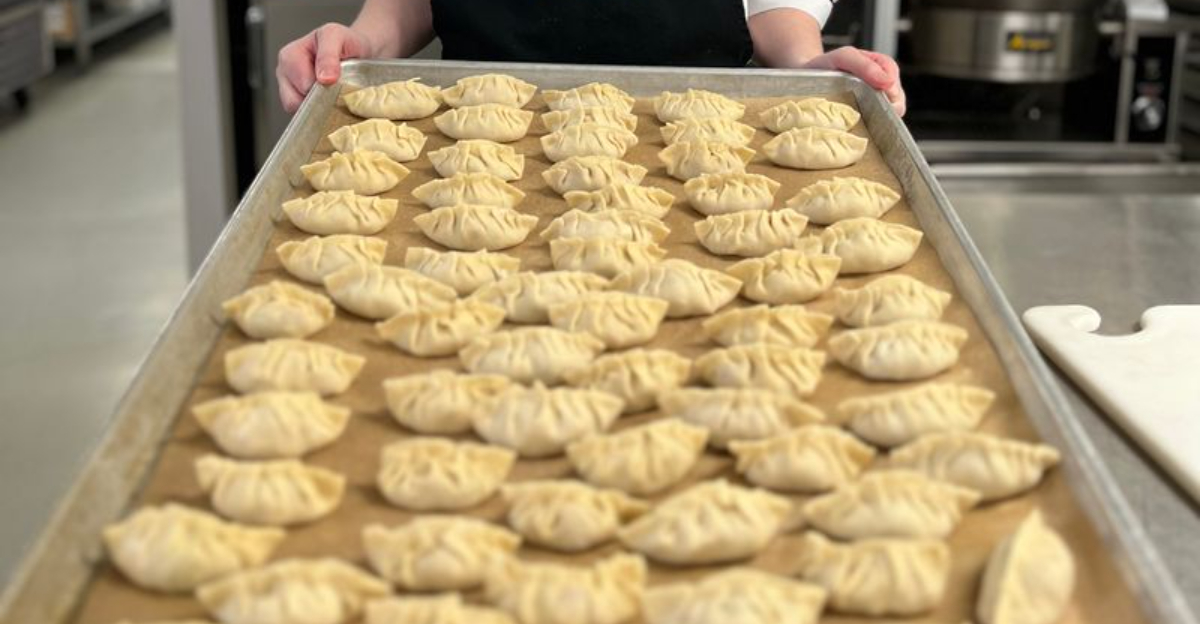
Michigan’s Amish communities have become tourist magnets, drawing thousands of visitors each year to experience traditional cooking and simple living.
These family-run eateries face a unique challenge: welcoming outsiders while protecting the values and traditions that make them special.
Balancing hospitality with heritage requires careful planning, strong community ties, and creative solutions. Here’s how these remarkable restaurants manage to do both.
Maintaining Traditional Recipes Through Handwritten Family Cookbooks

Amish cooks rely on recipes passed down through generations, written in notebooks and card files rather than printed books.
These handwritten collections contain measurements like pinches, handfuls, and dashes that require experience to interpret correctly.
Das Dutchman Essenhaus, located at 240 US-20, Middlebury, Indiana 46540, keeps original family recipes locked away to prevent commercialization.
Many Michigan Amish restaurants follow similar practices, ensuring dishes taste the same as they did decades ago.
This commitment to authenticity means training new cooks takes months of apprenticeship.
Visitors appreciate the genuine flavors that cannot be replicated by corporate chains.
Setting Visitor Capacity Limits to Protect Kitchen Staff

Overwhelming crowds can stress kitchen teams who prepare everything from scratch without modern shortcuts.
Miller’s Country Kitchen in Middlebury implements reservation systems during peak tourist seasons to manage flow.
By capping daily visitors, restaurants maintain food quality and prevent burnout among workers.
Some establishments close one day weekly, giving employees rest and time for family obligations.
This practice honors Amish values of work-life balance while ensuring consistent service.
Guests who plan ahead often enjoy better experiences than those expecting immediate seating.
The deliberate pace reflects Amish priorities: quality over quantity, people over profits.
Preserving Modest Dress Codes Among Service Staff
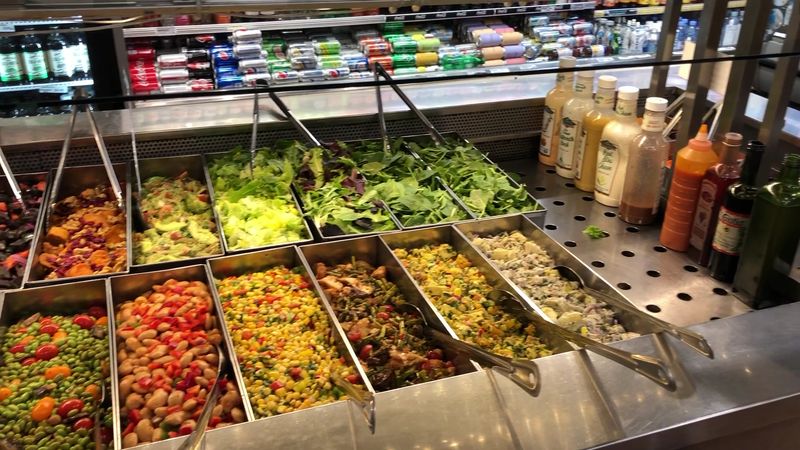
Female servers wear plain dresses, aprons, and prayer coverings as expressions of faith and humility.
Male workers typically dress in simple shirts, suspenders, and dark trousers without decorative elements.
These standards remain non-negotiable even when tourists request photos or make inappropriate comments.
Restaurant managers educate visitors about respectful behavior through signage and verbal reminders.
Schmucker’s Restaurant in Navarre, Ohio maintains strict dress policies to honor religious convictions.
This visible commitment to tradition helps guests understand Amish culture extends beyond food.
Staff members feel supported when management defends their right to dress modestly.
Using Cash-Only Systems to Avoid Technology Dependence
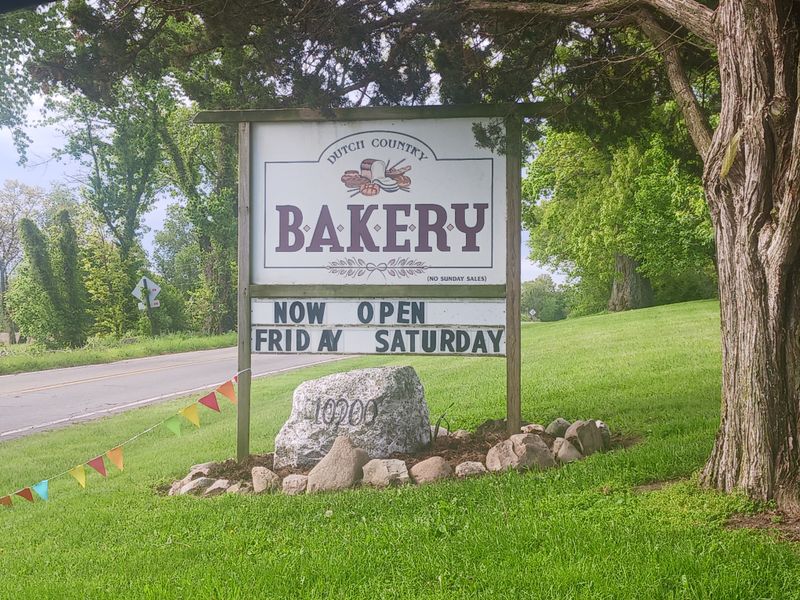
Many Amish-owned restaurants refuse credit cards and digital payments, accepting only cash or checks.
This policy aligns with beliefs about avoiding unnecessary technology and maintaining simplicity.
Guests sometimes complain about inconvenience, but owners view it as essential to their identity.
Boyd and Wurthmann Restaurant in Berlin, Ohio operates cash-only despite serving hundreds daily.
The system also reduces processing fees, allowing more profits to support families and community needs.
Clear signage at entrances warns visitors to bring cash, preventing checkout surprises.
This boundary reminds tourists they are entering a different cultural space with different rules.
Closing on Sundays for Worship and Family Time

Sunday closures honor the Sabbath, a cornerstone of Amish faith and community life.
Despite potential profits from weekend tourists, most Amish eateries remain firmly closed for worship.
Families attend lengthy church services held in rotating homes, followed by communal meals and fellowship.
Der Dutchman in Plain City, Ohio exemplifies this practice, turning away disappointed Sunday visitors.
Michigan establishments follow the same pattern, prioritizing spiritual obligations over business opportunities.
This weekly rhythm reinforces that faith comes before commerce, even when bills need paying.
Regular customers learn to plan visits accordingly, respecting this non-negotiable boundary.
Limiting Menu Changes to Preserve Culinary Traditions
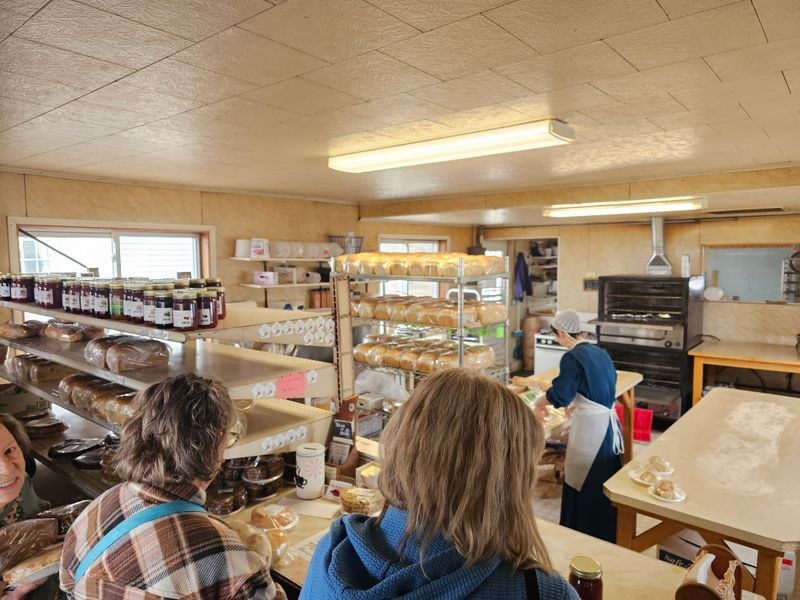
While trendy restaurants constantly update offerings, Amish kitchens stick with proven favorites from decades past.
Chicken and noodles, meatloaf, mashed potatoes, and fresh-baked pies remain menu staples year after year.
This consistency attracts visitors seeking authentic experiences rather than fusion experiments.
Mrs. Yoder’s Kitchen in Mount Hope, Ohio has served nearly identical dishes since opening in 1988.
Seasonal variations appear only when local produce becomes available, reflecting agricultural rhythms.
Refusing to chase food trends demonstrates confidence in traditional methods and recipes.
Guests appreciate knowing exactly what to expect, creating loyal followings across generations.
Training Multi-Generational Staff in Heritage Cooking Methods
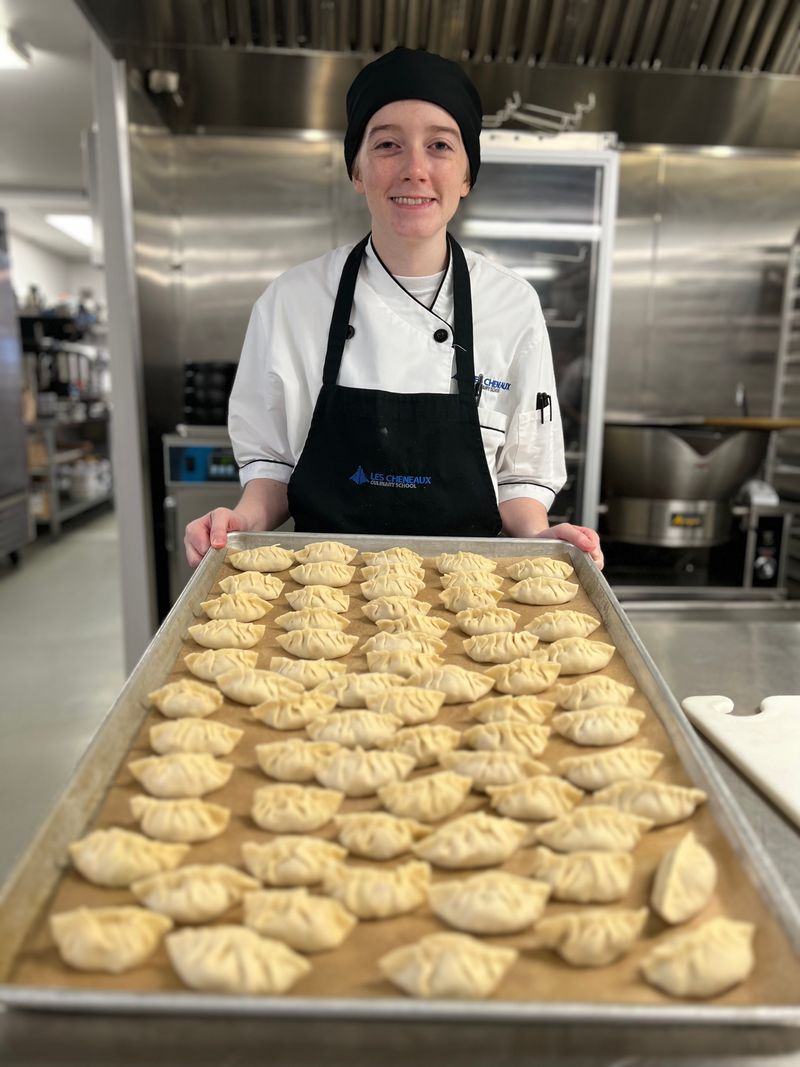
Grandmothers work alongside granddaughters, passing knowledge through demonstration rather than formal instruction.
Young cooks learn by watching, tasting, and practicing under the guidance of experienced family members.
This apprenticeship model ensures techniques survive even as older generations retire.
Yoder’s Kitchen in Walnut Creek, Ohio employs three generations simultaneously, preserving institutional knowledge.
Michigan Amish restaurants follow similar patterns, viewing kitchens as classrooms for cultural transmission.
The slow training process means fewer shortcuts and more attention to detail.
Visitors benefit from dishes prepared exactly as they were fifty years ago.
Sourcing Ingredients from Local Amish Farms and Gardens
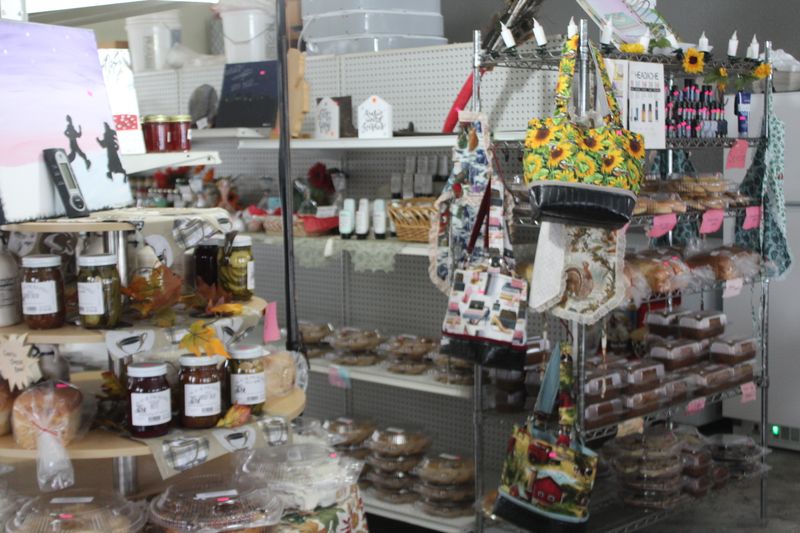
Restaurants purchase eggs, dairy, produce, and meat directly from neighboring Amish farms whenever possible.
This practice supports community members while ensuring ingredient quality and freshness.
Seasonal menus reflect what local gardens produce rather than what distributors ship from distant warehouses.
The Farmstead Restaurant in Shipshewana, Indiana sources nearly 70 percent of ingredients within ten miles.
Michigan Amish eateries maintain similar commitments, strengthening local food networks.
Guests taste the difference in tomatoes picked that morning or chickens raised without antibiotics.
This farm-to-table approach existed in Amish communities long before it became a restaurant trend.
Designating No-Photography Zones to Respect Privacy

Many Amish people avoid being photographed due to religious beliefs about graven images and humility.
Restaurants post signs requesting guests refrain from photographing staff or other patrons without permission.
Some establishments create designated areas where food photography is acceptable but people pictures are not.
Enforcement can be awkward, but managers prioritize worker comfort over tourist desires.
Der Dutchman locations throughout Ohio and Indiana maintain clear photography policies.
Michigan restaurants adopt similar guidelines, educating visitors about cultural sensitivities.
Respecting these boundaries shows appreciation for Amish hospitality and values.
Maintaining Simple Decor Without Modern Entertainment Features
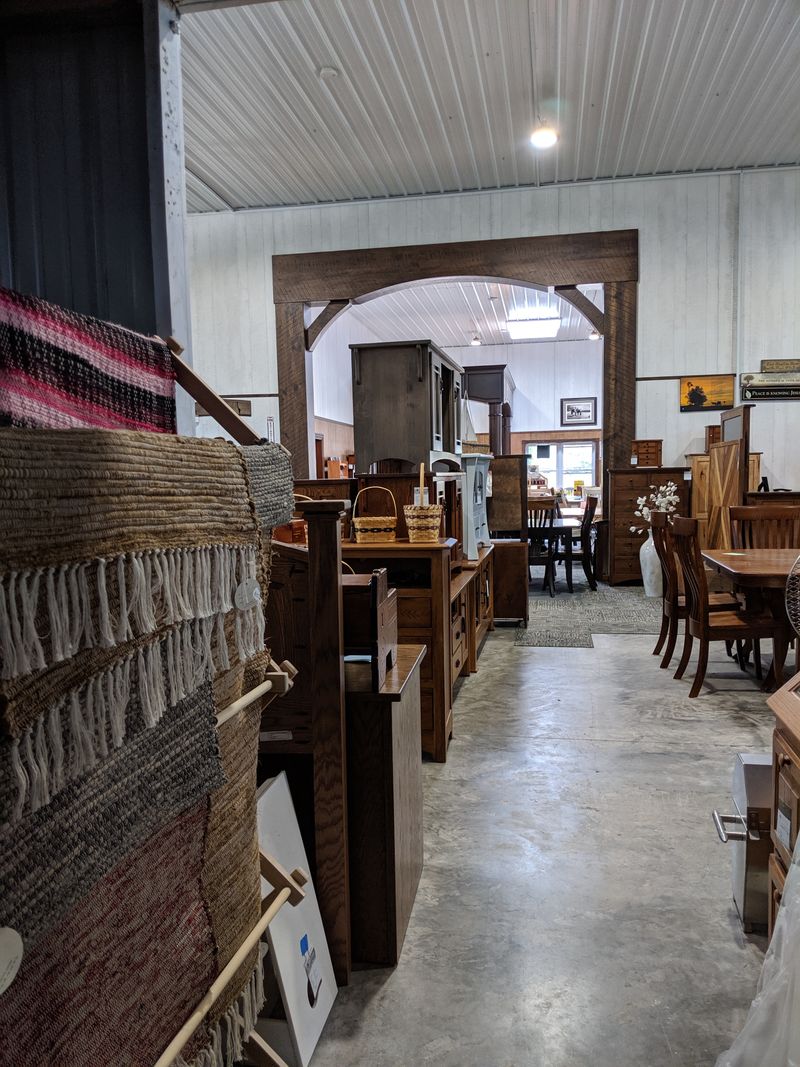
Walls feature handmade quilts and simple wooden furniture rather than televisions, neon signs, or digital displays.
Conversation and community take center stage without background music or electronic distractions.
This quiet atmosphere reflects Amish values of simplicity and interpersonal connection.
The Amish Door Restaurant in Wilmot, Ohio showcases traditional craftsmanship in its deliberately plain interior.
Michigan Amish establishments follow similar design principles, creating peaceful dining environments.
Visitors often comment on how relaxing meals feel without constant noise and visual stimulation.
The decor itself becomes a statement about priorities: substance over flash, tradition over trends.
Implementing Gentle Tourist Education Through Signage and Conversation
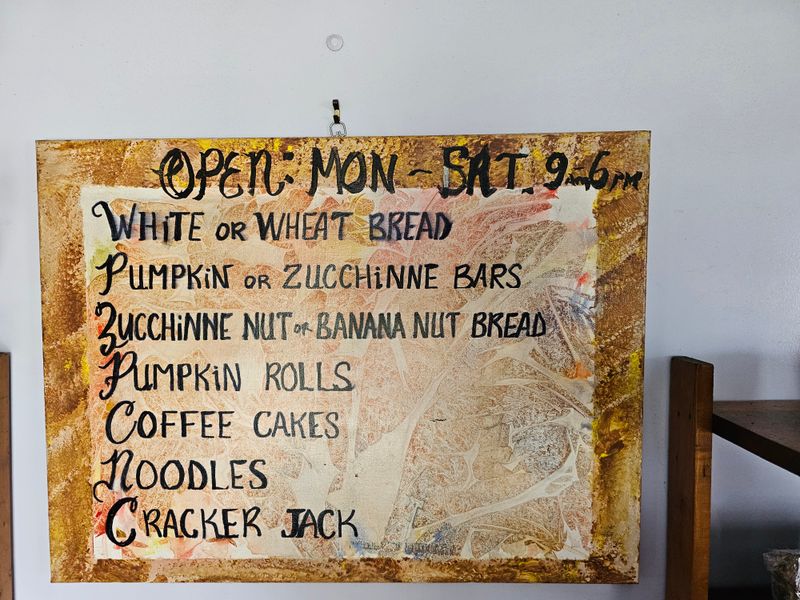
Restaurants display informational signs explaining Amish customs, beliefs, and the reasons behind certain policies.
Staff members patiently answer questions, turning curiosity into understanding rather than offense.
This educational approach helps visitors appreciate cultural differences without feeling lectured or judged.
Miller’s Dutch Kitch’n in Charm, Ohio uses tabletop cards to share information about Amish life.
Michigan establishments employ similar methods, bridging gaps between cultures through friendly communication.
Guests leave with greater respect for Amish choices and the reasoning behind them.
This gentle education transforms casual tourists into informed ambassadors who share accurate information with others.
Balancing Economic Needs with Community Values Through Careful Growth
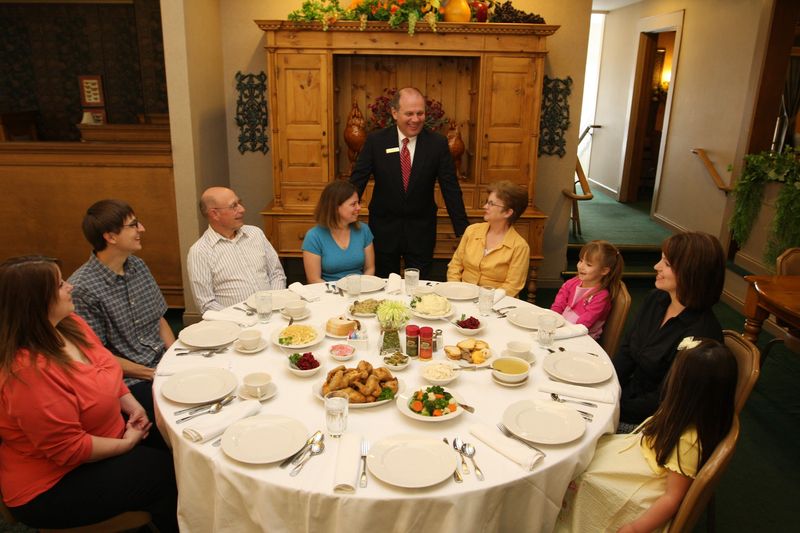
Amish restaurant owners resist pressure to expand rapidly, franchise, or sell to corporate buyers.
Remaining small and grounded is seen as a way to protect both their craft and their way of life.
Growth happens slowly, only when it can be managed without compromising quality or values.
If an addition strains staff, disrupts family routines, or risks lowering standards, it simply doesn’t happen.
The focus stays on what can be done well rather than what could be scaled.
Profits support families and community needs rather than fueling aggressive business expansion.
Earnings often cycle back into farms, schools, or local projects, reinforcing the communal spirit that defines Amish living.
Essenhaus Foods in Middlebury, Indiana grew gradually over decades while maintaining family ownership. Its steady expansion reflects a philosophy where patience and consistency matter more than rapid gains.
Michigan Amish eateries follow similar philosophies, viewing restaurants as service to community rather than wealth-building vehicles.
A dining room is an extension of the home, and feeding guests becomes another way of practicing hospitality and stewardship.
This measured approach ensures heritage preservation remains the priority even as visitor numbers increase.
Protecting traditions is seen as equally important as serving good food.
Success is measured in satisfied customers and preserved traditions, not profit margins alone. In this model, staying true to one’s roots becomes the greatest achievement.
Crafting Atmospheres with Handmade Furniture
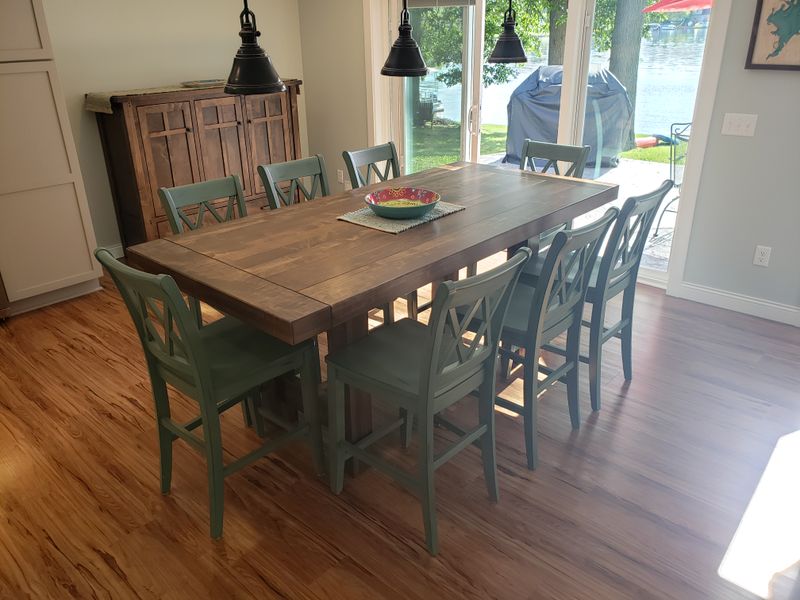
Handmade furniture brings a unique charm to Amish eateries in Michigan.
Each piece, carved with care, reflects generations of craftsmanship and carries a sense of quiet pride that becomes part of the room’s character.
Visitors are often enchanted by the warm, inviting atmosphere these furnishings create.
The smooth grain of the wood, the sturdy feel of each chair, and the subtle variations from piece to piece remind guests that real hands shaped every detail.
Amish artisans use locally sourced wood to craft tables and chairs, emphasizing quality and sustainability. This commitment to tradition enhances the dining experience, drawing curiosity from guests who can sense the connection between the natural materials and the values behind them.
Even the simplest designs feel purposeful, as though they belong exactly where they are.
The designs are simple yet elegant, aligning with Amish values.
Nothing is overly ornate, yet everything feels intentional.
Such attention to detail helps maintain authenticity, while subtly educating visitors about Amish culture through every handcrafted piece.
In this setting, the furniture becomes more than décor; it becomes a quiet storyteller, sharing heritage one polished surface at a time.
Seasonal Menus Highlighting the Harvest
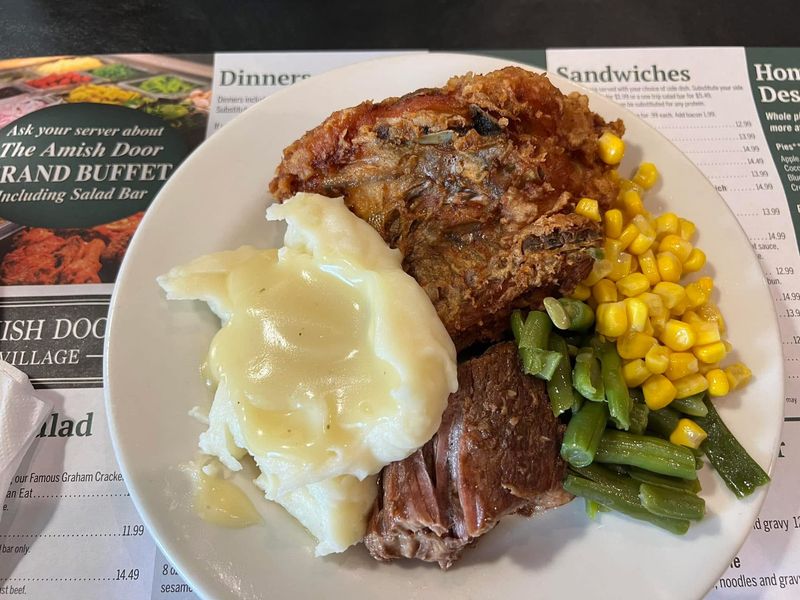
Menus at Amish eateries in Michigan often celebrate the bounty of each season.
This practice not only supports local farmers but also keeps the dining experience fresh and exciting, giving guests a sense of anticipation each time the offerings shift with the calendar.
Guests enjoy dishes like spring’s asparagus salad or hearty autumn soups, all made with freshly harvested ingredients that never travel far from field to table.
Summer might bring berry-filled desserts, while winter leans into comforting stews and warm breads.
It’s an ever-changing feast that mirrors nature’s cycles and gently encourages visitors to slow down and notice the beauty of what each season provides.
By highlighting seasonal produce, these eateries stay true to their roots and the values of simplicity and sustainability that guide Amish kitchens.
This approach ensures that visitors can taste the true flavors of Michigan, all while supporting the local agricultural community and experiencing a style of dining that honors tradition as much as it celebrates the land.
Interactive Cooking Demonstrations
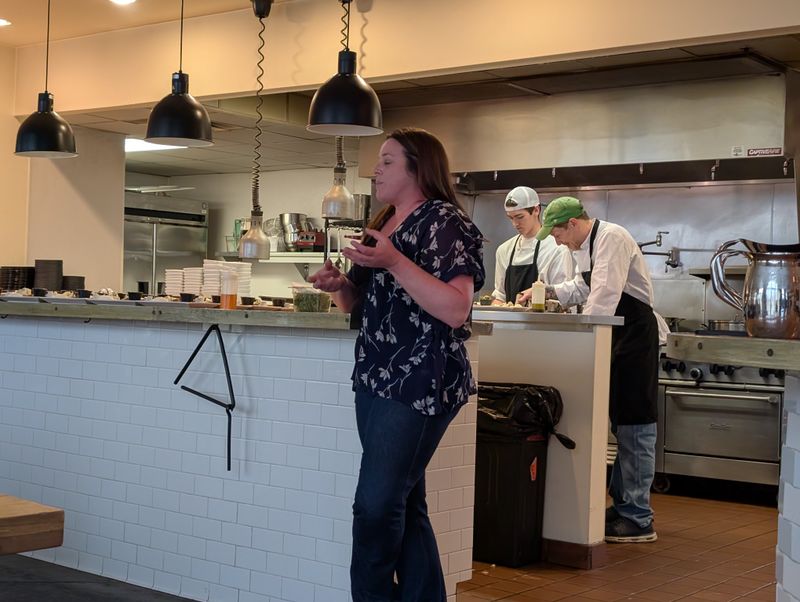
Some Amish eateries in Michigan offer interactive cooking demonstrations to engage visitors.
These sessions provide a window into Amish culinary traditions, allowing guests to learn by doing while discovering the quiet rhythm that shapes everyday life in these communities.
Participants might knead dough or churn butter under the guidance of skilled Amish cooks, but they also get small glimpses into the values behind each step such as patience, simplicity, and working with what the land provides.
It’s a hands-on experience that brings heritage to life, turning familiar tasks into something more meaningful.
These demonstrations foster a deeper appreciation for Amish culture, especially for those who may only know it from stories or brief encounters.
A shared kitchen creates space for conversations, gentle humor, and the kind of practical wisdom that has been passed down for generations.
They transform a simple meal into an educational journey, leaving visitors with both delicious memories and newfound skills, as well as a better understanding of the quiet traditions that continue to shape Amish communities today.
Dear Reader: This page may contain affiliate links which may earn a commission if you click through and make a purchase. Our independent journalism is not influenced by any advertiser or commercial initiative unless it is clearly marked as sponsored content. As travel products change, please be sure to reconfirm all details and stay up to date with current events to ensure a safe and successful trip.
