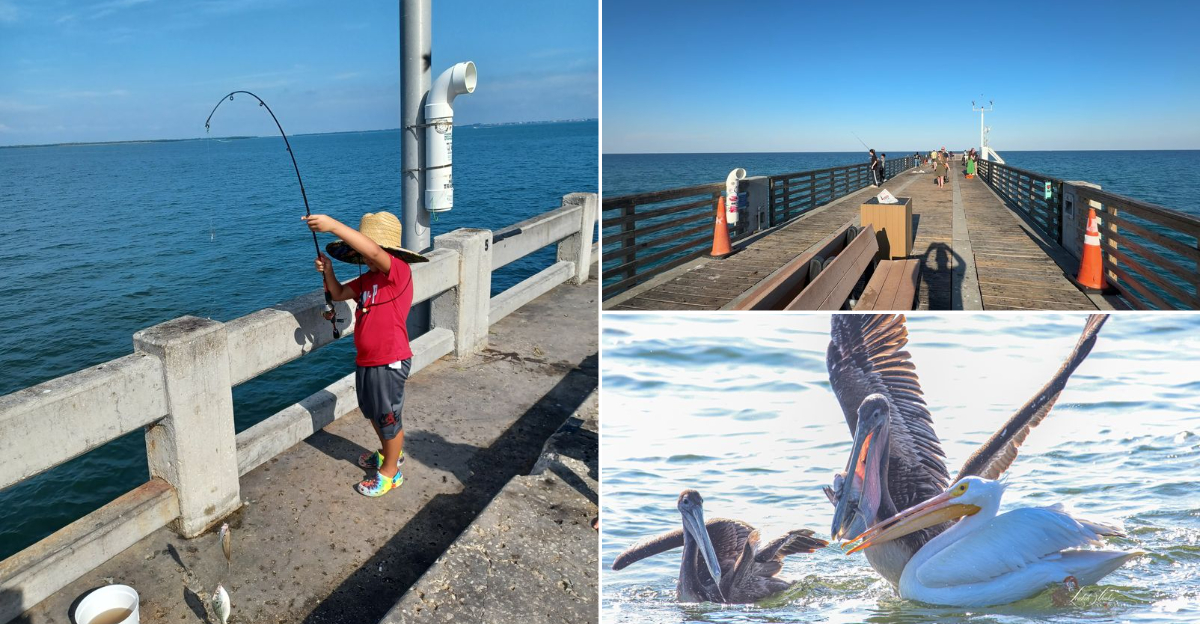
Picture this: rolling down A1A with the windows cracked and that salty Florida air sneaking in while we talk about tossing lines after dark.
You think night fishing feels chill and wide open, but the rules twist a little once the sun drops and that catches a lot of visitors off guard.
I keep seeing folks gear up like it is just moonlight and good luck, then they get nudged off a pier or warned by a ranger. Let us actually map this out so your trip stays fun and your gear stays out of the evidence bin.
A little planning up front saves you from awkward conversations and cut short nights. Get it right, and night fishing feels relaxed again instead of tense.
1. Night Fishing Feels Harmless To Visiting Anglers
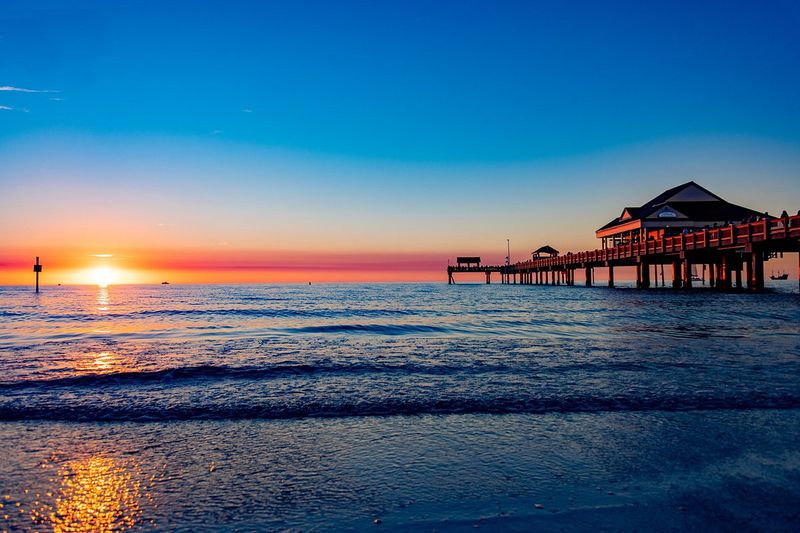
It makes sense why tourists think night fishing is easy because the beaches look quiet and the water sounds friendly. žYou see soft lights on the horizon, a few pelicans cruising, and it feels like permission from the universe.
But Florida still runs on rules after dark, and they are not vibes-based. You cannot assume empty sand means open access.
Let us use Clearwater Beach at 1 Causeway Blvd, Clearwater, as a mental check, since that whole area looks relaxed at night.
Lifeguard stands are quiet, but posted signs and local ordinances still apply.
A lot of visitors only read the daytime rules on a kiosk and miss the small line about night restrictions. That line matters when an officer asks where your permit is.
Night fishing feels harmless because your footprint seems small.
The sea turtles and shorebirds would argue otherwise if they could.
So when you set up near the pier lights, ask yourself if you are in a designated zone or crossing a protected nesting corridor.
A ranger will ask you the same question, and probably faster.
I tell friends to pretend there is always a quiet rulebook sitting on the sand next to their cooler. If you flip it open early, you will keep the night easy.
Start with that frame and your trip calms down instantly. You still get the quiet, just without the surprise lecture.
2. Florida’s Coastal Rules Change After Dark
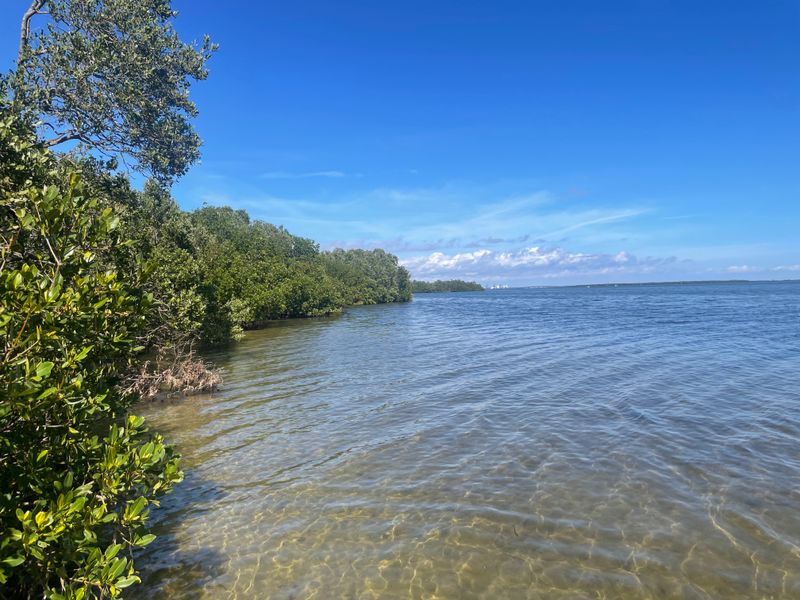
The shift after sunset is not mystical, it is practical. Different species are more active, patrol patterns change, and access points close in stages.
At Fort De Soto Park, 3500 Pinellas Bayway S, Tierra Verde, you can feel the rhythm change under the causeway lights.
The park posts closing times, and the fishing pier has its own guidelines.
Visitors get tripped up when a gate closes earlier than expected or when a lot becomes permit-only in the late hours. That pivot happens quietly.
Gear that flies under the radar during daylight can draw attention at night. Think about lights, bait containers, and the way your tackle glints when you cast.
Lighting matters for safety and compliance.
Headlamps aimed straight across the water can bother wildlife and neighbors.
I like to keep a tiny checklist taped inside the tackle box with the local website URL and a note to recheck hours after dinner. It is boring, and it absolutely saves the evening.
Expect to meet rangers or county deputies doing loops. They are looking for the folks who did not read the posted lines.
If you treat night as a different activity instead of just darker day, you stay flexible.
That mindset is the difference between extra casts and a long walk back to the car.
3. Protected Areas Become Strictly Enforced At Night
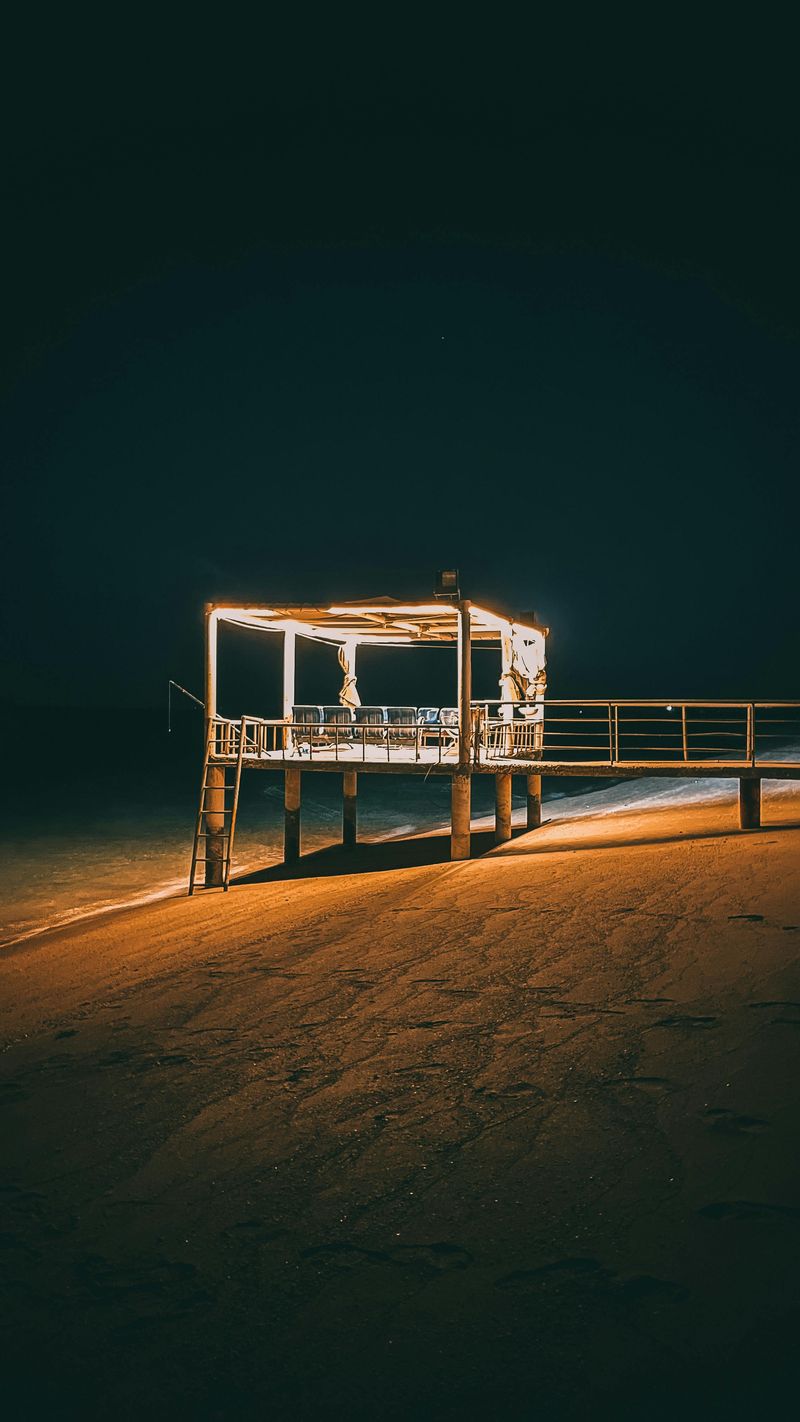
Here is where folks get surprised, because those rope lines and signs feel gentle in daylight but absolutely harden after dark. Nesting seasons make enforcement sharper and more frequent.
Think about JN Ding Darling National Wildlife Refuge at 1 Wildlife Dr, Sanibel.
The refuge is gorgeous by day, and very specific about nighttime access.
Zones that look like quiet backwaters can be off limits to any fishing activity after sunset. Some spots protect roosting birds that really cannot handle headlamps and extra foot traffic.
Rangers know every pull-off where people like to sneak a cast. You will see them before they see you if you study the map first.
I always check the refuge website an hour before we drive.
Updates change based on tides and nesting reports.
If a sign says closed, it means the whole experience, not just “no boats.” That includes quietly flipping a jig from the shoulder.
The trick is to learn the legal edges where pressure is allowed.
Plenty of public piers and causeways exist just outside protected lines.
Once you get used to bouncing between open and closed zones, night fishing in Florida starts to feel like a calm puzzle. You solve it by reading every small sentence.
4. Beaches Are Not Automatically Open After Sunset
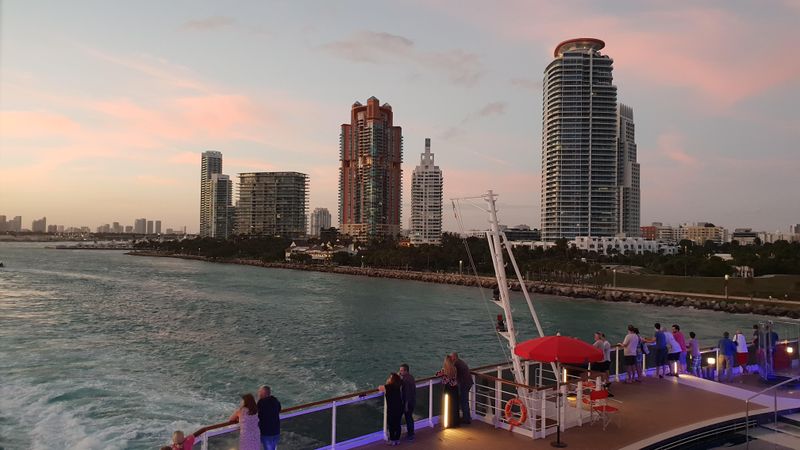
Beaches carry curfews that shift by county and city, which sounds annoying until you realize they are juggling turtles, birds, and neighbors. The curfew clock is the quiet rule that ends a lot of nights early.
Miami Beach makes this very real around South Pointe Park at 1 Washington Ave, Miami Beach.
The paths glow just enough for strolling, but certain sand zones close.
Tourists see water and think access, but beach management draws lines for safety, nesting, and maintenance. That includes keeping trucks moving without anglers in the tire tracks.
It helps to separate beach time and fishing time in your head.
Piers and jetties often stay open when the sand does not.
Look for wording like “no activity” or “no access beyond this point.” That phrasing ends fishing even if it is the best current.
I keep a photo of the closest regulation sign on my phone. If a ranger asks, you can at least show the effort and adjust.
South Florida lights make everything feel available.
The signs do not care how pretty the skyline looks.
Plan your casts where the rules are built for night use, like a legal pier or a designated jetty. Your sleep and your record both appreciate the choice.
5. Gear And Methods Matter More Than Tourists Expect
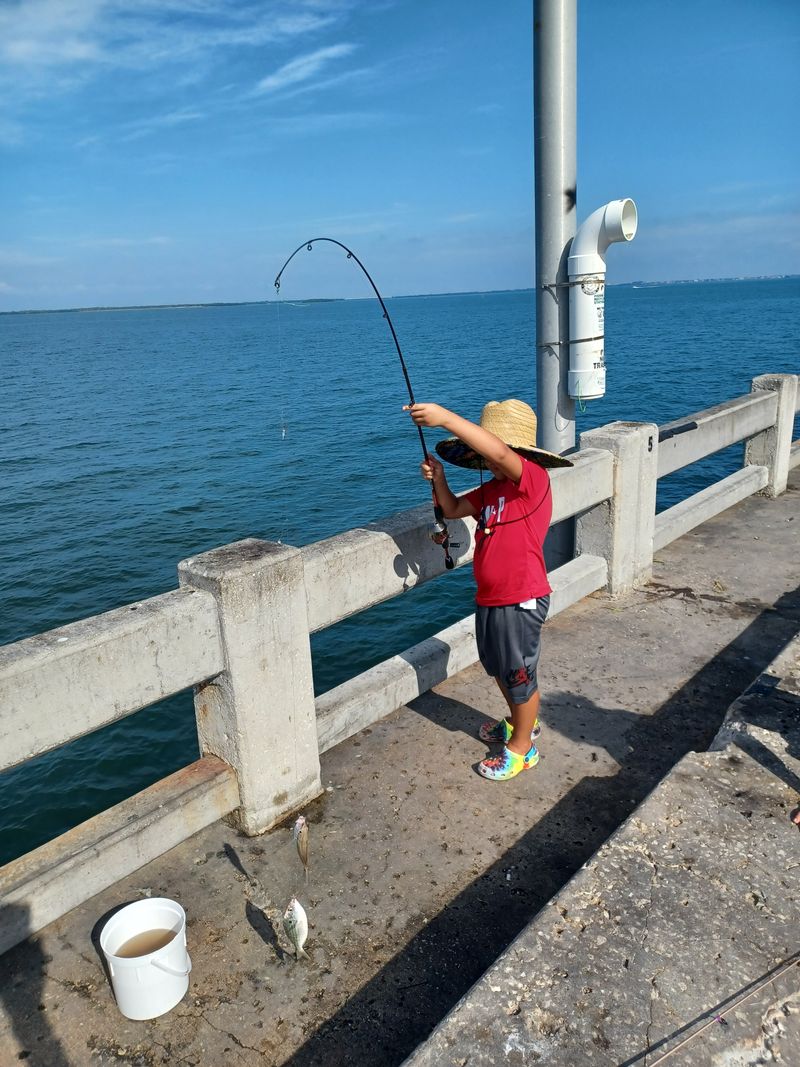
Nobody tells you that certain rigs draw more attention under night lighting than during the day. That is when hook style, leader length, and bait rules become conversation starters with officers.
On the Skyway Fishing Pier State Park, 4905 34th St S #5000, St. Petersburg, you are allowed to fish all night with posted limits. Still, methods get watched closely.
Multiple hooks, snagging setups, and certain cast net uses trip alarms when patrols come by.
It is not personal, it is resource protection.
I like to carry one compact kit that is obviously legal at a glance. Single hooks, tidy leaders, and labeled containers cut small talk short.
Lighting is gear too. A red lamp saves your night vision and keeps your beam off the water.
If a method feels aggressive, it probably reads that way from twenty yards out.
Choose the low drama version and you keep fishing while others get lectured.
Skyway staff are used to questions and generally helpful when you ask early. They would rather explain than write you up.
Write down the specific gear lines on a note card and tuck it in your license holder.
That two-inch reminder is worth more than a new lure.
6. Law Enforcement Patrols Popular Fishing Spots
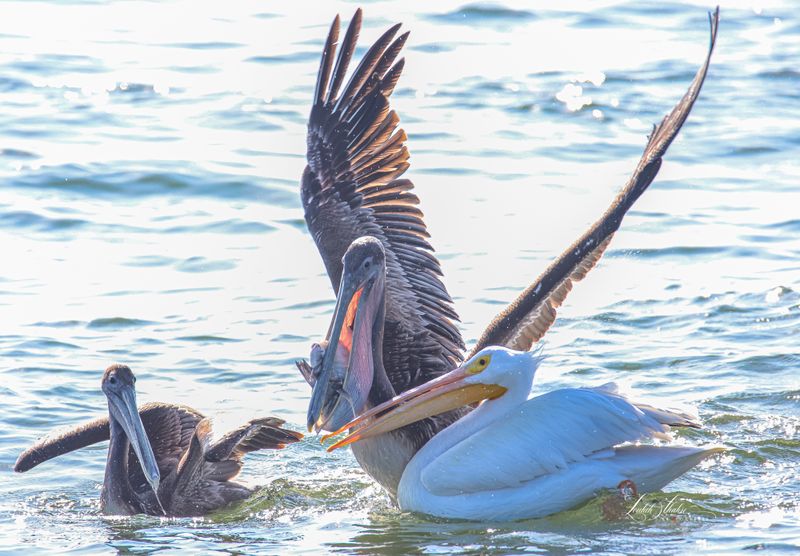
The patrols are not there to scare you, they are there because popular night spots collect everything at once. That means noise, lights, lines, and occasionally unsafe choices.
Check the Sebastian Inlet State Park area around 9700 S Highway A1A, Melbourne Beach, where bridges and catwalks draw steady attention.
You will notice predictable loops from rangers and deputies.
They look for basics first like where you are standing and how you entered the area. Then they scan your setup for methods that are not allowed.
I have seen friendly conversations turn into quick exits because someone ignored a small sign near the stairs. It takes ten seconds to read a sign and the whole night to fix a ticket.
Have your license ready to show without digging around. That little moment sets the tone.
Patrol cars pause under the same lamps again and again.
If you are doing it right, they wave and roll on.
Florida is generous with fishing access if you respect the flow. The goal is to avoid creating a scene that forces them to step in.
Watch the regulars and copy the calm habits. It is basically a moving classroom with good tide charts.
7. “No One Was Around” Is Not A Valid Defense
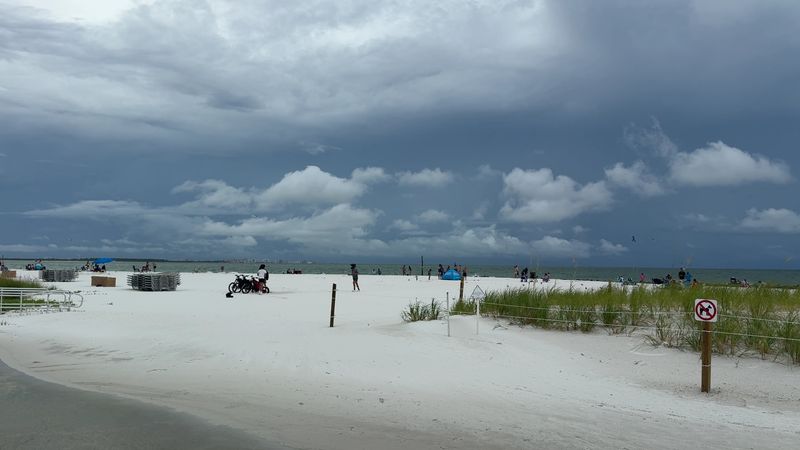
I hear this line all the time, and it never helps when rules are in play. Empty sand does not cancel posted regulations.
Take Honeymoon Island State Park at 1 Causeway Blvd, Dunedin, where quiet stretches look inviting after dark.
The protection zones and hours do not vanish when the crowd leaves.
When an officer asks why you crossed a rope or kept fishing past close, saying you saw nobody only proves the patrol works. It never becomes a hall pass.
Better move is to keep yourself on obvious legal footing, like near lit access points or marked fishing areas. If that means fewer casts, it still saves the night.
I get the urge to chase a shadowy point because the current looks perfect.
That temptation is exactly how people collect citations.
Make your plan before the sun disappears and stick to it. The ocean will be there tomorrow.
Florida nights feel gentle, and that is the trap.
Rules are the same whether the beach is packed or silent.
Tell yourself that a good story beats a shaky excuse. You will sleep better and fish again the next evening.
8. Local Ordinances Override Statewide Assumptions
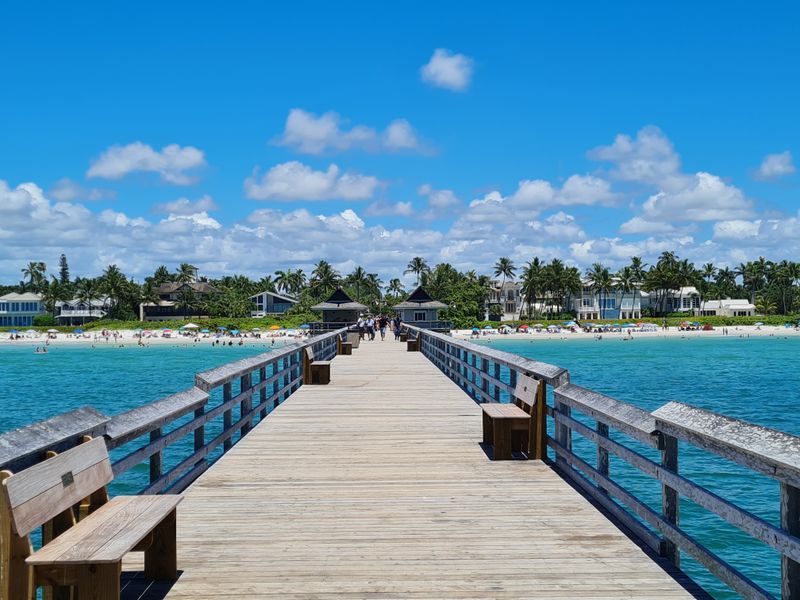
Florida has statewide fishing regs, but counties and cities layer on curfews, access zones, and pier rules. Those local lines beat whatever you assumed from a different coast.
On Naples Pier at 25 12th Ave S, Naples, you will find a tidy set of pier-specific rules that feel different from nearby beaches. That is normal and it is enforced.
People carry one experience from Panhandle water down to Southwest Florida and wonder why it does not match. Different neighborhoods, different playbook.
I tell friends to zoom way in on the city website and click the boring tabs. That is where the late-hour language lives.
If you cannot find clarity, call the pier office during the day.
Ten seconds of phone time beats a long explanation at midnight.
Ordinances can set bait limits, ban cast nets, or restrict carts on boards. At night those details get tested more often.
Bring a screenshot of the local rules to your spot, no data signal required. It is like walking in with the answer key.
When you honor the local layer, everything feels smoother.
You become the angler who gets a nod instead of a warning.
9. Social Media Clips Create False Confidence
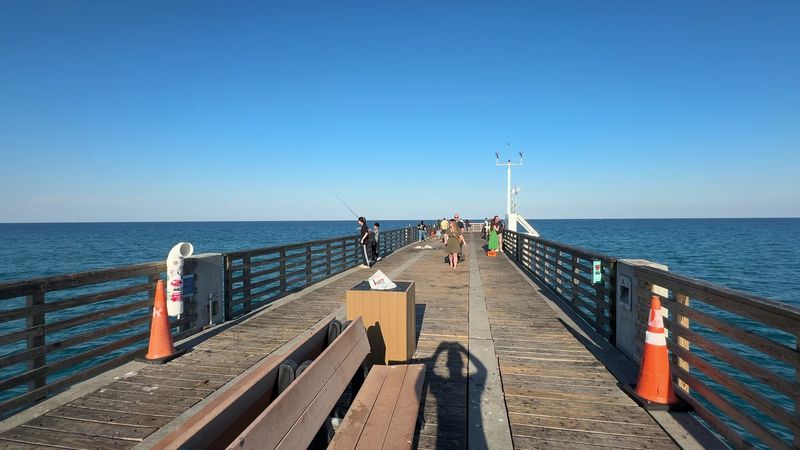
Short videos make night fishing look easy because they skip the parts with signs and conversations. You see the fish and the grin, not the permit on the dash.
Head to Lake Worth Pier at 10 S Ocean Blvd, Lake Worth Beach, and try to copy a clip shot months ago. Odds are the rules or conditions shifted.
Angles and cropping hide closed sections or on-duty staff just outside the frame. That edit is not your friend at midnight.
I like clips for learning lure cadence or tide timing, not for legal playbook.
The law books do not have a share button.
Before we drive, we check the city page and the pier phone line. That combo catches new curfews and maintenance closures.
If you saw someone fishing the dunes at night, assume context you cannot see.
Maybe they had a special permit or it was a short seasonal window.
Use social as inspiration, not authorization. The fish do not care about your feed, but the ranger will care about your setup.
Keep your own notes after each trip and trust those. Florida rewards the anglers who actually pay attention.
10. Locals Know When Night Fishing Is Allowed
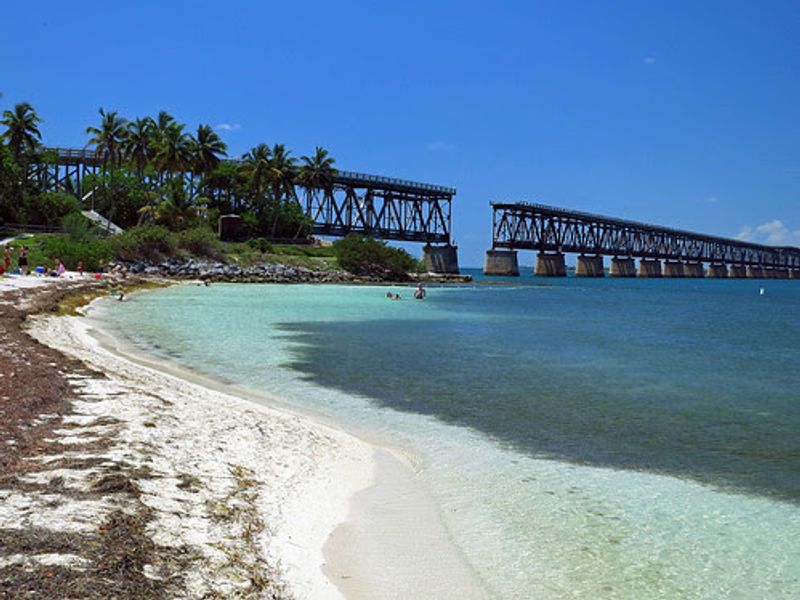
You know what locals do better than anyone else? They memorize the tiny windows when access opens or closes and they move fast when the tide flips.
Down by Bahia Honda State Park, 36850 Overseas Hwy, Big Pine Key, the regulars know which bridges are safe, legal, and worth the walk at night.
They plan backup spots before they even start the car.
Locals also keep the soft gear profile that does not trigger a second look. Single rods, small buckets, and a calm light plan.
I keep a running list of yes spots, maybe spots, and not tonight spots.
It changes with construction, nesting reports, and county notes.
Ask a tackle shop during daytime hours and write down what they say word for word. Those little details are gold later.
Florida rewards people who check conditions and move politely. That is how you fish more and talk less.
Locals know the exit plan too, which matters when hours end suddenly.
You do not want to jog the causeway because a gate is closing.
Copy those rhythms and you will look like you belong. Your night turns quiet and productive fast.
11. Visitors Can Actually Fish Responsibly Without Trouble
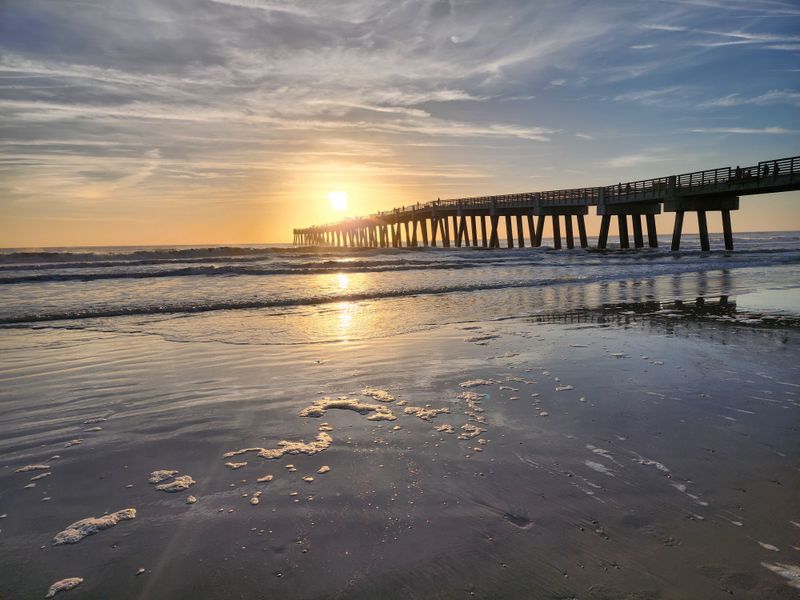
Here is the easy playbook you and I can actually follow on this road trip. Pick legal night-friendly structures and bring only gear that reads clean to a quick glance.
Try Jacksonville Beach Pier at 503 N 1st St, Jacksonville Beach, if we want something straightforward.
The posted rules and lighting make decisions simple.
Before we go, we check hours, license details, and any seasonal closures. We also take a photo of the rule board on arrival.
We fish one rod each, keep hooks tidy, and use a red lamp for rigging.
We stay inside marked areas and check our footing every hour.
If a ranger rolls up, we say hey, show licenses, and ask if anything changed since last week. That tone gets better info than a debate.
When we pack out, we leave no trace and snap a quick photo of the empty rail. That habit helps the next visit and proves we get it.
Florida night fishing can be calm and generous if we respect the layers.
The fish feel like a bonus when the process is smooth.
Let us keep it simple and stay movable. Quiet gear, clear rules, good tides, no surprises.
Dear Reader: This page may contain affiliate links which may earn a commission if you click through and make a purchase. Our independent journalism is not influenced by any advertiser or commercial initiative unless it is clearly marked as sponsored content. As travel products change, please be sure to reconfirm all details and stay up to date with current events to ensure a safe and successful trip.
