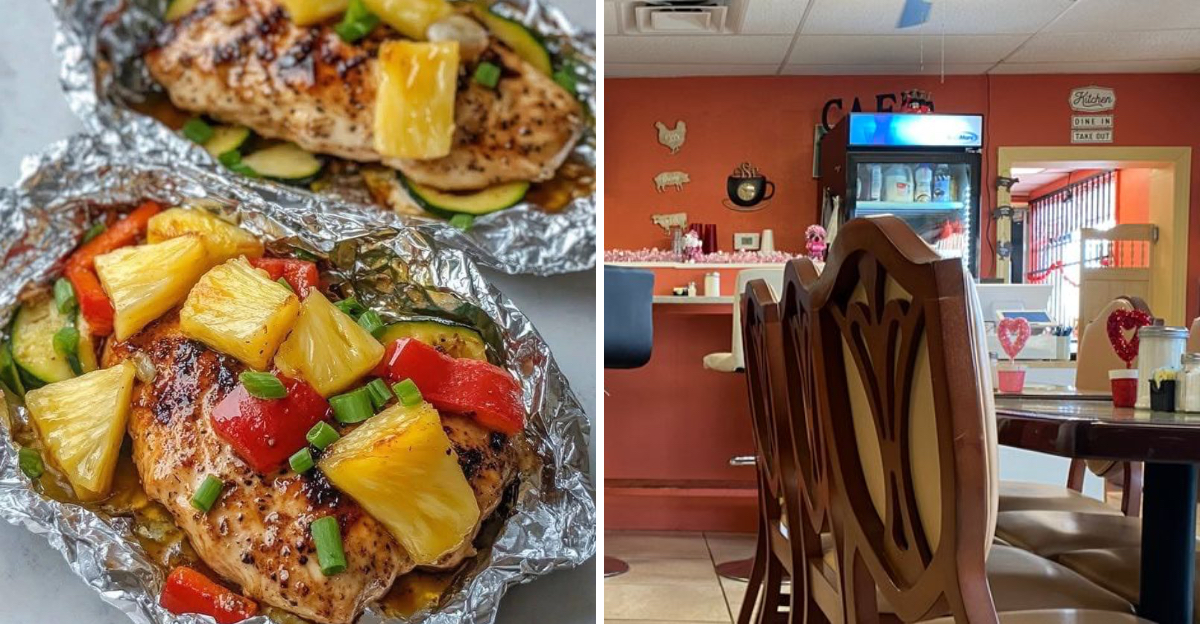
Why do some of Oklahoma’s best backroad cafés don’t have menus? You walk in hungry, ready to order, and the server just tells you what’s for dinner.
No choices, no questions, just a plate of whatever the kitchen decided to make that day. Some folks think it’s genius.
Others call it old-fashioned stubbornness. But here’s the thing: these hole-in-the-wall spots have been doing it this way for decades, and they’re still packed with regulars who wouldn’t have it any other way.
So what’s really going on behind those swinging kitchen doors? How do these cooks decide what everyone’s eating without a single printed menu in sight?
Is it instinct, tradition, or just plain practicality? Whether you’re a local who gets it or a traveler scratching your head, this system is pure Oklahoma charm. And once you understand how it works, you might never look at a menu the same way again.
Dinner Is Decided Before You Arrive
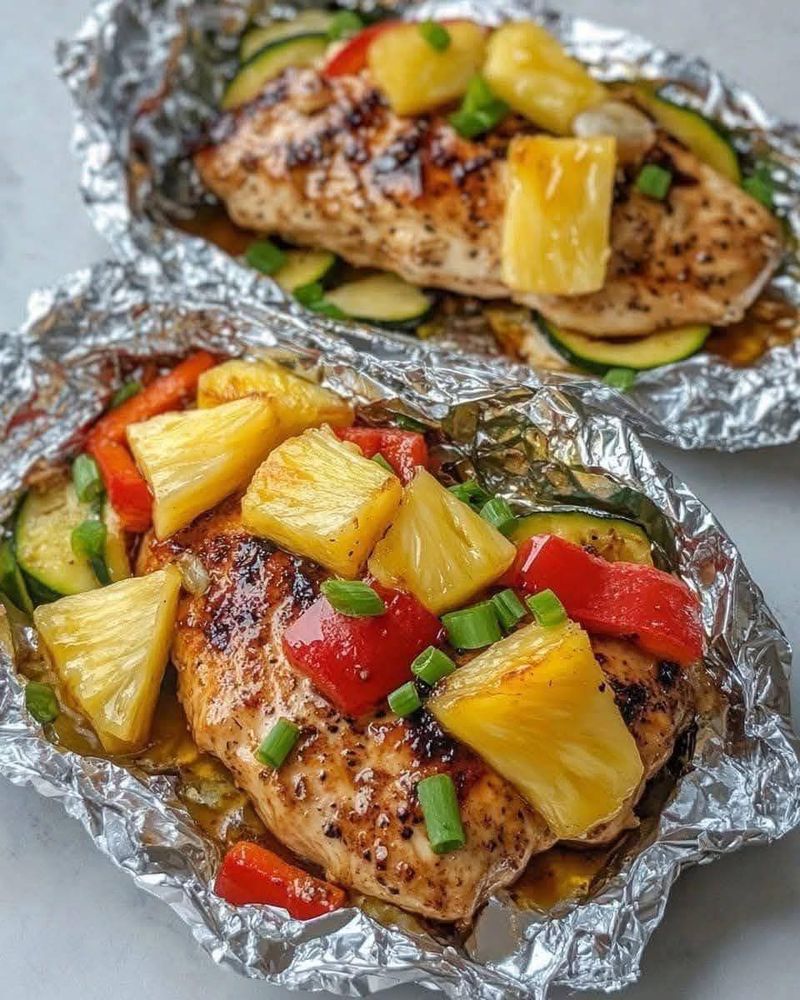
Walk into most backroad cafés around sunrise and you’ll find the cook already knee-deep in prep work. Pots are bubbling, onions are sweating, and the day’s dinner has already been decided. There’s no waiting to see what customers want because the entire operation hinges on commitment.
Planning happens early because these kitchens run lean. One cook, maybe two, handling breakfast, lunch, and dinner with no extra hands to pivot mid-shift. Choosing a single dish and sticking with it means less chaos, less waste, and a rhythm that keeps the doors open day after day.
Bulk preparation is the backbone of this system. When you’re making fifty servings of chicken fried steak or meatloaf, you’re not improvising. Ingredients are measured, timers are set, and every step follows a well-worn path. Changing course halfway through would throw everything off.
This approach also protects the bottom line. Small cafés can’t afford to stock ten different proteins or juggle multiple prep lists.
By committing to one meal, they control costs and reduce the risk of throwing out unsold food at closing time. Regulars know the drill. They call ahead or check the chalkboard outside to see what’s cooking.
If it’s not what they’re craving, they come back another day. There’s no hard feelings, just an understanding that this is how things work. Efficiency isn’t cold here. It’s survival wrapped in hospitality, served hot and without apology.
Supply Matters More Than Preference
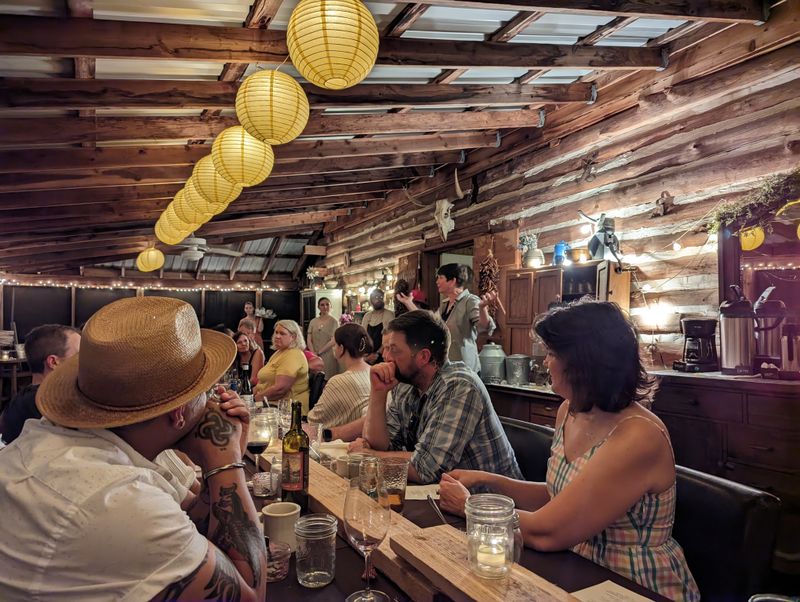
Forget browsing a menu. At these cafés, what’s for dinner depends on what showed up that morning. Deliveries from local butchers, hauls from the garden out back, or whatever’s left in the walk-in freezer all play a role. Flexibility isn’t a luxury when you’re cooking on a shoestring budget.
Beef prices spike? Chicken takes center stage. Tomatoes ripen faster than expected? They’ll show up in every dish from the salad to the main course. This isn’t meal planning by preference but by practicality, shaped by what’s affordable and available right now.
Many of these cafés source ingredients locally, not because it’s trendy but because it’s reliable. A farmer drops off a bushel of squash, and suddenly squash casserole is on the board.
A butcher offers a deal on pork chops, and that’s dinner for the next two nights. Relationships with suppliers dictate the rhythm of the kitchen.
Seasonal shifts are obvious when you’re a regular. Summer brings lighter fare, heavier on vegetables and fresh greens. Winter leans into stews, roasts, and comfort dishes that stretch ingredients and warm you from the inside out. The menu, though invisible, follows the calendar closely.
This system keeps costs predictable and quality consistent. There’s no guesswork about what’s fresh because the cook is working with what just arrived. It’s a partnership between the café and the land, built on trust, timing, and a whole lot of common sense.
Regulars Shape the Decision
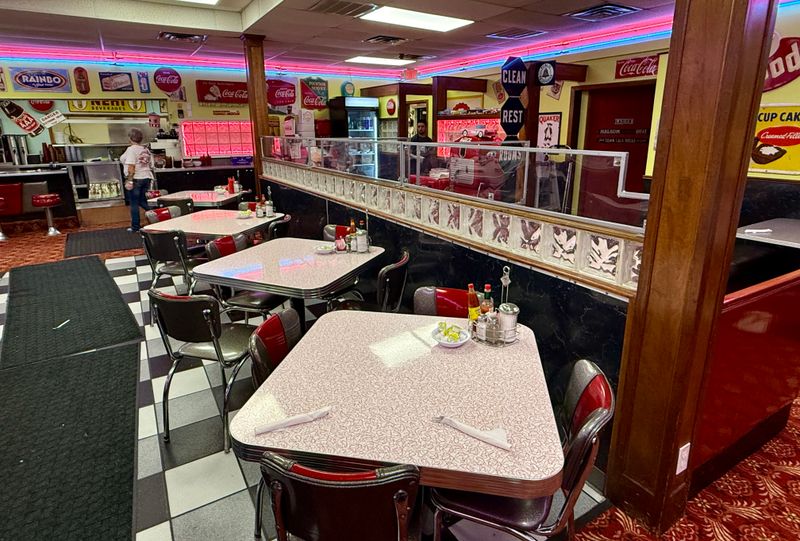
Step into one of these cafés on a Tuesday night and you’ll see the same faces in the same booths. These aren’t tourists passing through.
They’re the backbone of the business, and their opinions carry weight. Over time, their preferences quietly shape what gets cooked.
Feedback doesn’t come through surveys or comment cards. It comes through empty plates and repeat visits. If a dish lingers on the counter, untouched, it won’t show up again. If something sells out by six o’clock, the cook takes note and brings it back next week.
This creates an unwritten menu that reflects the community’s taste. Maybe the town loves fried catfish on Fridays or can’t get enough of pot roast on Wednesdays. Those patterns emerge naturally, and the café adapts without ever making a formal announcement.
Regulars also bring their own requests. Someone’s grandmother made a version of cornbread dressing that people still talk about, so the cook tries to recreate it.
A customer mentions missing a dish from their childhood, and it becomes a special the following month. Collaboration happens quietly, over counters and through conversations.
This system builds loyalty. People keep coming back because they feel heard, even without a menu to circle their favorites.
The café becomes calibrated to its crowd, serving not what’s popular everywhere but what works right here, right now, in this exact corner of Oklahoma.
Time Is the Limiting Factor
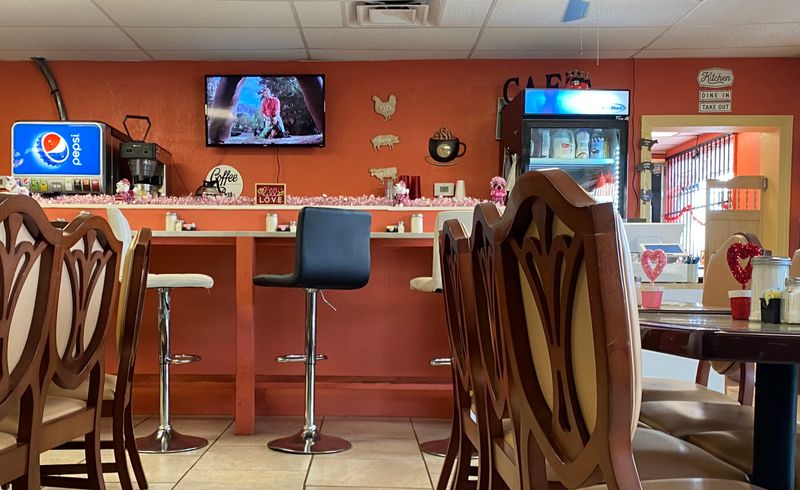
Running a backroad café isn’t glamorous. Most of these kitchens are staffed by one or two people who handle everything from cracking eggs at dawn to locking up after dark. Time is the most valuable resource, and offering multiple dinner options would drain it fast.
One dinner means one prep list. Vegetables get chopped once, proteins get seasoned in bulk, and sides are made in large batches. The cook can move through tasks methodically without juggling ten different recipes or worrying about cross-contamination between dishes.
Simplicity also speeds up service. When everyone gets the same meal, plates come out faster. There’s no waiting for a special order to finish while other tables sit hungry. The kitchen runs like a well-oiled machine, and customers appreciate the efficiency even if they don’t realize what’s behind it.
Cleanup becomes manageable too. Fewer pots, fewer pans, fewer ingredients scattered across the counter. At the end of a long shift, that simplicity makes the difference between closing at nine and dragging out until midnight. It’s not laziness. It’s survival.
These cafés stay open because they respect their limits. They know what they can handle and refuse to overextend.
That honesty keeps quality high and burnout low. Locals understand that the lack of options isn’t a flaw but a feature, proof that the café is run by real people doing real work without cutting corners or faking smiles.
You Are Not the Customer, You Are the Guest
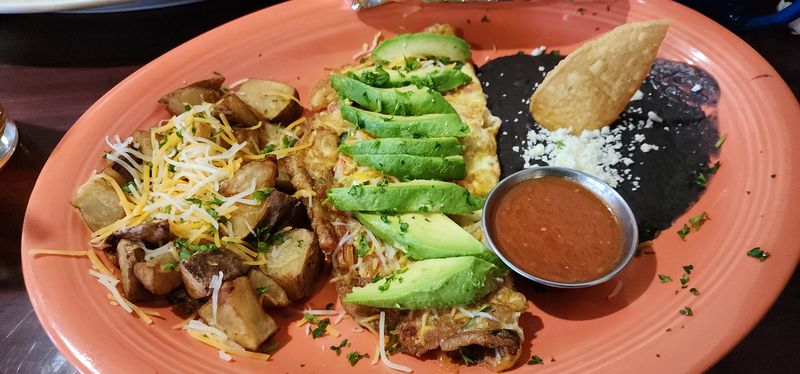
Ordering dinner at a backroad café feels different than placing an order at a chain restaurant. There’s no script, no upselling, and no pretending you’re always right.
Instead, you’re treated like someone who just walked into a neighbor’s kitchen, and they’re feeding you what they made. That shift changes everything. Trust replaces customization.
You’re not picking from a list of options because the cook already decided what’s good today. It’s a relationship built on respect, where you trust their judgment and they take pride in feeding you well.
Locals embrace this dynamic without hesitation. They know the cook, know the café, and know that whatever shows up will be solid.
Outsiders sometimes struggle, expecting choices and control. But once they relax and let go, they often leave impressed by the simplicity and care. This approach also removes the burden of decision-making. After a long day, some people don’t want to choose.
They want to sit down, be fed, and leave satisfied. The café provides exactly that, no questions asked, no energy wasted on endless options. There’s warmth in this system that’s hard to find elsewhere. You’re not a transaction or a ticket number.
You’re someone being taken care of, and that feeling lingers long after the meal ends. It’s hospitality stripped down to its core, served without flourish but with plenty of heart.
The Cook’s Instinct Guides the Menu
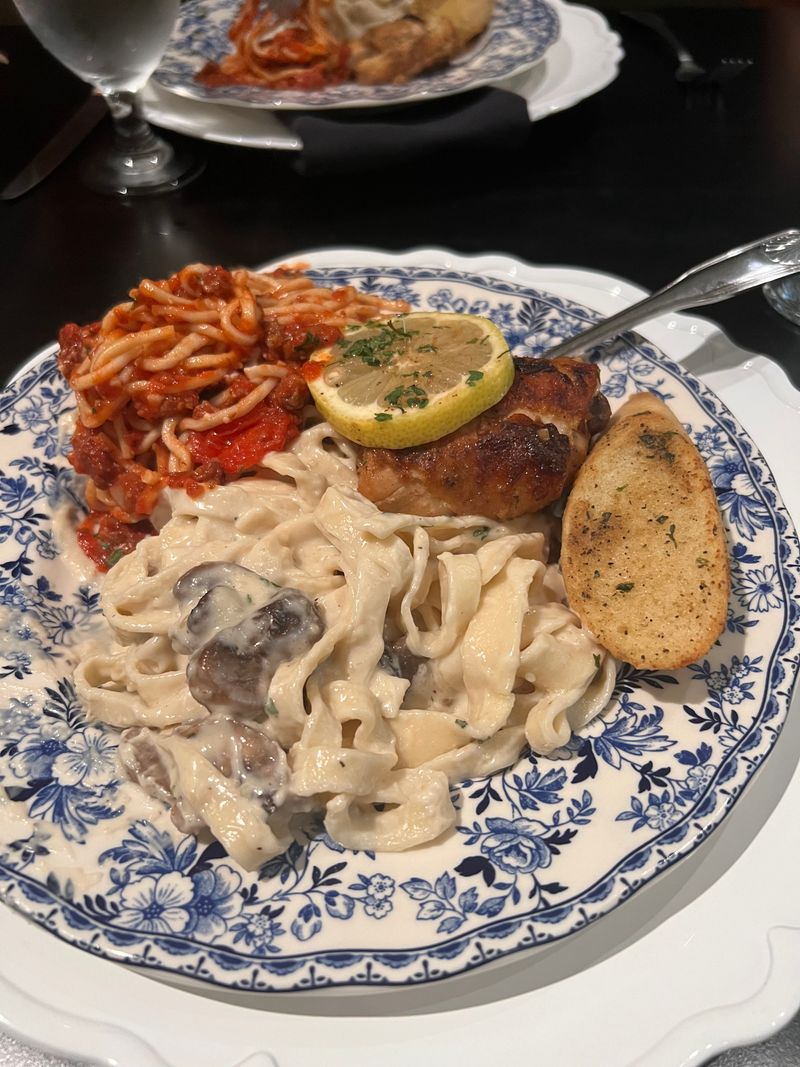
Behind every menu-less café is a cook who’s been doing this for years, maybe decades. They don’t need a recipe book or a committee to decide what’s for dinner.
Instinct, honed by repetition and feedback, tells them what will work. Experience teaches them to read the room. Cold weather means comfort food.
A busy week calls for something quick and filling. A quiet Tuesday might be the perfect time to try something new, knowing the regulars will offer honest opinions without the pressure of a packed house.
These cooks also know their ingredients intimately. They can tell when meat needs a longer braise or when vegetables are past their prime.
That knowledge allows them to adjust on the fly, tweaking flavors and techniques to get the best result every time. Confidence is key. Deciding dinner for an entire café takes guts, especially when there’s no backup plan.
But these cooks trust their skills and their relationship with the community. They’ve earned that trust through consistency, and it shows in every plate that leaves the kitchen.
This isn’t guesswork. It’s mastery built over countless shifts, thousands of meals, and endless conversations with the people who eat there. The cook becomes the menu, and the café becomes an extension of their personality, their values, and their commitment to doing things right.
Tradition Keeps the System Alive
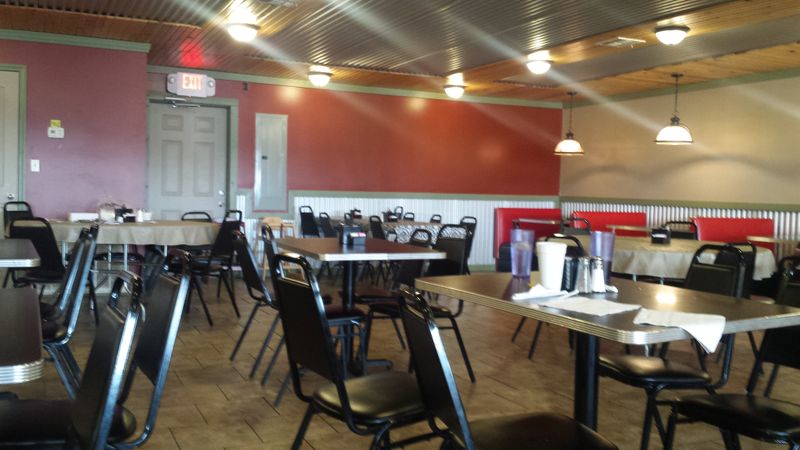
Many of these cafés have been around for generations, and the no-menu tradition runs deep. It’s how things were done when they first opened, and there’s never been a reason to change.
Regulars expect it. New owners inherit it. The system persists because it works. Tradition also creates identity. These cafés aren’t trying to compete with chain restaurants or trendy bistros.
They’re carving out their own space, rooted in history and community. The absence of a menu becomes a badge of honor, a signal that this place operates by its own rules.
Younger generations sometimes question the approach, wondering if modernizing would bring in more business. But the elders know better.
The charm lies in the consistency, the refusal to bend to every trend. People come here because it’s different, not in spite of it.
Stories get passed down about legendary meals, famous regulars, and the cook who refused to change a recipe even when everyone begged. These tales become part of the café’s lore, cementing its place in local culture and ensuring that the tradition continues.
Preserving this system takes effort. It would be easier to print a menu and let people choose.
But that would erase something special, something that connects the present to the past. So the tradition endures, carried forward by cooks and customers who understand its value and refuse to let it fade.
Word of Mouth Drives the Business
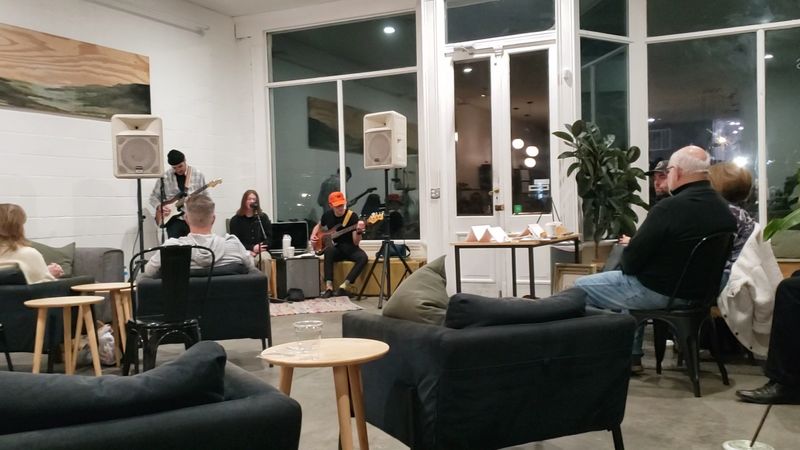
These cafés don’t advertise. There are no billboards, no social media campaigns, and no flashy promotions. The only marketing that matters is word of mouth, and it’s more powerful than any ad budget could ever be.
Regulars bring friends, friends bring family, and before long, the café has a steady stream of new faces mixed with familiar ones. Everyone who walks through the door has been told by someone they trust that this place is worth the drive, no matter how far off the highway it sits.
Reputation spreads through stories. Someone raves about the best chicken and dumplings they’ve ever had, and suddenly a dozen people are planning a trip. Another person mentions the quirky charm of ordering whatever the cook made, and curiosity does the rest.
This organic growth keeps the café grounded. There’s no pressure to expand or franchise because the business isn’t built on hype. It’s built on consistency, quality, and the kind of experience that people want to share without being asked.
Social media has amplified this effect in recent years. Travelers post photos, leave reviews, and tag the café, spreading the word far beyond the local community.
But even with that reach, the core remains unchanged. People come because someone they know vouched for it, and that trust is worth more than any ad campaign could ever generate.
Dear Reader: This page may contain affiliate links which may earn a commission if you click through and make a purchase. Our independent journalism is not influenced by any advertiser or commercial initiative unless it is clearly marked as sponsored content. As travel products change, please be sure to reconfirm all details and stay up to date with current events to ensure a safe and successful trip.
