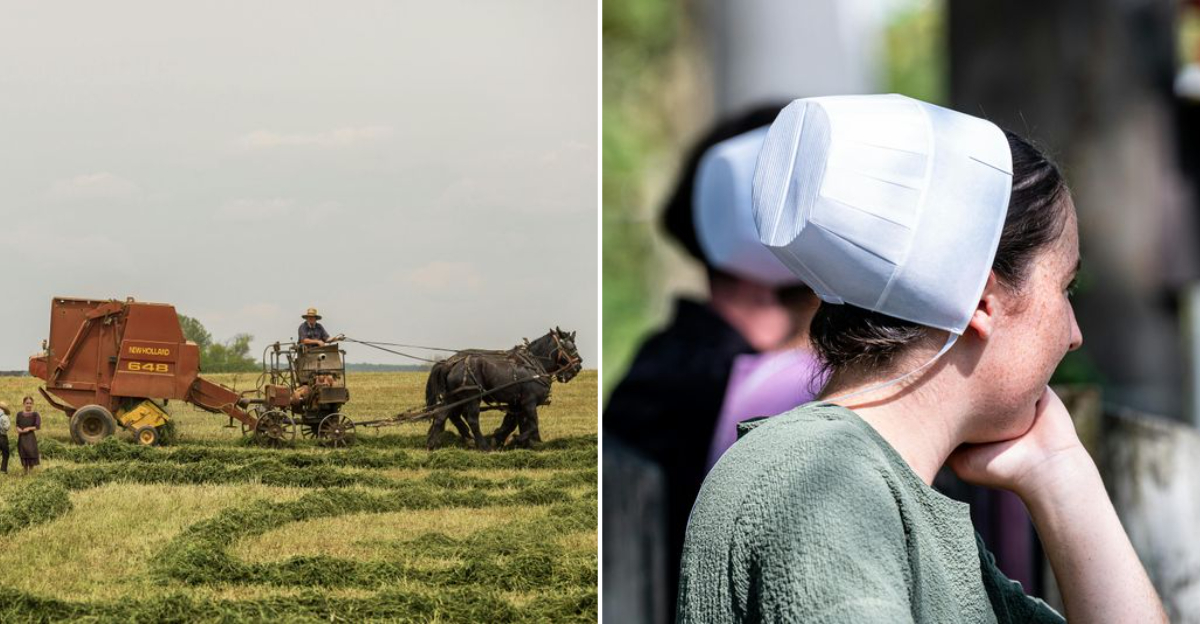
Have you ever wondered how some communities manage to hold onto their way of life while the world around them keeps changing? In Pennsylvania, the Amish have done exactly that.
Their traditions remain steady, even as technology and modern conveniences reshape nearly everything else. Daily life in Amish towns looks very different from what most of us are used to.
Horse-drawn buggies still roll down quiet roads, farms are worked by hand, and homes are built with craftsmanship passed down through generations.
Their routines aren’t just chores, they’re part of a lifestyle centered on family, faith, and community. What strikes me most when learning about the Amish is how consistent they are.
While trends come and go, they’ve chosen to keep things simple, and that choice gives their culture a sense of stability that’s rare today.
So if you’re curious about Pennsylvania beyond the usual tourist stops, the Amish traditions are a reminder of what it means to stay true to your roots.
Faith Over Fashion
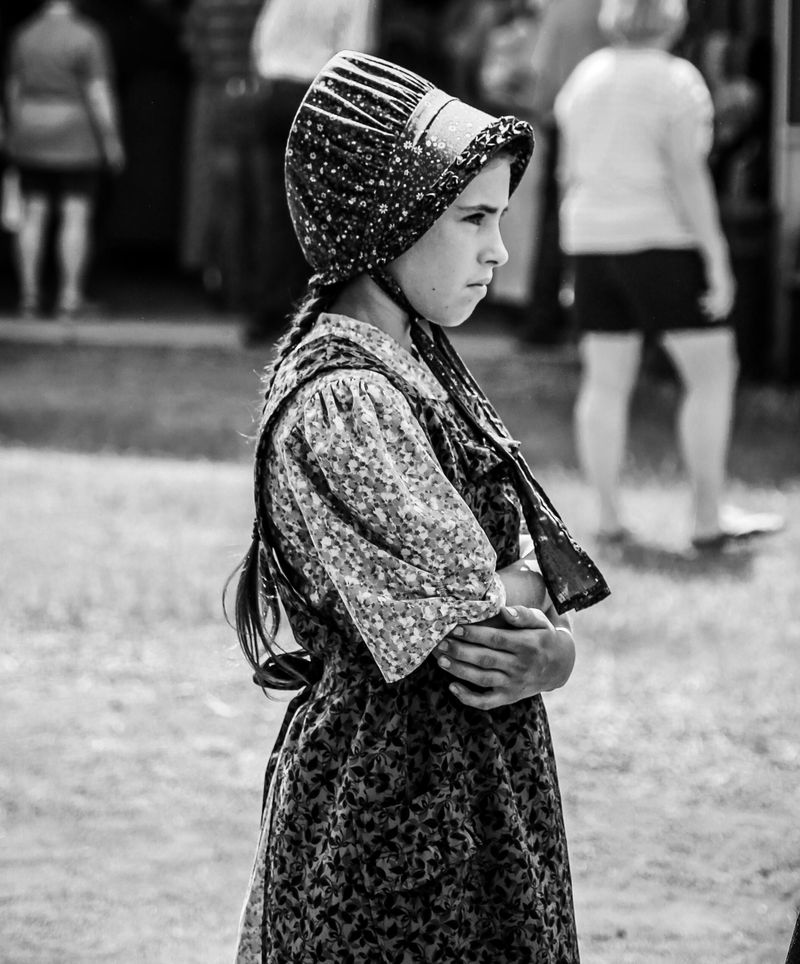
You notice it first in the clothes, because nothing about them asks for your attention.
Plain dresses, broadfall trousers, suspenders, and prayer coverings speak a quiet language that says humility over display. That steady uniform keeps the pressure of trends out of daily life.
Religion shapes the choices here, and fashion follows rather than leads.
When modesty is the goal, the style can stay still for a very long time. No one is chasing cuts or colors, so the rules do not need constant edits.
I feel like that calm approach makes getting dressed surprisingly simple, and that simplicity holds communities together.
You feel it on the road, passing farms where laundry lines are a lesson in continuity. There is a comfort in not negotiating outfits with every new season.
It lets energy go toward family, work, and worship instead of the mirror.
Want to see how steady it stays?
Plan a respectful drive through the backroads of Lancaster County where buggies clip by and fields stretch wide. Keep the camera low-key, because people value privacy here.
You will see that the clothing does not exist to impress you, which is exactly why it lasts. The lack of flash has a kind of glow all its own in my opinion.
Church Happens At Home
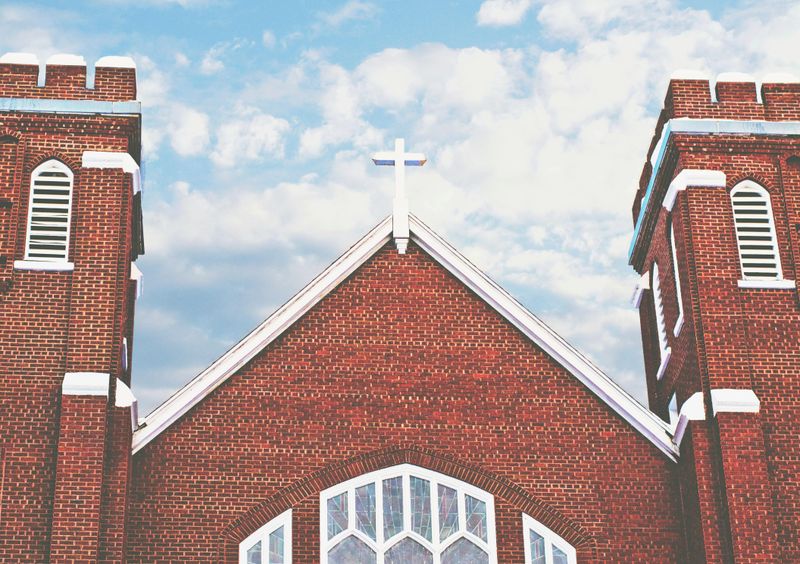
It feels surprising the first time you hear that Sunday church is not in a church building. Services rotate through homes and barns, and that rhythm keeps people close and equal.
The tradition traces back to European persecution, and it stuck because it works. Moving the gathering prevents any one place from becoming the center of power.
It also means hospitality is not a side note but the whole plan.
I feel like you can sense how the lack of a formal structure keeps attention on faith instead of architecture. Because there are no church buildings, the practice stays rooted in tradition.
Rotating locations reinforces community equality and closeness in a very practical way.
If you pass through in Pennsylvania on a Sunday morning, you might notice buggies clustered by a farmhouse. That is the sanctuary for the day, simple and temporary by design.
There is no marquee or posted sermon series, just the same steady pattern. It is worship as a household act, multiplied by many households, and then rotated again.
The humility of the setting keeps the heart of the service in view.
Technology Is Carefully Weighed

You and I might think tech is either on or off, but here it is more like a careful dial. The Amish are not anti-technology, they are selective about it.
Each district decides what helps family and faith, and what might quietly pull threads loose.
That is why one community may allow a certain tool while the next one does not. Phones might be kept in a shared shed so they do not creep into the kitchen table.
Electric lines may stop at the road even when a generator hums in a workshop. The point is not nostalgia but guardrails, set with intention, reviewed with patience.
Rules do not rush here because quick change can knock other things out of place. The slow decision making process keeps traditions stable and understandable.
Kids grow up seeing boundaries as ordinary, not as constant debates.
I think the shared value is caution, not sameness. That shared value holds the line even when gadgets keep changing shape every season.
Limits become habit, and habit becomes culture that lasts.
Education Ends At Eighth Grade

Out here, formal schooling usually wraps up after eighth grade, and then the real classroom gets wider.
That shift is legal and well established, shaped by court cases and community practice.
From there, learning moves into barns, shops, gardens, and homes; it is about practical skills that plug right into a family and a trade.
Farming, carpentry, sewing, and business math grow out of actual chores and local needs. There is pride in competence, and it shows in the way teens handle tools.
The path is not accidental, it is designed to keep values close at hand. Parents teach, uncles teach, neighbors teach, and the feedback is quick and real.
The focus shifts to work that supports the community instead of individual ambition, that keeps culture passing from one set of hands to the next.
It is a system that honors usefulness, patience, and memory. Those pieces help traditions survive without needing a syllabus.
Pennsylvania German Lives On
Listen closely and you will hear two languages moving side by side. Pennsylvania German fills the home, while English steps in for business and the wider world.
That switchboard keeps the boundary lines both clear and kind. Using a heritage language turns ordinary moments into strong cultural glue.
Kids learn it the way they learn chores, by doing it with everyone else. English shows up when needed, but it does not swallow the day.
I think that balance gives people a private space even when visitors are nearby. It also carries stories and jokes that do not translate cleanly, which keeps them rooted.
Speech flows easy, with old words that still feel useful, and because it keeps working, it keeps living. Boundaries stay gentle and firm at the same time.
You can feel how it protects community life without building a wall. That is how a tongue from long ago still steers today.
Horse And Buggy Still Rules
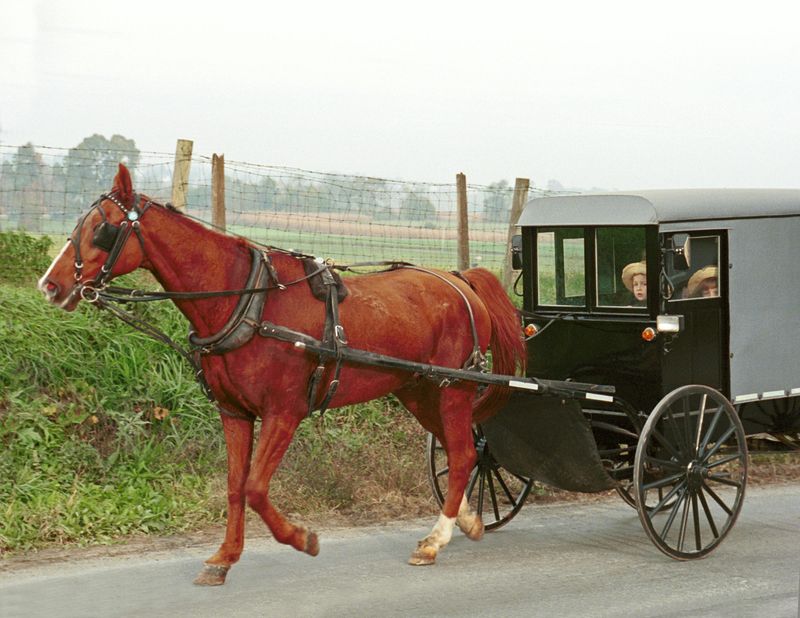
The sound of hooves on pavement changes your pace before you realize it. Transportation here stays slow by design, and that slowness reshapes the day.
Horse drawn buggies put a natural limit on distance and impulse; it is not just about the vehicle, it is about dependence on neighbors and planning ahead.
Cars promise independence, but they also speed people away from home life, so keeping travel measured protects the fabric that holds everyone together.
You will see different buggy styles in Pennsylvania depending on community rules: grey tops, black tops, open carriages, each one says where someone belongs.
The rules are about ties, not horsepower, and slow travel keeps conversation near and schedules honest.
When you drive through Lancaster County, pull over wide and give space; that courtesy is part safety and part respect for an older rhythm.
The view from behind a buggy window is a study in patience, it turns every errand into a small commitment. That commitment is one reason the old way remains steady.
Adult Baptism Locks Traditions In

The turning point comes when a young adult says yes to church membership. Baptism happens later than many neighbors expect, and that timing matters.
It means the rules become a chosen path, not just a childhood habit.
Once baptized, members commit to the Ordnung and the community for life, and that promise is serious, but it sits inside a supportive network.
People know exactly what they are agreeing to because they grew up watching it. Tradition changes from background noise into a personal vow.
The weight of that vow keeps customs steady through normal temptations to drift. You can feel the quiet gravity at services held in homes across Pennsylvania.
There is no spotlight, just careful words and familiar songs. Afterward, the day is still a workday, because life and faith are not separate lanes.
Habits become commitments, and commitments become the bones of culture; that structure does not need fanfare to hold.
It just needs people who keep saying yes in the same way. I think that is how a community stays recognizable from one generation to the next.
Community Comes Before Individual
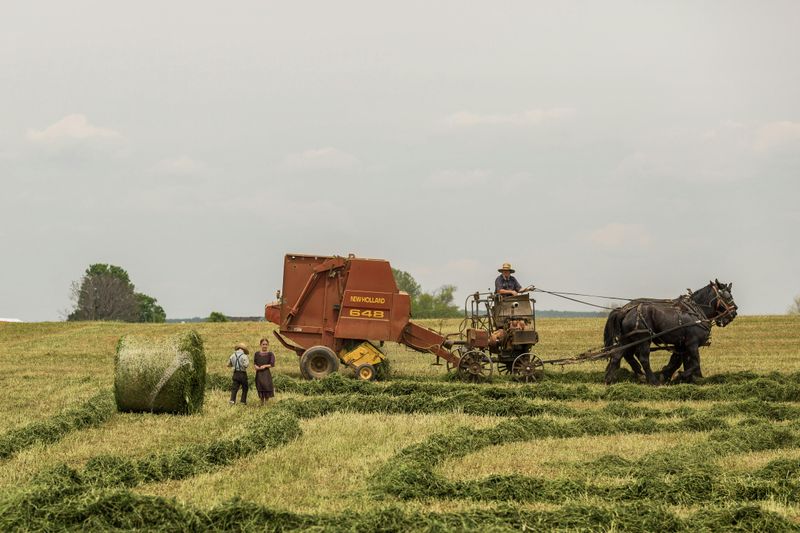
If you want to see priorities in action, watch a barn go up in a day. Neighbors arrive early, tools in hand, and no one waits for applause.
Helping is expected, not celebrated, and that normalcy is powerful. Decisions lean toward what serves the whole group best.
I feel like that habit trims off plenty of personal detours before they start. It also makes big tasks feel possible because the load is shared.
In Pennsylvania, barn raisings and quilting days still stitch people together. You can hear jokes flying while beams swing into place.
The work is serious, but the mood stays light and steady, and shared labor becomes a memory everyone owns.
When community comes first, change slows down naturally, and new ideas get measured by how they touch every household. The center holds because everyone keeps pulling toward it.
The Ordnung Sets The Rules
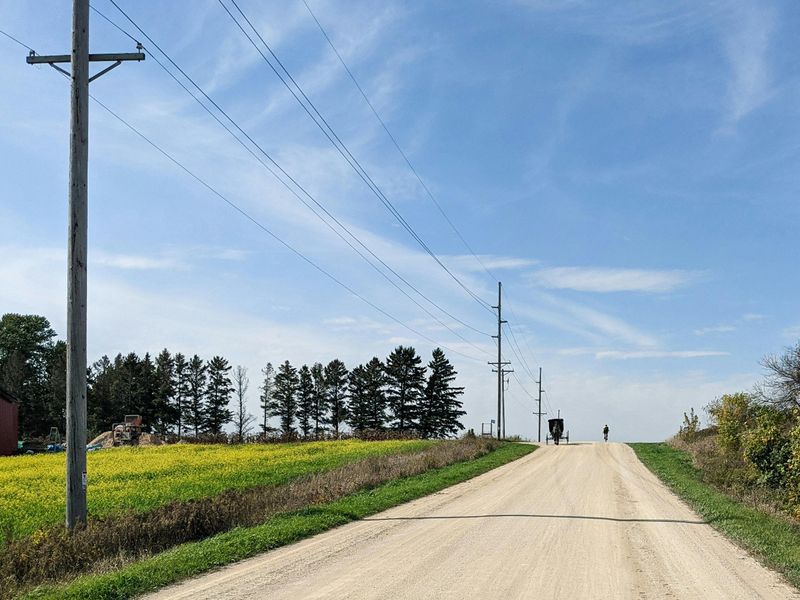
You could call the Ordnung a map that the whole district agrees to follow. It is not a printed law code, more like a living agreement.
Clothing, tools, travel, and behavior all find their lanes inside it.
Leaders guide changes slowly, measuring ripple effects before anything shifts, and that pace can frustrate outsiders, but it protects the web of daily life.
Little rules add up to a stable culture that everyone recognizes. Because each district writes its own version, differences show up across counties.
Still, the aim is steady character, not novelty.
When a question comes up, people look back at the Ordnung first, that habit keeps debates from spinning into every corner of the day.
I feel like you can sense the Ordnung in the way similar farms feel consistent: hats, buggies, porches, and tools line up within a known range.
The result is calm predictability that welcomes responsibility. Rules are not there to restrict personality as much as to guide conduct.
The guidance is what helps traditions last without constant argument.
Farming Shapes Daily Life
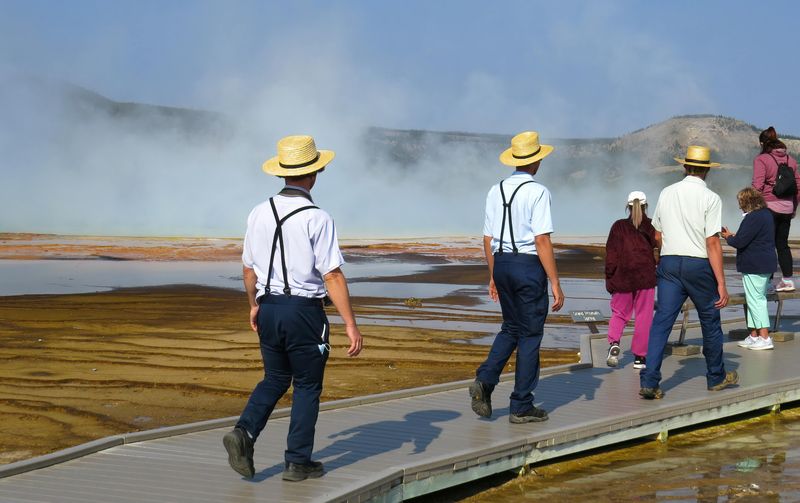
Start the day early on these farms and you will see the schedule write itself: animals set the rhythm, and people align with it.
Planting, harvesting, and repairs create a calendar that is older than any app. Manual labor keeps hands strong and attention grounded.
There are machines, but shortcuts are often weighed against values first. The work is steady rather than flashy, and that steadiness trains character.
You read the seasons here by the look of the fields: church, school, and visits bend around the demands of weather and soil.
That makes community time feel earned and focused, and it also gives young people endless lessons without lectures.
When the land teaches, tradition has a daily teacher. Habits from one generation transfer easily because the tasks repeat.
No one needs a slogan to remember what matters, it stays visible in fences mended and tools kept sharp. Work becomes heritage you can hold in your hands.
Separation From The World Is Intentional
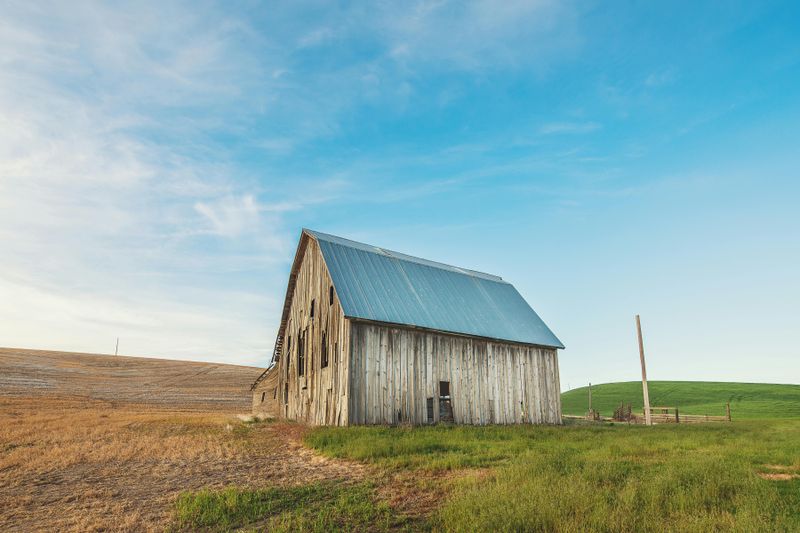
The distance you feel out here is not an accident, it is a practice. People talk about Gelassenheit, a calm yielding that keeps pride in check, that posture trims away distractions before they take root.
Media and big trends get filtered hard, and that filter protects attention. Buying stays simple so competition and showmanship do not crowd in.
The result is a quieter head and a steadier heart, and that looks like houses without visible grid lines and simple porches.
Evenings tilt toward conversation and hymn singing instead of screens.
It is not about hiding, it is about guarding what is central, and I think that guard helps older values make it across busy modern roads.
The space from mainstream life keeps pressure low. Low pressure makes it easier to keep promises, those promises keep the culture recognizable.
The cycle stays healthy because each piece supports the next. That is how separation works without bitterness.
Local Roots Run Deep In Pennsylvania
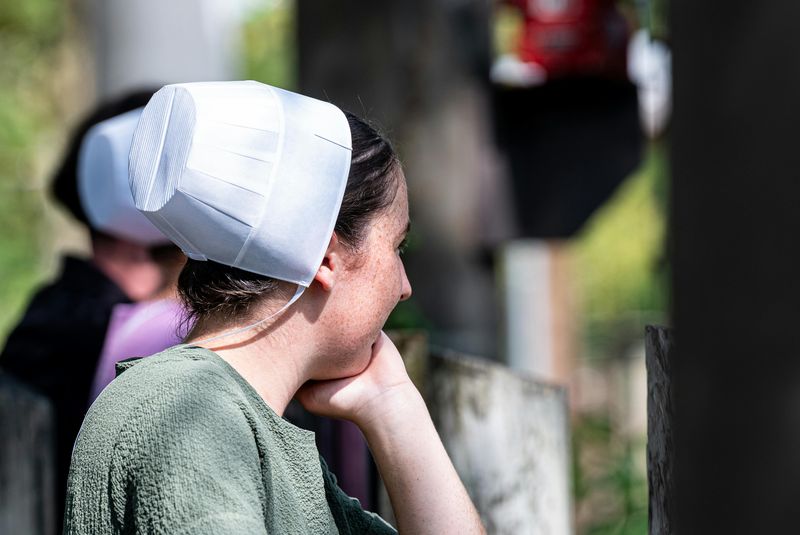
You feel the pull of place as soon as the road narrows to farmland.
Families often live near each other for a very long time, and the land ties people to history that is measured in fencelines and lanes.
In Lancaster County, the map barely changes, while the seasons repaint it again and again. Stability makes it easier to hand off farms and shops without drama.
I think that steady passing down is one more reason traditions do not wobble.
Kids grow up with cousins down the road and grandparents within a short ride, and memories stack up on the same fields, which keeps stories anchored.
When a place holds that many family lines, leaving is a big decision. Staying becomes the normal choice because roots feel good underfoot.
The state lends a backdrop that rewards patience, with soil that keeps giving. That reciprocity between land and people shows in careful fences and tidy lanes.
Local fairs and markets become less about events and more about reunions. The pattern repeats until it becomes the culture itself.
Dear Reader: This page may contain affiliate links which may earn a commission if you click through and make a purchase. Our independent journalism is not influenced by any advertiser or commercial initiative unless it is clearly marked as sponsored content. As travel products change, please be sure to reconfirm all details and stay up to date with current events to ensure a safe and successful trip.
