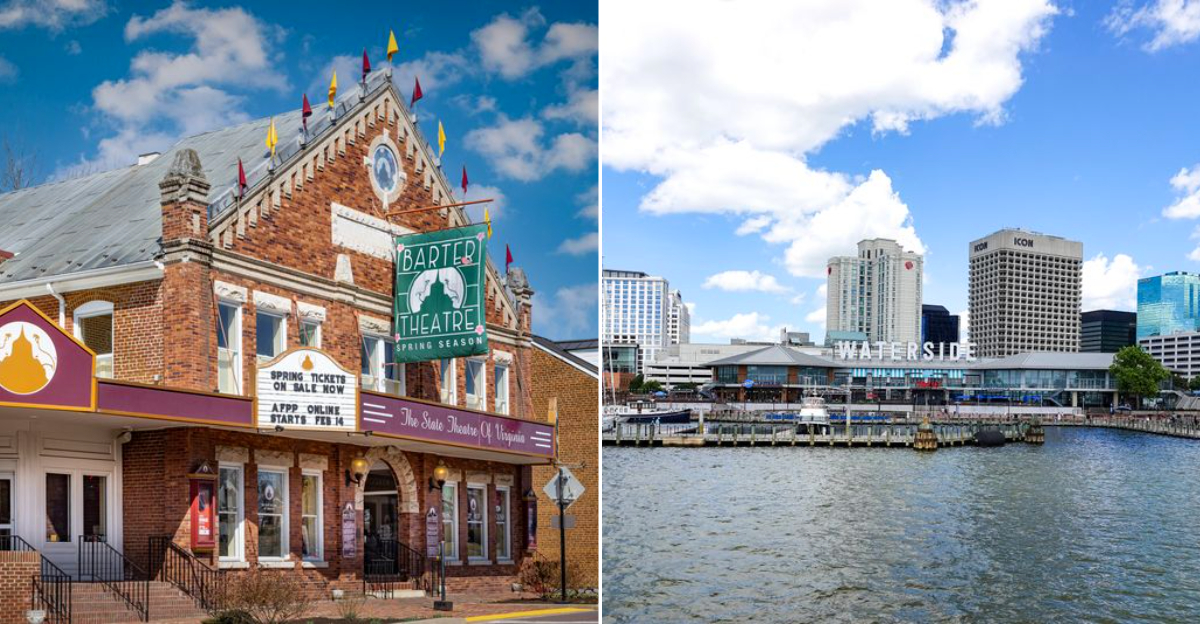
You know how a place feels different once more people start showing up, like the vibe shifts a few degrees even if the streets look the same?
That is what I have been noticing across Virginia, where that easy, front-porch rhythm is still there, but the tempo has picked up and you can hear it in small daily moments.
There is a mix of excitement and adjustment in the air, because more visitors bring new energy and new pressures, and locals are figuring out how to keep the warmth steady while everything moves faster.
Small changes show up in longer lines, busier weekends, and conversations that sound a little more cautious than they used to.
If you are curious how that Southern feel adapts without losing itself, let’s walk through what is changing and where you can actually see it.
Historic Town Centers Are Seeing Heavier Daily Foot Traffic
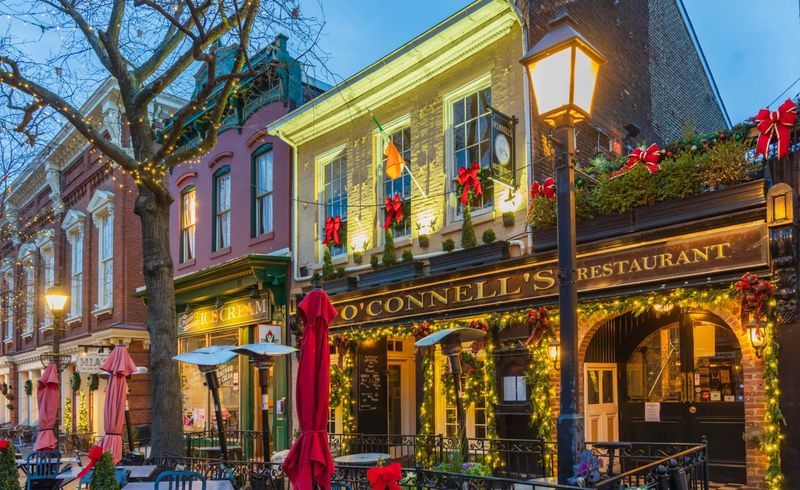
Start with Old Town Alexandria, because you can feel the shift as soon as you hit King Street. The blocks around City Hall are buzzing earlier and staying lively later.
On the sidewalks, you notice more strollers, more tripods, more people reading plaques with the sort of attention that turns a weekday like a weekend.
That steady stream changes how locals move, so quick errands become slower loops with friendly detours.
The storefronts along the brick sidewalks look familiar, yet windows are staged for people who might only be here once. You see guided groups gathering outside Gadsby’s Tavern Museum, and the town’s heartbeat syncs to those meeting times.
It is not frantic. It is just more present, like the street knows it is being watched and stands a touch taller.
Charlottesville’s Downtown Mall has the same hum in a different key.
The long pedestrian stretch invites lingering, so the effect is a slow tide rather than waves.
During peak afternoons, you feel momentum from the Paramount Theater all the way past the brick pavilions. Locals do the side-step dance, sliding between families and photo stops.
That is the everyday change tourism brings in Virginia. Historic cores are still themselves, just with broader audiences and a faster pulse.
Local Businesses Are Shifting Toward Visitor Demand
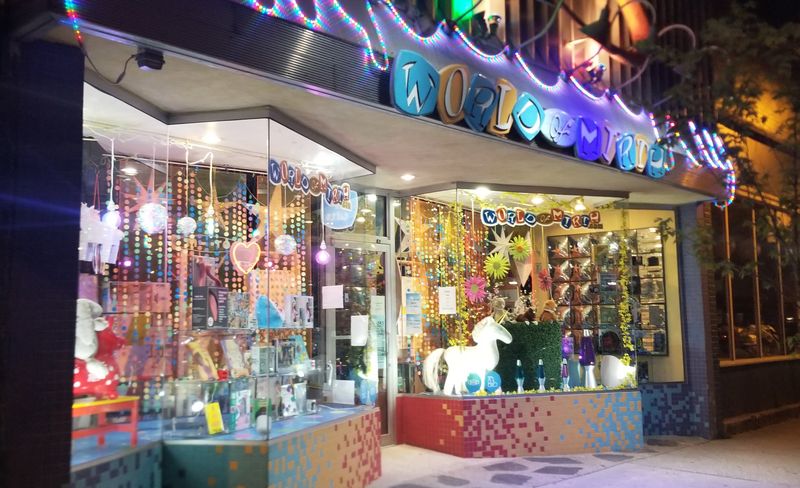
Walk through Carytown in Richmond and you can spot how displays now speak to first timers as much as regulars. The stretches show curated windows that teach a story in one glance.
Shops still feel local, but signage leans clearer and more welcoming to people who just landed.
Hours stretch a bit, and side rooms become mini galleries with maps, history notes, and easy takeaways.
In Williamsburg around Merchants Square, the pivot looks different. You notice more event boards, more staff ready to explain directions, and a cadence tuned to peak flow.
It is not selling out. It is translating local personality so a traveler can understand it quickly.
Service counters practice the art of quick context, which is a subtle shift in Southern hospitality. The warmth stays, but the delivery gets crisp, almost guide like without feeling stiff.
Roanoke’s Market Square shows it too with streamlined layouts and clearer checkout paths.
Wayfinding signs pop up where a nod used to do the trick.
You and I might miss the old improv style, but the tradeoff is fewer confused faces and smoother flow. When tourism rises, businesses shape the stage so the day performs on time.
Seasonal Crowds Are Redefining Community Rhythms
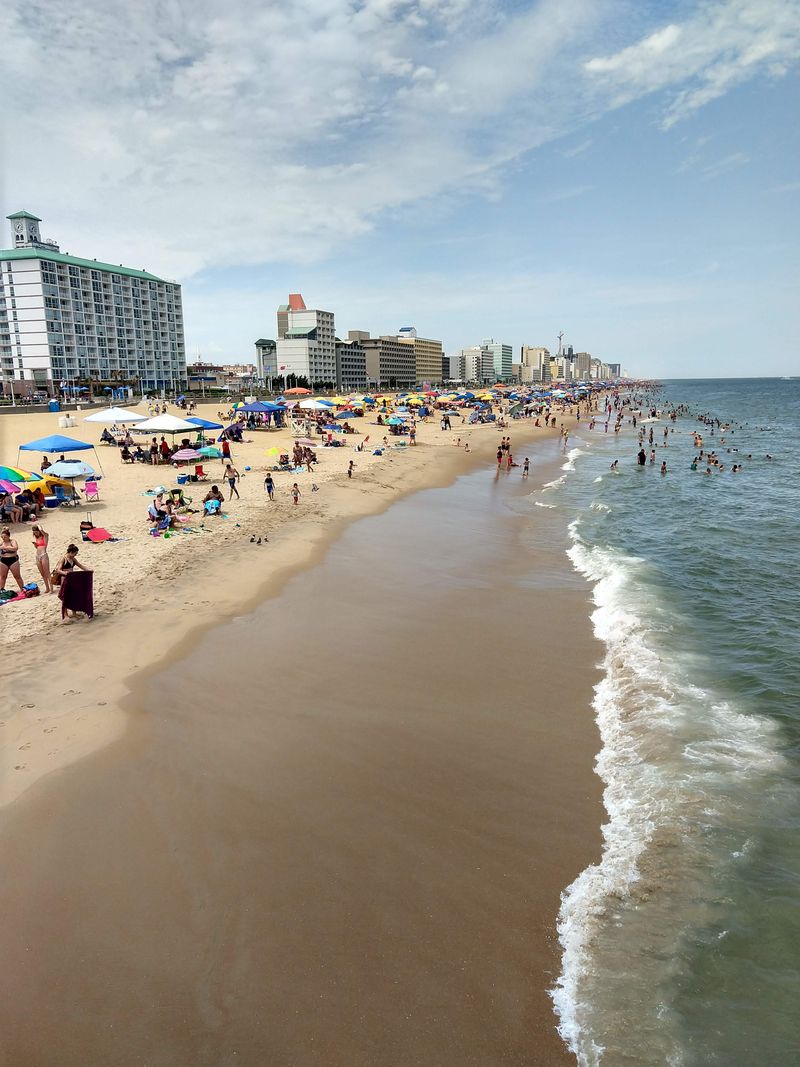
Have you felt how seasons hit differently now in Virginia? In places like Virginia Beach’s Oceanfront, the calendar feels louder.
There is a swell that lifts everything for a stretch, then quiet settles back in with a different texture.
Locals time errands and visits to match the tide, which becomes a kind of living schedule.
Up in Shenandoah National Park, the Thornton Gap Entrance sets the pace during leaf season. Trailheads fill earlier, overlooks hold lines, and the park takes on a shared patience.
That seasonal pulse trickles back into nearby towns like Luray, where the streets move in sync. Even the parking lots pick up their own routine.
New River Valley towns feel it during campus events.
The days stretch longer, and you measure time by the crowd’s breath.
It is not a bad thing. It is a new metronome that guides decisions as small as when to drive and as big as when to take time off.
If you plan right, you ride the rhythm instead of fighting it. That is the trick to keeping Virginia’s calm while the season runs hot.
Quiet Streets Feel Busier During Peak Travel Months
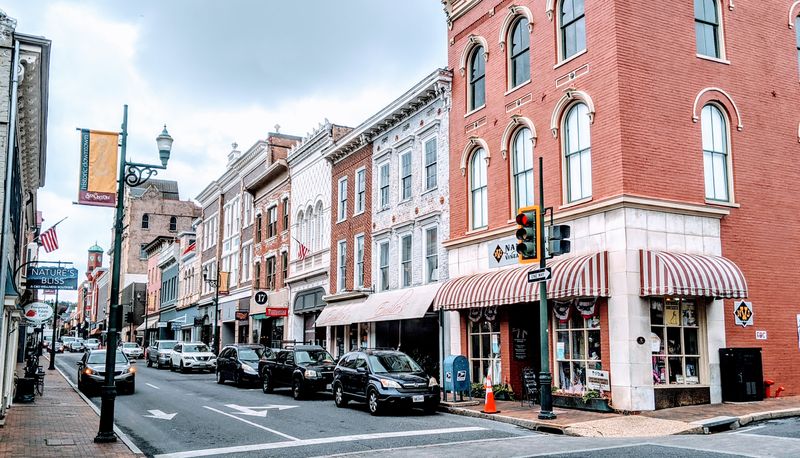
Drive into Staunton around Wharf Historic District, and you will notice side streets that used to feel whisper quiet now carry a gentle buzz. Not hectic, just busier.
The parking fills in layers, and doorways that once stayed empty now cycle visitors in a steady clip.
You start planning your loop with a touch more intention.
Lexington’s stretch near Washington and Lee University, gets that mellow bustle too. Sidewalks become conversation lanes where strangers ask quick, friendly questions about where to head next.
In Farmville along Main Street, the change shows up as ambient motion. You still hear birds and crosswalk clicks, just with more footsteps setting the beat.
Peak months no longer feel like special occasions. They feel like a new normal that comes and goes with a reliable swing.
It helps to walk a block off the main drag when you want quiet.
The calm is still there, just tucked slightly to the side.
You adapt without losing your stride. That is how these towns keep their soft spoken charm even when the volume bumps up.
Housing Use Is Changing In Popular Destinations
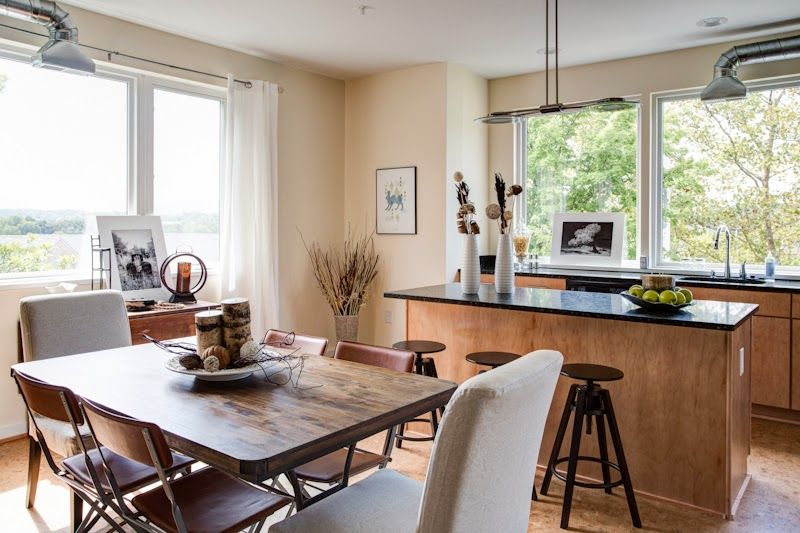
In Charlottesville neighborhoods near the University, you can feel shifts in how homes are used. More units flex between long stays and visitor stays.
That ripple affects who you see walking dogs at dusk and who puts out trash on pickup days.
Patterns that once felt settled get a little looser.
Down in Virginia Beach, the changes play out block by block. Porch lights cycle differently and driveway activity tells its own story.
Williamsburg’s residential streets reflect a similar balancing act. Longtime neighbors learn new rhythms while visitors learn the neighborhood’s pace.
It is a complex part of tourism growth, and you can feel the community conversations happening in doorways.
People want to share the place while keeping the thread of daily life intact.
Local boards and associations host discussions at familiar civic buildings like City Hall. Those meetings shape guidelines that try to hold both needs in mind.
When you visit, being a good neighbor matters more than ever. You keep the noise down, watch the parking, and match the tone you walked into.
Traditional Events Are Becoming Tourist Attractions
You know those hometown events that used to feel like a big neighborhood reunion? Some of them now draw folks from way out, and the atmosphere shifts in a friendly way.
In Bristol around State Street, you will see more cameras and more coordinated signage during event weeks. Streets become a stage with cues for visitors woven into the flow.
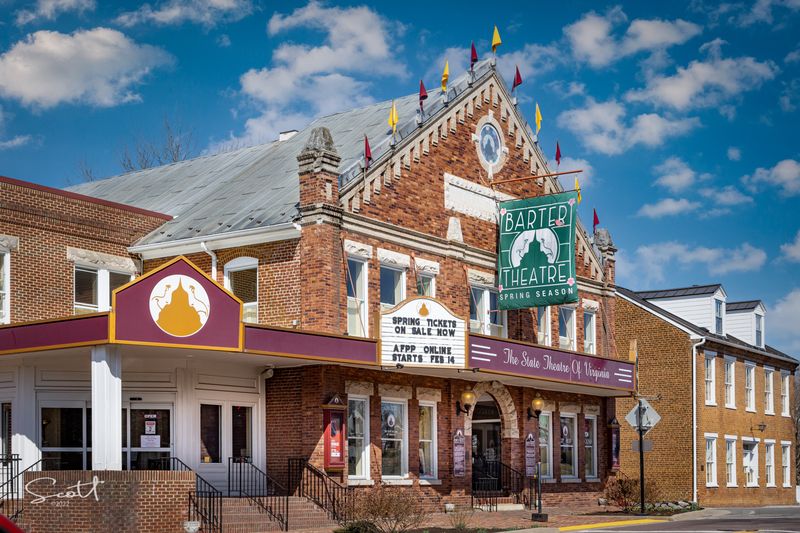
Over in Abingdon near the Barter Theatre, foot traffic stacks up with a steady rhythm.
You still catch that welcoming wave from doorways, just with a wider audience watching the show.
Hampton’s waterfront has figured out crowd guidance with gentle touch points. Path markers lead the way while leaving room for serendipity.
The trick is protecting the homey core so it still feels like Virginia at heart. That means keeping local voices on the mic and making space for traditions to breathe.
When visitors join, the event becomes a kind of shared porch.
The conversation gets bigger, and the community memory gets new chapters without losing the old ones.
If you go, aim for curiosity first and camera second. That small mindset shift keeps the vibe grounded while the circles widen.
Rising Prices Affect Everyday Local Life
Tourism has a way of nudging costs upward, and you feel it in ordinary routines. In Norfolk around the Neon District, studio spaces and services inch higher as visibility grows.
That momentum can squeeze the margins for people who keep the place running.
You notice new strategies, like shared resources and earlier planning.
In Arlington’s Clarendon area, the pattern shows up in parking, services, and daily errands. Small fees and time costs stack in ways you can only feel over a week.
Charlottesville’s core rides the same wave. Locals track when to do tasks to avoid the surge and protect their day’s rhythm.
None of this cancels the good that visitors bring. It just adds a layer of calculation that used to be intuitive.
Communities respond with local discount programs and resident nights at civic venues. Those touches soften the edges so home still feels like home.
If you are visiting, patience and awareness go a long way.
You keep your plans flexible and leave space for the people who live the story every day.
Preservation Decisions Are Influenced By Visitor Appeal
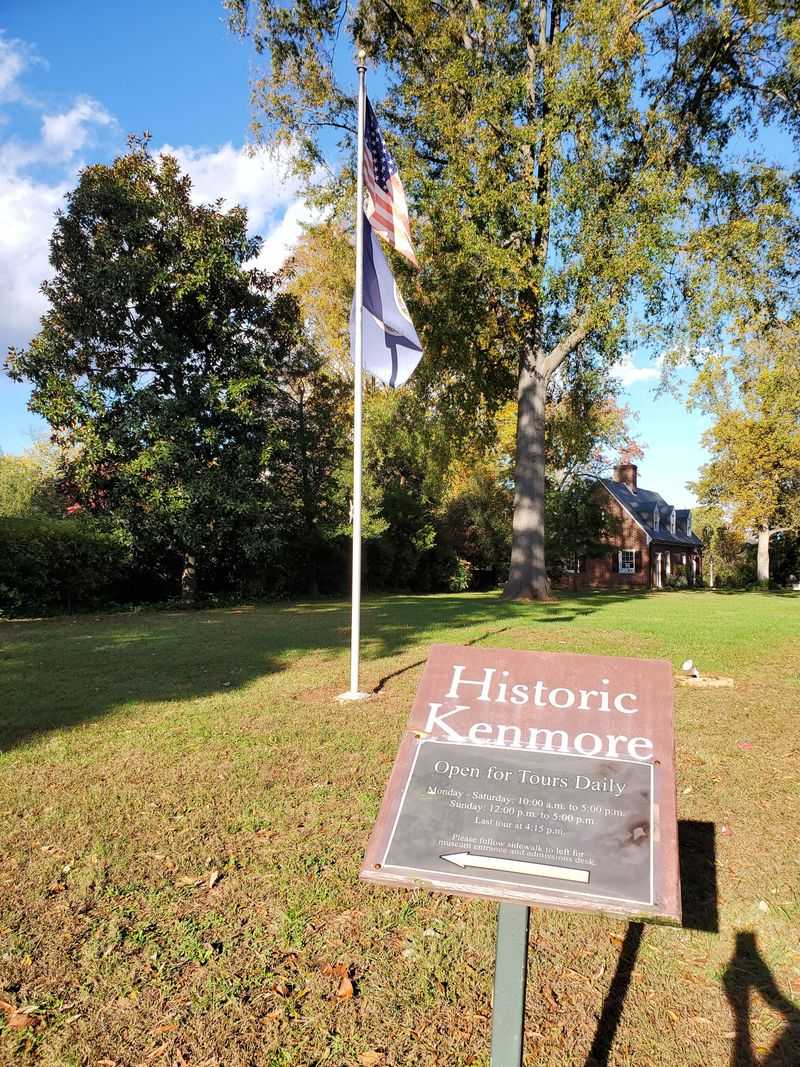
Restoration used to be a quiet back and forth between historians and budgets. Now visitor interest pulls up a chair and speaks clearly.
In Fredericksburg around Historic Kenmore, you can see how interpretive choices meet visitor expectations.
Signage and access routes guide exploration with an eye on clarity.
Petersburg’s Old Towne leans into streetscape repairs that frame the story for camera ready moments. Brickwork, lighting, and facades get careful attention that reads well from a distance.
Appomattox Court House National Historical Park balances quiet reflection with understandable paths. The place holds still while also welcoming new eyes.
Is that a bad thing? Not if the decisions stay rooted in truth and community memory.
Preservation here is learning to speak two languages at once. It keeps the scholarly depth while offering a clear invitation to step inside the narrative.
When you visit, read the plaques fully and look up to notice the craft.
That small habit respects the work behind keeping Virginia’s past steady as the crowd grows.
Southern Hospitality Is Becoming More Structured
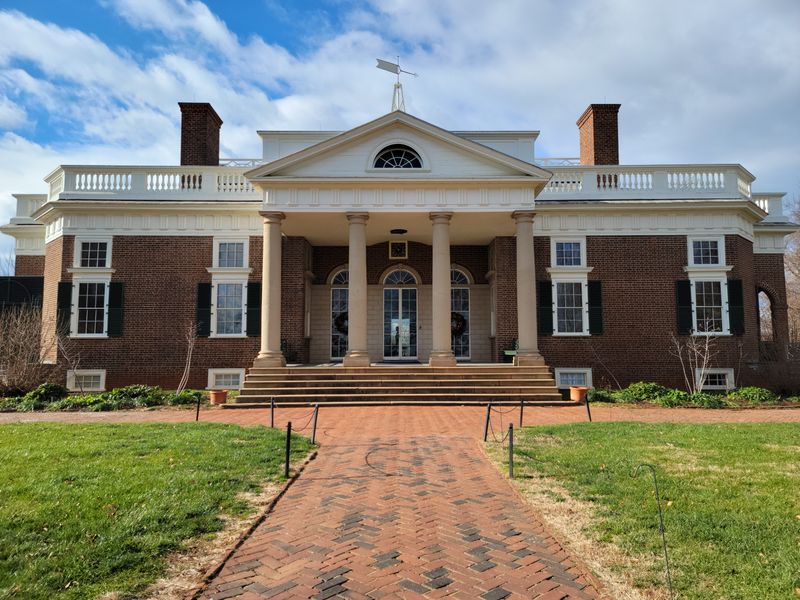
Virginia’s welcome still feels like a front porch, but the porch has a sign that says how to line up. That is not cold, just organized.
At Monticello Visitor Center greeters pace arrivals so questions flow faster.
The smile is the same, and the system saves everyone a few beats.
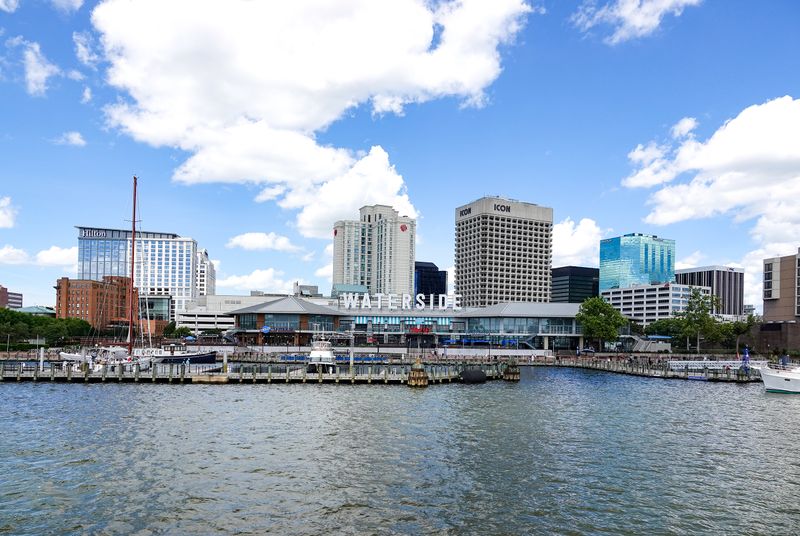
In Norfolk’s Waterside District, you will see clear points for information and guidance. The warmth lives in the tone while the steps are laid out plainly.
Over in Lynchburg’s Bluffwalk staff point you along terraces with helpful landmarks. It feels like someone drew a soft map in the air and handed it to you.
This is hospitality adjusting to scale.
You can keep the kindness and still make it run on rails.
As a visitor, you say thanks, follow the signs, and let the people working the day set the flow. That respect keeps the old spirit intact while the numbers climb.
It is the same porch, just with better instructions. Honestly, it helps everyone breathe easier.
Communities Are Balancing Welcome With Wear
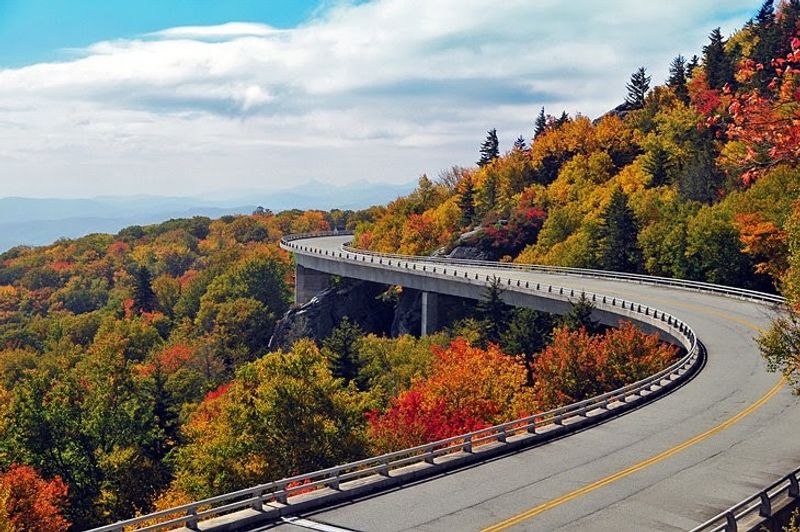
The most honest change is the balancing act you can feel in places that carry heavy traffic. Think of the Blue Ridge Parkway, where love and wear arrive together.
Trailheads and overlooks are resilient, but not invincible.
Local crews and volunteers become the quiet heroes, patching what the day scuffs.
On the Eastern Shore at Kiptopeke State Park, signs gently remind visitors how to tread lightly. You sense the care in the way paths braid through dunes and shade.
Back in Richmond’s James River Park System the balance looks like posted guidelines and clear entrances. The river stays welcoming, but the boundaries are spelled out.
That is where a visitor can make the biggest difference.
You match the tone, pack out what you bring, and leave a place that looks like you were never there.
Communities across Virginia are finding that sweet spot, and it is a moving target. The work is steady, the welcome is real, and both depend on small choices made by folks like us.
If you get that part right, the Southern feel does not fade. It just learns to last longer under a brighter spotlight.
