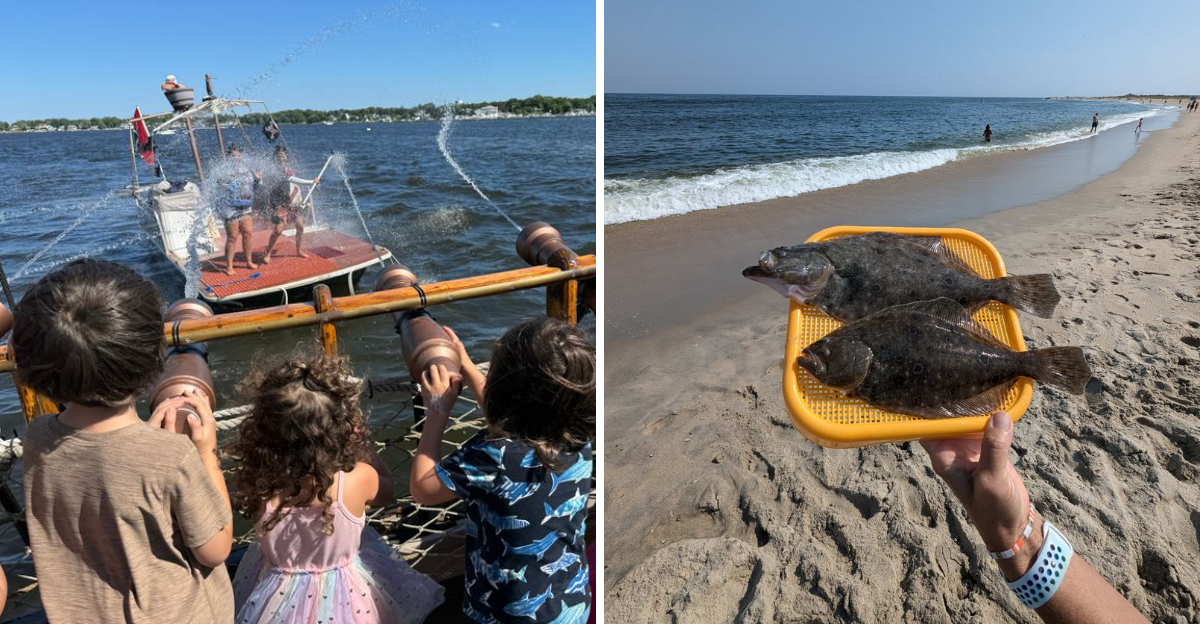
The Jersey Shore stretches along New Jersey’s Atlantic coastline, offering miles of sandy beaches, lively boardwalks, and unforgettable summer memories.
For over a century, families have flocked to this iconic destination to escape the city heat, ride thrilling amusement park rides, and savor fresh saltwater taffy.
Its transformation from a quiet seaside retreat to a world-renowned vacation hotspot is a fascinating story shaped by history, culture, and innovation.
Victorian-era resorts first put the Shore on the map, while modern attractions continue to draw millions of visitors each year.
The blend of natural beauty and human ingenuity created a tourism powerhouse that stands strong today.
Ready to discover what turned sandy dunes into a bucket-list destination?
Ever wondered why people drive hours just to dip their toes in Jersey Shore waves?
Spoiler alert: it’s not just the saltwater taffy (though that helps).
Get ready for a fun ride through history, Hollywood magic, and boardwalk thrills that will make you want to pack your beach bag right now!
Railroad Expansion Brought Seaside Access to Everyone
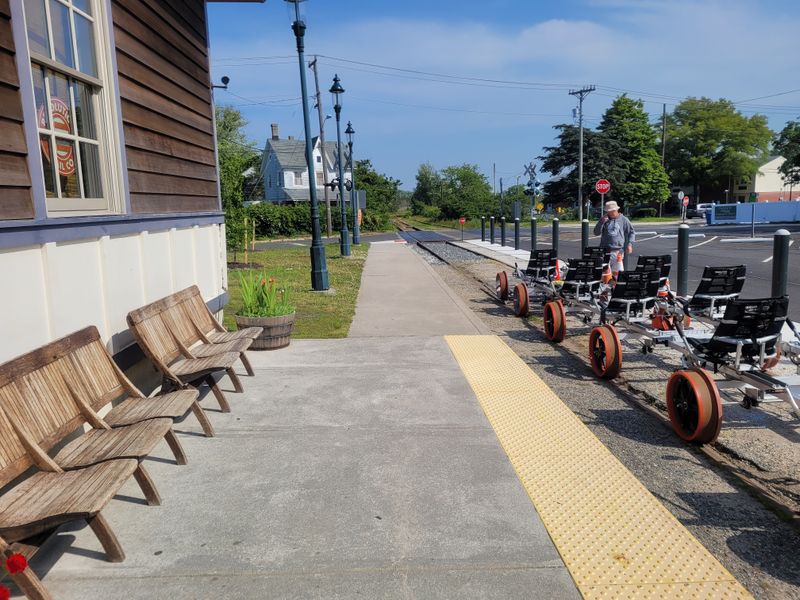
Back in the 1850s, reaching the ocean from Philadelphia or New York City meant enduring a long, bumpy carriage ride that could take an entire day.
When railroad companies began laying tracks directly to coastal towns, everything changed overnight.
Suddenly, working-class families could afford a weekend getaway to breathe in the salty air and feel sand between their toes.
The Camden and Atlantic Railroad opened in 1854, connecting Philadelphia to Atlantic City in just a few hours, making the Jersey Shore accessible to thousands of eager beachgoers.
Towns like Cape May, Long Branch, and Asbury Park quickly built train stations to welcome the flood of tourists arriving every summer weekend.
Hotels, guesthouses, and boarding houses sprang up near the depots to accommodate visitors who wanted to stay longer than a day trip.
Merchants opened shops selling beach umbrellas, bathing suits, and souvenirs, creating a bustling seaside economy.
The trains didn’t just carry passengers; they carried dreams of escape, relaxation, and adventure.
Railroad posters advertised the Shore as a paradise within reach, featuring colorful illustrations of happy families playing in the surf.
Affordable ticket prices meant even modest families could enjoy a taste of coastal living without breaking the bank.
This democratization of beach access transformed the Jersey Shore from an elite retreat into a beloved destination for all social classes.
Without those iron rails cutting through farmland and forest, the Shore might have remained a hidden gem known only to wealthy landowners.
Instead, the whistle of arriving trains became the soundtrack of summer for generations of New Jersey beachgoers.
Boardwalks Created Iconic Promenades for Strolling and Shopping
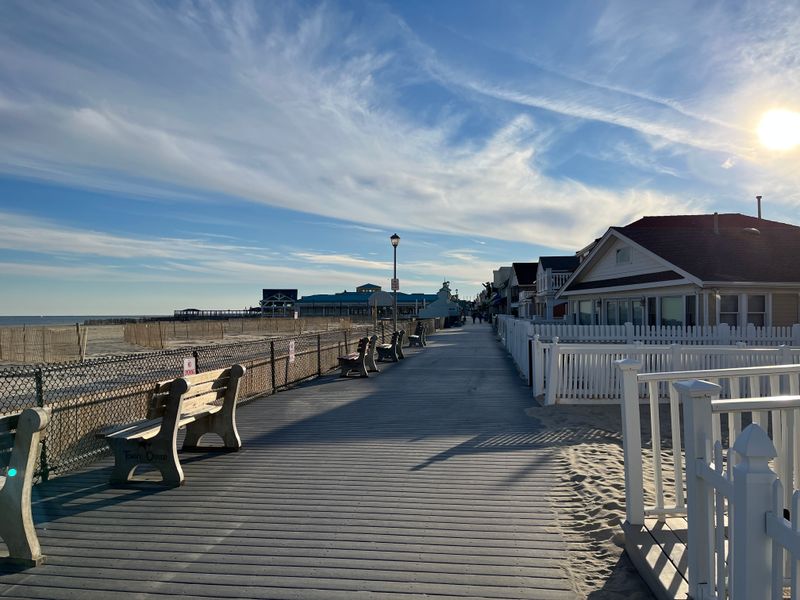
Alexander Boardman, a railroad conductor, had a brilliant idea in 1870 when he noticed sand constantly being tracked into Atlantic City hotels and train cars.
His solution was a simple wooden walkway along the beach, which hotel owners could roll up and store during winter storms.
That first temporary boardwalk proved so popular that the city installed a permanent version, sparking a trend that would define the Jersey Shore experience forever.
Other towns quickly copied the concept, each adding their own unique flair and attractions.
Ocean City built a family-friendly boardwalk filled with wholesome amusements and ice cream parlors.
Wildwood constructed a two-mile stretch featuring neon-lit rides and game arcades that stayed open late into the night.
Seaside Heights developed a boardwalk that became synonymous with classic Americana, complete with funnel cake stands and prize-winning games.
These elevated wooden pathways became more than just sand barriers; they evolved into entertainment districts where memories were made.
Couples strolled hand-in-hand watching the sunset over the ocean, while children begged their parents for just one more ride on the carousel.
Street performers juggled, musicians played, and artists sketched caricatures, creating a carnival atmosphere that felt magical.
The boardwalks also protected the natural dunes while providing easy beach access for people of all ages and abilities.
Wheelchair users, elderly visitors, and families with strollers could enjoy oceanfront views without struggling through deep sand.
This inclusive design made the Jersey Shore welcoming to everyone, cementing its reputation as a place where all could find joy and relaxation by the sea.
Amusement Parks Delivered Thrills That Kept Families Returning
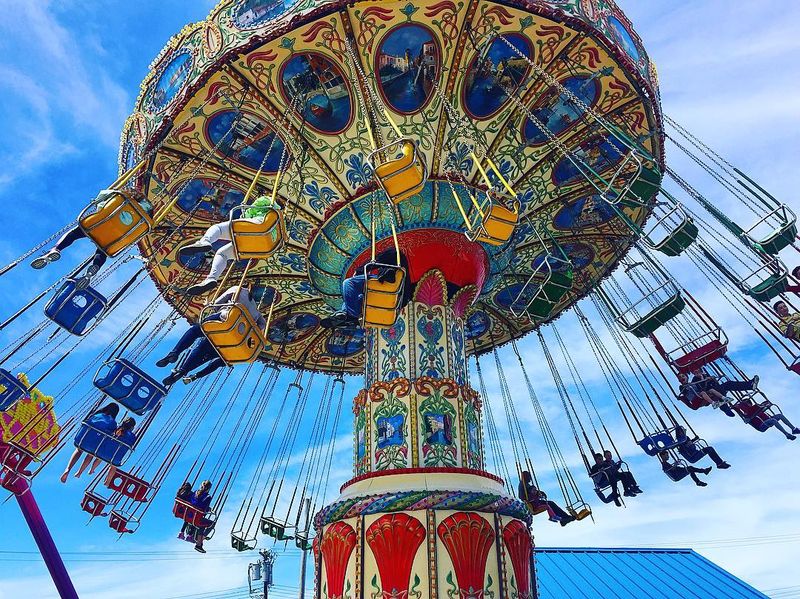
Imagine the screams of delight as the first roller coaster cars climbed their wooden tracks high above the Atlantic Ocean.
Amusement parks transformed the Jersey Shore from a simple beach destination into an adventure playground that rivaled any entertainment venue in America.
Palisades Amusement Park, though technically across the river, inspired Shore towns to build their own thrill zones.
Playland in Rye and Steeplechase Park in Coney Island showed what was possible, and Jersey Shore entrepreneurs took notes.
Casino Pier in Seaside Heights opened in 1932, offering rides that dangled screaming passengers over the crashing waves below.
Morey’s Piers in Wildwood grew into a massive complex with three separate amusement areas connected by boardwalk and tram.
Gillian’s Wonderland Pier in Ocean City provided gentler rides perfect for younger children and nervous parents.
Each park developed its own personality and signature attractions, from towering Ferris wheels to spinning teacups that left riders dizzy and laughing.
Families planned their entire vacations around visiting these parks, purchasing ride wristbands and spending entire days hopping from one attraction to another.
The parks constantly updated their offerings, adding new rides each season to keep locals and tourists coming back.
Arcades filled with claw machines, skee-ball lanes, and video games provided entertainment on rainy days when beach plans fell through.
Prize counters overflowed with oversized stuffed animals that became treasured vacation souvenirs.
The combination of beach access and amusement park thrills created a one-stop vacation destination that few other coastal areas could match, making the Jersey Shore a tourism icon that continues to attract millions annually.
Hollywood Films and TV Shows Spotlighted Shore Culture Worldwide
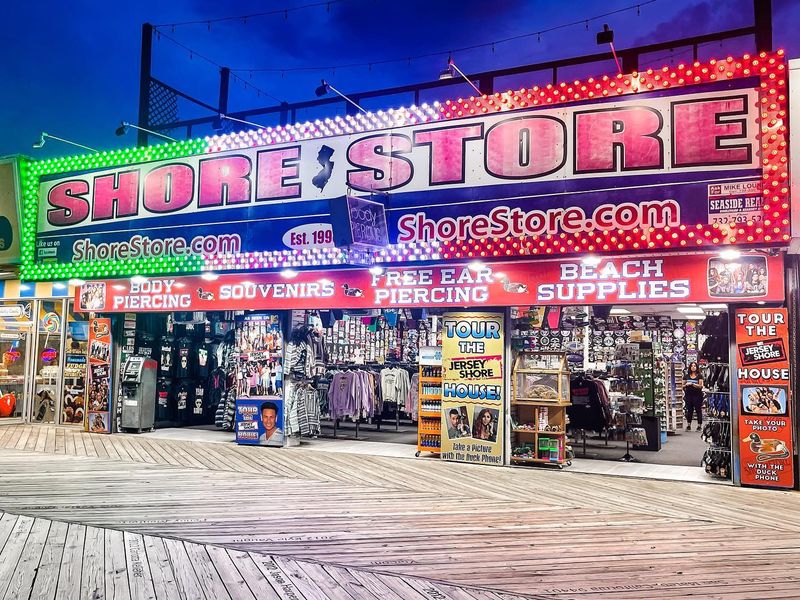
When MTV launched the reality show Jersey Shore in 2009, international audiences suddenly became fascinated with the unique culture, slang, and lifestyle of New Jersey’s coastal communities.
The show filmed primarily in Seaside Heights, showcasing the boardwalk, beaches, and nightlife to viewers in dozens of countries.
Love it or hate it, the program put the Jersey Shore on the global map in a way that no tourism campaign ever could.
Search interest and visitor numbers spiked dramatically during the show’s run and continued long after the final episode aired.
But Hollywood’s love affair with the Shore began decades earlier.
The classic film Atlantic City starring Burt Lancaster captured the glamour and grit of the casino town in 1980.
Garden State, directed by and starring Zach Braff, featured iconic Shore locations and won critical acclaim.
Springsteen’s music videos often showcased boardwalks and beach towns, creating a visual language associated with New Jersey summers.
These cultural touchstones created a mystique that made people curious to experience the Shore firsthand.
Even animated shows like SpongeBob SquarePants drew inspiration from Shore marine life and boardwalk culture, though set underwater in fictional Bikini Bottom.
The constant media exposure kept the Jersey Shore in public consciousness across generations and demographics.
International tourists began adding Shore visits to their American itineraries, curious to see if reality matched the on-screen portrayals.
Local businesses capitalized on the fame, offering tours of filming locations and merchandise referencing popular shows.
This media attention created a self-reinforcing cycle where increased visibility led to more visitors, which attracted more filmmakers, further cementing the Shore’s status as a cultural icon recognized worldwide.
Victorian Architecture Created Picture-Perfect Historic Districts
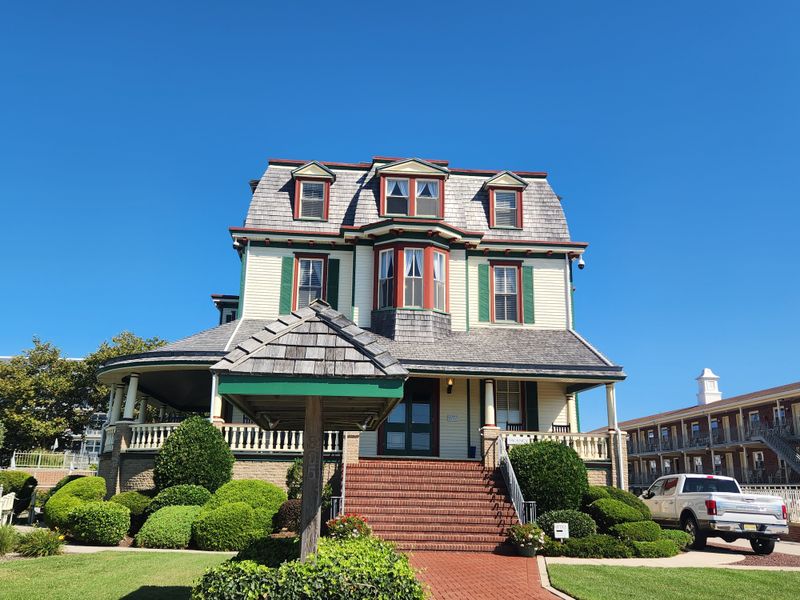
Cape May stands as a living museum of Victorian architecture, with over 600 preserved buildings showcasing ornate gingerbread trim, wraparound porches, and pastel paint schemes.
Walking through the historic district feels like stepping into a time machine set to the 1890s.
The entire town earned designation as a National Historic Landmark in 1976, the only such honor given to an entire city in the United States.
This architectural treasure trove attracts history buffs, photographers, and romantic couples seeking a backdrop straight from a storybook.
Ocean Grove, founded as a Methodist camp meeting site in 1869, features hundreds of Victorian cottages surrounding a massive wooden auditorium that still hosts concerts today.
The town prohibits cars on Sundays during summer, preserving its 19th-century atmosphere and peaceful ambiance.
Spring Lake earned the nickname “Irish Riviera” thanks to its grand Victorian hotels and manicured gardens that attract upscale visitors.
These preserved communities offer a stark contrast to the neon-lit boardwalks found in other Shore towns, providing variety for different tourist preferences.
Bed-and-breakfast establishments thrive in these historic districts, offering guests the chance to sleep in authentically restored Victorian rooms with period furnishings.
Ghost tours capitalize on the old buildings’ histories, spinning tales of shipwrecks and mysterious happenings that allegedly haunt certain properties.
Preservation societies work tirelessly to maintain the architectural integrity, enforcing strict design guidelines for any renovations or new construction.
Annual Victorian Week celebrations in Cape May draw thousands of visitors who dress in period costumes and attend themed events.
This commitment to preserving history while welcoming modern tourists demonstrates how the past and present can coexist beautifully, making the Jersey Shore appealing to those seeking more than just sun and surf.
Music Legends Found Inspiration and Launched Careers at Shore Venues
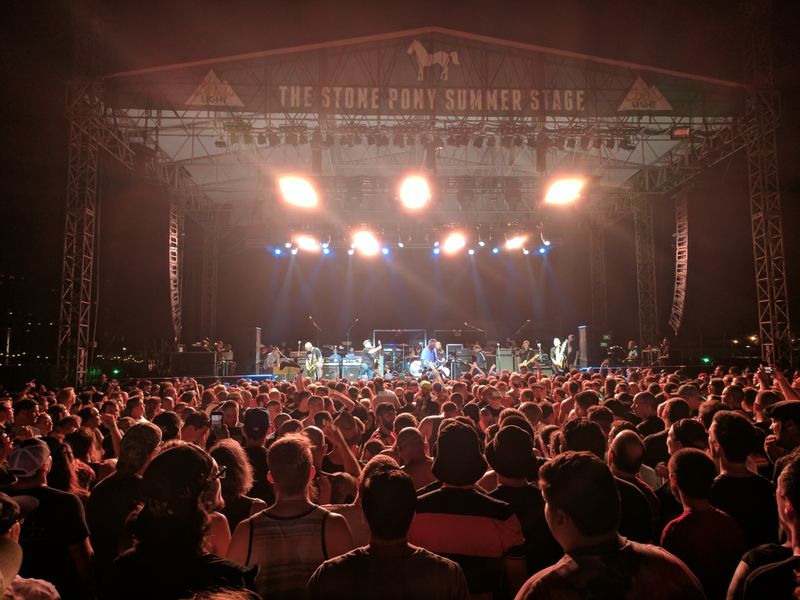
Bruce Springsteen didn’t just sing about the Jersey Shore; he lived it, breathed it, and turned its working-class beach culture into rock and roll poetry.
His early performances at venues like The Stone Pony in Asbury Park helped revitalize a struggling town and put it back on the tourism map.
The iconic club at 913 Ocean Avenue, Asbury Park, NJ 07712 became a pilgrimage site for music fans worldwide.
Even today, visitors line up hoping to catch a surprise appearance by The Boss or one of his bandmates jamming with local musicians.
Asbury Park’s music scene thrived throughout the 1960s and 70s, producing not just Springsteen but also Southside Johnny, Steven Van Zandt, and countless other talented performers.
The Paramount Theatre and Convention Hall, both restored to their original grandeur, now host major touring acts alongside local talent.
Bon Jovi got his start playing Shore clubs before becoming one of rock’s biggest acts, always maintaining his New Jersey roots in his music and public persona.
These success stories inspired generations of young musicians to pursue their dreams along the boardwalks and dive bars of the Shore.
Summer concert series at beach towns throughout New Jersey draw huge crowds eager to hear live music with ocean breezes as their backdrop.
The combination of nostalgia, talent, and seaside ambiance creates an irreplaceable atmosphere that recording studios simply cannot capture.
Music festivals now dot the Shore calendar, from jazz weekends to rock marathons, each attracting dedicated fans.
The musical legacy adds another dimension to the Shore’s appeal, proving that cultural significance extends far beyond beach chairs and sunscreen.
When visitors walk the same streets their musical heroes once walked, they feel connected to something larger than a simple vacation.
Saltwater Taffy and Boardwalk Treats Became Edible Souvenirs
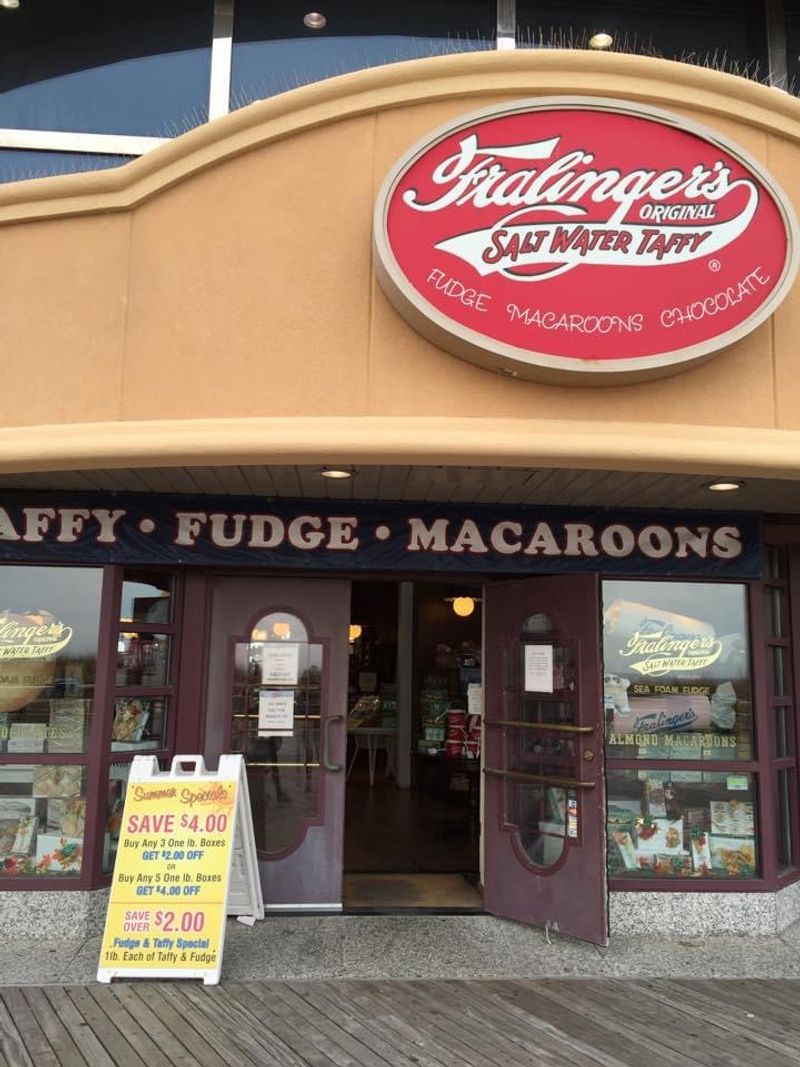
Legend claims that saltwater taffy got its name after a storm flooded a boardwalk candy shop, soaking the taffy inventory with ocean water.
While historians debate the truth of this origin story, there’s no disputing that this chewy confection became synonymous with Jersey Shore vacations.
Fralinger’s and James’ Candy Company, both founded in Atlantic City during the 1880s, turned taffy-making into an art form and a booming business.
Visitors couldn’t resist watching taffy-pulling machines stretch and fold the colorful candy through storefront windows, mesmerized by the rhythmic process.
Boxes of saltwater taffy became the must-bring-home gift for friends, family, and coworkers back home.
The variety of flavors grew from simple vanilla and chocolate to exotic combinations like peanut butter and jelly, root beer float, and even pickle for adventurous taste buds.
Competing candy shops lined every major boardwalk, each claiming their recipe was the original or the best.
The affordability of taffy made it accessible to visitors on any budget, from children with allowance money to adults seeking nostalgic treats.
Beyond taffy, boardwalk food culture developed its own unique identity with funnel cakes, caramel apples, fresh-squeezed lemonade, and hand-cut fries served in paper cones.
Johnson’s Popcorn in Ocean City, located at 1360 Boardwalk, Ocean City, NJ 08226, has served hot caramel popcorn since 1940, creating lines of customers willing to wait for that distinctive yellow-and-red bucket.
Kohr Brothers invented soft-serve ice cream on the Coney Island boardwalk, then expanded to the Jersey Shore, where their orange-roofed stands became landmarks.
These edible traditions created powerful sensory memories linking specific tastes and smells to Shore vacations, ensuring that visitors would return year after year seeking that perfect combination of sugar, salt air, and sunshine.
Casino Gaming Transformed Atlantic City Into an East Coast Vegas
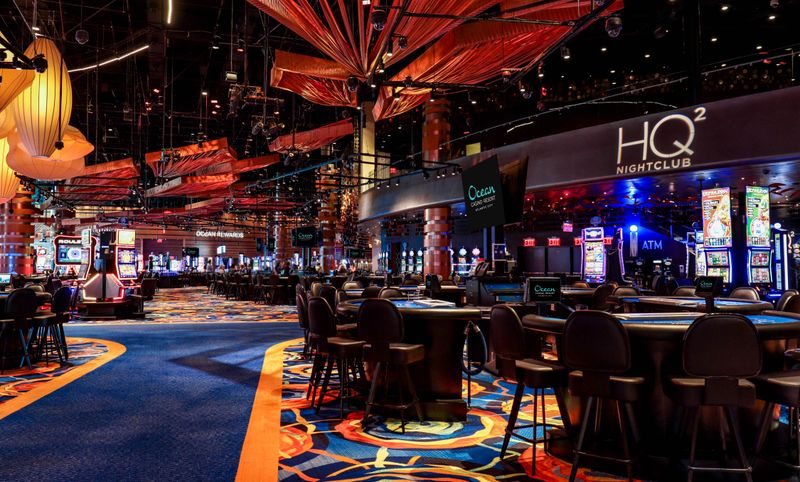
When New Jersey voters approved casino gambling in 1976, Atlantic City’s transformation began almost immediately.
Resorts Casino Hotel opened in 1978, becoming the first legal casino outside Nevada and drawing massive crowds eager to try their luck without flying across the country.
The city’s location within driving distance of major population centers like New York, Philadelphia, and Washington DC made it an instant success.
Suddenly, the Shore offered not just beaches and boardwalks but also high-stakes gaming, championship boxing matches, and headline entertainment acts.
Major casino companies invested billions into constructing massive resort complexes along the boardwalk and marina district.
Caesars, Bally’s, Tropicana, and Harrah’s built properties that rivaled anything found in Las Vegas, complete with luxury hotel rooms, gourmet restaurants, and world-class spas.
The casinos employed tens of thousands of workers, creating an economic boom that rippled throughout the region.
Atlantic City became the second-largest gaming market in America, hosting millions of visitors annually who came specifically to gamble but often extended their stays to enjoy the beach and boardwalk attractions.
The Miss America Pageant, held in Atlantic City since 1921, gained even more prestige and viewership as the city’s profile rose.
Boxing legends like Mike Tyson fought memorable bouts in casino arenas, adding sports history to the city’s cultural legacy.
Celebrity chefs opened restaurants, and luxury retail shops catered to high rollers looking to spend their winnings.
While the casino industry faced challenges in later decades with increased regional competition, its impact on establishing the Jersey Shore as a major tourism destination cannot be overstated.
The combination of gaming excitement and traditional beach recreation created a unique offering that broadened the Shore’s appeal to demographics who might never have considered a simple seaside vacation.
Family-Friendly Beach Culture Welcomed Generations of Repeat Visitors
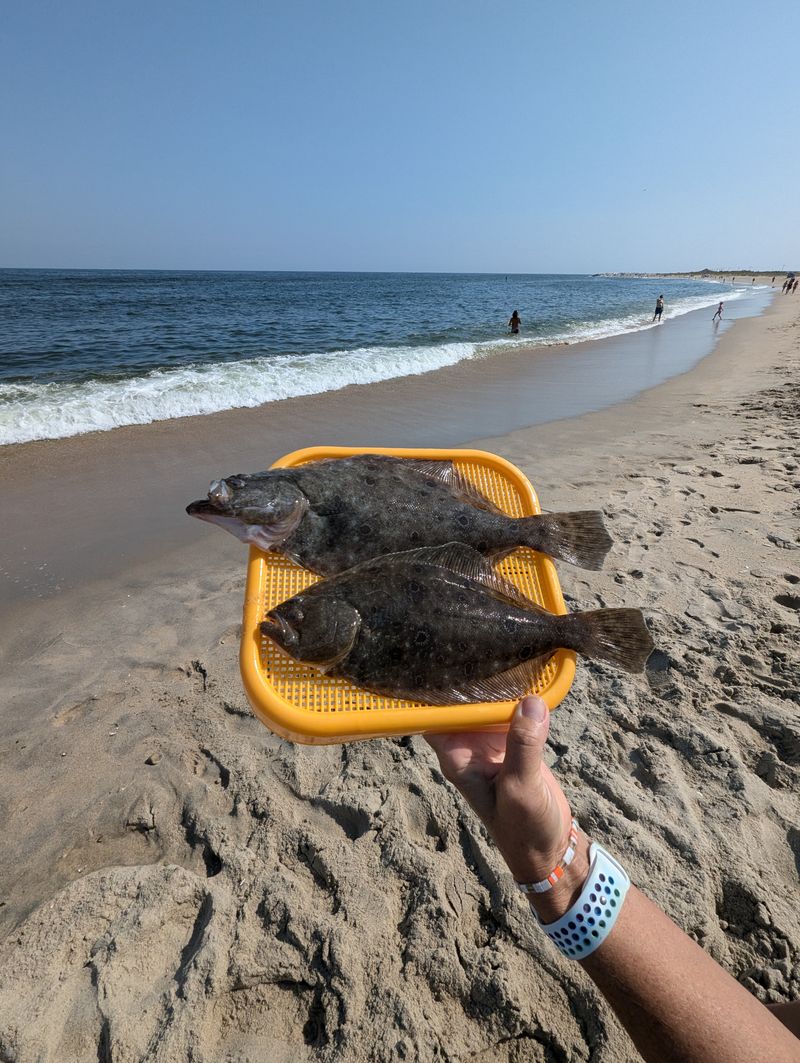
Certain Jersey Shore towns cultivated reputations as safe, wholesome destinations where grandparents could bring grandchildren without worry.
Ocean City proudly maintains its status as a dry town, prohibiting alcohol sales and creating an environment focused entirely on family activities.
The city’s night mayor program even appoints a young person to ensure youth voices are heard in community decisions.
This commitment to family values attracts visitors who want beach fun without the party atmosphere found in other Shore communities.
Beach badge systems, while sometimes frustrating to tourists, help fund lifeguard services, beach maintenance, and safety programs that keep shores clean and secure.
Professional lifeguard competitions showcase the skills of these beach protectors, who undergo rigorous training to handle any emergency.
Designated swimming areas with clearly marked boundaries give parents peace of mind while their children splash in the waves.
Many towns offer free or low-cost beach activities like sandcastle-building contests, volleyball tournaments, and outdoor movie nights that bring communities together.
Generational traditions developed where grandparents who vacationed at the Shore as children brought their own kids, who eventually brought their kids, creating family legacies spanning a century.
Certain beach houses passed down through families became treasured gathering places for annual reunions.
Local businesses recognized regular customers by name, creating a sense of belonging and community rare in tourist destinations.
This welcoming atmosphere made visitors feel like locals rather than outsiders just passing through.
The relatively affordable cost compared to other coastal destinations meant middle-class families could afford week-long stays rather than just day trips.
Rental cottages, motels, and campgrounds provided accommodation options for various budgets.
This accessibility ensured that the Jersey Shore remained a place where memories were made by families from all economic backgrounds, not just the wealthy elite who could afford exclusive resorts elsewhere.
Resilience After Disasters Proved the Shore’s Enduring Spirit
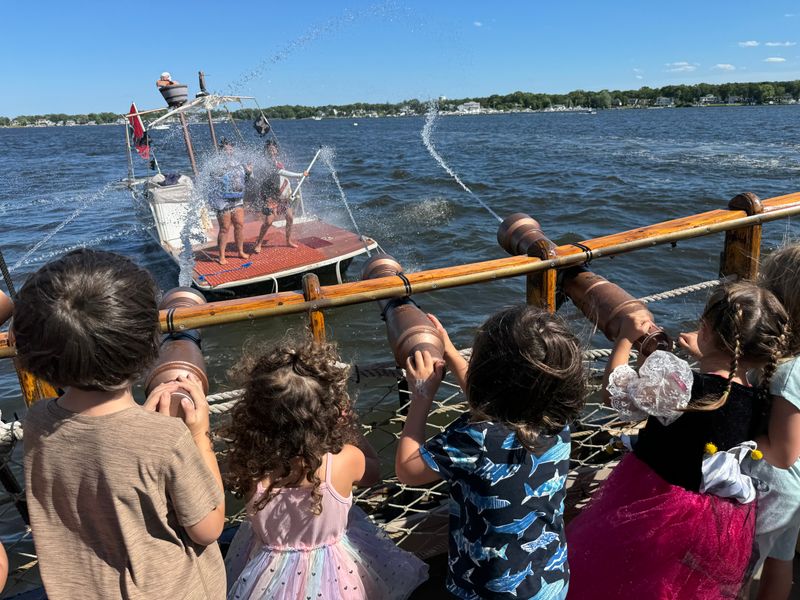
Hurricane Sandy slammed into the Jersey Shore in October 2012, causing unprecedented devastation that destroyed homes, businesses, and iconic landmarks.
The Jet Star roller coaster from Casino Pier ended up partially submerged in the ocean, creating a haunting image that symbolized the destruction.
Entire boardwalks were ripped apart, beach towns flooded, and communities faced the possibility that their way of life might be gone forever.
Yet within days of the storm passing, residents and business owners began the recovery process with determination that surprised even themselves.
Governor Chris Christie’s emotional “Stronger Than the Storm” campaign rallied support and resources for rebuilding efforts.
Volunteers from across the country arrived to help clear debris, rebuild homes, and restore businesses.
The federal government provided billions in disaster relief funding, while private donations poured in from people who had vacationed at the Shore and wanted to help.
By Memorial Day 2013, just seven months after the hurricane, many Shore towns had reopened beaches and boardwalks, determined to show the world they were still open for business.
Seaside Heights rebuilt Casino Pier and added new attractions, including the Hydrus roller coaster that became a symbol of renewal.
Asbury Park, already in the midst of a renaissance before the storm, accelerated its redevelopment with new hotels, restaurants, and entertainment venues.
The disaster actually sparked conversations about sustainable development, improved building codes, and environmental protection that made Shore communities more resilient for the future.
Insurance companies and government agencies worked together to elevate homes and install protective dunes.
This remarkable comeback story reinforced the Shore’s iconic status by demonstrating that it was more than just a place; it was an idea and a spirit that couldn’t be washed away by any storm.
The resilience inspired renewed loyalty among visitors who wanted to support the communities that had given them so many happy memories.
Dear Reader: This page may contain affiliate links which may earn a commission if you click through and make a purchase. Our independent journalism is not influenced by any advertiser or commercial initiative unless it is clearly marked as sponsored content. As travel products change, please be sure to reconfirm all details and stay up to date with current events to ensure a safe and successful trip.
