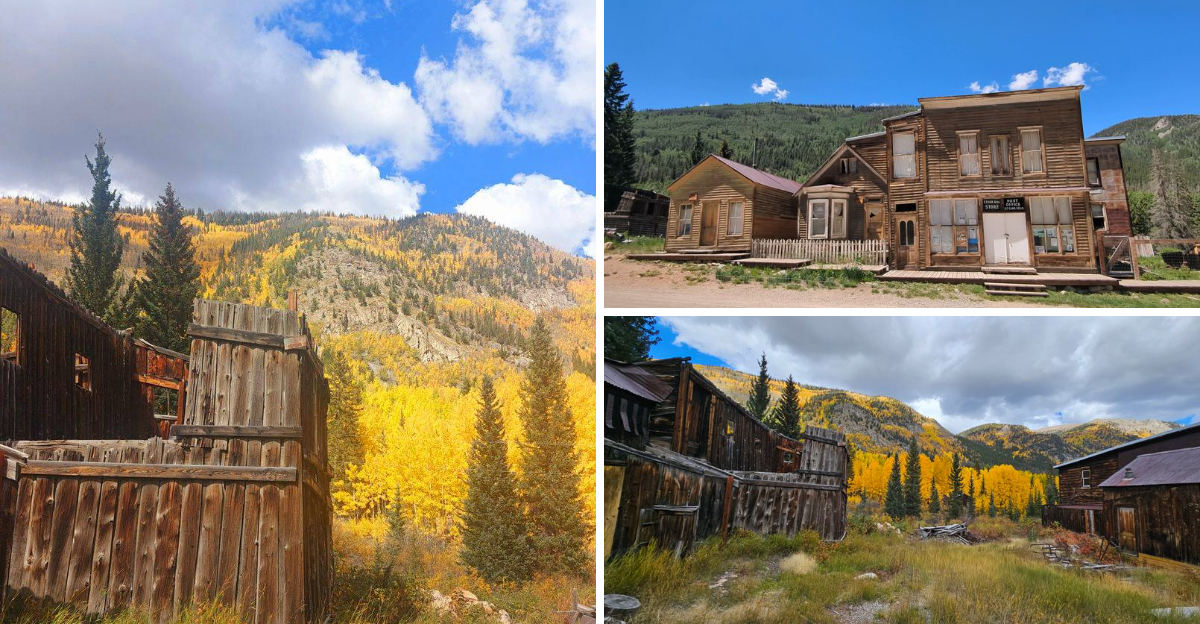
St. Elmo sits high in the Sawatch Range of Colorado, a ghost town that refuses to fade completely into memory.
Founded in 1880 at an elevation of 9,961 feet and located about 20 miles southwest of Buena Vista, this former mining settlement once housed nearly 2,000 people chasing dreams of gold and silver.
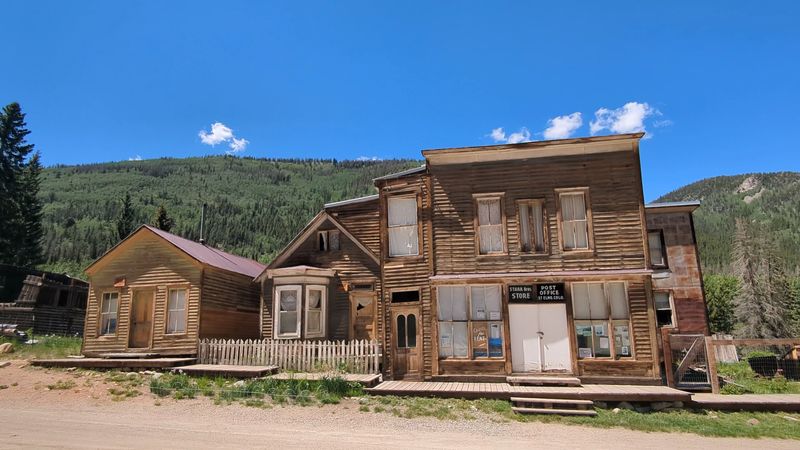
Today, visitors arrive to find weathered wooden buildings still standing along Main Street, creating an eerie yet fascinating glimpse into Colorado’s mining past.
What makes St. Elmo truly remarkable is how it straddles the line between abandoned ruin and living history, drawing travelers who want to experience a place where the past feels surprisingly present.
Preserved Buildings That Still Stand Tall
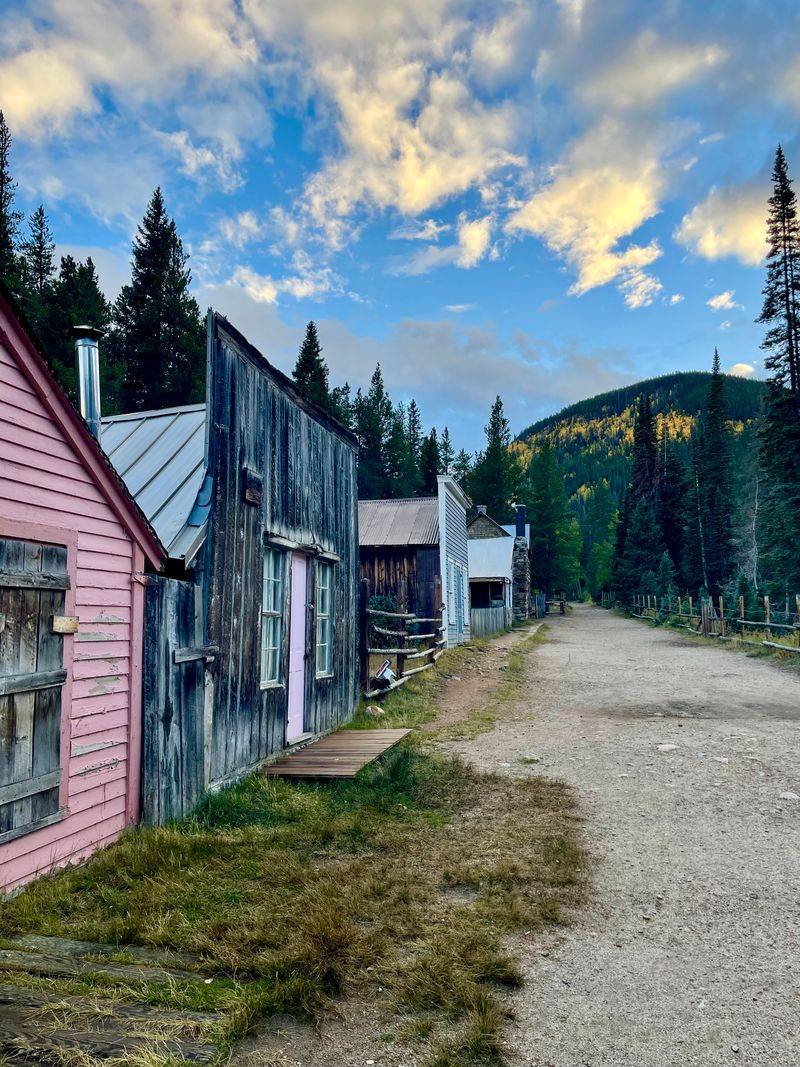
Walking down Main Street in St. Elmo feels like stepping through a portal into the 1880s.
More than forty original structures remain standing, their weathered wood planks and faded paint telling stories of miners, merchants, and families who once called this place home.
Unlike many ghost towns where only foundations remain, St. Elmo’s buildings are remarkably intact.
The general store, town hall, and numerous homes create an almost complete streetscape that photographers and history enthusiasts find irresistible.
Many structures feature original windows, doors, and even interior furnishings visible through dusty glass.
Sunlight streams through broken roof sections, illuminating old newspapers, rusted tools, and forgotten belongings that miners left behind when the silver boom ended.
The preservation isn’t accidental.
St. Elmo’s remote location and harsh winters actually protected these buildings from vandalism and excessive tourism for decades.
Cold temperatures and dry mountain air prevented rapid decay that humidity would have caused.
Today, careful maintenance by property owners ensures future generations can experience this snapshot of frontier life.
Visitors should stay on designated paths and resist the temptation to enter unstable structures.
Respecting these fragile remnants helps preserve St. Elmo’s unique character.
Early morning light creates the best photography conditions, casting long shadows across weathered facades.
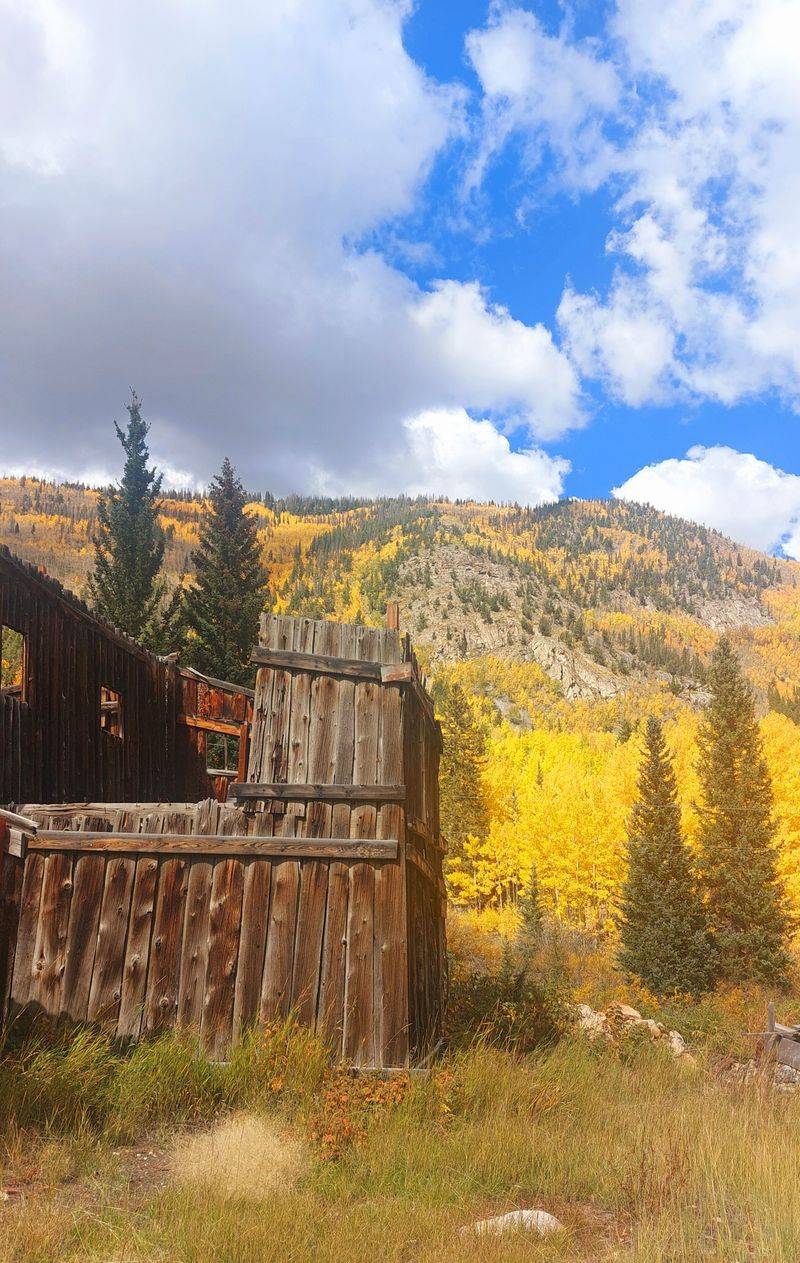
Autumn brings golden aspen leaves that frame the gray buildings beautifully, while summer wildflowers add splashes of color to the historic scene.
Winter transforms St. Elmo into a snow-covered wonderland accessible only by snowmobile or cross-country skis, offering adventurous souls a truly isolated experience among these silent witnesses to Colorado’s mining heritage.
Mountain Scenery That Takes Your Breath Away
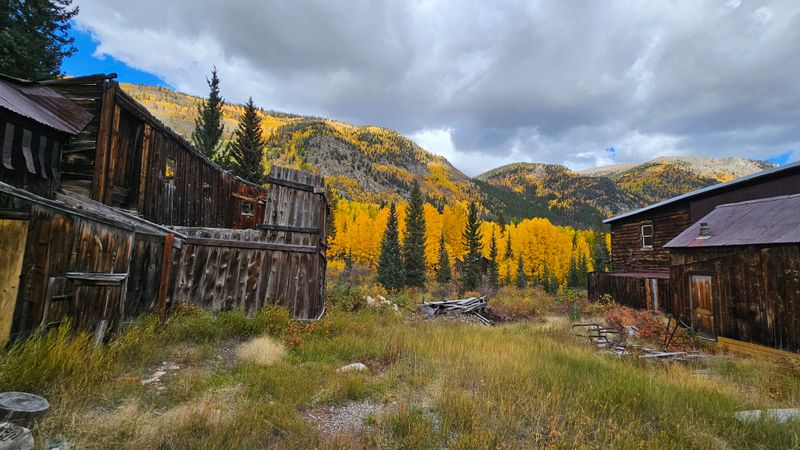
St. Elmo’s setting in the heart of the Sawatch Range creates a backdrop that rivals any postcard.
Towering peaks rise dramatically on all sides, their rocky summits often dusted with snow even during summer months.
The town sits in a narrow valley carved by Chalk Creek, where alpine meadows meet dense stands of spruce and aspen.
Elevation plays a huge role in St. Elmo’s atmosphere.
At nearly 10,000 feet, the air feels crisp and thin, requiring visitors to slow their pace and breathe deeply.
This altitude creates intense blue skies that seem almost unreal in their clarity.
Clouds often gather around mountain peaks by afternoon, creating dramatic weather displays visible from the ghost town’s streets.
Seasonal changes transform the landscape completely.
Spring brings rushing snowmelt through Chalk Creek, turning the usually calm water into a roaring torrent.
Summer carpets hillsides with wildflowers in purple, yellow, and red.
Autumn sets the aspen groves ablaze with gold, creating a stunning contrast against evergreen forests and gray rock faces.
Winter blankets everything in deep snow, making the ghost town feel even more isolated and mysterious.
Photographers find endless compositions here.
The combination of human-made structures against raw wilderness creates powerful visual contrasts.
Wildlife frequently appears in the area too.
Elk graze in meadows near town, marmots whistle warnings from rocky perches, and chipmunks dart between buildings searching for food.
The mountain environment doesn’t just surround St. Elmo but defines its entire character, reminding visitors why miners endured such harsh conditions in pursuit of precious metals hidden beneath these magnificent peaks.
Active General Store Connecting Past and Present
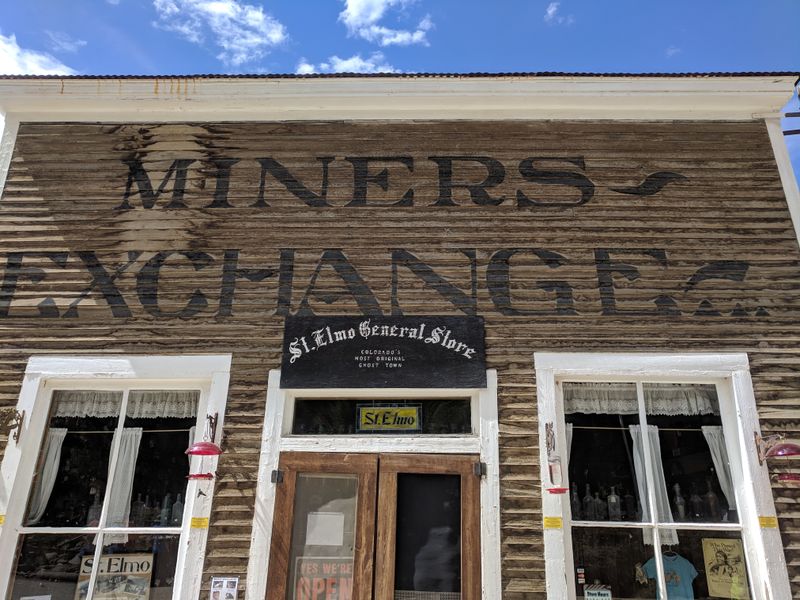
Among the abandoned structures, one building pulses with unexpected life during summer months.
The St. Elmo General Store operates as a functioning business, selling snacks, souvenirs, and mining-era memorabilia to curious visitors.
This working establishment creates a strange yet wonderful bridge between ghost town and living community.
Built in the 1880s, the store retains much of its original character.
Wooden floors creak underfoot, antique shelves line the walls, and vintage advertisements decorate every available surface.
Modern necessities like refrigerated drinks and packaged snacks share space with historical artifacts and old mining tools.
The juxtaposition feels perfectly natural here, where past and present coexist comfortably.
Proprietors share stories about St. Elmo’s history with anyone willing to listen.
Their knowledge brings depth to the visual experience of exploring the ghost town.
Learning about specific families who lived in particular houses or hearing tales of harsh winters and dangerous mine work helps visitors connect emotionally with this place.
The store’s seasonal operation reflects St. Elmo’s rhythm.
Open from late spring through early fall, it closes when snow makes access difficult.
This pattern mirrors the mining era when winter isolation tested residents’ endurance.
Visitors can purchase local honey, handmade crafts, and books about Colorado mining history.
Restroom facilities available here provide welcome relief since no other services exist in town.
The store also serves as an informal information center where travelers can ask about road conditions, hiking trails, and photography spots.
Its presence proves that St. Elmo isn’t completely dead but rather sleeping, waiting for each summer season to briefly reawaken and welcome new generations of explorers seeking connection with Colorado’s colorful mining past.
Friendly Chipmunks That Greet Every Visitor
No visit to St. Elmo feels complete without encountering its most charming current residents.
Chipmunks have claimed this ghost town as their kingdom, darting between buildings and approaching visitors with surprising boldness.
These tiny creatures add life and movement to streets that would otherwise feel entirely abandoned.
Generations of chipmunks have grown accustomed to human presence here.
They scamper up to tourists expecting handouts, though feeding wildlife isn’t recommended despite how tempting those bright eyes and twitching whiskers might be.
Their fearless behavior creates delightful photo opportunities as they pose on old wagon wheels, peek from broken windows, or stand upright surveying their domain.
Children especially love these furry greeters.
Watching chipmunks stuff their cheek pouches with seeds or chase each other around building foundations provides entertainment that no museum exhibit could match.
Parents appreciate how wildlife encounters spark curiosity about nature and ecology.
The chipmunks thrive here partly because St. Elmo’s elevation and environment suit them perfectly.
Rocky terrain provides ideal burrow locations, and abandoned buildings offer shelter from predators and weather.
Alpine vegetation produces seeds and nuts that sustain them through long winters.
Their presence also serves as a reminder of nature’s resilience.
While human activity in St. Elmo rose and fell dramatically, these small mammals continued their routines undisturbed by economic booms or busts.
Hawks and eagles sometimes circle overhead, keeping chipmunk populations in check naturally.
Observing this predator-prey relationship adds another layer to the St. Elmo experience.
Visitors should move slowly and quietly to observe chipmunk behavior without causing stress.
Early morning and late afternoon bring the most activity as temperatures moderate and these creatures emerge to forage, turning the ghost town into an unexpected wildlife watching destination that feels surprisingly alive.
Accessible Mining History Without Dangerous Exploration
St. Elmo offers something rare among ghost towns: the ability to experience mining history safely.
While many abandoned mining sites require dangerous exploration of unstable tunnels, St. Elmo presents its past through visible surface remnants and interpretive information.
Families can learn about Colorado’s mining heritage without risking life and limb.
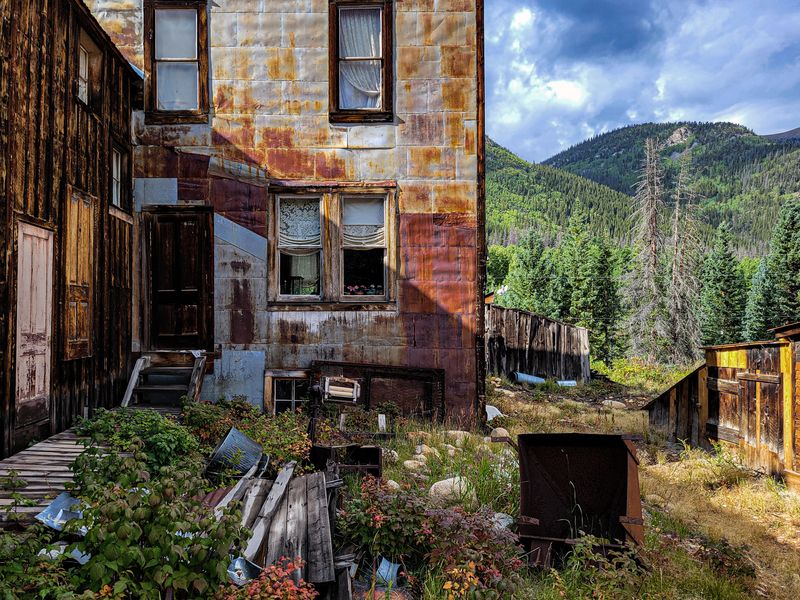
Old mining equipment scattered around town tells the story of backbreaking labor.
Rusted ore carts, deteriorating sluice boxes, and fragments of mining machinery lie where workers left them over a century ago.
These artifacts help visitors understand the physical reality of extracting precious metals from stubborn rock.
Several mine entrances exist in the surrounding hills, though entering them is strictly prohibited.
Collapsed timbers, toxic gases, and unstable rock make old mines extremely hazardous.
Viewing these portals from safe distances still provides thrills, especially when imagining miners trudging into darkness with only candles for light.
The Mary Murphy Mine operated near St. Elmo and produced significant silver yields during the boom years.
Though the mine itself isn’t open for tours, its historical importance shaped St. Elmo’s development.
When ore veins played out and silver prices dropped, the mine closed, triggering the town’s rapid decline.
Understanding this economic cycle helps explain why ghost towns exist throughout Colorado’s mountains.
Interpretive signs placed around St. Elmo provide context about mining techniques, daily life, and the boom-bust cycle.
Reading these panels while surrounded by actual remnants creates powerful educational moments.
Teachers often bring students here for field trips that bring textbook lessons to life.
Photography enthusiasts find mining artifacts irresistible subjects.
Rust patterns, weathered wood textures, and the contrast between human industry and natural reclamation create compelling compositions that tell stories without words about ambition, hardship, and time’s relentless passage.
Seasonal Transformations That Demand Return Visits
St. Elmo wears different faces throughout the year, each season revealing new aspects of its character.
Travelers who visit only once miss the full spectrum of experiences this ghost town offers.
Each seasonal transformation creates distinct atmospheres that appeal to different interests and sensibilities.
Summer brings the easiest access and largest crowds.
Warm temperatures make exploration comfortable, though afternoon thunderstorms frequently roll through the mountains.
Wildflowers bloom in profusion, softening the harsh mining landscape with natural beauty.
Families with children prefer summer visits when weather poses fewer challenges.
Autumn transforms St. Elmo into a photographer’s paradise.
Aspen groves surrounding the town turn brilliant gold, creating stunning contrasts against gray weathered buildings and deep blue skies.
Cooler temperatures mean fewer insects and more comfortable hiking.
The slight melancholy of fall perfectly matches St. Elmo’s abandoned atmosphere.
Winter access requires serious commitment.
Snow closes the access road, making St. Elmo reachable only by snowmobile, cross-country skis, or snowshoes.
Those willing to make the effort discover a magical landscape where deep snow buries lower portions of buildings and icicles hang from eaves like crystal curtains.
The silence feels absolute, broken only by wind and the occasional crack of settling wood.
Spring brings dramatic snowmelt and rushing water.
Chalk Creek swells to impressive volumes, and waterfalls appear on surrounding mountainsides.
Road conditions can be unpredictable as freeze-thaw cycles create muddy sections.
Wildflowers begin emerging in late spring, starting at lower elevations and gradually moving upward.
Each season offers unique photography opportunities and different emotional experiences.
Summer feels adventurous and accessible, autumn nostalgic and beautiful, winter mysterious and isolated, spring dynamic and hopeful.
Understanding these seasonal personalities helps visitors choose the best time for their interests and return to experience St. Elmo’s many moods throughout the year.
Nearby Hiking Trails Leading to Alpine Adventures
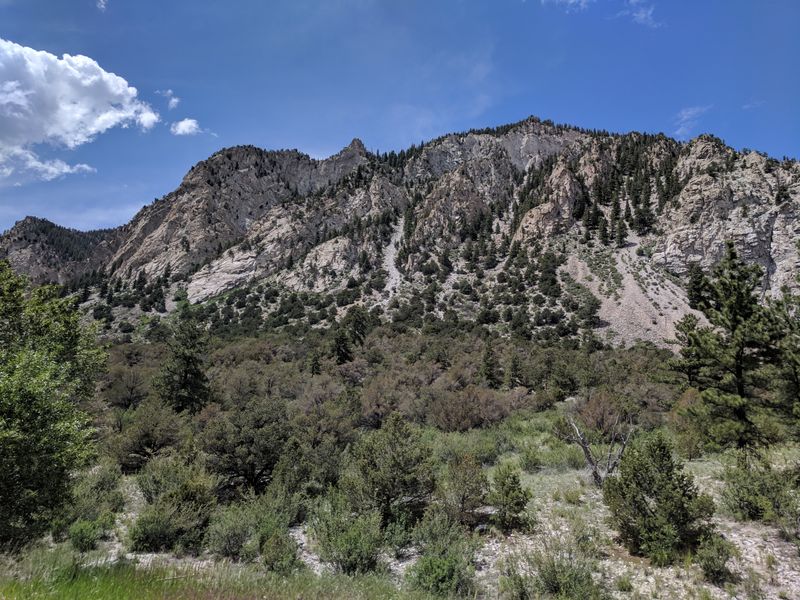
St. Elmo serves as an excellent base for exploring surrounding wilderness.
Multiple hiking trails begin near town, offering everything from easy nature walks to challenging mountain climbs.
Combining ghost town exploration with alpine hiking creates a full day of diverse experiences.
The Chalk Creek Trail follows the creek upstream through beautiful canyon scenery.
This relatively easy path works well for families and provides access to fishing spots where brook trout hide in cold mountain water.
Wildflowers line the trail during summer, and aspen groves provide shade and autumn color.
More ambitious hikers can tackle trails leading to high mountain passes.
Steep switchbacks climb through multiple elevation zones, starting in dense forest and emerging above treeline where only hardy alpine plants survive.
Views from these high points reveal vast wilderness stretching in every direction.
The Continental Divide lies nearby, making St. Elmo a gateway to truly remote backcountry.
Trail conditions vary significantly by season.
Snow lingers at high elevations well into summer, making some passes inaccessible until July.
Afternoon thunderstorms pose serious dangers above treeline where lightning strikes frequently.
Starting hikes early allows time to descend before weather deteriorates.
Wildlife encounters happen regularly on these trails.
Elk, mule deer, marmots, and pikas inhabit the area, and black bears occasionally appear though they typically avoid humans.
Carrying bear spray and making noise while hiking reduces surprise encounters.
Hikers should prepare for rapid weather changes and temperature drops.
Even summer days can turn cold quickly at high elevations.
Layered clothing, rain gear, plenty of water, and high-energy snacks are essential.
Cell phone service is nonexistent in these mountains, so paper maps and navigation skills matter.
The combination of historical exploration and wilderness hiking makes St. Elmo visits memorable, offering both cultural education and physical challenge in one spectacular mountain setting.
Photography Opportunities Around Every Corner
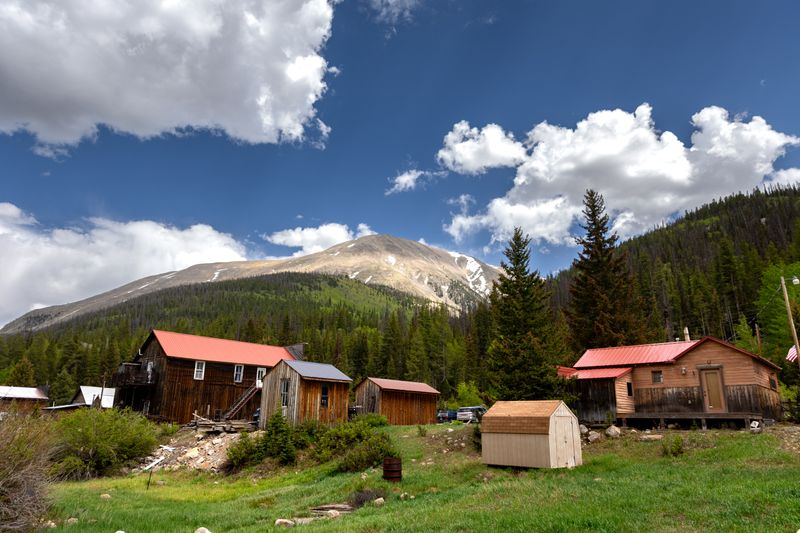
Camera enthusiasts consider St. Elmo a treasure trove of visual possibilities.
The combination of weathered architecture, dramatic landscapes, and excellent light conditions creates endless composition opportunities.
Both amateur smartphone photographers and serious professionals find subjects worthy of their attention.
Morning light works magic here.
Low sun angles cast long shadows across building facades, emphasizing texture in weathered wood and creating depth in street scenes.
Mist sometimes rises from Chalk Creek, adding atmospheric mystery to landscape shots.
Golden hour before sunset bathes everything in warm light that makes colors glow.
Architectural details reward close examination.
Peeling paint reveals layers of history, rusted nails create abstract patterns, and broken windows frame unexpected views.
Macro photographers find endless subjects in weathered textures and small details that casual visitors overlook.
Wide-angle lenses capture entire street scenes showing St. Elmo’s layout against mountain backdrops.
Telephoto lenses compress perspective, bringing distant peaks closer and isolating individual buildings.
Each focal length tells different stories about this place.
Seasonal changes demand different photographic approaches.
Autumn’s golden aspens require careful exposure to preserve detail in bright foliage.
Winter’s snow creates high-contrast scenes where meter readings often need adjustment.
Summer’s wildflowers add foreground interest to landscape compositions.
Black and white photography suits St. Elmo’s character perfectly.
Removing color emphasizes form, texture, and the timeless quality of these structures.
High-contrast black and white processing creates dramatic images that feel like historical documents.
Respectful photography matters here.
Staying on designated paths protects fragile structures while still allowing excellent shots.
Avoiding cliched angles and seeking fresh perspectives helps create unique images rather than copying countless previous photographers.
Patience pays off as changing light, passing clouds, and wildlife appearances transform scenes moment by moment in this photogenic ghost town.
Remote Location That Preserves Authentic Atmosphere
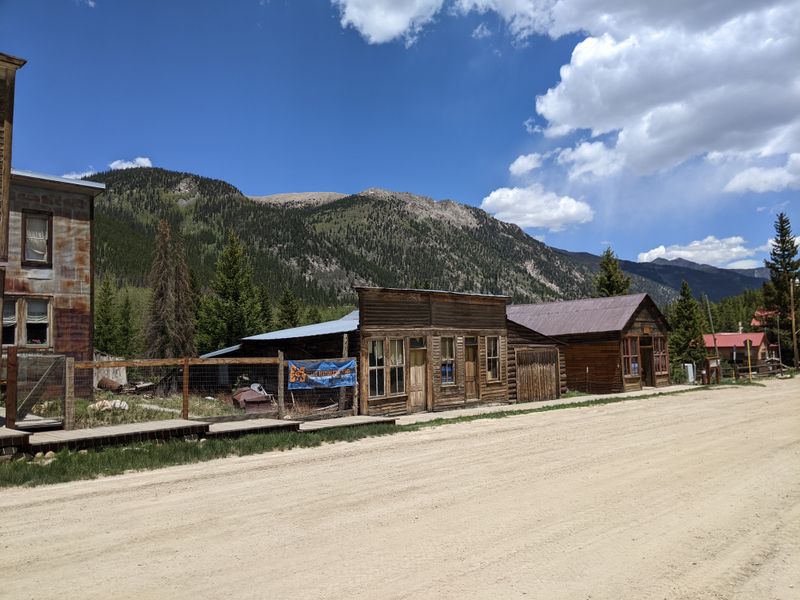
St. Elmo’s isolation contributes significantly to its authentic feel.
Located twenty miles from Buena Vista on a winding mountain road, the town doesn’t suffer from the over-commercialization that plagues more accessible ghost towns.
Getting there requires commitment, filtering out casual tourists and rewarding those willing to make the journey.
The access road follows Chalk Creek through a narrow canyon.
Paved initially, it transitions to well-maintained gravel that climbs steadily through forest and past occasional cabins.
The drive itself becomes part of the adventure, offering glimpses of creek, wildlife, and changing vegetation zones.
This remoteness protected St. Elmo during decades when many ghost towns faced vandalism and theft.
Difficult access meant fewer visitors, and those who made the effort tended to respect what they found.
Buildings retained more original features and artifacts than ghost towns near major highways.
Limited cell phone service and lack of amenities force visitors to slow down and engage with the place itself.
Without constant digital distraction, people notice details they might otherwise miss.
Conversations happen between travelers who share this special destination.
Families interact more meaningfully when screens don’t compete for attention.
The distance from modern civilization helps visitors imagine what true isolation meant for original residents.
Winter storms could trap miners for months, supplies ran low, and medical emergencies became life-threatening situations.
Experiencing even a fraction of that remoteness creates empathy and understanding.
No restaurants, gas stations, or lodging exist in St. Elmo itself.
Visitors must bring everything they need and pack out all trash.
This self-sufficiency requirement maintains the town’s pristine condition and ensures only genuinely interested people make the trip.
The result is an authentic ghost town experience unmarred by theme park atmosphere, gift shop clutter, or crowds that destroy the sense of stepping back in time.
Dear Reader: This page may contain affiliate links which may earn a commission if you click through and make a purchase. Our independent journalism is not influenced by any advertiser or commercial initiative unless it is clearly marked as sponsored content. As travel products change, please be sure to reconfirm all details and stay up to date with current events to ensure a safe and successful trip.
