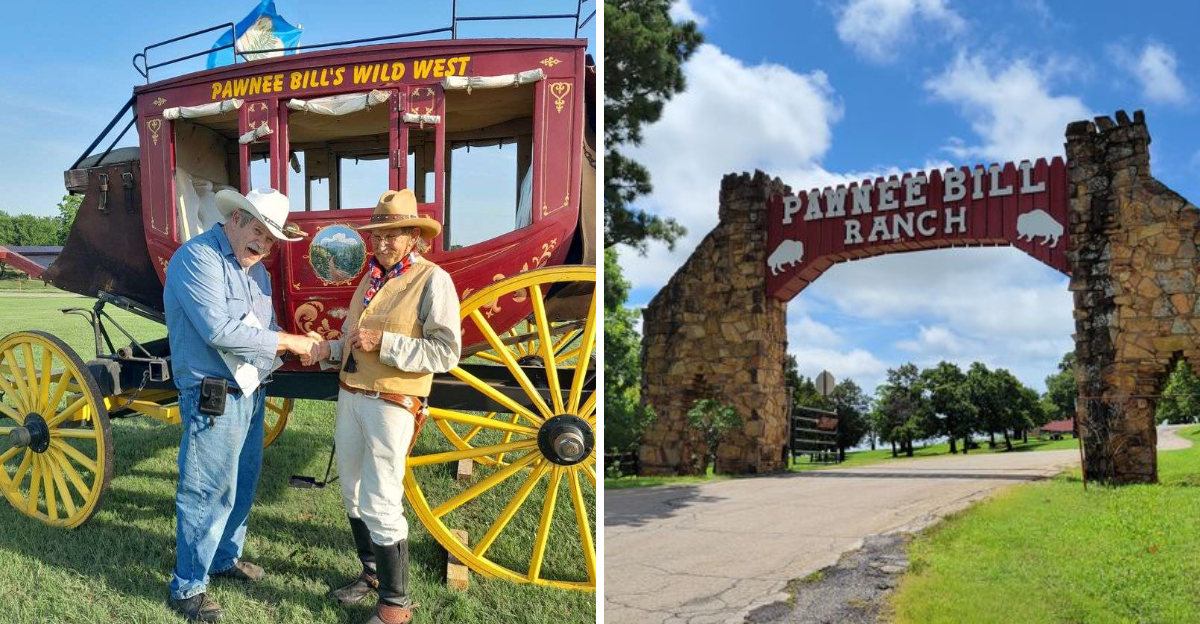
Tucked into the rolling prairie of north-central Oklahoma, Pawnee sits at the crossroads of old frontier spirit and small-town charm.
This is a place where the past doesn’t just linger in history books but walks the streets every summer in full regalia, where cowboy boots click on sidewalks, and where a peculiar tradition brings the entire community together in celebration of its Wild West roots.
Named after the Pawnee tribe that settled here in the 1870s, this county seat of fewer than 2,000 residents carries the weight of frontier heritage with pride and a healthy dose of quirk.
What makes Pawnee stand out isn’t just its historic downtown or its connection to Native American history.
It’s the annual reenactment of an Old West spectacle that draws curious travelers from across Oklahoma and beyond.
Picture gunslingers, period costumes, and a main street transformed into a living snapshot of the 1890s.
The tradition feels both reverent and playful, a community effort that honors the past while inviting everyone to have a little fun with it.
Visitors who wander into Pawnee discover more than a quirky festival.
They find preserved architecture, local museums rich with artifacts, and a landscape that still echoes the wide-open plains of frontier days.
The town may be small, but its character is anything but quiet.
The Pawnee Bill Wild West Show Reenactment
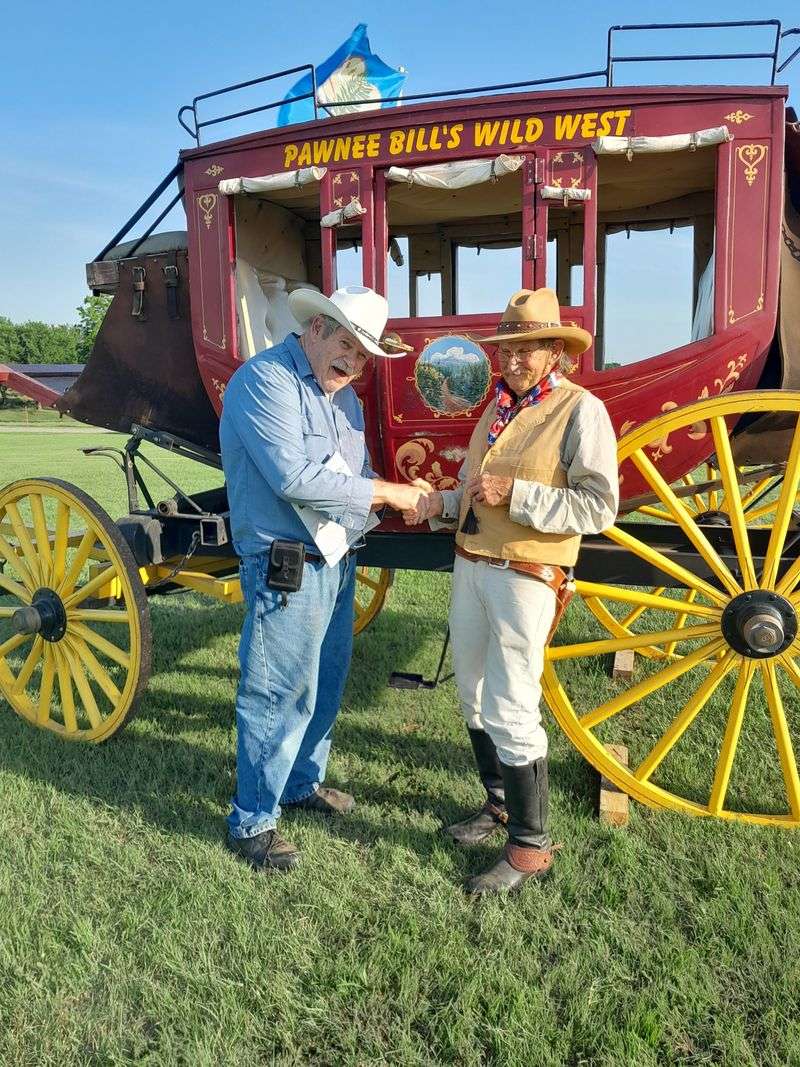
Every June, Pawnee transforms into a living theater of the Old West as locals and performers recreate the famous Wild West show that once toured the world.
Gordon William Lillie, better known as Pawnee Bill, was a showman who rivaled Buffalo Bill Cody in fame and spectacle.
His show featured sharpshooters, trick riders, Native American dancers, and dramatic reenactments of frontier life.
The modern reenactment brings that energy back to life with authentic costumes, choreographed gunfights, and performances that feel both nostalgic and thrilling.
The event takes over the historic downtown, where wooden storefronts and brick buildings set the perfect stage.
Spectators line the streets as actors in period dress strut past, staging mock robberies and duels.
Children watch wide-eyed as horses thunder by and blanks echo off the buildings.
The atmosphere is part carnival, part history lesson, and entirely delightful.
What makes this tradition so special is the community investment.
Families pass down roles from generation to generation.
Local businesses sponsor performers.
Even the town’s elders participate, sharing stories of past shows and helping younger generations understand the significance of Pawnee Bill’s legacy.
This isn’t a tourist trap manufactured for profit.
It’s a genuine expression of pride in a town that once stood at the center of American frontier entertainment.
Visitors leave with a sense of having witnessed something rare, a tradition kept alive not by obligation but by love for the town’s unique place in history.
Pawnee Bill Ranch and Museum
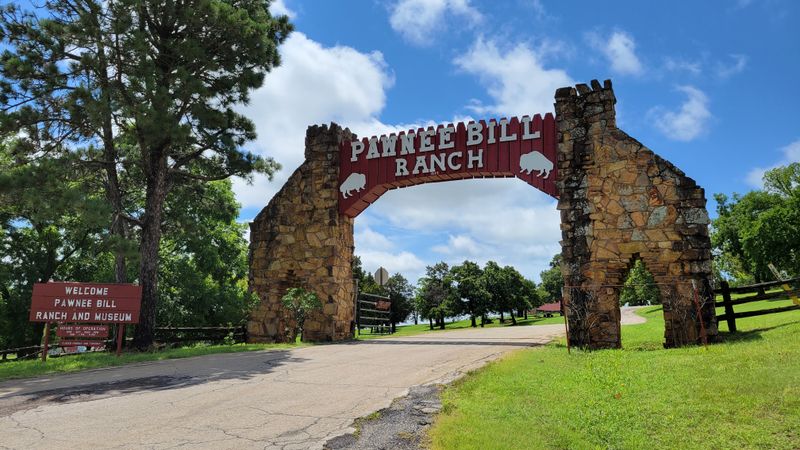
Just west of downtown sits the sprawling estate where Pawnee Bill himself lived, worked, and dreamed up his legendary shows.
The Pawnee Bill Ranch and Museum preserves the showman’s 14-room mansion, complete with original furnishings, personal artifacts, and memorabilia from his touring days.
Walking through the home feels like stepping into a time capsule where the frontier met sophistication.
Ornate woodwork, vintage photographs, and displays of Native American crafts tell the story of a man who bridged two worlds.
The grounds stretch across acres of Oklahoma prairie, dotted with outbuildings that once housed livestock and equipment for the show.
A blacksmith shop, a log cabin, and a large barn remain standing, each offering a glimpse into the daily operations of a working ranch in the early 1900s.
The museum building adjacent to the mansion holds an impressive collection of Wild West memorabilia, including saddles, posters, firearms, and costumes worn by performers who traveled the globe.
One of the most striking features is the bison herd that roams the property, descendants of the animals Pawnee Bill kept to showcase the vanishing American frontier.
Visitors can observe these massive creatures grazing peacefully, a living connection to the past.
The ranch also hosts educational programs and seasonal events that bring history to life for school groups and families.
It’s a place where the legend of the Wild West isn’t just remembered but actively preserved, making it one of Oklahoma’s most important cultural landmarks.
Address: 1141 Pawnee Bill Road, Pawnee, Oklahoma
Historic Downtown Architecture
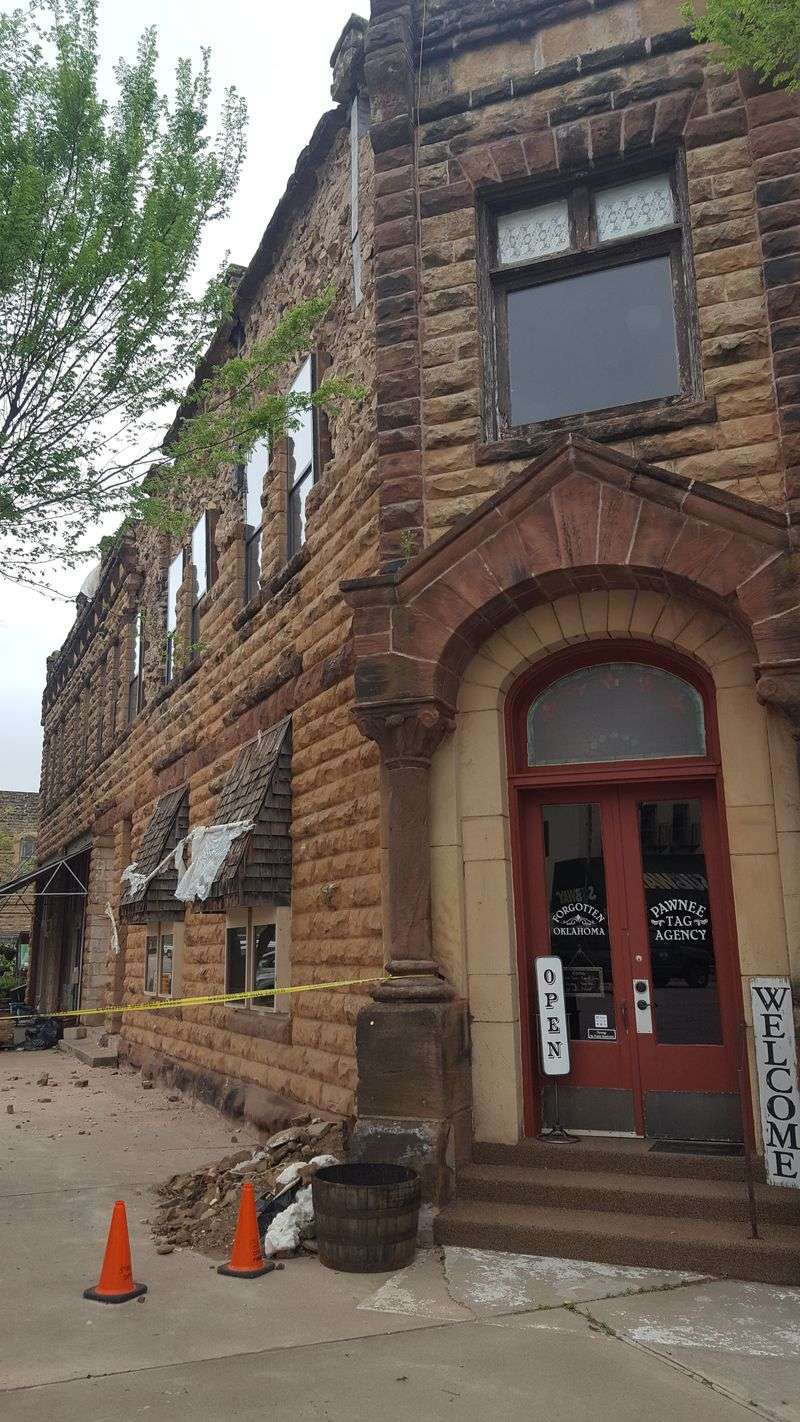
Strolling through Pawnee’s downtown district feels like wandering onto a movie set, except everything is real.
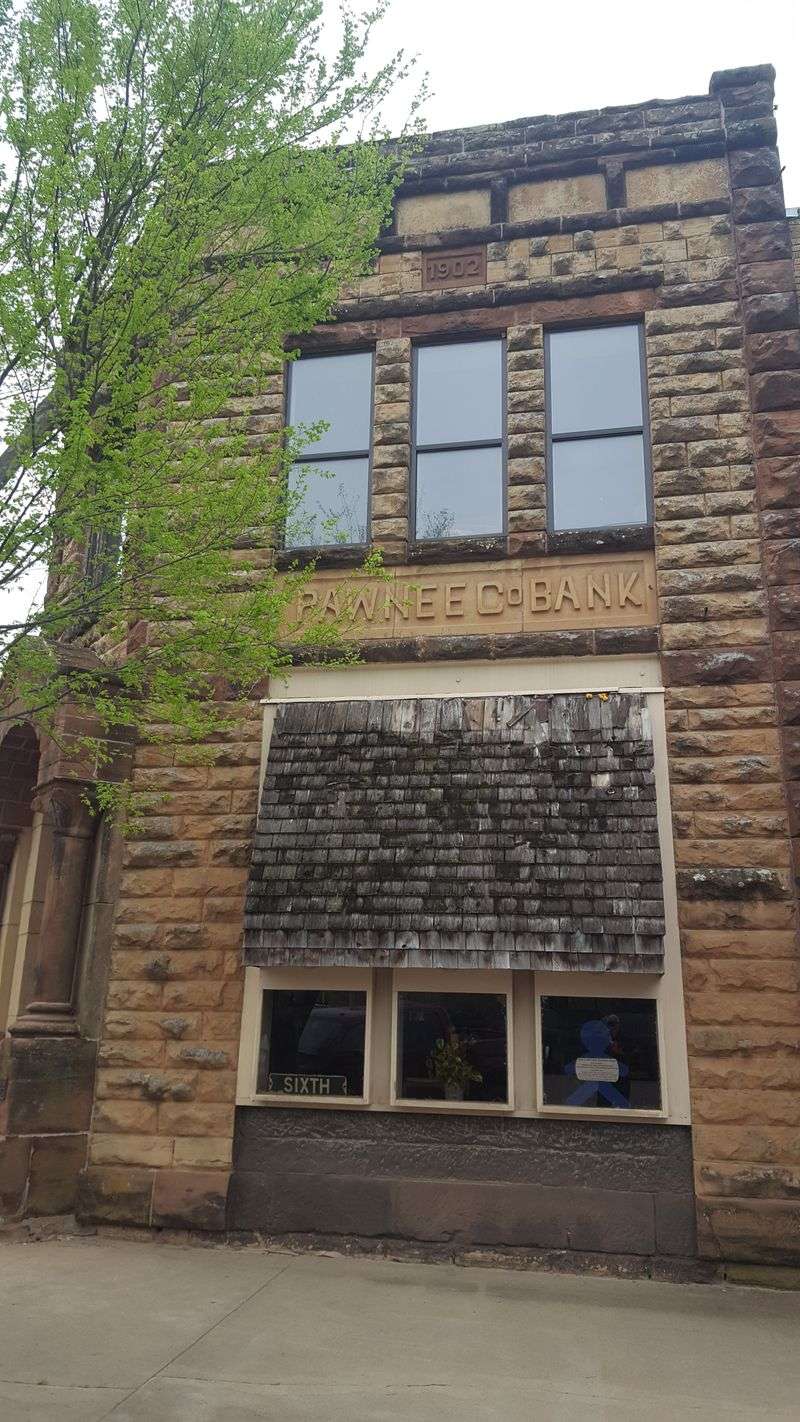
Red brick buildings with tall facades line the streets, many dating back to the late 1800s and early 1900s when the town was booming.
These structures were built to last, with thick walls, high ceilings, and decorative cornices that reflect the optimism of a frontier community expecting growth and prosperity.
Some still house operating businesses, while others stand as quiet reminders of busier times.
The Pawnee County Courthouse anchors the square, a stately building that has witnessed over a century of civic life.
Its classic design and prominent clock tower make it a focal point for visitors exploring the area.
Nearby, old storefronts display hand-painted signs and vintage window displays that transport you back decades.
Several buildings have been lovingly restored by local preservation groups determined to maintain the town’s visual heritage.
What makes this architecture so compelling is its authenticity.
Unlike some towns that reconstruct old buildings for tourism, Pawnee’s downtown remains largely original.
The wear and patina on the bricks, the slightly uneven sidewalks, the faded ghost signs advertising long-gone businesses, all contribute to an atmosphere that feels genuinely historical.
Photographers and history enthusiasts find endless subjects here, from ornate doorways to vintage streetlamps.
Walking these blocks offers a tangible connection to the people who built this town and the dreams they carried.
It’s a visual reminder that Pawnee was once a vital hub in Oklahoma Territory, a place where fortunes were made and frontier life transitioned into modernity.
The Connection to Native American Heritage
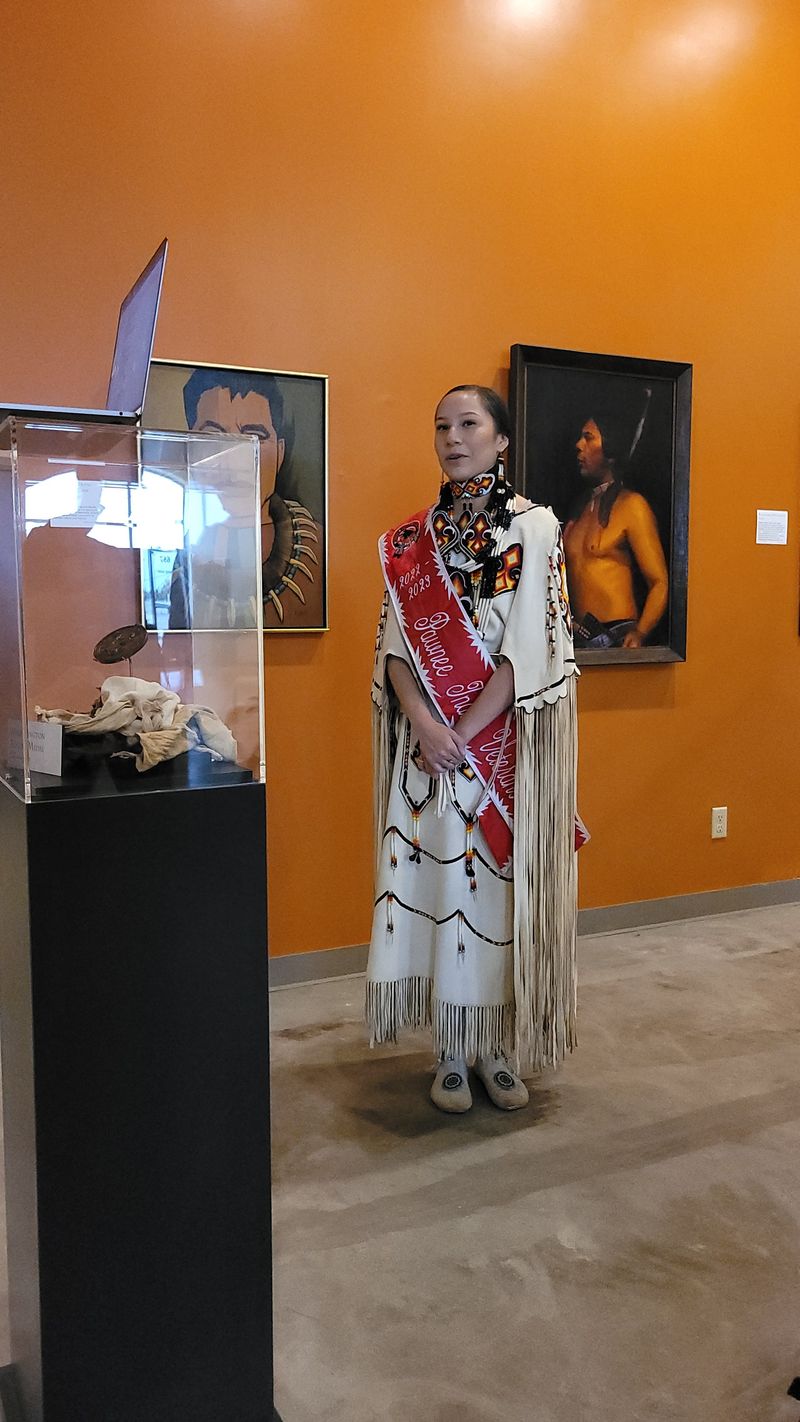
Long before Pawnee Bill arrived, this land belonged to the Pawnee Nation, forcibly relocated here from Nebraska in the 1870s.
The town takes its name from this tribe, and that connection remains central to understanding the area’s identity.
The Pawnee people established communities, adapted to new territory, and maintained cultural traditions despite tremendous hardship.
Their presence shaped the region’s character and continues to influence local culture today.
The Pawnee Nation maintains its tribal headquarters nearby, and many descendants still live in the area.
Cultural events, powwows, and educational programs help preserve and share the tribe’s rich heritage.
Visitors interested in learning more can explore exhibits at local museums that highlight Pawnee artistry, spirituality, and history.
These displays offer respectful and informative perspectives on a culture that predates Oklahoma statehood by generations.
What’s particularly interesting is how the town navigates its dual identity.
Pawnee Bill’s Wild West shows included Native American performers, and while those portrayals were often romanticized or inaccurate by modern standards, they represented one of the few platforms where Indigenous culture reached mainstream audiences in that era.
Today, there’s a growing effort to tell more complete and accurate stories, acknowledging both the problematic aspects of Wild West shows and the resilience of Native communities.
Museums and historical sites increasingly collaborate with tribal representatives to ensure respectful representation.
This ongoing dialogue makes Pawnee a place where history isn’t static but continually reexamined.
Visitors leave with a deeper appreciation for the complex layers that shape this small Oklahoma town and the importance of honoring all the voices that built it.
The Annual Pawnee Bill Memorial Rodeo
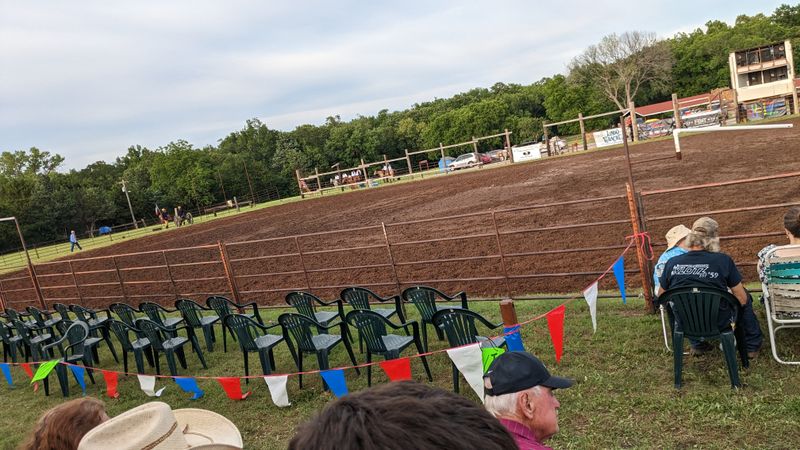
Rodeo culture runs deep in Oklahoma, and Pawnee’s annual event honors both the town’s namesake showman and the enduring cowboy tradition.
Held each summer, the Pawnee Bill Memorial Rodeo brings professional and amateur riders to compete in classic events like bull riding, barrel racing, and calf roping.
The atmosphere crackles with energy as competitors test their skills against livestock and the clock, while spectators cheer from bleachers under the wide prairie sky.
Unlike larger commercial rodeos, this event maintains a hometown feel.
You’ll see families who’ve attended for generations, kids in oversized cowboy hats mimicking the riders, and vendors selling everything from funnel cakes to handmade leather goods.
The rodeo grounds themselves reflect the community spirit, with volunteers managing everything from ticket booths to livestock pens.
Announcers crack jokes between events, and local sponsors get enthusiastic shoutouts.
The rodeo also serves as a reunion of sorts for ranching families from across the region.
Competitors catch up between rides, sharing tips and stories.
Young riders look up to seasoned veterans who’ve been competing for decades.
There’s a sense of continuity here, a passing down of skills and values that connect modern Oklahoma to its frontier roots.
The events themselves are thrilling, with moments of genuine danger and displays of remarkable athleticism.
But what makes the Pawnee Bill Memorial Rodeo special is its authenticity.
This isn’t a show put on for tourists.
It’s a real competition rooted in working ranch culture, a celebration of skills that are still practiced daily across rural Oklahoma.
Visitors get a genuine taste of cowboy life, not a sanitized version.
The Pawnee Bathhouse
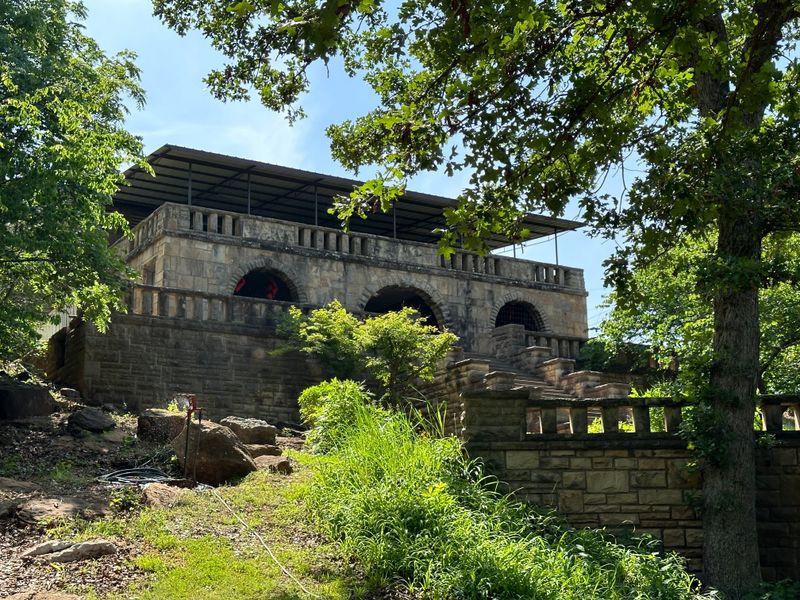
Among Pawnee’s quirky historical footnotes is the old bathhouse, a relic from an era when public bathing facilities served essential community functions.
Built in the early 20th century, the bathhouse provided hot baths for residents and travelers at a time when indoor plumbing was far from universal.
For cowboys, ranch hands, and railroad workers passing through town, a hot bath was a luxury worth paying for.
The facility became a social hub where people gathered, exchanged news, and cleaned up after long days of hard labor.
The building still stands, though its original purpose has long since passed.
Its distinctive architecture, utilitarian but charming, reflects the practical needs of frontier life.
Thick walls kept the interior warm during Oklahoma winters, while high windows allowed steam to escape.
Today, the structure serves as a reminder of how different daily life was just a century ago, when simple comforts required communal spaces and shared resources.
Local historians have worked to document the bathhouse’s role in community life, collecting photographs and oral histories from families whose ancestors used the facility.
These stories paint a vivid picture of Pawnee’s early days, when the town was a bustling stop on trade routes and a gathering place for diverse populations.
The bathhouse represents an unglamorous but essential part of that history.
It’s the kind of detail that makes Pawnee’s historical landscape so rich and textured.
Not every landmark is grand or heroic.
Some, like the bathhouse, simply remind us of the everyday realities that shaped frontier communities and the ingenuity required to make life comfortable on the Oklahoma prairie.
The Prairie Landscape and Scenic Drives
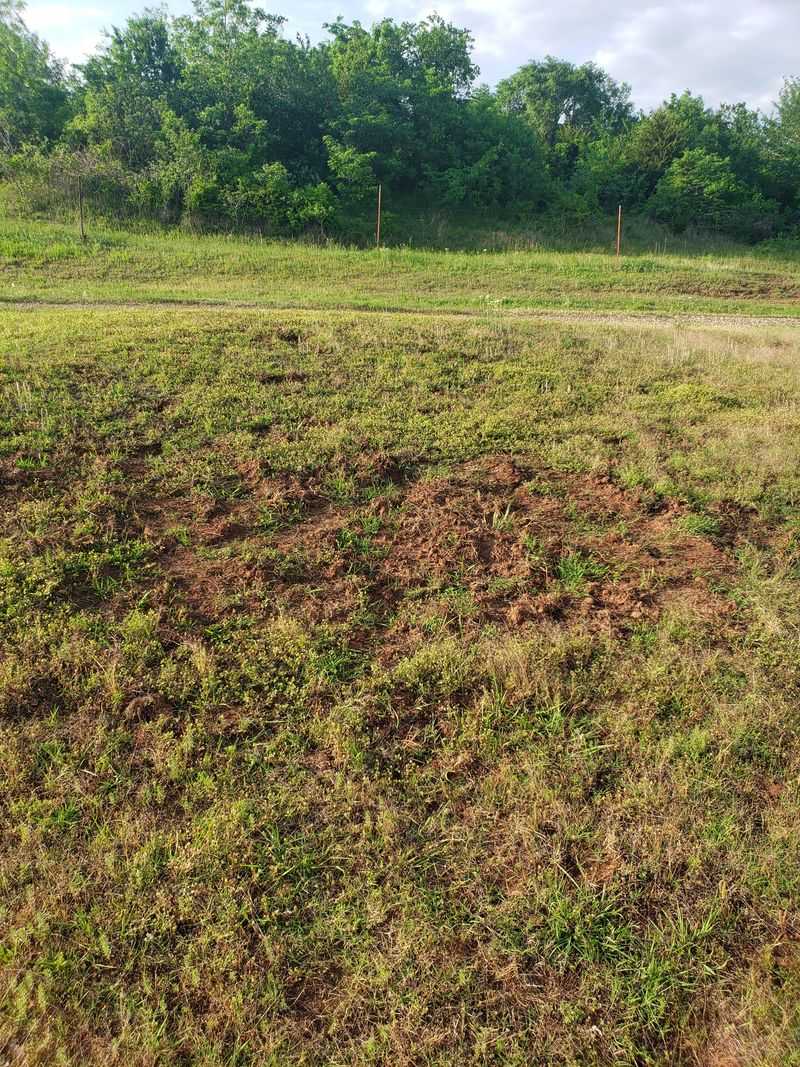
Pawnee sits amid the kind of landscape that defines Oklahoma’s visual identity: rolling prairie stretching to distant horizons, dotted with blackjack oak and tallgrass, under skies that seem impossibly vast.
Driving the backroads around town offers a meditative experience, especially during golden hour when the light turns the grasslands amber and long shadows stretch across the hills.
This is country that rewards slow travel and patient observation.
Several scenic routes radiate from Pawnee, taking drivers through working ranches, past weathered barns, and alongside creeks lined with cottonwood trees.
Spring brings wildflowers that carpet the roadsides in purple, yellow, and red.
Summer heat shimmers off the asphalt, creating mirages in the distance.
Autumn transforms the landscape into a patchwork of rust and gold.
Even winter has its stark beauty, when bare trees stand like etchings against grey skies.
For photographers and nature lovers, these drives provide endless opportunities.
Hawks circle overhead, hunting for prey in the grasslands.
Cattle graze peacefully behind barbed wire fences.
Occasional oil pumps nod rhythmically, a reminder of Oklahoma’s petroleum heritage.
The landscape feels both timeless and specific to this region, shaped by geology, climate, and human use over centuries.
There’s a particular quality to prairie light that’s hard to describe but impossible to forget once you’ve experienced it.
The openness can feel overwhelming to visitors accustomed to forests or mountains, but it also offers a sense of freedom and possibility.
These scenic drives around Pawnee provide context for the town’s history and character, showing how the land itself influenced the people who settled here and the traditions they maintained.
The Community Spirit and Small Town Character
Perhaps the most delightful aspect of Pawnee isn’t any single attraction but the palpable sense of community that permeates daily life.
This is a town where people still wave at passing cars, where local businesses know their customers by name, and where major events bring out nearly the entire population.
That small-town character, increasingly rare in modern America, remains vibrantly alive here.
Walk into the local diner and you’ll likely hear conversations about upcoming school events, ranching challenges, or plans for the next festival.
Sit on a bench in the courthouse square and someone will probably strike up a conversation, asking where you’re from and offering recommendations for what to see.
This friendliness isn’t performative or tourist-oriented.
It’s simply how people interact in a place where social bonds still matter deeply.
The community’s dedication to preserving its heritage speaks volumes about collective identity.
Volunteers maintain museums, organize festivals, and restore historic buildings without expectation of personal gain.
They do it because Pawnee’s story matters to them, because they want their children and grandchildren to understand where they come from.
This investment in shared history creates a town that feels cohesive and purposeful despite its small size.
Visitors often comment on how welcomed they feel, how genuine the interactions seem.
In an era of increasing isolation and digital connection, Pawnee offers something increasingly precious: real human connection rooted in place and tradition.
The town’s delightfully weird Wild West reenactment is just the most visible expression of a deeper truth.
Pawnee has maintained its identity not through resistance to change but through active cultivation of the values and stories that make it unique among Oklahoma’s small towns.
Dear Reader: This page may contain affiliate links which may earn a commission if you click through and make a purchase. Our independent journalism is not influenced by any advertiser or commercial initiative unless it is clearly marked as sponsored content. As travel products change, please be sure to reconfirm all details and stay up to date with current events to ensure a safe and successful trip.
