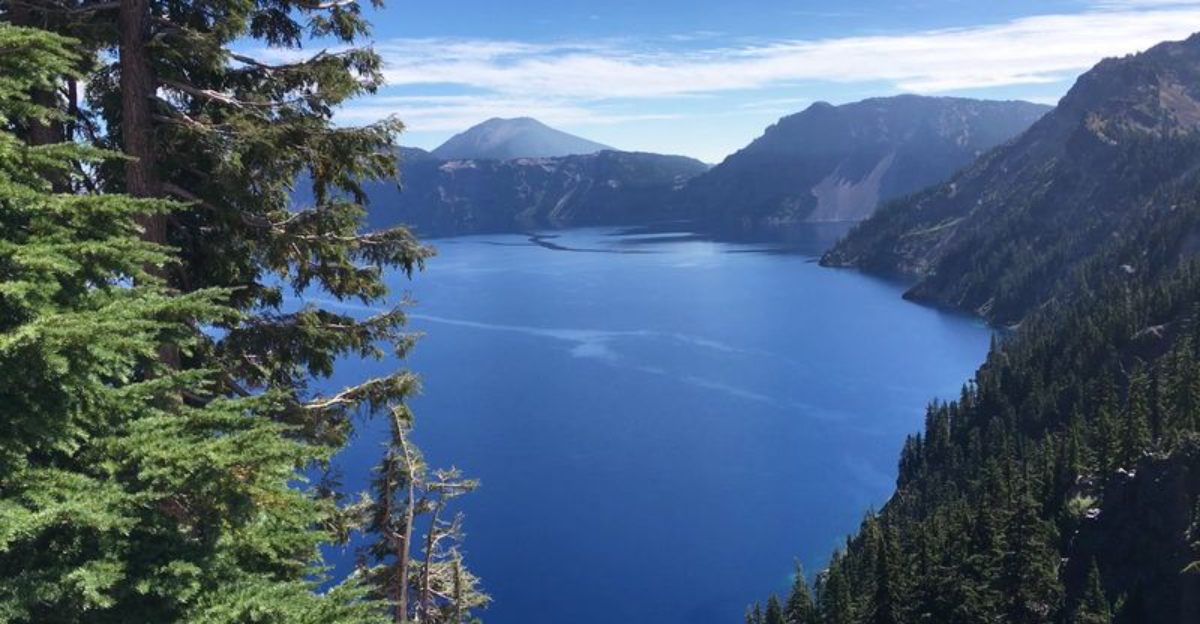
Oregon stands as one of America’s most naturally stunning states, offering incredible outdoor adventures no matter what time of year you visit.
From snow-capped mountains to rugged coastlines, dense forests to high desert landscapes, this Pacific Northwest gem delivers breathtaking scenery in every season.
Whether you’re a hiking enthusiast, a beach lover, or someone who simply enjoys soaking in nature’s wonders, Oregon provides endless opportunities to explore and connect with the great outdoors.
Discovering how to experience Oregon’s beauty throughout the entire year means you’ll never run out of amazing places to visit and unforgettable memories to create.
Hike the Columbia River Gorge Trails
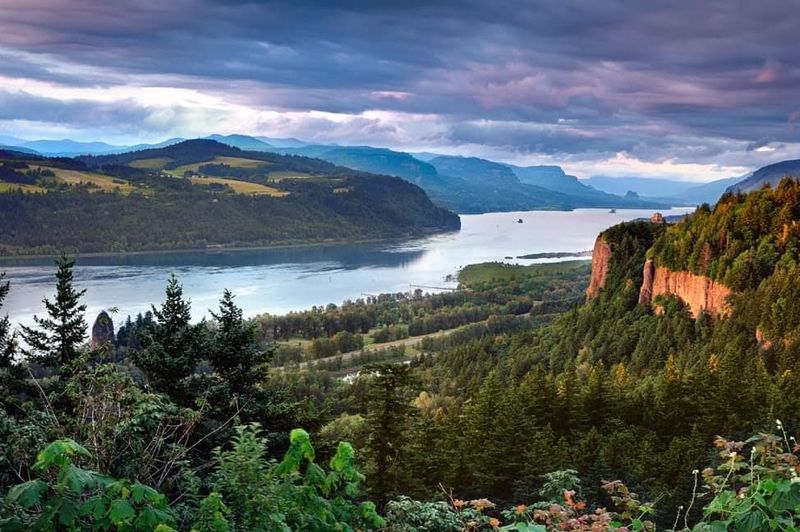
Waterfalls tumble down mossy cliffs while hikers wind through ancient forests along some of the most spectacular trails in the Pacific Northwest.
The Columbia River Gorge stretches for about 80 miles along the Oregon-Washington border, creating a natural wonderland that attracts outdoor lovers from around the globe.
More than 90 waterfalls cascade through this dramatic canyon, with Multnomah Falls being the most famous at 620 feet tall.
Spring brings wildflowers that carpet the hillsides in vibrant colors, making it an ideal time for photography enthusiasts.
Summer offers warm, dry weather perfect for longer hikes to destinations like Eagle Creek Trail or Angels Rest.
Fall transforms the gorge into a painter’s palette of reds, oranges, and golds that rival any New England autumn display.
Even winter has its charm, with fewer crowds and occasional dustings of snow that make the waterfalls look like frozen sculptures.
Trails range from easy paved walks suitable for families with young children to challenging scrambles that reward experienced hikers with panoramic views.
The Historic Columbia River Highway, built in 1916, provides convenient access to numerous trailheads and scenic viewpoints.
You can visit the Columbia River Gorge National Scenic Area Headquarters at 902 Wasco Avenue, Hood River, OR 97031 for maps and trail information.
Local towns like Hood River and Cascade Locks offer charming restaurants and shops where you can refuel after your adventures.
Remember to check trail conditions before heading out, especially during winter months when ice can make some paths dangerous.
Packing layers is essential since weather can change quickly in the gorge, with temperatures varying significantly between river level and higher elevations.
Whether you’re chasing waterfalls or seeking mountain vistas, the Columbia River Gorge delivers unforgettable experiences every single day of the year.
Explore the Oregon Coast’s Dramatic Shores
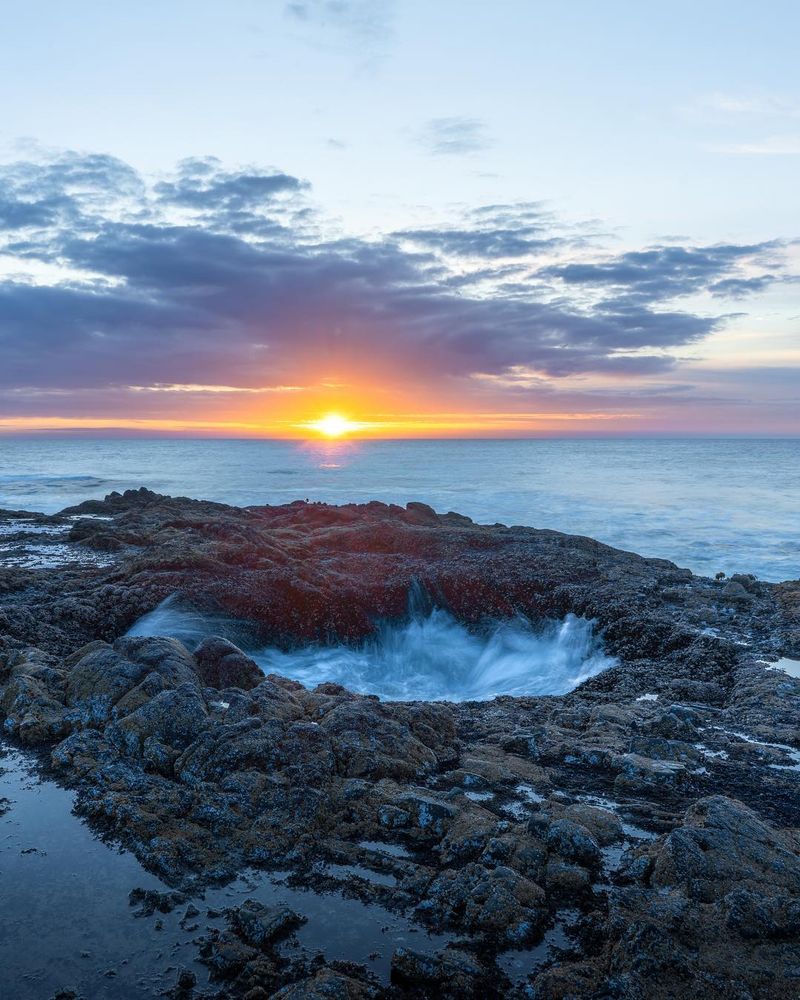
Massive rock formations rise from the Pacific Ocean like ancient sentinels guarding Oregon’s 363 miles of public coastline.
Unlike many other states, every inch of Oregon’s beach belongs to the people, meaning you can explore freely from border to border without encountering private property restrictions.
Cannon Beach features the iconic Haystack Rock, a 235-foot sea stack that serves as home to puffins and other seabirds during nesting season.
Each season paints the coast with different moods and experiences that keep visitors coming back year after year.
Winter storms create dramatic wave displays that crash against offshore rocks, sending spray high into the air while beachcombers search for treasures washed ashore.
Spring brings lower tides perfect for exploring tidepools teeming with colorful sea stars, anemones, and hermit crabs.
Summer attracts families who build sandcastles, fly kites, and wade in the chilly Pacific waters while enjoying warmer temperatures.
Fall offers some of the clearest skies and most spectacular sunsets, with fewer tourists and better chances of spotting migrating gray whales.
The Oregon Coast Aquarium at 2820 SE Ferry Slip Road, Newport, OR 97365 provides fascinating insights into marine life found along these shores.
Samuel H. Boardman State Scenic Corridor near Brookings showcases some of the most photogenic coastline in North America, with natural bridges and secret beaches accessible via short trails.
Charming coastal towns dot the highway, each with unique character and local seafood restaurants serving fresh catches daily.
Yaquina Head Outstanding Natural Area offers lighthouse tours and excellent whale watching opportunities from December through June.
Whether you’re searching for agates, watching storms, or simply breathing in the salty air, Oregon’s coast provides soul-refreshing experiences throughout every season.
The combination of accessibility, natural beauty, and year-round appeal makes coastal exploration an essential part of any Oregon adventure.
Discover Crater Lake’s Alpine Wonder
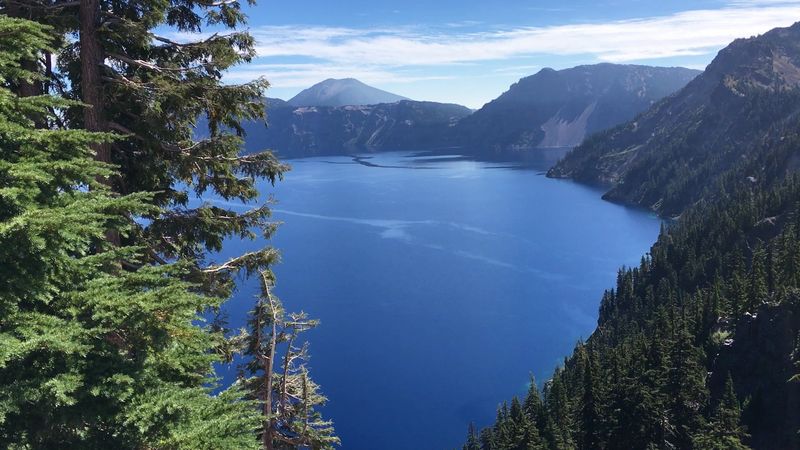
Imagine gazing into the deepest lake in the United States, where water so blue it almost doesn’t seem real fills an ancient volcanic crater.
Crater Lake formed about 7,700 years ago when Mount Mazama collapsed after a massive eruption, leaving behind a caldera that gradually filled with rain and snowmelt.
The lake reaches depths of 1,943 feet, and because no rivers or streams feed it, the water maintains extraordinary clarity and that signature brilliant blue color.
Summer transforms Crater Lake National Park into a hiking paradise, with the 33-mile Rim Drive offering countless viewpoints and photo opportunities.
The Cleetwood Cove Trail is the only path down to the water’s edge, descending 700 feet in just over a mile for those brave enough to tackle the steep return climb.
Boat tours operate from late June through mid-September, taking visitors to Wizard Island, a volcanic cinder cone rising from the lake’s western side.
Winter blankets the park in an average of 43 feet of snow annually, creating a wonderland for cross-country skiers and snowshoers.
The park remains open year-round, though Rim Drive typically closes from October through June depending on snow conditions.
Ranger-led snowshoe walks offer free equipment and expert guidance through the winter landscape on weekends from late November through April.
Steel Visitor Center, located near park headquarters at Crater Lake National Park, OR 97604, stays open all year and provides educational exhibits about the lake’s formation and ecology.
Sunrise and sunset paint the crater rim in spectacular colors that photographers dream about capturing.
Fall brings golden larches and fewer crowds, making it an underrated time to visit this natural wonder.
No matter when you arrive, standing at the rim and looking down into those impossibly blue waters creates a moment you’ll remember forever.
The combination of geological significance, stunning beauty, and year-round accessibility makes Crater Lake an essential Oregon destination.
Wander Through the Painted Hills
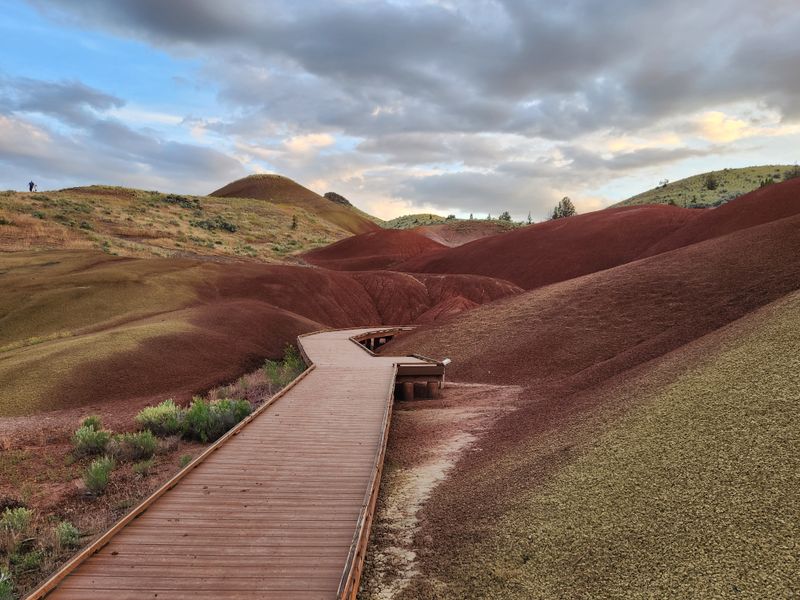
Layers of red, gold, tan, and black minerals create natural artwork across ancient hills that look like something from another planet.
The Painted Hills form one of three units within John Day Fossil Beds National Monument, preserving 40 million years of plant and animal evolution in their colorful claystone layers.
These remarkable formations change appearance throughout the day as sunlight shifts, revealing different hues and textures that photographers find endlessly fascinating.
Spring typically showcases the most vibrant colors, especially after rain when the clay minerals become saturated and their pigments intensify dramatically.
Wildflowers bloom across the surrounding hillsides from April through June, adding splashes of purple, yellow, and white to the already colorful landscape.
Summer brings warm, dry weather perfect for exploring the short trails that wind through the hills, though early morning or late afternoon visits help avoid harsh midday light.
Fall offers comfortable temperatures and golden light that enhances the warm tones in the hills, making it an excellent time for photography.
Winter can dust the hills with snow, creating striking contrasts between white snowflakes and the multicolored earth beneath.
The Painted Hills Overlook Trail provides an easy quarter-mile walk with excellent views, while the Painted Cove Trail loops through the hills themselves.
Carroll Rim Trail climbs higher for panoramic vistas encompassing the entire Painted Hills area and surrounding John Day River Valley.
The Thomas Condon Paleontology Center at 32651 Highway 19, Kimberly, OR 97848 displays fossils discovered in the area and explains the ancient environments these layers represent.
Nearby Mitchell offers basic services including a small café and gas station, reminding visitors that this remote area requires some planning.
Bring plenty of water since the high desert climate can be deceptively dry and dehydrating.
Staying on designated trails protects these fragile formations from erosion and preserves them for future generations to enjoy.
The Painted Hills prove that Oregon’s natural beauty extends far beyond forests and coastlines into surprising desert landscapes.
Experience Mount Hood’s Mountain Magic

Oregon’s tallest peak rises 11,240 feet above sea level, dominating the northern horizon and providing year-round recreation opportunities that few other mountains can match.
Mount Hood’s glaciers and permanent snowfields make it one of the few places in North America where you can ski or snowboard every month of the year.
Timberline Lodge, built in 1937 as a Works Progress Administration project, sits at 6,000 feet and offers stunning architecture along with access to Palmer Glacier skiing.
Winter transforms Mount Hood into a snow sports paradise with five ski resorts catering to every skill level from beginners to experts.
Timberline Lodge at 27500 E Timberline Road, Government Camp, OR 97028 operates its Palmer chairlift through summer, attracting ski teams from around the world for off-season training.
Spring brings longer days and softer snow, making it an ideal time for families to learn skiing or snowboarding without the bitter cold of midwinter.
Summer opens hundreds of miles of hiking trails through wildflower meadows, past rushing waterfalls, and up to rocky ridges with panoramic views.
The Timberline Trail circles the entire mountain for 40 miles, offering one of the most spectacular backpacking experiences in the Pacific Northwest.
Fall paints the mountain’s forests in autumn colors while early season snowfall dusts the summit, creating dramatic contrasts perfect for photography.
Climbing Mount Hood challenges mountaineers who typically start their summit attempts around midnight to reach the top by sunrise before afternoon sun softens the snow.
Mount Hood Meadows at 14040 Highway 35, Mount Hood, OR 97041 provides extensive terrain and beautiful views of the Cascade Range.
Government Camp serves as the main base village with restaurants, shops, and accommodations within easy reach of all mountain activities.
Whether you’re skiing powder, hiking through alpine meadows, or simply admiring the view from a scenic byway, Mount Hood delivers mountain experiences that define Oregon’s outdoor culture.
The mountain’s accessibility from Portland, just 60 miles away, makes it possible to enjoy mountain adventures and return to the city the same day.
Venture Into the Oregon Caves
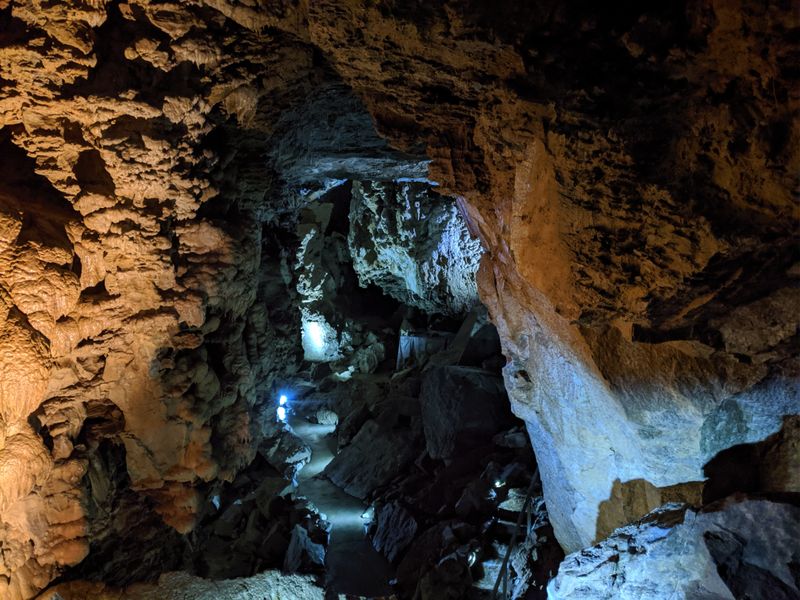
Deep beneath the Siskiyou Mountains, water has carved an underground palace of marble chambers, narrow passageways, and intricate formations over millions of years.
Oregon Caves National Monument and Preserve protects this remarkable cave system discovered in 1874 by a hunter following his dog into the darkness.
The cave maintains a constant temperature of 44 degrees Fahrenheit year-round, making it a comfortable escape from summer heat or winter cold.
Guided tours lead visitors through about half a mile of passages, climbing and descending more than 500 stairs while ducking through tight spots and admiring delicate formations.
Stalactites hang from ceilings like stone icicles while stalagmites grow upward from the floor, sometimes meeting in the middle to form columns.
Flowstone cascades down walls in frozen waves, and delicate soda straws dangle overhead, growing at rates of about one cubic inch per century.
Spring runoff increases water flow through the cave, making formations glisten and underground streams more dramatic.
Summer brings the busiest season with multiple tours daily, so reservations are highly recommended to secure your preferred time.
Fall offers smaller crowds and beautiful above-ground hiking through old-growth forests surrounding the cave entrance.
Winter tours operate on a limited schedule, providing intimate experiences with fewer visitors and rangers who can share more detailed information.
The Oregon Caves Chateau at 20000 Caves Highway, Cave Junction, OR 97523 operated as a historic lodge within the monument until recent closures for renovations.
Above ground, the monument preserves ancient Douglas-fir and Port Orford cedar forests accessible via several hiking trails.
The Big Tree Trail leads to a massive Douglas-fir estimated to be over 1,000 years old, offering perspective on the forest’s incredible age.
Cave tours require moderate physical fitness since they involve climbing stairs, bending, and navigating uneven surfaces in dim lighting.
Jackets are essential even in summer since the cave temperature remains cool regardless of outside weather.
Exploring these marble caves reveals a hidden dimension of Oregon’s natural beauty that few visitors expect to find.
Roam the High Desert at Smith Rock State Park

Towering volcanic rock formations rise dramatically above the winding Crooked River, creating what many consider the birthplace of American sport climbing.
Smith Rock State Park showcases Central Oregon’s high desert beauty with its rust-colored cliffs, sagebrush-covered hillsides, and surprisingly diverse wildlife.
Rock climbers from around the world pilgrimage here to test their skills on more than 1,800 established routes ranging from beginner-friendly to impossibly difficult.
Spring brings comfortable temperatures and blooming wildflowers that soften the desert landscape with unexpected color.
The Misery Ridge Trail challenges hikers with steep switchbacks that reward the effort with stunning panoramic views of the Cascade Range including Mount Jefferson, Three Fingered Jack, and Mount Bachelor.
Summer temperatures often exceed 90 degrees, making early morning or evening visits more comfortable for hiking while climbers seek shaded routes on north-facing walls.
Fall delivers some of the best weather conditions with warm days, cool nights, and spectacular sunrises that paint the rocks in golden light.
Winter occasionally brings snow to the high desert, transforming the normally brown landscape into a beautiful contrast of white snow and red rock.
The River Trail offers an easier option that follows the Crooked River’s curves past climbing areas where you can watch athletes tackle vertical walls.
Birders spot golden eagles, prairie falcons, and canyon wrens among the cliffs, while river otters occasionally play in the water below.
Smith Rock State Park at 9241 NE Crooked River Drive, Terrebonne, OR 97760 provides camping facilities for those wanting to experience desert sunsets and star-filled night skies.
Nearby Bend offers excellent restaurants, breweries, and outdoor shops, making it a perfect base for exploring Central Oregon’s attractions.
The park’s day-use fee helps maintain trails and facilities while preserving this unique landscape for future generations.
Whether you’re climbing, hiking, or simply photographing the dramatic scenery, Smith Rock demonstrates that Oregon’s natural beauty includes spectacular desert environments alongside its famous forests and coastlines.
Dear Reader: This page may contain affiliate links which may earn a commission if you click through and make a purchase. Our independent journalism is not influenced by any advertiser or commercial initiative unless it is clearly marked as sponsored content. As travel products change, please be sure to reconfirm all details and stay up to date with current events to ensure a safe and successful trip.
