Ever think the Amish are only about horse-drawn buggies and plain clothes? That’s the stereotype most visitors carry with them when they head to Pennsylvania’s Amish Country, but the reality is much richer.
The Amish community isn’t a tourist attraction. It’s a living culture with traditions, values, and everyday routines that go far beyond what people usually imagine.
When you spend time there, you notice details that don’t fit the clichés. It might be the craftsmanship in a handmade quilt, the quiet pride in a family-run farm, or the way neighbors come together to help each other. These moments show that Amish life is about more than just “simplicity”.
It’s about community, faith, and resilience. As a guest, the best way to see beyond the stereotypes is to slow down, listen, and appreciate the culture on its own terms.
Pennsylvania’s Amish aren’t fading into the past. They’re living in the present, and there’s a lot to learn if you look closer.
So next time you visit, go beyond the postcard image, you’ll walk away with a deeper story.
1. Think Of It As A Real Community, Not A Display
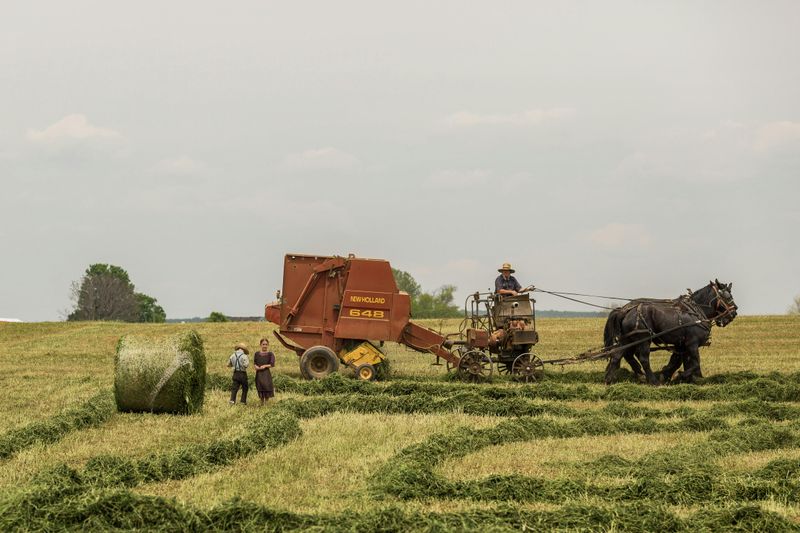
You know how some places feel like they were set up for visitors? This is not that.
In Pennsylvania, you are stepping into real towns where the Amish are raising families, running shops, and tending fields with rhythms that ripple through each day.
Try to watch the small routines. You might notice a lane swept clean or tools left neatly by a doorway.
I think these quiet details say more than a staged show ever could, and they reveal a community that values order, care, and continuity.
When you pull over to admire a view, remember that you are near someone’s home. The barns and wash lines are not props.
Treat them like you would in your own neighborhood, with a light footprint and a little common sense.
Ask yourself what you would want from people passing your front yard. Probably a friendly nod, a calm pace, and no lingering stare.
That simple mindset changes everything about how the visit feels.
If you go into a shop, notice the pace and the conversations. Nothing is rushed, and it feels intentional.
You will leave understanding that this is a living culture, not a museum.
2. “Amish” Doesn’t Mean One Exact Lifestyle
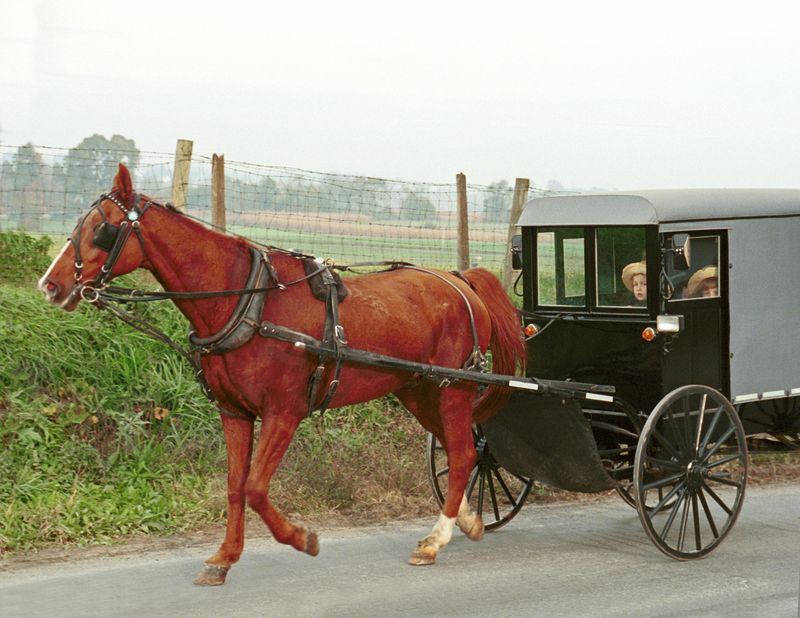
Here is the first thing that surprises most people. Amish is not one single way of life.
Across the state, different church districts shape daily routines in slightly different ways that fit their community.
One town might allow certain reflectors while another prefers lanterns. You could see phones used at a business place but not at a home.
These differences do not mean someone is more or less Amish, just that traditions are local and practical.
If something looks unfamiliar in one area, do not assume it is the same everywhere. That buggy style or clothing detail may match a district’s Ordnung.
I like to think of it as neighborhoods making their own reasonable choices. This also helps when you travel between Lancaster County and smaller settlements elsewhere in the state.
The rhythm shifts, the shops change, and expectations feel a bit different. You can let the place teach you its pace.
So keep your questions open and gentle. Notice patterns without needing to label them.
When you do, the variety becomes part of the story rather than a puzzle to solve.
3. Look Beyond The Buggies
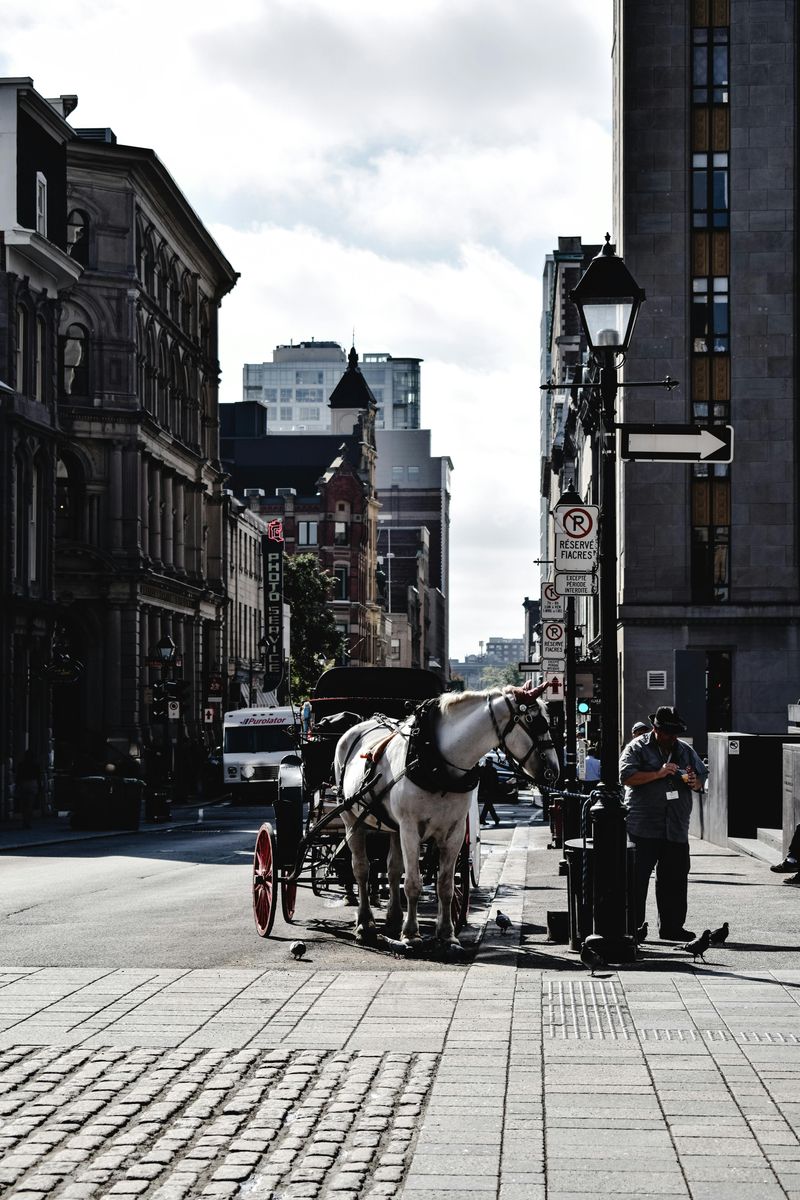
The buggies grab your eye right away. Still, the real texture of Amish life sits in the fields, the workshops, and the small businesses you might miss at a glance.
If you slow down, you start to see how each place connects to family and work.
Look for tidy market sheds, wood shops with stacked lumber, and signs that feel handmade. These are living workplaces, not staged spots.
You can sense the pride in craftsmanship and the steady pace that keeps things moving.
Walk into a roadside stand and listen. Conversations are short, kind, and practical, and that tone carries the day and sets a rhythm that runs deeper than a quick photo.
When you pass a farm lane, note the order of tools and wagons. Everything has a place.
That sense of purpose is the quiet clue you are looking for.
You will leave remembering how much happens out of the spotlight. The buggy is just one piece of the picture.
The work you barely noticed will stick with you longer.
4. Technology Is Chosen Carefully

People love to say the Amish reject technology, but that is not how it works. They weigh what helps family and community life.
If a tool keeps people connected or makes work manageable without changing core values, it might be allowed in a limited way.
You may see phones at a business or in a small shed, not sitting in a kitchen. That choice keeps daily life centered at home while letting work flow.
I think it is a balance rather than a flat yes or no.
Look around workshops and you will spot hand tools kept in good order. Some machinery can show up if it fits the local rules.
Each district decides its own line, and it is quietly practical.
Do not assume inconsistency when you notice a modern item. It probably earned its place through careful discussion.
I feel like the point is protecting relationships and routines.
When you get that, things make more sense. You stop counting gadgets and start reading intent.
The whole approach is less about devices and more about priorities.
5. Privacy Matters More Than You Might Expect
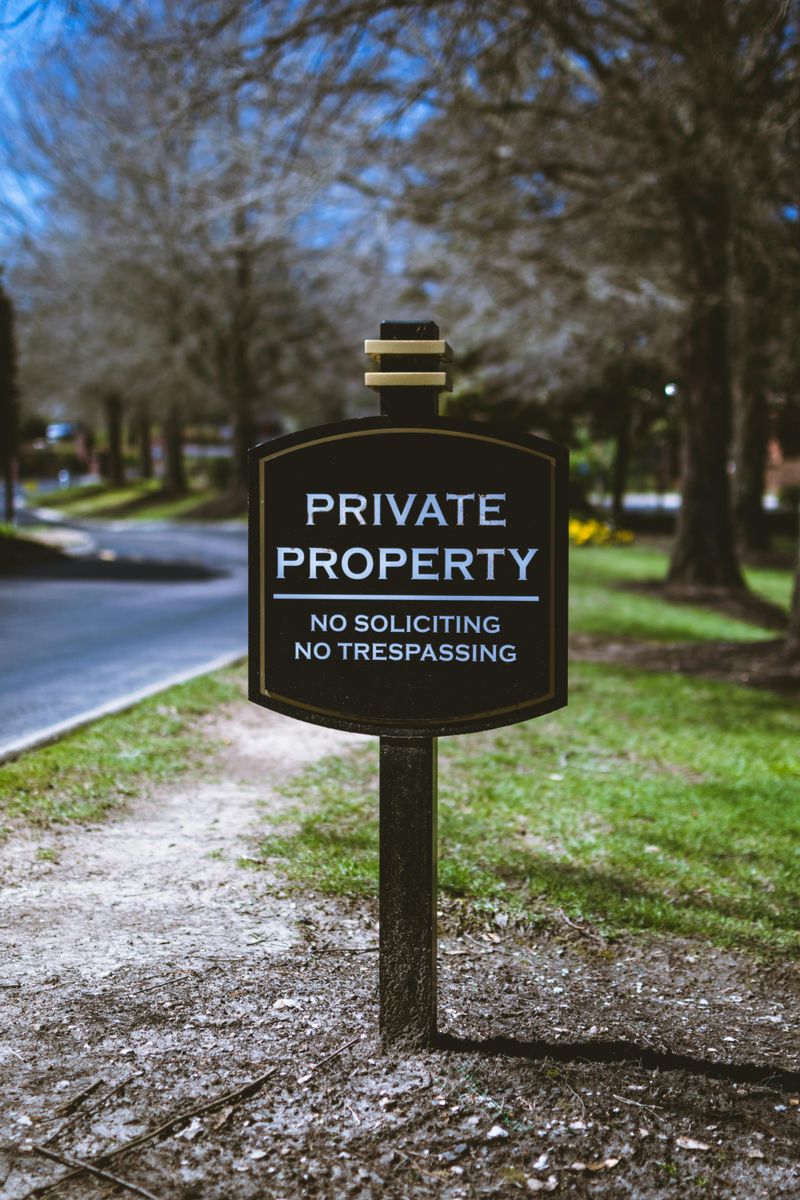
This one is simple and important. Many Amish prefer not to be photographed, especially up close.
It is about modesty, dignity, and not putting faces on display.
Think of houses and barns as private spaces even when they look scenic. The lanes are not for wandering without permission.
If you keep a respectful distance, the whole visit feels a lot calmer.
When you are unsure, ask or step back. A friendly wave is welcome, but a camera in someone’s face is not.
The goal is to leave no trace of pressure behind.
You can still enjoy the landscape, the tidy gardens, and the light on a barn roof. Those moments are about places, not people.
You are honoring the line between public and private.
Carry that mindset across the state and you will feel doors open in quieter ways. Politeness travels far out here.
It turns a quick stop into a thoughtful memory.
6. Amish Businesses Are Working Places, Not Attractions
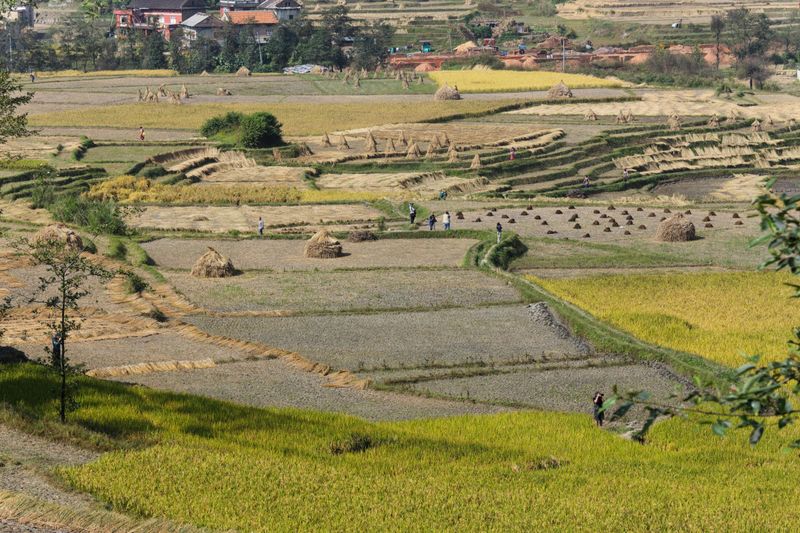
When you step into an Amish business, remember you are entering a workplace. The pace might be slower because people are talking, measuring, or finishing an order.
That focus is part of the experience and it is worth matching.
Expect conversation that feels personal without being chatty. You are dealing with craftspeople who care about getting details right.
Give them time and you will notice how the quality shows up in small ways.
These shops are woven into the local economy. Supplies, repairs, and deliveries wrap through a week in a predictable rhythm.
Patience helps here. If you wait your turn and stay flexible, your interaction will feel easy.
You will leave with more than a purchase because you respected the flow.
Across Pennsylvania, this attitude makes visits smoother. You adjust to the pace and enjoy it.
The memory becomes about connection, not just a transaction, and that’s what matters.
7. Rumspringa Isn’t What TV Makes It Seem
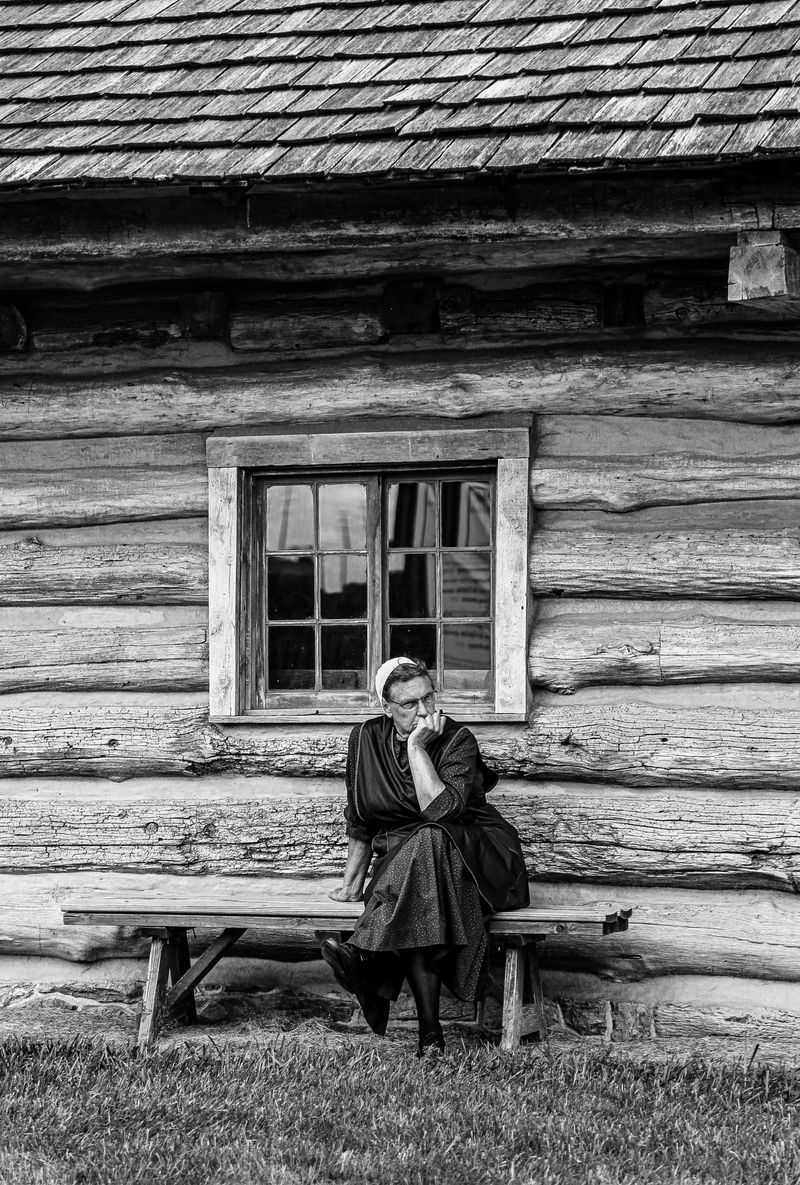
You have probably heard wild stories about Rumspringa. The truth is far quieter.
For most Amish teens, it is a season of growing up inside a supportive community.
Think of it as time to step toward adult choices with mentors nearby. There might be new experiences, but they are usually measured.
Most young people eventually choose baptism and church membership, and that decision is considered, not rushed. It ties back to family, faith, and a life that feels purposeful.
When you visit Pennsylvania, do not try to spot signs of drama. You will miss the real picture, which is about responsibility and belonging.
I like how the story is steady and thoughtful.
So if someone brings up exaggerated scenes, take a breath. The everyday path is more interesting anyway, it shows how a community guides youth toward commitment.
8. Community Support Is A Big Deal

One thing you will feel across Pennsylvania is how neighbors lean on each other. Mutual aid is not a slogan.
It is the backbone that keeps barns standing and families steady.
When something big happens, people show up. You might see a site prepared with materials neatly arranged, ready for many hands.
That shared responsibility replaces a lot of systems others rely on.
This support extends beyond building days. It can mean help after accidents or illness, with costs handled quietly.
As a visitor, you will not step into those moments, and you should not. Still, you can sense the network in tidy fence lines and organized sheds.
The order hints at teamwork behind the scenes.
Let that shape how you move through the area. Be gracious on the road, patient in town, and flexible with plans.
You are traveling in a place where community is the first language.
9. Education Has A Purpose Here

School looks different here by design. Formal classes usually end after eighth grade, and that surprises visitors.
The focus turns to practical skills and values that match daily life.
You might pass a small schoolhouse with neat grounds. Lessons are straightforward and connected to community needs.
It is an education meant to serve family and faith.
Before judging, think about the outcomes. Young people step into roles where they learn by doing, and they pick up responsibility early and contribute in visible ways.
Across the state, this pattern stays consistent with local variations. It is about a path that fits their world.
When you understand the why, your perspective softens. You start to see intention rather than lack, and that shift makes visits feel more respectful and informed.
10. Sundays Are Quiet On Purpose
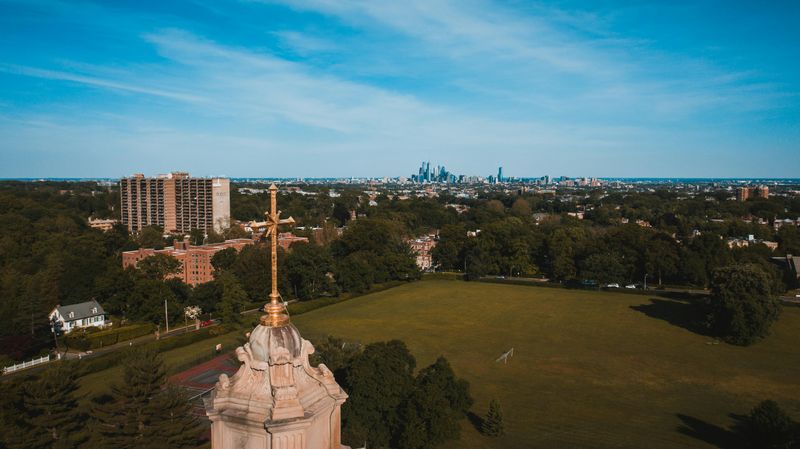
Plan for a slower Sunday. Church and rest set the tone, and most businesses close.
Travel is lighter, and the whole area settles into quiet.
If you are in Lancaster County or nearby towns, expect the same calm. This rhythm is a weekly pause that keeps everything grounded.
Use the time to take a scenic drive or read a map. Let the day be simple, and you will feel the reset in your own pace.
When Monday arrives, normal routines resume. Shops reopen and roads get busy again.
I feel like that contrast helps you appreciate the stillness you just experienced.
Across Pennsylvania, respecting this day goes a long way. You fit in without trying, and it is an easy way to travel kindly.
11. Keep Conversations Light And Respectful
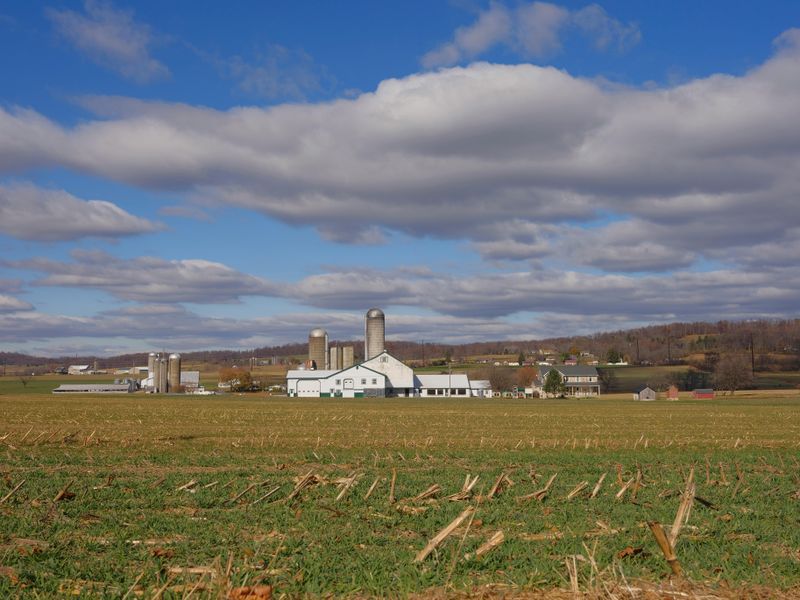
When you talk with Amish locals, follow their lead and keep the topics easy. Start with a hello and maybe a question about the shop or the weather.
Make sure to avoid personal questions, and let the conversation land where it wants to land.
If someone is busy, give them space. You can circle back later or move on.
Patience keeps things friendly, and remember that privacy sits at the center of daily life. You are a guest in their community, so remember that kindness and calm voices go far.
You will leave with moments that feel genuine. That is the heart of good travel in this state.
12. Slow Down And Let Go Of Assumptions
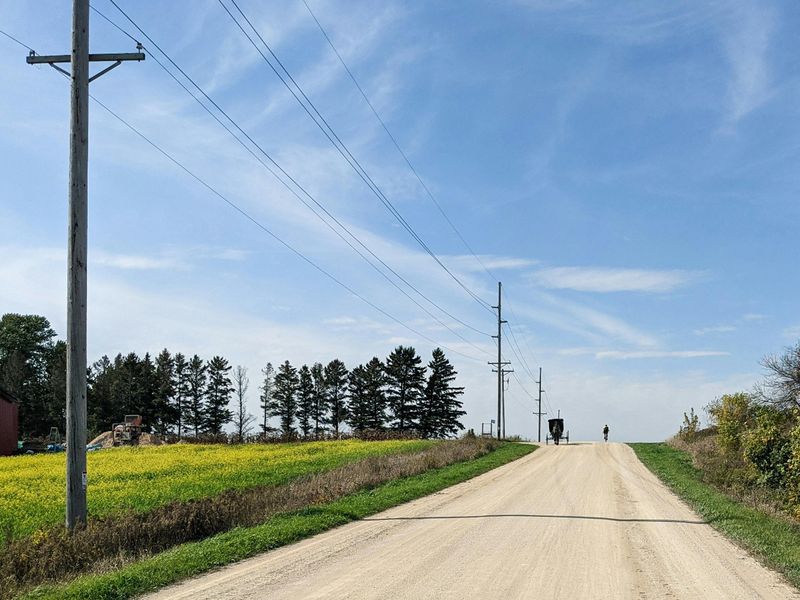
Here is the honest truth: you do not need to figure everything out to be respectful. Let the place set your pace and watch what changes in you.
Put the camera down for a minute and listen to the wind in the fields. Notice how chores line up with daylight.
I like how the rhythm is steady and it tells its own story.
If a question pops up, carry it for a while. You might find the answer in a workshop or a roadside stand.
By the time you leave Pennsylvania, the stereotypes will feel flimsy. Real life is layered and specific, and you will remember the quiet details that nobody advertises.
So take the long way, and keep plans loose and eyes open. That is how you see past the surface and into the heart of this place.
Dear Reader: This page may contain affiliate links which may earn a commission if you click through and make a purchase. Our independent journalism is not influenced by any advertiser or commercial initiative unless it is clearly marked as sponsored content. As travel products change, please be sure to reconfirm all details and stay up to date with current events to ensure a safe and successful trip.
