
Small towns across Oklahoma have experienced remarkable transformations as visitors from near and far discover their unique charm and character.
Tourism has become more than just an economic driver; it has reshaped the very fabric of community life in these tight-knit places.
From historic Route 66 stops to hidden natural wonders, Oklahoma’s small towns have learned to share their stories with the world.
Main streets that once struggled now bustle with activity as tourists seek authentic experiences away from big cities.
Local residents have watched their hometowns evolve, balancing tradition with the opportunities that tourism brings.
The relationship between visitors and locals has created unexpected changes in everything from local businesses to community pride.
Understanding how tourism shapes these communities helps us appreciate both the challenges and triumphs small-town Oklahomans face today.
This transformation continues to unfold as more people discover what makes Oklahoma’s small towns worth visiting and celebrating.
Economic Revival Through Visitor Spending
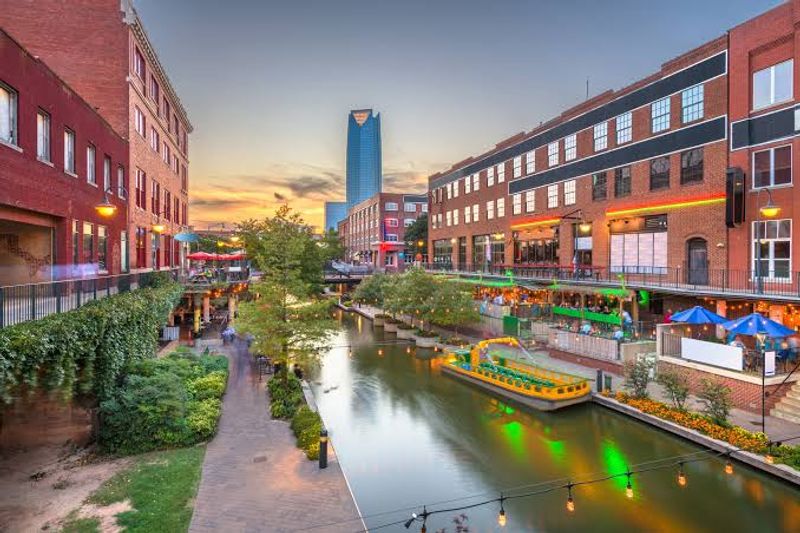
Money flowing into small Oklahoma towns from tourists has breathed new life into local economies that were once on the brink of disappearing entirely.
Restaurants, gift shops, and service stations along historic routes now see steady income streams that simply didn’t exist before tourism became a focus.
Business owners who once considered closing their doors have found renewed purpose serving visitors eager to experience authentic small-town Oklahoma.
The ripple effect of tourist dollars extends far beyond the businesses tourists directly patronize during their visits.
Local suppliers, maintenance workers, and even utility companies benefit when shops stay open longer and hire additional staff members.
Property values in downtown areas have stabilized or even increased as investors recognize the potential of tourism-driven commerce.
Tax revenue generated from sales to visitors has allowed municipalities to improve infrastructure that benefits both tourists and residents alike.
Parks receive better maintenance, streets get repaired more regularly, and public facilities see upgrades that weren’t possible before.
This financial stability has given town councils breathing room to plan for long-term development rather than merely surviving year to year.
Young people who might have left for opportunities elsewhere now find viable career paths in their hometowns through tourism-related employment.
Hotels, tour companies, and specialty shops provide jobs that keep families together and communities vibrant with multiple generations.
The economic transformation has proven that small towns can thrive when they embrace their unique assets and share them with curious travelers.
Some communities have even established tourism development authorities to strategically manage growth and ensure sustainable economic benefits for decades ahead.
Preservation of Historic Buildings and Landmarks
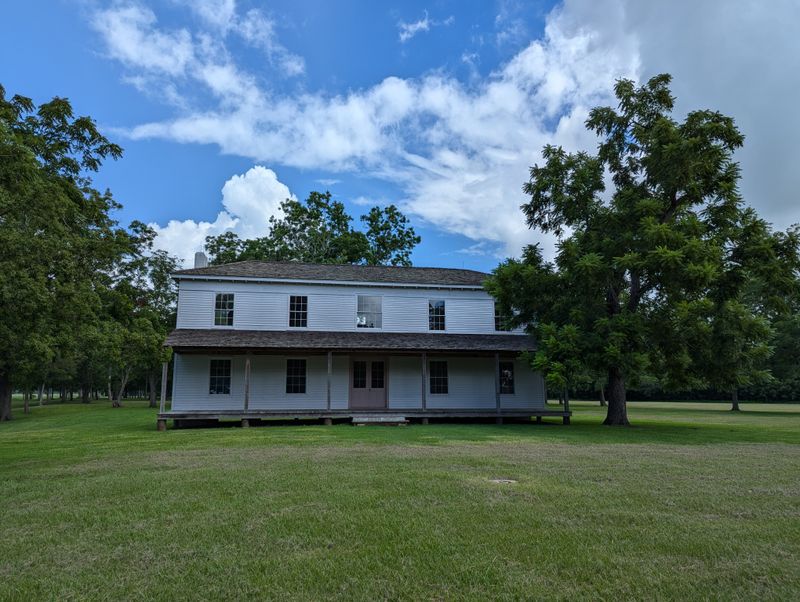
Crumbling structures that once represented forgotten chapters of Oklahoma history have found salvation through tourism-driven restoration efforts across numerous small communities.
Buildings that housed early settlers, served as trading posts, or witnessed significant historical events now stand proudly restored rather than demolished.
Tourism provided the financial justification needed to convince local governments and private investors that preservation made economic sense beyond mere sentimentality.
The National Register of Historic Places includes dozens of Oklahoma small-town properties that might not exist today without tourism interest.
Guthrie’s Victorian architecture, for example, attracts thousands of visitors annually who spend money in the very buildings they come to admire.
This creates a self-sustaining cycle where preservation efforts pay for themselves through admission fees, guided tours, and increased foot traffic to adjacent businesses.
Local historical societies have gained members, funding, and purpose as tourism elevated the importance of accurately telling community stories.
Volunteers who once struggled to maintain interest in preservation projects now find themselves overwhelmed with support from residents who see tangible benefits.
Museums that operated on shoestring budgets have expanded their hours, improved exhibits, and hired professional staff thanks to visitor admission revenues.
Architectural styles unique to Oklahoma’s frontier heritage have been saved from the wrecking ball specifically because tourists value authenticity over modern replacements.
Restoration projects employ local craftspeople who learn traditional building techniques, ensuring these skills survive for future preservation needs.
Towns like Pawhuska have transformed entire downtown districts into living museums where commerce and history coexist harmoniously.
The preservation movement sparked by tourism has given communities tangible connections to their past while securing their economic futures.
Transformation of Local Food and Restaurant Culture

Diners and cafes that once served only locals with standard American fare have evolved into culinary destinations showcasing regional Oklahoma flavors and innovative cooking.
Chefs in small towns now experiment with dishes that honor both pioneer traditions and contemporary tastes, knowing tourists seek memorable dining experiences.
What used to be simple meat-and-potatoes establishments have transformed into restaurants worthy of regional food magazine features and social media buzz.
Tourism demand encouraged entrepreneurs to open specialty food businesses that never would have survived on local patronage alone in communities of just a few thousand residents.
Artisan bakeries, craft breweries, and farm-to-table restaurants now thrive in towns where such concepts seemed impossible just fifteen years ago.
The Meers Store in Meers, Oklahoma, became famous for its longhorn beef burgers, drawing visitors from across the state to a town with fewer than sixty residents.
Local producers of honey, pecans, beef, and other agricultural products found new markets by connecting with restaurant owners catering to tourists.
This relationship strengthened rural economies beyond tourism itself, creating networks between farmers and food service businesses that benefit entire regions.
Farmers markets in small towns have expanded from occasional gatherings to regular events where tourists purchase Oklahoma-made products to take home as edible souvenirs.
Restaurant owners have become ambassadors for their communities, sharing local history and recommendations with visitors over meals that showcase regional ingredients.
Many establishments display local artwork, historical photographs, and information about nearby attractions, serving as informal welcome centers.
The elevated food culture has also raised standards for local residents, who now enjoy dining options that rival those found in much larger cities.
Culinary tourism has proven so successful that some Oklahoma small towns now host annual food festivals specifically designed to attract visitors during slower seasons.
Development of Festivals and Community Events
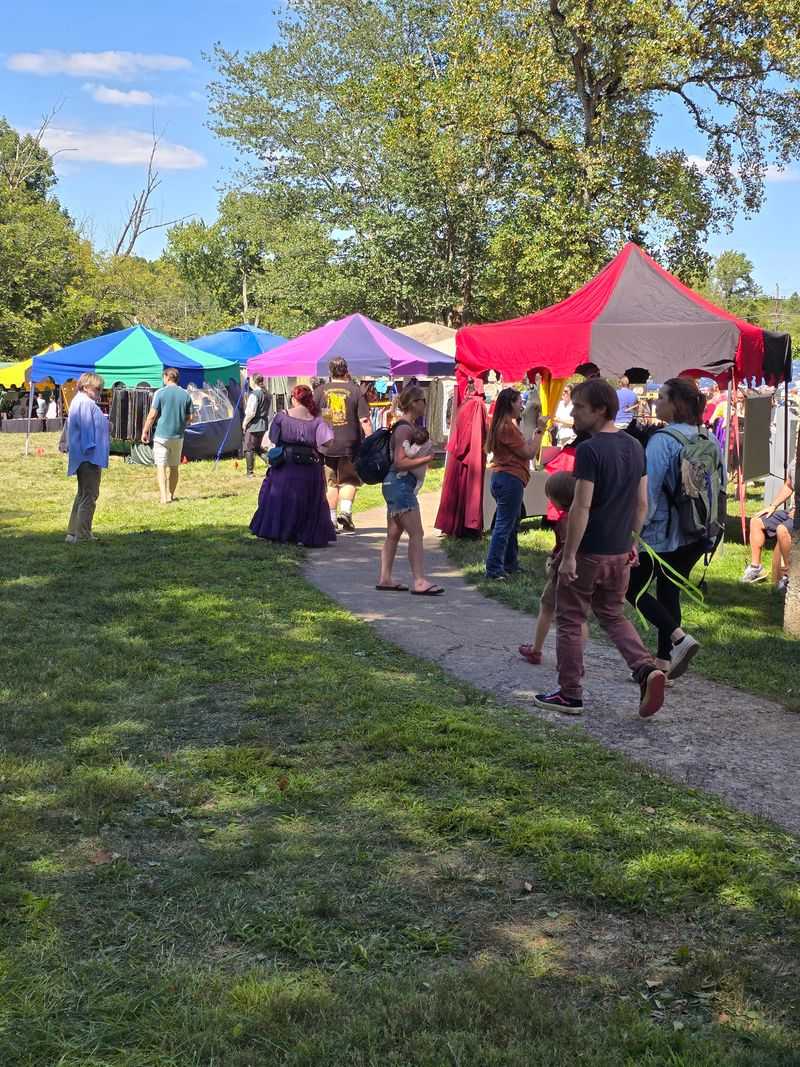
Annual celebrations that once served primarily as social gatherings for residents have transformed into major tourist attractions that define community identities across Oklahoma.
Towns discovered that unique festivals could draw thousands of visitors, generating substantial revenue while celebrating local heritage, agriculture, or quirky traditions.
What began as simple harvest celebrations or historical commemorations have evolved into multi-day events with entertainment, vendors, and activities designed to appeal to out-of-town guests.
The Pawnee Bill Wild West Show in Pawnee brings history alive each June, attracting families who might never have visited otherwise.
Similarly, the Kiamichi Owa-Chito Festival of the Forest in Beavers Bend State Park showcases Native American culture and Ouachita Mountain heritage to appreciative audiences.
These festivals require year-round planning by volunteer committees who have become skilled event managers, marketers, and hospitality coordinators through necessity.
Tourism-focused events have strengthened community bonds as residents work together toward common goals with visible, measurable results each year.
Local organizations benefit from fundraising opportunities during festivals, with volunteer fire departments, youth sports leagues, and civic clubs operating food booths and activities.
The collective pride that comes from successfully hosting thousands of visitors has revitalized community spirit in towns where pessimism once prevailed.
Festival success has encouraged towns to develop signature events that differentiate them from neighboring communities competing for tourist attention.
Watonga’s Cheese Festival celebrates the town’s dairy heritage, while Clinton’s Route 66 Festival honors its position on the Mother Road.
These events create annual rhythms that structure community life and give residents something to anticipate and prepare for throughout the year.
The economic impact extends beyond festival days themselves, as many visitors return later to explore attractions they discovered during their initial event-driven visits.
Creation of Unique Attractions and Museums

Entrepreneurs and community organizations have developed one-of-a-kind attractions that give small Oklahoma towns distinct identities in an increasingly competitive tourism landscape.
Quirky museums celebrating everything from vintage cars to Native American basketry now dot the state, each providing reasons for travelers to exit highways and explore.
The National Route 66 Museum in Elk City offers immersive exhibits that transport visitors through eight decades of America’s most famous highway’s history.
Private collectors who once kept their passions hidden in barns and garages discovered that tourists would pay to view carefully curated collections.
This realization transformed hobbies into businesses, with everything from antique toy museums to aviation history displays opening in unlikely small-town locations.
The Toy and Action Figure Museum in Pauls Valley houses over 13,000 action figures, attracting collectors and curious families from across the country.
Natural attractions received improved access, signage, and facilities as communities recognized their tourism potential and invested in visitor infrastructure.
Little Sahara State Park near Waynoka transformed from a local recreation spot into a destination for ATV enthusiasts from multiple states.
Towns near these natural wonders benefited from the lodging, dining, and service needs of visitors who came specifically for outdoor experiences.
Living history sites and interpretive centers have emerged where volunteers and staff recreate historical periods, offering educational entertainment that appeals to school groups and families.
The Cherokee Heritage Center in Park Hill provides immersive experiences of 17th-century Cherokee life in a reconstructed village setting.
These attractions employ local residents as guides, interpreters, and maintenance staff, creating jobs that didn’t exist before tourism development.
Many museums collaborate with schools to provide educational programming, ensuring local children benefit from resources created primarily for tourist audiences.
The proliferation of unique attractions has created tourism trails and loops that encourage visitors to explore multiple communities during single trips.
Shifts in Community Identity and Pride
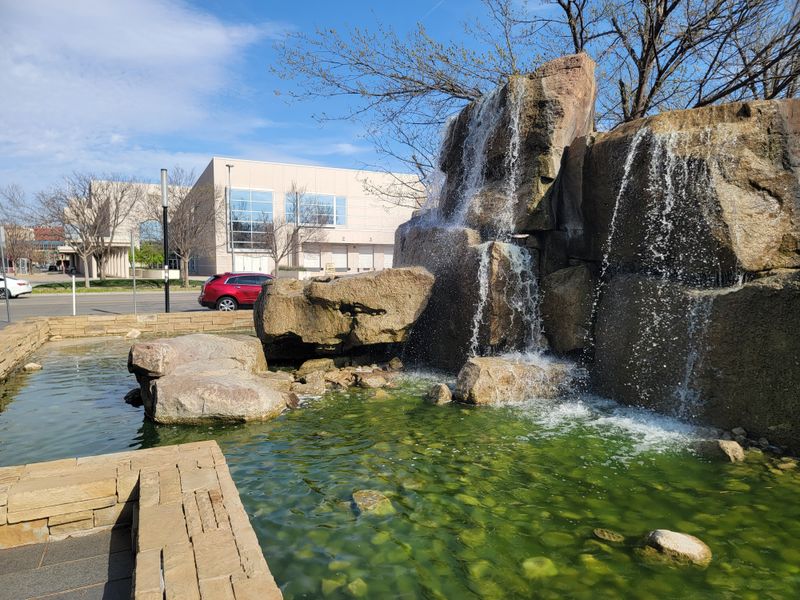
Recognition from outside visitors has fundamentally changed how residents of small Oklahoma towns view their own communities and their place within them.
Towns that once seemed ordinary or even declining to their inhabitants gained new appreciation when tourists expressed genuine interest in local history and culture.
This external validation sparked internal pride, motivating residents to improve public spaces, support local businesses, and engage more actively in community affairs.
Social media has amplified this effect, with tourists sharing photos and positive reviews that residents then see, creating feedback loops of appreciation.
When travel bloggers feature a small town’s cafe or historic site, locals experience their home through fresh eyes and often rediscover forgotten treasures.
Youth who once couldn’t wait to leave for bigger cities have begun reconsidering their hometowns as places worth staying or returning to after college.
Community organizations have embraced tourism as part of their identity, incorporating visitor welcome into their missions and activities.
Chambres of commerce that once focused solely on business recruitment now invest heavily in tourism marketing and visitor services.
Service clubs have adopted highway cleanup programs, wayfinding signage projects, and beautification efforts specifically designed to create positive impressions on passing travelers.
The shift toward tourism has sometimes created tensions between those embracing change and those preferring traditional small-town quiet and privacy.
However, most communities have found balance, establishing tourism zones while preserving residential tranquility in neighborhoods away from main attractions.
Public meetings about tourism development now draw crowds, with residents actively debating how growth should occur rather than passively accepting decline.
The transformation from resignation to active participation in shaping community futures represents perhaps tourism’s most profound impact on small-town Oklahoma life.
Stories of successful tourism development in one town inspire neighboring communities to identify and promote their own unique assets.
Infrastructure Improvements and Modernization

Tourism revenue and the necessity of accommodating visitors have driven infrastructure upgrades that benefit both tourists and residents in Oklahoma’s small towns.
Roads that were once barely maintained now receive regular attention because they serve as primary routes to popular attractions and tourist destinations.
Municipalities have successfully applied for state and federal grants by demonstrating tourism-related economic activity that justified infrastructure investments.
Public restroom facilities, parking areas, and wayfinding signage have appeared in towns that previously offered visitors few amenities beyond basic services.
The installation of these facilities required towns to address accessibility standards, inadvertently making communities more welcoming to residents with mobility challenges.
WiFi networks have been established in downtown districts to meet tourist expectations, simultaneously providing connectivity that supports local business operations and student homework needs.
Sidewalk improvements, streetscape beautification, and lighting upgrades funded through tourism development have made downtown areas safer and more attractive for everyone.
Historic downtown districts that were once dark and uninviting after business hours now feature period-appropriate lighting that extends usable evening hours.
These improvements have encouraged residents to utilize downtown spaces for recreation and socializing, not just commerce, revitalizing town centers as community gathering places.
Lodging development to accommodate overnight visitors has brought modern hotels and renovated historic inns to communities that previously offered no quality accommodations.
These facilities employ local workers in housekeeping, maintenance, and management positions while providing venues for community events and meetings.
Water treatment, sewage systems, and utility infrastructure have been upgraded to handle increased capacity from tourism growth, solving long-deferred maintenance issues.
Broadband internet expansion, often justified by tourism business needs, has enabled residents to work remotely and students to access educational resources previously unavailable.
The cumulative effect of these infrastructure improvements has been to modernize small towns while preserving their historic character and appeal.
Dear Reader: This page may contain affiliate links which may earn a commission if you click through and make a purchase. Our independent journalism is not influenced by any advertiser or commercial initiative unless it is clearly marked as sponsored content. As travel products change, please be sure to reconfirm all details and stay up to date with current events to ensure a safe and successful trip.
