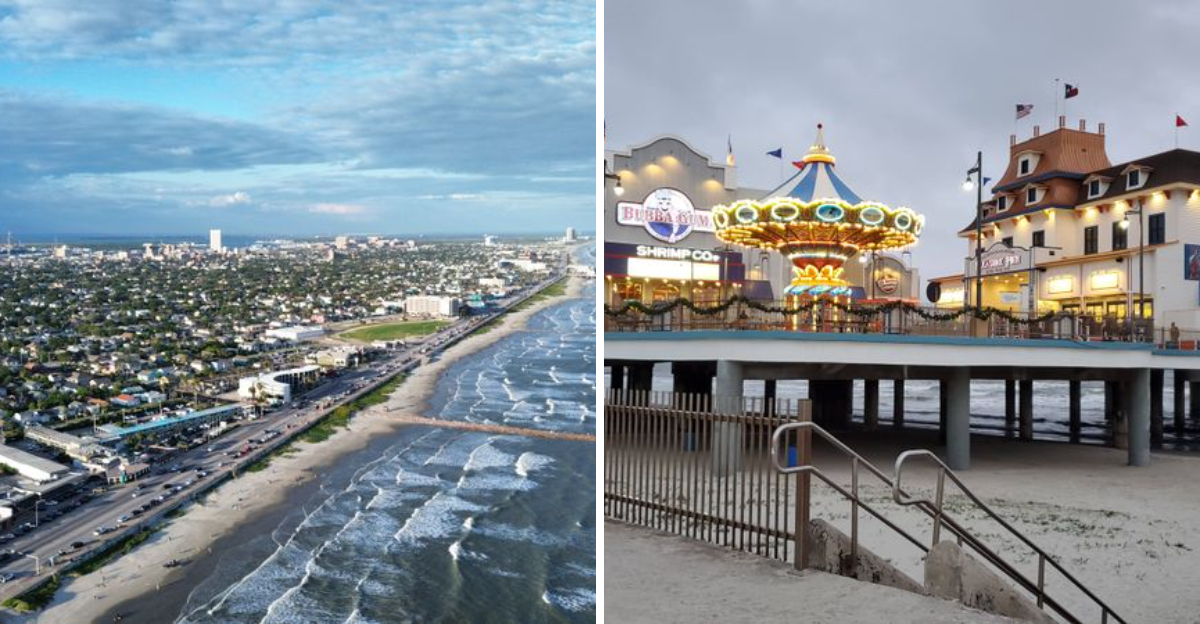
The Texas Gulf Coast stretches over 350 miles, dotted with charming beach towns that have long attracted visitors seeking sun, sand, and seafood.
Over recent decades, tourism has transformed these coastal communities in ways both remarkable and challenging.
Local residents have witnessed their hometowns evolve from quiet fishing villages into bustling destinations, bringing economic opportunities alongside concerns about preserving cultural identity.
Here’s what locals have to say about how tourism reshaped nine beloved Texas beach towns.
1. Port Aransas: From Fishing Village to Tourist Hub
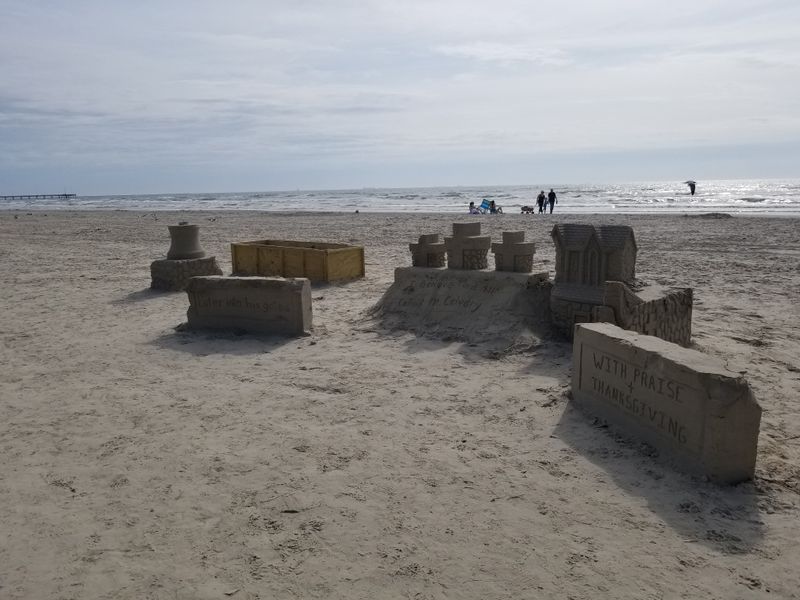
Generations of fishing families built Port Aransas into a close-knit community where everyone knew their neighbors and life moved at a peaceful pace.
Those days feel distant to longtime residents who now navigate bumper-to-bumper traffic during peak summer months.
What was once a sleepy village has transformed into a bustling tourist hub that strains under seasonal population surges.
Infrastructure designed for a small permanent population struggles to accommodate thousands of summer visitors.
Water pressure drops noticeably during busy weekends when vacation rentals operate at capacity.
Trash bins overflow regularly after particularly crowded weekends, creating sanitation challenges the town never faced before.
Beaches that locals once enjoyed in relative solitude now teem with tourists from Memorial Day through Labor Day.
Finding parking near favorite fishing spots has become a competitive sport.
Many residents simply avoid the beach entirely during high season, surrendering their own coastline to visitors.
The economic benefits of tourism cannot be denied, as restaurants, shops, and service businesses thrive during busy months.
Yet these gains come with tradeoffs that weigh heavily on permanent residents.
Some families who lived here for generations have relocated to quieter coastal areas.
Port Aransas stands at a crossroads between its fishing village heritage and its current identity as a tourist destination.
Community leaders face difficult decisions about managing growth while preserving quality of life for residents.
The fishing village charm that initially attracted visitors may be the very thing tourism threatens to erase.
2. South Padre Island: Environmental Challenges Amidst Growth

Pristine dunes and protected turtle habitats once made South Padre Island a naturalist’s paradise where wildlife thrived alongside a modest tourism industry.
Mass tourism has brought unprecedented environmental challenges that threaten the delicate ecosystems locals worked decades to protect.
Beach renourishment projects now combat erosion caused partly by increased foot traffic and aggressive coastal development.
Spring Break transforms the island into a party destination that leaves lasting scars on the environment.
Thousands of college students descend annually, leaving behind mountains of trash that take weeks to clean.
Local conservation volunteers spend countless hours restoring beaches after these events, a task that grows more daunting each year.
Wildlife sightings that once defined the South Padre experience have become increasingly rare.
Longtime residents remember spotting rare birds and sea turtles regularly during morning walks.
Today, natural habitats shrink as development pushes further into previously untouched areas, displacing creatures that called this island home.
The tension between economic growth and environmental preservation grows more pronounced with each passing season.
Tourism dollars fund local services and provide employment, creating genuine benefits for the community.
However, many residents question whether short-term gains justify long-term environmental costs.
Conservation groups work tirelessly to implement sustainable tourism practices that might preserve what remains of the island’s natural beauty.
Education programs teach visitors about protecting dunes and respecting wildlife habitats.
Whether these efforts can reverse current trends remains uncertain as development pressure continues mounting.
3. Galveston: Historic Charm Amidst Cruise Expansion
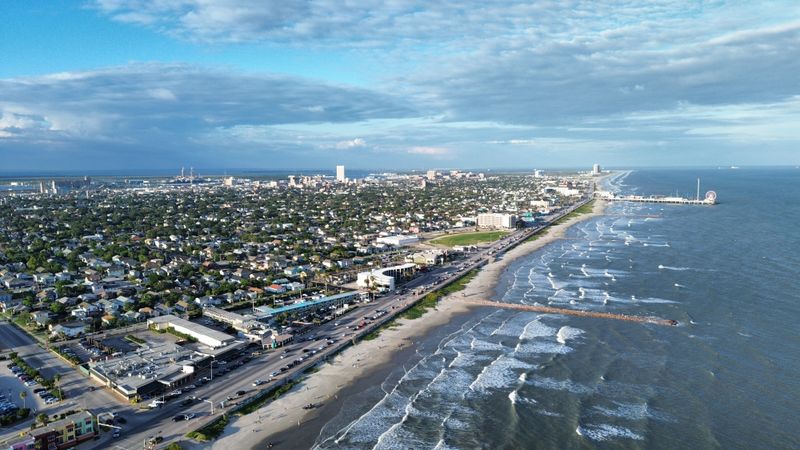
Victorian mansions and historic streetscapes once defined Galveston’s identity as a coastal gem where history breathed through every corner.
Today, massive cruise ships tower over the beloved Strand District, casting shadows that symbolize a dramatic shift in the town’s character.
Local fishermen who spent generations working these waters now find themselves sharing space with jet skis, parasailing tours, and throngs of day-trippers.
Housing costs have climbed steeply as investors snap up family homes and convert them into vacation rentals.
Longtime residents struggle to afford neighborhoods where their families lived for decades.
The transformation hasn’t gone unnoticed by those who call Galveston home.
The cruise industry brings undeniable economic benefits, filling hotels and restaurants with customers year-round.
However, many residents question whether these gains justify the cultural costs.
Quiet mornings on the seawall have become rare as tourism operates at full throttle most seasons.
Balancing historic preservation with modern tourism demands remains Galveston’s greatest challenge.
Locals hope future development will honor the architectural heritage and maritime traditions that define their community.
The question remains whether Galveston can maintain its soul while embracing its role as a major tourist destination.
4. Rockport: Post-Hurricane Transformation
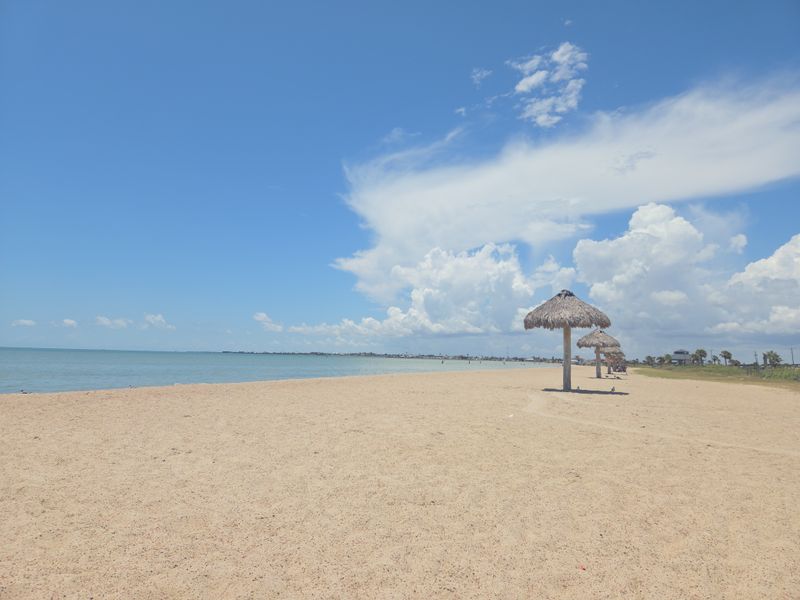
Hurricane Harvey’s devastation in 2017 destroyed much of Rockport’s historic character, leaving a community reeling from catastrophic losses.
The rebuilding process attracted developers who saw opportunity where residents saw tragedy.
Luxury condos and upscale resorts now occupy spaces where modest fishing cabins once stood, fundamentally altering the town’s identity.
Many original residents couldn’t afford to rebuild their damaged homes or found themselves priced out during reconstruction.
Property values skyrocketed as investors from Houston and San Antonio purchased waterfront lots.
The new Rockport increasingly caters to wealthy weekenders rather than the working-class families who built this community.
Local artist Marian Fitzpatrick, whose family has called Rockport home for four generations, captures the sentiment many share.
She laments that while structures were rebuilt, the soul of the community remains missing.
The intangible qualities that made Rockport special proved impossible to reconstruct alongside buildings.
Walking through downtown today feels different to those who remember pre-Harvey Rockport.
Boutique shops and trendy restaurants replaced the unpretentious establishments that served locals for decades.
The transformation happened so rapidly that longtime residents sometimes feel like strangers in their own town.
Economic recovery brought jobs and investment that helped the community survive financially.
Yet prosperity came at a cultural cost that many residents never anticipated.
Rockport’s story illustrates how natural disasters can accelerate tourism-driven changes, leaving communities forever altered in ways both visible and invisible.
5. Crystal Beach: Overcrowded Shoreline
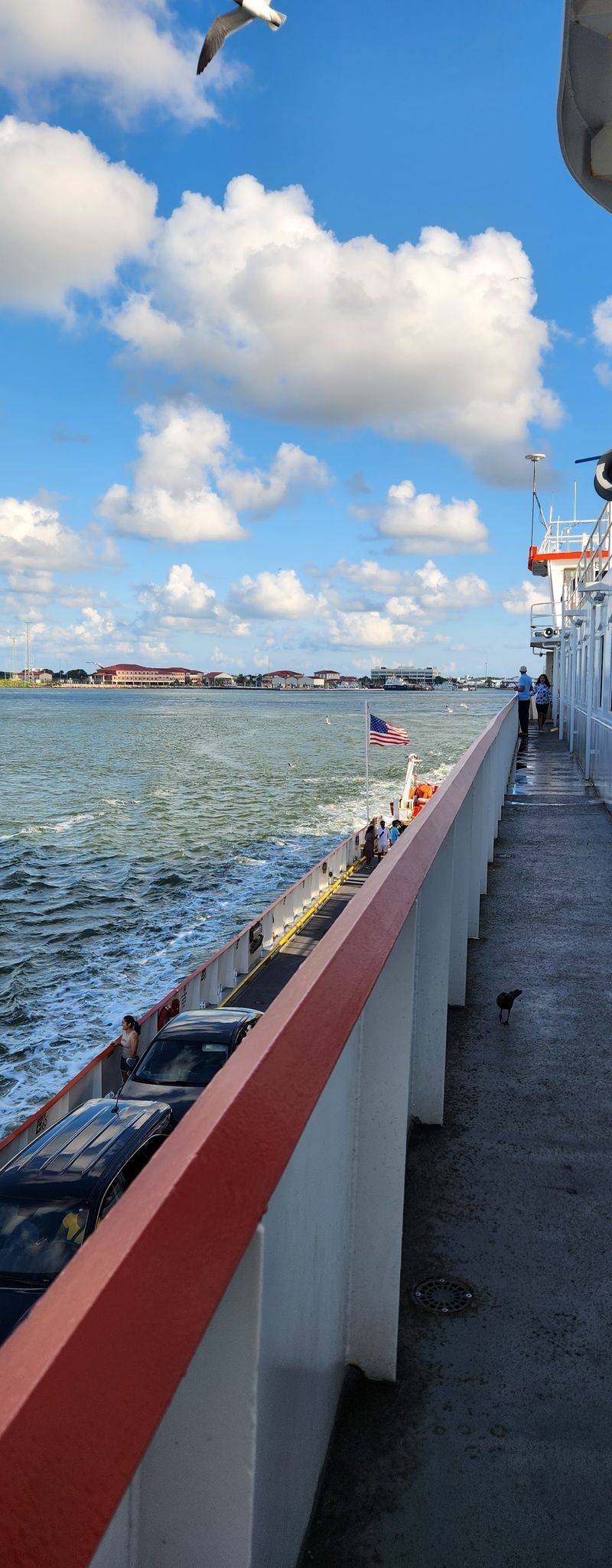
Families once spread blankets across Crystal Beach’s peaceful shoreline, enjoying uncrowded spaces where children could play freely.
Hurricane Ike’s destruction in 2008 marked a turning point that forever changed the character of this Bolivar Peninsula community.
The rebuilding process attracted different types of development that prioritized tourist accommodations over residential charm.
Massive beach houses on stilts now dominate the landscape, towering structures designed to sleep 20 or more people.
Many function as party rentals that bring rowdy weekend crowds rather than the quiet families who once vacationed here.
The architectural transformation reflects a broader shift in who Crystal Beach serves and welcomes.
Weekend traffic jams on Highway 87 have become legendary among frustrated locals.
A quick grocery run can turn into a two-hour ordeal when tourist traffic clogs the peninsula’s main artery.
Residents plan their lives around avoiding peak travel times, a constraint they never imagined necessary.
Beach access points become so congested during summer weekends that many residents simply stay home.
They’ve effectively surrendered their own beaches, unable to compete with the crowds for parking and space.
This represents a profound loss for people who moved here specifically for beach access.
The economic benefits of tourism flow primarily to property owners and rental companies rather than average residents.
Meanwhile, locals bear the costs of overcrowding, infrastructure strain, and diminished quality of life.
Crystal Beach’s transformation raises questions about whether communities can grow too quickly for their own good.
6. Corpus Christi: Vanishing Local Businesses
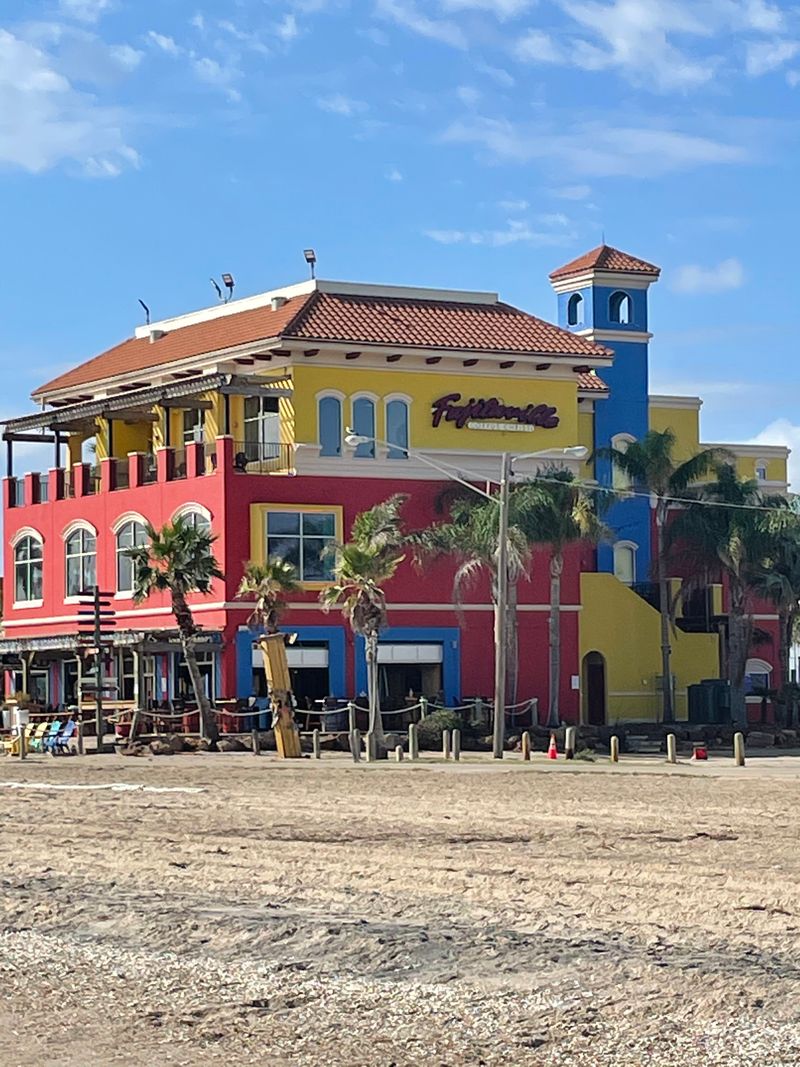
Family-owned shops that served Corpus Christi residents for decades are disappearing at an alarming rate, replaced by chain restaurants and souvenir stores.
The authentic Tex-Mex restaurant where generations celebrated quinceañeras and anniversaries is now a t-shirt shop selling mass-produced beach merchandise.
Each closure represents not just a business loss but the erasure of community memory and tradition.
Downtown struggles with an identity crisis as developers focus exclusively on waterfront attractions for tourists.
Amenities that once served locals have given way to businesses catering to visitors who spend a few hours before moving on.
The shift leaves permanent residents feeling like their needs matter less than tourist dollars.
Parking has become such a nightmare that many residents avoid downtown entirely during peak tourist season.
They’ve effectively surrendered parts of their own city to out-of-towners.
This represents a fundamental change in how locals interact with their community’s central district.
The charm that once defined downtown Corpus Christi came from its authenticity and connection to local culture.
Generic tourism development strips away these unique qualities, making downtown indistinguishable from countless other beach destinations.
Residents mourn the loss of character more than any individual business.
Economic development officials tout increased tourism revenue as proof of success.
However, many locals question who truly benefits from this growth.
Property owners and chain corporations profit while longtime residents lose the neighborhood businesses that once anchored their community, creating prosperity that feels hollow to those watching their city transform into something unrecognizable.
7. Port Isabel: Fishing Heritage Under Threat
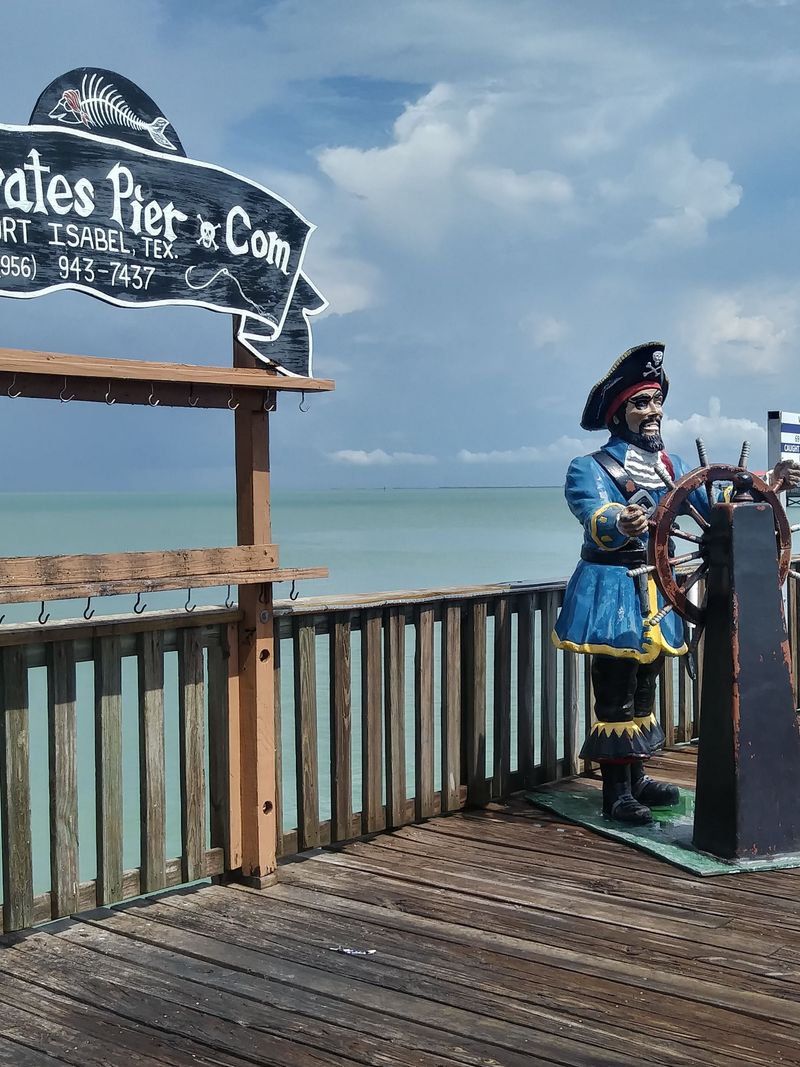
Shrimping boats defined Port Isabel’s identity for generations, their presence in the harbor symbolizing a community built on maritime traditions.
Today, many fishing families have sold their vessels as commercial fishing becomes economically unsustainable.
Rising costs and increasing competition from tourism-related industries make it nearly impossible for traditional fishermen to survive.
The historic lighthouse that once guided fishermen safely home now primarily serves as a backdrop for tourist selfies.
Its purpose has shifted from functional navigation aid to photogenic tourist attraction.
This transformation mirrors the broader changes sweeping through Port Isabel’s waterfront.
Waterfront property that housed fish markets and processing facilities has been converted to upscale restaurants and boutiques.
The sights and smells of a working fishing community have given way to sanitized tourist experiences.
Visitors can now purchase expensive seafood dinners where fishermen once unloaded their daily catches.
A community that measured prosperity by the day’s catch now measures it by hotel occupancy rates and souvenir sales.
This shift represents more than economic change.
It reflects a fundamental transformation in Port Isabel’s identity and values.
Older residents remember when fishing skills passed from generation to generation, preserving knowledge and tradition.
Today’s young people pursue careers in hospitality and tourism rather than following family members onto boats.
The fishing heritage that shaped Port Isabel for over a century faces an uncertain future as tourism continues reshaping the community’s economic foundation and cultural identity in ways that cannot be easily reversed.
8. Freeport: Industrial-Tourism Tug-of-War
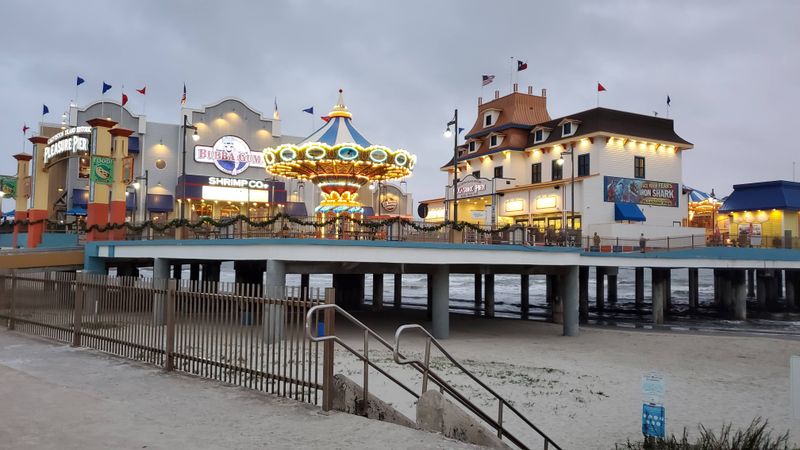
Freeport’s beaches never won beauty contests along the Texas coast, but locals appreciated their understated charm and blessed lack of crowds.
The town’s industrial past kept it off tourist radar for decades, something residents considered a blessing rather than a curse.
They enjoyed their beaches without fighting for parking or dodging beach volleyball tournaments.
Recent marketing efforts aim to rebrand Freeport as a budget-friendly alternative to pricier destinations like Galveston.
These campaigns have brought mixed results and divided community opinion.
Some welcome the economic opportunities while others resent the intrusion into their quiet way of life.
New developments clash visibly with the working-class character that defined Freeport for generations.
Modest beach houses now share streets with vacation rental properties designed to maximize occupancy.
The architectural mismatch reflects deeper tensions about the community’s future direction.
Longtime resident James Morales expressed what many neighbors feel about the changes.
They weren’t looking to become a tourist town and liked their community exactly as it was.
This sentiment captures the frustration of people who never asked for tourism but now must adapt to its presence.
Freeport’s situation differs from other Texas beach towns because tourism arrived as a deliberate strategy rather than organic growth.
City officials actively pursued visitors, creating tension with residents who valued their town’s obscurity.
The industrial-tourism tug-of-war continues as Freeport negotiates between economic development and preserving the unpretentious character that longtime residents cherish and fear losing forever.
9. Surfside Beach: Eroding Community Bonds
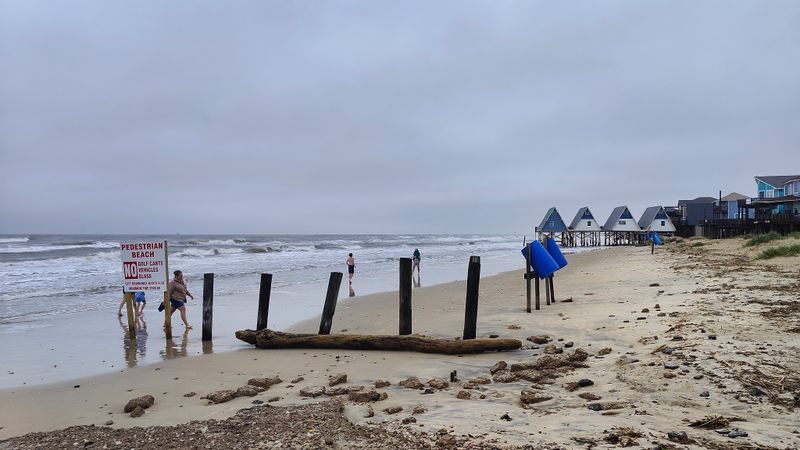
Neighbors once gathered for impromptu barbecues while kids played freely throughout Surfside Beach’s tight-knit community.
Everyone knew everyone, creating the small-town atmosphere that made this coastal enclave feel like an extended family.
Those spontaneous connections that defined daily life have largely disappeared as tourism reshaped the social fabric.
Many homes now sit empty during weekdays, owned by absentee landlords from Houston and beyond.
The influx of weekend visitors has fractured community connections that took decades to build.
Permanent residents find themselves surrounded by strangers who arrive Friday evening and depart Sunday afternoon.
Beach access points that locals enjoyed for generations now feature parking meters and restrictions.
Residents must pay to access their own beaches, a development that feels particularly insulting.
The commodification of public space symbolizes broader changes in how Surfside operates.
Noise complaints have skyrocketed as vacation rentals host late-night parties that disturb sleeping neighbors.
The peaceful evenings residents once enjoyed have given way to unpredictable disturbances.
Police spend increasing time mediating conflicts between permanent residents and temporary visitors.
The small-town atmosphere that made Surfside special feels increasingly like a fading memory to longtime residents.
Some locals now cynically refer to their community as Houston’s weekend playground.
This bitter humor masks genuine grief over losing the tight-knit bonds that once defined Surfside Beach as a place where neighbors became family and everyone looked out for each other.
Dear Reader: This page may contain affiliate links which may earn a commission if you click through and make a purchase. Our independent journalism is not influenced by any advertiser or commercial initiative unless it is clearly marked as sponsored content. As travel products change, please be sure to reconfirm all details and stay up to date with current events to ensure a safe and successful trip.
