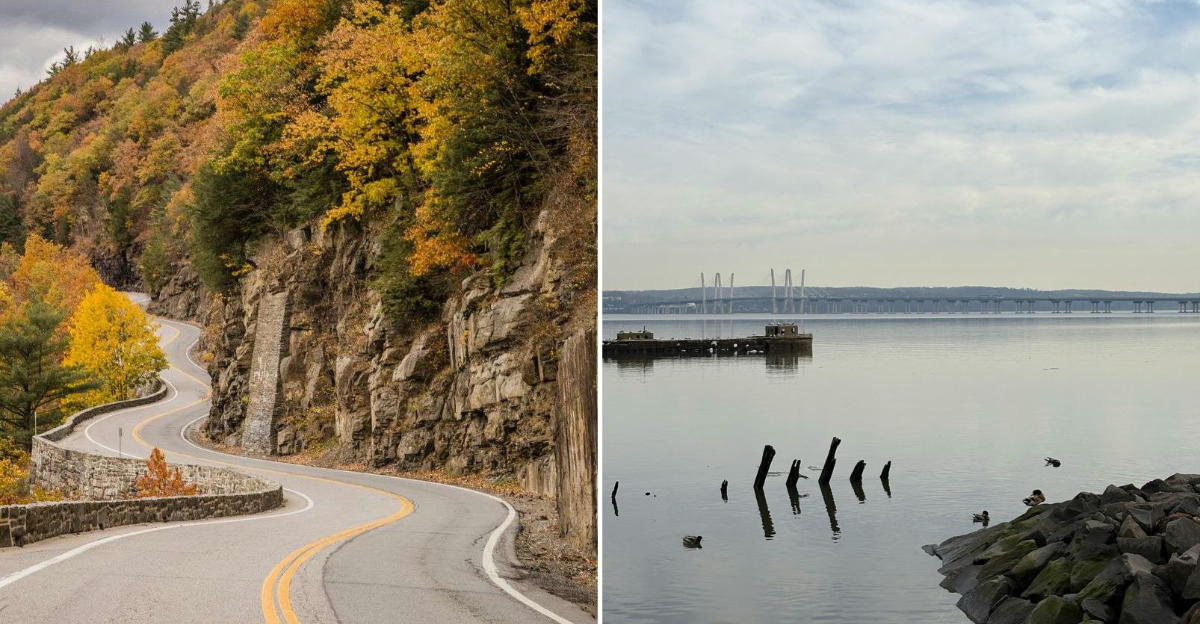
Ever wonder what really happens to small towns when tourists show up in big numbers? The Hudson Valley in New York is a perfect example.
On the surface, it looks like a win-win: visitors get charming villages, farm-to-table restaurants, and river views, while locals benefit from the extra business.
But if you spend some time here, you’ll notice tourism changes more than just the economy.
It shapes daily life in ways both obvious and subtle. Locals often talk about how weekends feel different, with streets busier and shops packed.
Some love the energy, while others miss the quieter pace. Tourism also influences what kinds of businesses open, what events get hosted, and even how neighborhoods evolve.
I’ve seen towns adjust their identity to match what visitors expect, sometimes at the cost of traditions that used to define them.
So what makes tourism such a powerful force in Hudson Valley towns? Let’s find out.
1. Weekend Crowds Redefine Small-Town Pace
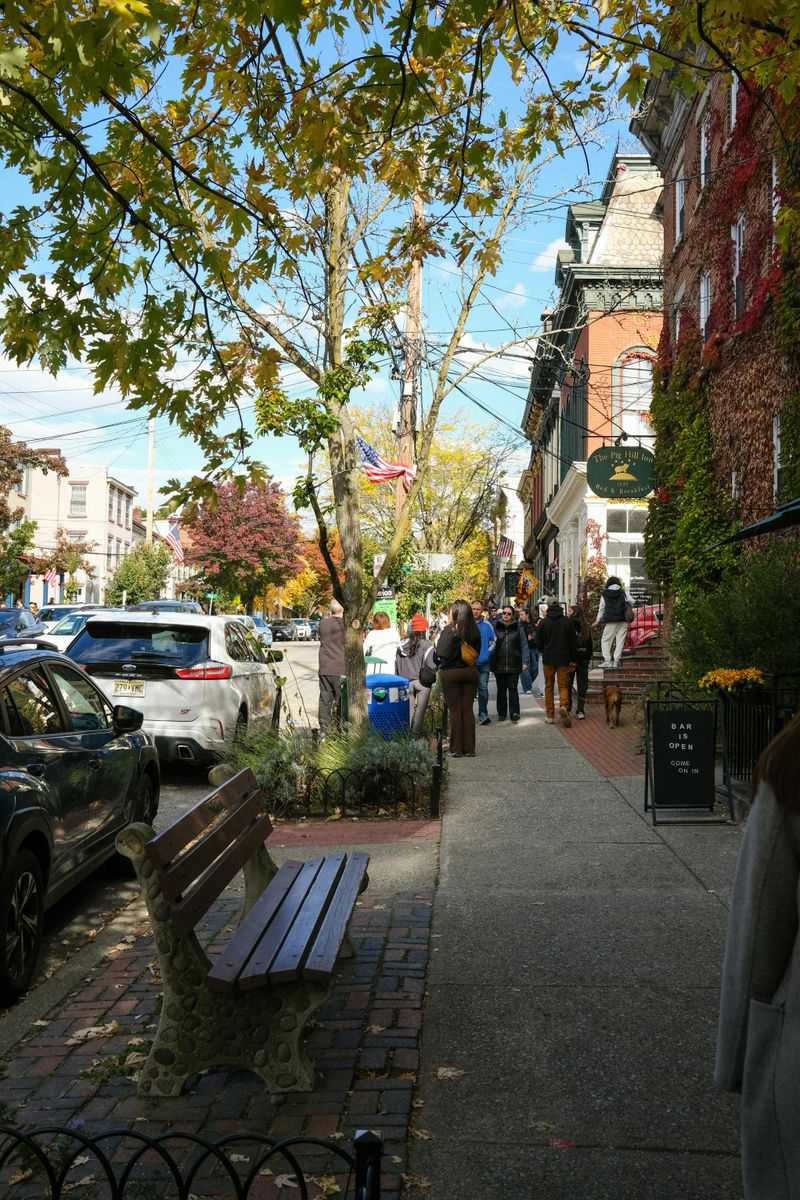
You know that feeling when a place flips a switch? In Cold Spring, New York, the quieter weekday rhythm shifts the moment trains roll in from the city.
Sidewalks swell, conversations rise, and even the breeze seems to carry more footsteps.
Locals plan around it with a kind of friendly strategy. Groceries and post office runs happen early or midweek, because Saturdays move fast and parking gets competitive.
It is not bad, just different, like the town has two personalities that share the same zip code.
The weekend pulse brings money that keeps shops lively through the year. It also changes how people use public spaces, from the riverfront to the trailheads.
I like the energy, but I also like the quiet lull that returns when the last train leaves and the lights blink softer.
Walking past the depot, you can trace this pattern in real time.
Kids lean on railings, couples study maps, and residents duck down side streets to beat the rush.
It is a dance that repeats every week, familiar and still surprising, and you feel it in your stride.
2. Main Streets Pivot Toward Visitor Spending
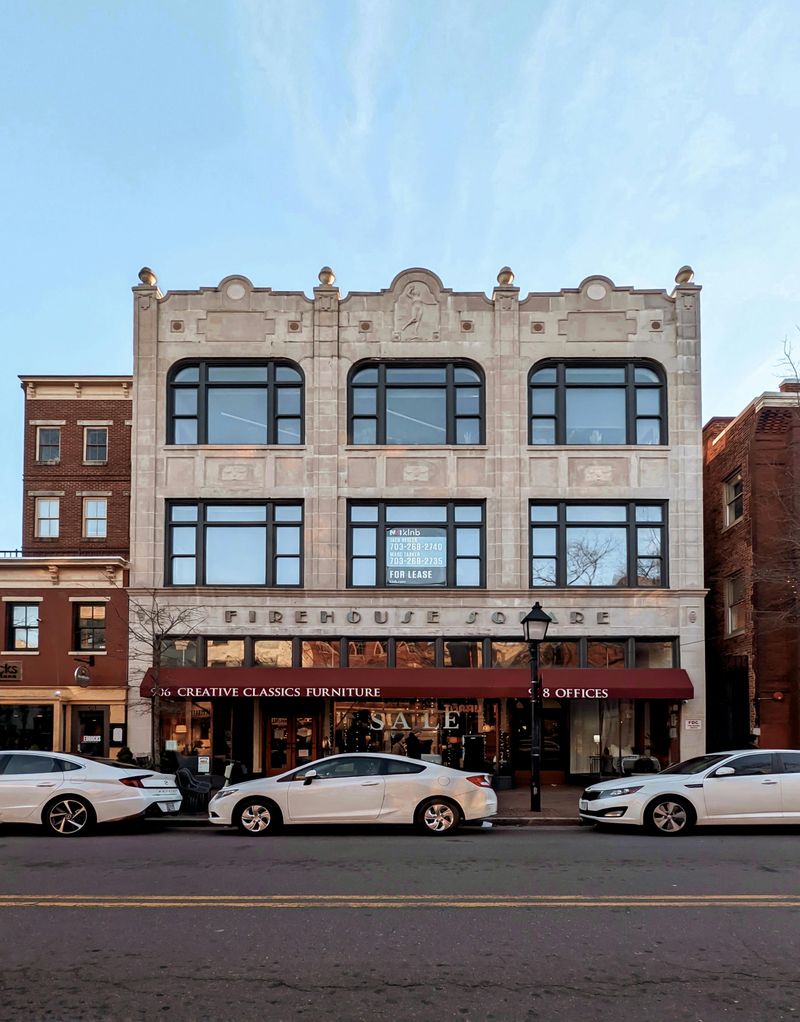
Walk Warren Street in Hudson and you catch the pivot right away.
Antique windows sparkle, curated signs lean into the breeze, and everyday errands take the long route.
The vibe is stylish and welcoming, with a steady hum that nudges you to wander one block more.
Tourism shifts the lineup of shops, swapping hardware aisles for design-forward spaces. Sales tax bumps help town budgets, and the storefronts feel lively most days.
Still, some residents miss the quick-stop convenience that used to sit closer to home.
I like browsing here, because the displays have a playful confidence. You can sense how owners tailor hours and inventory to weekend patterns and visiting tastes.
It is practical for business and also a clear sign of who is walking past the door.
This change is not a simple win or loss. It is a new balance that mixes economic momentum with daily trade offs for locals.
On my road trip, I kept noticing how main streets across the valley follow similar arcs, each with its own twist and tempo.
3. Housing Costs Rise With Short-Term Rentals
Beacon looks calm on a weekday morning, and yet housing feels tight. Short-term rentals have soaked up homes that might have held long leases, pushing prices up.
You can sense the squeeze when friends talk about moving farther out.
Tourism brings steady demand for weekend stays, so houses shift from neighbors to visitors. Hosts maintain tidy gardens and crisp paint, and the street looks postcard ready.
But young residents often feel edged out of the market they grew up knowing.
I do not think it is one villain or one fix. It is a complex mix of policy, income, and travel habits that amplifies every season.
You feel the result in conversations at the laundromat, where long-term plans start to wobble.
Driving through, you can see pride in porches and hedges, and also a quieter churn behind the scenes. Folks are trying to stay rooted while the ground moves.
That tension sits right alongside the view of the hills, and it shapes how Beacon breathes week to week.
4. Seasonal Swings Shape Local Employment
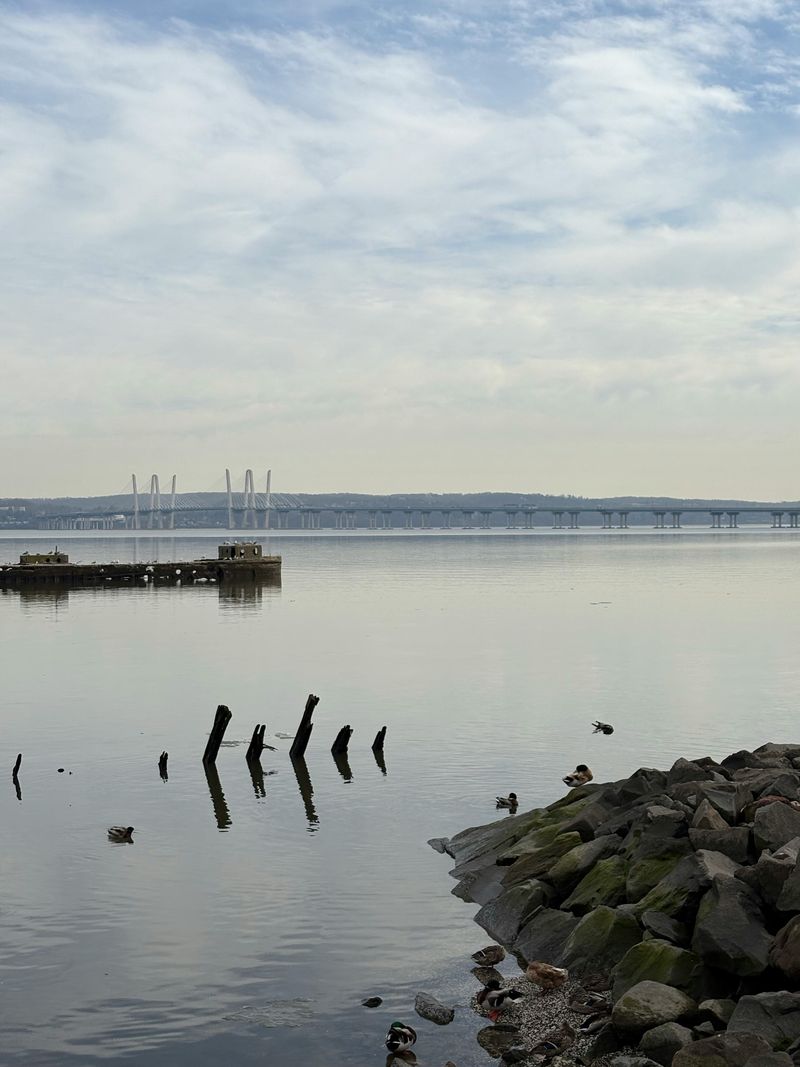
You notice the job boards first. Restaurants, inns, and galleries tape up help wanted signs when the air warms, then peel them down as winter settles in.
Hours stretch, then snap back, and workers juggle schedules like a puzzle.
Tourism lifts payrolls during peak months, which feels great when you are clocking steady shifts. The flip side is the slow season, where hours thin out and budgets tighten.
It is a pattern that rewards flexibility and a stash of side skills.
I chat with folks who work two roles throughout the year. Maybe retail when the leaf colors pop, then maintenance when the trails go quiet.
People adapt with creativity, and that resilience becomes its own local talent.
The rhythm is not doom or glory. It is more like a tide that you learn to read, with careful planning and a sense of humor.
Every town shares the same lesson, just with a slightly different beat and backdrop.
5. Restaurants Evolve From Local To Destination Dining
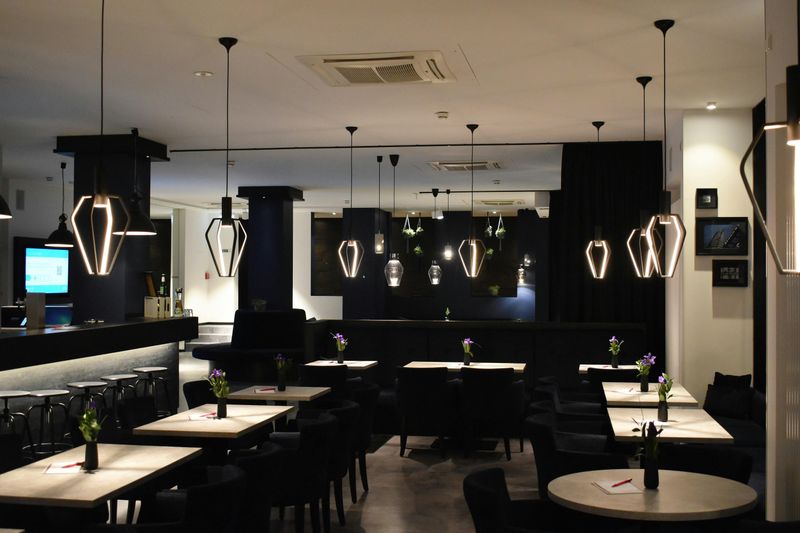
Pull up a chair in Hudson or Beacon and you can feel the shift. Rooms glow a little brighter, playlists lean crisp, and the service pace matches weekend buzz.
Places that once felt primarily local now host travelers who planned their trip around a table.
Menus tilt toward visitor tastes, presentation runs tighter, and reservations become part of the routine. It draws in curious diners and keeps the scene fresh.
Some longtime residents miss a simpler setup where you could stroll in without a plan.
I really like the energy when a space hums with conversation. You can learn a lot from the way a dining room moves and how staff calibrate the night.
That choreography often mirrors the calendar, with tourist cycles baked into the flow.
The result is a blend of pride and nostalgia. Towns gain spotlight moments, and kitchens secure year-round momentum.
Meanwhile, the quieter neighborhood spots keep their loyal crowd, holding down the weeknights with an easy, familiar glow.
6. Traffic Becomes A Quality-Of-Life Issue
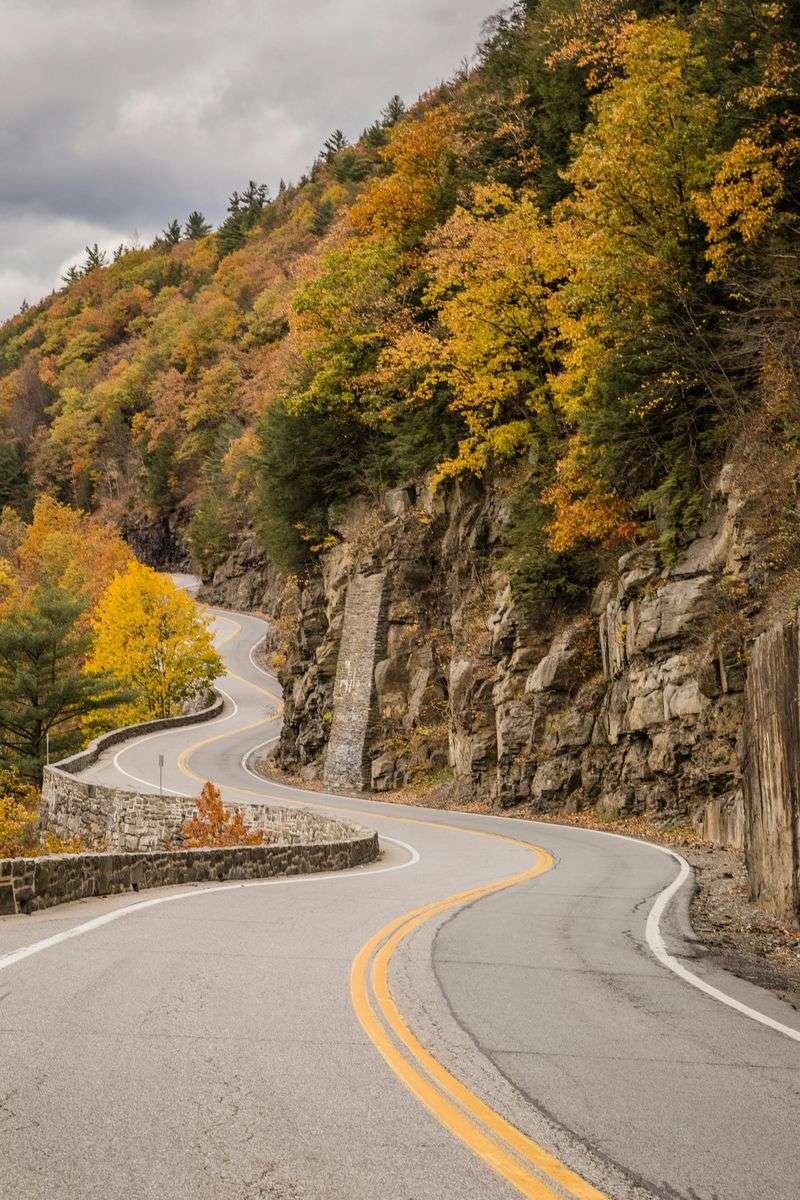
Narrow roads tell the story before the horns do. In towns near trailheads and waterfronts, cars stack up and side streets turn into patient queues.
Weekends stretch the seams of routes that were built for far less action.
Parking around train stations and historic sites becomes a sport of timing. Locals learn shortcuts that tourists do not know, and even then it is a coin toss.
I have looped the block more than once and laughed at my own optimism.
Towns respond with new signs, adjusted traffic flow, and sometimes fresh paint on crosswalks. It helps, but demand still swells on sunny days.
The key seems to be a mix of planning, enforcement, and gentle patience.
When I slow the car and lean into the pace, the stress drops. I notice porches, gardens, and the river flashing between rooftops.
The road becomes part of the trip, and the delays feel like reminders to look closer at where I am.
7. Outdoor Spaces Absorb Heavy Use
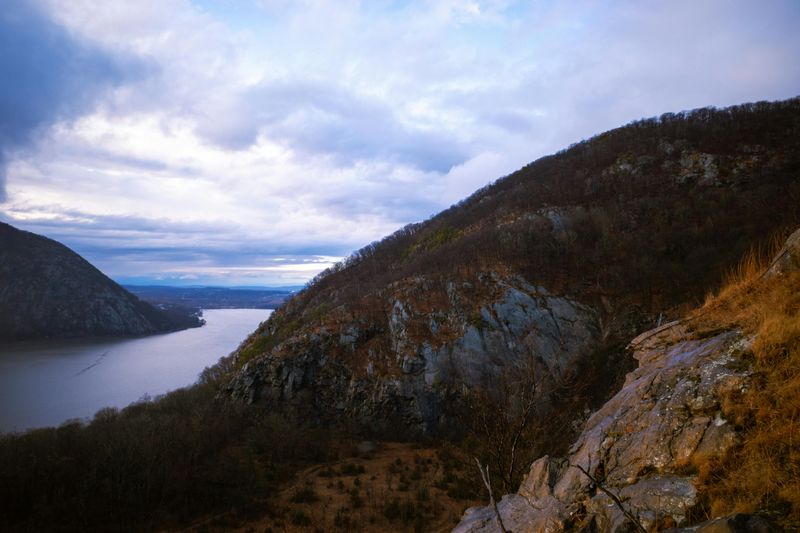
Trailheads around the valley fill early, and by midday you can hear gravel under constant boots. Scenic overlooks host a steady chorus of conversation and camera shutters.
The landscape is generous, but it shows the weight of attention.
Overuse means erosion, litter control, and more maintenance for towns and partners. New signs appear, fresh fencing guides footsteps, and volunteers rally to plant and repair.
Visitors chip in through fees and donations, which helps the loop stay strong.
I like watching how communities manage the flow without killing the magic. It takes thoughtful routes, clear maps, and friendly reminders at the right corners.
Most folks are respectful when the trail tells a simple story.
On quiet weekdays, you can hear the river and a woodpecker somewhere up the ridge.
Weekends change the soundtrack, but the view still does that roomy thing to your chest. That feeling is why people come, and it is worth protecting with care.
8. Cultural Identity Gets Marketed
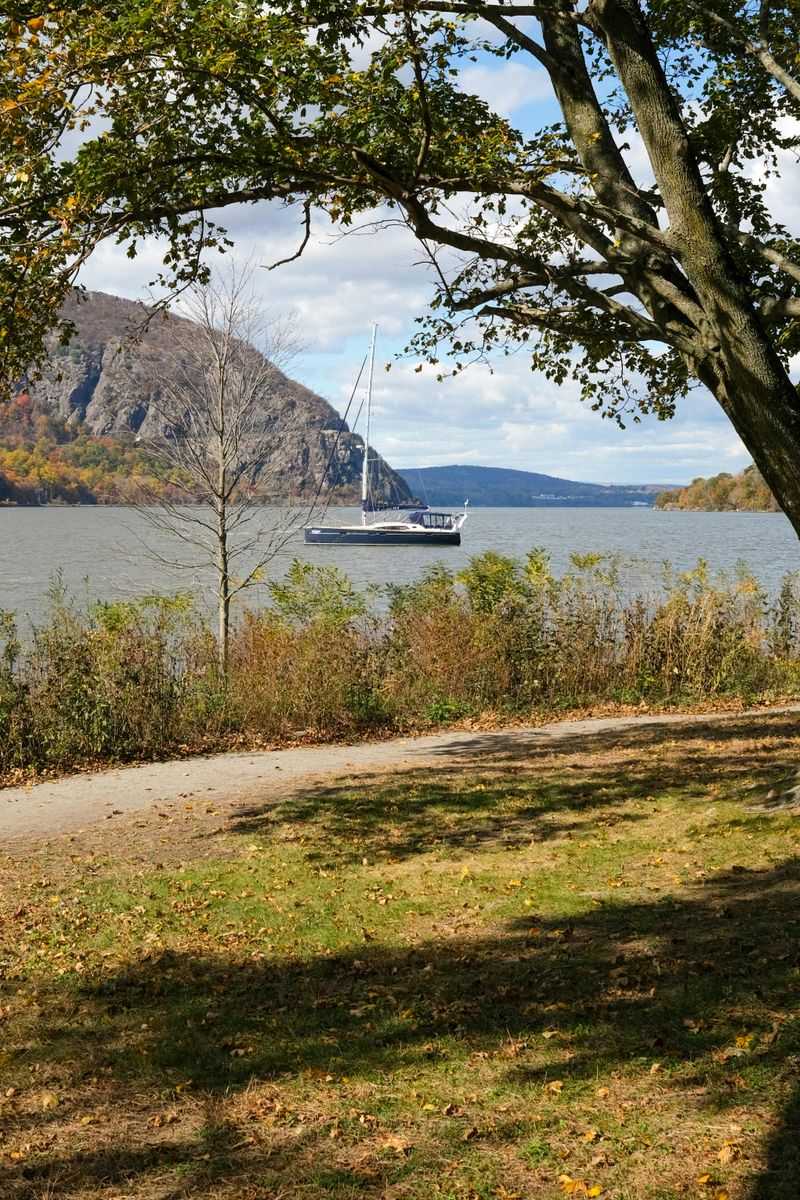
Local history and arts turn into calling cards when tourism ramps up. You see banners, gallery nights, and neat little maps that braid the story together.
It is fun to follow, and it pulls visitors deeper into the scene.
The catch is that branding can flatten complex stories. A town becomes a theme and the edges get sanded down.
Creatives benefit from visibility, while nuance has to work harder to be heard.
I like when a tour suggests detours that feel real. A mural with context, a small museum with honest captions, or a guide who loves the messy bits.
Those moments keep a place human and not just another postcard.
As I roll between towns, I keep the radio low and the windows open. You can sense how each place negotiates its image, one banner at a time.
It is marketing, sure, but it is also a living conversation on the street.
9. Second-Home Ownership Changes Neighborhoods
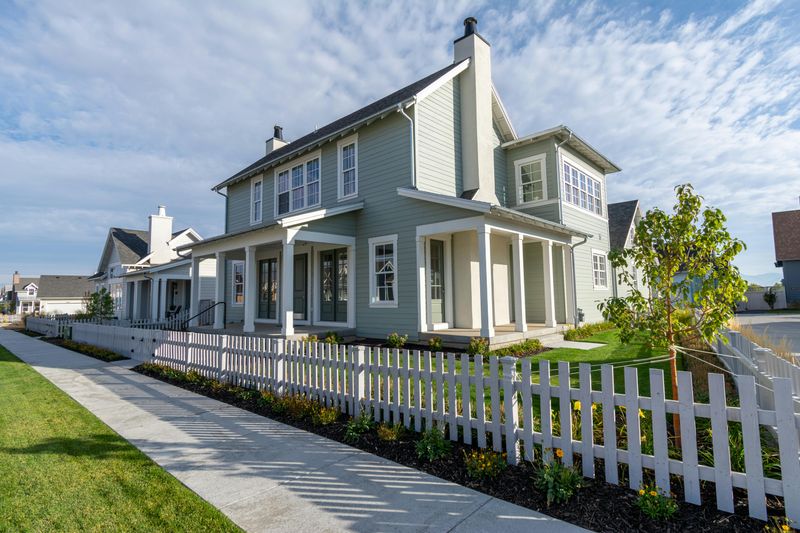
Some streets feel oddly calm during the week. Then Friday rolls in and porch lights flicker on as second-home owners arrive.
The neighborhood shifts from hush to hello in a few hours.
This pattern changes how people connect. Schools and volunteer groups feel the dip when weekday participation thins.
Weekend presence is warm, just shorter, and it leaves gaps that used to fill differently.
I do not judge it so much as notice the texture. Lawns look great, renovations sparkle, and property values hold steady.
Yet the daily web of favors and small chats softens at the edges.
When you walk at dusk, you hear crickets and one conversation drifting over a fence. On Sunday night, the road grows quiet again, like a curtain falling.
It is a different kind of community, still friendly, shaped by a schedule and a suitcase.
10. Infrastructure Spending Follows Visitor Patterns
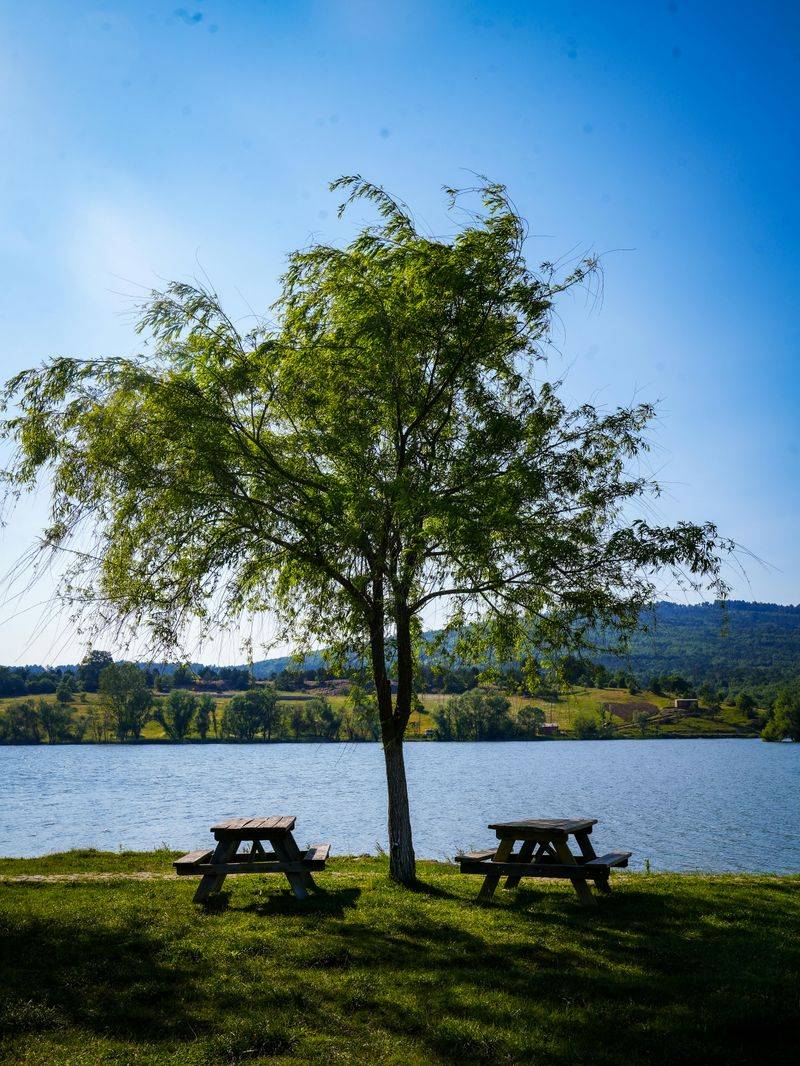
Public money often follows the buzz. Waterfronts get fresh pavers, new benches, and confident wayfinding that brings you right to the view.
The effect is lovely, and it signals welcome from a block away.
Meanwhile, quieter residential streets might wait longer for resurfacing or lighting fixes. It is a subtle tilt that matches where feet actually land.
I get why it happens, because first impressions matter when a town relies on visitors.
What helps is transparency and a plan that cycles benefits. When the promenade shines, the surrounding blocks should feel the glow soon after.
That ripple keeps residents on board and spreads pride around.
I like strolling these improved paths at sunset. The river holds the light and the signs steer you just enough without shouting.
It feels good, and it also reminds me to wonder which street gets love next.
11. Local Voices Compete With Outside Influence
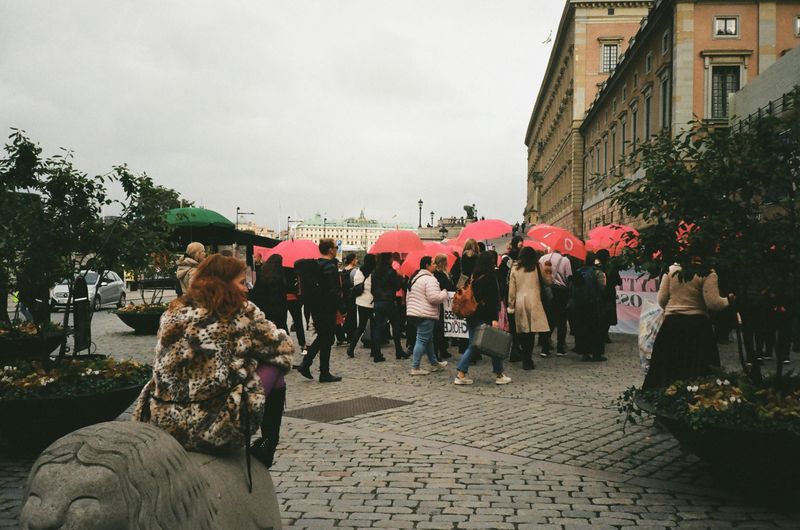
Public meetings get lively when new expectations arrive with new neighbors. Zoning, design rules, and trail access all pull strong opinions into the same room.
You can feel the mix of hope, worry, and genuine care.
Longtime locals carry memories of how things were built and why. New residents bring ideas from other places and see possibilities everywhere.
The conversation can stretch late, but most folks want the town to feel like itself.
I like when someone asks a simple question that clears the air. It is rarely a win or loss, more like a steady shaping of priorities.
The result shows up in the details that frame daily life.
Driving out afterward, the parking lot empties slow. People say good night with that small town nod that counts for more than it looks.
The debate continues, sure, but so does the care that keeps these places sturdy.
12. Off-Season Feels Like A Different World
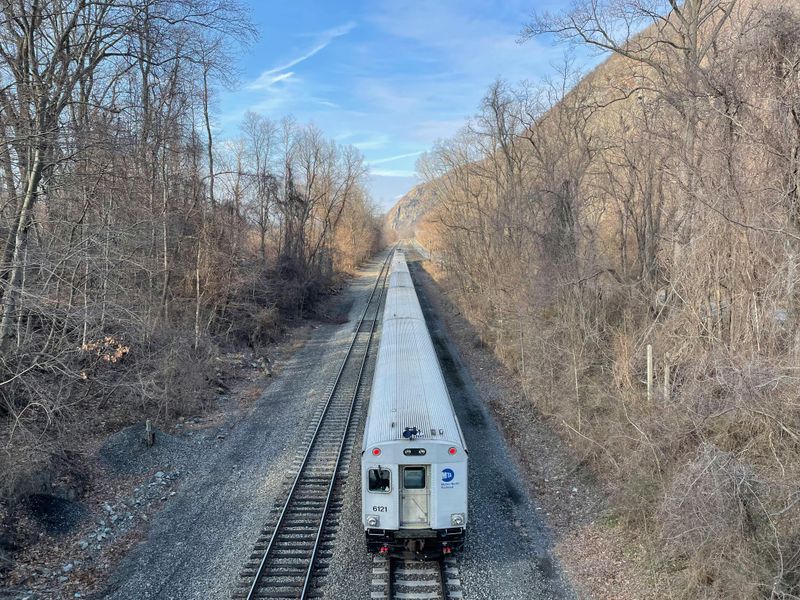
Winter slides in and the volume drops. Streets turn gentle, shop hours shorten, and you can hear your boots on the sidewalk.
Locals linger a little longer at the counter and chat without a clock.
This is the version many residents love. It feels roomy, reflective, and familiar in a way summer rarely allows.
You notice details that get lost when the pace runs hot.
I like taking slow drives past the river when the air bites. The water looks steel calm and the hills rest.
Towns breathe deeper, and planning for the next rush starts quietly in the background.
When spring returns, the dial turns up again and the cycle repeats. Tourism shapes the contrast as much as the growth.
Both seasons matter, and living here means learning to appreciate the swing.
