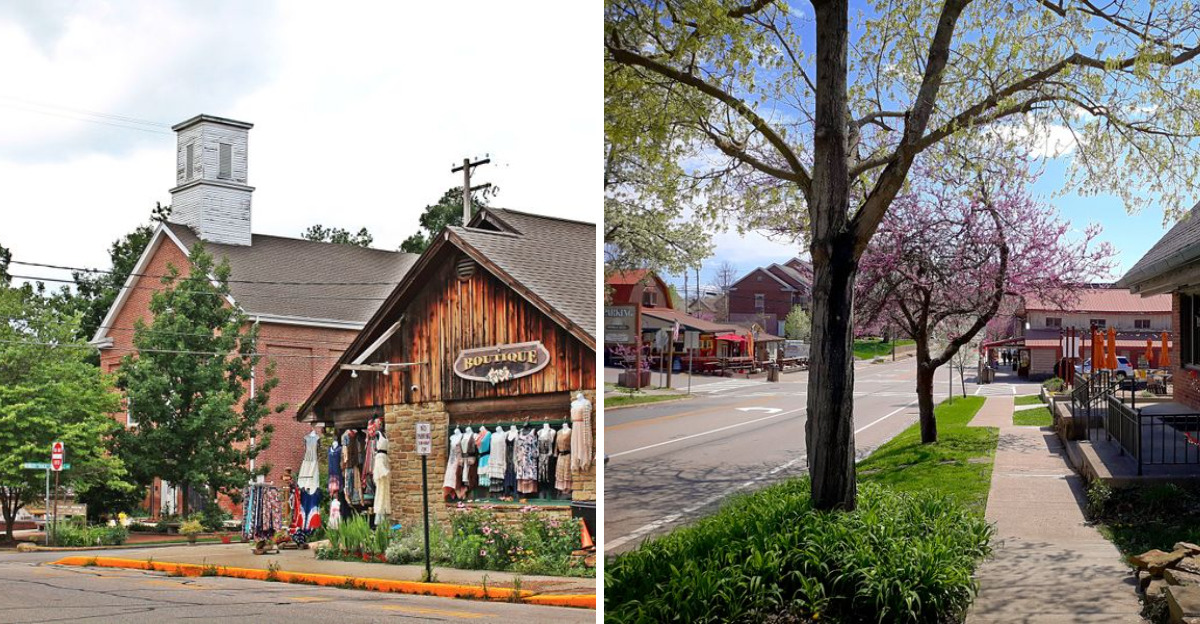
Nashville, Indiana used to be the kind of place where you could drive down Main Street without hitting a single stoplight or worrying about finding parking. Locals knew every face, every shop, and every quiet corner of this Brown County town.
But something shifted over the past few decades. Tourism exploded.
What started as a trickle of curious visitors coming to admire fall foliage and local art turned into a flood of weekend warriors, leaf peepers, and Instagram hunters. Now, the streets are packed bumper to bumper, especially during October.
The charm that once made Nashville a peaceful retreat has become its biggest challenge. Traffic jams stretch for miles.
Parking lots overflow before noon. Residents struggle to run errands or get to work on time.
The infrastructure built for a small town simply cannot handle the crush of tourists descending every weekend. It is a traffic nightmare that grows worse each year, and locals are feeling the strain.
Fall Foliage Season Brings Endless Gridlock
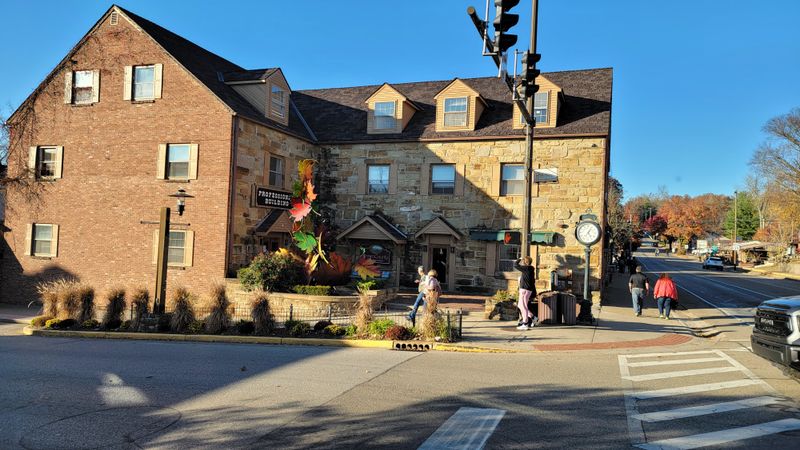
October in Nashville means one thing: absolute chaos on the roads. Brown County is famous across the Midwest for its stunning fall colors, and thousands of visitors flock here every autumn weekend to witness the spectacle.
The problem is that everyone shows up at the same time, clogging State Road 46 and State Road 135 with bumper-to-bumper traffic that can stretch for miles.
Locals who need to get groceries or drive to work find themselves trapped in their own town. What should be a five-minute drive to the store turns into a 30-minute ordeal.
The two-lane roads were never designed to handle this volume of vehicles, and there are no alternate routes that bypass the congestion.
Brown County State Park, located at 1405 State Road 46 East in Nashville, is a major draw during fall. Visitors come to hike the trails and snap photos of the vibrant reds, oranges, and yellows blanketing the hills.
But the park entrance becomes a bottleneck, with cars lined up trying to get in while others are trying to leave.
The town center is equally overwhelmed. Van Buren Street and Main Street become parking lots themselves, with tourists circling endlessly looking for a spot.
Local businesses benefit from the influx, but residents pay the price in frustration and lost time.
Some families have started planning their errands around tourist schedules, avoiding weekends entirely.
Downtown Parking Shortage Creates Chaos
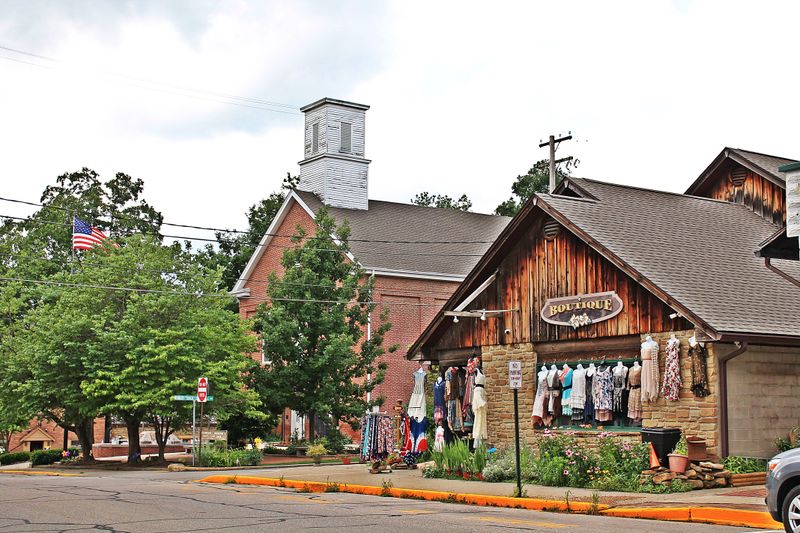
Finding a parking spot in downtown Nashville on a busy weekend feels like winning the lottery. The town has limited parking infrastructure, with only a handful of small lots and street parking along Van Buren Street and Main Street.
When tourists arrive by the thousands, those spots fill up within minutes of shops opening.
Visitors circle the same blocks over and over, creating additional traffic congestion as they hunt for an open space. Some resort to parking illegally on side streets or in areas marked for residents only.
Others block driveways or park too close to intersections, making it dangerous for other drivers to navigate.
Local business owners near the Brown County Art Gallery at 1 Artist Drive have reported customers getting frustrated and leaving because they cannot find parking. The irony is that the town depends on tourism dollars, but the lack of parking infrastructure drives away the very visitors they need.
Residents who live downtown face their own struggles. Many have found strangers parked in their private driveways or blocking their garages.
Some have resorted to putting up signs or cones to protect their property, but tourists often ignore them in their desperation to find a spot.
The town has discussed building a multi-level parking structure, but the proposal has faced pushback from those who worry it would change the character of Nashville.
Tour Buses Block Narrow Streets
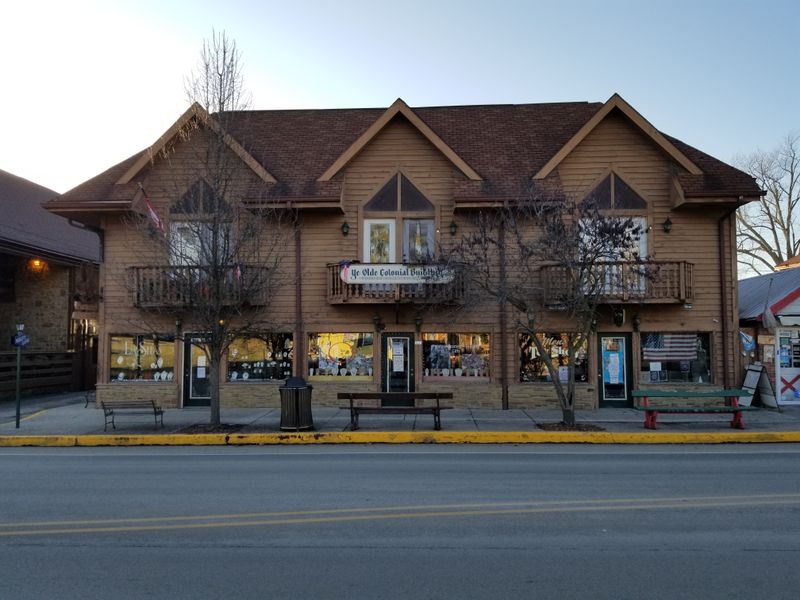
Nashville was built for horses and buggies, not massive tour buses. Yet during peak tourist season, these behemoths roll into town by the dozen, completely overwhelming the narrow streets and tight intersections.
A single tour bus can block an entire lane, forcing other traffic to squeeze around or wait until it moves.
The buses drop off groups of tourists near popular spots like the shops along Van Buren Street, then try to find somewhere to park or idle while their passengers explore. There is no designated tour bus parking area, so drivers make do with whatever space they can find, often blocking traffic flow or taking up multiple parking spots meant for cars.
Local drivers have learned to dread the sight of a tour bus ahead. These vehicles make wide turns, move slowly, and require significant clearance.
At intersections, they often have to swing into oncoming lanes to navigate corners, bringing traffic to a standstill. During busy weekends, it is not uncommon to see three or four tour buses trying to maneuver through downtown at once.
Residents have complained to town officials, but there is no easy solution. Banning tour buses would hurt local businesses that rely on group tourism.
Creating designated parking areas would require land and funding the town does not have. So the problem persists, with buses continuing to clog the streets.
The T.C. Steele State Historic Site at 4220 T.C.
Steele Road is another popular tour bus destination.
Pedestrians Ignoring Traffic Rules Add to Congestion
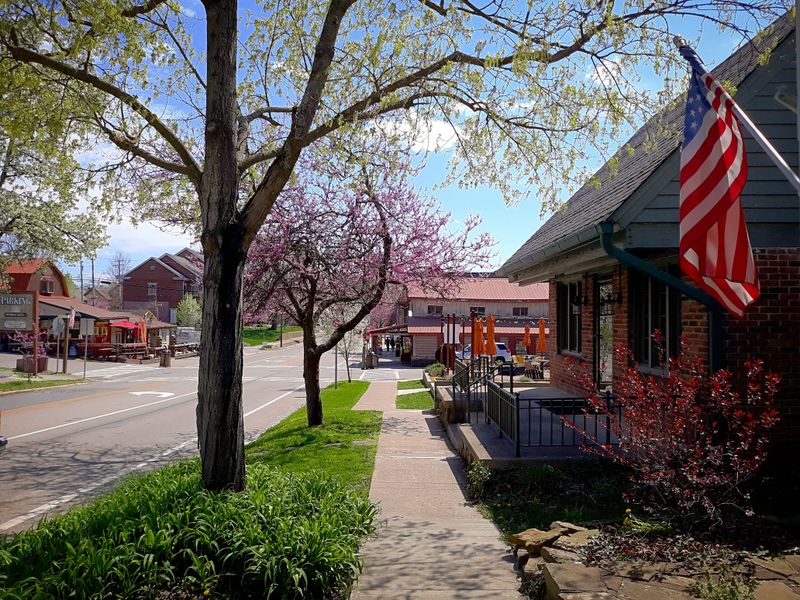
Tourists often treat Nashville like a theme park, wandering into streets without looking and crossing wherever they please rather than using designated crosswalks. This casual disregard for traffic rules creates dangerous situations and slows traffic to a crawl as drivers slam on brakes to avoid hitting pedestrians.
Van Buren Street and Main Street see the worst of it. Visitors dart between parked cars, step into traffic while looking at their phones, and cross mid-block with children in tow.
Drivers have to stay hyper-alert, never knowing when someone might step off the curb without warning.
The problem is compounded by the fact that Nashville has limited crosswalks and no traffic signals in the downtown area. The town was designed for a slower pace, when pedestrians and vehicles could coexist without formal controls.
But with thousands of tourists flooding in, that informal system has broken down.
Local drivers report frustration at having to stop repeatedly for groups of tourists who meander across the street, oblivious to the traffic they are blocking. What should be a quick trip through town turns into a stop-and-go nightmare, with pedestrians treating the road like a sidewalk.
Near the Brown County Playhouse at 70 South Van Buren Street, the situation is particularly bad.
Limited Road Infrastructure Cannot Handle Volume
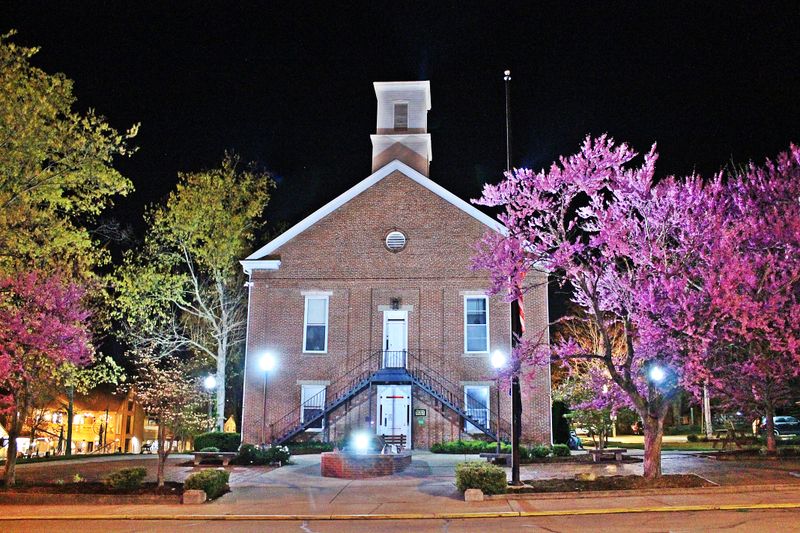
Nashville sits at the crossroads of State Road 46 and State Road 135, both two-lane highways that were built decades ago for light local traffic. Today, they serve as the main arteries funneling tens of thousands of tourists into Brown County every weekend.
The roads simply were not designed for this volume, and there are no realistic options for expansion.
State Road 46, which runs east-west through Nashville, is particularly problematic. It is the primary route for visitors coming from Indianapolis and Bloomington.
On fall weekends, traffic backs up for miles in both directions, with cars moving at a crawl or sitting completely stopped. There are no passing lanes, no shoulders to speak of, and few places to pull off.
State Road 135, running north-south, faces similar issues. It connects Nashville to Interstate 65, making it a major tourist corridor.
The road winds through hills and forests, with sharp curves and limited visibility. When traffic is heavy, it becomes a dangerous bottleneck, with impatient drivers attempting risky passes and accidents becoming more common.
Local officials have discussed widening the roads or adding turn lanes, but the costs are prohibitive and the terrain makes construction difficult. Brown County is heavily forested and hilly, which means any road project would require significant grading, tree removal, and environmental impact studies.
The town also prides itself on its natural beauty, and many residents oppose changes that would make the area feel more developed.
Special Events Cause Total Traffic Standstills
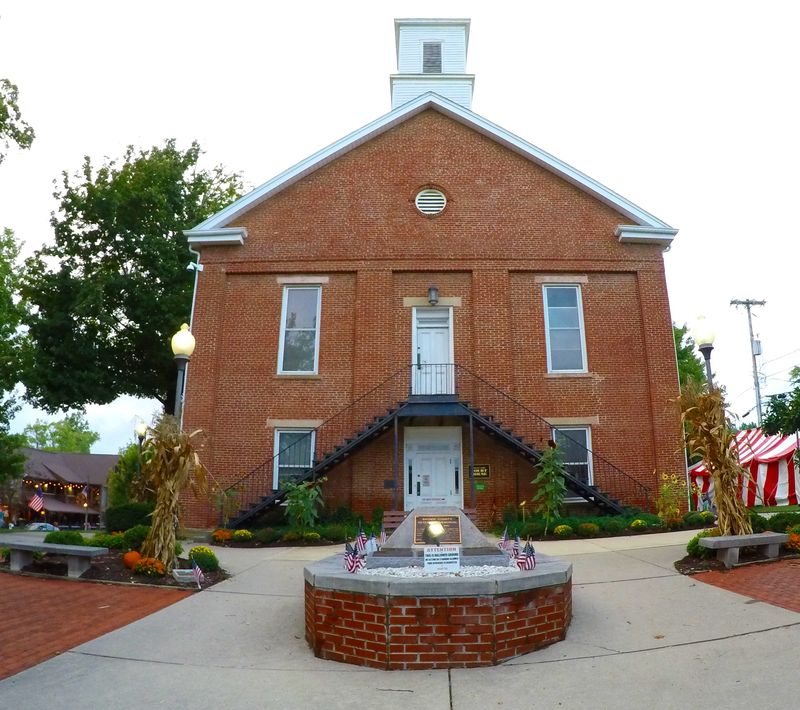
Nashville hosts numerous special events throughout the year, from art fairs to music festivals to holiday celebrations. While these events are great for local businesses and add to the town’s charm, they also bring traffic to a complete standstill.
On event days, getting anywhere near downtown becomes virtually impossible.
The Brown County Art Guild hosts several art fairs each year, drawing artists and collectors from across the region. These events take over downtown, with vendor tents lining the streets and pedestrians filling every available space.
Roads are often closed to accommodate the crowds, forcing drivers to take long detours or avoid the area entirely.
The annual Mushroom Festival and the Fall Foliage Festival are particularly notorious for creating traffic chaos. Thousands of visitors descend on Nashville for these multi-day events, overwhelming every aspect of the town’s infrastructure.
Hotels and bed-and-breakfasts are booked solid, restaurants have hour-long waits, and the roads are gridlocked from morning until night.
Local residents often feel like prisoners in their own town during these events. Running errands becomes an all-day affair, and many people simply stay home rather than deal with the hassle.
Emergency services have reported difficulty responding to calls during major events, as roads are blocked and detours add significant time to response times.
Out-of-Town Drivers Unfamiliar with Local Roads
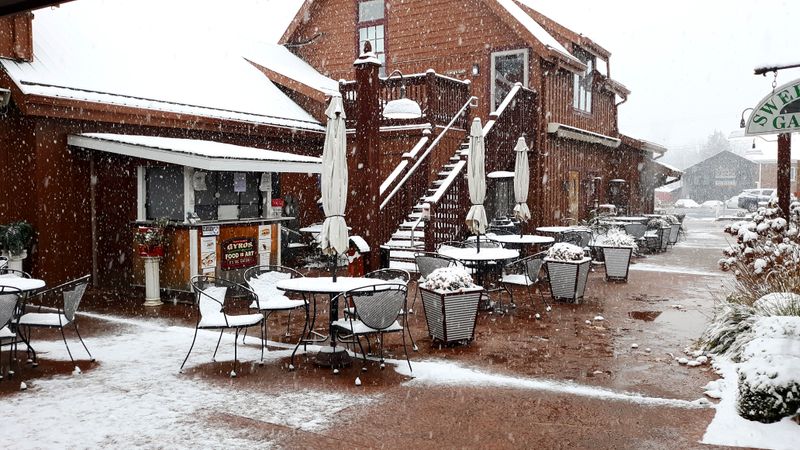
Most of Nashville’s traffic problems are caused by people who have never been here before. Out-of-town drivers unfamiliar with the winding, narrow roads make mistakes that create backups and dangerous situations.
They drive too slowly while gawking at the scenery, slam on their brakes unexpectedly to look at something, or miss turns and make sudden U-turns in the middle of the road.
The roads around Nashville are challenging even for locals who know them well. They twist through hills, have blind curves, and often lack clear signage.
For tourists trying to navigate with GPS while also taking in the sights, it is a recipe for confusion and traffic disruption. Many visitors rely on phone navigation apps that sometimes send them down unsuitable roads or provide confusing directions.
State Road 46 and State Road 135 see frequent instances of tourists stopping in the middle of the road to take photos or figure out where they are going. There are few safe pull-off areas, so when someone stops, traffic behind them comes to a halt.
This creates a ripple effect that can back up traffic for miles.
Local drivers know to expect the unexpected during tourist season, but that does not make it less frustrating. Near Brown County State Park at 1405 State Road 46 East, tourists often slow down or stop to look at deer or other wildlife, causing rear-end collisions and near-misses.
The park entrance itself is a notorious trouble spot, with visitors making last-minute turns without signaling.
The narrow streets of downtown Nashville are particularly challenging for out-of-town drivers accustomed to wider city roads.
Dear Reader: This page may contain affiliate links which may earn a commission if you click through and make a purchase. Our independent journalism is not influenced by any advertiser or commercial initiative unless it is clearly marked as sponsored content. As travel products change, please be sure to reconfirm all details and stay up to date with current events to ensure a safe and successful trip.
