
Small towns across Oregon have experienced remarkable changes as visitors from around the world discover their charm.
Tourism has brought both opportunities and challenges to these close-knit communities, reshaping everything from local economies to neighborhood character.
Residents who have watched their hometowns evolve offer unique perspectives on how the influx of travelers has altered daily life.
Their stories reveal the complex relationship between preserving small-town identity and embracing the benefits tourism brings.
Understanding these transformations helps us appreciate the delicate balance communities must strike when welcoming outsiders.
From coastal villages to mountain hamlets, the impact of tourism touches every aspect of life in these Oregon towns.
Local voices provide honest insights into what has been gained and what has been lost along the way.
Economic Revitalization Through New Business Opportunities

Money flows differently through small Oregon towns now that tourists regularly visit their streets.
Local entrepreneurs have opened coffee shops, boutique hotels, and artisan stores to serve travelers seeking authentic experiences.
These new businesses create jobs for residents who might otherwise need to commute to larger cities for employment.
Sarah Martinez, who owns a bakery in Cannon Beach, remembers when her town had only three restaurants and one grocery store.
Today, dozens of dining establishments line the main street, offering everything from fresh seafood to international cuisine.
Her bakery employs twelve people year-round, with additional seasonal staff during summer months when visitors crowd the beaches.
The transformation has allowed young people to build careers without leaving their hometowns, which strengthens community bonds.
Tourism dollars support not just shops along main thoroughfares but also service providers like plumbers, electricians, and landscapers who maintain rental properties.
Property values have increased significantly, giving longtime homeowners substantial equity they never imagined possessing.
However, some residents worry about over-reliance on tourism revenue that fluctuates with seasons and economic conditions.
Winter months can be challenging for businesses that thrive in summer, forcing owners to carefully manage finances throughout the year.
Despite these concerns, most acknowledge that tourism has prevented the economic decline plaguing similar rural communities nationwide.
The tax revenue generated from visitor spending funds improvements to roads, parks, and public facilities that benefit everyone.
Local governments now have resources to invest in infrastructure projects that were impossible when towns relied solely on small tax bases.
This economic foundation has given communities confidence to plan for sustainable growth while maintaining their distinctive character and natural beauty.
Housing Market Pressures and Affordability Challenges

Finding an affordable place to live has become increasingly difficult for longtime residents in popular Oregon tourist destinations.
Vacation rental properties have proliferated as homeowners discover they can earn more from short-term rentals than traditional leases.
This shift has reduced the inventory of available long-term housing, driving up rents and purchase prices beyond what local wages can support.
James Cooper, a third-generation resident of Bend, sold his family home last year because property taxes tripled over a decade.
He moved to a neighboring town where housing costs remain manageable on his income as a forest service employee.
Many of his childhood friends have made similar decisions, scattering the community that once gathered for Friday night football games and summer barbecues.
Young families struggle most with these changes, finding themselves priced out of neighborhoods where their parents and grandparents lived for generations.
Teachers, firefighters, and healthcare workers often commute long distances because they cannot afford homes near their workplaces.
Some towns have implemented zoning restrictions on vacation rentals, attempting to preserve housing stock for permanent residents.
Real estate investors from metropolitan areas purchase properties sight unseen, outbidding local buyers with cash offers above asking prices.
The character of neighborhoods changes when homes sit empty most of the year, occupied only during peak tourist seasons.
Block parties and community events lose participation as fewer year-round residents remain to organize and attend them.
Municipal leaders face pressure to address housing affordability while recognizing that property tax revenue from expensive homes funds essential services.
Balancing the needs of existing residents with economic benefits from tourism creates tension in town hall meetings and community forums.
Solutions remain elusive as market forces continue pushing housing costs upward despite local efforts to maintain affordability for working families.
Infrastructure Strain and Environmental Impact
Roads designed for small populations now carry thousands of vehicles during peak tourism seasons, causing congestion and accelerated wear.
Parking lots overflow at trailheads, beaches, and downtown areas, forcing visitors to park along residential streets where they block driveways and create safety hazards.
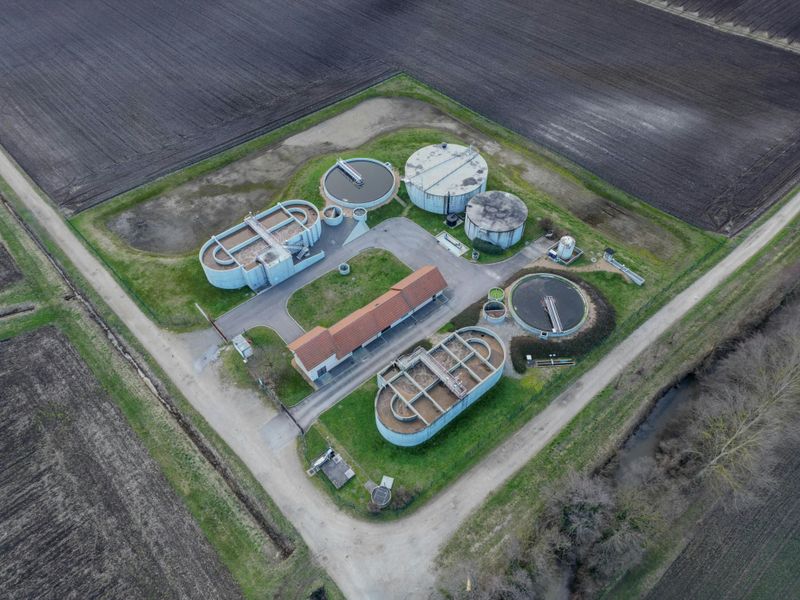
Water and sewage systems built decades ago struggle to handle demand spikes when tourist populations temporarily double or triple town sizes.
Environmental consequences concern residents who have witnessed degradation of natural areas they cherish and work to protect.
Popular hiking trails show severe erosion from foot traffic exceeding what land managers anticipated when establishing routes.
Litter accumulates faster than volunteer cleanup crews can address it, marring landscapes that once remained pristine year-round.
Michael Chen, a park ranger in Hood River, has watched beloved trails deteriorate despite increased maintenance efforts and expanded budgets.
He explains that education programs teaching leave-no-trace principles cannot keep pace with the sheer number of inexperienced outdoor enthusiasts visiting annually.
Wildlife patterns have shifted as animals avoid areas with heavy human presence, disrupting ecosystems that evolved over centuries.
Coastal communities face particular challenges with beach access and dune preservation as visitors inadvertently damage fragile vegetation that prevents erosion.
Local conservation groups organize restoration projects, but gains made through volunteer labor can be undone during a single busy holiday weekend.
Water quality in streams and lakes has declined in some areas due to increased runoff from parking lots and development associated with tourism growth.
Municipalities invest in infrastructure upgrades, but projects take years to complete and costs strain budgets even with tourism tax revenue.
Residents debate whether limiting visitor numbers through permits or fees would help preserve natural resources without killing the economic benefits tourism provides.
Finding sustainable solutions requires cooperation between government agencies, business owners, and community members with different priorities and perspectives on growth.
Cultural Shifts and Community Identity Evolution

The fabric of small-town life has changed as new residents arrive to capitalize on tourism opportunities, bringing different values and expectations.
Longtime locals sometimes feel like strangers in their own communities as familiar businesses close and unfamiliar faces dominate public spaces.
Traditions that defined town identity for generations compete with new events designed specifically to attract visitors and generate revenue.
Astoria residents remember when the annual fishermen’s festival celebrated the town’s maritime heritage with boat blessings and net-mending demonstrations.
Today, the event has expanded to include craft beer gardens, food truck rallies, and concerts that appeal to tourists but feel disconnected from original purposes.
Some appreciate the evolution as necessary adaptation, while others mourn the loss of authenticity they believe made their town special.
Elena Rodriguez, whose family has operated a fishing business for four generations, notices fewer young people entering traditional industries like commercial fishing and logging.
Instead, they pursue careers in hospitality, real estate, and service sectors that cater to visitors rather than sustaining historic economic foundations.
This shift changes not just what people do for work but how they view their relationship with the land and sea.
Language and social norms shift as communities become more diverse, bringing both enrichment and occasional friction between old and new residents.
Churches, service clubs, and volunteer organizations that once anchored community life struggle to maintain membership as populations become more transient.
The shared history that created strong bonds among longtime residents means less to newcomers who lack those connections and memories.
Yet many acknowledge that tourism has prevented cultural stagnation, exposing small towns to ideas and perspectives that might never have reached them otherwise.
Art galleries, music venues, and cultural centers exist because tourism provides audiences large enough to sustain them financially.
The challenge lies in honoring heritage while embracing positive aspects of change without losing the essential character that made these communities worth visiting.
Seasonal Employment Patterns and Workforce Changes

Employment rhythms in tourist-dependent Oregon towns follow predictable patterns that create both opportunities and instability for workers.
Businesses hire aggressively before summer seasons, offering jobs to anyone willing to work long hours during peak months when visitors flood communities.
When autumn arrives and tourist numbers decline, layoffs follow as businesses cut staff to survive slower winter periods with reduced revenue.
This cycle makes financial planning difficult for workers who earn well during busy months but struggle to make ends meet during off-seasons.
Many hold multiple part-time positions rather than single full-time jobs, cobbling together income without benefits like health insurance or retirement contributions.
Unemployment rates fluctuate dramatically between seasons, creating challenges for families trying to maintain stable household finances throughout the year.
Lisa Thompson manages a hotel in Seaside and hires thirty additional employees each May, releasing most by October when occupancy drops below sustainable levels.
She wishes she could offer year-round employment but cannot afford to maintain full staff when rooms sit empty for months.
Her core team of permanent employees works exhausting schedules during summer, then faces reduced hours and income during winter months.
Some workers embrace seasonal patterns, using winter downtime to pursue education, travel, or personal projects impossible during demanding summer schedules.
Others find the instability stressful, never knowing exactly when layoffs will occur or whether they will be rehired when busy season returns.
Businesses compete for reliable workers, sometimes offering signing bonuses or housing assistance to attract employees in tight labor markets.
The workforce has become increasingly transient as people move between tourist towns following seasonal opportunities rather than putting down roots in single communities.
This mobility weakens social connections and makes it harder to build the stable neighborhoods that characterized these towns before tourism dominated local economies.
Despite challenges, seasonal work provides income opportunities that would not exist without robust tourism, particularly for students, retirees, and others seeking flexible employment arrangements.
Improved Amenities and Public Services

Public facilities in small Oregon towns have improved dramatically as tourism revenue provides funding that local tax bases alone could never generate.
Libraries expand collections and hours, parks receive upgraded playground equipment and maintained trails, and community centers offer more programs for all ages.
These enhancements benefit residents year-round, even though tourists indirectly fund them through lodging taxes and sales revenue.
Jacksonville residents enjoy a state-of-the-art fire station and ambulance service that would have been impossible without tourism tax revenue from their historic downtown district.
Response times have improved significantly, providing better emergency services to both residents and the thousands of visitors attending summer music festivals.
The town also upgraded its water treatment facility, ensuring safe drinking water and capacity to handle population surges during events.
Robert Kim, a city council member, explains that tourism allows small towns to punch above their weight in terms of amenities and services.
Their community of three thousand permanent residents enjoys facilities typically found only in much larger cities because visitor spending supplements local budgets.
Public restrooms, parking facilities, and wayfinding signage installed for tourists also serve residents navigating their own downtown areas.
Schools benefit indirectly as increased property values and business activity generate tax revenue supporting educational programs and facility improvements.
Some districts have added art, music, and athletic programs that budget constraints had previously eliminated.
Community colleges offer hospitality and business management courses aligned with local employment opportunities in tourism-related industries.
Internet infrastructure has improved as telecommunications companies invest in areas with growing populations and business activity driven by tourism.
Reliable high-speed internet enables remote work opportunities, attracting new residents who can live anywhere but choose small Oregon towns for quality of life.
Public wifi in downtown areas serves both visitors seeking information and residents conducting daily business, creating connectivity that benefits everyone regardless of tourism involvement.
Traffic Congestion and Quality of Life Concerns
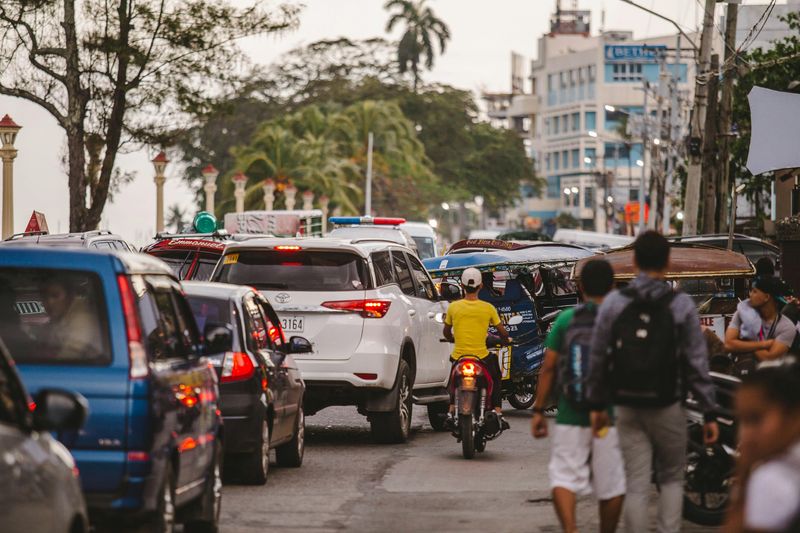
Daily routines have become more complicated for residents navigating streets clogged with tourists unfamiliar with local roads and driving patterns.
Simple errands that once took minutes now require careful timing to avoid peak traffic hours when visitors crowd grocery stores, gas stations, and downtown areas.
Residents develop strategies like shopping early mornings or late evenings to avoid tourist crowds, adjusting their lives around visitor patterns.
Highway 101 through coastal communities becomes a parking lot on summer weekends as thousands of vehicles inch through towns built along narrow corridors with few alternate routes.
Local commuters sit in traffic alongside tourists, frustrated by delays that add significant time to trips that should take minutes.
Emergency vehicles struggle to navigate congested streets, raising safety concerns when response times matter most.
David Walsh, a longtime resident of Sisters, remembers when he could walk downtown without navigating crowds of tourists blocking sidewalks while taking photographs.
He still loves his town but admits that constant crowds during peak seasons make him avoid places he once visited regularly.
Restaurants where he used to grab quick lunches now require reservations made days in advance, changing spontaneous habits into planned outings.
Noise levels have increased as more people concentrate in small areas, with late-night activity from bars and vacation rentals disturbing residential neighborhoods.
Some residents install soundproofing or move to less accessible areas to escape the constant buzz of tourist activity during busy months.
The peace and quiet that originally attracted many people to small-town life has diminished, replaced by urban-level activity and noise pollution.
Parking enforcement has become stricter as towns attempt to manage limited spaces, sometimes resulting in residents receiving tickets in their own neighborhoods.
Community meetings grow contentious as residents debate whether tourism benefits justify the daily inconveniences and lifestyle changes they experience.
Most acknowledge they cannot return to quieter times but hope for better management strategies that balance tourism benefits with resident quality of life.
Dear Reader: This page may contain affiliate links which may earn a commission if you click through and make a purchase. Our independent journalism is not influenced by any advertiser or commercial initiative unless it is clearly marked as sponsored content. As travel products change, please be sure to reconfirm all details and stay up to date with current events to ensure a safe and successful trip.
