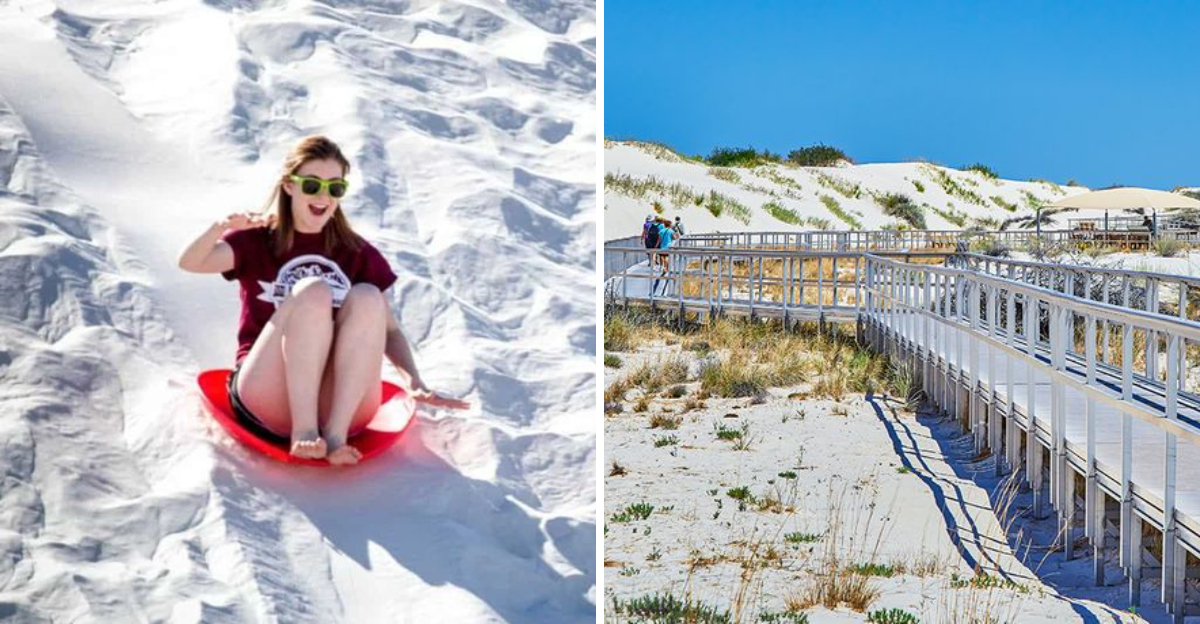
New Mexico’s White Sands National Park is one of the most stunning natural wonders in the United States, with miles of brilliant white gypsum dunes that look like something from another planet.
Thousands of visitors flock here every year to hike, sled, and snap photos of this magical landscape.
But some tourists make a big mistake by scooping up handfuls of sand to take home as souvenirs, not realizing they’re actually breaking federal law and harming a fragile ecosystem.
Federal Law Protects Every Grain
White Sands National Park is federally protected land, which means every rock, plant, and grain of sand falls under strict preservation laws. Removing any natural material from the park is considered theft of government property and can result in serious legal consequences.
Park rangers take these rules seriously because the dunes are a unique geological formation that took thousands of years to create. The gypsum sand here is rare and found in only a few places on Earth.
Visitors who pocket sand might think it’s harmless, but federal law doesn’t see it that way. Even small amounts add up when millions of people visit each year. The rules exist to preserve this wonder for future generations to enjoy and explore.
Fines Can Reach Thousands of Dollars
Getting caught taking sand from White Sands isn’t just embarrassing. It can seriously hurt your wallet. Violators face fines that can climb into the thousands of dollars depending on how much material they took and whether they’ve broken the law before.
First-time offenders might receive a warning or a smaller fine, but repeat visitors who ignore the rules face steeper penalties. Some cases have resulted in fines exceeding five thousand dollars.
Court costs and legal fees can pile on top of the initial fine, making a handful of sand an incredibly expensive souvenir. Park officials hope these hefty penalties will discourage tourists from taking anything from the dunes. The message is clear: look, photograph, and enjoy, but leave everything exactly where you found it so others can experience the same beauty.
Rangers Actively Monitor and Patrol
Park rangers at White Sands don’t just stand around answering questions. They actively patrol the dunes and parking areas, keeping a sharp eye out for anyone trying to smuggle sand out of the park. Many rangers have years of experience spotting suspicious behavior.
Security cameras and visitor checkpoints help staff catch offenders before they leave the property. Rangers often check bags and vehicles when they have reasonable suspicion that someone has taken natural materials.
Some tourists think they’re being sneaky by hiding sand in pockets, water bottles, or even shoes, but rangers have seen every trick in the book. Their dedication to protecting the park means they’ll politely but firmly confiscate any stolen sand and issue citations. The park employs both uniformed and plain-clothes staff to ensure comprehensive monitoring throughout visitor areas.
Ecosystem Damage Adds Up Quickly
What seems like a tiny handful of sand to one tourist becomes a major problem when thousands of visitors do the same thing. Scientists estimate that if every visitor took just a small amount, the dunes would lose tons of material each year, altering their shape and structure.
The gypsum sand at White Sands supports unique plants and animals that have adapted to this harsh environment. Removing sand disrupts the delicate balance that allows these species to survive and thrive.
Certain insects, lizards, and plants depend on the specific conditions created by the dunes. When sand disappears, it affects everything from moisture levels to wind patterns. The ripple effects can harm wildlife populations and change the landscape in ways that take decades to reverse, making every grain truly matter.
Social Media Fuels the Problem
Instagram and TikTok have made White Sands more popular than ever, with influencers and travelers posting stunning photos that attract millions of new visitors.
Unfortunately, some content creators have accidentally encouraged bad behavior by showing themselves collecting sand or making jokes about taking souvenirs.
Young travelers sometimes see these posts and think breaking the rules is funny or acceptable. Comments sections fill with people bragging about the sand they took home, treating it like a badge of honor rather than a crime.
Park officials have started working with popular social media accounts to spread the right message about respecting protected lands. Education campaigns now target younger audiences who get most of their travel inspiration online. The goal is to make protecting nature just as trendy as visiting it in the first place.
Gift Shops Offer Legal Alternatives
Nobody wants to leave White Sands empty-handed, and park officials understand that desire for a tangible memory. That’s exactly why the official gift shops sell legally collected gypsum sand in small bottles and containers, complete with certificates of authenticity.
These souvenir bottles cost just a few dollars and come with information about the park’s geology and history. Buying official sand supports park maintenance and educational programs while keeping you on the right side of the law.
The sand sold in gift shops comes from areas outside the protected park boundaries where collection is permitted with proper authorization. You get your keepsake, the park gets funding, and the dunes stay intact.
Other items like postcards, books, and locally made crafts also make wonderful mementos without harming the environment everyone came to see.
Ignorance Doesn’t Excuse Violations
Some tourists genuinely don’t know that taking sand is illegal, especially visitors from countries where natural souvenirs are common or acceptable. However, claiming you didn’t know the rules won’t get you out of trouble if rangers catch you with pockets full of sand.
Signs posted throughout the park clearly state the regulations in multiple languages. Information is also provided at entrance stations, on the park website, and in brochures handed to every visitor.
Courts rarely accept ignorance as a valid defense because the park makes such strong efforts to educate guests. Rangers might show more leniency to confused first-time visitors who cooperate immediately, but the citation still stands.
Travelers have a responsibility to research and follow local laws wherever they go, and that includes understanding what you can and cannot take from natural areas.
Children Learn Bad Habits from Adults
Kids love playing in the sand at White Sands, building castles and running down the dunes like they’re at the beach. Problems start when parents let children fill buckets or bags with sand to take home, teaching them that rules don’t matter when nobody’s watching.
Young visitors learn powerful lessons about respecting nature from how adults behave at parks and protected areas. When parents break rules, children grow up thinking it’s acceptable to take whatever they want from natural spaces.
Rangers often have to have uncomfortable conversations with families who didn’t realize they were setting a bad example. Teaching kids to leave no trace and respect protected lands creates future generations of responsible travelers.
Parents can turn visits into teachable moments by explaining why we protect special places and how everyone plays a part in conservation efforts.
Other Parks Face Similar Issues
White Sands isn’t the only protected area dealing with tourists who take natural souvenirs. Parks across the country report problems with visitors removing rocks, fossils, petrified wood, shells, and other materials that belong to the landscape.
Hawaii’s beaches have lost tons of sand and coral to tourists who mail packages home or stuff their luggage. National parks in Utah constantly battle with people chipping off pieces of red rock formations.
The problem has become so widespread that some parks now conduct random bag checks at exits and post rangers near popular features. Social media campaigns use hashtags like LeaveNoTrace to educate travelers about proper outdoor ethics.
What happens at White Sands reflects a larger issue of people not understanding that protected means protected, no exceptions, no matter how small the item seems.
Returning Sand Doesn’t Erase Penalties
Some tourists realize their mistake after leaving the park and wonder if mailing the sand back will make everything okay. While park staff appreciate the gesture and accept returned materials, it doesn’t automatically cancel any citations or fines already issued.
Legal proceedings move forward based on the original violation, regardless of whether you feel guilty afterward. Courts consider the act of removal itself as the crime, not whether you eventually gave it back.
That said, showing remorse and returning stolen materials might influence how severely judges handle your case. Parks receive packages of returned sand from across the country, sometimes with apologetic letters explaining that people didn’t understand the harm they caused.
The best approach is simply following the rules from the start, enjoying the dunes with your eyes and camera, and purchasing legal souvenirs if you want something to remember your visit.
Dear Reader: This page may contain affiliate links which may earn a commission if you click through and make a purchase. Our independent journalism is not influenced by any advertiser or commercial initiative unless it is clearly marked as sponsored content. As travel products change, please be sure to reconfirm all details and stay up to date with current events to ensure a safe and successful trip.
