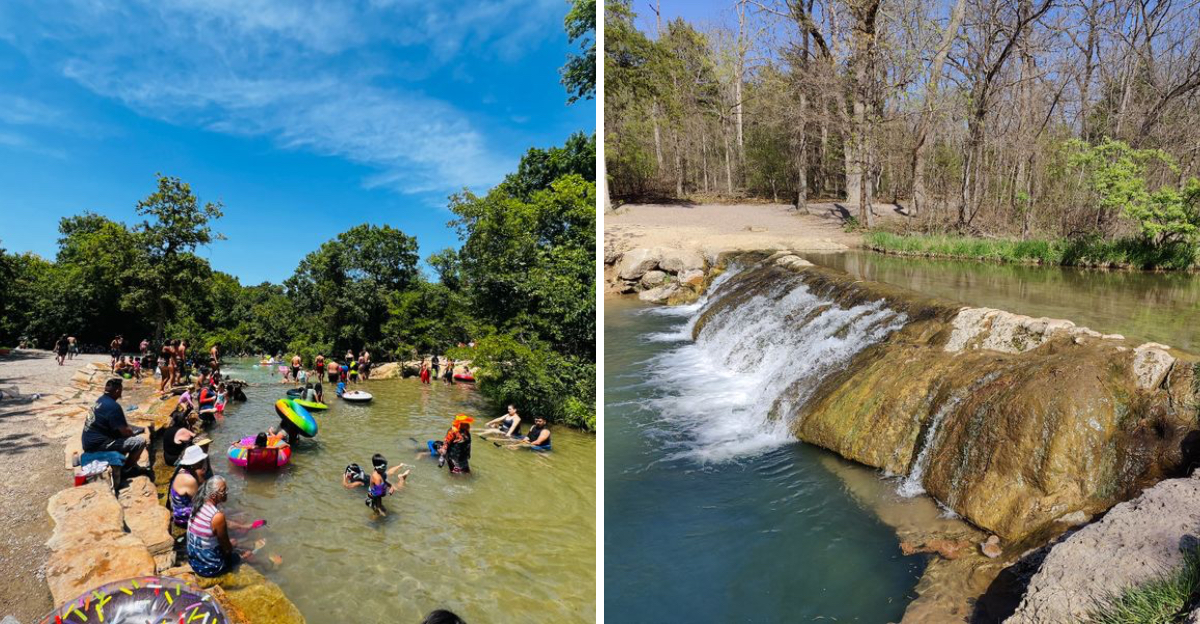
I still remember the first time someone told me about Little Niagara Falls near Sulphur, Oklahoma. It was supposed to be this quiet spot where locals went to cool off without the hassle of crowds or noise.
Fast forward a few years, and that same hidden paradise has turned into a packed destination where finding a parking spot feels like winning the lottery. Social media turned this serene swimming hole into an Instagram hotspot, and now the secret is out in the worst way possible.
What was once a peaceful retreat for Oklahoma families has become a cautionary tale about what happens when too many people discover a good thing all at once.
The Parking Lot Became a War Zone
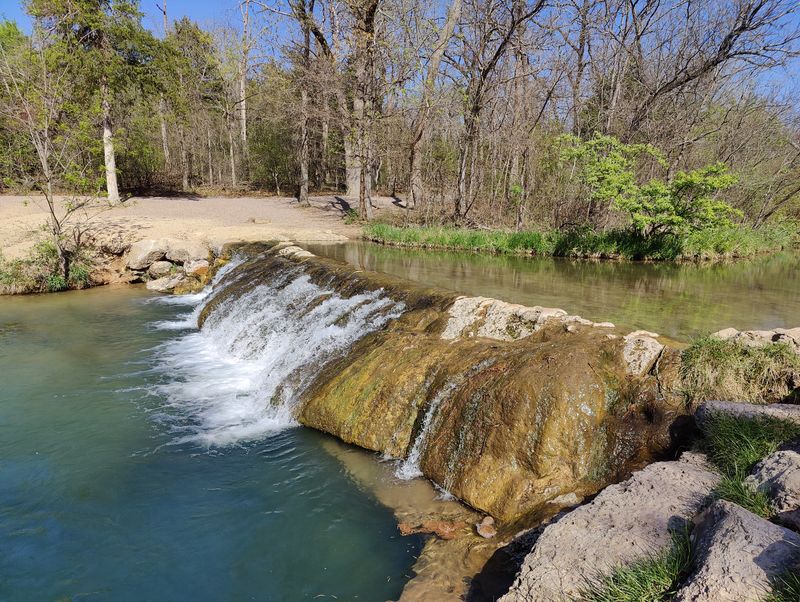
Pulling up to Little Niagara used to mean choosing your favorite shady spot under the trees and unloading your cooler without stress. Now it feels like a competitive sport where you circle the lot hoping someone leaves soon.
Weekends have become especially brutal. Cars line up along the access roads, and some visitors park in spots that block others from leaving.
The frustration builds quickly when families with small children have to haul their gear from half a mile away because every legal space is taken.
Rangers do their best to manage the chaos, but the sheer volume of vehicles overwhelms the infrastructure that was designed for a fraction of the current visitors. The gravel lots that once felt spacious now seem inadequate for the demand.
Early morning arrivals have become the norm for anyone hoping to secure a decent spot. If you show up after 10 a.m. on a Saturday in summer, you might as well turn around and try another day.
The parking situation alone has discouraged many longtime visitors from returning.
What used to be a relaxing start to a day by the water now involves strategy and timing that takes the joy out of spontaneity.
Trash Everywhere Despite the Rangers’ Best Efforts
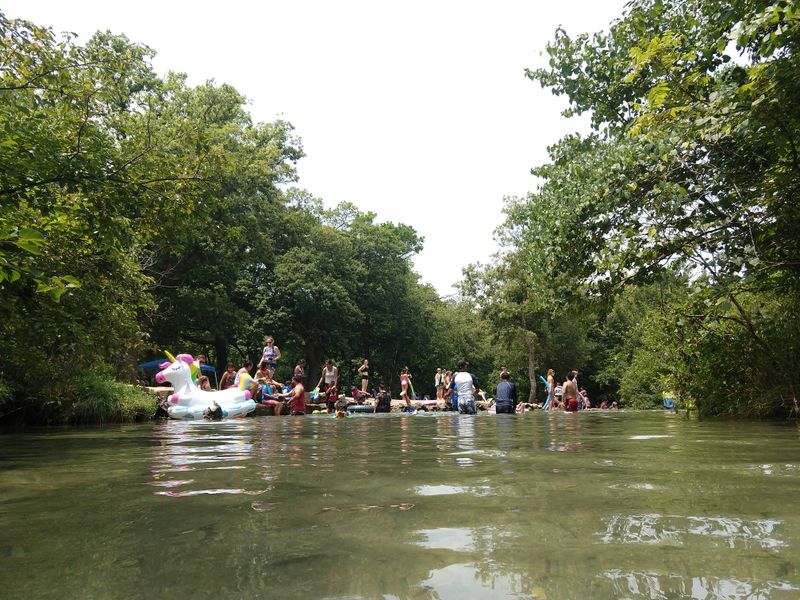
Walking along the trails at Little Niagara used to feel like stepping into a pristine nature preserve. These days, you’ll spot empty chip bags tucked behind rocks and plastic bottles floating in the creek.
The rangers work tirelessly to keep the area clean, and there are plenty of trash cans available. Yet somehow, visitors still leave their garbage scattered across picnic tables and along the shoreline.
It’s maddening to watch people enjoy the beauty of the falls and then leave behind evidence of their visit.
I’ve seen families pack up and simply walk away from piles of paper plates and food wrappers, assuming someone else will handle the cleanup. The disrespect for this natural space has become normalized in a way that makes my stomach turn.
Local volunteers organize cleanup days, but they can barely keep pace with the constant influx of careless tourists. The problem isn’t a lack of bins or signage.
It’s a lack of basic consideration for shared spaces.
Every piece of trash left behind damages the ecosystem and makes the experience worse for everyone who comes after. The place that once felt like Oklahoma’s best-kept secret now requires constant maintenance just to remain presentable.
The Water Quality Started Declining
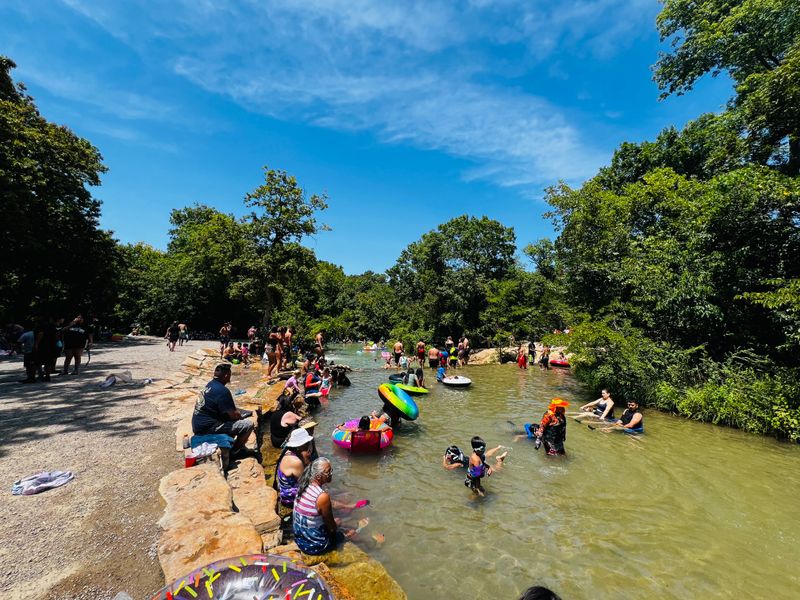
One of the most heartbreaking changes at Little Niagara has been the noticeable shift in water clarity. The springs that feed Travertine Creek once produced water so clear you could count pebbles on the bottom from the surface.
Increased foot traffic has stirred up sediment, and the sheer number of bodies in the water during peak season has affected the natural filtration systems. Sunscreen and other chemicals wash off swimmers and accumulate in ways the ecosystem wasn’t designed to handle.
The Chickasaw National Recreation Services monitors water quality regularly and posts warnings when bacterial levels get too high. Those warnings have become more frequent as visitor numbers have climbed.
Some weekends, entire sections get closed because the water isn’t safe for swimming.
Longtime visitors talk about how the water temperature used to stay consistently cold, fed by those pristine springs. Now, on busy days, the swimming areas feel warmer because of all the human activity displacing the cooler spring water.
The little fish that used to dart around your feet have become less common. The delicate balance that kept this place special has been disrupted by sheer volume, and it shows in every measure of water quality that matters.
Quiet Mornings Became a Thing of the Past
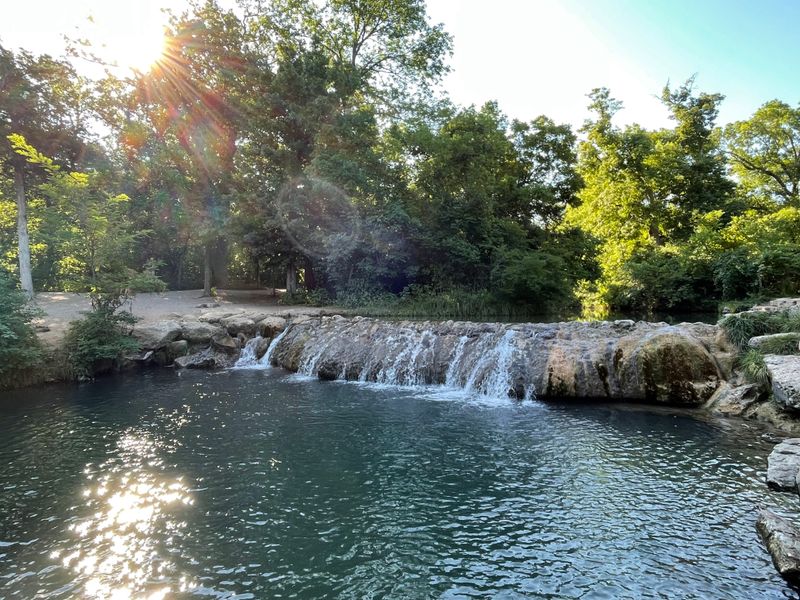
There was something magical about arriving at Little Niagara just after dawn. The mist would rise off the water, birds would call from the trees, and you could hear the falls without any competing noise.
Those serene moments have been stolen by the crowds that now arrive earlier and earlier, trying to beat the rush. By 8 a.m. on summer weekends, the place is already buzzing with activity.
Bluetooth speakers compete with each other, and the natural soundtrack gets drowned out by human chaos.
I used to bring a book and sit by the creek, enjoying the solitude that made this spot feel like a personal retreat. Now that same experience requires either arriving before sunrise or visiting on weekday mornings when most tourists are still at work.
The loss of tranquility has fundamentally changed what Little Niagara represents. It’s no longer a place to escape the noise of daily life but rather an extension of it.
The very qualities that made it worth protecting have been diminished by its popularity.
Local residents who once considered this their backyard oasis now avoid it entirely during tourist season. They’ve been priced out of their own paradise by the inconvenience of dealing with massive crowds.
Dangerous Behavior at the Falls Increased Dramatically
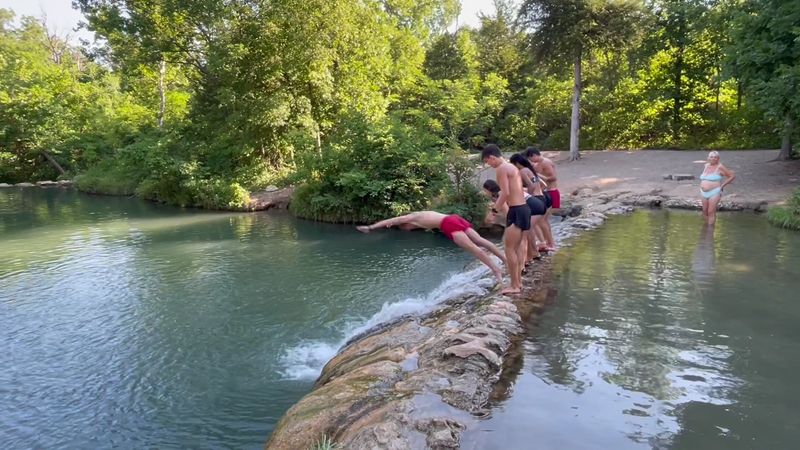
Watching people jump off the falls at Little Niagara used to be an occasional sight, usually teenagers who knew the deep spots from years of experience. Now it’s become a constant stream of tourists attempting stunts for social media without understanding the risks.
The falls might look impressive, but the pool below has shallow sections and hidden rocks that can cause serious injuries. Rangers have posted warnings, but visitors ignore them in pursuit of the perfect action shot.
I’ve personally witnessed people encouraging their friends to jump from dangerous angles where the water depth is questionable at best.
Emergency services have been called to the area multiple times for injuries that could have been prevented with basic caution. The problem compounds when children see adults behaving recklessly and try to imitate them without supervision.
The rocks around the falls have become slippery from increased foot traffic, making even careful navigation treacherous. What should be a fun swimming experience has taken on an element of danger that never existed when visitor numbers were manageable.
Oklahoma’s natural beauty deserves respect, not reckless behavior driven by the desire for viral content. The increase in dangerous activity has made many families uncomfortable bringing their children to a place that used to feel completely safe.
The Picnic Areas Lost Their Family-Friendly Atmosphere
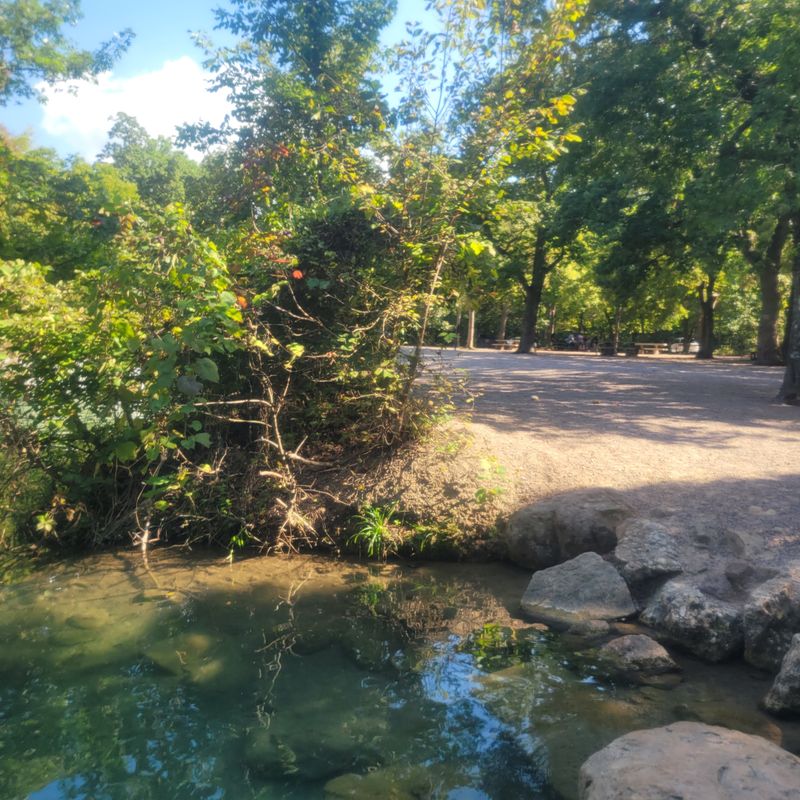
Setting up for a family picnic at Little Niagara used to mean claiming a table in the shade and enjoying a relaxed meal while kids played nearby. The atmosphere was communal but respectful, with families giving each other space.
Now the picnic areas feel more like a crowded food court. Tables are packed so tightly with groups that you end up sharing space with strangers whether you want to or not.
The noise level has increased to the point where conversation becomes difficult.
Some visitors have started reserving tables by leaving their belongings there all day, even when they’re down at the water. This creates tension and reduces the availability of seating for others who arrive later.
The informal courtesy that once governed shared spaces has broken down completely.
The BBQ grills that were meant for everyone’s use often get monopolized by large groups who set up elaborate cooking operations. Smaller families find themselves unable to access the facilities that are supposed to be public resources.
I’ve watched the sense of community that once defined this place evaporate as crowds grew larger and less considerate. The picnic areas that were designed for quiet family gatherings now feel chaotic and stressful, stripped of the peaceful charm that made them special.
Trail Erosion From Constant Foot Traffic
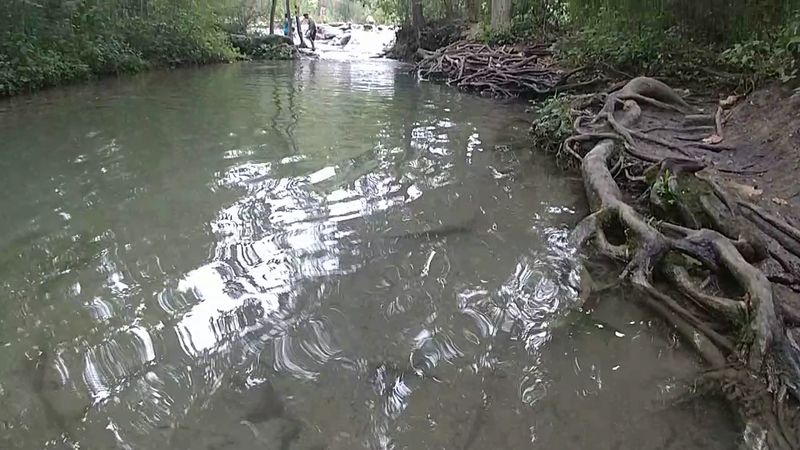
The walking trails that wind along Travertine Creek were once well-maintained paths that let you explore the area without damaging the surrounding vegetation. Years of increasing foot traffic have turned sections into muddy trenches where erosion has exposed tree roots and created hazardous footing.
The trails were designed for moderate use, not the thousands of visitors who now trek along them every summer weekend. The constant pounding has compacted the soil and killed off vegetation that once stabilized the banks.
What used to be a pleasant nature walk now requires careful attention to avoid twisted ankles.
Side trails have developed where impatient visitors cut corners or seek better photo angles. These unauthorized paths accelerate erosion and damage habitats for local wildlife.
The careful planning that went into the original trail system has been undermined by people who prioritize convenience over conservation.
Rangers have tried installing barriers and signs, but enforcement is nearly impossible with such high visitor volumes. The physical damage to the landscape represents years of recovery time, assuming the area ever gets a chance to heal.
Oklahoma’s natural areas deserve better stewardship than they’re receiving. The trails at Little Niagara stand as evidence of what happens when tourism overwhelms a location’s carrying capacity.
Social Media Turned It Into a Performance Space
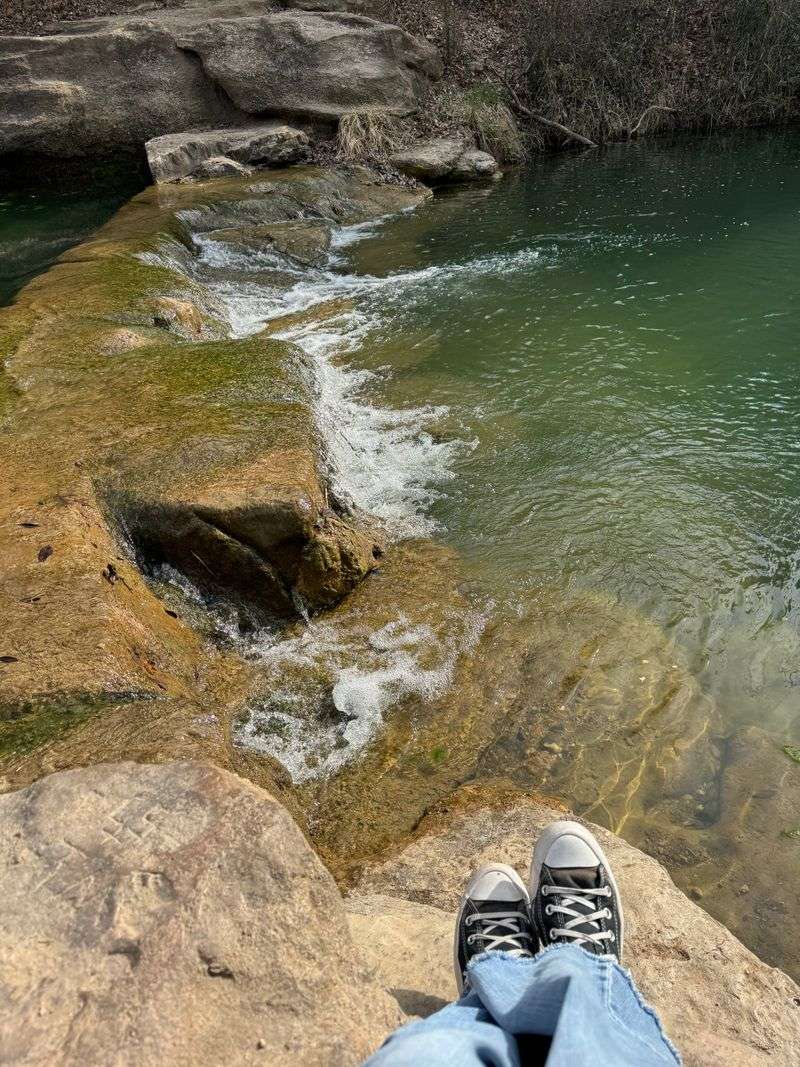
There’s a moment that perfectly captures what’s changed at Little Niagara. I watched a group spend 45 minutes staging photos at the base of the falls, moving from pose to pose while a line of people waited to access the same spot.
Nobody was actually enjoying the water. They were manufacturing content.
The obsession with capturing the perfect shot has transformed the swimming hole into a backdrop for personal branding. Visitors arrive with ring lights and tripods, treating public spaces like private studios.
The natural flow of people moving through the area gets disrupted by impromptu photo shoots that block access and create bottlenecks.
I’ve seen people wade into sensitive areas, trampling vegetation and disturbing wildlife, all to get a slightly better angle. The experience of being present in nature has been replaced by the performance of appearing to be present in nature.
This shift has fundamentally altered the social dynamics of the space. Instead of strangers striking up friendly conversations, everyone exists in their own bubble, focused on documenting rather than experiencing.
The sense of shared enjoyment has been replaced by competition for the most impressive post.
Little Niagara has become a victim of its own photogenic qualities, discovered and destroyed by the same forces that made it famous.
Local Access Got Squeezed Out by Tourist Demand
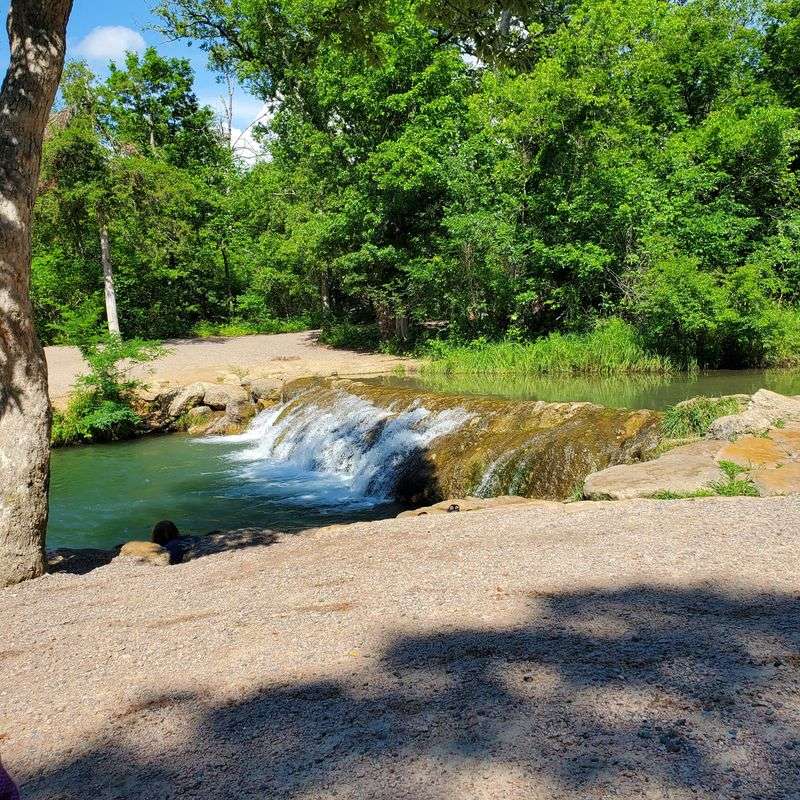
Growing up in Oklahoma meant knowing about places like Little Niagara through word of mouth, passed down through families who had been visiting for generations. Those connections to place mattered, creating a sense of ownership and responsibility that kept the area pristine.
The tourist boom has effectively displaced the local community that once stewarded this spot. When you can’t reliably access a place because of overwhelming crowds, you eventually stop trying.
The people who cared most about preserving Little Niagara have been pushed out by visitors who see it as just another stop on their Oklahoma road trip.
This loss extends beyond mere inconvenience. It represents the erosion of cultural connections to landscape that helped define what it meant to be from this part of the state.
Kids who should be learning to swim in these springs are instead growing up hearing stories about how it used to be.
The economic benefits of tourism don’t compensate for the loss of community spaces that can’t be replicated elsewhere. Little Niagara served a specific purpose for local families that has been sacrificed to accommodate people who will visit once and move on.
The irony cuts deep when the very people who protected this place for decades find themselves unable to enjoy it anymore.
The Infrastructure Couldn’t Keep Pace With Growth
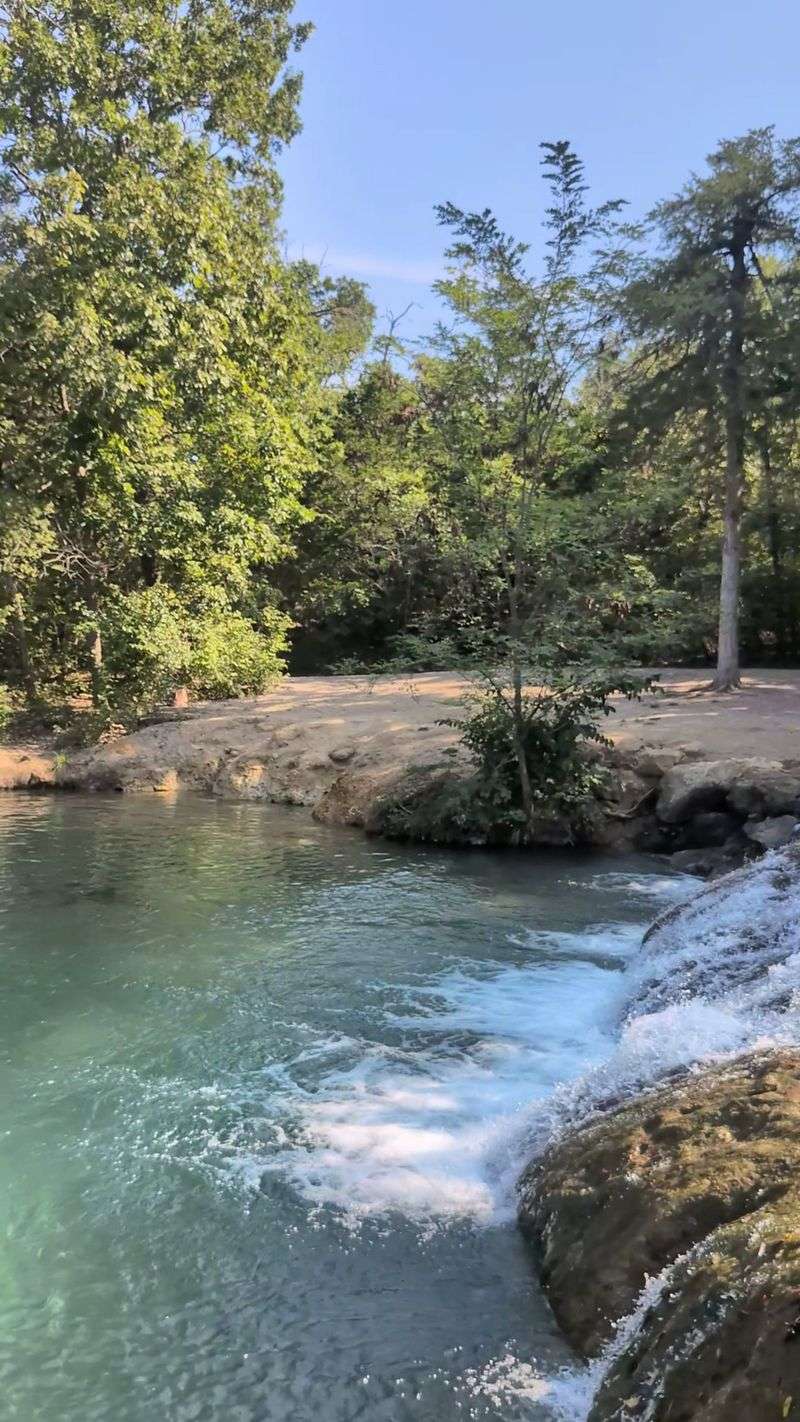
The facilities at Little Niagara were built for a different era, when visitor numbers stayed within predictable ranges. The restrooms, parking areas, and trails were sized appropriately for the community they served.
Then everything changed, and the infrastructure became instantly inadequate.
Restroom lines now stretch across the parking area during peak times. The buildings that seemed perfectly sufficient for local use can’t handle the volume of tourists who arrive every weekend.
Maintenance crews work constantly, but they’re fighting a losing battle against sheer numbers.
The Chickasaw National Recreation Services doesn’t have unlimited resources to expand facilities every time visitor counts spike. The area exists within a protected natural setting where large-scale construction would damage the very features people come to see.
This creates an impossible situation where demand far exceeds what can be sustainably provided.
Accessibility features that worked well for moderate use become bottlenecks when crowds surge. The gravel paths that allowed wheelchair access turn into obstacle courses when packed with people.
What should be an inclusive space becomes frustratingly difficult to navigate for anyone with mobility challenges.
The infrastructure crisis at Little Niagara illustrates a broader problem facing Oklahoma’s natural areas. Popularity has consequences that can’t always be solved by simply building more facilities.
Wildlife Habitat Disruption From Human Activity
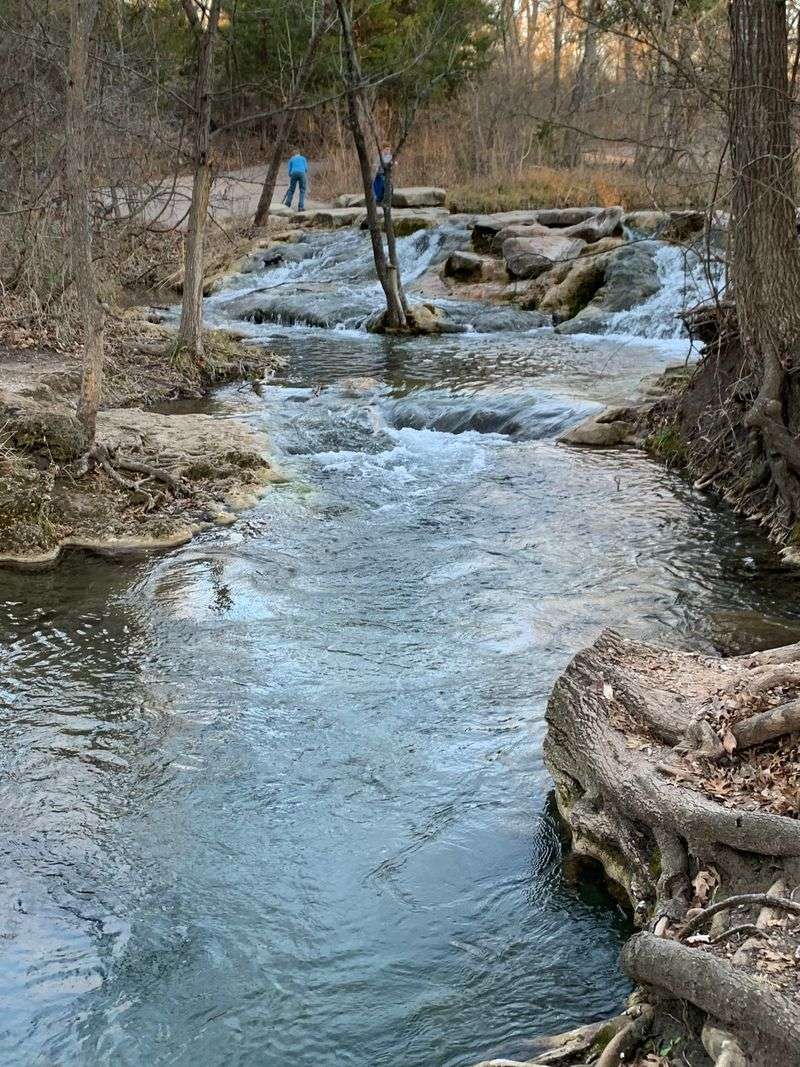
The 22 acres of protected woodland surrounding Little Niagara once provided habitat for diverse species of birds, fish, and small mammals. The constant presence of large crowds has fundamentally altered these ecosystems in ways that may take decades to reverse.
Birds that once nested in the trees near the falls have relocated to quieter areas. The fish populations in Travertine Creek have declined as water quality has fluctuated and human activity has increased.
Even the insects that pollinate native plants have been affected by the trampling of vegetation and disruption of natural cycles.
Wildlife doesn’t distinguish between respectful visitors and careless ones. The cumulative impact of thousands of people moving through sensitive habitat creates stress that affects breeding patterns, feeding behaviors, and territorial boundaries.
Species that require specific conditions to thrive simply leave when those conditions disappear.
The loss of biodiversity might not be immediately obvious to casual visitors, but longtime observers have documented the changes. The soundscape has shifted from natural bird calls to human voices.
The creek that once teemed with small fish now shows signs of ecological imbalance.
Oklahoma’s natural heritage includes more than just scenic views. It encompasses entire ecosystems that deserve protection from the impacts of unchecked tourism growth.
The Magic Died When Everyone Showed Up
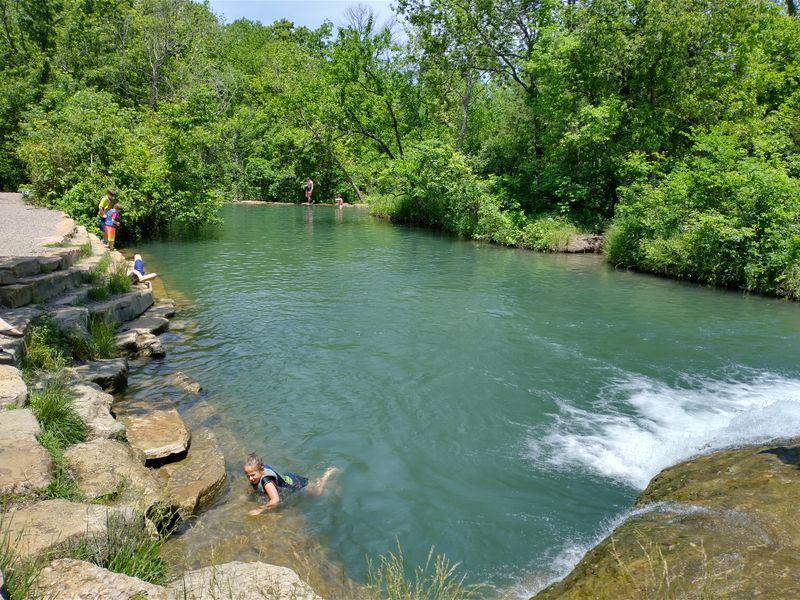
Standing at Little Niagara today feels like attending a party where too many people showed up and nobody knows when to leave. The intimate connection to nature that once defined this place has been lost in the shuffle of bodies and noise.
There’s a specific kind of disappointment that comes from watching something you love get ruined by its own popularity. I remember bringing friends here years ago, eager to share the secret.
Now I actively discourage people from visiting because the experience I want them to have no longer exists.
The transformation happened gradually, then suddenly. One season it was still manageable, and the next it had tipped into chaos.
Social media accelerated the process, turning a local treasure into a must-see destination that couldn’t handle the attention.
What bothers me most isn’t the crowds themselves but the loss of what those crowds replaced. Little Niagara represented a different way of experiencing Oklahoma’s natural beauty, one that prioritized quiet appreciation over performative tourism.
That version is gone, buried under the weight of too many visitors who never learned to value what made it special.
The lesson here extends beyond one swimming hole. It’s about recognizing that some places have limits, and exceeding those limits destroys the very qualities we claim to cherish.
Dear Reader: This page may contain affiliate links which may earn a commission if you click through and make a purchase. Our independent journalism is not influenced by any advertiser or commercial initiative unless it is clearly marked as sponsored content. As travel products change, please be sure to reconfirm all details and stay up to date with current events to ensure a safe and successful trip.
