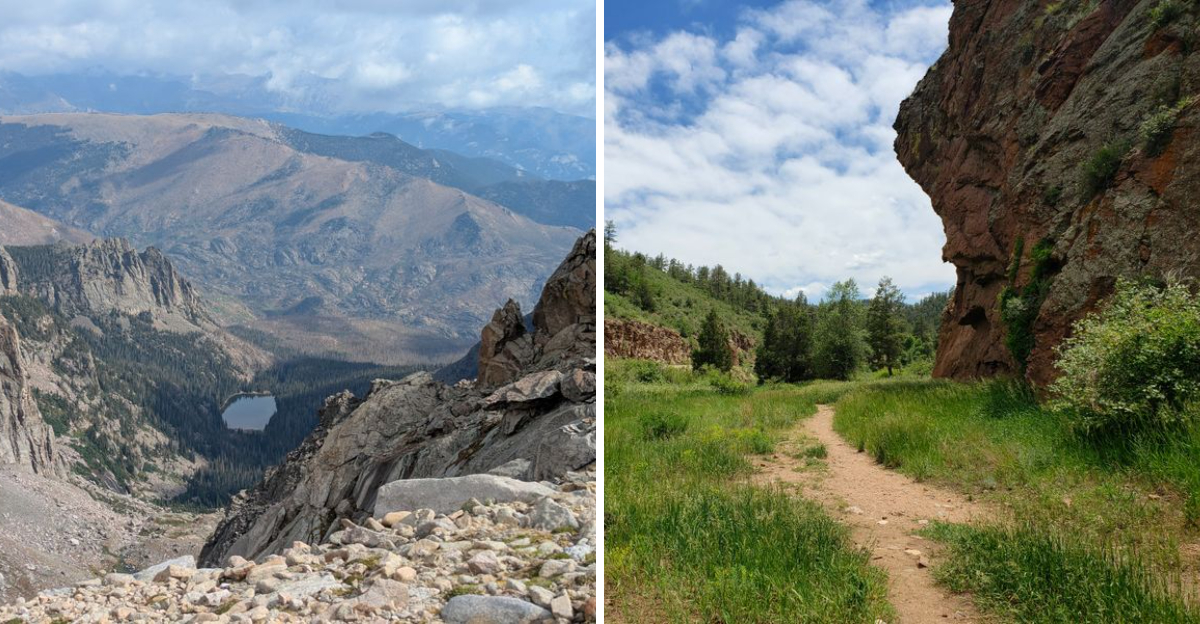
Colorado’s mountain trail systems stretch across some of the most breathtaking wilderness in North America, drawing millions of visitors each year.
These trails wind through alpine meadows, dense forests, and rocky peaks that tower above the clouds.
People from all walks of life discover their own special ways to experience these magnificent pathways through nature.
Whether seeking adventure, tranquility, or connection with the outdoors, travelers find endless possibilities along Colorado’s mountain routes.
The state’s diverse terrain offers something unique for everyone who ventures onto its trails.
From casual walkers to extreme athletes, these natural corridors provide unforgettable experiences throughout every season.
Understanding how different travelers use these trail systems reveals the rich variety of outdoor recreation available in the Rocky Mountains.
Each approach to exploring these paths creates lasting memories and deepens appreciation for Colorado’s wild places.
Day Hiking for Scenic Views and Fresh Air
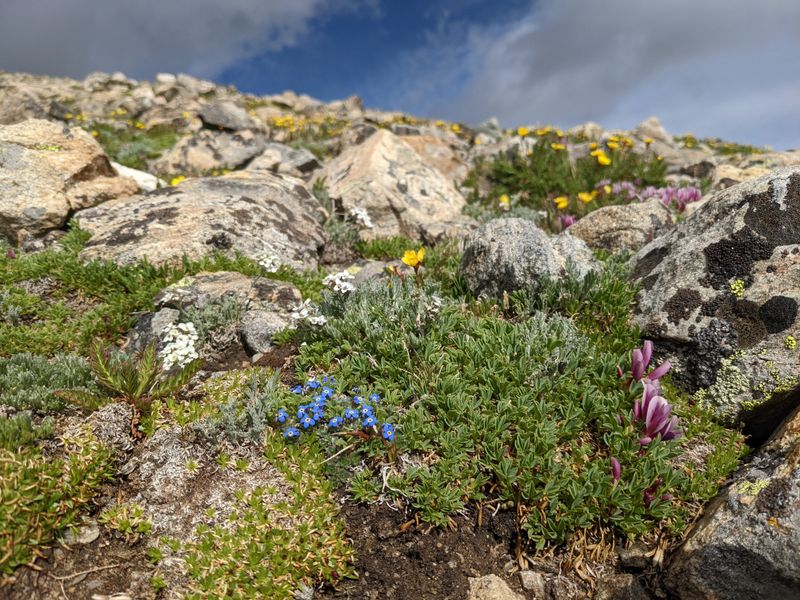
Day hiking remains the most popular way travelers experience Colorado’s mountain trails, offering accessible adventures without overnight camping commitments.
Families, solo explorers, and groups of friends lace up their boots each morning to tackle trails ranging from easy nature walks to challenging summit climbs.
The beauty of day hiking lies in its flexibility, allowing people to choose routes that match their fitness levels and time constraints.
Popular destinations like the trails around Maroon Bells near Aspen or the routes in Rocky Mountain National Park see thousands of day hikers annually.
These visitors pack water bottles, snacks, and cameras to capture the stunning vistas that unfold around every switchback.
Many trails lead to alpine lakes, waterfalls, or mountain peaks where hikers pause to absorb panoramic views stretching for miles.
The physical and mental health benefits of day hiking attract health-conscious travelers seeking exercise combined with natural beauty.
Breathing crisp mountain air while surrounded by towering pines and granite cliffs provides stress relief that urban environments cannot match.
Seasons change the hiking experience dramatically, with wildflower-covered meadows in summer giving way to golden aspen groves in autumn.
Trail difficulty ratings help hikers select appropriate routes, from gentle lakeside paths suitable for children to steep ascents requiring endurance and determination.
Local outfitters in mountain towns provide maps, gear recommendations, and current trail conditions to enhance safety and enjoyment.
Many day hikers return to the same trails repeatedly, finding new details and perspectives with each visit while building deeper connections to specific mountain landscapes.
Mountain Biking Through Technical Terrain
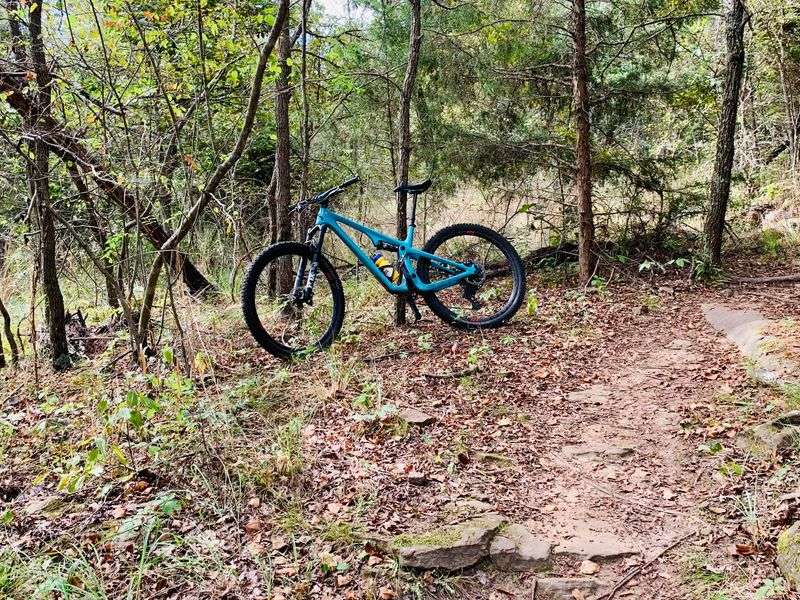
Mountain bikers have discovered Colorado’s trail systems offer some of North America’s most exhilarating two-wheeled adventures through varied terrain.
Riders navigate rocky sections, root-covered paths, and steep descents that test both technical skills and nerve.
The adrenaline rush of speeding down mountainsides while maintaining control creates addictive experiences that keep cyclists returning season after season.
Trail networks near Crested Butte, known as the Mountain Biking Capital of Colorado, provide hundreds of miles of purpose-built and maintained singletrack routes.
Breckenridge and Winter Park also feature extensive trail systems with options for beginners learning basic techniques and experts seeking heart-pounding challenges.
Many resorts operate chairlifts during summer months, carrying bikers and their equipment uphill so they can focus energy on thrilling downhill runs.
The mountain biking community in Colorado emphasizes trail etiquette, with riders yielding to hikers and horses while practicing leave-no-trace principles.
Technical features like rock gardens, wooden bridges, and banked turns demand concentration and bike-handling skills that improve with practice.
Fat-tire bikes have extended the riding season, allowing enthusiasts to pedal through snow-covered trails during winter months when traditional mountain bikes would struggle.
Group rides organized through local bike shops create social connections among riders who share tips about hidden trails and maintenance techniques.
Protective gear including helmets, gloves, and pads helps minimize injuries when inevitable spills occur on challenging sections.
The combination of cardiovascular workout, technical challenge, and spectacular scenery makes mountain biking a complete outdoor experience that engages body and mind simultaneously.
Trail Running for Speed and Endurance Training
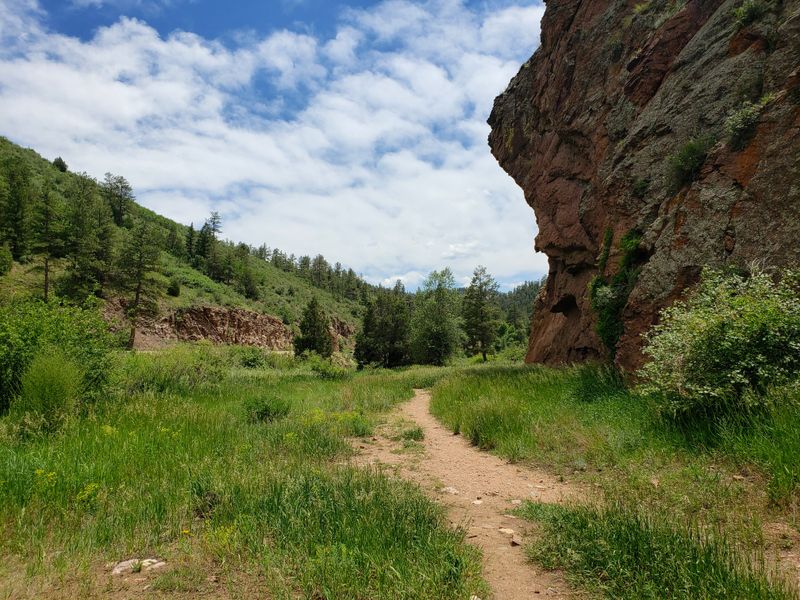
Trail runners transform Colorado’s mountain paths into natural training grounds where elevation gain and technical footing create superior conditioning opportunities.
Athletes seeking alternatives to pavement pounding discover that uneven surfaces and constant elevation changes build strength and agility impossible to achieve on flat roads.
The sport attracts everyone from casual joggers adding variety to their routines to ultra-marathon competitors preparing for hundred-mile races through wilderness areas.
High-altitude training in Colorado’s mountains provides physiological benefits as bodies adapt to thinner air by producing more oxygen-carrying red blood cells.
Popular trail running destinations include the trails around Boulder’s Flatirons and the challenging routes through Garden of the Gods near Colorado Springs.
Runners often start before dawn to complete longer routes, watching sunrise paint mountain peaks in shades of pink and gold while their footsteps echo through silent forests.
Specialized trail running shoes with aggressive tread patterns provide traction on loose gravel, muddy sections, and rocky descents where road shoes would slip dangerously.
Many runners carry hydration packs and energy gels for sustained efforts at altitude where dehydration occurs more rapidly than at sea level.
The mental toughness developed through trail running transfers to other life challenges, as runners push through fatigue and discomfort to reach distant summits or complete planned distances.
Trail running clubs organize group outings that combine social interaction with shared suffering during particularly grueling climbs.
Seasoned trail runners learn to read terrain quickly, adjusting stride length and foot placement instinctively to maintain momentum over obstacles.
The sport’s growing popularity has led to numerous trail running events and races throughout Colorado’s mountains, from short 5K fun runs to multi-day stage races covering extreme distances.
Backpacking for Multi-Day Wilderness Immersion
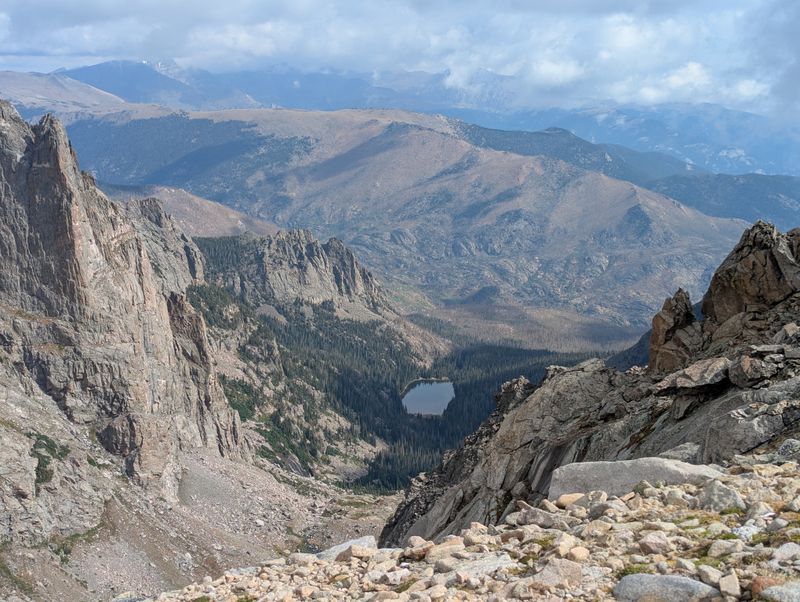
Backpackers seeking deeper wilderness connections load everything needed for survival onto their backs and disappear into Colorado’s remote trail systems for days or weeks.
This self-sufficient approach to mountain exploration creates intimate relationships with landscapes as travelers move slowly through changing ecosystems and weather patterns.
Carrying shelter, food, clothing, and safety equipment requires careful planning and physical conditioning to handle loads often weighing thirty to fifty pounds.
The Colorado Trail, stretching 486 miles from Denver to Durango, represents a bucket-list challenge for serious backpackers willing to commit weeks to continuous hiking.
Wilderness areas like the Maroon Bells-Snowmass Wilderness and the Weminuche Wilderness offer pristine backcountry where permits limit visitor numbers to preserve solitude and ecological integrity.
Backpackers establish camps beside alpine streams and lakes, cooking meals over portable stoves while watching stars emerge in unpolluted skies far from city lights.
Navigation skills become essential as backpackers follow cairns and faint trail markers through areas where paths disappear across rocky slopes or meadows.
Weather awareness takes on critical importance when thunderstorms can develop rapidly in mountains, bringing lightning, hail, and dangerous temperature drops.
Experienced backpackers practice leave-no-trace camping, selecting durable surfaces for tents and packing out all waste to preserve wilderness character for future visitors.
The simplicity of backcountry life strips away modern distractions, allowing travelers to reconnect with basic human needs and natural rhythms of daylight and darkness.
Sharing trails with wildlife like elk, marmots, and occasional black bears reminds backpackers they’re visitors in wild animal territories.
Many backpackers describe their multi-day trips as transformative experiences that provide perspective on daily life and renew appreciation for modern conveniences awaiting at trailheads.
Photography Expeditions Capturing Mountain Beauty

Photographers haul cameras, lenses, and tripods along Colorado’s trails to capture images that showcase the state’s legendary mountain beauty.
These visual artists wake before dawn to reach locations where first light illuminates peaks in magical golden hues impossible to recreate later in the day.
The weight of photography equipment adds significant challenge to hiking, but the resulting images justify every ounce carried up steep switchbacks.
Iconic locations like Maroon Bells attract photographers from around the world who set up tripods shoulder-to-shoulder during peak autumn color seasons.
Less crowded trails offer opportunities for original compositions showing lesser-known but equally stunning landscapes.
Wildflower seasons bring macro photographers who focus on tiny alpine blooms clinging to life in harsh high-altitude environments, capturing intricate details invisible to casual observers.
Wildlife photographers spend hours waiting silently beside trails, hoping elk, bighorn sheep, or ptarmigan will appear within camera range.
Changing weather conditions create dramatic lighting effects as storms move through mountains, with photographers timing shots to capture lightning, rainbows, or fog-shrouded valleys.
Night photography enthusiasts return to remote locations after dark, using long exposures to capture star trails arcing above silhouetted peaks.
Many photographers share their mountain images through social media, inadvertently promoting trail awareness while sometimes contributing to overcrowding at popular spots.
The technical challenges of mountain photography include dealing with extreme temperature swings that drain batteries and condensation that fogs lenses.
Photography workshops led by professional mountain photographers teach techniques for capturing landscapes while emphasizing ethical practices that protect fragile alpine environments from trampling damage caused by people seeking perfect angles.
Nature Study and Wildlife Observation
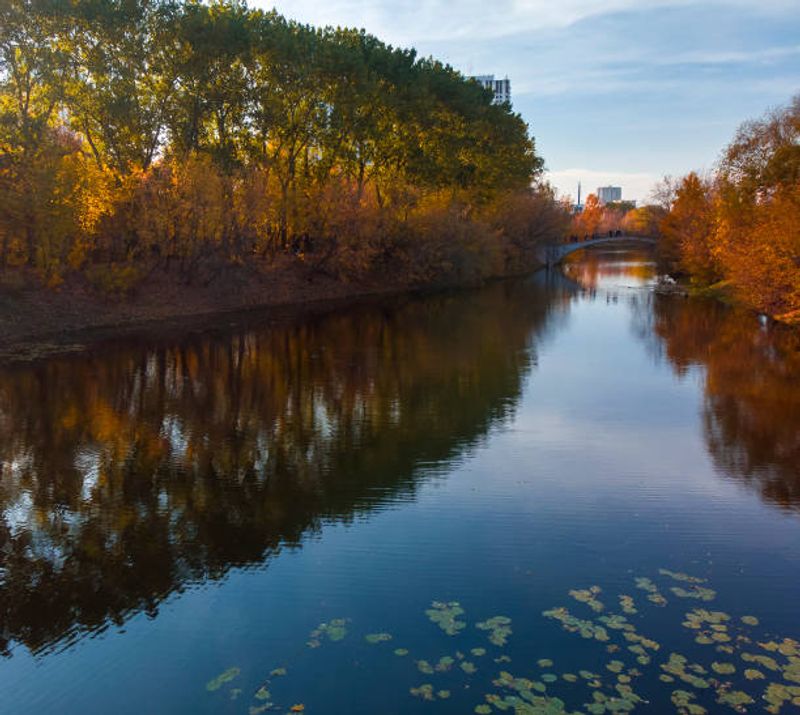
Naturalists and wildlife enthusiasts use Colorado’s trails as outdoor classrooms where every hike reveals lessons about ecology, geology, and animal behavior.
Binoculars and field guides accompany these curious travelers who move slowly, pausing frequently to examine plants, identify bird calls, or study animal tracks in trail mud.
The educational aspect of trail use appeals to families teaching children about nature and retirees pursuing lifelong learning interests in mountain environments.
Birdwatchers seek high-altitude species like white-tailed ptarmigan, rosy-finches, and various woodpecker species that inhabit different elevation zones along trail systems.
Wildflower identification becomes an engaging treasure hunt during summer months when hundreds of species bloom across alpine meadows and subalpine forests.
Geology enthusiasts examine rock formations and mineral deposits, reading mountain-building processes written in stone layers tilted and folded by ancient tectonic forces.
Early morning and evening hours provide best wildlife observation opportunities when animals are most active and less disturbed by human presence.
Respectful observation means maintaining distance that doesn’t alter animal behavior, using telephoto lenses or binoculars rather than approaching closely.
Seasonal changes bring different wildlife viewing opportunities, from spring elk calves learning to walk to autumn bugling season when bull elk compete for mates with haunting calls echoing through valleys.
Citizen science projects engage trail users in collecting data about species distributions, phenology, and population trends that contribute to conservation research.
Nature journaling combines hiking with artistic expression as observers sketch plants, animals, and landscapes while recording observations about weather, behavior, and habitat conditions.
Guided nature walks led by naturalists provide deeper understanding of ecological relationships connecting plants, animals, climate, and geology into functioning mountain ecosystems that support remarkable biodiversity.
Spiritual Retreat and Mindfulness Practice
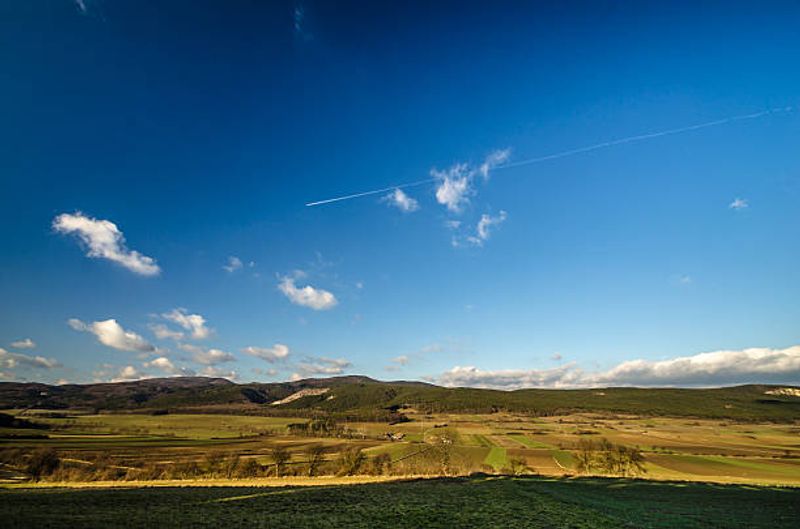
Many travelers seek Colorado’s mountain trails specifically for spiritual renewal and mindfulness practice found in quiet natural settings.
The solitude available on less-traveled paths creates space for meditation, reflection, and escape from constant digital connectivity that dominates modern life.
Walking meditation becomes particularly powerful in mountains where each step connects practitioners physically with earth while breathing thin air demands present-moment awareness.
Retreat centers near mountain trails offer structured programs combining hiking with yoga, meditation instruction, and contemplative practices designed to deepen spiritual experiences.
Solo hikers find personal sanctuary on trails where hours pass without encountering other humans, allowing internal dialogues and processing of life questions in peaceful surroundings.
The grandeur of mountain landscapes naturally evokes feelings of awe and humility that many people associate with spiritual or transcendent experiences.
Sunrise and sunset hikes take on ceremonial qualities for those who approach mountain time as sacred practice rather than mere recreation.
Some visitors perform walking prayers or chanting while hiking, using rhythmic movement and breath to enter meditative states enhanced by natural beauty surrounding them.
The physical challenges of mountain hiking serve as metaphors for life struggles, with summit achievements representing perseverance through difficulties.
Forest bathing, a practice originating in Japan, finds perfect expression on Colorado’s wooded trails where travelers move slowly, engaging all senses to absorb healing qualities of forest environments.
Journaling at scenic overlooks helps process insights and emotions that arise during contemplative mountain time.
Many people report that regular trail time provides psychological benefits comparable to therapy, offering perspective on problems that seem overwhelming in urban contexts but manageable when viewed from mountain summits where human concerns appear small against vast geological timescales.
Dear Reader: This page may contain affiliate links which may earn a commission if you click through and make a purchase. Our independent journalism is not influenced by any advertiser or commercial initiative unless it is clearly marked as sponsored content. As travel products change, please be sure to reconfirm all details and stay up to date with current events to ensure a safe and successful trip.
