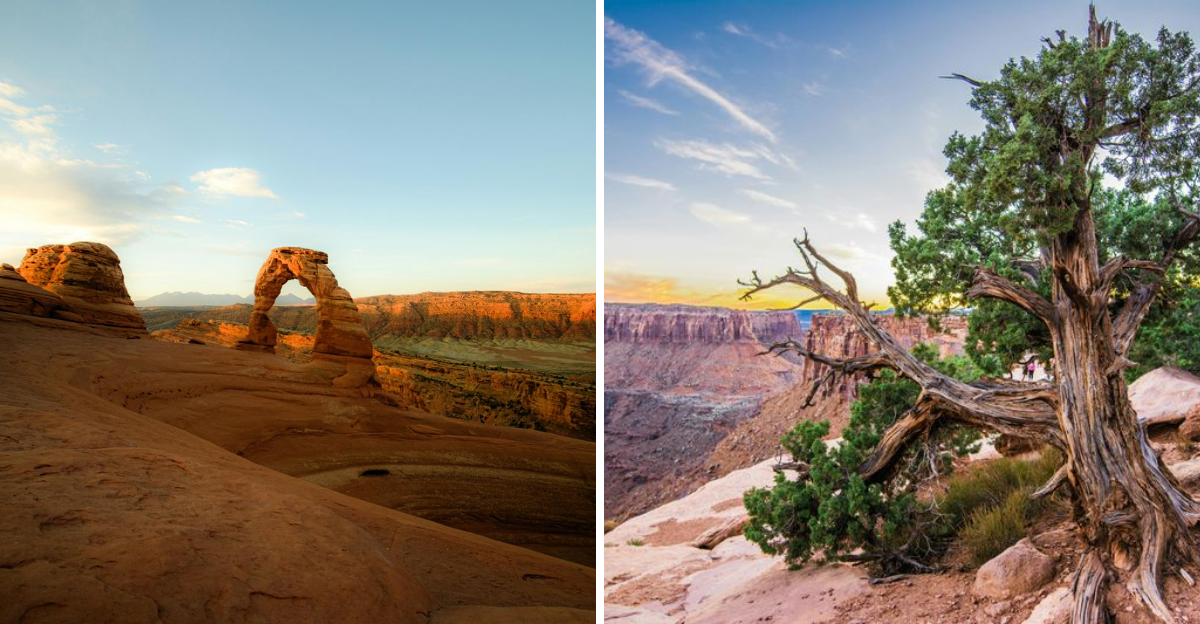
Arches National Park draws millions of visitors each year who come to marvel at over 2,000 natural stone arches and dramatic red rock landscapes that define this Utah treasure.
The park’s stunning beauty has made it one of the most popular destinations in the American Southwest, but this surge in tourism has brought unexpected challenges to the surrounding communities.
Towns like Moab and smaller nearby settlements are experiencing significant changes as visitor numbers continue to climb year after year.
Understanding how tourism affects these communities helps us appreciate the complex relationship between preserving natural wonders and supporting the people who call these areas home.
From housing shortages to traffic congestion, the impact of increased visitation extends far beyond the park boundaries and touches every aspect of daily life for local residents.
Housing Costs and Availability Crisis
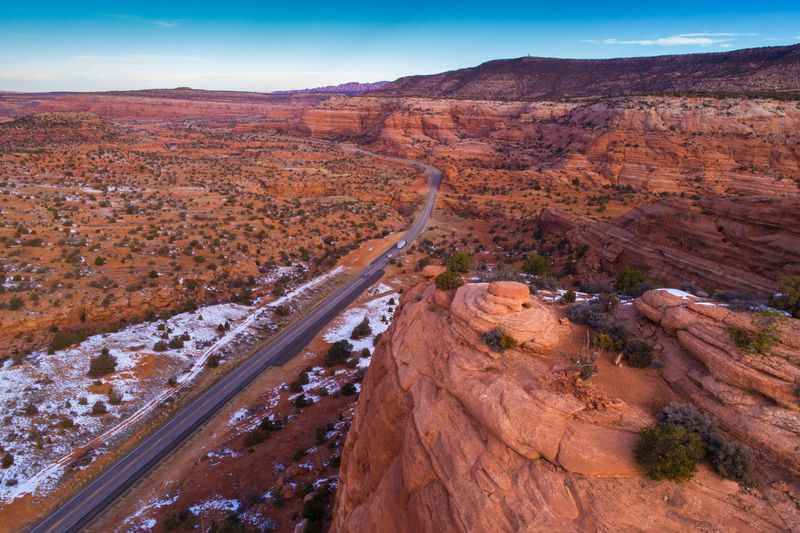
Local residents around Arches National Park face mounting pressure as housing costs skyrocket beyond what many working families can afford.
Property owners increasingly convert long-term rental homes into vacation rentals because tourists pay significantly more than year-round tenants.
Workers who staff restaurants, hotels, and shops find themselves priced out of the communities where they earn their living.
Moab, the gateway city to Arches National Park located at 217 East Center Street, has seen average home prices double in less than a decade.
Teachers, nurses, park rangers, and service industry employees often commute from towns more than fifty miles away because they cannot find affordable housing nearby.
Some workers even live in campers or share cramped apartments with multiple roommates just to stay close to their jobs.
The shortage affects not just renters but also potential homebuyers who grew up in these communities and hoped to raise their own families here.
Real estate agents report bidding wars where out-of-state buyers with cash offers outcompete locals every time.
Young adults who graduated from Grand County High School often move away permanently because returning home after college becomes financially impossible.
Community leaders struggle to balance economic growth with preserving the character of their towns and ensuring longtime residents can stay.
Some municipalities have started implementing regulations on short-term rentals, but enforcement remains challenging and controversial.
The housing crisis represents perhaps the most personal way that surging visitor numbers affect the daily lives of people living near Arches National Park.
Traffic Congestion and Infrastructure Strain
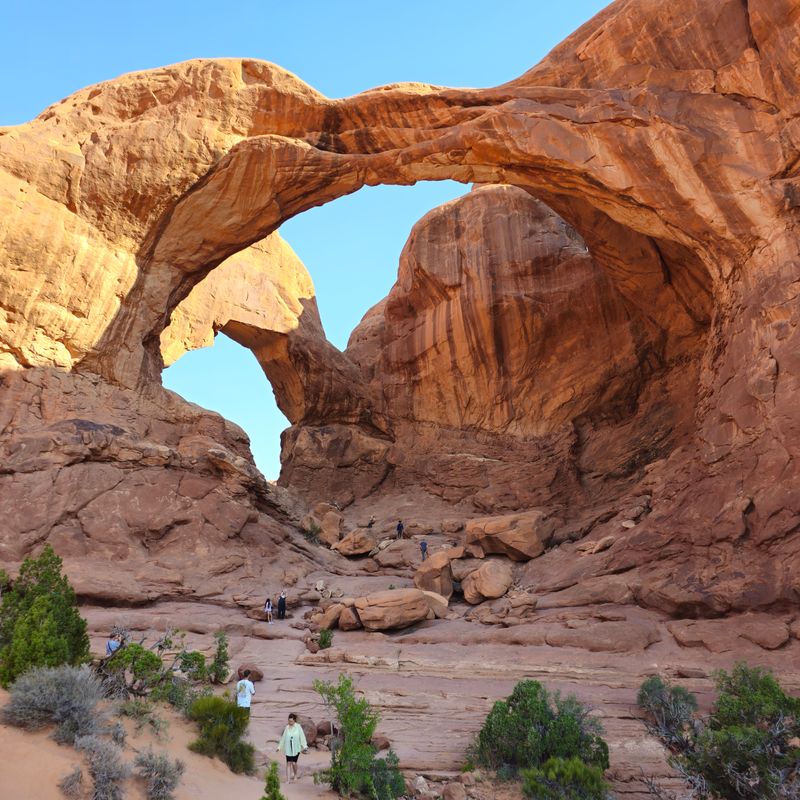
Roads designed for small-town traffic now buckle under the weight of millions of annual visitors heading to Arches National Park.
Highway 191 through Moab transforms into a parking lot during peak season, with vehicles backed up for miles as tourists try to reach park entrances.
Emergency vehicles struggle to navigate through traffic jams, raising serious safety concerns for both residents and visitors alike.
The two-lane roads leading into Arches National Park were never engineered to handle the volume of cars, RVs, and tour buses that now crowd them daily.
Locals who once enjoyed quick fifteen-minute commutes now spend over an hour traveling the same distance during summer months.
Parents worry about getting their children to school on time, and workers arrive late to shifts because traffic has become so unpredictable.
Infrastructure maintenance costs have exploded as constant traffic wears down road surfaces much faster than anticipated in municipal budgets.
Potholes appear with alarming frequency, and resurfacing projects require road closures that further complicate traffic flow.
Parking becomes nearly impossible in downtown Moab as visitors fill every available space, forcing locals to park blocks away from businesses they need to access.
County officials debate expensive infrastructure upgrades, but funding such projects means raising taxes on residents already stretched thin by rising costs.
Some suggest implementing shuttle systems or timed entry reservations at the park to reduce vehicle numbers.
The traffic situation illustrates how communities never imagined needing big-city solutions when they were founded as quiet desert towns.
Water Resource Depletion Concerns
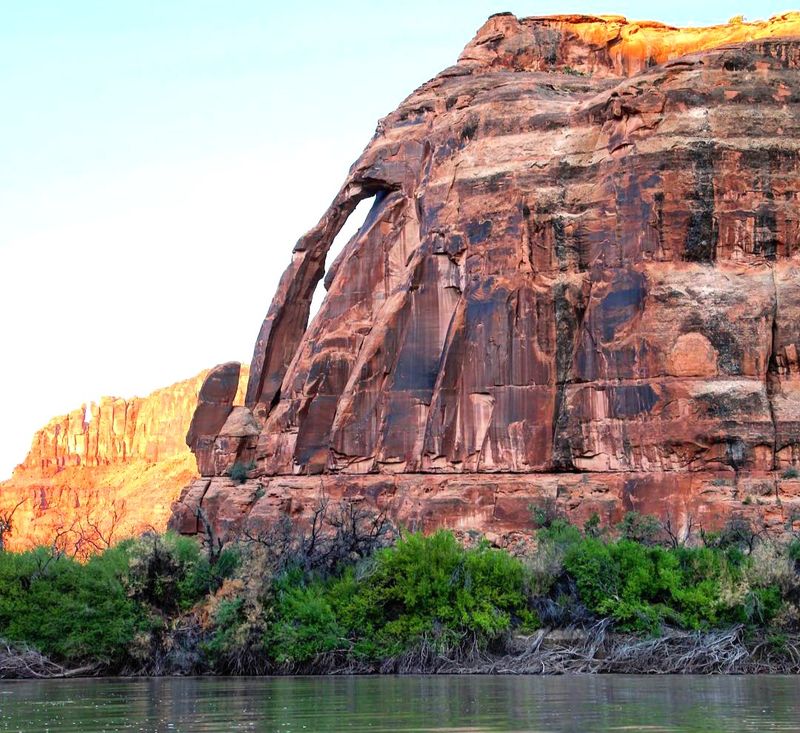
Communities surrounding Arches National Park sit in a high desert environment where water has always been precious, and increased tourism places unprecedented demands on limited supplies.
Hotels, restaurants, campgrounds, and vacation rentals consume vastly more water than the modest needs of the resident population.
Lawn irrigation for tourist-oriented businesses and water-intensive amenities like swimming pools drain aquifers faster than natural recharge rates can replenish them.
The Colorado River basin faces historic drought conditions, making every gallon of water increasingly valuable and contested.
Moab draws its municipal water from the Colorado River and underground sources that show declining levels year after year.
Scientists warn that continued population growth combined with tourism expansion could exceed sustainable water availability within the next two decades.
Local farmers and ranchers who have water rights dating back generations watch nervously as development projects receive approval for new water allocations.
Agricultural operations that sustained communities for over a century now compete with hotels and attractions for the same finite resource.
Some longtime ranching families have sold their properties because maintaining livestock operations became economically unviable when water costs rose dramatically.
Water conservation efforts target both residents and visitors, with campaigns encouraging shorter showers and drought-tolerant landscaping.
Municipal officials consider implementing tiered water pricing where heavy users pay premium rates to discourage waste.
The water crisis demonstrates how environmental limits eventually constrain growth regardless of economic incentives, forcing difficult conversations about sustainable tourism levels around Arches National Park.
Strain on Emergency and Medical Services
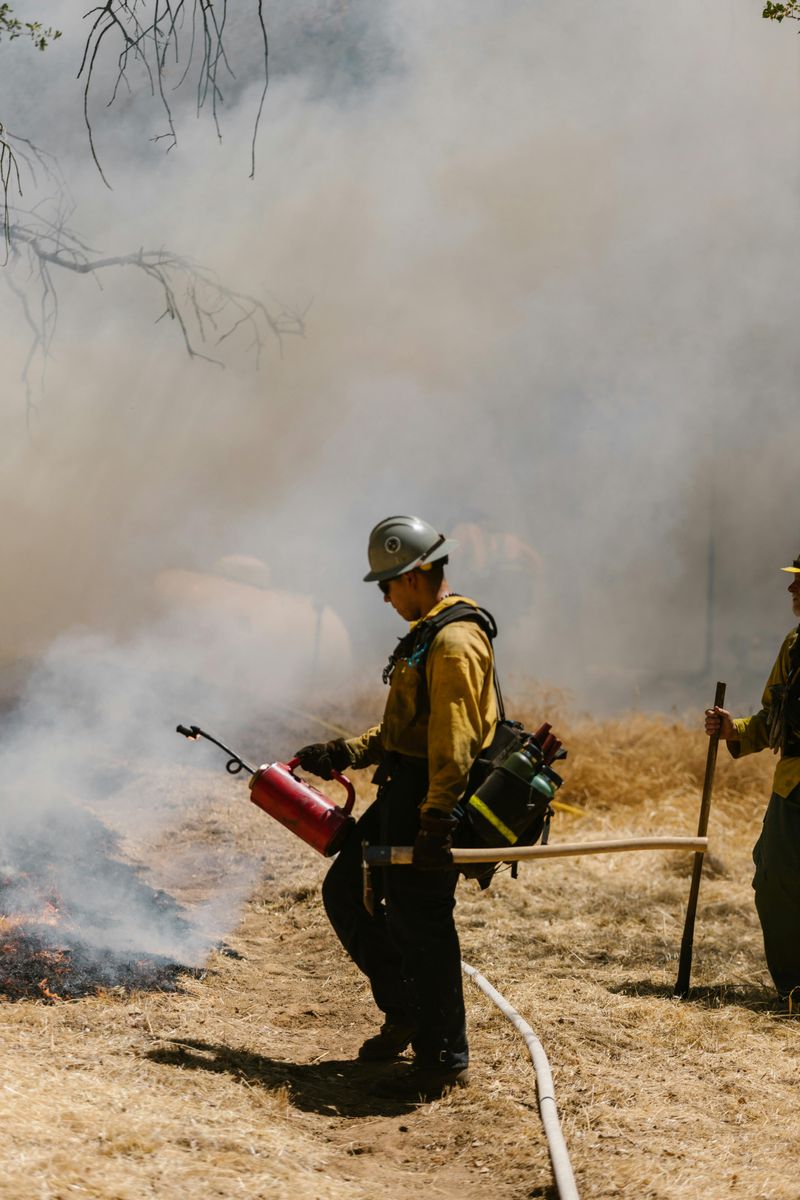
Emergency responders in communities near Arches National Park face overwhelming demands as visitor numbers surge beyond what local infrastructure can reasonably support.
Search and rescue teams conduct dozens of operations monthly during peak season, extracting injured hikers from remote locations throughout the park.
Volunteer rescue squad members who hold regular day jobs find themselves called away from work repeatedly, creating strain on their employers and personal lives.
Moab Regional Hospital, located at 450 West Williams Way, operates with limited beds and specialized equipment designed to serve a permanent population of around ten thousand people.
During busy tourism months, emergency rooms overflow with dehydrated hikers, heat stroke victims, and people injured in climbing accidents.
Medical staff work extended shifts while treating patients who often lack proper insurance or understanding of desert dangers.
Ambulance response times increase throughout the region because vehicles are frequently deployed to park-related emergencies miles from town.
Residents with medical emergencies sometimes wait longer for help because resources are tied up assisting tourists who underestimated trail difficulty or weather conditions.
Helicopter evacuations from Arches National Park cost tens of thousands of dollars, and many rescued visitors cannot or will not pay these expenses.
Local fire departments and law enforcement agencies struggle with staffing levels insufficient for tourism season demands while operating on budgets based on resident population size.
Training new emergency personnel takes time and money that small communities struggle to provide.
The gap between emergency service capacity and actual need grows wider each year as visitation increases without corresponding expansion of critical safety resources.
Changes to Local Business Character

Small businesses that once served local residents around Arches National Park have transformed dramatically to cater almost exclusively to tourist preferences and spending patterns.
Family-owned grocery stores and hardware shops have closed or relocated as landlords convert their spaces into souvenir shops and outdoor gear retailers.
Longtime residents struggle to find everyday necessities as businesses prioritize high-margin tourist merchandise over practical goods that locals actually need.
Restaurants that served as community gathering places for decades now focus menus and pricing on visitors willing to pay premium rates for single meals.
Working families can no longer afford to eat at establishments where they once celebrated birthdays and anniversaries.
Service industry employees who work at tourist-oriented businesses often cannot afford to patronize the very restaurants and shops that employ them.
Downtown Moab along Main Street has evolved into a continuous strip of adventure tour companies, bike rental shops, and gift stores selling identical mass-produced southwestern trinkets.
Local artists and craftspeople get squeezed out by rising commercial rents that only chain stores and well-capitalized businesses can afford.
The unique character that originally attracted visitors gradually disappears as communities become indistinguishable from generic tourist towns found anywhere.
Some residents feel like strangers in their own hometown as businesses no longer recognize them or value their patronage compared to tourist dollars.
Community banks get replaced by national chains, and local coffee shops close when Starbucks moves in.
While tourism brings economic benefits, the loss of businesses serving resident needs creates a sense that communities exist only to service visitors rather than function as real places where people build lives and raise families.
Environmental Degradation of Surrounding Areas
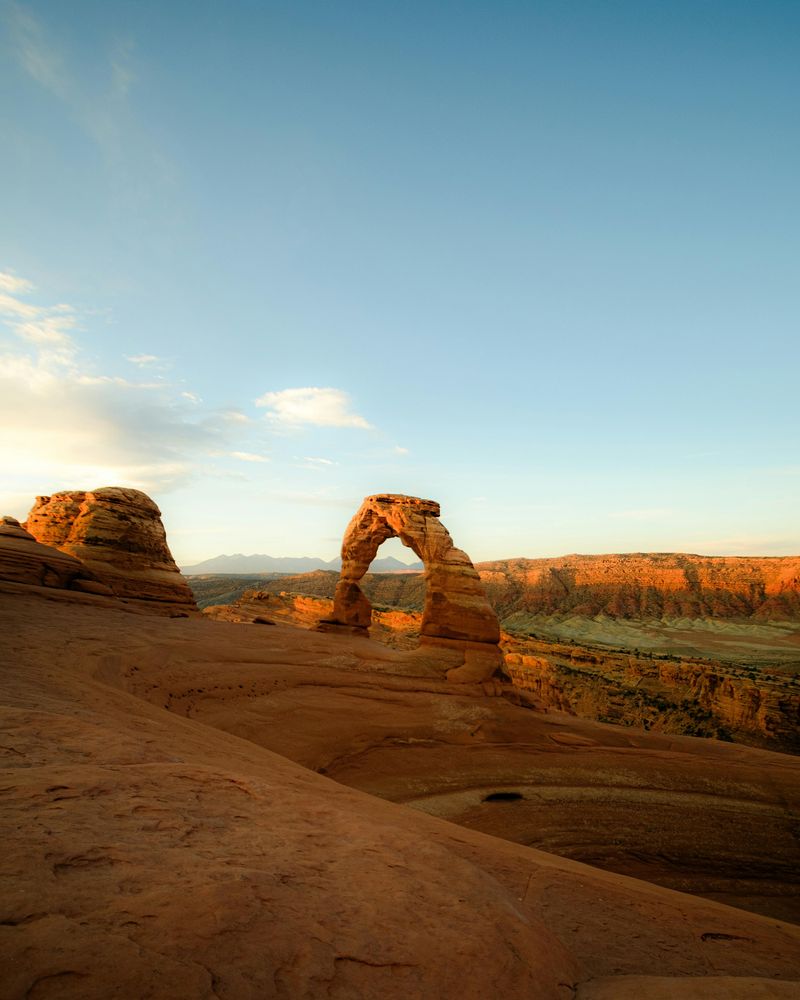
Increased visitor numbers to Arches National Park create environmental impacts that extend throughout surrounding communities and public lands.
Dispersed camping on Bureau of Land Management land near the park has exploded as visitors seek free alternatives to crowded campgrounds.
Improper waste disposal, illegal campfires, and vegetation damage from off-road driving plague areas that lack ranger patrols or enforcement presence.
Popular recreation spots along the Colorado River and in nearby canyons show visible signs of overuse with eroded trails, trampled vegetation, and litter accumulating faster than volunteer cleanup efforts can address.
Wildlife populations shift their ranges to avoid human activity, disrupting ecological patterns that evolved over thousands of years.
Native plant communities struggle to recover when hundreds of feet trample them daily during the tourism season.
Air quality in Moab and surrounding areas has declined as vehicle emissions from millions of visitors combine with dust from increased traffic and construction.
Residents who moved to the area for clean desert air now experience hazy conditions during peak tourism months.
Light pollution from expanding hotel developments and tourist facilities diminishes the spectacular night skies that once defined the region.
Noise pollution from helicopters conducting tours and rescues, along with constant traffic, replaces the natural quiet that characterized these communities for generations.
Sacred sites and archaeological resources face increased risk from visitors who ignore boundaries or remove artifacts.
Community members who value environmental preservation feel helpless watching degradation accelerate while economic pressures push for continued tourism growth without adequate resources for protecting the landscape that makes the area special.
Seasonal Employment Instability
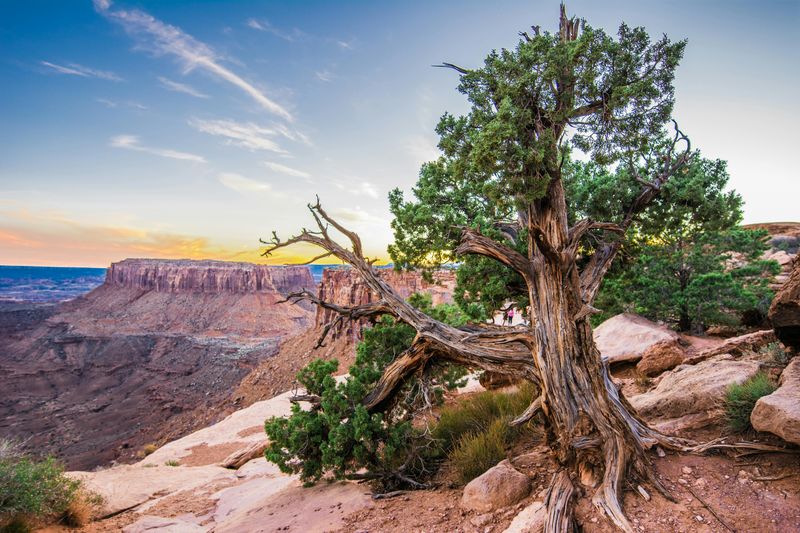
Workers in communities around Arches National Park face uncertain employment prospects tied directly to tourism seasons that create boom-and-bust economic cycles.
Hotels, restaurants, and tour companies hire aggressively from March through October but lay off most staff during winter months when visitation drops dramatically.
Employees struggle to maintain stable housing and plan for the future when they only receive income for half the year.
Many seasonal workers are young adults from other states or countries who arrive for summer employment then leave when positions end.
This transient workforce means communities never develop the stable population base needed to support schools, medical facilities, and other essential services.
Local teenagers who once filled summer jobs now compete with experienced workers willing to accept seasonal positions that offer no benefits or job security.
Year-round residents who depend on tourism employment often work multiple jobs during peak season to save money for lean winter months.
This exhausting pattern leads to burnout and makes it difficult for families to spend time together or participate in community activities.
Some workers qualify for unemployment benefits during off-season but face bureaucratic hurdles and inadequate payments that barely cover basic expenses.
Businesses struggle to find reliable employees because the seasonal nature of work makes positions unattractive to people seeking stable careers.
High turnover means constant training of new staff, reducing service quality and increasing operational costs.
Economic dependence on tourism creates vulnerability for entire communities whose fortunes rise and fall with park visitation numbers influenced by factors beyond local control like gas prices, economic recessions, or global events that affect travel patterns.
Dear Reader: This page may contain affiliate links which may earn a commission if you click through and make a purchase. Our independent journalism is not influenced by any advertiser or commercial initiative unless it is clearly marked as sponsored content. As travel products change, please be sure to reconfirm all details and stay up to date with current events to ensure a safe and successful trip.
