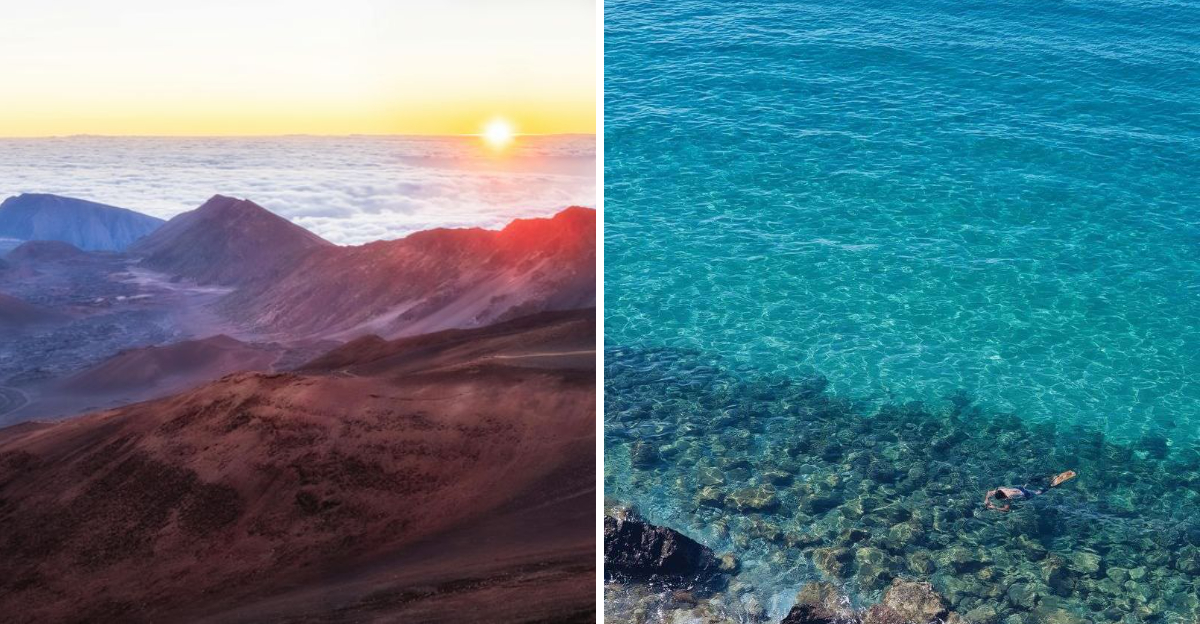
Maui has long been a dream destination for travelers seeking paradise, but the island’s popularity has brought significant changes over the years.
Rising visitor numbers have transformed everything from the beaches and hiking trails to local businesses and cultural sites.
Understanding how tourism has shaped the island helps visitors appreciate both the beauty and the challenges that come with being one of Hawaii’s most beloved destinations.
Whether you’re planning your first trip or returning for another visit, knowing how visitor numbers have influenced Maui can help you make the most of your experience while respecting the island and its people.
From crowded beaches to new regulations, the impact of tourism touches every corner of this tropical paradise.
Beach Access and Parking Have Become Major Challenges
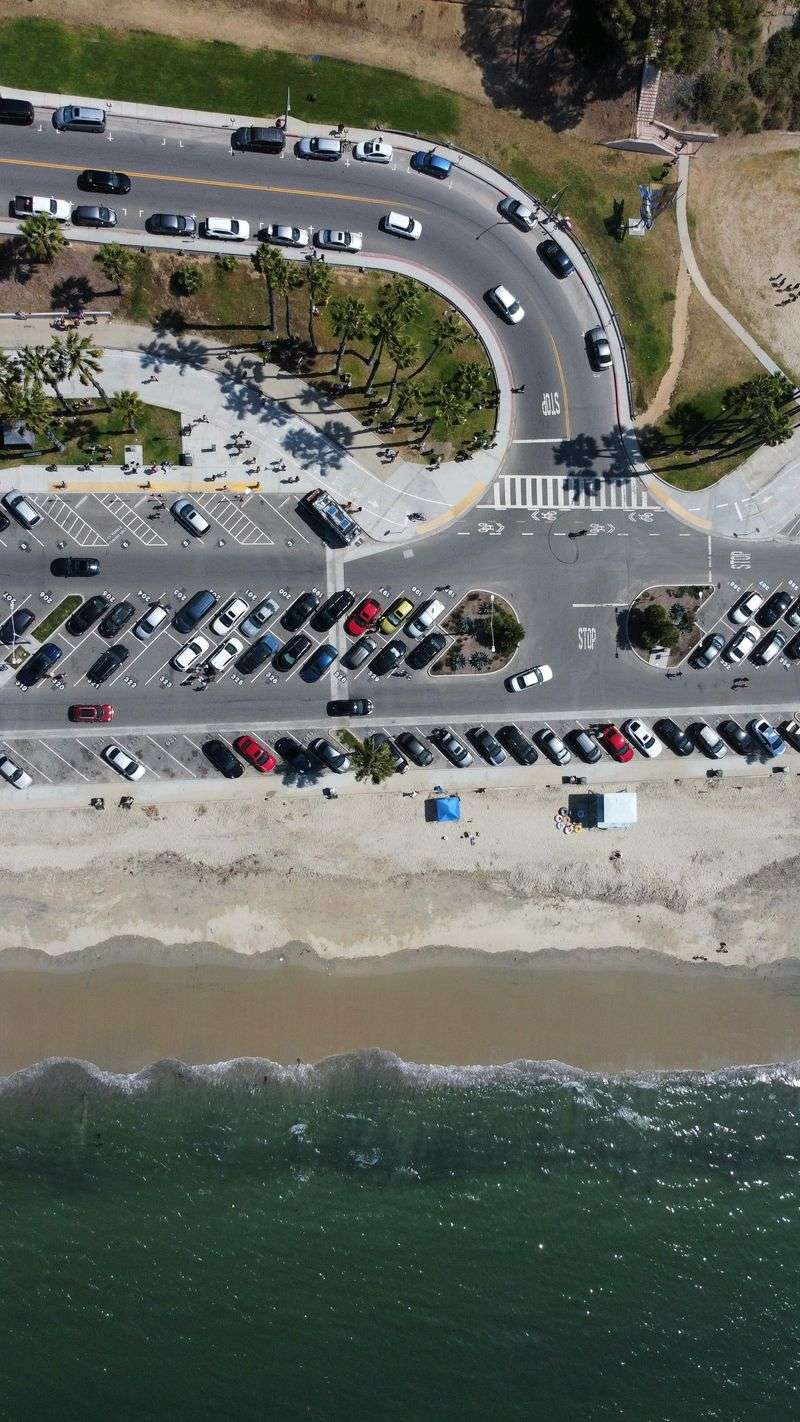
Finding a parking spot at popular beaches like Wailea or Kapalua can feel like winning the lottery these days.
As more tourists discover Maui’s stunning coastline, parking lots fill up by mid-morning, forcing visitors to circle endlessly or give up entirely.
Local residents who once enjoyed easy access to their favorite beaches now face the same frustrations as tourists.
Some beaches have implemented parking fees and time limits to manage the crowds, which helps generate revenue for maintenance but adds another expense to beach days.
Makena Beach State Park, once a peaceful escape, now sees hundreds of visitors daily during peak season.
The county has responded by adding more parking spaces at select locations, but construction often can’t keep pace with visitor growth.
Early morning arrivals have become essential for securing a good spot, especially at famous locations like Big Beach.
Rideshare services offer an alternative, though they add costs and aren’t always reliable for pickups from remote beaches.
Some resorts now offer shuttle services to popular beaches, reducing the parking burden while providing convenience for their guests.
Beach access points that were once known only to locals have been discovered through social media, bringing crowds to previously quiet shores.
The increased foot traffic has also led to erosion problems at some beach access paths, requiring costly repairs and sometimes temporary closures.
Conservation groups work alongside government agencies to balance public access with environmental protection.
Visitors who arrive prepared with backup beach options and flexible schedules tend to have better experiences than those with rigid plans.
Understanding that popular beaches will be crowded helps set realistic expectations and reduces disappointment.
Road to Hana Has Required New Visitor Management Strategies
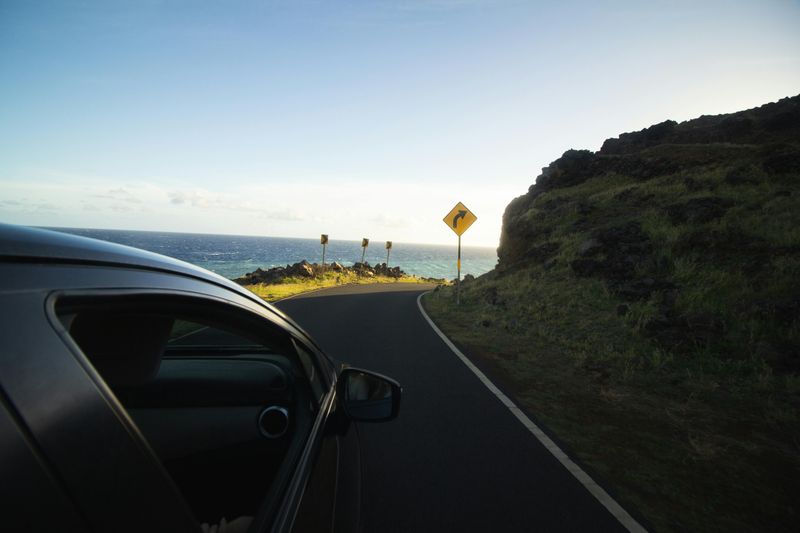
The legendary Road to Hana has transformed from a peaceful scenic drive into one of Maui’s most congested attractions.
On busy days, hundreds of rental cars navigate the narrow, winding road, creating traffic jams at popular stops and viewpoints.
What was once a leisurely exploration now requires strategic planning to avoid the worst crowds.
Tour companies have multiplied to meet demand, adding even more vehicles to the already packed route.
Local residents living along the road face daily disruptions as tourists park in front of driveways, block roads for photos, and sometimes wander onto private property.
The town of Hana itself has struggled with the influx, as its small size and limited infrastructure weren’t designed for thousands of daily visitors.
Restroom facilities at popular stops become overwhelmed, leading to unfortunate environmental impacts when visitors resort to alternatives.
Some waterfalls and swimming holes have been closed due to safety concerns and overcrowding, disappointing visitors who planned their trips around these spots.
Reservation systems have been discussed for years, though implementation faces challenges related to enforcement and local access rights.
Many tour guides now recommend starting extremely early or visiting during off-peak seasons to avoid the worst congestion.
The Hana community has posted signs asking visitors to be respectful, drive slowly, and remember that this is a residential area, not just a tourist attraction.
Despite the challenges, the Road to Hana remains breathtaking, with lush rainforests, dramatic coastlines, and cascading waterfalls around every turn.
Visitors who take their time, show respect for the area, and remain flexible with their plans still find magic along this iconic route.
The experience teaches an important lesson about sustainable tourism and the impact our travels have on small communities.
Haleakala National Park Implemented Sunrise Reservation Requirements
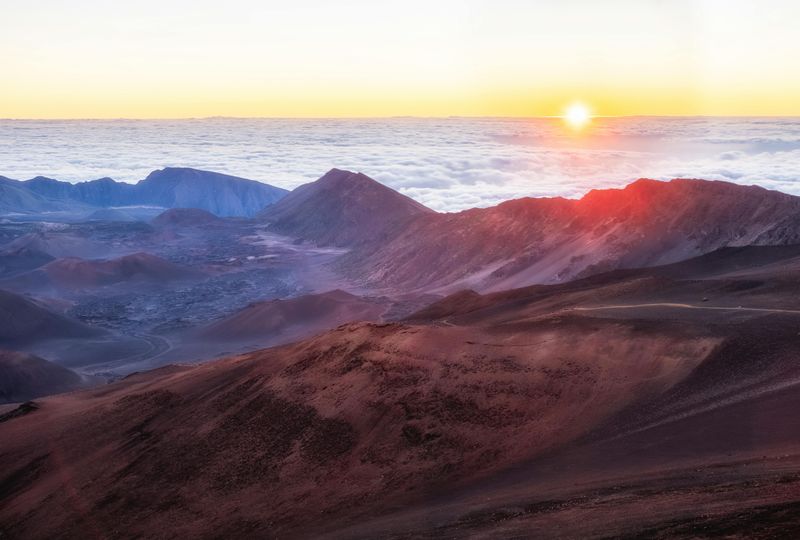
Watching the sunrise from atop Haleakala volcano ranks among Maui’s most iconic experiences, but popularity nearly ruined it.
Before 2017, hundreds of cars would arrive in darkness, creating dangerous parking situations and overwhelming the summit area.
Visitors often drove recklessly trying to secure spots, and the parking lots couldn’t accommodate everyone who showed up.
The National Park Service responded by implementing a reservation system specifically for sunrise viewing between 3 AM and 7 AM.
Now visitors must book their sunrise permits online up to 60 days in advance, and these reservations often sell out within minutes of becoming available.
The system has dramatically improved the experience for those who secure reservations, reducing chaos and allowing everyone to actually enjoy the spectacular views.
However, many visitors arrive in Maui unaware of the requirement and miss out on this bucket-list experience entirely.
The reservation fee is modest, but the planning required adds another layer of complexity to trip preparation.
Some travelers feel frustrated by the restriction, viewing it as limiting spontaneity and adding bureaucracy to their vacation.
Park rangers and environmental advocates point out that the system protects both visitor safety and the fragile alpine ecosystem at the summit.
Without crowd control, the endangered silversword plants and native insects that live only at these elevations faced serious threats from trampling.
Visitors can still explore Haleakala outside sunrise hours without reservations, and sunset, midday, and stargazing visits offer their own unique beauty.
The reservation system represents a broader trend in travel management where popular destinations must balance access with preservation.
Those who plan ahead and secure their sunrise slots consistently rate the experience as a highlight of their Maui vacation.
Local Restaurants and Food Trucks Face Long Wait Times
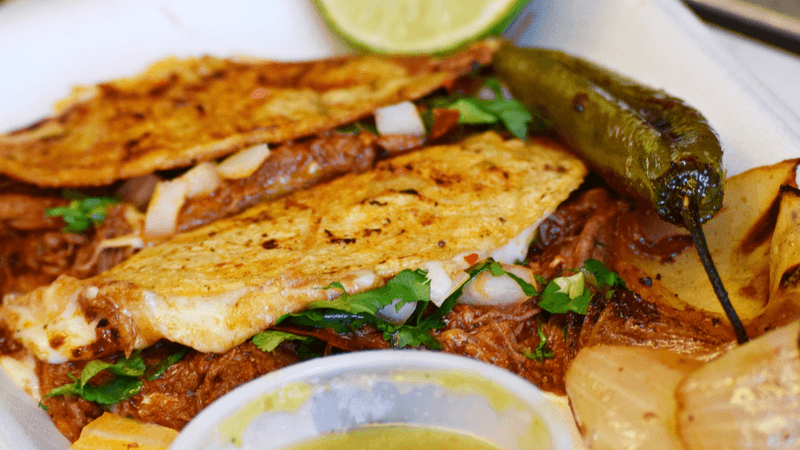
Maui’s food scene has exploded in popularity thanks to social media and food blogs highlighting hidden gems and local favorites.
Restaurants that locals once visited casually now require reservations weeks in advance, especially during peak travel seasons.
Food trucks that serve traditional Hawaiian plate lunches often have lines stretching down the block, with wait times exceeding an hour.
Mama’s Fish House, one of Maui’s most famous restaurants, books solid months ahead, making spontaneous dining there nearly impossible.
Even casual spots in Paia and Kihei see crowds that would have been unimaginable a decade ago.
The increased demand has been a blessing for business owners, allowing expansion and improved facilities, but it has changed the dining culture.
Local residents sometimes feel priced out or crowded out of their favorite establishments, creating tension between tourism economics and community life.
Many restaurants have raised prices significantly to manage demand, which works for high-end tourists but can alienate locals and budget travelers.
Some establishments have implemented locals-only hours or special pricing for residents, attempting to maintain community connections while serving visitors.
Food quality has generally improved as competition increases and restaurants invest in better ingredients and skilled chefs.
However, some longtime favorites have struggled to maintain consistency when overwhelmed by volume, leading to disappointed diners who expected perfection based on online reviews.
Visitors who research ahead, make reservations early, and remain flexible with their dining choices tend to eat better than those who show up hoping for immediate seating.
Exploring less-publicized restaurants and food trucks often yields delicious discoveries without the frustrating waits.
The dining scene perfectly illustrates how tourism transforms local culture, bringing both opportunities and challenges to island communities.
Snorkeling Sites Have Experienced Environmental Stress
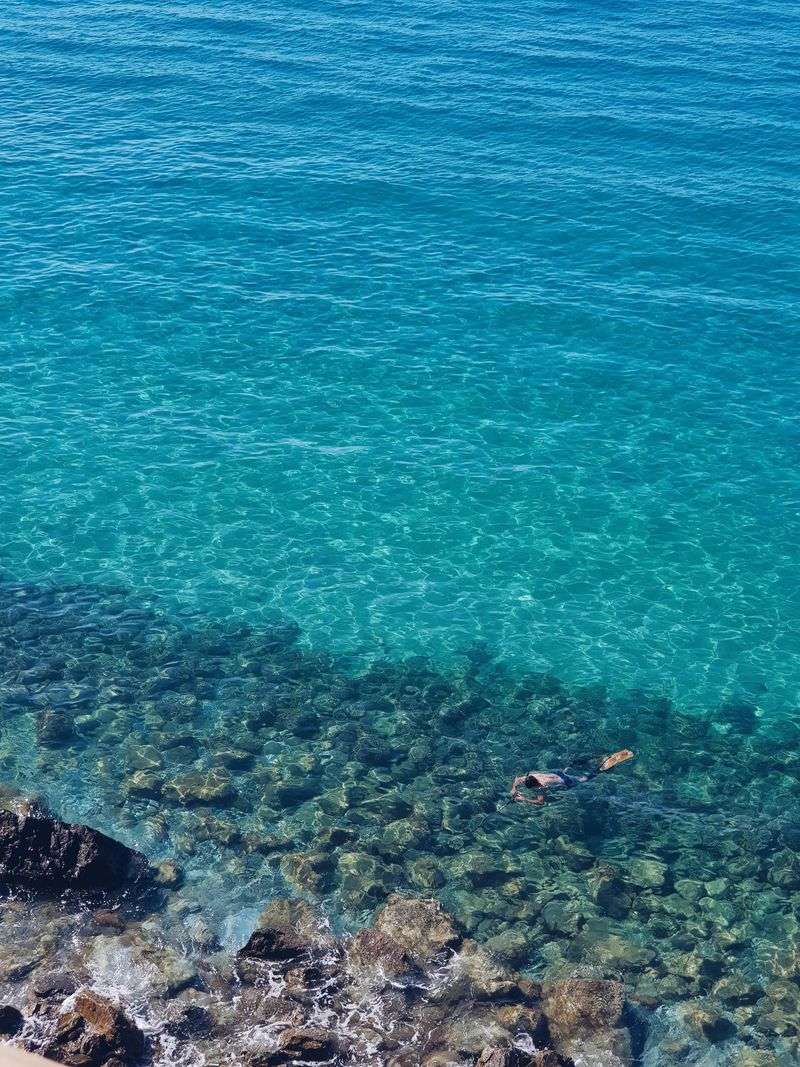
Molokini Crater and Turtle Town rank among the world’s premier snorkeling destinations, attracting thousands of visitors weekly.
The sheer number of boats and swimmers has placed tremendous stress on these delicate marine ecosystems.
Coral reefs show damage from anchors, fins, and sunscreen chemicals that wash off swimmers’ skin.
Sea turtles, while protected by law, face constant harassment from tourists eager for close-up photos and selfies.
Marine biologists have documented changes in fish behavior and coral health at the most heavily visited sites.
Tour operators now receive extensive training on environmental protection and are required to brief guests on proper snorkeling etiquette.
Reef-safe sunscreen has become mandatory at many locations, and some shops refuse to rent equipment to visitors wearing harmful chemical sunscreens.
Regulations prohibit touching or chasing marine life, though enforcement remains challenging with so many people in the water simultaneously.
Some snorkeling companies have shifted to less-visited sites to reduce pressure on the most famous locations.
Beach access points for shore snorkeling see hundreds of entries and exits daily, disturbing sea life and damaging near-shore coral.
Conservation groups work tirelessly to educate visitors about responsible ocean interaction and the importance of maintaining distance from wildlife.
Despite the challenges, Maui’s waters remain remarkably beautiful, with vibrant coral gardens and abundant marine life.
Visitors who snorkel responsibly, follow guidelines, and choose less crowded times or locations contribute to preservation efforts.
The experience of swimming among tropical fish and sea turtles remains magical, but it comes with the responsibility to protect these wonders for future generations.
Accommodation Prices Have Skyrocketed Across the Island
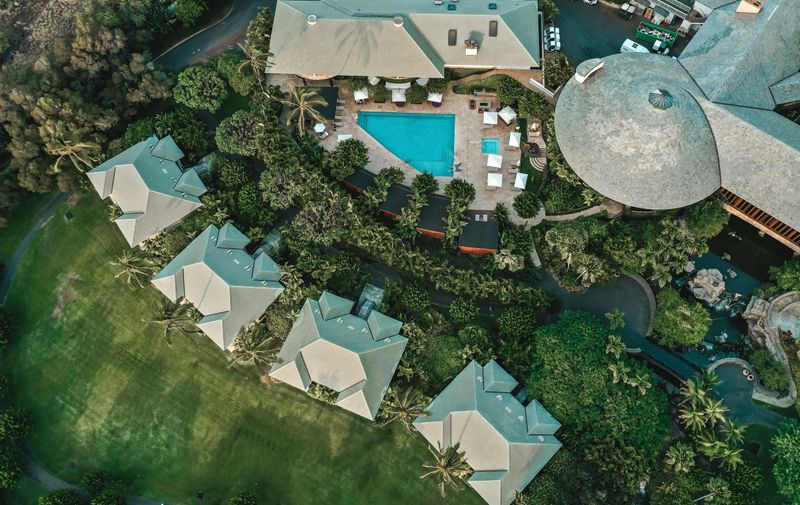
Hotel and vacation rental rates in Maui have climbed dramatically as demand consistently outpaces available inventory.
Properties that charged reasonable rates just five years ago now command premium prices, especially during winter months when mainland visitors escape cold weather.
Beachfront resorts in Wailea and Kapalua regularly charge over one thousand dollars per night during peak season.
The vacation rental market has transformed entire neighborhoods, with investors purchasing homes specifically to rent to tourists through platforms like Airbnb and VRBO.
This shift has contributed to a housing crisis for local residents, who find themselves competing with wealthy investors for limited housing stock.
Maui County has responded with regulations limiting short-term rentals in certain areas, though enforcement proves difficult and controversial.
Many longtime residents have been priced out of their own communities, forced to move to less desirable areas or leave the island entirely.
The high accommodation costs mean that Maui increasingly caters to luxury travelers while becoming less accessible to middle-class families and budget-conscious visitors.
Some argue that higher prices help limit visitor numbers naturally, reducing environmental impact, while others see it as excluding people who would be respectful visitors.
Hotel construction has increased to meet demand, but new properties take years to plan and build, and environmental concerns limit development in many areas.
Visitors booking far in advance generally find better rates than those making last-minute plans.
Staying in less touristy areas like Kihei or Kahului offers more affordable options compared to resort zones.
The accommodation situation perfectly demonstrates how tourism economics can transform a destination, bringing prosperity to some while creating hardship for others.
Understanding these dynamics helps visitors appreciate the complex relationship between tourism and local communities.
Cultural Sites Face Preservation Challenges from Heavy Tourism
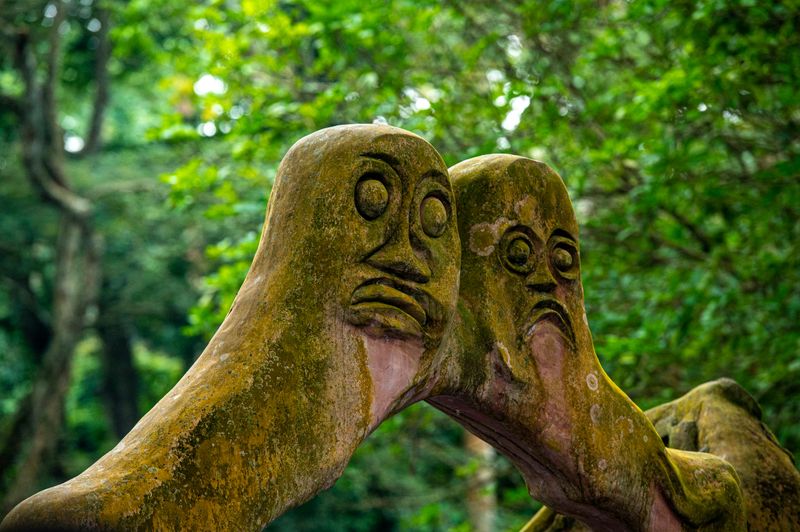
Ancient Hawaiian cultural sites throughout Maui have become increasingly vulnerable as visitor numbers grow.
Heiau (Hawaiian temples), petroglyphs, and burial grounds that survived centuries now face threats from tourism-related damage.
Visitors sometimes unknowingly walk on sacred sites, move rocks, or take items as souvenirs, actions that deeply offend Native Hawaiian cultural practitioners.
The Iao Valley State Monument, home to the sacred Iao Needle, has required extensive infrastructure improvements to handle visitor volume while protecting the site’s cultural and natural significance.
Educational signage has increased at cultural sites, helping visitors understand the importance and proper respect required at these locations.
Some ancient sites have been closed to public access entirely to prevent further degradation, disappointing tourists but necessary for preservation.
Native Hawaiian cultural advisors now work with tourism agencies to develop respectful ways to share heritage without exploiting or damaging sacred spaces.
Luaus and cultural demonstrations have become more commercialized to meet tourist demand, raising questions about authenticity and cultural appropriation.
Some Native Hawaiians argue that tourism has commodified their culture, reducing sacred traditions to entertainment for outsiders.
Others see tourism as an opportunity to educate visitors about Hawaiian history and culture, fostering understanding and respect.
The tension between sharing culture and protecting it remains an ongoing conversation within the Hawaiian community.
Visitors who take time to learn about Hawaiian culture before arriving and who approach cultural sites with reverence contribute positively to preservation efforts.
Choosing culturally-owned and operated tour companies ensures that tourism dollars support Native Hawaiian communities directly.
The challenge of balancing tourism access with cultural preservation isn’t unique to Maui, but the island’s situation offers important lessons for sustainable cultural tourism worldwide.
Dear Reader: This page may contain affiliate links which may earn a commission if you click through and make a purchase. Our independent journalism is not influenced by any advertiser or commercial initiative unless it is clearly marked as sponsored content. As travel products change, please be sure to reconfirm all details and stay up to date with current events to ensure a safe and successful trip.
