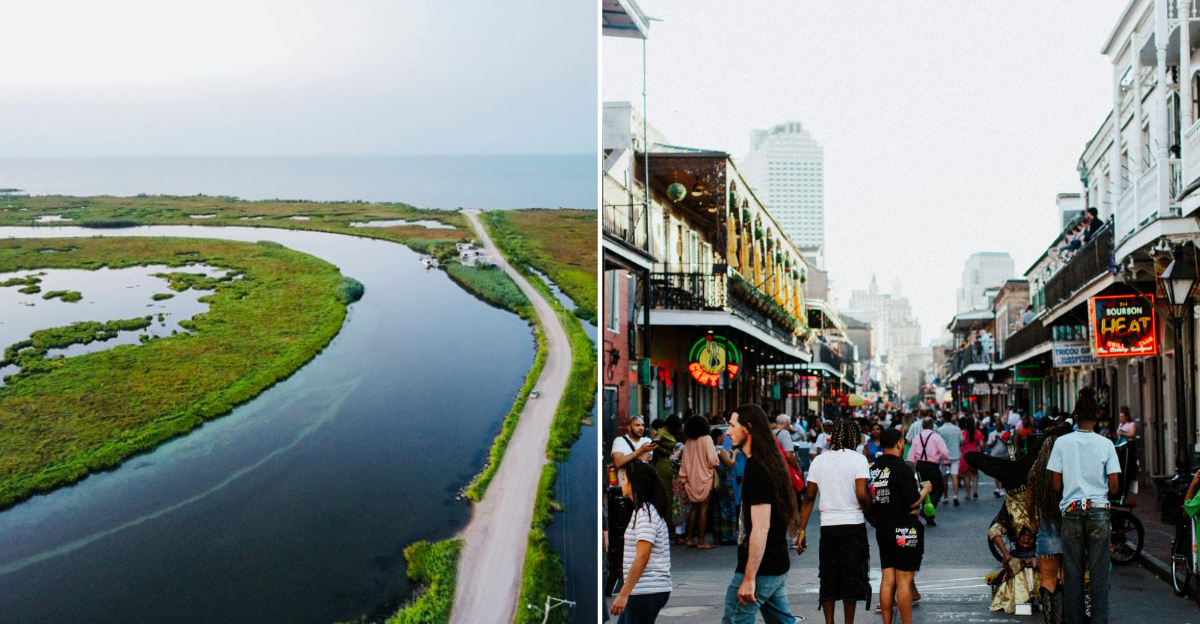
Have you ever gone back to a favorite spot only to find it doesn’t feel the same anymore? That’s what’s happening in some of Louisiana’s most iconic places.
From historic streets to natural landmarks, visitors have left more than just footprints, and not always in a good way.
Locals say the crowds bring noise, litter, and damage that’s hard to undo. What was once a peaceful walk through a park or a charming stroll past old buildings can now feel overwhelming.
Businesses and communities that rely on tourism are caught in the middle: they welcome the attention and the money, but they also deal with the mess and the strain that comes with it.
Even cultural sites, which should be preserved and respected, are showing signs of wear from too much traffic.
Louisiana thrives on its unique character, but when visitors don’t treat these places with care, that character starts to fade.
The question now is how to protect what makes them special before it’s lost for good.
1. Overcrowding Chokes The French Quarter
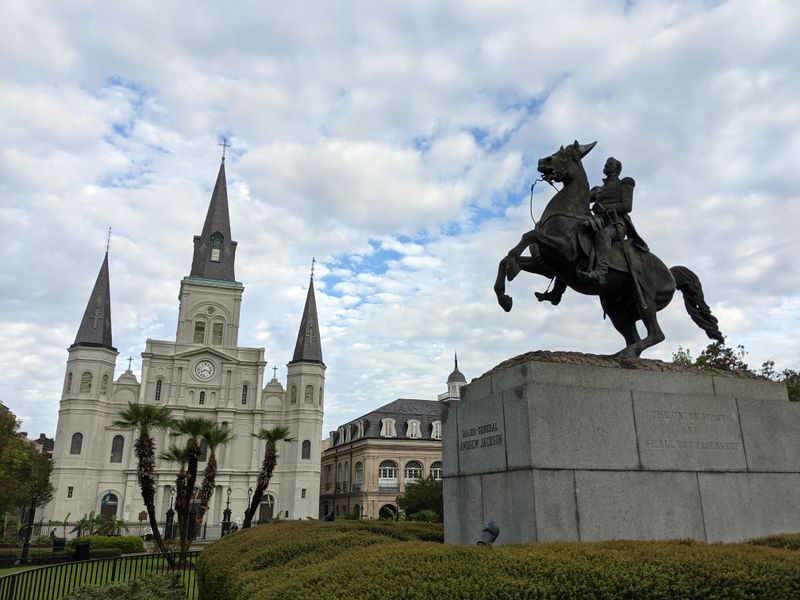
You feel it the second you step onto the narrow street.
People everywhere, shoulder to shoulder, with corners jammed so tight you cannot even read the iron balcony details.
The Quarter’s rhythm still beats, but the melody gets buried under shuffling crowds and the constant stop-and-go at crosswalks.
I try to step aside to admire a pastel facade, and a group flows around like water, only louder.
Sidewalk musicians compete with traffic, and the romance of wandering becomes a slow shuffle.
Locals say the everyday errands take twice as long, and honestly, it shows in the way side alleys become relief valves.
This is not just an inconvenience, it changes behavior. Guides rush their stories, guests cluster at doorways, and the patience that makes good conversation shrinks.
You feel the hospitality trying its best, yet it is breathing through a straw.
Want to help? Visit early, take breaks in quieter blocks, and remember you are moving through someone’s neighborhood, not a theme park.
When the crowd thins, the Quarter’s voice returns, and those tiny details suddenly sing.
2. Trash Piles Up After Big Events

After a huge celebration, the sunrise tells the truth. The streets are shiny and quiet, but litter sticks to curbs and beads gather like confetti drifts.
Crews roll in with rakes and trucks, doing heroic laps to pull the city back together.
I walk past parks and see bins doing their best, but not quite winning. Flyers cling to benches and storm drains, and the cleanup dance looks endless.
It is a cycle that strains workers who deserve a standing ovation they rarely get.
What makes it frustrating for me is how avoidable some of it feels. A bag for your own trash weighs nothing, and it saves someone else hours.
Imagine every visitor stashing one extra handful that would have hit the gutter.
Festivals are part of Louisiana’s heartbeat, and they will keep rolling. If you want the good times to last, you have to leave less mess behind.
The city can handle the heavy lift, but visitors can lighten it more than they think.
3. Historic Homes Suffer Wear And Tear
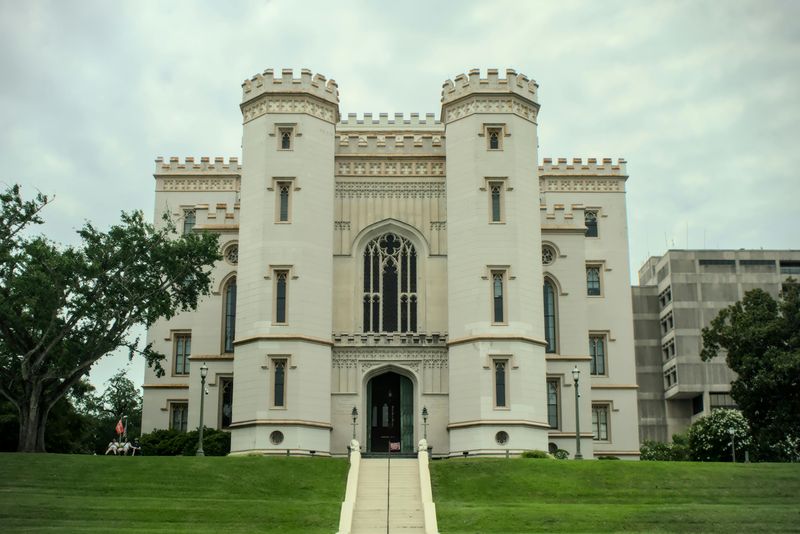
Walk into an old hallway and the floor whispers. Those boards have held generations, and they remember every step.
Now the foot traffic never really pauses, and the whisper turns into a tired groan.
You will notice the stair edges rounded down and rails polished by thousands of hands.
Ropes and signs try to guide the flow, but crowds stretch the boundaries, especially during busy hours. Docents are saints, gently herding feet away from fragile corners.
It is not malice, it is repetition. Shoes grind grit into wood, humidity sneaks in every open door, and the patina becomes wear.
Preservation plans do a lot, but they cannot fully outrun constant pressure.
Here is the simple fix that helps: slow down. Keep to the designated paths, resist touching surfaces that are not meant for it, and listen when staff suggests staggered movement.
Respecting the pace lets these places breathe and last.
4. Wildlife Areas See Disruption And Damage
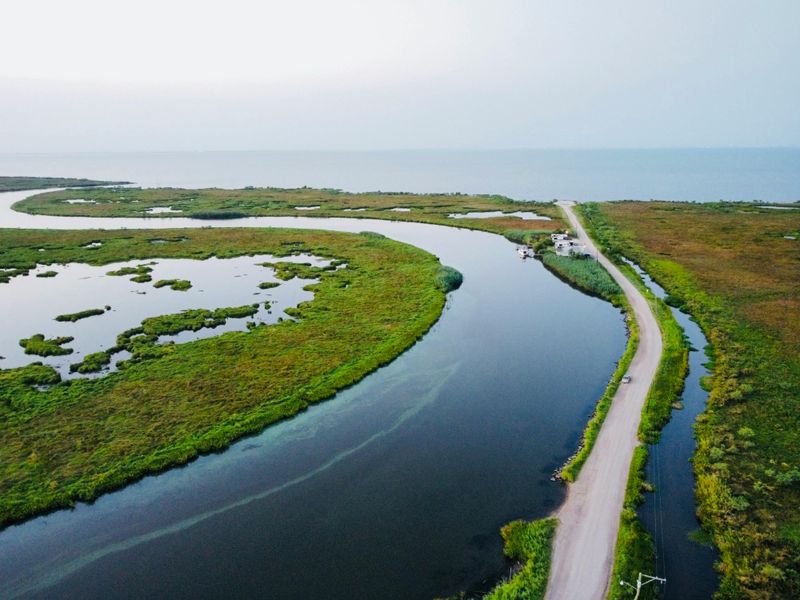
Out in the marsh, quiet is part of the habitat. When the boardwalk fills and folks spill off the edge, birds react first, then the grass shows the bruise.
Paths widen, and a place built for stillness starts to feel restless.
I have stood there with binoculars, waiting for an egret to settle, and watched it choose distance instead. It is subtle on one visit, but multiplied by many, the change is real.
Even a few steps off route leave a trace that sticks around.
Managers put up signs for a reason. Nesting happens close to the trail, and the marsh edge is delicate like lace.
That lace does not mend fast when it tears.
I think the best move is simple: stay on the planks, speak softly, and keep space around wildlife. The reward is better sightings and a refuge that stays wild.
Quiet care keeps the state’s wetlands alive for the next set of eyes.
5. Airboat Tours Hurt Wetland Health
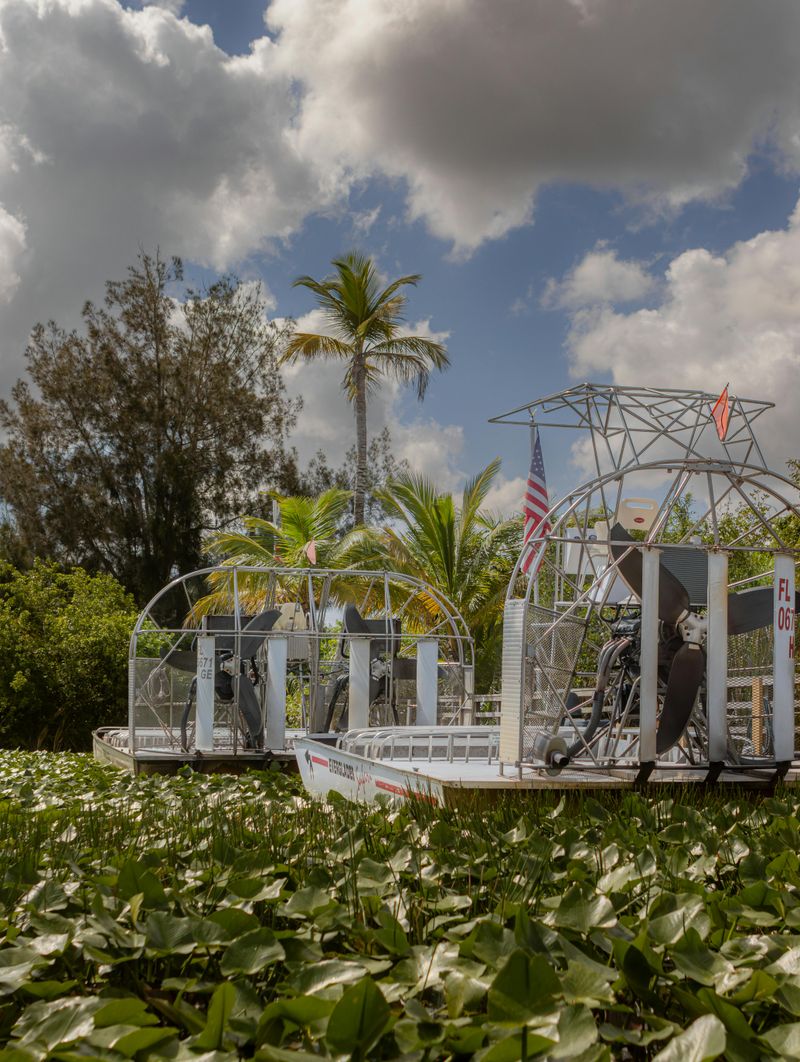
Airboats sound exciting until you notice what they leave behind. The roar bumps birds from nests and the prop wash carves edges where grass should hold.
You can see the shoreline bite away little by little.
I have watched a calm channel turn into a froth trail that lingers. Plants that anchor the mud do not love that kind of churn, and the stress spreads across the marsh.
What feels like a short thrill adds up when tours stack through the day.
Plenty of good operators try to minimize harm with careful routes and slower speeds. Still, the cumulative push hits the landscape in ways you only notice after a few visits.
That scratch on the marsh becomes a scar.
Choosing tours that prioritize habitat and use quieter craft helps more than people realize. Ask about routes and wildlife distance.
Louisiana needs its wetlands strong, not just for scenery, but for the communities behind them.
6. Filtered Bayous Become Polluted
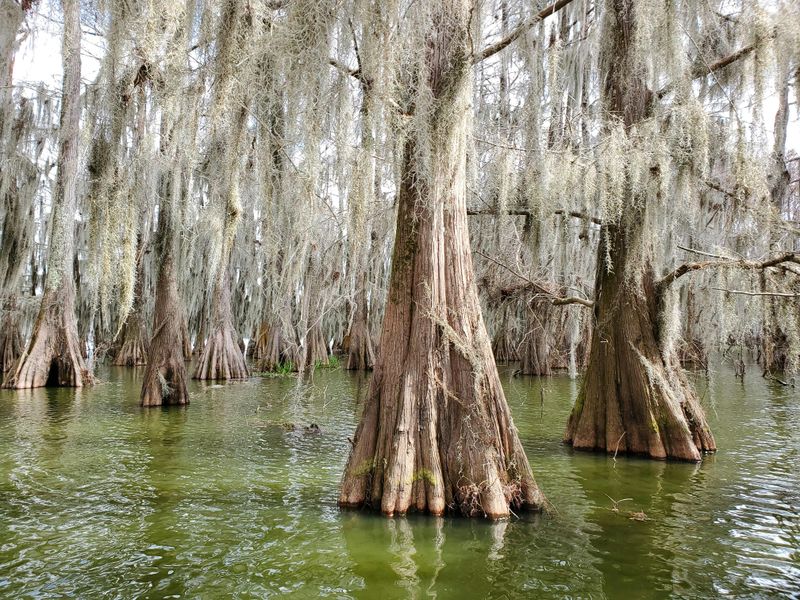
Bayous look calm, like they can soak up anything, but they cannot. When visitors feed wildlife or leave scraps, the water tips out of balance fast.
I stood on a dock and watched bread hit the surface like a signal flare. Fish swarm, birds crowd, and the whole scene looks lively, but it is not healthy.
That extra nutrient load drives blooms that cloud the water and push out the rhythm of the place.
Trash at the shoreline is the same story. One bag becomes a snag, and the snag becomes a spill zone after a windy day.
It takes real effort for crews to pull it back, trust me.
The fix is the easy part. Pack out everything, skip feeding entirely, and leave the water the way you found it.
Louisiana’s bayous are beautiful when we let them handle only what they are meant to handle.
7. Noise Pollutes Quiet Historic Towns
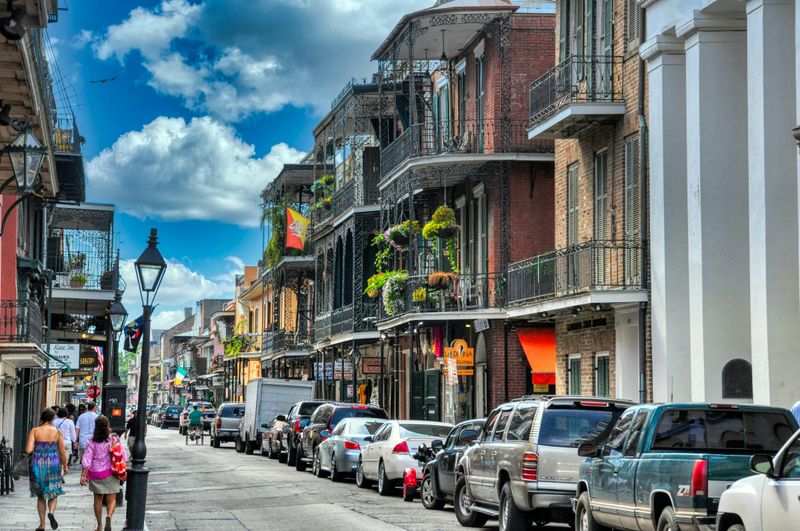
Ever roll into a small town expecting hush and get a soundtrack instead? Speakers, honks, and the general buzz land on streets built for porch talk.
It changes how the past feels in the present.
In towns like St. Francisville and Natchitoches, quiet is part of the charm. Lately the volume knob has crept up as visitors arrive in waves.
Locals adapt, but you can sense the wish for a softer dial.
You can try to time visits when the streets breathe. That is when the brick, the shutters, and the river light all line up.
On louder days, details get lost behind the hum.
If you bring music, keep it low, and let the scenery set the pace. Use the inside voice you would use in a library with history as the librarian.
Louisiana’s stories carry better when the room is not shouting.
8. Parking Crushes Residential Neighborhoods
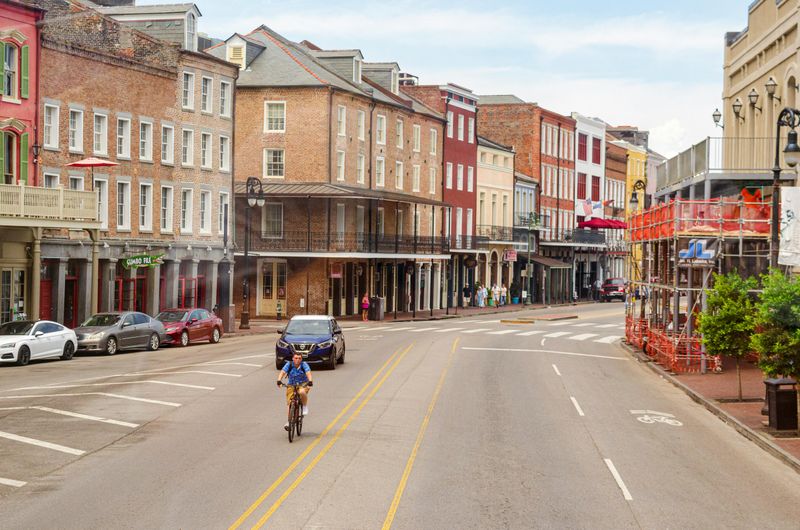
You know that feeling when you finally find a spot, but it is nudging a driveway? That is where visiting meets living, and tension shows up quick.
Residential blocks near busy districts carry more than their share.
I have circled those streets and felt the pull to squeeze in. It is not worth the hassle for you or the person who lives there.
A blocked path turns a normal day into a maze.
Some cities try permit zones to protect access during peak times. It helps, but it should not be the only solution.
Visitors can aim for official lots and be ready to walk a few extra blocks.
Map it before you come, and keep driveways clear by a generous margin. It is basic courtesy, and it keeps tempers cool.
Hospitality here starts with small, boring choices like where you park.
9. Social Media Draws Crowds To Fragile Spots

One viral post and a quiet corner turns into a parade. Mossy roots flatten, dirt slicks into bare patches, and murals attract more feet than the space can hold.
It feels strange to discover a place alongside a hundred strangers.
You may find yourself following a pin to a lovely grove and then wishing you had not shared it. The ground told the whole story in footprints.
Even well meaning visitors drift off the path to frame a shot.
Land managers step in with reroutes and closures when it gets out of hand. No one loves that, but it protects the living parts.
The best photo is the one that does not cost the place its skin.
If you post, keep locations general, and skip geotags for sensitive areas. Stay on the trail like it is a promise.
The state’s beauty is not a secret, but it still deserves a little privacy.
10. Commercialization Dilutes Local Culture
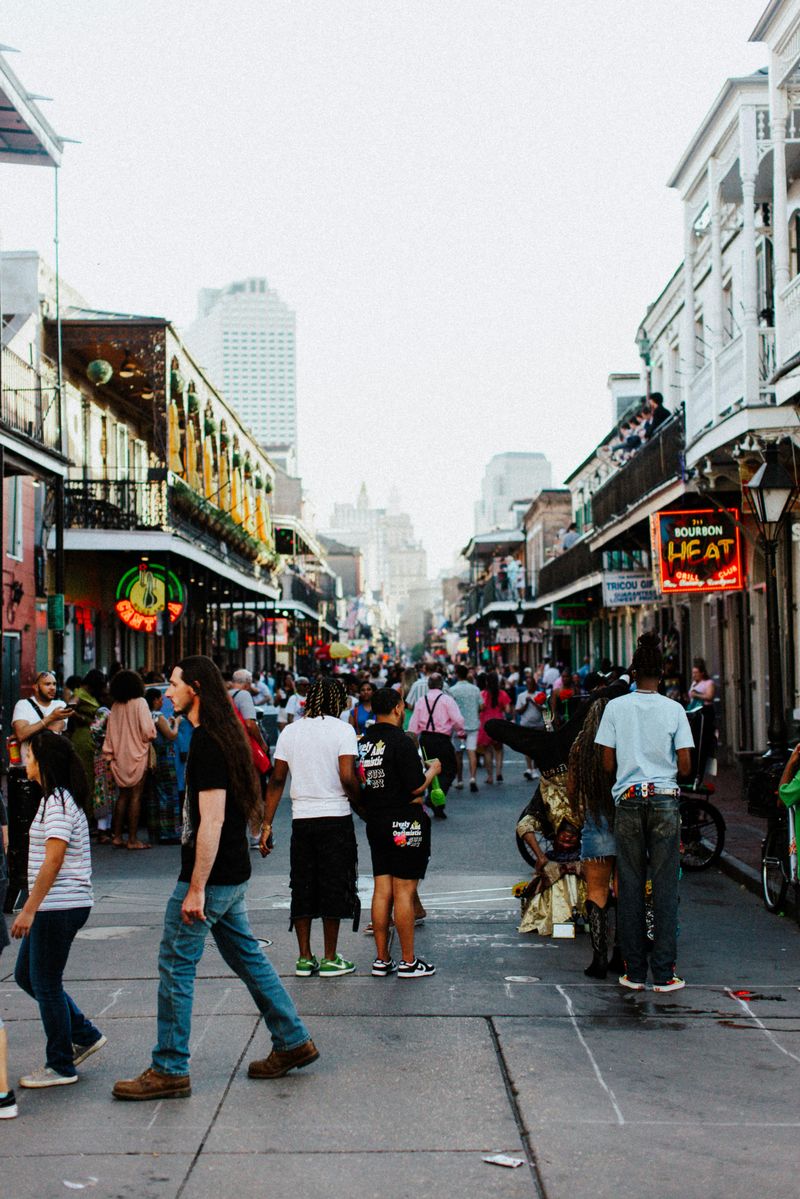
Walk a block and you can feel the split personality. Historic balconies whisper one story, and flashy signs tell another.
It is a tug of war between tradition and easy souvenirs.
I catch myself scanning for the small authentic rooms tucked between louder storefronts. They are there, but you have to listen past the neon.
Visitors chase quick photos, and the slow culture gets pushed to the margins.
That shift nudges businesses toward lowest common denominator choices. You cannot blame them for following demand, but it changes the street’s heartbeat.
The soundtrack drifts away from the roots.
Want to keep the real stuff alive? Support places that treat heritage like a living thing, not a prop.
In Louisiana, the good stories come from people who care, and your choices vote for what survives.
11. Safety Risks On Unregulated Swamp Tours
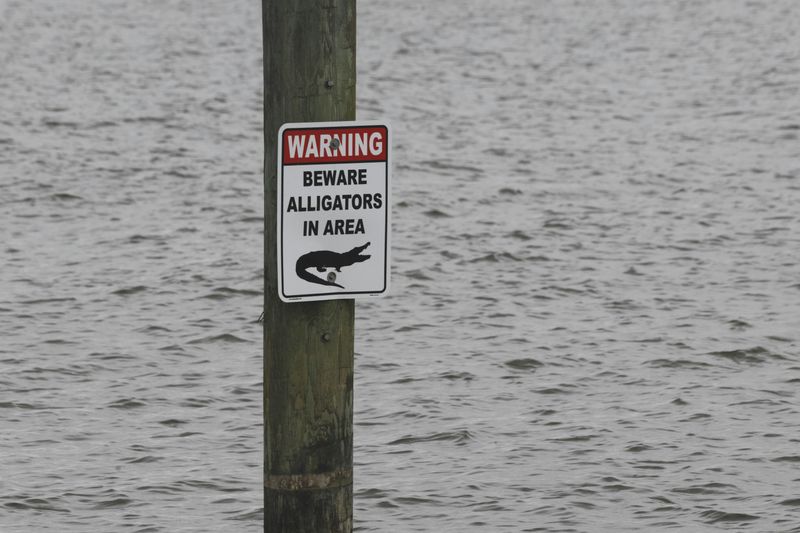
A cheap swamp ride can look tempting from the roadside. But when a boat lacks visible gear and the operator shrugs off basics, that is a clue.
Getting deep into the marsh without a plan is not an adventure, it is a headache waiting to happen.
I have turned down tours that felt loose on safety and did not regret it. The water can twist you around fast, and radio contact matters when the fog rolls in.
Rescue teams should not spend their time solving problems that better prep could prevent.
Legit outfits explain routes, keep counts, and carry what they need. You can feel the difference in the briefing and the calm on board.
It is still exciting, just not reckless.
Ask direct questions before you book, and walk away if answers feel slippery. The state’s wetlands deserve respect, and so does your time.
Make sure to choose guides who treat safety like part of the scenery.
12. Increased Rentals Strain Neighborhood Housing
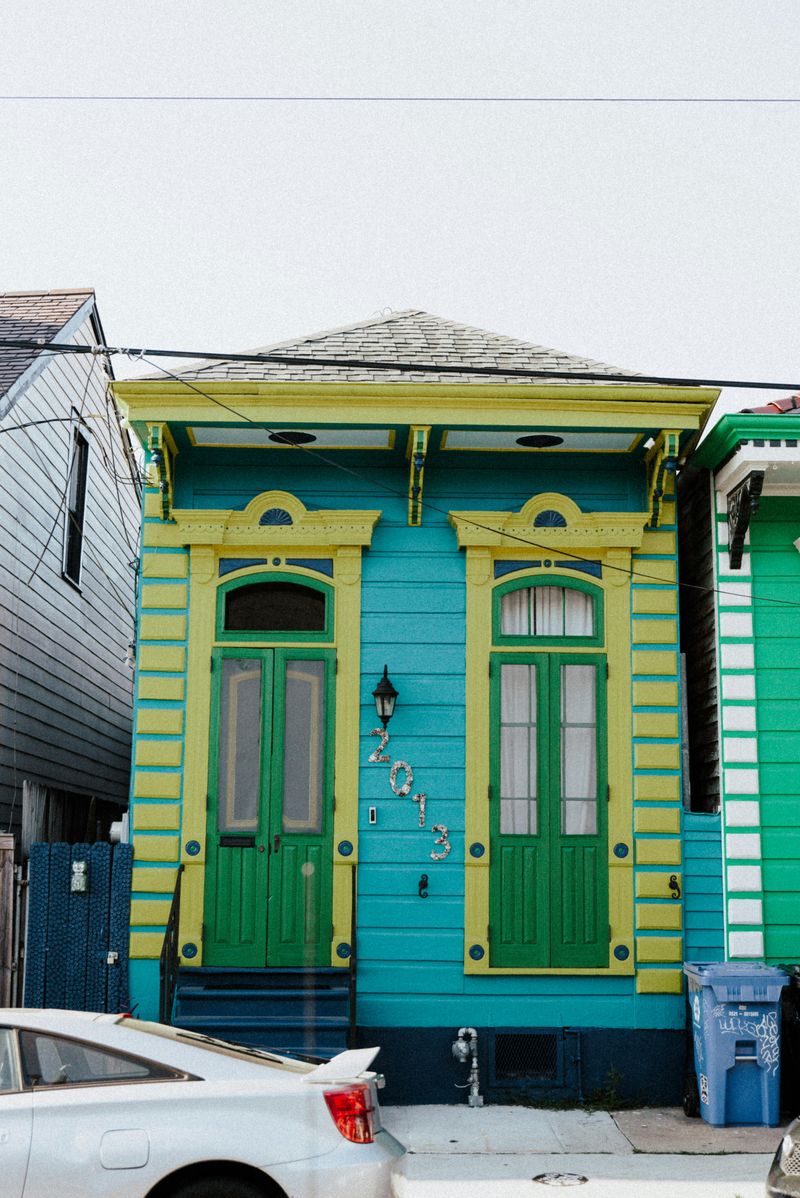
You can tell when a block starts feeling transient. Rolling luggage, key lockboxes, and porch lights on timers change the rhythm of the street.
The neighborhood loses little routines that make daily life feel connected.
I have stayed in guest rentals that handled it thoughtfully, and that balance is possible. Still, too many in one area nudges out long-term neighbors who make communities steady.
The culture everyone comes to see depends on people who actually live there.
City discussions try to keep a lid on it with limits and enforcement. It is a tricky equation that asks where visitors fit without pushing residents aside.
When it tips too far, the vibe turns hollow.
If you need a place, look for hosts with good neighbor practices. Be quiet at late hours, mind parking, and treat the block like it is yours for good.
Louisiana stays welcoming when the welcome includes the folks next door.
