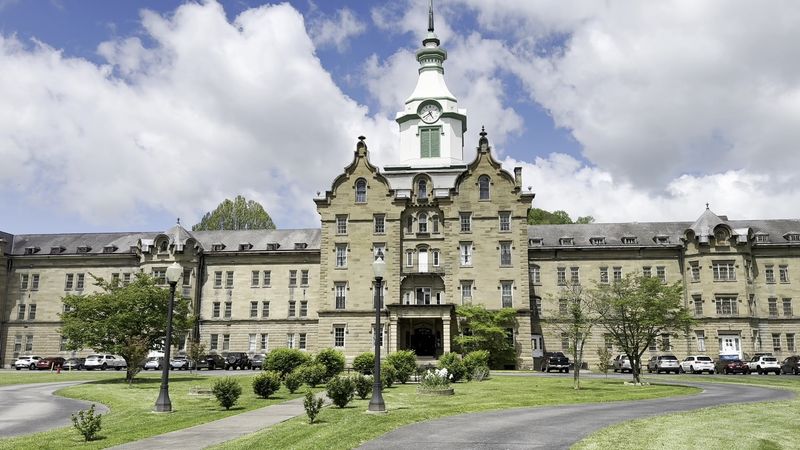
Some buildings you drive past, and some stop you cold the moment they come into view. Tucked into a quiet river town in West Virginia stands a gray stone giant so long it seems to run out of road before it runs out of windows.
Hundreds of patients once lived behind those walls, and today curious visitors walk the same halls to hear their stories. What looks like just another old building turns out to be one of the most unforgettable stops in the Mountain State.
A Stone Giant in the Hills
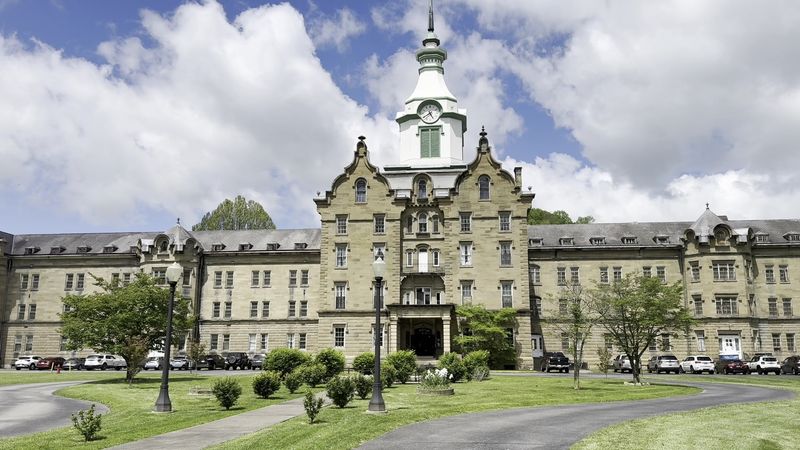
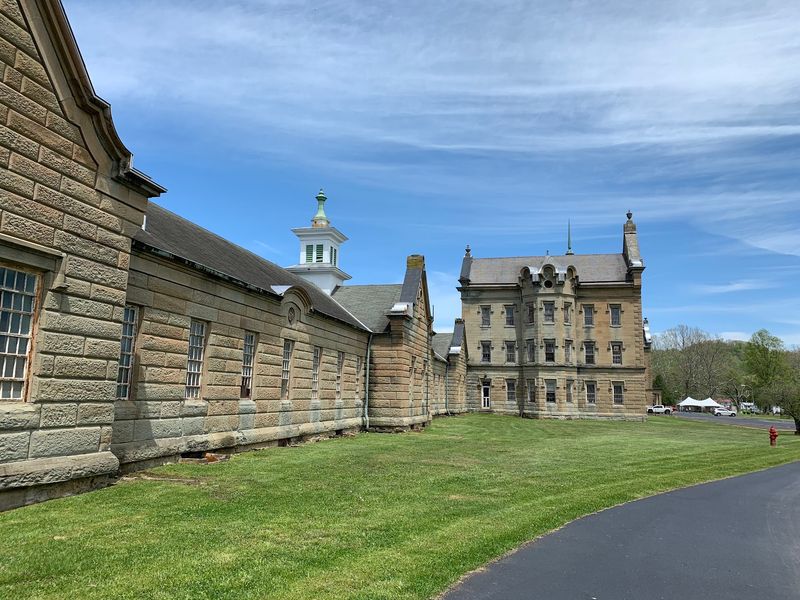
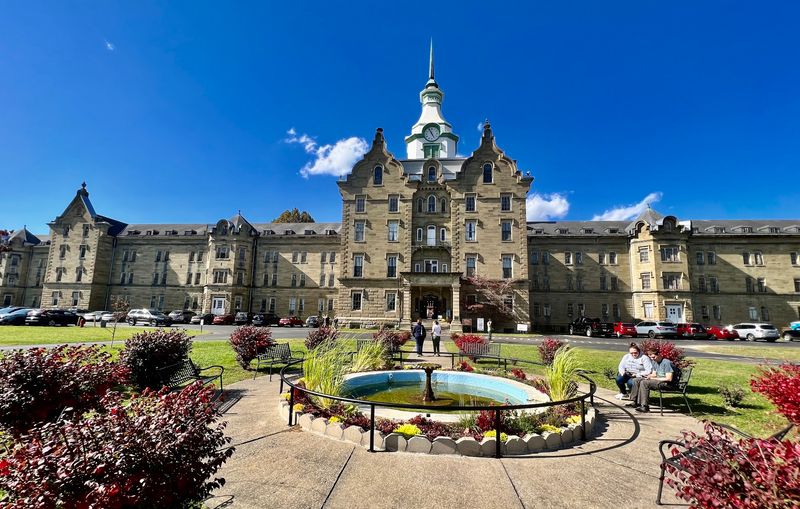
Picture a single building stretching more than a quarter mile, every block of it shaped by hand. That is the scale waiting for anyone who rounds the bend toward this landmark in north-central West Virginia.
Locals have grown up with it as part of the skyline, but first-timers often pull over just to stare.
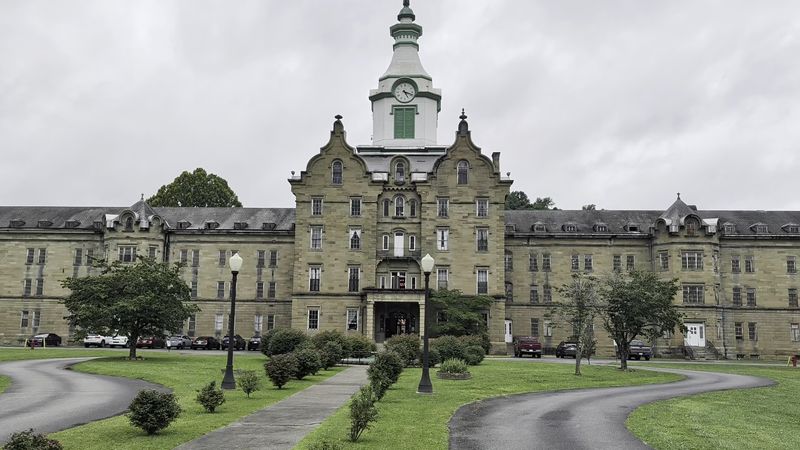
The structure is widely described as the largest hand-cut stone masonry building in North America. Some sources go further and say it may be the second largest in the world, reportedly topped only by the Kremlin.
Whether or not that ranking holds in every book, standing at the foot of it makes the claim easy to believe.
For well over a century, it served as a state hospital for people with mental illness. Families from across the region knew its name, and many hometowns had someone connected to it, as a patient, a nurse, a cook, or a farmhand.
Today it welcomes guests as a privately owned historic site. Tours explore the architecture, the daily routines of the people who lived and worked here, and yes, the ghost stories that follow any old hospital.
Keep reading, and the full picture comes together one wing at a time.
Blueprints Drawn Before Statehood
Back in 1858, there was no West Virginia on the map. The Virginia General Assembly authorized a new hospital for the western part of the state that year, and work began late in 1858.
Baltimore architect Richard Snowden Andrews drew up the plans. He followed the Kirkbride Plan, a forward-thinking idea at the time that said fresh air and sunshine could help people heal.
Long wings were staggered like stair steps so each room could catch daylight and a cross breeze.
The style blends Gothic Revival, Tudor Revival, and Jacobean Revival touches. That mix explains the pointed details, the stately windows, and the sense that the place belongs in an old storybook.
Here is a fun bit of trivia for history buffs: the Kirkbride design was meant to make the building itself part of the treatment. Hallways were wide, rooms were bright, and the grounds were supposed to feel calm and orderly rather than cramped.
The original plan called for roughly 250 patients. That number matters later in the story, because the reality would grow far beyond what Andrews ever sketched on paper.
For now, though, it was a hopeful project built on a big idea about kindness and care.
Blue Sandstone and Skilled Hands
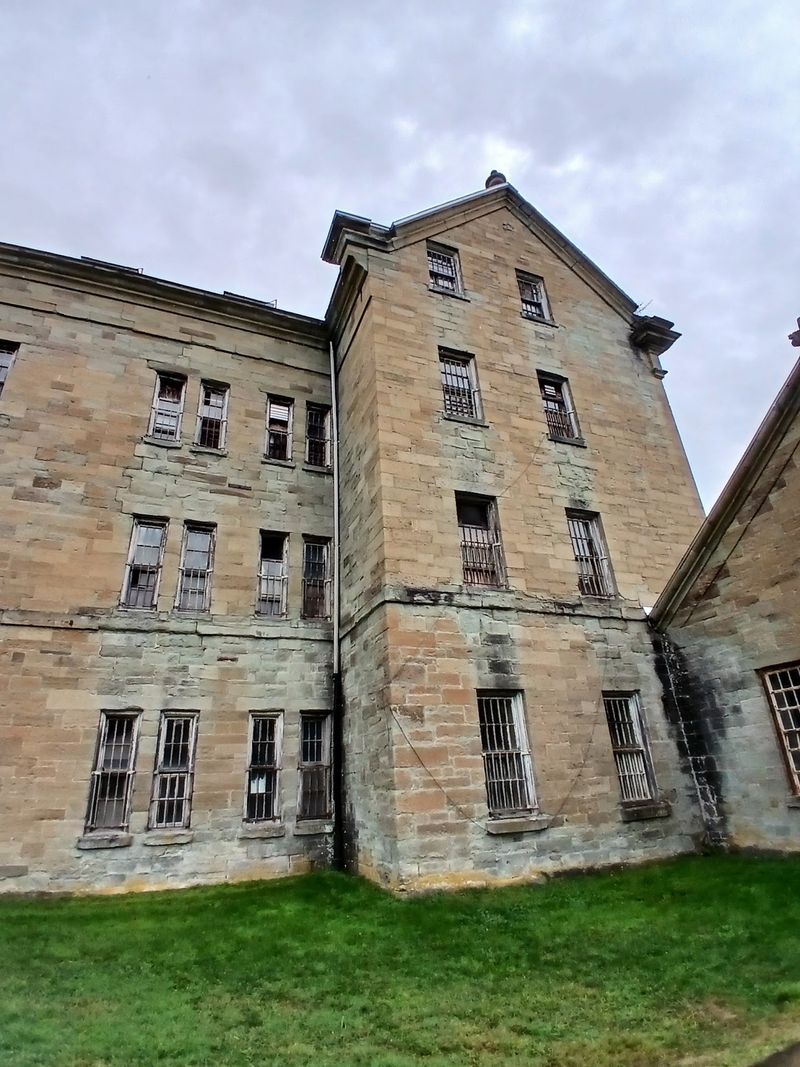
Run a hand along the outer wall and you can almost feel the chisel marks. The main material is blue sandstone, reportedly pulled from nearby quarries, including one at Mount Clare in Harrison County.
Bricks were made right on site too. That kind of self-reliance fit the times, when hauling heavy loads across mountain roads was slow and costly.
Early labor reportedly came from prisoners. As the detailed stonework took shape, skilled masons arrived from as far away as Germany and Ireland to cut and set each block with care.
Their work has outlasted generations, which says plenty about the quality.
The numbers are staggering. The main building runs about 1,295 feet long, with around nine acres of floor space tucked beneath three and a half acres of roof.
West Virginians know a thing or two about hard work in the hills, whether in mines, rail yards, or timber camps. This building fits right into that proud tradition of muscle and craft.
Visitors regularly mention the stone, the woodwork lining the halls, and the overall craftsmanship. One common feeling comes up again and again: they simply do not build them like this anymore.
Gold, Soldiers, and Camp Tyler
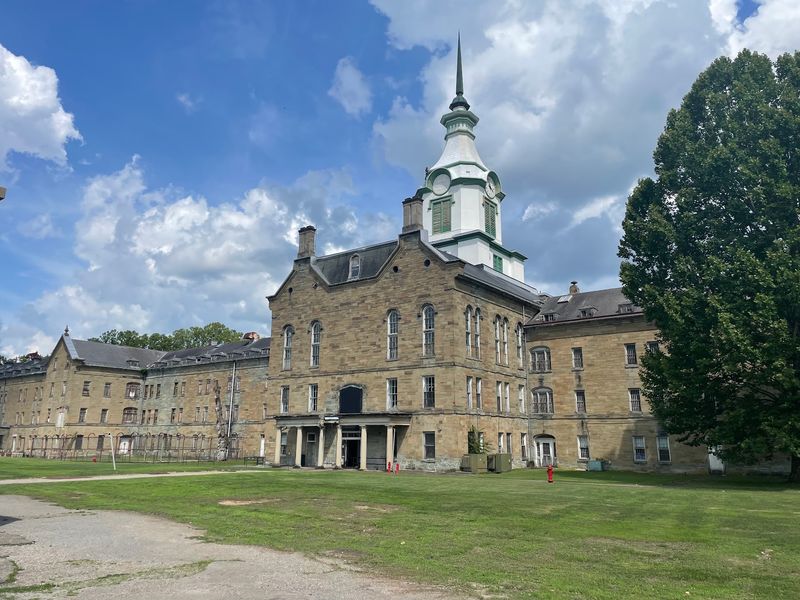
Then came the Civil War, and everything stopped. Only the southern wing was finished and the center section partly raised when the fighting reached the area.
The unfinished site served for a time as Camp Tyler, a Union base. Control of the area reportedly shifted more than once during the conflict, which must have made life tense for anyone nearby.
Now for the part that sounds like a movie plot. Union forces seized about $30,000 in gold that Virginia had deposited to pay for construction.
By some estimates, that would equal well over half a million dollars today.
The gold was taken to Wheeling, which would soon become the first capital of the brand-new state of West Virginia. So in a roundabout way, money meant for this hospital played a small part in the birth of the state itself.
After West Virginia joined the Union in 1863, the institution took a new name: the West Virginia Hospital for the Insane. Once the war ended, finishing the job became a priority again.
History lovers tend to linger on this chapter during tours. It ties the building to a moment when mountain families chose a new path and a new state.
Doors Open, Clock Tower Rises
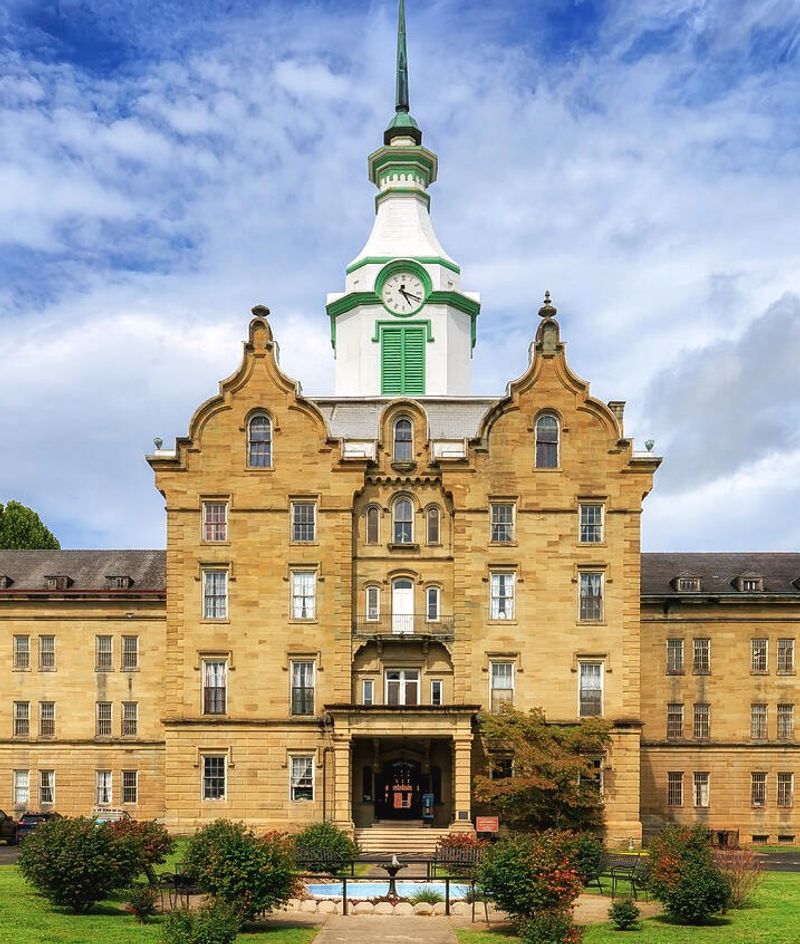
October 1864 brought the first patients, even while hammers and chisels still rang out around them. The need was simply too urgent to wait.
The signature clock tower, rising roughly 200 feet, was completed in 1871. The full main building was not finished until 1881, more than two decades after the first stone was set.
Life on the grounds was meant to be nearly self-sufficient. The hospital had its own farm, dairy, waterworks, and even a cemetery.
In many ways it worked like a small town within a town.
That farm angle may spark memories for older West Virginians. Fresh milk, garden rows, and chores done by hand were part of daily routine, both for staff and, reportedly, for some patients who worked as part of their care.
Visitors often say the tours paint a picture of how important the hospital was to the surrounding community. It provided jobs, food, and steady business for local families over many years.
Look up at that tower during a visit and imagine townspeople setting their pace by it. For generations, it was a fixed point in the landscape, as familiar as the river bending nearby.
From 250 Beds to 2,400 Lives
Two hundred fifty. That was the planned capacity.
By the 1950s, the hospital reportedly held around 2,400 people.
In 1913, the institution became Weston State Hospital, the name many West Virginians still use when they talk about it. For decades, it carried that title through good years and very hard ones.
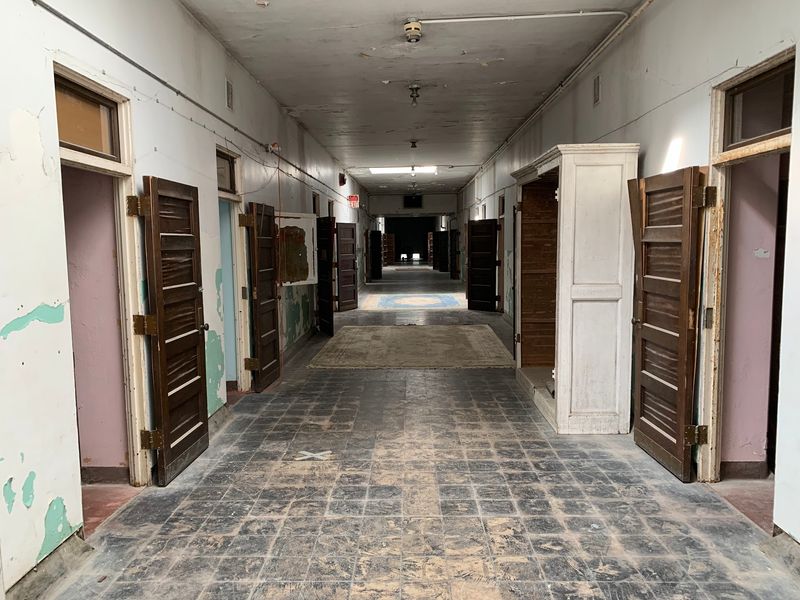
Overcrowding put heavy strain on everything. Staff, supplies, and space were stretched thin, and conditions drifted far from the bright, airy vision of the Kirkbride Plan.
Tour guides do not skip this part, and visitors appreciate that honesty. Some guests describe the medical history as tough to hear, yet they leave feeling it is important to know.
One visitor noted that learning history helps us avoid repeating old mistakes.
Understanding of mental health also changed over time. Newer approaches pointed toward smaller settings and care closer to home, while the aging stone building grew harder to maintain.
Many people who toured the halls describe it as a place where lives were truly lived, not just a spooky backdrop. It was home for a great many patients, some for years.
Remembering them with respect is part of what makes a visit here feel meaningful rather than merely eerie.
Quiet Halls and an Auction Rescue
After about 130 years, the hospital closed in 1994. Patients moved to the newer William R.
Sharpe, Jr. Hospital, also in town.
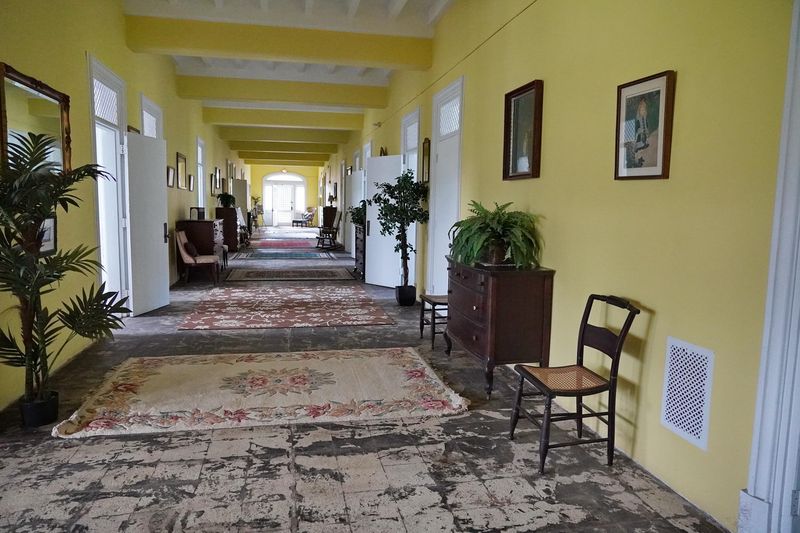
For a while, the old building sat silent. Valuable pieces such as walnut woodwork and furnishings were reportedly removed, and its future looked uncertain.
Many grand buildings across the state have faded away during stretches just like this.
Fortune turned in 2007. Joe Jordan, an asbestos demolition contractor from Morgantown, bought the property at auction for $1.5 million.
Jordan brought back the original name, Trans-Allegheny Lunatic Asylum, and started maintenance on the sprawling grounds. That same October, a Fall Festival with special tours and contests gave the public a peek.
The doors officially opened to visitors in March 2008. It was no longer a hospital, but a place to learn, remember, and explore.
Guests today often praise how much effort has gone into buying, preserving, and caring for a building with such a complicated past. Some areas have been restored to show how rooms once looked, while others are left largely untouched.
That balance lets people see both the dignity of the original design and the wear of decades gone by.
Where the Asylum Actually Sits
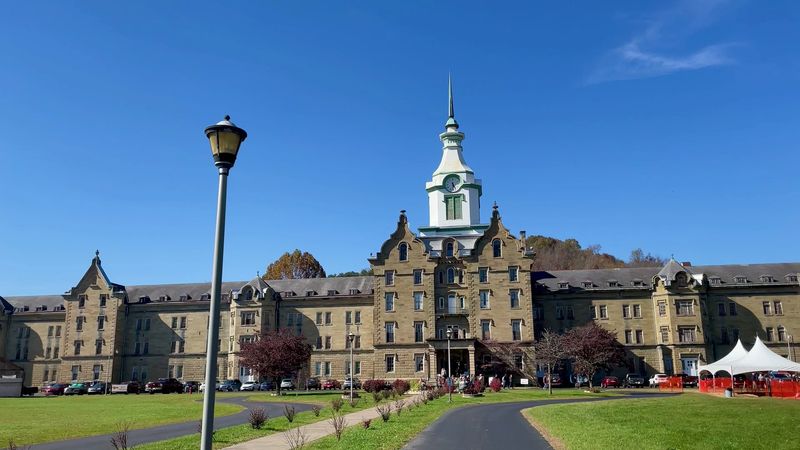
Time to pin down the map. This landmark stands in Weston, the seat of Lewis County, along the West Fork River.
Weston is the kind of small town where historic storefronts line the streets and folks still wave from porches. Interstate 79 runs close by, so it is easy to reach from Clarksburg, Morgantown, or Charleston for a day trip.
Many travelers arrive as part of a longer road trip across the state, and some stop simply on a whim after spotting the building. Others plan a whole weekend around it.
A friendly tip from visitors: the West Virginia Mountaineer Military Museum sits just down the street. Pairing the two makes for a full, history-packed day without much extra driving.
Festival weekends elsewhere in the region can also bring crowds. One group reportedly came through during an event in nearby Flatwoods and turned the tour into a memorable side trip.
The building is impossible to miss once you are in town. Its long stone face and soaring tower dominate the view, and you will likely find yourself slowing the car before you even reach the parking lot.
Four Floors and a Flashlight
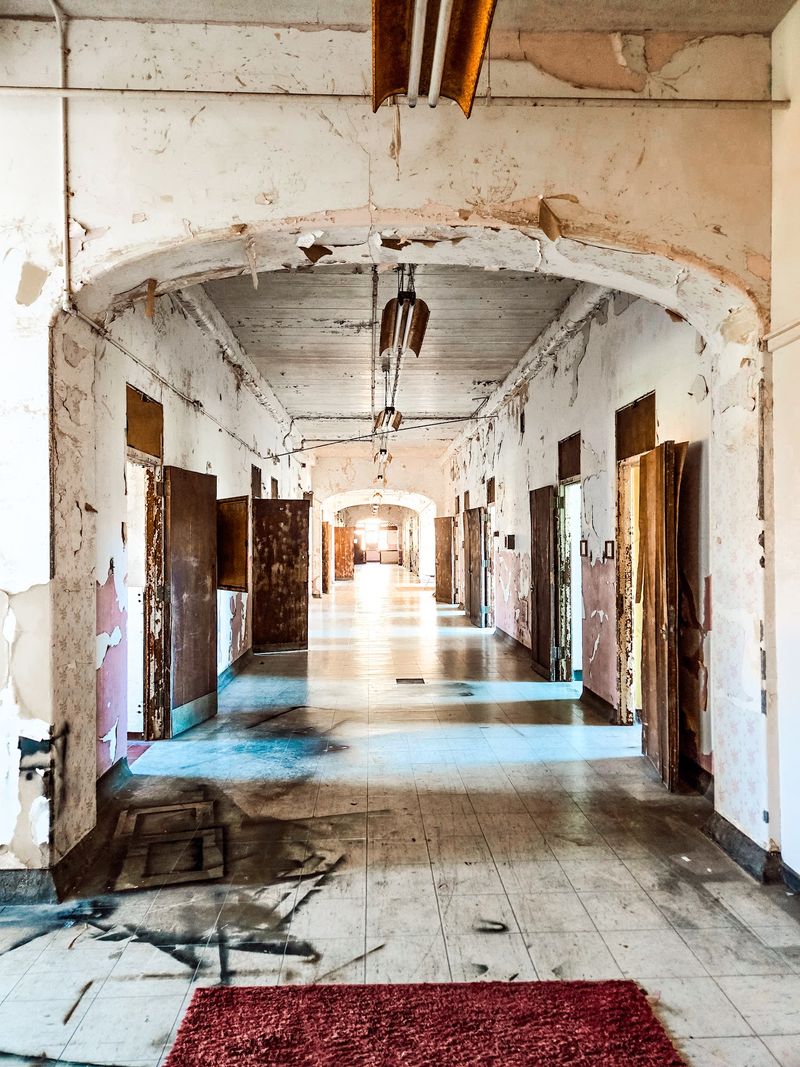
Choices abound once you step inside. The tour lineup covers history, architecture, and the paranormal side, with something for nearly every interest.
A basic first-floor tour reportedly runs about $15, and one guest even brought along a pup. The popular four-floor tour lasts roughly 90 minutes to two hours, and visitors say the time flies.
Other options mentioned by guests include an architecture tour, a criminally insane ward tour, flashlight tours, night tours, and overnight ghost hunts. A fourth-ward tour also comes recommended by staff on quieter days.
The museum section is a highlight on its own. Rooms downstairs hold photographs, artifacts, and displays that many describe as hauntingly nostalgic.
Some travelers short on time simply pay for museum access and still leave happy.
Plenty of folks end up wanting more. One visitor did two tours in a single day, and many others say they plan to return for a different route next time.
A handy pointer: fill out the required waiver online ahead of time. Arriving about 15 minutes early can help you slide right into the next tour without waiting around.
Storytellers Who Love the Place
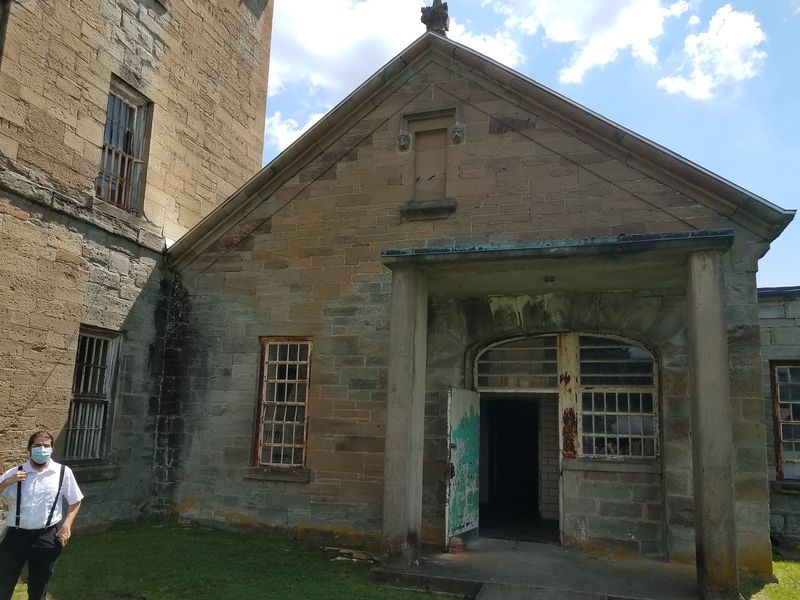
Ask anyone what made their visit, and the answer is usually a person. Knowledgeable guides come up more than almost anything else.
Visitors describe their guides as passionate, witty, patient, and happy to answer questions long after the tour ends. Several mention guides who blend historical facts with paranormal tales in a way that keeps everyone hooked.
Some staff dress in old-fashioned nurse outfits, which adds a playful touch. One tall, deep-voiced guide even showed up in costume for a festival group before settling in to tell the building’s story.
Guests often say the staff do not act like it is just a job. From check-in to farewell, people feel welcomed, almost like visiting a neighbor who knows every corner of an old family home.
And then there is Marcus, reportedly the resident cat and self-appointed caretaker. Few historic sites can boast a furry greeter with such a big reputation.
That warmth shapes the whole experience. Hearing about patients, nurses, and farm workers from someone who clearly cares turns a walk through dusty halls into a heartfelt lesson in West Virginia history, told with true hometown pride.
Goosebumps, Ghost Hunts, and Honest Skeptics
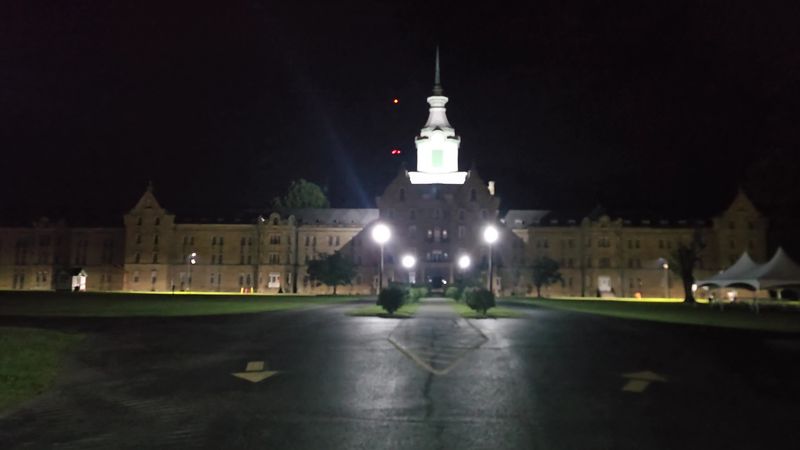
Spooky reputation? Absolutely.
The paranormal tour is the single most talked-about experience here, and overnight ghost hunts draw dedicated fans.
Some visitors share tales of odd moments. One guest said a dog kept stopping to stare at an empty hallway, and another believed they spotted shadowy figures while pulling into the parking lot.
Video and audio recording are reportedly not allowed on tours, though one guest noted that certain ghost-hunting apps were fine to use. Check the current rules before you go.
Not everyone walks away a believer, and that is okay. A self-described skeptic said the night tour felt more like campfire stories than a scare, yet still called it fun and worth the money.
Another guest hoped for actors or more dramatic props and found fewer than expected. The building itself, though, earned high marks for its striking architecture.
The best approach may be an open mind. Come for the history, enjoy the stories, and let the creaky floors do the rest.
Whether you hear footsteps or just your own heartbeat, the atmosphere of those long, shadowy wards tends to stick with you for a while.
Hours, Heat, and the Exact Address
Planning helps a lot here. The asylum sits at 50 S River Ave, Weston, WV 26452.
Hours are Tuesday through Friday and Sunday from 11:30 AM to 6 PM. Saturday opens earlier, at 9:30 AM, and runs until 6 PM.
The site is closed on Mondays. Special night tours and ghost hunts follow their own schedules, so check the official website before heading out.
Pricing varies by tour. Guests describe the standard tours as reasonably priced, with the first-floor option reportedly around $15.
Longer and after-dark experiences cost more.
Summer visitors should dress light. The building is not air conditioned, and guests say it can get very warm, with only a fan or two per floor.
Water and comfortable shoes are smart choices for climbing stairs.
Quieter weekdays can mean smaller groups. One guest was told they picked a perfect time because crowds were light.
Do not skip the gift shop on the way out. Visitors say it is well stocked and makes a fun final stop for souvenirs, especially for folks who love collecting keepsakes from West Virginia landmarks and local history spots.
Worth the Drive to Weston
So, should it go on your list? For most folks, the answer leans strongly toward yes.
Listed on the National Register of Historic Places in 1978 and named a National Historic Landmark in 1990, the building carries serious weight. Yet visitors usually remember the feelings more than the honors: awe at the stonework, surprise at the scale, and a quiet respect for the people who lived here.
History fans, architecture lovers, photographers, and ghost-story seekers all find something to enjoy. Families with older kids may get the most from the full tours, while younger children might do better with the museum.
Anniversary trips, bucket list checks, and rewards for good report cards have all brought guests through these doors. That says a lot about how special the place feels.
Expect some disrepair alongside the restored rooms. Many guests say the mix adds character and shows how much work remains.
If you have driven past Weston a hundred times on I-79, maybe this is the year to take the exit. Got a family memory tied to Weston State Hospital?
Those stories are part of this place, too, and they deserve to be shared.
