Flowers are lovely. Chocolates are thoughtful.
A fully furnished mansion for $125,000? Now that’s a wedding gift with serious ambition.
When one of America’s most famous inventors married his second wife in 1886, their new home was anything but ordinary.
The grand estate came complete with elegant rooms, extensive grounds, and the sort of furnishings that make modern wedding registries look wonderfully modest.
New Jersey visitors can still explore the historic property and discover a surprisingly personal side of the man associated with so many groundbreaking inventions.
The house offers a glimpse into family life far removed from laboratory experiments and electrical discoveries.
And here’s a detail worth remembering. His bride actually had a choice between this estate and a New York townhouse.
Talk about a decision with excellent real estate options.
A Mansion With a Scandalous Start
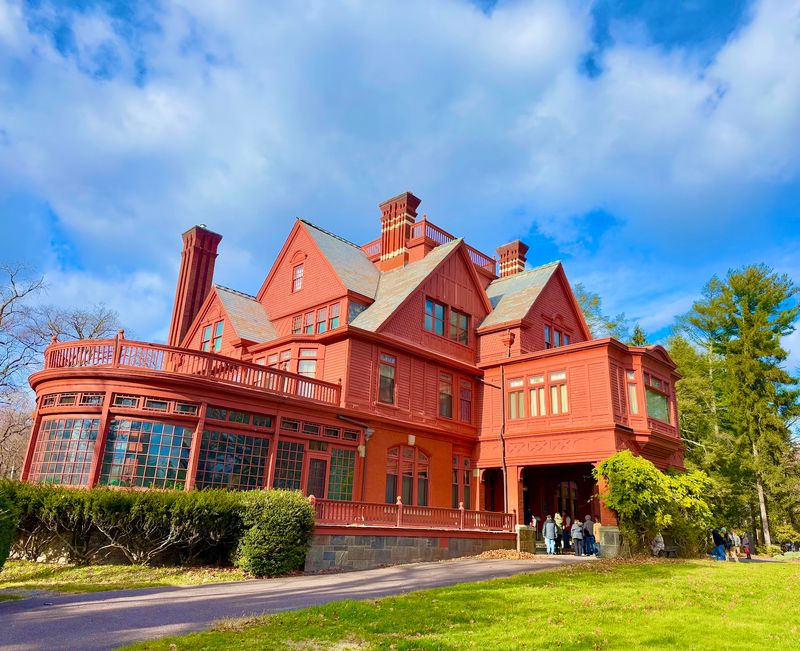
Honestly, I did not expect a historic home tour to begin like a crime drama. Long before any inventor lived here, the house known as Glenmont was built between 1880 and 1882 for a man who worked as a confidential clerk.
Here is the twist. He paid for the fancy construction by secretly taking money from his employer.
Once the scheme was discovered, he lost the estate, and the mansion sat empty for a couple of years.
Think about that for a second. A gorgeous 29-room home, finished with care and style, just waiting quietly inside Llewellyn Park with nobody to enjoy it.
That empty stretch set the stage for one of the sweetest chapters in American history.
Knowing this backstory makes a visit way more fun. As you look up at the tall roofs and wide porches, you can imagine the surprise and gossip that must have followed the house around town.
My tip? Ask a ranger about the early days of the property during your tour.
Small details like this turn an old building into a real story with real stakes.
The Wedding Gift That Said Everything
Love makes people do big things, and this purchase might be one of the biggest. In 1886, Thomas Edison bought the empty Glenmont estate for $125,000 as a wedding present for his second wife, Mina Miller.
They married that same year. Mina came from a well-known Ohio family and was used to a refined lifestyle, so Edison wanted her to have a home that truly felt special.
That number was huge back then. It shows just how much he cared about giving his new bride a place to call her own, where she could shape daily life however she liked.
I found myself grinning at the idea. Here was a man famous for inventing things, and one of his most heartfelt choices had nothing to do with wires or machines.
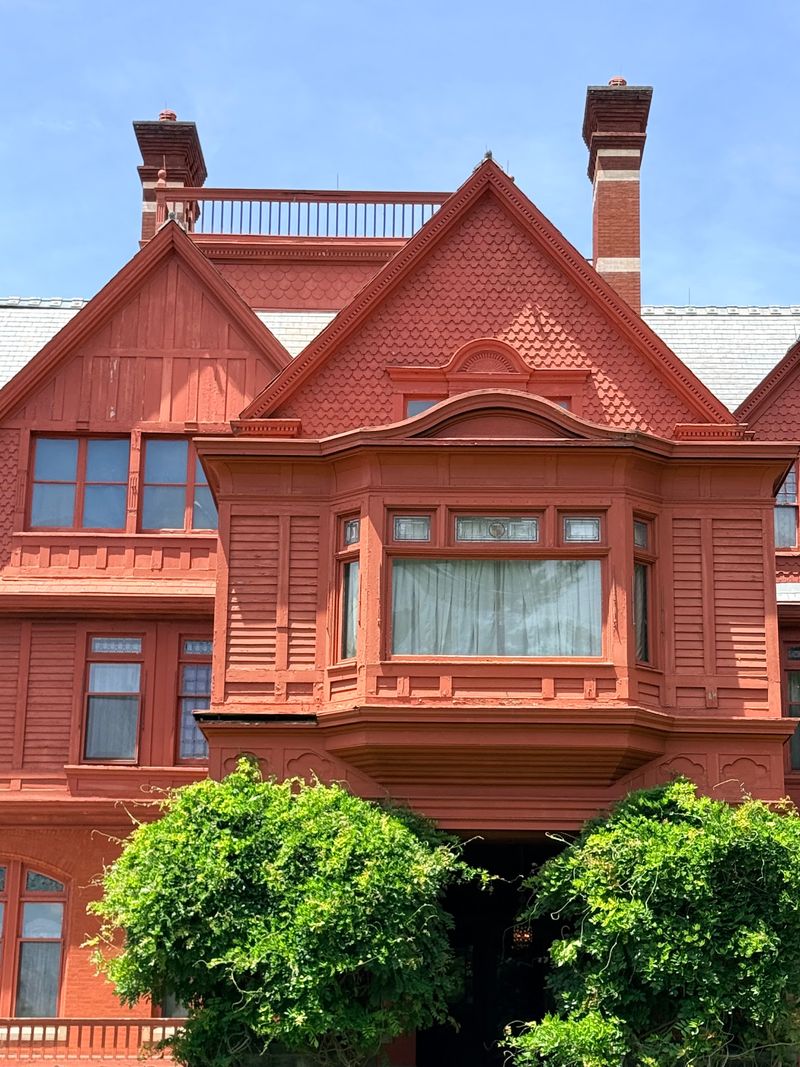
When you visit, look at the house through that lens. It is not just a historic building, it is a gift wrapped in brick, wood, and stained glass, chosen to make someone feel welcome and loved.
Pretty romantic, right? It makes the whole tour feel a little warmer.
Queen Anne Style at Its Finest
My neck got a real workout here from looking up so much. Glenmont is a standout example of American Queen Anne Victorian design, a style known for its uneven shapes, mixed textures, and tons of fancy details.
The architect, Henry Hudson Holly, is considered a pioneer of the Queen Anne movement in the United States. You can see his ideas everywhere, from the steep rooflines to the many chimneys poking toward the sky.
Porches and balconies wrap around the house in surprising ways. No two sides look quite the same, which makes walking around the outside feel like a treasure hunt.
Inside, the Eastlake style takes over. The entry hall is paneled in oak and mahogany, with gilded and embossed wall coverings that catch the light beautifully.
Here is a helpful idea for curious visitors. Before your trip, look up a few basic features of Queen Anne homes, like turrets, gables, and patterned siding.
Then try spotting them in person.
It turns sightseeing into a fun game. Kids especially enjoy pointing out the quirky shapes and colors they discover along the way.
An Inventor Wires His Own Home
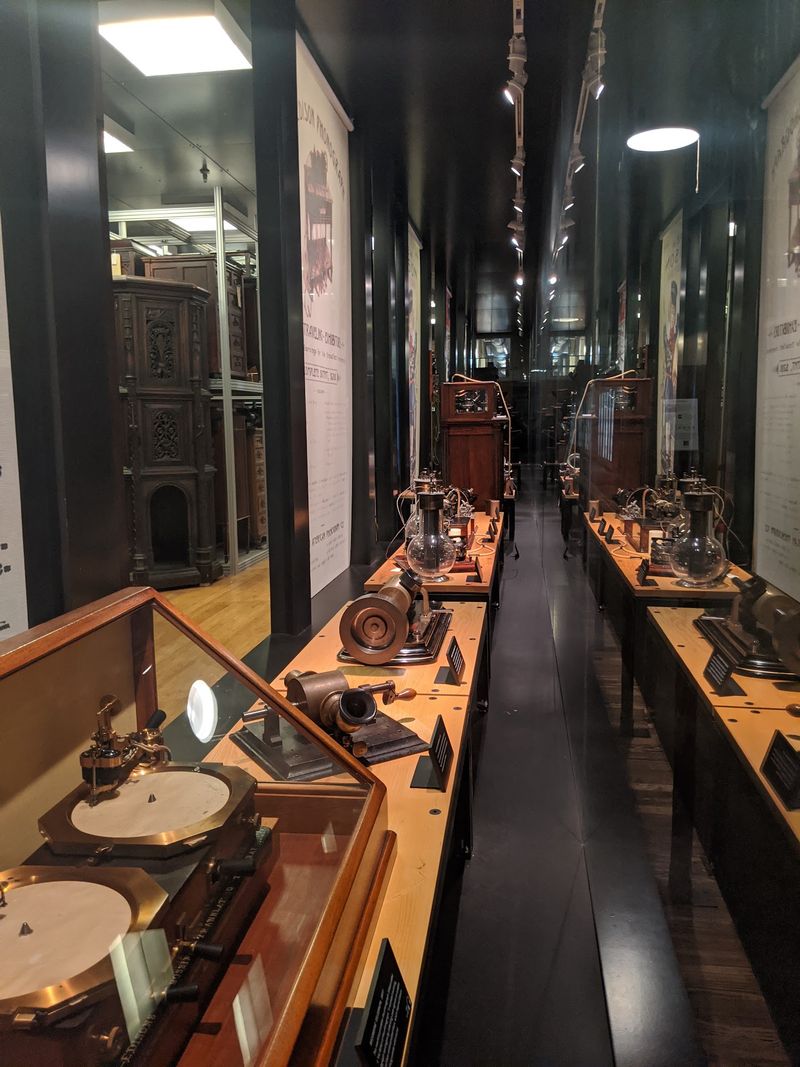
Of course the man behind the famous light bulb wanted electric lights at home. In 1887, Edison wired Glenmont for electricity, turning his own house into a showcase for the work that changed the world.
Even before that upgrade, the mansion was surprisingly modern. It already had hot and cold running water, indoor flush toilets, gravity convection heating, and ice storage refrigeration.
For the 1880s, that was seriously impressive. Many homes back then had none of those comforts, so Glenmont was a step ahead from day one.
Adding electric light took things further. Imagine evenings at the house glowing brighter than almost anywhere else, all thanks to ideas cooked up just down the road at the lab.
I love how this blends old and new. The heavy wood carvings and patterned walls stay classic, while the lights hint at the future that was just beginning to arrive.
Quick tip for your visit. Keep an eye out for light fixtures as you move from room to room, and ask your guide how the house changed as technology kept improving over the years.
Mina Runs the Show
Behind every busy inventor, there is often someone keeping the whole household running smoothly. At Glenmont, that person was Mina Miller Edison, who took charge of the large home and its staff with real skill.
She was known for staying organized and creating a caring space for both family and visiting guests. While her husband spent long hours at the nearby laboratory, Mina looked after the estate.
Gardens were a big part of her world. She tended the plantings and enjoyed the local wildlife, adding life and color to the grounds.
One detail made me pause. Upstairs, their living room has adjoining desks, a small but meaningful sign of a couple who worked side by side.
That room says so much without any words. It feels like a partnership, not just a fancy setup for show.
If you take the tour, give that space a little extra attention. It helps you see the house as a real home with two people sharing ideas, plans, and daily routines, rather than a museum about only one famous name.
Six Kids and Famous Guests
Quiet? Probably not very often.
Thomas and Mina raised six children at Glenmont, including Marion, Thomas Jr., and William from Edison’s first marriage, plus Madeline, Charles, and Theodore.
With 13.5 acres of grounds, there was plenty of room for running, playing, and exploring. I could almost hear the footsteps thundering down the hallways.
The house also welcomed some very famous visitors. Industrialist Henry Ford and humanitarian Helen Keller were among the notable guests who spent time here.
The dining room could seat up to 30 people. That is a lot of chairs, a lot of plates, and probably a lot of interesting conversations about the future.
Upstairs, the family room is where Edison played checkers with his children. Somehow that simple fact made the whole mansion feel cozier to me.
For families visiting today, this is a great chance to connect history with everyday life. Ask your kids what games they would play in a house this big, or which famous guest they would want to sit next to at dinner.
It sparks great talks on the drive home.
Sold for a Single Dollar
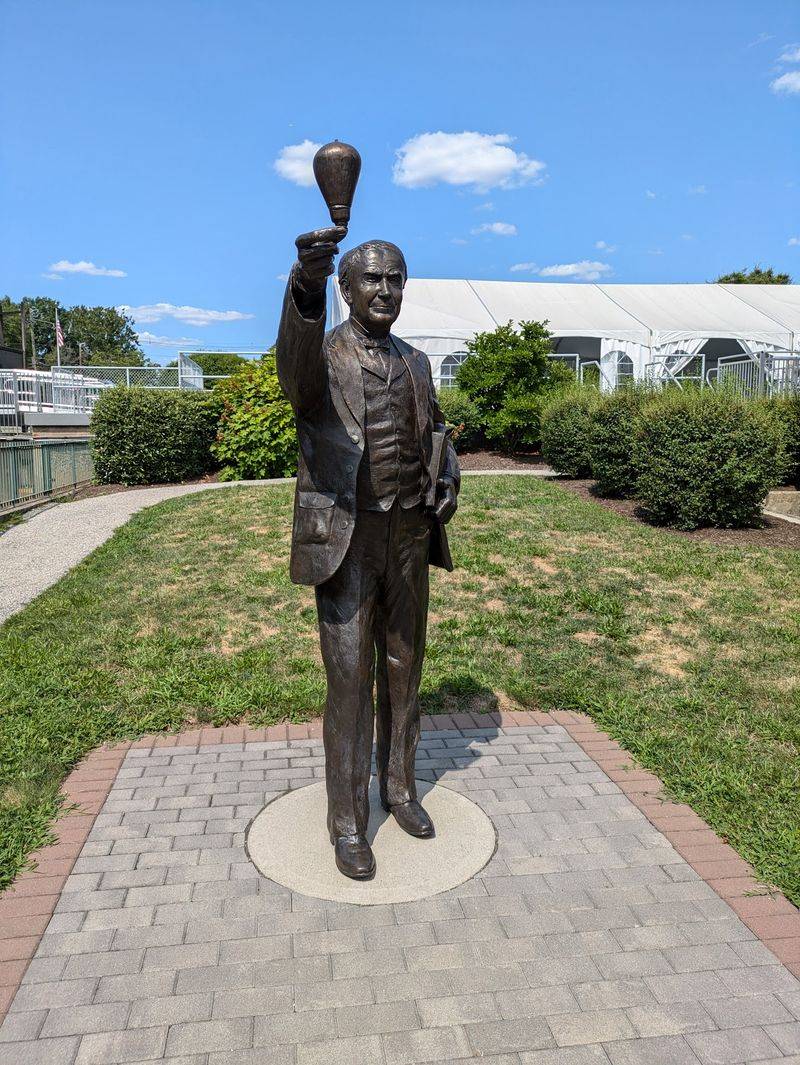
Here is a fun fact that always surprises people. In the 1890s, Edison legally sold the entire Glenmont estate to Mina for just one dollar.
Why would anyone do that? It was a smart move to protect the family home from possible financial claims tied to his many businesses and inventions.
Running companies came with risks. Lawsuits and money troubles could pop up at any time, and he did not want his family to lose their home because of them.
By putting the house in Mina’s name, he made sure it stayed safe. No matter what happened with his business ventures, the family had a secure place to live.
I think this shows another side of his personality. Beyond the lab coats and gadgets, he thought carefully about planning ahead and caring for the people he loved.
This little story is perfect for sharing with friends after your visit. It proves that clever thinking is not only about building machines.
Sometimes the most useful idea is a simple one that keeps your family protected for decades.
Rooms Frozen in Time
Some museums feel like displays behind glass. Glenmont feels more like the family just stepped out for a stroll and might be back any minute.
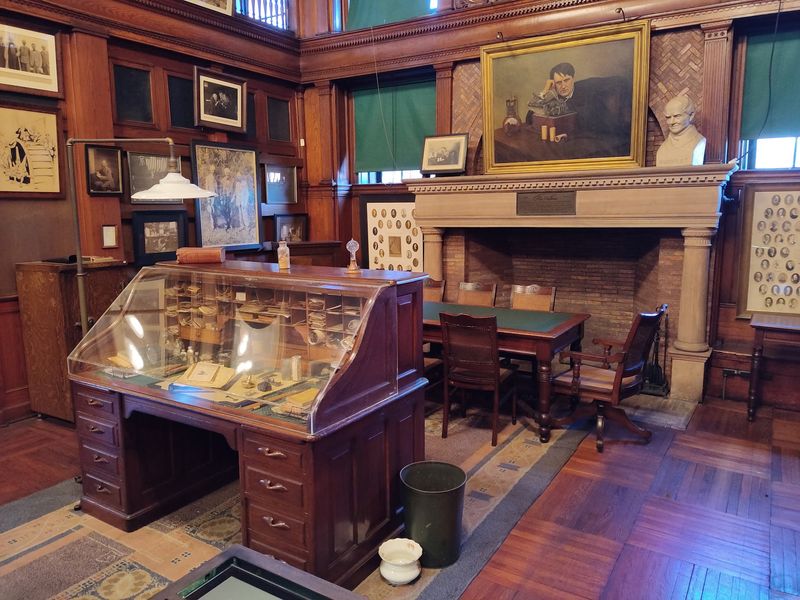
The National Park Service carefully preserves the home to look much as it did during the Edisons’ lifetime. Original furniture and decorative pieces fill the rooms, giving you a true sense of daily life in the late 1800s and early 1900s.
One thing to know before you go. Photography is not allowed inside the mansion, so plan to soak everything in with your eyes instead of your phone.
Honestly, that turned out to be a gift. Without snapping pictures, I noticed small details like carved wood, rich fabrics, and patterns on the walls much more clearly.
Tours of the house are guided, and reserving ahead is a smart idea since spots can be limited. Also, the house sits inside a gated community, so you need to stop at the visitor center first for your pass.
A little planning goes a long way here. It keeps your day relaxed and stress free.
From Family Home to National Treasure
Edison lived at Glenmont for 44 years until his death in 1931. Mina stayed on until 1947 and hoped the estate would become a museum to share his legacy with future generations.
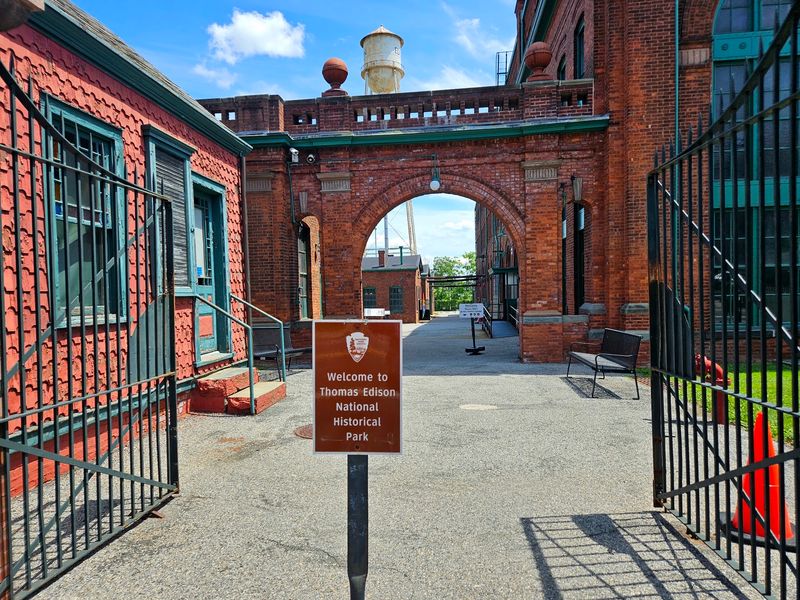
Her wish came true. Today, Glenmont is part of Thomas Edison National Historical Park in West Orange, New Jersey, alongside the laboratory complex where so many inventions came to life.
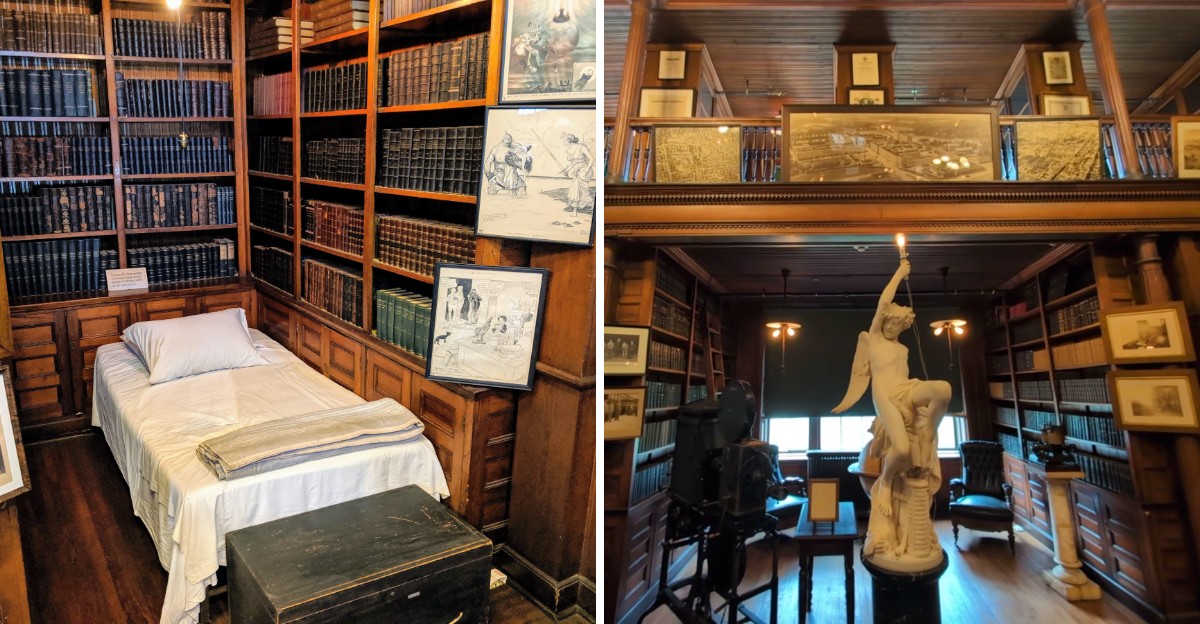
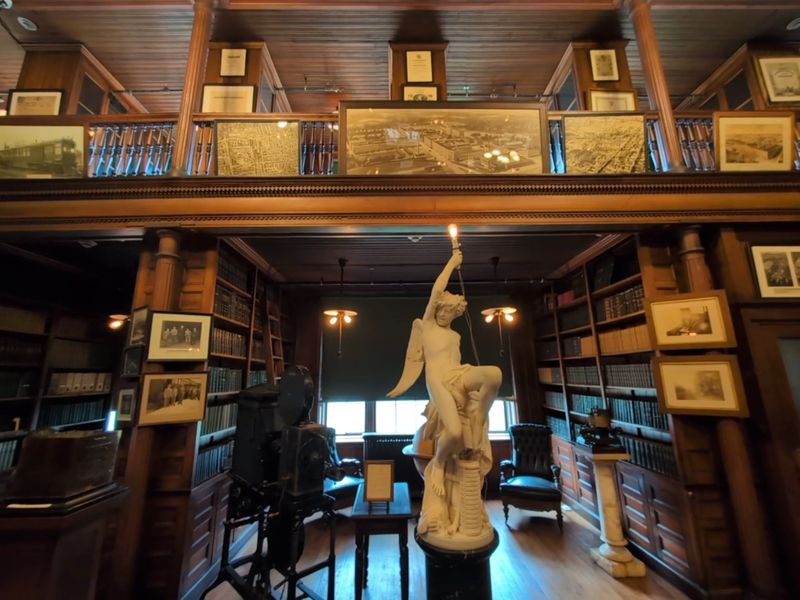
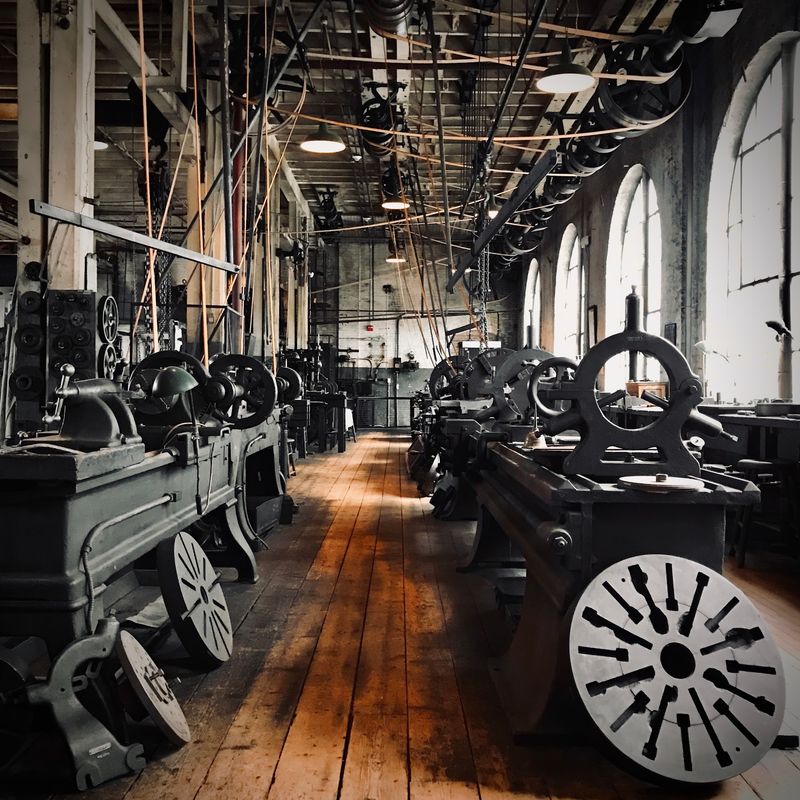
The lab is a must. Visitors can explore the chemistry lab, machine shop, drafting room, music room with phonograph demonstrations, and a stunning library, plus a replica of the Black Maria, an early movie studio.
Plan for at least a few hours. Between the lab, the house tour, and the short film at the visitor center, there is a lot to enjoy.
The park is open Thursday through Monday, and checking the official schedule before you go helps avoid surprises.
Thomas Edison National Historical Park is the perfect place to see how one wedding gift grew into a piece of American history. You can find it at 211 Main St, West Orange, NJ 07052.
