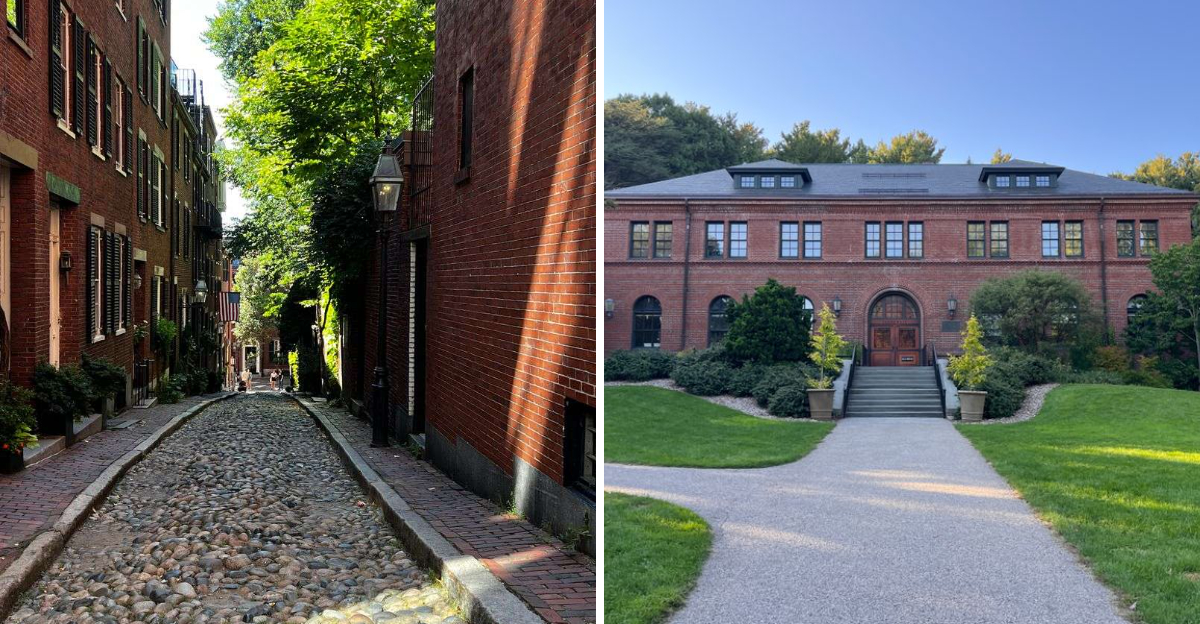
Boston stands as one of America’s most historic cities, where cobblestone streets whisper stories of revolution and innovation.
This vibrant New England metropolis blends colonial charm with modern energy, creating an atmosphere unlike any other American destination.
Walking through Boston means stepping into living history, where red-brick buildings house cutting-edge technology companies and centuries-old churches sit beside gleaming skyscrapers.
The city offers an incredible mix of famous sites that shaped our nation and hidden treasures known mainly to locals.
From waterfront parks to tucked-away gardens, Boston rewards curious explorers who venture beyond the typical tourist path.
Every neighborhood tells its own story, whether through Italian bakeries in the North End or student-filled cafes near prestigious universities.
Visitors discover that Boston’s true magic lies not just in its celebrated monuments but also in quiet corners where authentic city life unfolds.
Whether you’re a history enthusiast, food lover, or simply someone seeking new adventures, Boston delivers experiences that stay with you long after you leave.
The following landmarks and lesser-known spots showcase why this city captivates millions of visitors each year while maintaining its distinctive character.
Get ready to explore both the iconic and the intimate sides of this remarkable city.
1. Freedom Trail
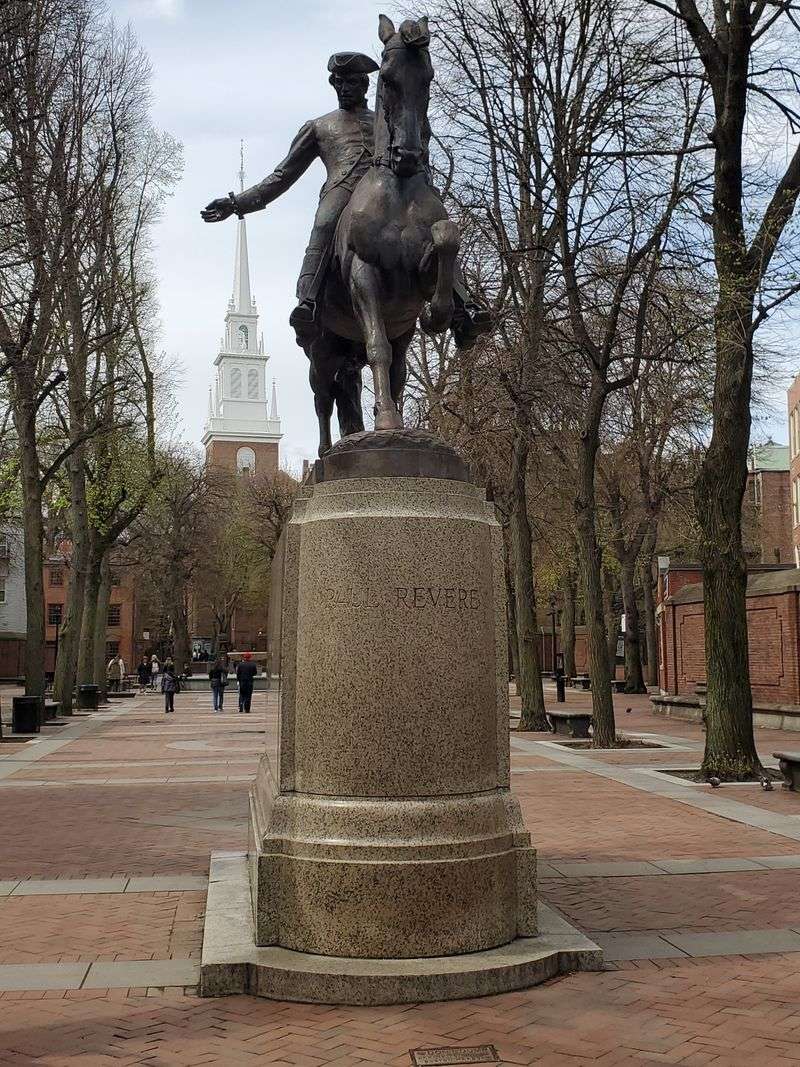
Walking the Freedom Trail feels like traveling through time with each step taking you deeper into America’s revolutionary past.
This 2.5-mile red-brick path connects 16 historically significant locations that played crucial roles in the birth of our nation.
Starting at Boston Common and ending at the Bunker Hill Monument in Charlestown, the trail guides visitors through centuries of American history.
Paul Revere’s House stands along the route, offering a glimpse into colonial domestic life in the oldest remaining structure in downtown Boston.
The Old North Church, where lanterns signaled the British approach in 1775, still holds regular services and welcomes visitors daily.
Faneuil Hall, known as the Cradle of Liberty, served as a meeting place for revolutionaries and now houses shops and restaurants alongside its historical exhibits.
The trail takes roughly two to three hours to complete if you simply walk it without stopping at every site.
However, history enthusiasts often spend an entire day exploring the museums, churches, and burial grounds along the way.
Granary Burying Ground contains graves of Samuel Adams, Paul Revere, and victims of the Boston Massacre, making it a particularly moving stop.
Spring and fall offer the most comfortable weather for walking the entire trail without summer humidity or winter cold.
Many visitors choose to follow the trail independently using maps available at visitor centers or through smartphone apps.
Guided tours led by costumed interpreters provide entertaining stories and historical context that bring the sites to life in memorable ways.
The Freedom Trail remains Boston’s most popular attraction, drawing millions who want to walk where founding fathers once debated independence and freedom.
2. Boston Public Garden
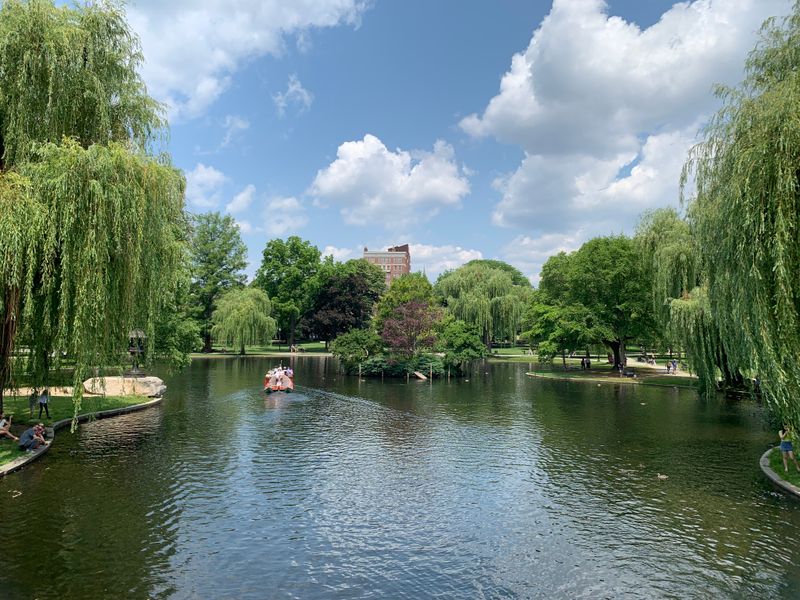
America’s first public botanical garden opened in 1837 and continues enchanting visitors with its carefully manicured landscapes and peaceful atmosphere.
The Public Garden sits adjacent to Boston Common but offers a completely different experience with formal Victorian design replacing open green space.
Lagoons, fountains, and meticulously maintained flower beds create an oasis that makes you forget you’re in the heart of a bustling city.
The famous Swan Boats have glided across the garden’s lagoon since 1877, offering leisurely rides that have delighted generations of families.
These pedal-powered vessels operate from mid-April through September, providing a uniquely Boston experience that hasn’t changed in over a century.
The bronze Make Way for Ducklings statues honor Robert McCloskey’s beloved children’s book and have become one of the city’s most photographed sculptures.
Seasonal plantings ensure the garden looks spectacular year-round, with spring tulips giving way to summer annuals and fall mums.
The weeping willows surrounding the lagoon create romantic spots perfect for quiet contemplation or intimate conversations.
Local office workers often spend lunch breaks on benches throughout the garden, reading books or simply enjoying nature’s beauty.
The suspension bridge spanning the lagoon offers excellent photo opportunities and connects different sections of the garden’s winding paths.
Early morning visits provide the most serene experience before crowds arrive, with morning light creating magical reflections on the water.
Winter transforms the garden into a quieter but equally beautiful landscape where bare trees reveal architectural details of surrounding buildings.
The Public Garden represents Boston’s commitment to preserving green spaces that enhance urban life and provide respite from city stress.
3. Fenway Park
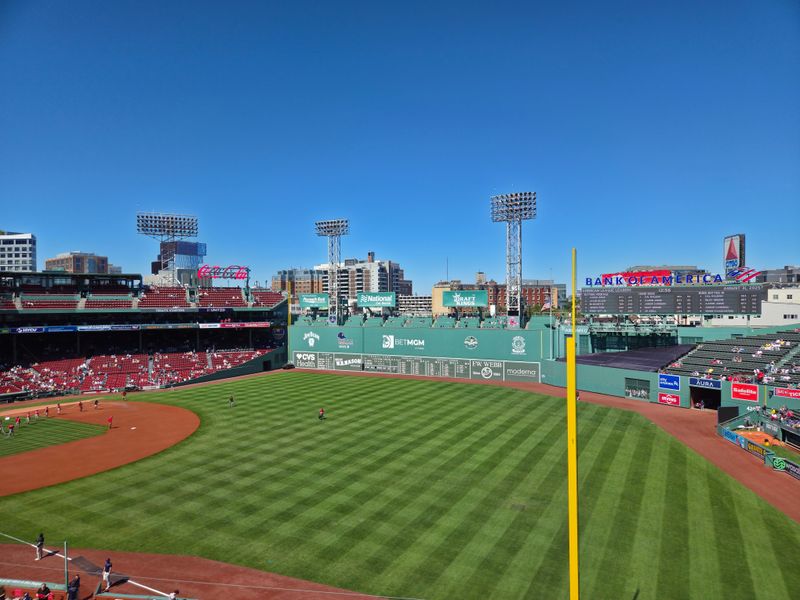
Baseball fans consider Fenway Park a sacred place where America’s pastime connects past and present through every crack of the bat.
Opened in 1912, this ballpark stands as the oldest Major League Baseball stadium still in use, maintaining its original charm despite modern renovations.
The intimate venue seats just under 38,000 fans, creating an atmosphere where every spectator feels close to the action unfolding on the field.
The Green Monster, Fenway’s famous 37-foot-tall left field wall, has frustrated visiting teams and thrilled home fans for over a century.
Manual scoreboards still get updated by workers inside the wall, preserving traditions that disappeared from most modern stadiums decades ago.
Pesky’s Pole marks the right field foul line just 302 feet from home plate, making Fenway one of baseball’s most hitter-friendly parks.
Tours run year-round and allow visitors to explore areas typically reserved for players and media, including the press box and dugouts.
The Red Sox Team Store offers merchandise ranging from classic jerseys to unique collectibles you won’t find anywhere else.
Yawkey Way, now called Jersey Street, transforms into a pedestrian zone on game days, filled with food vendors and excited fans wearing red and blue.
Attending a game at Fenway means participating in traditions like singing Sweet Caroline during the eighth inning stretch.
The neighborhood surrounding the park, known as the Fenway, offers numerous sports bars and restaurants that fill with passionate fans before and after games.
Even non-baseball enthusiasts appreciate Fenway’s historical significance and the electric atmosphere that makes attending a game feel like a cultural experience.
Fenway Park embodies Boston’s sports legacy and community spirit in ways that transcend baseball itself.
4. Acorn Street
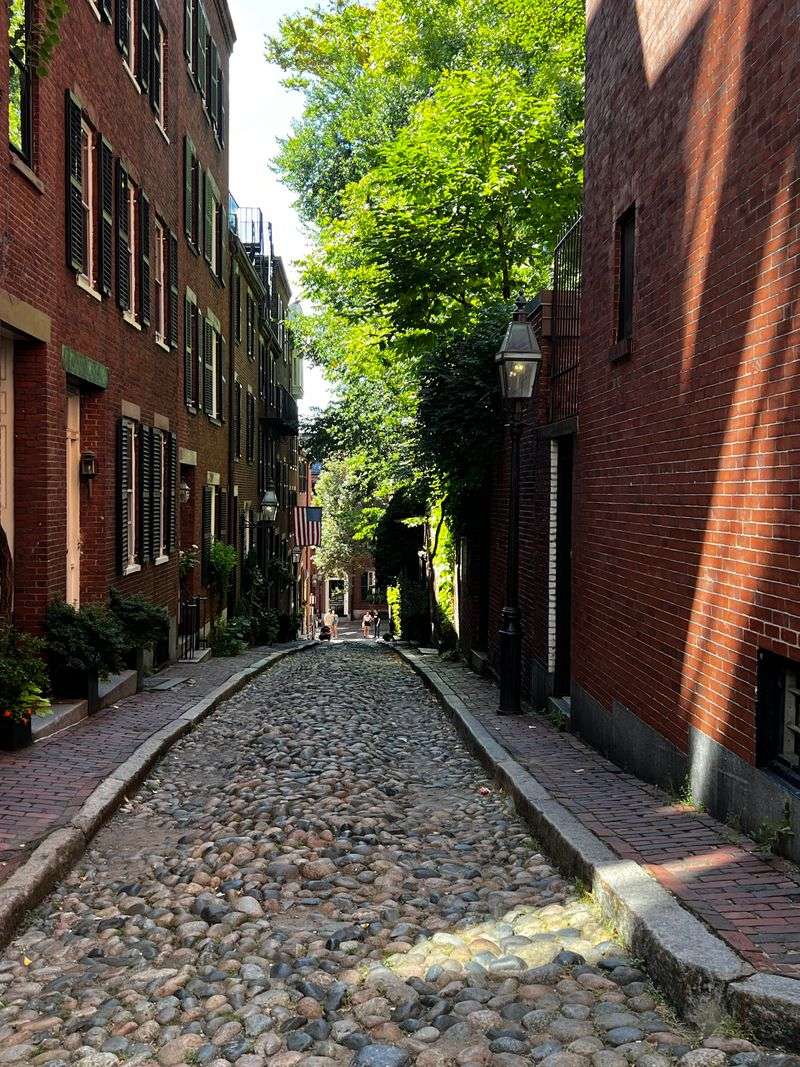
Photographers flock to this narrow, cobblestoned lane that many consider the most photographed street in the entire United States.
Acorn Street runs just one block through Beacon Hill, yet it captures the essence of 19th-century Boston better than any other location.
The private residences lining this tiny street feature classic Federal-style architecture with black shutters, window boxes overflowing with flowers, and original gas lamps.
Coachmen and servants once lived in these modest rowhouses while their wealthy employers resided in larger homes on nearby Louisburg Square.
Today, these same small homes command premium prices due to their historical significance and prime Beacon Hill location.
The uneven cobblestones and narrow width create challenges for modern vehicles, so the street remains blissfully quiet most of the time.
Morning light provides the best conditions for photography, with soft illumination highlighting the texture of aged brick and worn cobblestones.
Autumn brings particularly stunning visuals when ivy covering some facades turns brilliant shades of red and gold.
Respecting residents’ privacy remains important since these are occupied homes, not museum displays or tourist attractions.
Nearby Charles Street offers antique shops, cafes, and boutiques perfect for exploring after capturing your Acorn Street photos.
The street sits just minutes from the Public Garden and Boston Common, making it easy to include in any Beacon Hill walking tour.
Many visitors spend only a few minutes on Acorn Street, yet those moments create lasting memories of Boston’s historic charm.
This hidden corner exemplifies how Boston preserves its architectural heritage while remaining a living, breathing city where people actually reside.
Acorn Street proves that sometimes the most memorable destinations are quiet residential blocks rather than grand monuments or famous buildings.
5. Isabella Stewart Gardner Museum
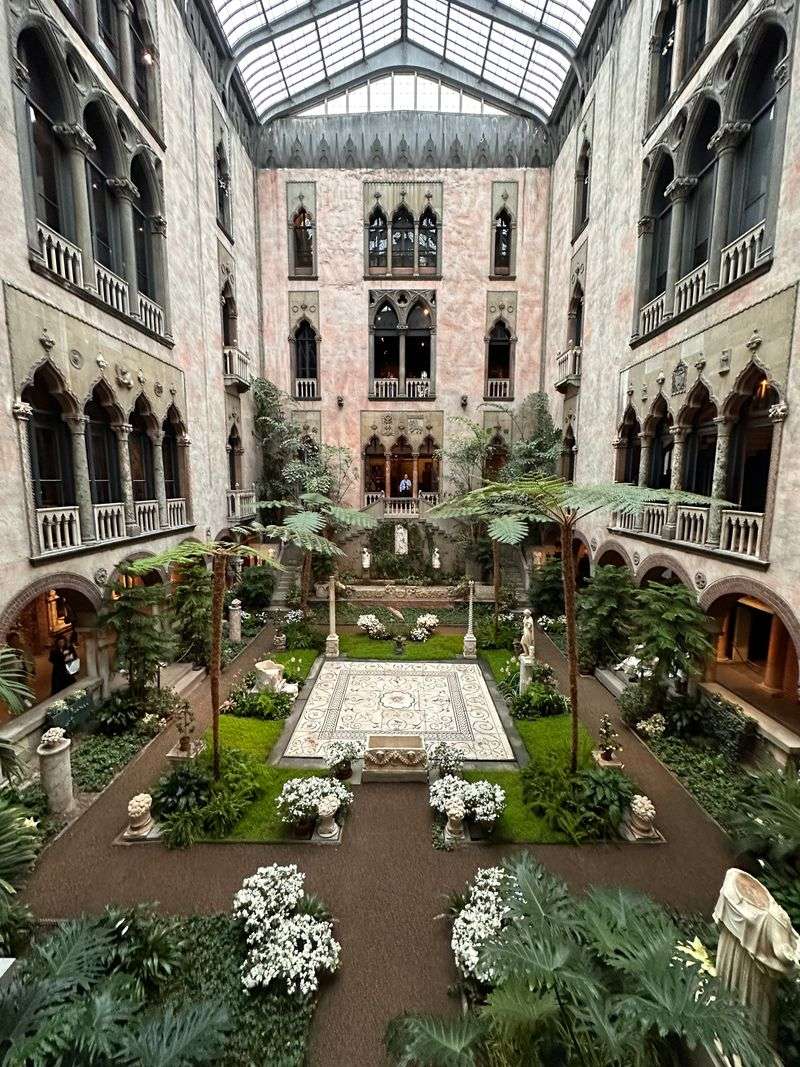
Art enthusiasts discover an extraordinary collection housed in a building as captivating as the masterpieces it contains.
Isabella Stewart Gardner designed this Venetian-style palazzo herself, filling it with European and Asian art collected during her extensive travels.
The museum opened in 1903 and remains largely unchanged, following Gardner’s will that specified nothing could be moved or altered after her death.
The stunning central courtyard blooms year-round with seasonal plantings that create a living work of art beneath the glass ceiling.
Gardner’s eclectic arrangement places paintings, sculptures, furniture, and textiles together in ways that reflect her personal vision rather than conventional museum organization.
Works by Rembrandt, Titian, and Botticelli hang alongside decorative arts, creating intimate galleries that feel more like visiting a private collection than touring a traditional museum.
The infamous 1990 art heist remains unsolved, with empty frames marking where thieves stole thirteen works including paintings by Vermeer and Rembrandt.
These missing pieces add an element of mystery that continues attracting curious visitors hoping to learn about the still-open investigation.
The modern wing, designed by Renzo Piano and opened in 2012, provides contemporary gallery space while respecting the historic palazzo’s unique character.
The museum hosts concerts in its Calderwood Hall, maintaining Gardner’s vision of combining visual and performing arts.
The cafe serves light meals in a greenhouse setting overlooking the courtyard, offering a peaceful spot for reflection between galleries.
Located at 25 Evans Way in the Fenway neighborhood, the museum sits near other cultural institutions including the Museum of Fine Arts.
Visitors often describe feeling transported to another time and place within these walls where one woman’s passion created something truly magical.
6. Castle Island and Fort Independence
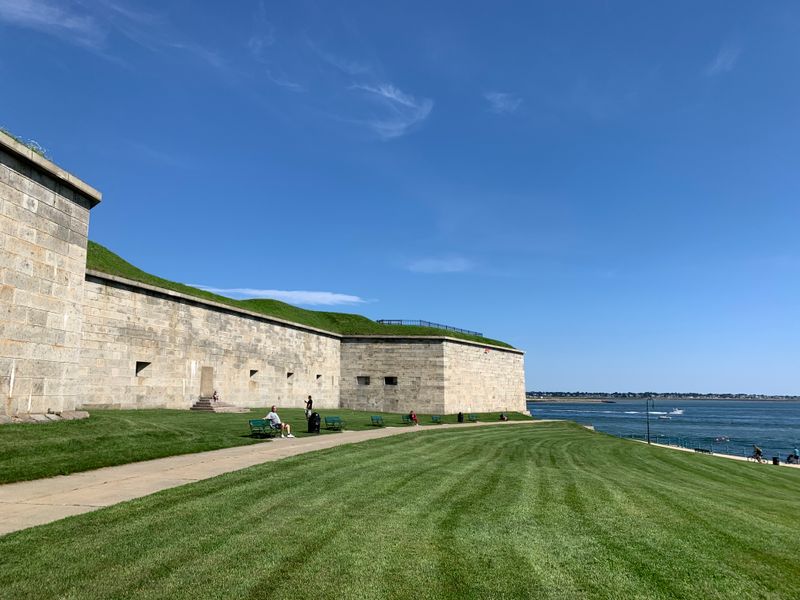
South Boston’s Castle Island offers locals and visitors a waterfront escape that combines military history with recreational opportunities.
Despite its name, Castle Island actually connects to the mainland via a causeway, making it easily accessible for walking, jogging, or cycling.
Fort Independence, a granite fortress dating to the early 1800s, dominates the island and offers free tours during summer months.
The fort’s star-shaped design represents military architecture from an era when coastal defenses protected American harbors from foreign threats.
Edgar Allan Poe served briefly at the fort in 1827, and legend suggests one of its ghost stories inspired his famous tale The Cask of Amontillado.
Thick walls and underground passages fascinate visitors who explore the fort’s chambers while learning about its role in harbor defense.
The paved path circling the island attracts walkers and runners enjoying spectacular views of Boston Harbor and incoming aircraft approaching Logan Airport.
Sullivan’s, a beloved seasonal restaurant operating since 1951, serves hot dogs, fried clams, and soft-serve ice cream that taste even better with ocean breezes.
Families spread blankets on the grassy areas for picnics while watching sailboats navigate the harbor waters.
Fishing enthusiasts cast lines from the seawall, hoping to catch striped bass or bluefish that populate these waters.
Sunset visits provide particularly memorable experiences as golden light illuminates the Boston skyline across the harbor.
Winter transforms Castle Island into a quieter destination where hardy locals still walk despite cold winds whipping off the water.
This lesser-known corner of Boston demonstrates how the city balances historical preservation with creating spaces where communities gather and create new memories.
Castle Island represents authentic Boston, where working-class neighborhoods maintain connections to waterfront spaces that have served the city for centuries.
7. Arnold Arboretum
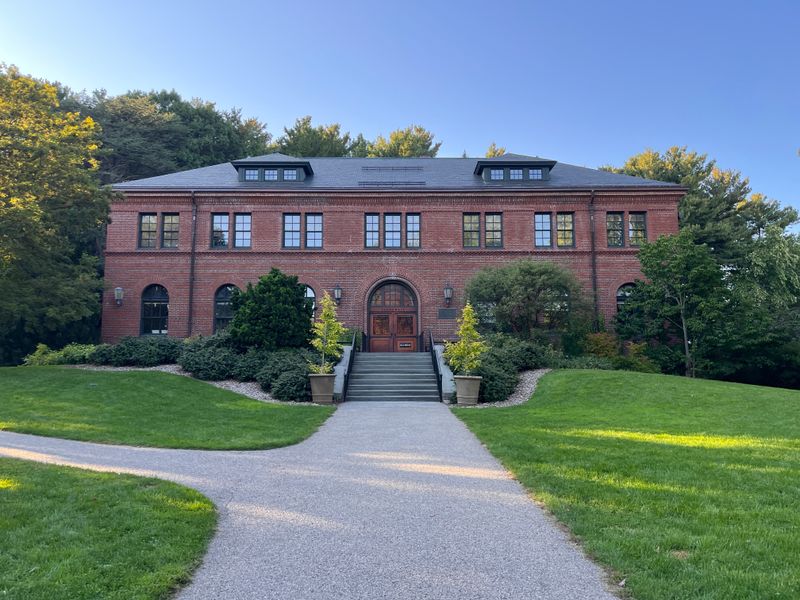
Nature lovers find an unexpected sanctuary in this 281-acre living museum of trees, shrubs, and vines from around the world.
Harvard University manages the Arnold Arboretum, which serves as both a research facility and a public park welcoming visitors year-round without admission fees.
Established in 1872, the arboretum contains over 15,000 plants representing more than 2,000 species, many labeled with informative markers.
Spring brings spectacular displays when thousands of lilacs bloom, attracting crowds for the annual Lilac Sunday celebration held each May.
The arboretum’s collection includes rare and endangered species from Asia, Europe, and North America, making it invaluable for botanical research and conservation.
Winding paths lead visitors through different landscapes, from open meadows to dense groves, with elevation changes providing unexpected hilltop views of the Boston skyline.
Birdwatchers bring binoculars to spot species attracted to the diverse habitats created by the varied plant collections.
The Leventritt Shrub and Vine Garden showcases plants often overlooked in larger landscapes but offering incredible beauty in their own right.
Autumn transforms the arboretum into a painter’s palette with brilliant foliage colors that rival any New England destination.
Located in the Jamaica Plain neighborhood, the arboretum provides a peaceful escape from urban intensity while remaining easily accessible by public transportation.
Dog walkers, joggers, families, and solitary contemplators all find space to pursue their activities without feeling crowded.
Winter reveals the architectural beauty of bare branches and bark textures that go unnoticed when leaves fill the canopy.
The visitor center offers maps, educational programs, and special exhibitions that deepen appreciation for the collections.
Arnold Arboretum represents Boston’s commitment to green spaces that serve multiple purposes, providing recreation, education, and scientific research in one remarkable location.
Dear Reader: This page may contain affiliate links which may earn a commission if you click through and make a purchase. Our independent journalism is not influenced by any advertiser or commercial initiative unless it is clearly marked as sponsored content. As travel products change, please be sure to reconfirm all details and stay up to date with current events to ensure a safe and successful trip.
