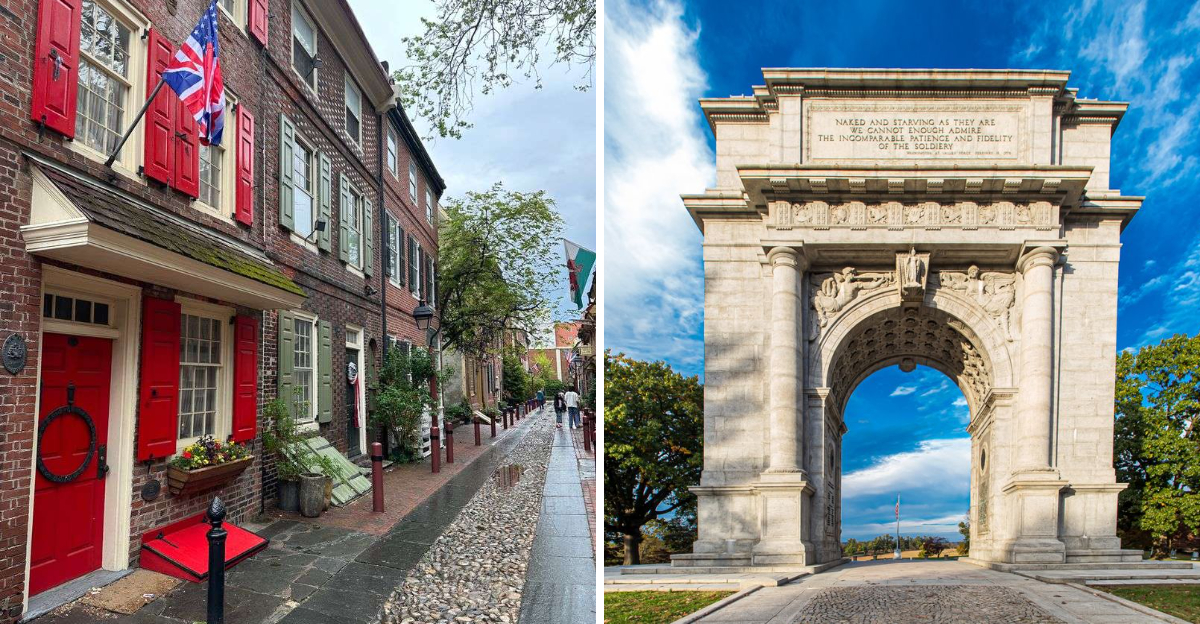
Pennsylvania holds a special place in American history, with countless landmarks that shaped the nation we know today.
From Revolutionary War battlefields to architectural wonders, the state draws millions of visitors every year.
These historic treasures offer glimpses into pivotal moments that changed the course of history.
However, their popularity comes with a price, as crowds can sometimes overwhelm these cherished locations.
Long lines, packed parking lots, and bustling gift shops have become part of the experience at many Pennsylvania destinations.
Despite the crowds, these sites remain essential stops for anyone interested in understanding America’s past.
Whether you’re a history enthusiast or simply curious about the stories behind these famous places, Pennsylvania offers unforgettable experiences.
Planning ahead and visiting during off-peak times can help you enjoy these landmarks without fighting through massive crowds.
1. Independence Hall
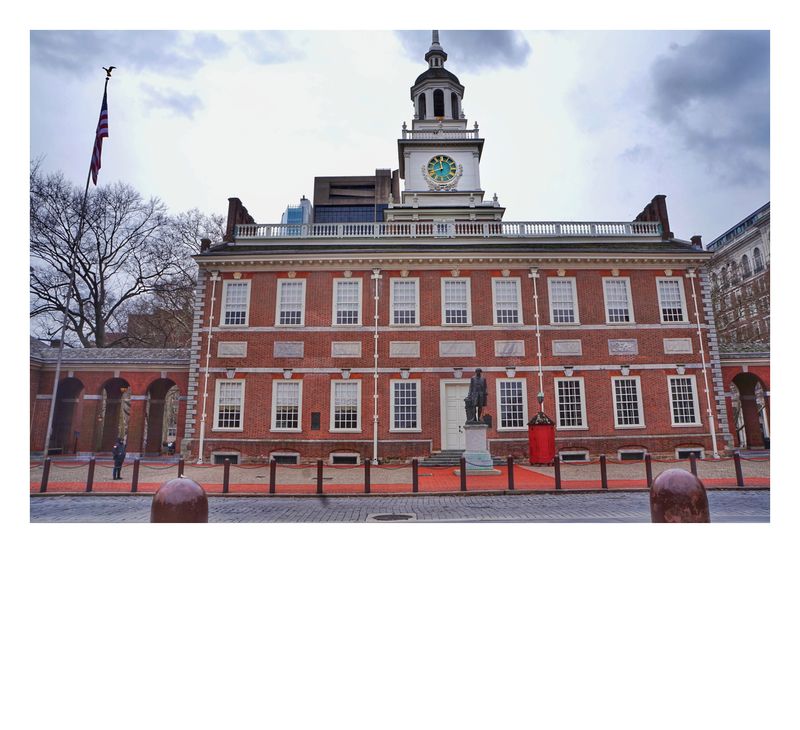
Standing at 520 Chestnut Street in Philadelphia, this Georgian-style building witnessed the birth of a nation.
Both the Declaration of Independence and the United States Constitution were debated and signed within these walls.
Visitors from around the globe flock here to walk the same floors where founding fathers made history-altering decisions.
The building’s modest exterior belies the monumental events that unfolded inside its Assembly Room.
Security measures and timed entry tickets have become necessary to manage the overwhelming number of tourists.
Free tickets are available, but they disappear quickly during peak summer months.
Tour guides share fascinating stories about the heated debates and compromises that shaped American democracy.
The surrounding Independence National Historical Park adds even more context to your visit.
Expect to wait in line for security screening, especially during holiday weekends and school vacation periods.
Photography inside is restricted to preserve the historic furnishings and artifacts.
Despite the crowds, standing in the room where independence was declared remains a powerful experience.
Early morning arrivals offer the best chance to beat the rush and enjoy a more peaceful visit.
The site remains one of Pennsylvania’s most treasured landmarks.
2. Liberty Bell Center
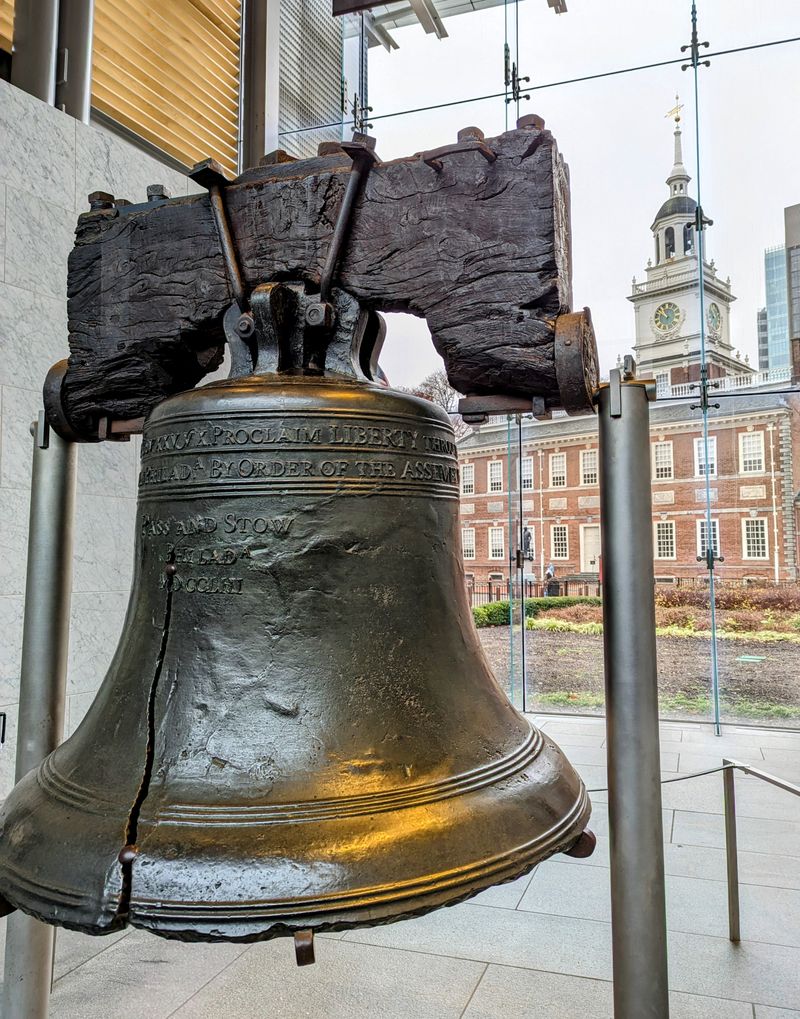
Located at 101 South Independence Mall West, this iconic symbol draws countless visitors seeking to witness American freedom personified.
The famous crack running up the bell’s side has become as recognizable as the Liberty Bell itself.
Millions of tourists pass through the modern pavilion each year to glimpse this Revolutionary War treasure.
Interactive exhibits surrounding the bell tell stories of liberty and justice throughout American history.
The center’s design allows visitors to view the bell against Independence Hall’s backdrop, creating memorable photographs.
Lines snake around the building during busy seasons, testing the patience of eager history buffs.
Security checkpoints slow the flow of visitors, but these measures protect this irreplaceable artifact.
Rangers stationed throughout the center answer questions and share lesser-known facts about the bell’s journey.
The bell’s inscription, from Leviticus, speaks to the universal desire for freedom and equality.
Visiting during weekday mornings typically means shorter waits and better viewing opportunities.
The center stays open year-round, offering climate-controlled comfort regardless of Philadelphia’s weather.
School groups and tour buses contribute significantly to the congestion during spring and fall.
Despite the crowds, seeing this symbol up close remains a bucket-list experience for many Americans.
3. Gettysburg National Military Park
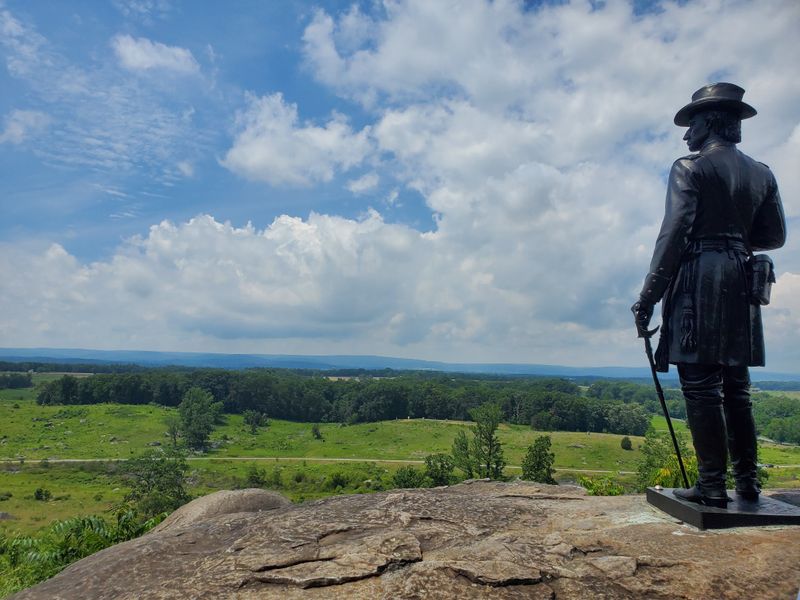
Sprawling across Gettysburg, Pennsylvania, this hallowed ground witnessed the Civil War’s turning point.
Three days of fierce fighting transformed these peaceful fields into America’s bloodiest battlefield.
President Lincoln’s famous address, delivered here months after the battle, redefined the war’s purpose and American ideals.
Thousands of monuments and markers dot the landscape, honoring soldiers from both Union and Confederate forces.
Visitors arrive by the busload to walk the same ground where over fifty thousand men fell.
The park’s visitor center provides essential context before exploring the vast battlefield.
Auto tours follow the battle’s progression, with numbered stops explaining key moments and tactical decisions.
Summer weekends bring bumper-to-bumper traffic along the park’s winding roads.
Reenactments and anniversary commemorations draw especially massive crowds, sometimes numbering in the tens of thousands.
Cemetery Hill and Little Round Top rank among the most photographed spots in Pennsylvania.
Licensed battlefield guides offer personalized tours, sharing stories that bring history vividly to life.
Spring and fall provide comfortable weather and slightly thinner crowds for exploring the expansive grounds.
The park’s size means you can usually find quieter spots for reflection, even during busy periods.
4. Valley Forge National Historical Park
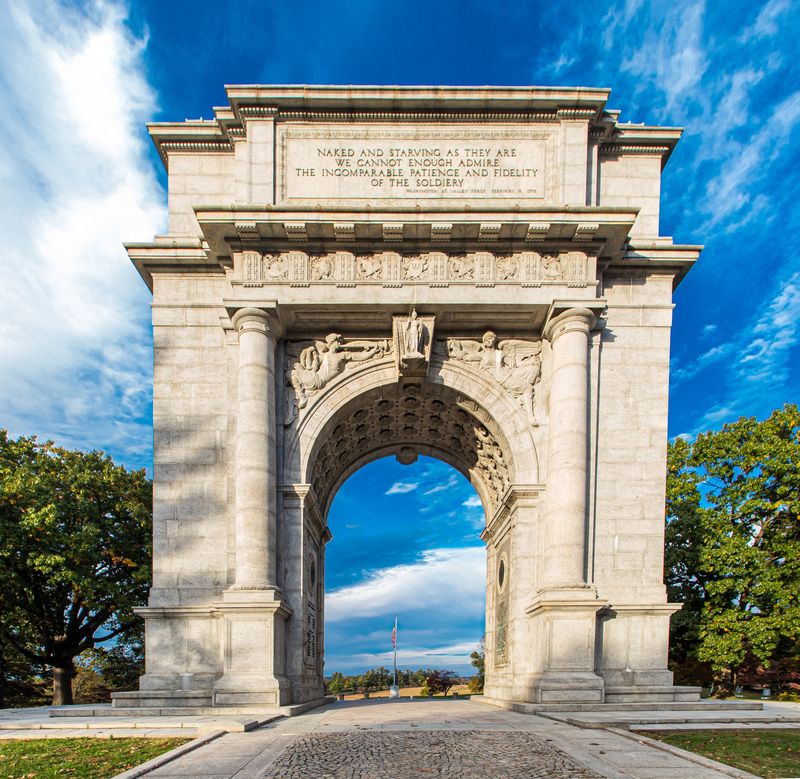
At 1400 North Outer Line Drive in King of Prussia, this park preserves the site of Washington’s winter encampment.
Continental Army soldiers endured brutal cold and starvation here, emerging stronger and better trained.
The winter spent at Valley Forge tested American resolve and ultimately transformed ragtag troops into a professional fighting force.
Reconstructed log cabins give visitors a sobering glimpse into the harsh conditions soldiers faced.
Washington’s headquarters, a stone farmhouse, remains remarkably well-preserved and open for tours.
Miles of trails wind through the park, perfect for hiking, biking, and contemplating Revolutionary War sacrifice.
School groups arrive regularly, with students learning about perseverance and patriotism through hands-on programs.
The National Memorial Arch stands as a grand tribute to the soldiers who suffered here.
Weekend warriors and history enthusiasts share the roads and paths, especially during pleasant weather.
Parking lots fill quickly near popular sites like the Muhlenberg Brigade huts.
Rangers lead programs throughout the year, bringing eighteenth-century military life into sharp focus.
The park’s proximity to Philadelphia makes it an easy day trip, contributing to steady visitor numbers.
Despite the crowds, the park’s expansive acreage offers plenty of space for peaceful exploration and reflection on American resilience.
5. Fallingwater
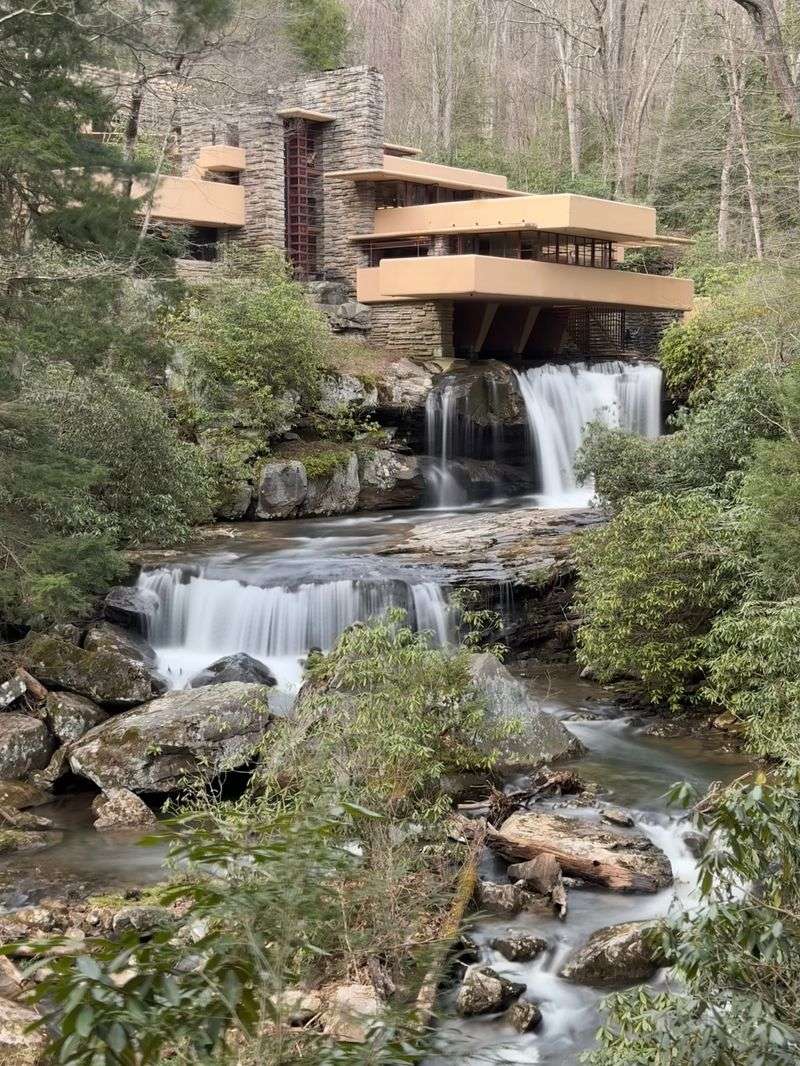
Nestled at 1491 Mill Run Road, Frank Lloyd Wright’s masterpiece defies conventional architecture by embracing nature.
Built directly over a cascading waterfall, the house seems to grow organically from the surrounding forest.
Wright designed this weekend retreat for the Kaufmann family, creating what many consider America’s greatest architectural achievement.
Cantilevered terraces jut dramatically over the stream below, blending human ingenuity with natural beauty.
Photography enthusiasts arrive hoping to capture the perfect shot of this internationally recognized landmark.
Reservations for guided tours book up weeks or even months in advance during peak season.
Only a limited number of visitors can enter the house each day to protect its delicate structure and furnishings.
Tour guides explain Wright’s innovative design principles and the engineering challenges of building over water.
The interior features custom-designed furniture and stunning integration of stone, wood, and glass.
Visitors must arrive at their scheduled time, as the strict tour system keeps crowds moving through efficiently.
The surrounding grounds offer hiking trails and overlooks for those unable to secure interior tour tickets.
Autumn brings spectacular foliage, making already-crowded conditions even more intense.
This Pennsylvania treasure continues inspiring architects and designers worldwide, drawing admirers from every continent.
6. Eastern State Penitentiary
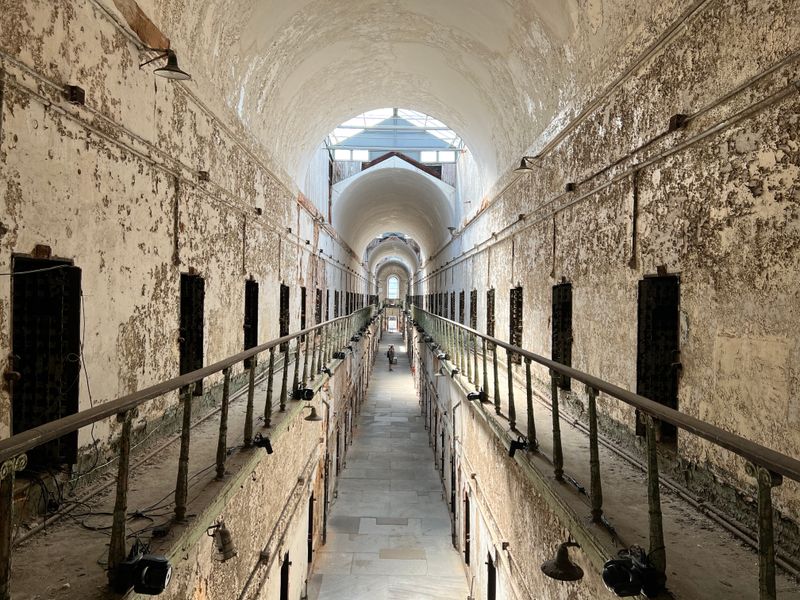
Rising at 2027 Fairmount Avenue in Philadelphia, this imposing fortress once revolutionized prison design worldwide.
Gothic architecture and a wagon-wheel floor plan created a penitentiary unlike any before it.
Notorious criminals, including Al Capone, spent time within these walls, isolated in individual cells.
The prison’s innovative solitary confinement system aimed to inspire penitence through complete isolation.
Today, visitors wander crumbling cellblocks where nature slowly reclaims abandoned corridors.
Peeling paint, rusted metal, and overgrown plants create an haunting atmosphere unlike typical museum experiences.
Audio tours narrated by actor Steve Buscemi guide guests through the prison’s complex history.
Halloween brings Terror Behind the Walls, transforming the penitentiary into Pennsylvania’s most popular haunted attraction.
Thousands queue for hours during October nights, eager to be scared within the historic prison walls.
Daytime tours attract photographers drawn to the site’s decaying beauty and dramatic light filtering through broken skylights.
Artists have created thought-provoking installations throughout the prison, addressing justice and incarceration themes.
The contrast between the prison’s reformist ideals and its harsh reality sparks important conversations among visitors.
Summer weekends see the longest lines, while winter weekdays offer more intimate exploration opportunities.
7. Elfreth’s Alley
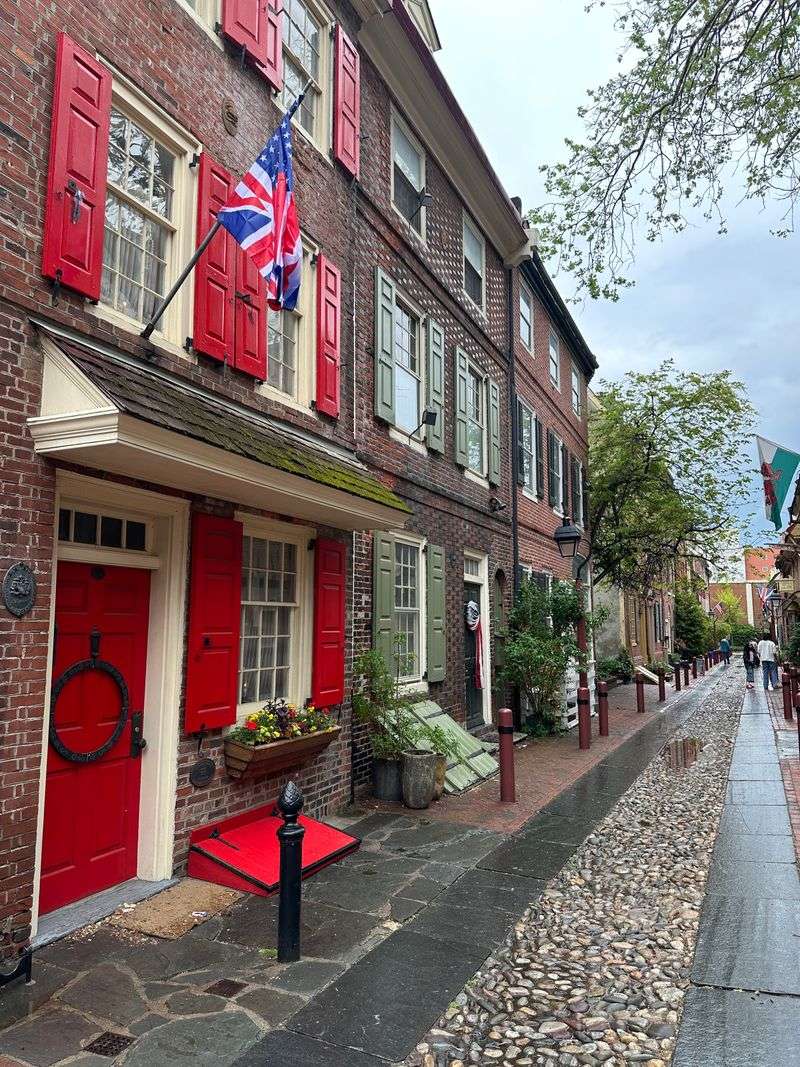
Tucked between Arch and Race Streets at 126 Elfreth’s Alley, this narrow cobblestone lane transports visitors to colonial Philadelphia.
Thirty-two brick homes line America’s oldest continuously inhabited residential street, dating back over three centuries.
Artisans, tradespeople, and merchants originally occupied these modest Georgian and Federal-style dwellings.
Today, residents still call these historic homes their own, living amid constant tourist foot traffic.
Photographers crowd the narrow alley, angling for the perfect shot of shuttered windows and colonial charm.
The tiny Elfreth’s Alley Museum occupies two houses, offering glimpses into eighteenth-century domestic life.
Guided tours share stories of the families who lived, worked, and raised children along this picturesque lane.
Social media has amplified the alley’s popularity, with influencers posing against historic doorways and brick facades.
Residents sometimes peek from behind curtains, observing the endless parade of curious visitors outside their windows.
Twice yearly, Fete Days open private homes to the public, creating even larger crowds and longer waits.
The alley’s compact size means even modest visitor numbers create a sense of congestion.
Early morning visits offer the best light for photography and the fewest competing tourists.
This living museum reminds us that Pennsylvania history continues in the present, not just the past.
8. Flight 93 National Memorial
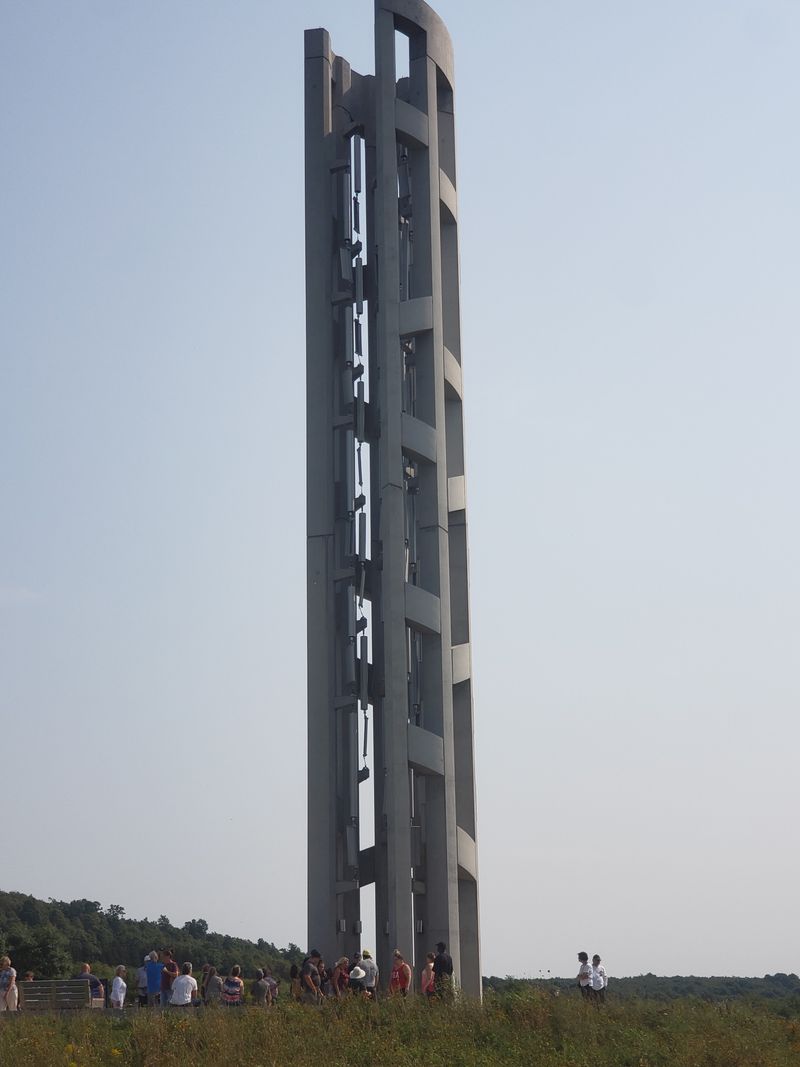
At 6424 Lincoln Highway near Shanksville, this memorial honors forty passengers and crew who fought back against hijackers.
Their courageous actions on September 11 prevented a fourth plane from reaching its intended target in Washington.
The crash site, once an abandoned strip mine, has been transformed into a place of remembrance and reflection.
A white marble Wall of Names lists each hero who perished in the Pennsylvania countryside.
Visitors walk a path leading to the impact site, now marked by a large boulder.
The memorial’s design emphasizes the rural landscape and the peaceful setting of the heroes’ final moments.
Rangers share the timeline of events and answer questions about that tragic morning.
Many visitors arrive in somber silence, deeply moved by the sacrifice made in Pennsylvania skies.
The Tower of Voices, still under construction, will feature wind chimes representing each victim.
Families of the victims often visit, sometimes encountering tourists who thank them for their loved ones’ bravery.
September brings anniversary commemorations and significantly increased visitor numbers to this hallowed ground.
The remote location hasn’t deterred Americans from making pilgrimages to honor these modern heroes.
This Pennsylvania memorial ensures that future generations will remember the courage displayed on that fateful day.
9. Steamtown National Historic Site
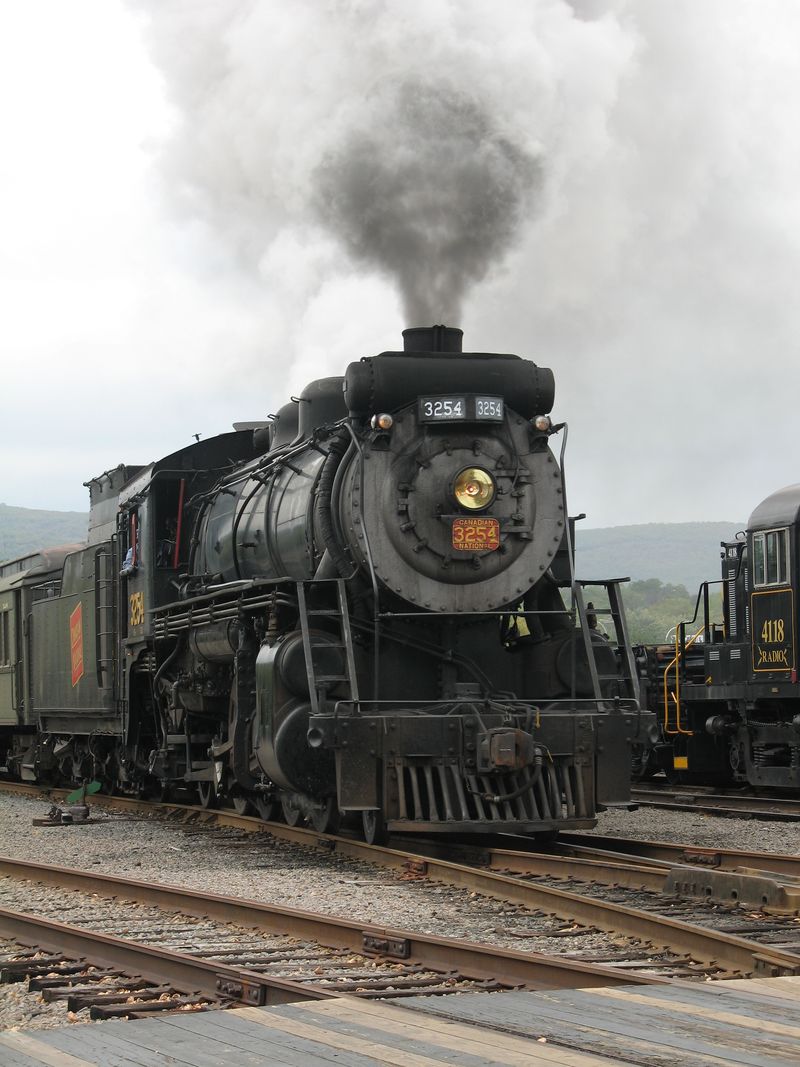
Positioned at 350 Cliff Street in Scranton, this unique park preserves the golden age of steam railroading.
Massive locomotives rest in the roundhouse, their polished metal and painted details gleaming under museum lights.
Pennsylvania’s coal and steel industries once relied on these iron horses to transport goods across the nation.
Children press their faces against railcars, imagining adventures aboard these powerful machines.
The working turntable demonstrates how engineers positioned locomotives for maintenance and departure.
Excursion trains occasionally operate, giving visitors the thrilling experience of riding behind a steam locomotive.
The museum chronicles railroading’s impact on American industrial growth and westward expansion.
Train enthusiasts arrive with cameras and notebooks, documenting every detail of the historic equipment.
Summer vacation brings families seeking educational entertainment, filling the visitor center and grounds.
The site’s connection to Scranton’s railroad heritage adds local significance to the national story.
Guided tours explain the mechanical workings of steam engines and the dangerous jobs of early railroad workers.
Special events featuring multiple operating locomotives draw the largest crowds and longest lines.
The smell of coal smoke and sound of steam whistles transport visitors back to railroading’s heyday.
This Pennsylvania treasure keeps railroad history alive for new generations of enthusiasts.
10. Carlisle Indian School
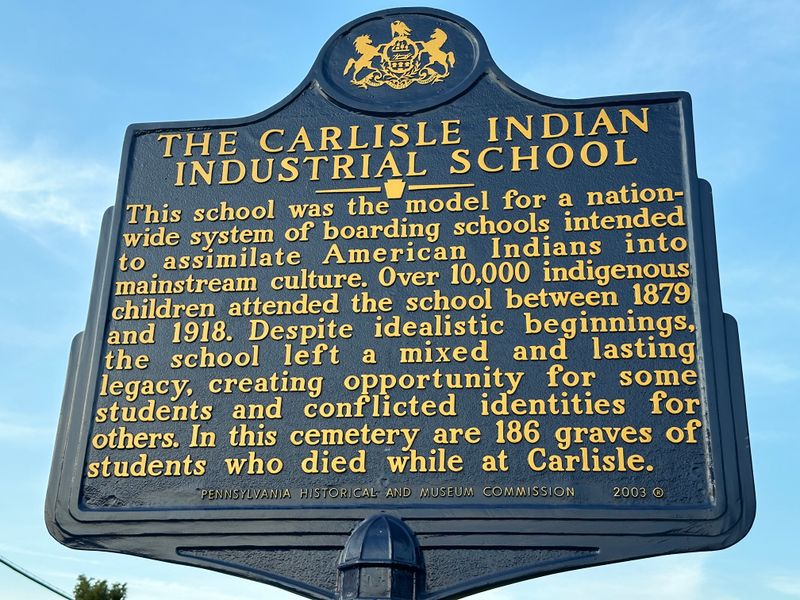
Located in Carlisle, this controversial institution shaped Native American education policy for decades.
Founded with the motto to kill the Indian and save the man, the school forcibly assimilated Native children into white culture.
Students from dozens of tribes were separated from families and forbidden from speaking their languages or practicing traditions.
Olympic champion Jim Thorpe attended here, achieving athletic glory while enduring cultural erasure.
The school’s legacy raises difficult questions about American treatment of indigenous peoples.
Visitors come seeking to understand this painful chapter in Pennsylvania and national history.
Some buildings remain standing, now part of the U.S. Army War College campus.
A cemetery holds the graves of students who died far from home, never returning to their families.
Recent efforts have focused on repatriating remains and acknowledging the harm caused by forced assimilation.
Descendants of former students visit to connect with ancestors and reclaim stolen histories.
The site attracts those interested in Native American history and the complex legacy of educational institutions.
Interpretive programs now present more balanced perspectives, including Native voices and experiences.
Understanding this history requires confronting uncomfortable truths about American policies toward indigenous peoples.
This Pennsylvania site reminds us that not all history is heroic or easy to celebrate.
11. Amish Farm and House
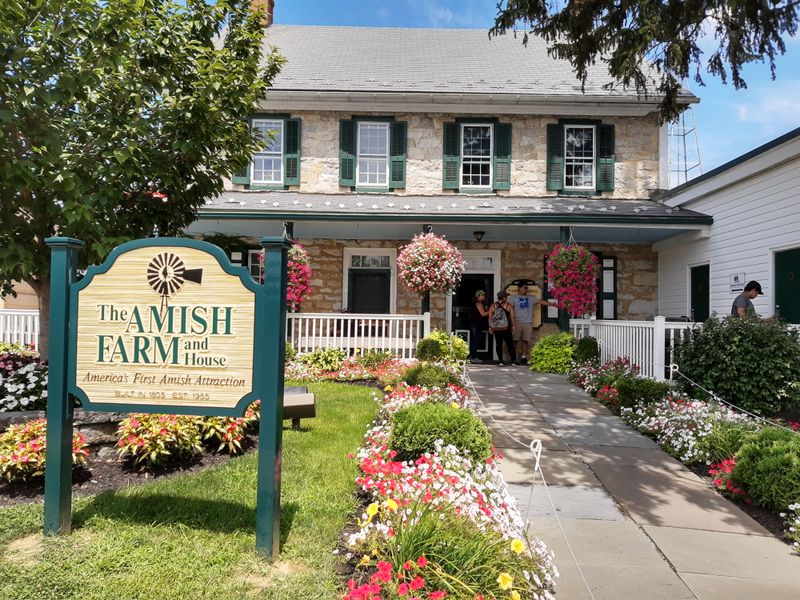
Situated at 2395 Covered Bridge Drive in Lancaster, this attraction offers glimpses into Pennsylvania Dutch Country life.
The working farm demonstrates traditional Amish agricultural practices and simple living principles.
Guides explain the religious beliefs and cultural practices that set the Amish apart from modern society.
Visitors tour the farmhouse, observing the absence of electricity and the presence of handcrafted furniture.
Farm animals roam the property, delighting children and providing authentic rural atmosphere.
Lancaster County’s Amish communities have become major tourist draws, sometimes overwhelming local roads and resources.
Tour buses clog narrow country lanes, frustrating both tourists and residents trying to navigate the area.
Nearby towns like Intercourse and Bird-in-Hand capitalize on Amish culture with shops and restaurants.
The tension between authentic Amish life and tourist commercialization raises ethical questions about cultural preservation.
Many Amish families feel their privacy invaded by constant tourist attention and photography.
Peak season brings traffic jams along scenic backroads as visitors search for quintessential Pennsylvania Dutch experiences.
The farm provides controlled access to Amish culture without intruding on private family life.
Understanding Amish values of simplicity and community offers perspective on modern American excess.
This Pennsylvania destination balances education with tourism, though crowds sometimes overwhelm the peaceful rural setting.
Dear Reader: This page may contain affiliate links which may earn a commission if you click through and make a purchase. Our independent journalism is not influenced by any advertiser or commercial initiative unless it is clearly marked as sponsored content. As travel products change, please be sure to reconfirm all details and stay up to date with current events to ensure a safe and successful trip.
