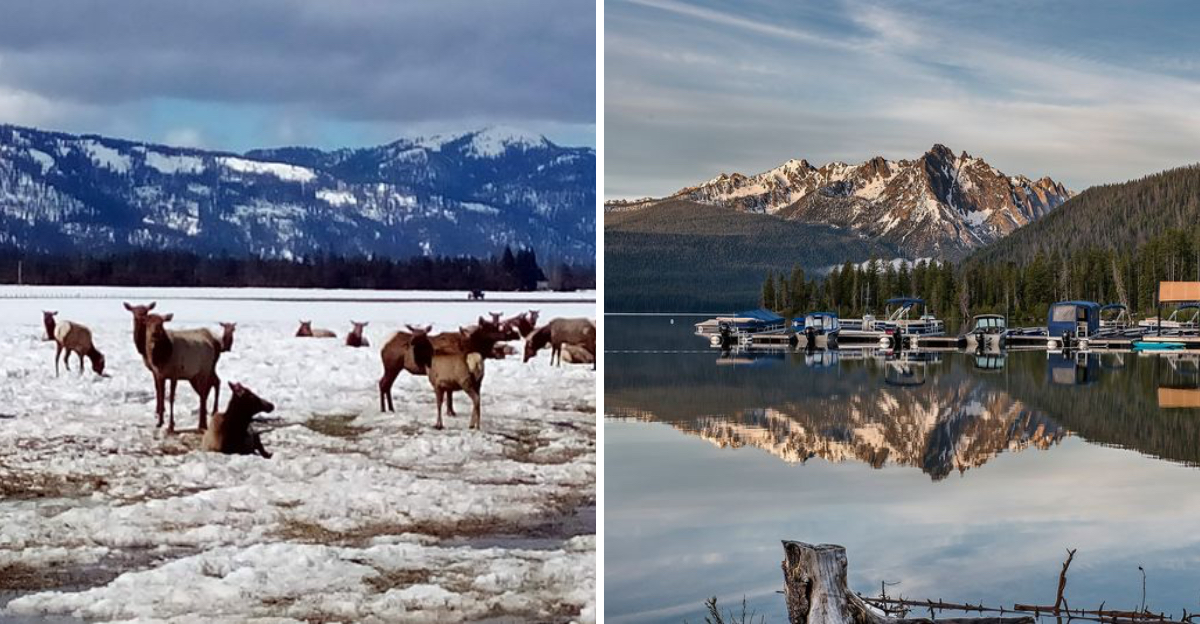
Winter transforms Idaho’s lakeside communities into peaceful retreats where snow-dusted shorelines meet crystal-clear waters.
The state’s alpine lakes and reservoirs create natural frames for mountain ranges that tower above quiet streets and cozy storefronts.
These towns offer more than just pretty scenery, they provide genuine escapes where frozen landscapes invite exploration and reflection.
Whether you’re drawn to outdoor adventures or simply want to watch winter settle over calm waters, these lakeside destinations deliver memorable experiences without the crowds found in busier resort areas.
This list is based on scenic appeal, winter accessibility, and the overall atmosphere of each lakeside town, as observed by our team and local sources.
Weather and seasonal conditions can affect experiences, and the order reflects editorial judgment rather than a definitive ranking.
1. Sandpoint
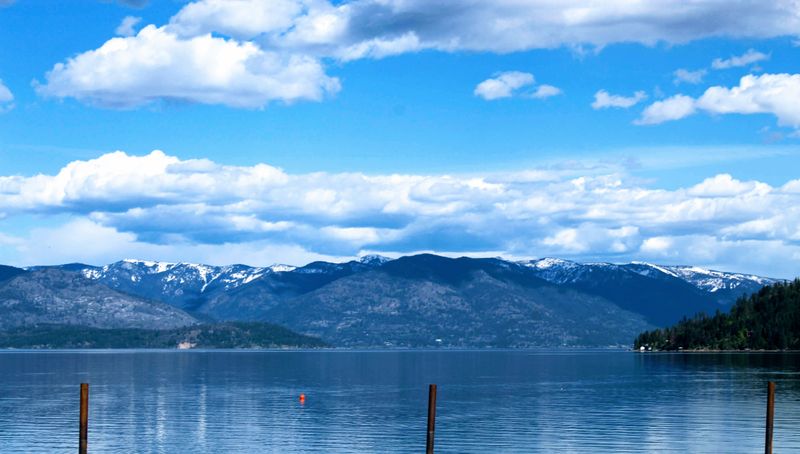
Sandpoint sits along the northern shore of Lake Pend Oreille, where winter blankets the surrounding Selkirk and Cabinet mountain ranges in deep snow.
The town’s downtown historic district maintains its charm through the coldest months, with locally owned shops and cafes offering warm gathering spots for residents and visitors alike.
Lake Pend Oreille remains partially unfrozen through winter, creating dramatic contrasts between dark waters and white peaks.
Schweitzer Mountain Resort rises just outside town, providing skiing and snowboarding opportunities with lake views from upper runs.
The Long Bridge stretches across the lake’s northern arm, offering unobstructed panoramas of the water and distant ridgelines.
City Beach becomes a quiet place for winter walks, where you can watch ice formations develop along the shoreline as temperatures drop.
Local trails like the Pend Oreille Bay Trail remain accessible during winter, though snow and ice require proper footwear.
The town hosts a winter carnival each February, bringing ice sculptures and community events to the waterfront area.
Sandpoint’s lakeside location in northern Idaho creates a microclimate that sometimes brings heavy snowfall, transforming the area into a true winter wonderland.
Coffee shops and breweries provide spots to warm up while watching snow fall over the lake.
The combination of accessible town amenities and wilderness proximity makes Sandpoint a practical base for winter exploration.
Wildlife like bald eagles can be spotted along the lakeshore during colder months, drawn by fish populations in the deep waters.
Evening views from the waterfront show lights reflecting off the lake surface, creating peaceful scenes as darkness arrives early in winter.
2. McCall
McCall wraps around the southern shore of Payette Lake, where pine forests meet water in a setting that feels removed from urban pressures.
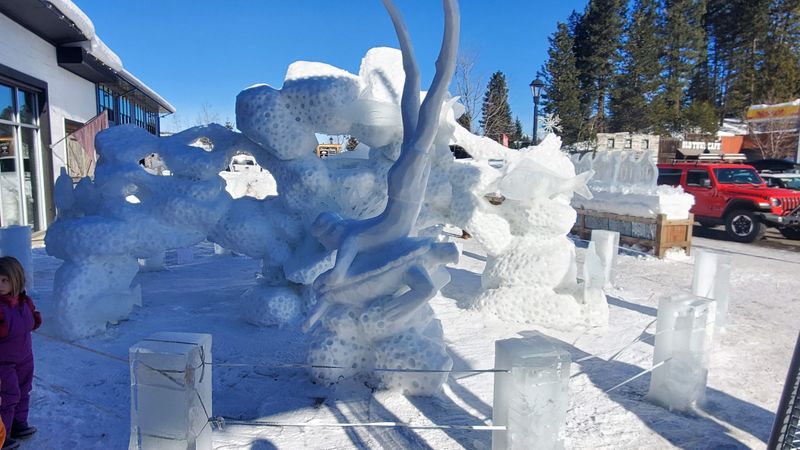
Winter brings the famous McCall Winter Carnival, featuring elaborate ice and snow sculptures that line the downtown streets and lakefront.
Payette Lake freezes over in most winters, creating opportunities for ice fishing, skating, and snowmobiling across the surface.
The town maintains a walkable downtown with restaurants, outfitters, and shops housed in buildings that reflect mountain architecture.
Brundage Mountain offers skiing just minutes from town, with terrain that ranges from gentle slopes to challenging steeps.
Ponderosa State Park extends into the lake on a peninsula, providing trails that wind through old-growth forest with lake views throughout.
Snow depths in McCall regularly exceed several feet, making it a reliable destination for those seeking true winter conditions.
The lakeside setting creates opportunities for sunrise and sunset photography, especially when clouds break to reveal the surrounding peaks.
Local lodges and vacation rentals offer lake views, allowing visitors to watch winter weather patterns move across the water from indoor comfort.
Cross-country skiing and snowshoeing trails connect throughout the area, with routes suitable for various skill levels.
The town’s elevation at over 5,000 feet ensures cold temperatures that preserve snow quality through the season.
Idaho’s central mountains surround McCall, creating a basin that holds snow and provides natural protection from wind.
Community events throughout winter keep the town active, preventing the sleepy atmosphere found in some seasonal destinations.
3. Coeur d’Alene
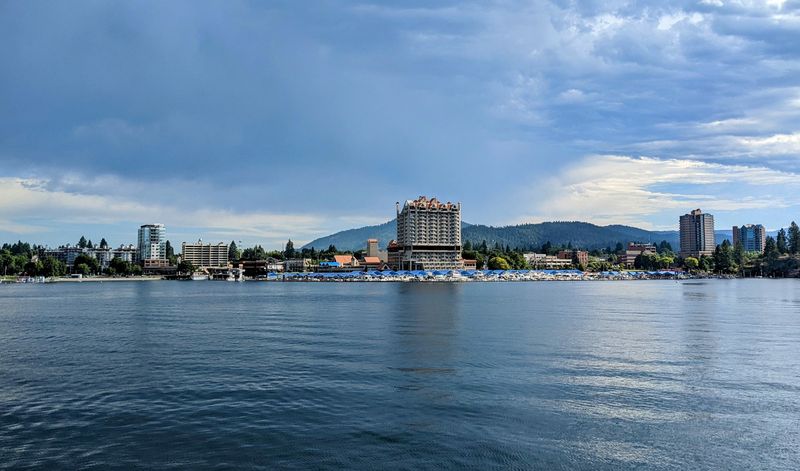
Coeur d’Alene spreads along the northern shores of Lake Coeur d’Alene, where a long boardwalk traces the waterfront through downtown.
Winter transforms the resort town into a quieter version of its summer self, though the lake views remain equally compelling.
The floating boardwalk is often accessible during winter months, depending on weather and ice conditions, offering walks above water that rarely freezes completely due to the lake’s depth and size.
Tubbs Hill rises at the east end of downtown, providing hiking trails with elevated views over the lake and surrounding forests.
Snow dusts the hillsides and rooftops, creating postcard scenes against the blue-gray waters.
The resort area includes hotels and restaurants with lake-facing windows, perfect for watching winter storms roll across the water.
City Beach and surrounding parks become peaceful spots for contemplation when tourist crowds thin out.
Silver Mountain Resort sits about an hour away, offering skiing for those who want to combine lakeside relaxation with mountain sports.
The town’s location in the Idaho Panhandle places it among dense forests that remain green beneath snow cover.
Local coffee roasters and bakeries provide warm refuges during cold mornings, many with views toward the water.
Ice fishing becomes possible in protected bays and inlets when temperatures stay below freezing for extended periods.
The lake stretches for miles, creating horizons that shift with changing weather and light conditions throughout the day.
Wildlife including waterfowl remain active around the lake edges, finding open water even when ice forms elsewhere.
Evening walks along the boardwalk show the town’s lights reflecting on dark water, creating a calm atmosphere distinct from summer’s energy.
4. Priest Lake
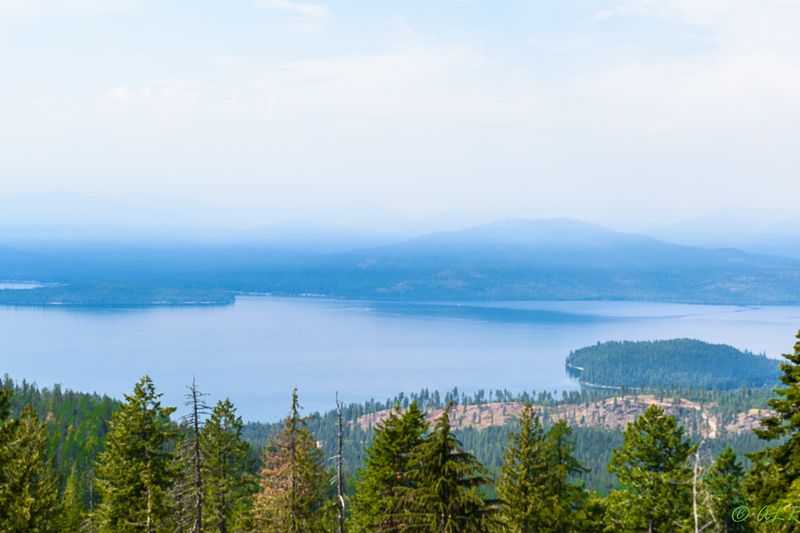
Priest Lake sits in Idaho’s far northern reaches, where wilderness dominates and development remains minimal.
The area consists of small communities scattered around the lake rather than a single town center, creating a remote atmosphere.
Winter here means deep snow and genuine isolation, with forest roads becoming impassable without proper vehicles.
The lake itself stretches for miles, bordered by the Selkirk Mountains that rise dramatically from the eastern shore.
Priest Lake State Park maintains winter access to certain areas, though facilities close and visitors must be self-sufficient.
Cross-country skiing and snowshoeing become primary activities, with trails winding through old-growth cedar and hemlock forests.
The lake can freeze during colder winters, allowing ice fishing and access to areas unreachable during other seasons.
Small lodges and cabin rentals provide accommodation, often requiring advance booking due to limited availability.
Northern Idaho’s climate brings heavy snowfall to this region, with accumulations that can exceed ten feet in upper elevations.
The lack of light pollution creates exceptional stargazing opportunities on clear winter nights.
Wildlife tracks in fresh snow reveal the presence of deer, elk, and smaller creatures adapting to winter conditions.
Upper Priest Lake, accessible by trail, offers even more remote scenery for those willing to make the journey.
The area’s distance from major cities means fewer visitors, creating opportunities for solitude rare in more accessible locations.
Local knowledge proves valuable here, as weather can change rapidly and services remain sparse.
Priest Lake represents Idaho at its wildest, where winter scenery comes with genuine adventure and a need for preparation.
5. Cascade
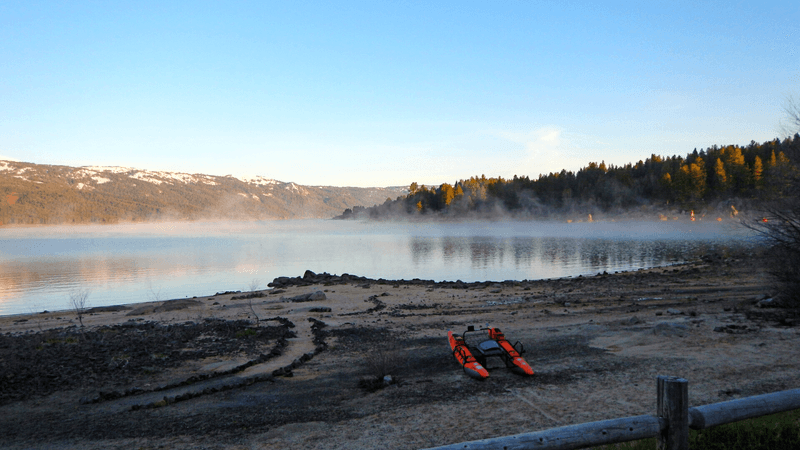
Cascade overlooks the reservoir that shares its name, positioned in a valley where the North Fork Payette River was dammed decades ago.
The town serves as a practical base for outdoor recreation rather than a polished resort destination.
Winter reveals the reservoir’s fluctuating water levels more clearly, with exposed shorelines creating interesting patterns beneath snow cover.
Ice fishing draws dedicated anglers who drill through surface ice to reach yellow perch and rainbow trout below.
The surrounding mountains create a natural amphitheater visible from many points around town.
Tamarack Resort operates nearby and provides lift-served skiing, with additional backcountry terrain available for experienced users.
Snow depths vary with elevation, but the valley floor typically receives moderate accumulation that transforms the landscape without creating impassable conditions.
Local businesses cater to snowmobilers, with trail systems connecting to broader networks throughout central Idaho.
The reservoir’s size creates open vistas uncommon in heavily forested mountain areas, allowing long sight lines across water and ice.
Small marinas and boat launches sit quiet during winter, their docks and ramps buried under snow until spring thaw.
The town maintains an unpretentious character, with services focused on practical needs rather than tourist amenities.
Idaho’s backcountry extends in all directions from Cascade, offering endless terrain for those with proper equipment and knowledge.
Winter sunsets paint the western sky in colors that reflect off the reservoir’s surface or ice, depending on conditions.
The combination of water views and mountain backdrop creates scenic variety within a compact area.
Cascade represents a working community that happens to occupy beautiful surroundings rather than existing primarily for visitors.
6. Bayview
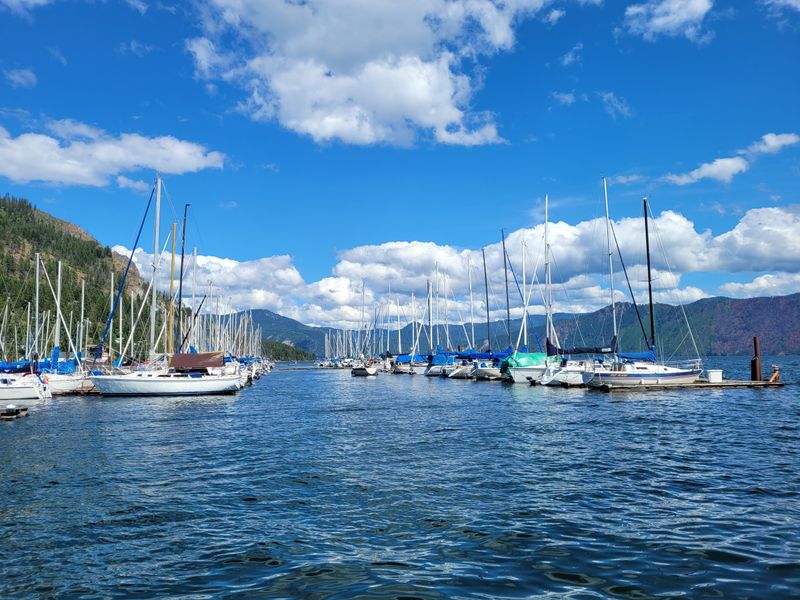
Bayview occupies a small peninsula jutting into Lake Pend Oreille’s southern waters, creating a community defined entirely by its relationship to the lake.
Bayview is an unincorporated lakeside community rather than a formally incorporated town.
The village consists mainly of lakeside homes, a marina, and a few essential services, maintaining a quiet profile year-round.
Winter brings solitude to this already peaceful place, with boat slips empty and the marina facilities closed until warmer weather returns.
Views extend north across the lake toward the Selkirk Mountains, which rise dramatically from the far shore.
Farragut State Park sits adjacent to Bayview, offering winter trails and access to shoreline areas where ice formations develop in protected coves.
The park once served as a naval training station during World War II, and remnants of that history remain visible throughout the grounds.
Snow-covered beaches and frozen spray along rocky points create natural sculptures that change with each storm and temperature shift.
The small community provides few services, making it more suitable for those seeking quiet retreat than tourist conveniences.
Lake Pend Oreille’s depth prevents complete freezing, keeping dark water visible even when surrounding areas turn white.
Eagles and other raptors hunt along the shoreline during winter, taking advantage of fish populations in the cold but unfrozen waters.
The drive to Bayview follows winding roads through forest, adding to the sense of arrival at a hidden destination.
Local residents embrace the seasonal quiet, creating a community atmosphere distinct from busier lakeside towns.
Idaho’s northern climate ensures reliable snow cover that transforms the peninsula into a winter scene worthy of careful observation.
Sunset views across the lake provide daily spectacles, with colors shifting as winter progresses and light angles change.
7. Stanley
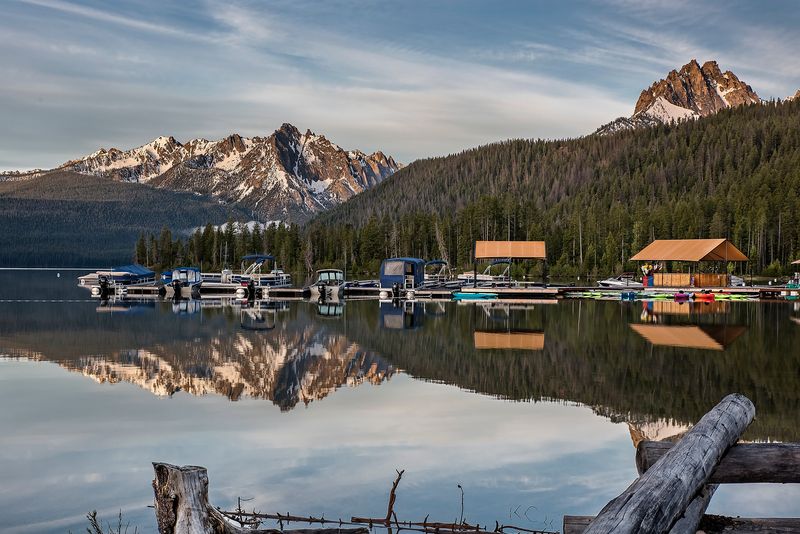
Stanley is often cited as one of the coldest towns in the lower 48 states, a reputation that shapes winter experiences here profoundly.
Redfish Lake sits just outside town, surrounded by the jagged peaks of the Sawtooth Mountains that define Idaho’s wilderness heart.
Temperatures regularly drop below zero, creating conditions that freeze the lake solid and transform the landscape into an arctic-like environment.
The lake’s location in a glacial valley provides dramatic scenery, with granite spires rising thousands of feet above the shoreline.
Winter access requires commitment, as roads can close during storms and services in town become extremely limited.
Redfish Lake Lodge remains open for winter visitors, offering a rare opportunity to stay lakeside during the coldest months.
Cross-country skiing and snowshoeing trails wind along the lakeshore and into surrounding forests, with views that justify the effort required to reach them.
The extreme cold creates unique ice formations along the shore, where wave action before freezing leaves sculptural patterns.
Stanley’s small downtown consists of a few buildings clustered along the highway, providing basic supplies and a couple of restaurants.
The Salmon River flows through the valley, its waters steaming in frigid air as geothermal influences prevent complete freezing in some sections.
Wildlife becomes more visible against snow backgrounds, with elk herds moving to lower elevations and predators following.
The Sawtooth National Recreation Area surrounds the town, protecting vast wilderness accessible only to those prepared for serious winter conditions.
Idaho’s central mountains receive heavy snowfall, but Stanley’s valley location creates temperature inversions that bring record cold.
This combination of lakeside beauty and extreme conditions makes Stanley a destination for hardy visitors seeking authentic winter wilderness.
8. Harrison
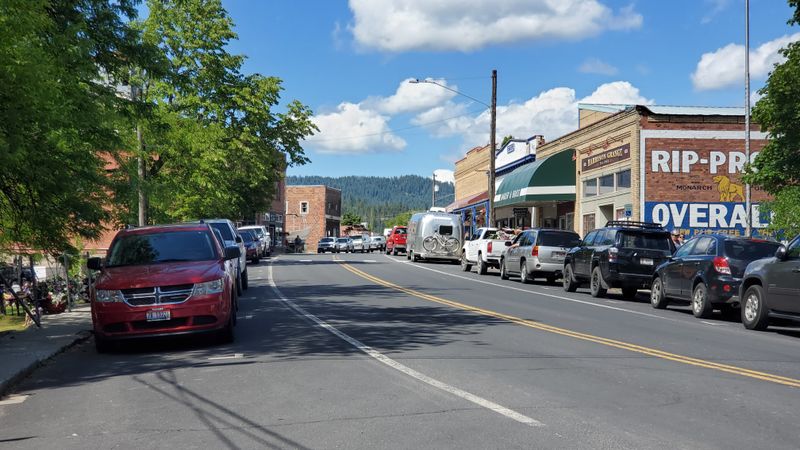
Harrison sits on the southern tip of Lake Coeur d’Alene, where the Trail of the Coeur d’Alenes rail-trail passes through town along the waterfront.
This small community maintains a historic character, with buildings dating to its days as a steamboat landing and timber town.
Winter transforms the trail into a route for cross-country skiing and fat-tire biking, with lake views accompanying the entire journey.
The town’s compact size means everything sits within easy walking distance, from the marina to local cafes and shops.
Lake views extend north toward distant mountains, with the water’s surface reflecting winter skies in shades of gray and blue.
Protected bays near town sometimes freeze enough for skating, though the main lake body remains open due to its depth.
The Trail of the Coeur d’Alenes stretches for 73 miles, but the section through Harrison provides some of the most scenic lakeside segments.
Local businesses adapt to winter’s slower pace, with reduced hours but maintained hospitality for visitors who make the trip.
Snow accumulation varies by year, but the town’s lower elevation means less extreme conditions than found in mountain communities.
Waterfowl congregate in ice-free areas, creating opportunities for bird watching from the shoreline or trail.
The marina sits quiet with boats stored for winter, its docks and facilities waiting for spring’s return.
Harrison represents a quieter alternative to larger lakeside towns, offering genuine small-town atmosphere without manufactured charm.
Idaho’s Panhandle region surrounds the area with forest that stays green beneath snow, creating color contrasts absent in higher elevations.
Evening lights from homes and businesses reflect on the lake, creating intimate scenes that capture winter’s peaceful qualities.
9. Donnelly
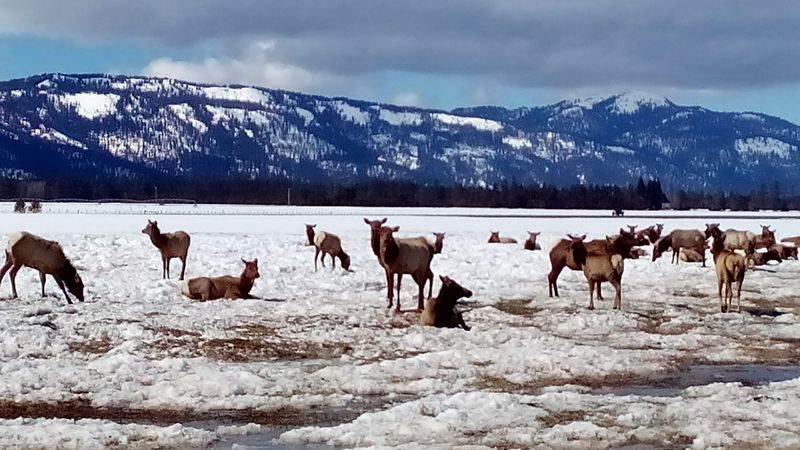
Donnelly occupies a valley position near Cascade Reservoir, where views extend across water toward surrounding mountain ranges.
The town developed as a timber and ranching community, maintaining working-class roots despite proximity to recreation areas.
Tamarack Resort’s ski area sits in the mountains above town, though its operational status has varied over recent years.
Winter brings reliable snow to the area, with depths sufficient for snowmobiling and backcountry exploration throughout the season.
The reservoir’s western shore lies just minutes from town, providing easy access to ice fishing and winter shoreline walks.
Local businesses serve both residents and visitors, creating a blend of practical services and outdoor recreation support.
The valley’s open character allows expansive views uncommon in heavily forested regions, with sight lines extending for miles.
Snow-covered meadows and fields surround the town, creating pastoral winter scenes framed by distant peaks.
Cross-country skiing opportunities exist on forest roads and trails that become snow-covered routes during winter months.
The community maintains a low-key atmosphere, without the resort development that has transformed some nearby areas.
Idaho’s central mountains create weather patterns that bring consistent snowfall but also allow periods of clear, cold conditions perfect for outdoor activities.
Wildlife including deer and elk move through the valley during winter, sometimes visible from town or nearby roads.
The reservoir’s size creates a focal point for the landscape, drawing the eye across frozen or partially frozen surfaces toward distant shores.
Evening temperatures drop significantly, creating crisp air that enhances the clarity of stars and distant mountain silhouettes.
Donnelly offers authentic small-town Idaho life alongside access to winter recreation and scenic beauty.
Dear Reader: This page may contain affiliate links which may earn a commission if you click through and make a purchase. Our independent journalism is not influenced by any advertiser or commercial initiative unless it is clearly marked as sponsored content. As travel products change, please be sure to reconfirm all details and stay up to date with current events to ensure a safe and successful trip.
